Tag Page Interesting

#Interesting
justme

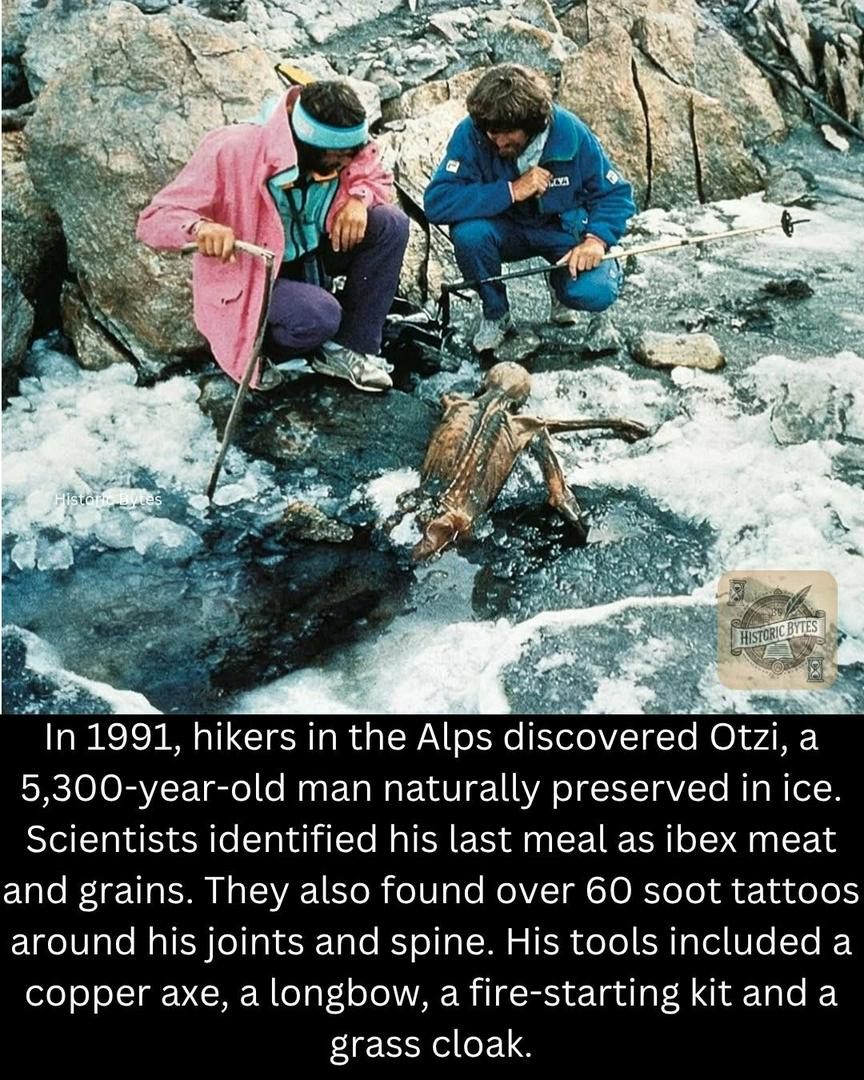
On September 19, 1991, two German hikers spotted what they assumed was a recently deceased mountaineer emerging from a melting glacier in the Alps near the Austrian-Italian border. It took radiocarbon dating to establish the truth. The man had died around 3,250 BCE, making him the oldest naturally preserved human ever found. Ötzi was 45 years old when he died, which was a significant age for his era. He was short, wiry, left-handed, and carried an extraordinary copper axe with a blade that was 99.7 percent pure copper, an item so valuable and technically advanced that its discovery pushed back the accepted start of the European Copper Age by a thousand years. High levels of copper and arsenic in his hair suggest he was involved in smelting it himself. His 61 tattoos, made by rubbing charcoal into small skin incisions, clustered around his spine, knees, and ankles precisely where his bones showed the most arthritic damage. They appear to have been therapeutic, targeting pain rather than serving as decoration. In the days before his death, Ötzi descended from the mountains into a valley, where evidence shows he was involved in a violent fight. He had a deep defensive wound between his right thumb and forefinger from grabbing a blade. Within hours he climbed back up to 10,500 feet, ate a large meal of ibex, red deer, and einkorn wheat, and stopped to rest. He was shot from behind with an arrow that severed the subclavian artery. He bled to death within minutes. His valuable axe was left beside him. #interesting #archeology #otzi

justme

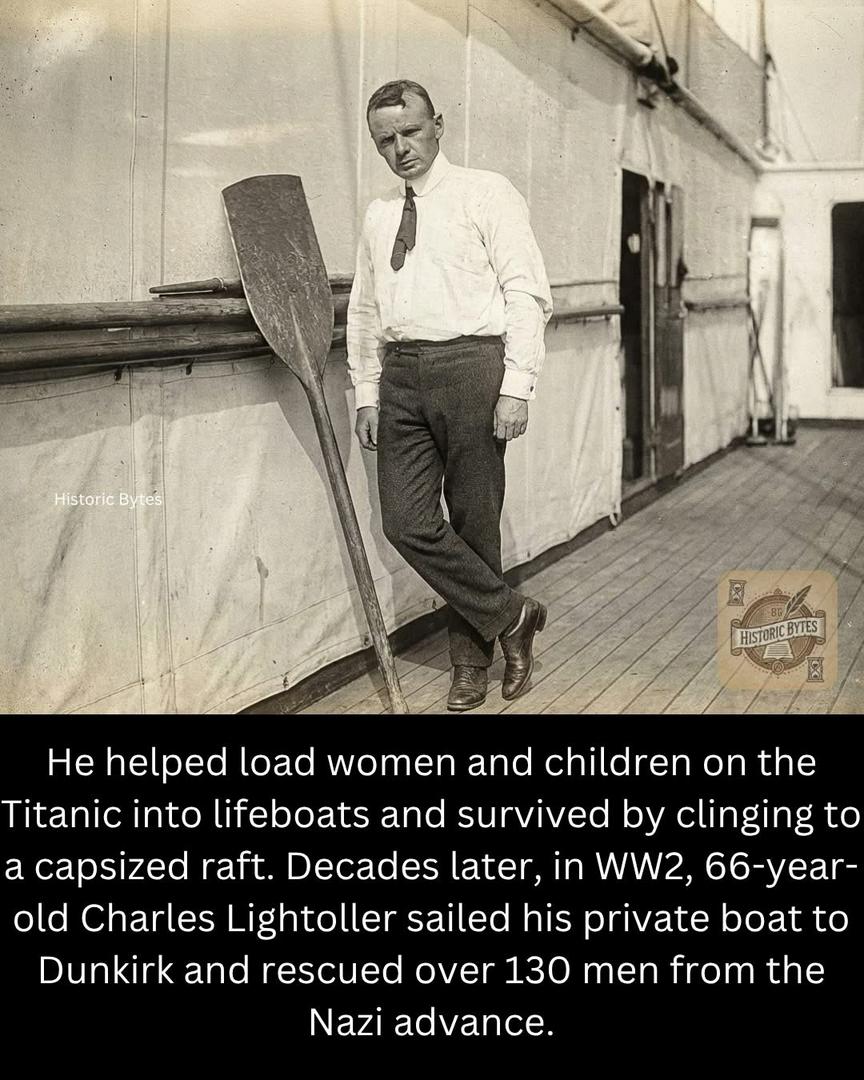
Charles Lightoller had already survived more than most men encounter in a lifetime before he ever boarded the Titanic. He had been shipwrecked on a deserted island in the Indian Ocean at fourteen, survived a cyclone, a fire at sea, and a near-fatal bout of malaria on the West African coast. By the time he joined White Star Line, disasters were simply part of his biography. On the night of April 14, 1912, Lightoller was Second Officer aboard the Titanic, the most senior crewmember on duty when the ship struck the iceberg. He took charge of loading lifeboats on the port side and interpreted Captain Smith's order as women and children only, not merely first. He turned away male passengers from boats that left with empty seats. He stayed until there were no more boats to lower. As the ship's bow went under and the stern began to rise, the suction pulled him deep into the ocean. He was then blasted back to the surface by an exploding boiler and found Collapsible Lifeboat B floating upside down nearby. He climbed on top. Through a freezing North Atlantic night he organized around 30 survivors to stand in two rows and shift their weight in unison to keep the swamped, overturned boat from going under. Three men died of hypothermia. The rest survived until the Carpathia arrived at dawn. Lightoller was the last person taken aboard. He was called to both the American Senate and British Board of Trade inquiries, where his testimony became pivotal. He returned to sea, commanded torpedo boats in World War One, earned the Distinguished Service Cross twice, and rammed a German U-boat, sinking it. White Star Line, wanting to forget everything associated with the Titanic, passed him over for command and he eventually resigned. #interesting #hero #fblifestyle

justme

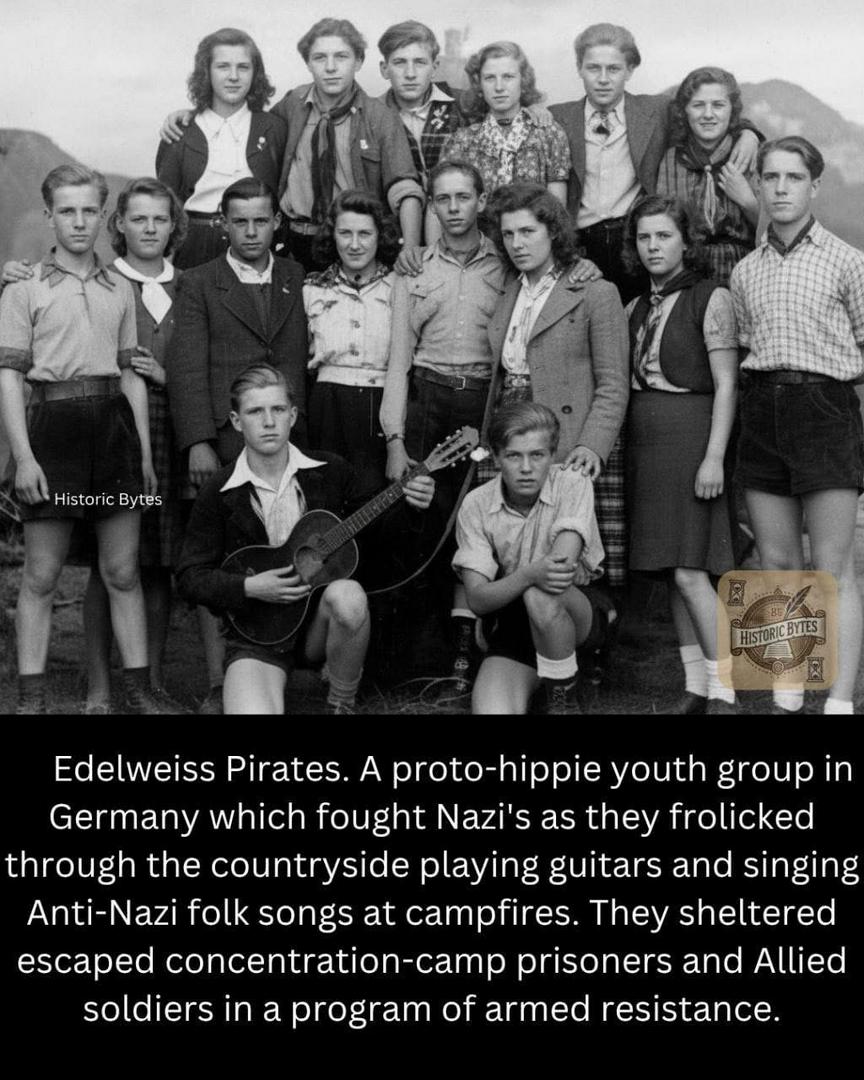
In the late 1930s, as the Hitler Youth consumed the lives of German teenagers with military drills, ideological lectures, and strict gender segregation, a different kind of group emerged in the working-class neighborhoods of western Germany. They were mostly 14 to 17 years old, the age gap between leaving school and military conscription. They wore their hair long, mixed freely with girls, pinned small edelweiss flowers to their lapels, and headed into the countryside on weekends to camp, sing banned songs, and beat up Hitler Youth patrols when they encountered them. Their slogan was simple: Eternal War on the Hitler Youth. The Nazis considered them a nuisance. A 1941 party report noted that every child knew who the Kittelbach Pirates were, that they were everywhere, outnumbering the Hitler Youth in their area, and that they beat up patrols without hesitation. As the war deepened, so did the resistance. Groups began distributing Allied propaganda leaflets, painting anti-Nazi slogans on city walls, hiding concentration camp escapees and army deserters, raiding army depots for weapons and explosives, and attacking Gestapo officers directly. The Cologne Navajos, one of the most active cells, were eventually linked to the killing of the city’s Gestapo chief. #ww2 #resistance #interesting

DappledDolphin

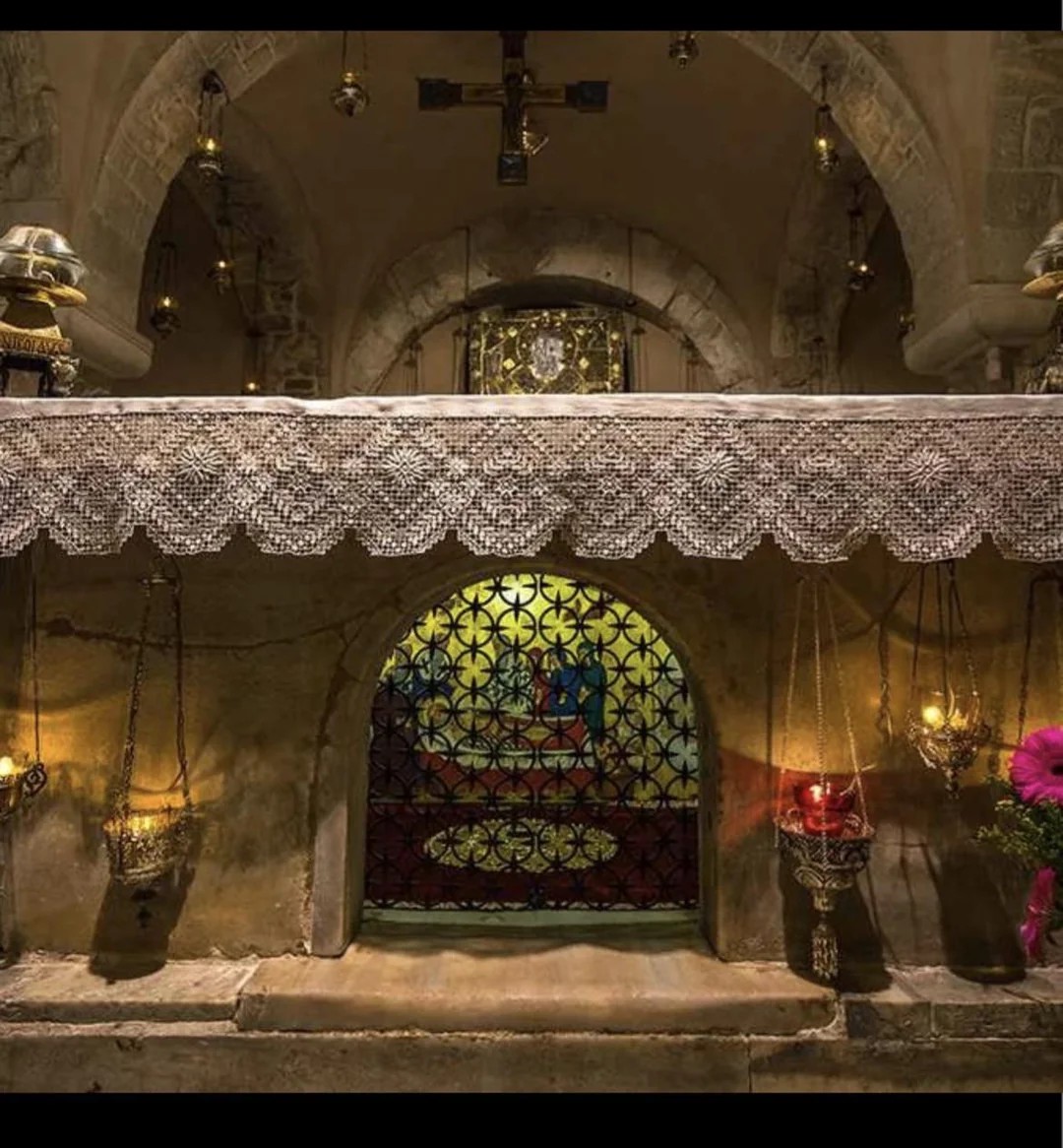
The Strange Miracle Behind the Real Saint Nick

Most people know Saint Nicholas as the distant inspiration for Santa Claus… but here’s the part almost no one talks about: Inside his tomb, a mysterious liquid still seeps from his bones. Every year, caretakers extract this clear fluid — called “the manna of Saint Nicholas” — which is then diluted and sold to believers who see it as a blessing, a relic, even a miracle. This tradition has been going on for centuries, long before Coca-Cola turned Saint Nick into a jolly man in red. What fascinates me isn’t just the legend — it’s the fact that the phenomenon continues today. A historical figure from the 3rd and 4th centuries leaving behind a tomb that still produces something people consider sacred? It’s eerie, ancient, and oddly beautiful all at once. Whether you’re religious, skeptical, or just curious, it’s wild to think that the man who inspired Santa Claus is still — quite literally — giving gifts. #Funny #Interesting

The Strange Miracle Behind the Real Saint Nick
justme

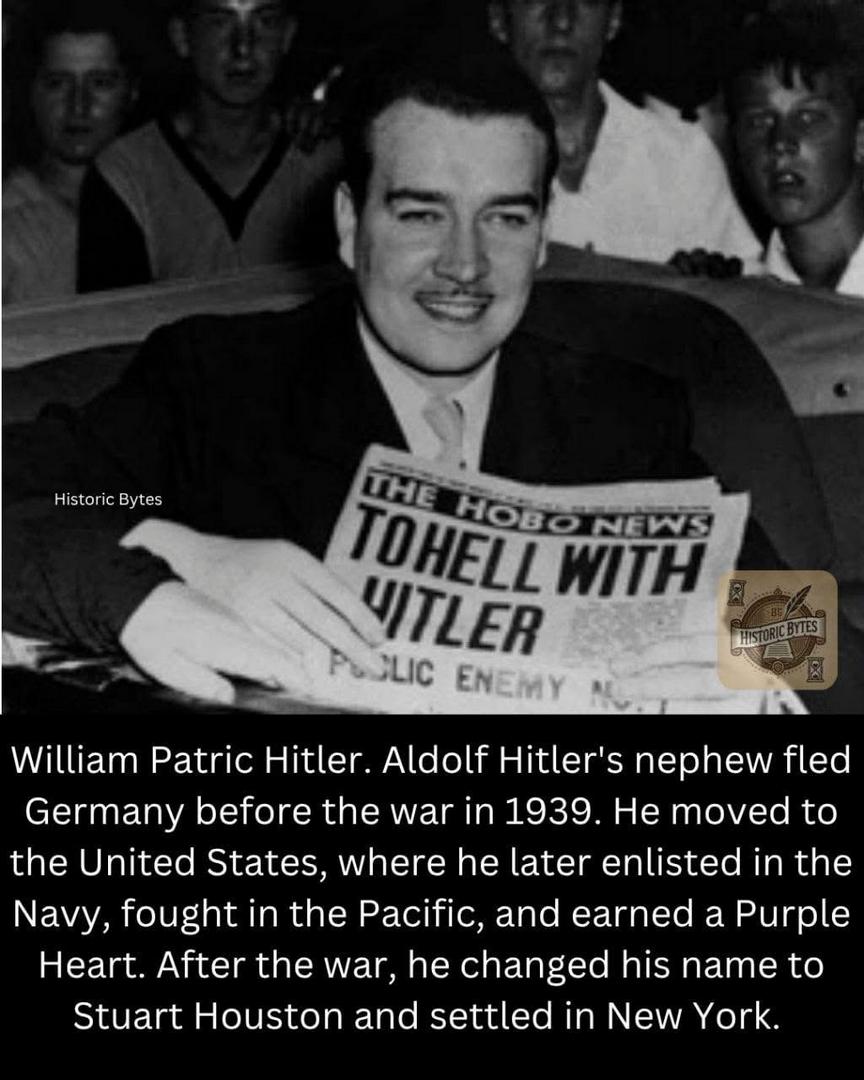
William Patrick Hitler was born in Liverpool in 1911, the son of Adolf Hitler’s half-brother Alois Jr. and his Irish wife Bridget Dowling. His father abandoned the family when William was three, and he grew up in England largely without him. In 1933, with his uncle newly installed as Chancellor of Germany, William made a calculated decision to cash in on the family name. He moved to Berlin, where Adolf arranged a job for him at the Reich Credit Bank. It was a minor position. William wanted better. He badgered his uncle relentlessly for a promotion, threatened to sell embarrassing family secrets to the press, and wrote an article for Look magazine titled “Why I Hate My Uncle.” Adolf, who had begun calling him “my loathsome nephew,” eventually offered him a senior role in exchange for renouncing his British citizenship. William recognized the trap immediately and fled back to England in 1938. In January 1939, newspaper publisher William Randolph Hearst brought William and his mother to America for a lecture tour. When the war began, they were stranded. William tried to enlist in the British forces and was turned away. He then wrote directly to President Franklin Roosevelt, explaining his situation and asking to serve. Roosevelt referred the matter to the FBI, who cleared him. On March 6, 1944, William Patrick Hitler enlisted in the United States Navy. His induction officer asked his name. He replied, “Hitler.” The officer looked up and said, “Glad to see you, Hitler. My name’s Hess.” #ww2 #militaryhistory #interesting

You've reached the end!