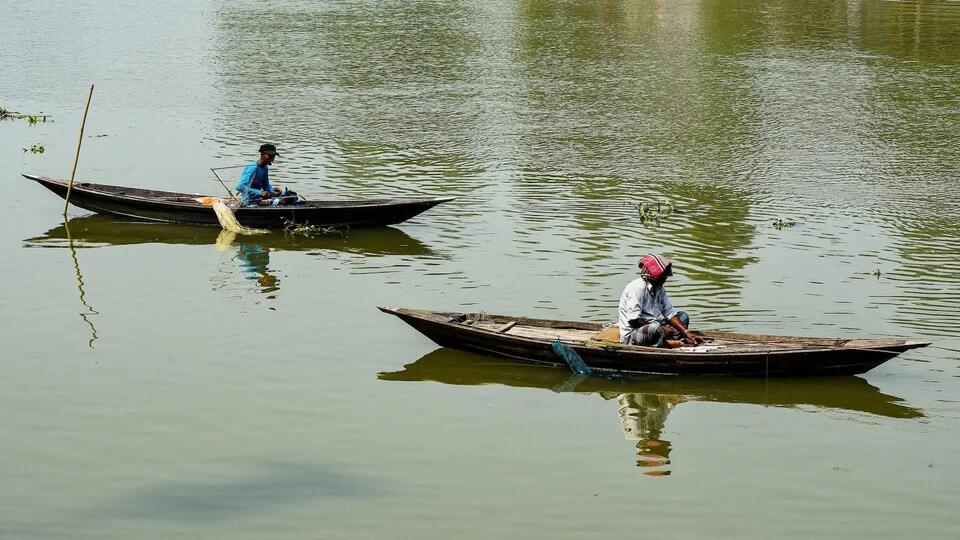
martinezlaura+FollowInvasive Fish Take Over Bangladesh CanalsWild story: aquarium fish like the snakeskin gourami have totally taken over Bangladesh’s canals after recent floods. These guys breed like crazy and are pushing out native fish, which is messing with the ecosystem and even tanking their market value. It’s not just one species—piranhas, sucker fish, and more are now everywhere. Some places are even paying people to catch these invaders! Would you eat an invasive fish if it helped the environment? #Science #InvasiveSpecies #Bangladesh40Share
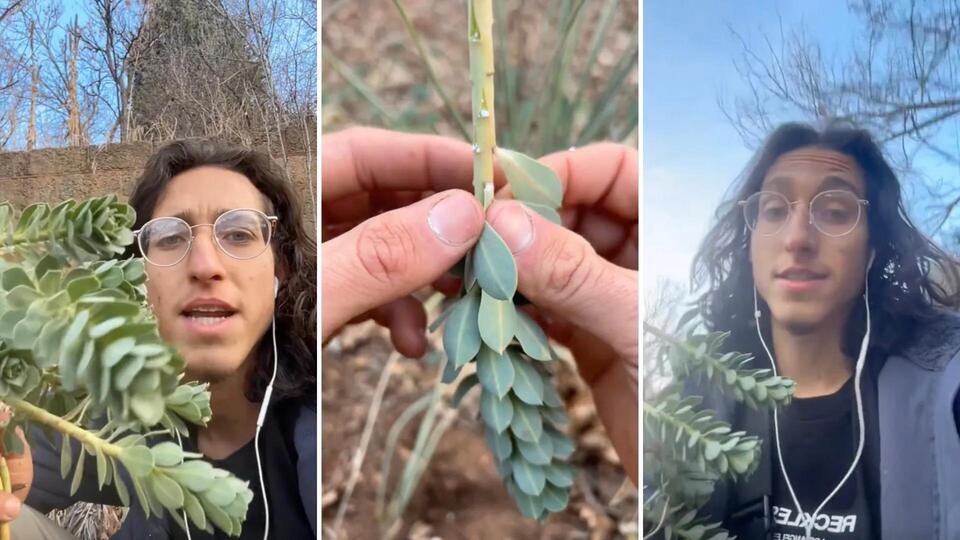
Adam Boyer+FollowThis 'Pretty' Plant Is Wrecking YardsYou know that cute blue-green plant with yellow flowers? Turns out, myrtle spurge is a total menace! It’s spreading fast across the US, choking out native plants and its sap can actually burn your skin. Not only is it toxic to pets and people, but it also ruins habitats for pollinators. If you spot it, rip it out (with gloves!) and toss it in the trash—not the compost. Who knew a pretty plant could be such a villain? #Home #InvasiveSpecies #MyrtleSpurge10Share
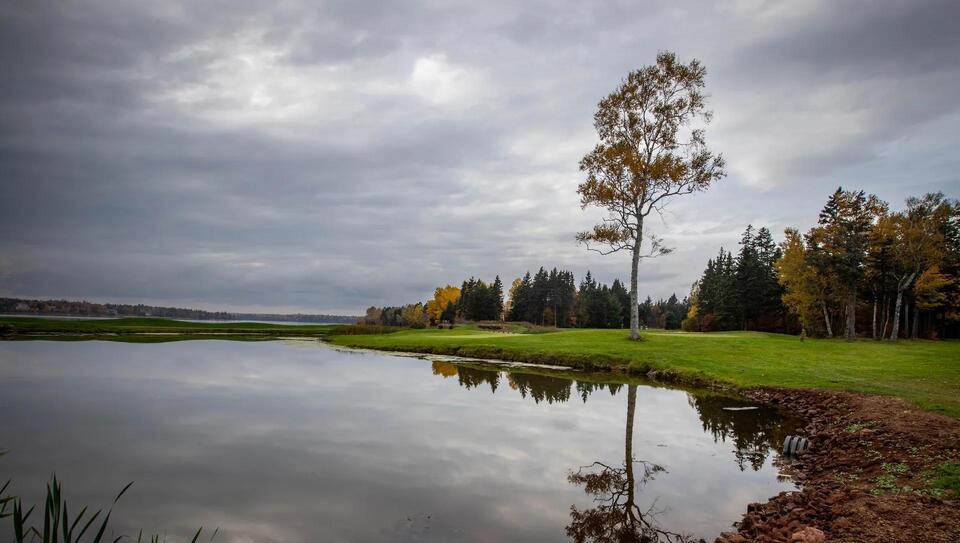
Patrick Simmons+FollowInvasive snails shake up P.E.I. pondsA European snail species has just been found in Prince Edward Island for the first time, and it’s got local scientists worried. The big-eared Radix, likely dumped from someone’s aquarium, could threaten native snails and disrupt the food chain for fish. What’s even more concerning is how little we know about freshwater snails on the island—only a handful of ponds have ever been checked. With climate change making it easier for new species to settle in, experts are urging pet owners not to release aquarium critters into the wild. How should we balance pet ownership and protecting our environment? #Science #PrinceEdwardIsland #InvasiveSpecies10Share
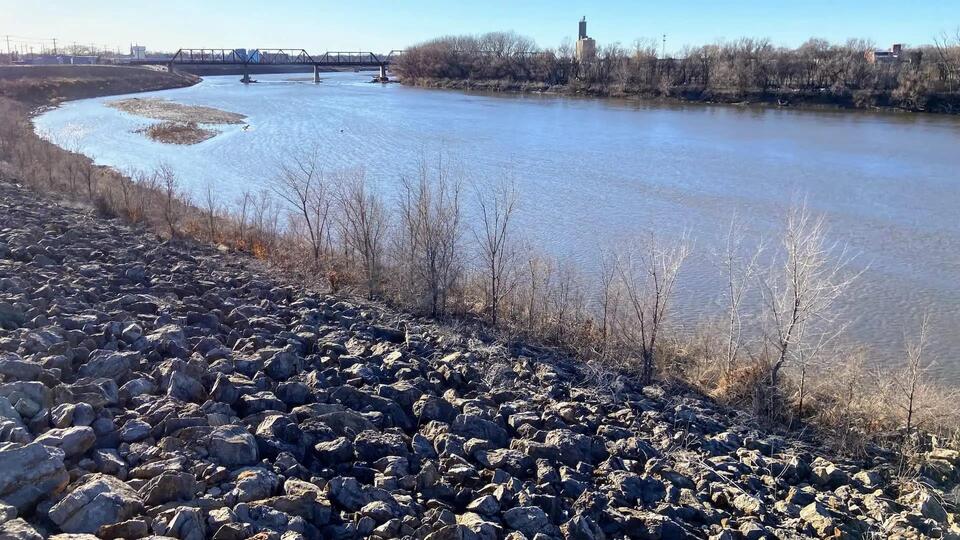
davisjames+FollowKansas river fights back: Invasive carp removedOver 100,000 pounds of invasive carp have been pulled from the Kansas River in just four years, with last year alone seeing nearly 37,000 pounds removed. These carp, originally from Asia, have been outcompeting native fish and even leaping out of the water, posing risks to boaters. The Kansas Department of Wildlife and Parks says their efforts are finally paying off, with local waters showing signs of recovery. Residents can help by cleaning their gear and supporting native plants at home. Do you think enough is being done to protect our waterways, or is there more we should do as a community? #Pets #KansasRiver #InvasiveSpecies00Share
Richard Vaughan+FollowGreen Crabs Are Taking Over Our Coast!Did you know European green crabs are invading Quebec’s coast, and scientists say getting rid of them is nearly impossible? These little troublemakers chow down on 150+ marine species and are tearing up seagrass habitats—bad news for young lobsters and the whole food web. Their numbers exploded in 2023 thanks to warmer waters, and they’re spreading fast. If you’re out on the water, double-check your gear so you don’t accidentally help them hitch a ride! #Science #InvasiveSpecies #GreenCrab00Share
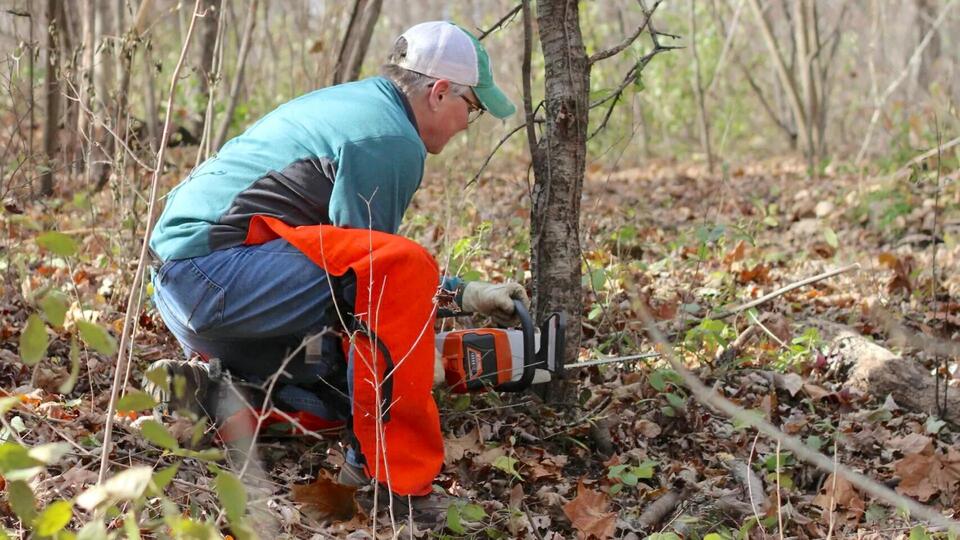
Jessica Hodge+FollowAsh Trees Are Vanishing—Here’s Why It MattersAsh trees are disappearing fast thanks to the emerald ash borer, an invasive beetle that’s wiped out millions of trees across the US. In some places, almost every mature ash is gone, and people are feeling totally hopeless. But researchers say giving up is the real danger! They’re fighting back by cloning the toughest survivors and want us to help by planting native trees and reporting infestations. Losing these trees changes everything—from shade to local wildlife. Would you help save them? #Science #AshTrees #InvasiveSpecies00Share
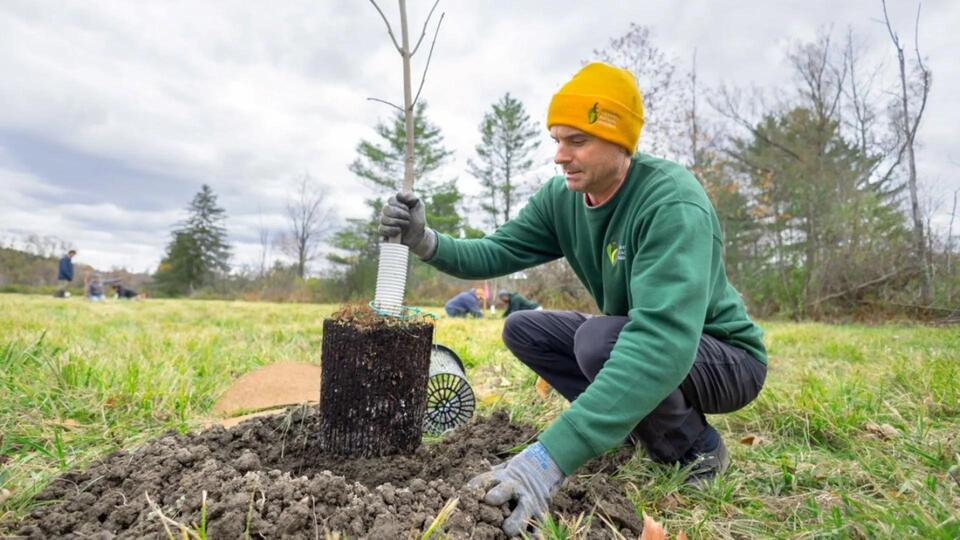
Patrick Simmons+FollowMSU’s plant rescue squad is changing campusInvasive plants like kudzu and cinnamon vine aren’t just a southern problem—right here at Michigan State, they’re threatening our local woodlots and bird sanctuaries. Carolyn Miller, a grad student with a passion for native species, rallied students and staff to take action. Now, regular teams are out there pulling invasives and planting native flowers, making the campus greener and more resilient. This kind of grassroots effort isn’t just good for the environment—it builds community and saves time and money on yard work, too. Would you join a neighborhood crew to restore local nature? #Science #MSU #InvasiveSpecies10Share
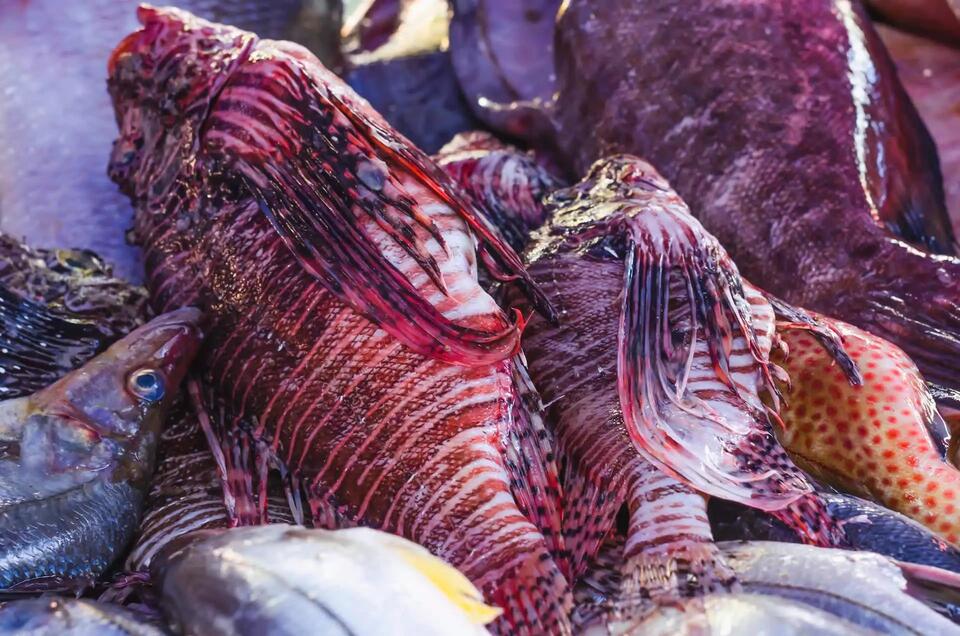
Matthew KirkFollowingWould You Try Lionfish for Dinner?Lionfish are taking over the Mediterranean and Florida coasts, causing chaos for local fish and fishermen. The wild solution? Eat them! Experts say lionfish is tasty, mild, and even sweet—plus, eating them helps the environment. Some places are even turning them into luxury handbags. If you’re feeling adventurous, you can buy lionfish online and find recipes for everything from nachos to fillets. Just remember to watch out for those venomous spines! #Pets #lionfish #invasivespecies00Share
Wesley Romero+FollowWild Monkeys Take Over the NeighborhoodRooftops trashed, solar panels wrecked, and crops gone—packs of rhesus macaques are running wild in Western India, and locals are freaking out. These monkeys aren’t even supposed to be here, and experts say if they aren’t stopped soon, it’ll be nearly impossible to control them. Plus, they could bring new diseases and mess up the whole ecosystem. Imagine waking up to a monkey party on your roof! #Pets #WildlifeAlert #InvasiveSpecies00Share
kellydesiree+FollowGiant snails invade western Cuba neighborhoodsThousands of giant African snails are suddenly showing up in yards, school grounds, and public spaces across western Cuba, and locals are feeling the impact. These snails aren’t just a garden nuisance—they can destroy crops, threaten food security, and even carry parasites that put families and pets at risk. Residents are sharing photos and stories online, but many say the problem is already out of control. Officials urge everyone to report sightings and avoid touching the snails, but it’s clear that tackling invasive species takes a community effort. How would you handle a sudden invasion like this in your neighborhood? #Pets #Cuba #InvasiveSpecies20Share