Tag Page January28

#January28
LataraSpeaksTruth

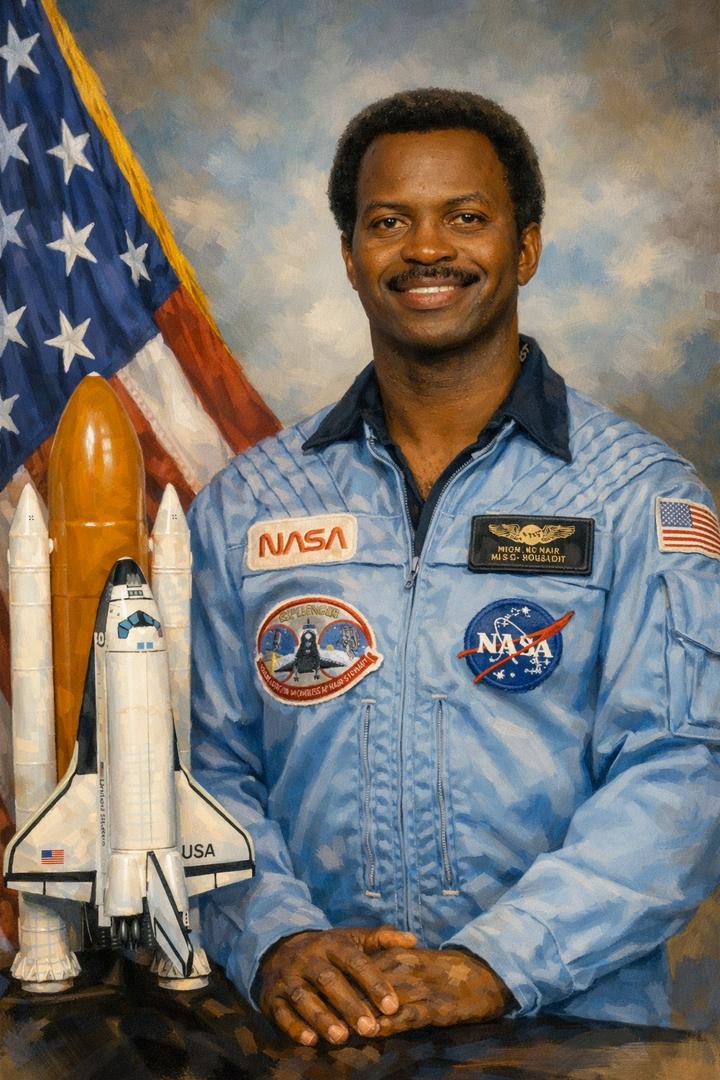
January 28, 1986 remains one of those dates that hums beneath American memory, a quiet reminder of loss, reckoning, and unfinished lessons. On that cold morning, the Space Shuttle Challenger broke apart just 73 seconds after liftoff, killing all seven crew members and shattering the belief that progress was always safe, controlled, and inevitable. What was meant to be a celebration of exploration became a public confrontation with risk, pressure, and human fallibility. Among those lost was Ronald E. McNair, physicist, astronaut, scholar. Raised in Lake City, South Carolina, McNair’s path to NASA reflected what discipline, brilliance, and persistence could achieve even in a nation slow to extend opportunity. He was not a symbol placed for optics. He was a scientist, deeply trained, rigorously prepared, and fully qualified. The Challenger disaster was not a failure of intelligence. It was a failure of judgment. Engineers had warned that the shuttle’s O rings were vulnerable in cold temperatures. Those concerns were discussed and ultimately overridden. Schedule pressure, public expectations, and institutional momentum outweighed caution. Advancement was prioritized over safety, and the cost was human life. For a generation watching live in classrooms, Challenger marked a loss of innocence. Teachers cried. Students stared. The future, once certain and televised, suddenly looked fragile. Systems meant to protect progress were exposed as pressured and deeply human. Ronald E. McNair did not die by chance alone. He died where ambition met ignored accountability. His life remains proof of what is possible when talent is nurtured. His death remains a warning that progress without responsibility is not progress at all. #January28 #ChallengerDisaster #RonaldEMcNair #NASAHistory #SpaceHistory #STEMLegacy #AmericanHistory #OnThisDay #HistoryMatters

LataraSpeaksTruth

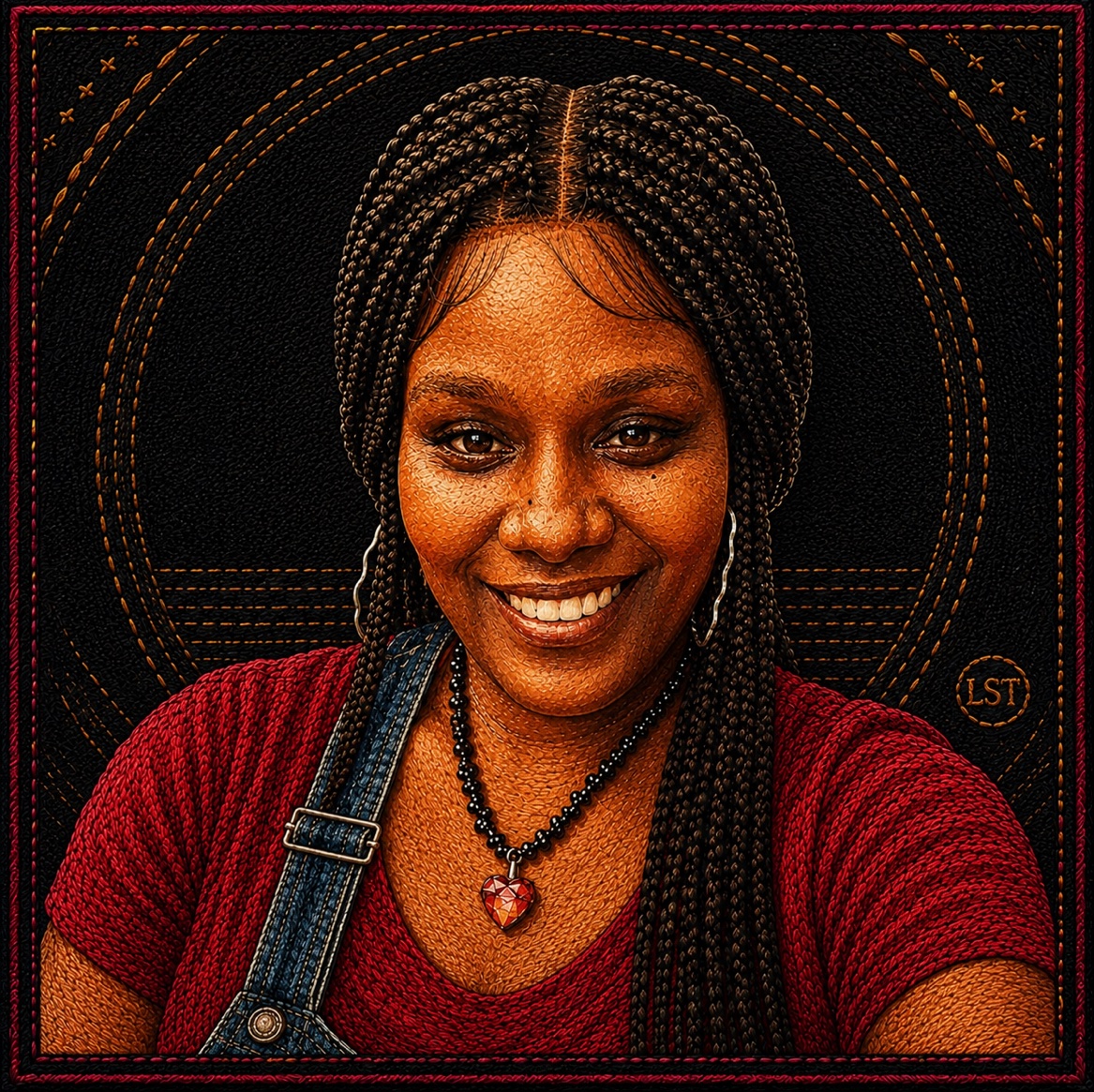
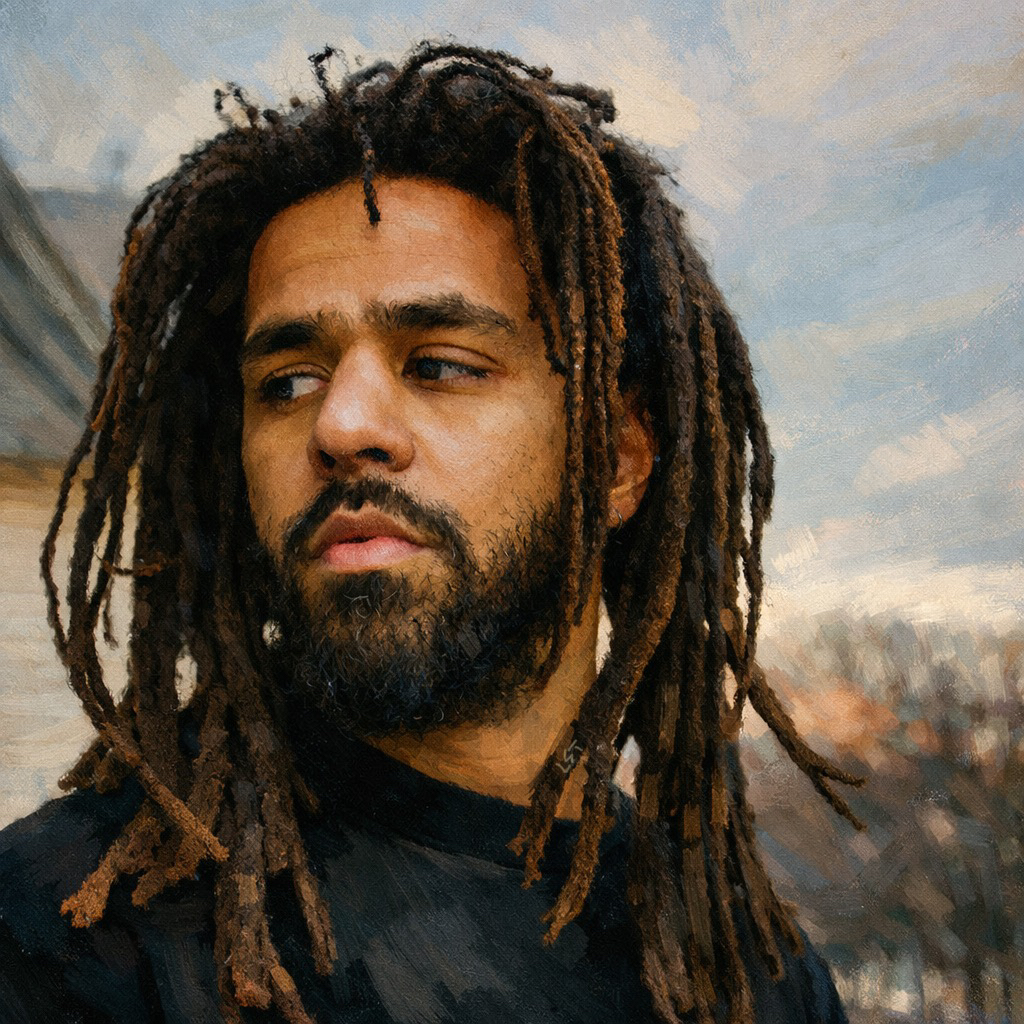
January 28 marks the birthday of Jermaine Lamarr Cole, an artist who never needed gimmicks to be heard. Born in 1985 in Frankfurt, Germany, and raised in Fayetteville, North Carolina, J. Cole built his legacy on something increasingly rare in the industry…honesty. He didn’t arrive loud. He arrived deliberate. From his early mixtapes The Come Up, The Warm Up, and Friday Night Lights, Cole made it clear he was writing for people who actually listen. His debut album Cole World: The Sideline Story went straight to No. 1, but it was what followed that cemented his place. Albums like Born Sinner, 2014 Forest Hills Drive, 4 Your Eyez Only, and KOD weren’t designed for quick hits. They were reflections, mirrors, and sometimes uncomfortable conversations. Cole’s work consistently wrestles with identity, pressure, guilt, growth, faith, and the weight of success. He’s never pretended to be perfect. He’s questioned himself publicly, owned missteps, and allowed his evolution to happen in real time. That willingness to mature out loud is part of what separates him. Beyond the music, J. Cole’s impact shows in how he moves. Dreamville became a platform, not just a label. He invests in his hometown, supports emerging artists, and keeps his footprint intentional. No excess performance. No constant controversy. Just work. In a genre that often rewards noise, J. Cole chose substance. He reminds listeners that lyricism still matters, that introspection can sell, and that you don’t have to lose yourself to win. Today isn’t just about celebrating a birthday. It’s about recognizing an artist who stayed rooted, stayed thoughtful, and stayed true…even when the industry tried to pull him in louder directions. Happy Birthday, J. Cole. #JCole #January28 #HipHopHistory #Dreamville #Lyricism #RapLegacy #BornSinner #ForestHillsDrive #ConsciousRap #MusicCulture #ArtistEvolution
LataraSpeaksTruth

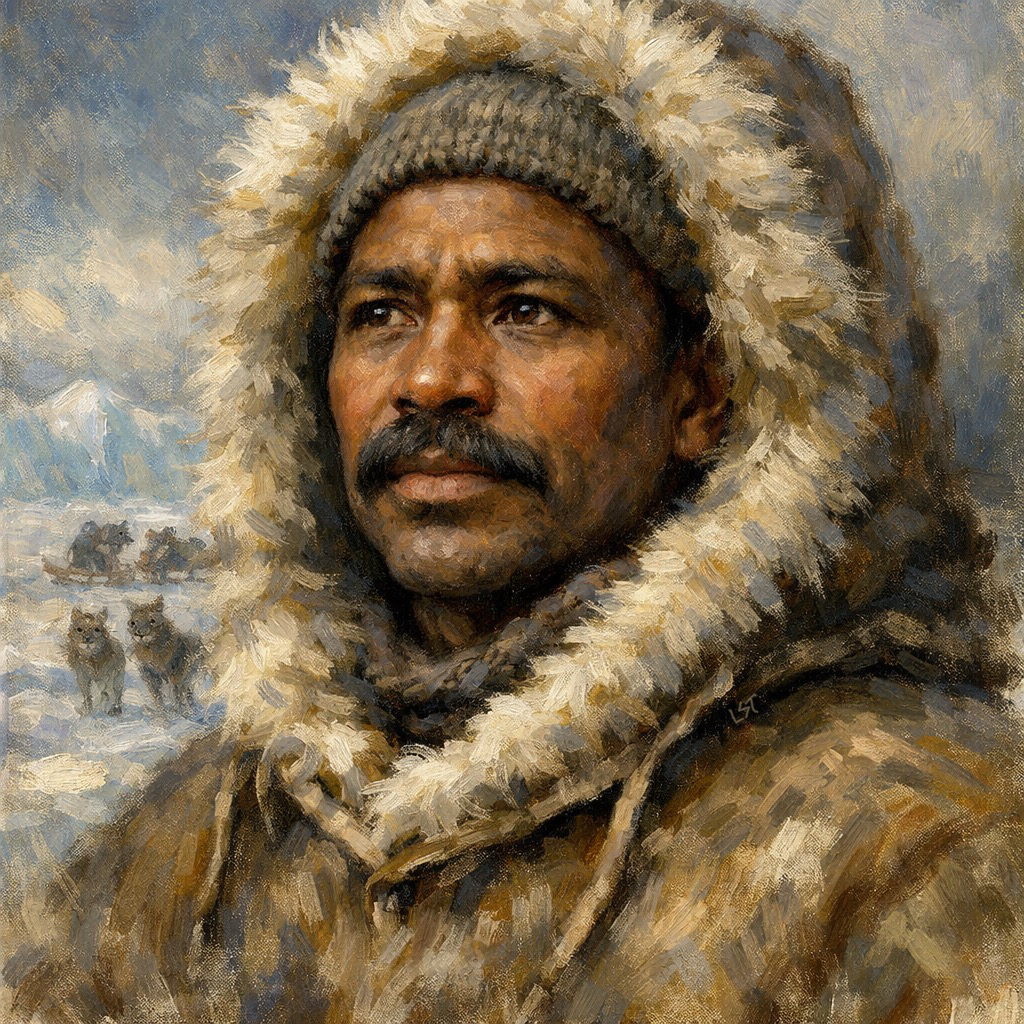
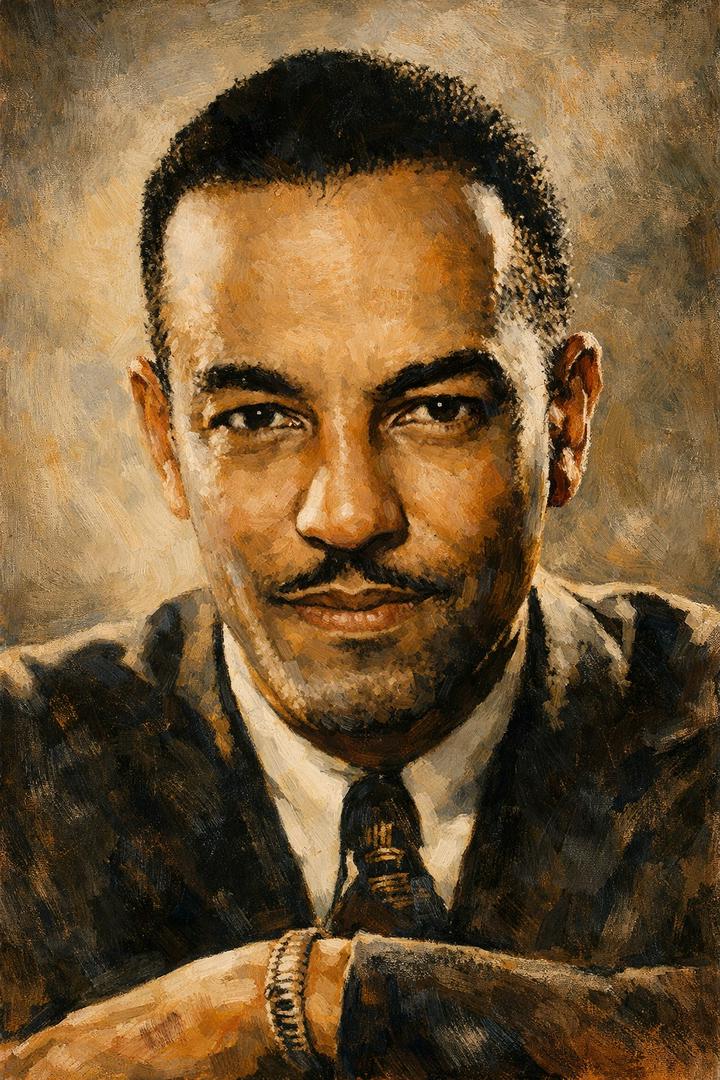
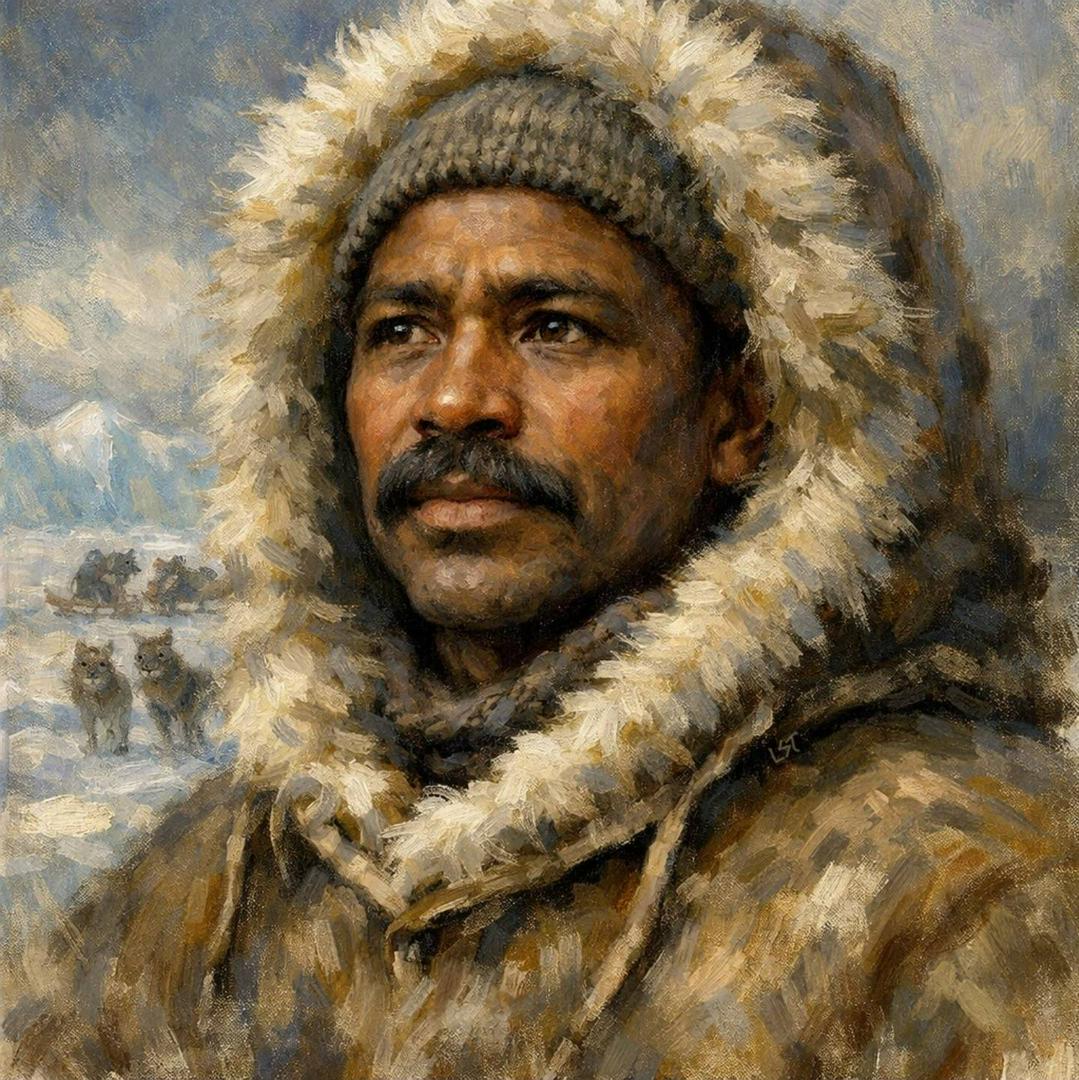
On January 28, 1944, Matthew Henson received a Special Medal of Honor from the U.S. Congress, jointly awarded with Admiral Robert E. Peary, recognizing their roles in the 1909 Arctic expedition that claimed the first successful arrival at the North Pole. The recognition came thirty-five years after the expedition and decades after Henson’s contributions had been minimized or excluded from mainstream accounts. While Peary was celebrated almost immediately, Henson was largely left out of textbooks, honors, and public memory during his lifetime. Henson was not a peripheral figure on the expedition. He was one of its most indispensable members. He mastered Arctic survival techniques, learned the Inuit language, built and repaired sleds, handled dog teams, and navigated some of the most dangerous terrain. Peary himself acknowledged that he depended heavily on Henson’s skill and endurance to complete the journey. When the team reached the North Pole in April 1909, multiple accounts indicate that Henson may have been among the first to arrive at the site. Despite this, official credit centered almost exclusively on Peary for many years. After returning from the Arctic, Henson worked modest jobs and lived without the recognition granted to other expedition members. The 1944 Congressional medal did not erase decades of exclusion, but it marked a formal acknowledgment by the federal government that his role could no longer be ignored. Matthew Henson’s legacy reminds us that exploration is not defined solely by who claims victory, but by who possesses the knowledge, skill, and resilience to make success possible. His contributions endured even when recognition came far too late. #January28 #MatthewHenson #ExplorationHistory #ArcticExploration #USHistory #ScienceAndDiscovery #HiddenFigures #Legacy

LataraSpeaksTruth

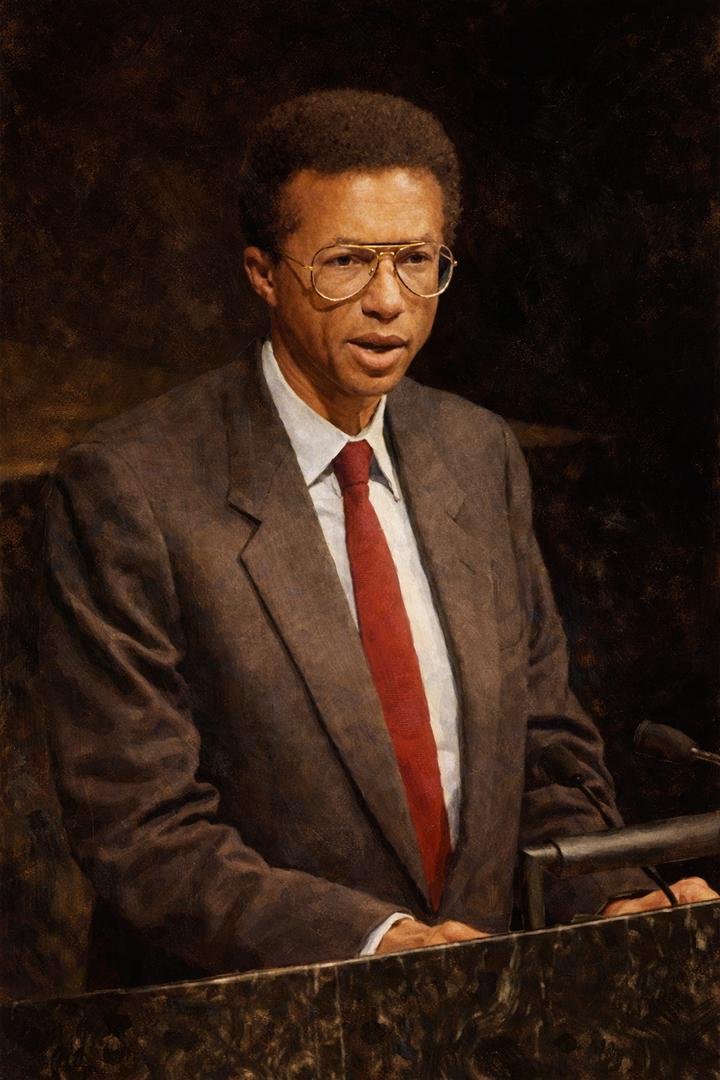
On January 28, 1970, tennis star Arthur Ashe was denied entry to compete in the South African Open after being selected for the U.S. team. The denial was not about his talent. It was about his voice. Ashe had been outspoken in his opposition to South Africa’s apartheid system, openly criticizing racial segregation and inequality. South African officials refused to grant him a visa, making it clear that his stance, not his skill, was the issue. This moment exposed how deeply politics and discrimination were woven into international sports. At the time, Ashe had not yet become the first Black man to win Wimbledon, a milestone he would achieve in 1975. But this denial marked him as more than an athlete. It positioned him as a global figure willing to sacrifice opportunity for principle. Ashe continued to advocate for human rights throughout his life, using his platform to address injustice both on and off the court. His exclusion in 1970 stands as evidence that progress often comes with a cost, especially for those who refuse to stay silent. Arthur Ashe’s legacy is not only measured in trophies, but in courage. #January28 #ArthurAshe #SportsHistory #AthleteActivism #GlobalHistory #PrincipleOverComfort #Legacy

LataraSpeaksTruth

On January 28, 1938, Crystal Bird Fauset made history by becoming the first Black woman elected to a U.S. state legislature when she won a seat in the Pennsylvania House of Representatives. This was not symbolic progress or a token appointment. It was a direct challenge to a political system that was never designed with women like her in mind. Fauset was already a seasoned educator, activist, and civil rights organizer before entering office. She worked closely with the NAACP and later served as a race relations advisor under President Franklin D. Roosevelt. Her election came at a time when both racial segregation and gender discrimination were deeply entrenched, making her victory not only rare, but radical. Once in office, Fauset focused on civil rights, public housing, public health, and fair employment. She advocated for protections against racial discrimination and fought for legislation that addressed the material conditions of Black communities, not just symbolic inclusion. She did this work during an era when Black women were routinely excluded from political power and decision-making spaces. Her legacy is often overshadowed, but her impact is undeniable. Crystal Bird Fauset did not wait for permission to enter politics. She forced the door open and proved that representation was not a favor, but a necessity. #January28 #CrystalBirdFauset #PoliticalHistory #WomenInPolitics #HiddenHistory #RepresentationMatters #USHistory

LataraSpeaksTruth

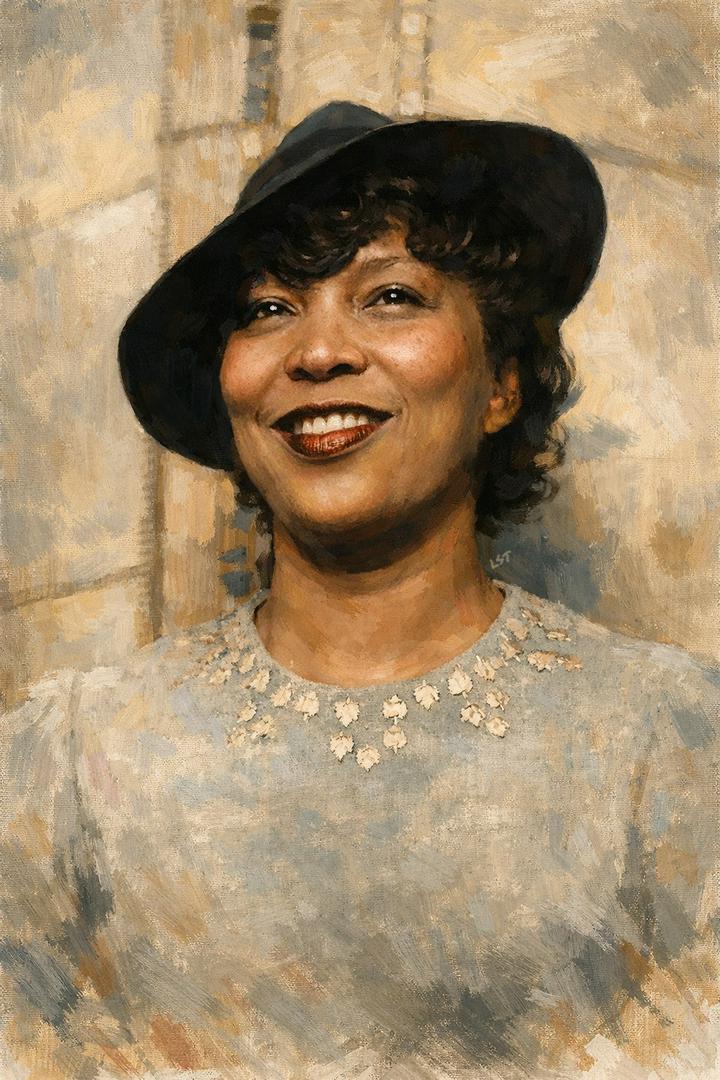
Zora Neale Hurston passed away on January 28, 1960, in Fort Pierce, Florida, at the age of 69. The woman whose words captured the rhythm, humor, faith, and inner lives of Black communities died quietly, far removed from the literary acclaim she deserved. Her cause of death was hypertensive heart disease, after years of declining health and financial hardship. By the end of her life, Hurston was working as a maid and substitute teacher, living in near poverty despite having authored some of the most influential works of the Harlem Renaissance At the time of her death, Hurston’s work had fallen out of favor. Literary tastes had shifted, and her refusal to write protest literature or conform to political expectations left her marginalized. She chose to preserve culture rather than perform it for approval, and that independence came at a cost. When she died, there were no major headlines, no national mourning, and little recognition of what had been lost Hurston was buried in an unmarked grave at the Garden of Heavenly Rest cemetery. For more than a decade, her resting place remained anonymous, mirroring how her legacy had been treated. It wasn’t until the 1970s that writer Alice Walker sought out her grave and placed a marker that read, “A Genius of the South.” That moment helped spark a revival of Hurston’s work and restored her place in American literature Today, Zora Neale Hurston is celebrated as a visionary writer, anthropologist, and cultural archivist. Her novels, essays, and folklore collections are studied around the world. Her death serves as a reminder that brilliance is not always honored in real time. Sometimes history neglects its truth-tellers… then spends decades trying to catch up #ZoraNealeHurston #January28 #HarlemRenaissance #LiteraryHistory #BlackWriters #AmericanLiterature #CulturalPreservation #ForgottenGenius #Legacy #OnThisDay

LataraSpeaksTruth

January 28, 1901 marks the birth of Richmond Barthé, one of the most influential sculptors of the Harlem Renaissance and a quiet giant in American art history. Born James Richmond Barthé in Bay St. Louis, Mississippi, he came of age during a period when Black artists were rarely allowed space to explore complexity, beauty, or interior life. Barthé did not ask permission. He carved it. Best known for his figurative sculptures, Barthé focused on movement, emotion, and dignity. His subjects were often Black men and women captured not as symbols, but as human beings. Thoughtful. Vulnerable. Strong. Alive. At a time when mainstream art reduced Black bodies to stereotypes, Barthé insisted on nuance and grace. His work gained national attention during the Harlem Renaissance, and his reputation extended far beyond it. Barthé created portraits of major cultural figures including Alain Locke, Duke Ellington, and Rose McClendon. His sculptures were collected by major institutions and private patrons, even as he continued to navigate racial barriers and personal isolation. Barthé also lived openly as a gay man during a time when that visibility carried real risk. Rather than dilute his identity or his vision, he allowed both to exist in the work. That honesty gave his art its emotional depth and lasting power. Richmond Barthé died in 1989, but his legacy endures in bronze and stone. His sculptures remind us that history is not only written in speeches and laws, but in hands that shape truth into form. On this day, we remember an artist who refused to flatten humanity, and whose work still asks us to look closer. #RichmondBarthe #HarlemRenaissance #ArtHistory #January28 #BlackArtists #AmericanSculpture #CulturalHistory #ArtLegacy #OnThisDay

You've reached the end!
Tag: January28 | LocalAll