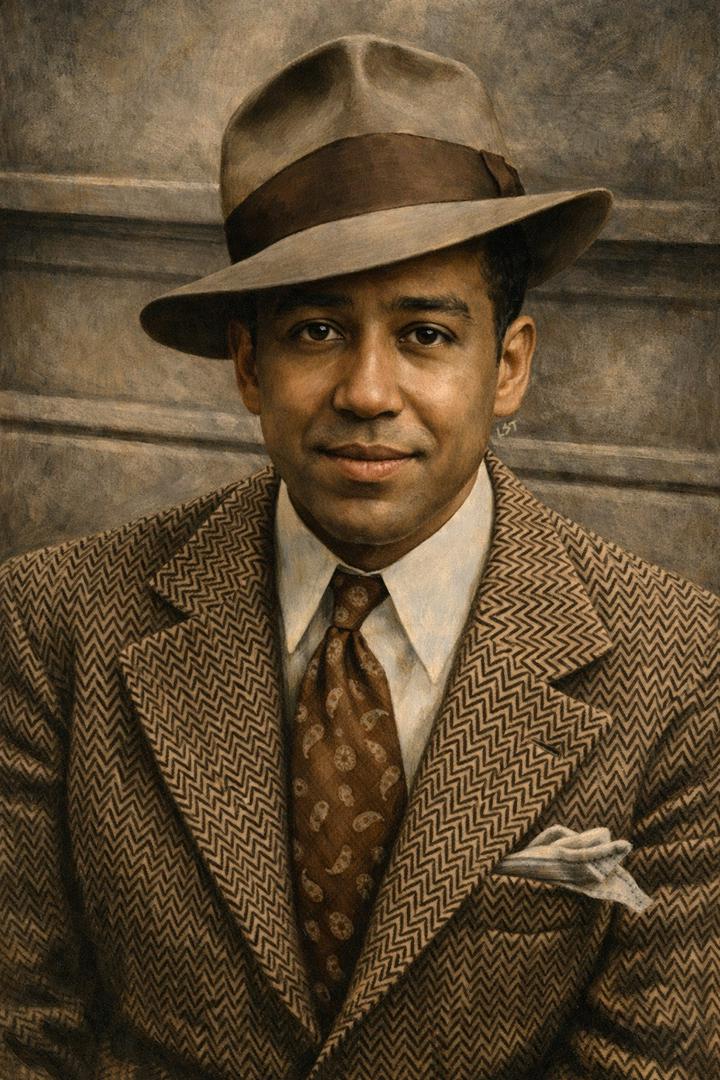
February 1 marks the birthday of Langston Hughes, born in 1902, a writer who refused to make his voice smaller to fit anyone’s comfort. Hughes didn’t write to impress institutions or soften reality. He wrote to reflect life as it was lived, especially the lives of ordinary people whose stories were often ignored or dismissed. His words carried the rhythm of jazz, the weight of history, and the honesty of everyday survival.
During the Harlem Renaissance, while some artists sought acceptance through refinement and distance, Hughes chose closeness. He leaned into authenticity. He believed there was beauty in common speech, dignity in working people, and power in telling the truth without apology. Poems like “I, Too,” “Mother to Son,” and “The Negro Speaks of Rivers” were not just literary achievements. They were declarations of presence. They insisted on visibility in a country that often looked away.
Hughes understood something timeless. Art does not need to shout to challenge the world. Sometimes it only needs to stay honest. His writing did not lecture or perform. It observed, reflected, and endured. He held up a mirror to America and allowed readers to sit with what they saw.
More than a century after his birth, Langston Hughes remains relevant because the questions he raised still linger. Whose voices are heard. Whose stories are valued. Who gets to define beauty, culture, and truth. Today, his legacy reminds us that language has power when it stays rooted in real lives and real experiences.
#LangstonHughes #February1 #LiteraryHistory #HarlemRenaissance #PoetryMatters #AmericanLiterature #WritersWhoLast #HistoryInWords #CulturalLegacy