Tag Page LataraSpeaksTruth

#LataraSpeaksTruth
Robblyn

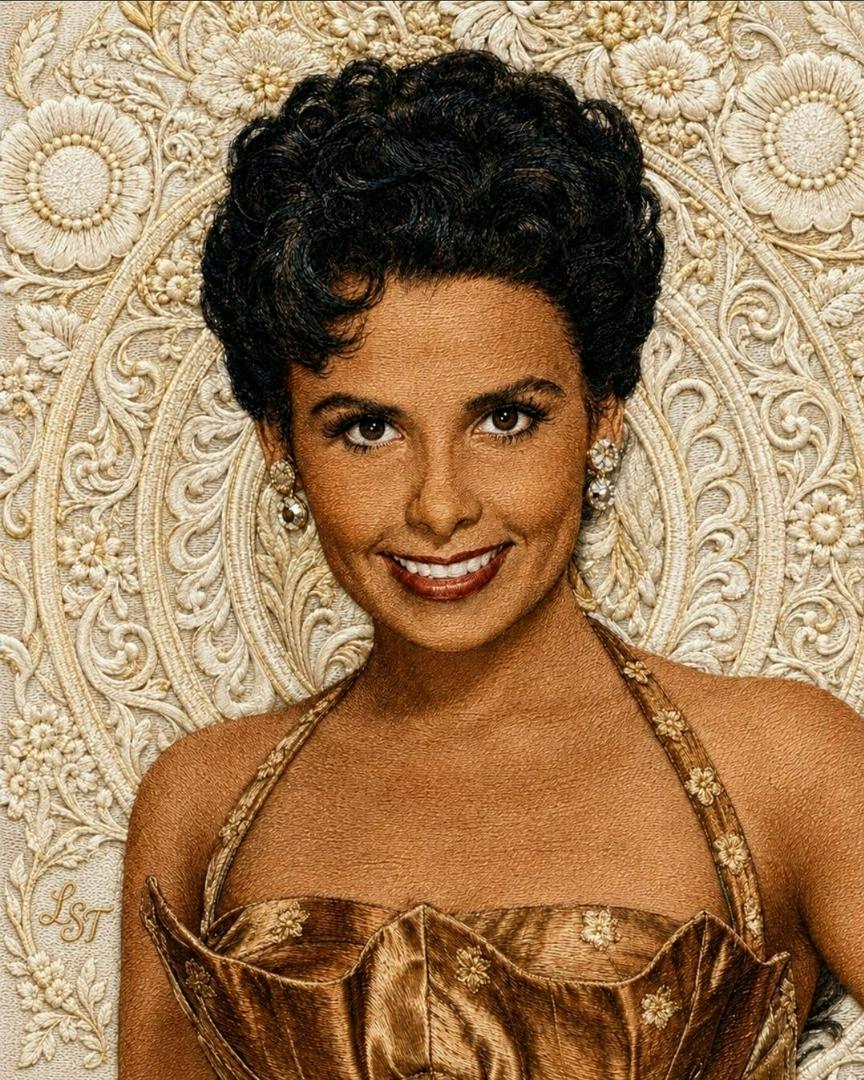
On Mav 9, 2010, Lena Horne died at the age of 92, leaving behind a legacy shaped by beauty, talent, discipline, and quiet defiance She was more than a singer and actress She was a woman who walked into spaces that wanted her image, but not always her full power. Lena Horne became one of the first Black performers to sign a long-term contract with a maior Hollywood studio. That sounded like progress, but Hollywood's version of progress still came with restrictions. Her elegance was celebrated, her voice was admired, and her face was placed on screen, but the industry often limited how much of her presence audiences were allowed to see. Some of her scenes were filmed in ways that made them easier to remove for theaters in segregated areas. That detai says a lot without needing to say much more.But Lena Horne was not someone Hollywood could shrink She carried herself with grace, but grace was not weakness. Her poise had backbone Her beauty had boundaries. Her voice carried more than music, it carried resistance. She spoke against discrimination, supported civil rights, and used her platform in a time when doing so came with real consequences. Her career stretched across film, music television, nightclubs, and Broadway. Later in life, her acclaimed one-woman show, "Lena Horne: The Lady and Her Music;' reminded audiences that her story was not just about glamour. It was about endurance control, and survival in an industry that tried to decide how much brilliance was safe to show. Lena Horne made them look anywayShe left behind more than performances. She left behind proof that elegance can be resistance, silence can be strategy, and dignity can outlast every room that tried ta deny it #LenaHorne #BlackHistory #HollywoodHistory #Lemon8Stories #LataraSpeaksTruth

LataraSpeaksTruth

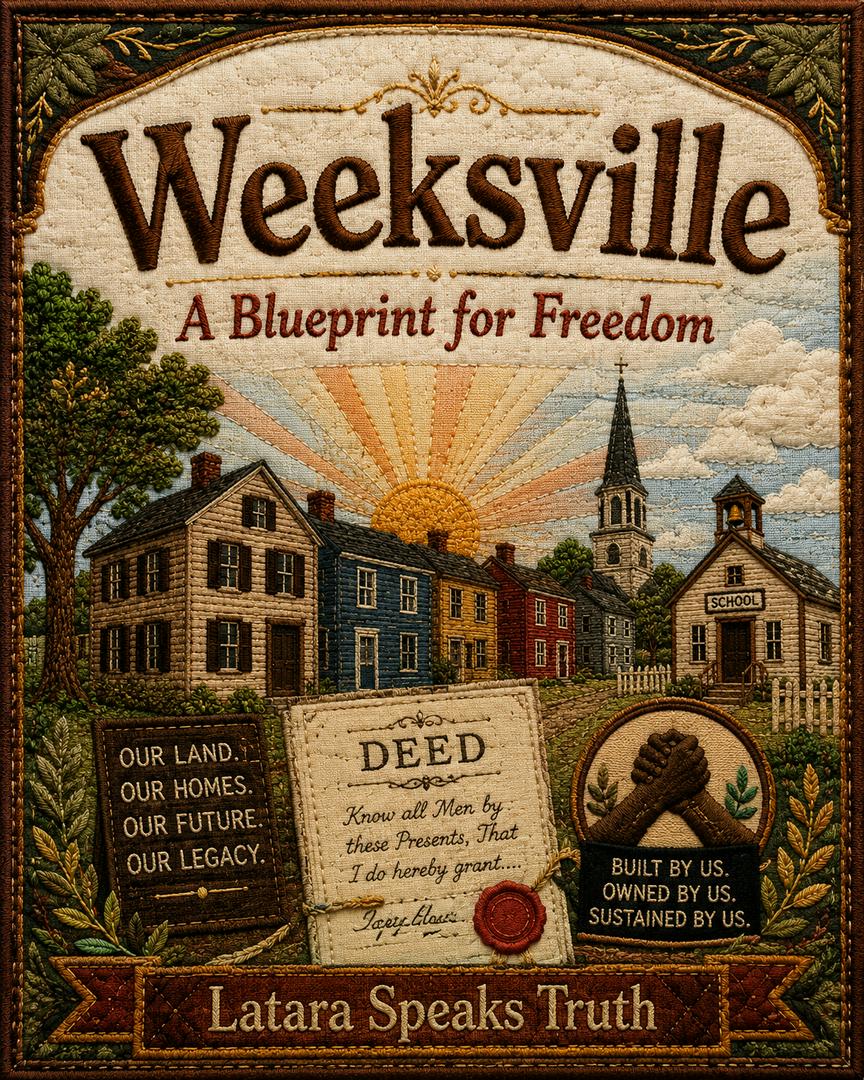
Before Crown Heights became what most people know today, there was Weeksville. Founded in Brooklyn in 1838 by James Weeks and other free Black landowners, Weeksville became one of the largest free Black communities in pre-Civil War America. This was not just a place where people lived. It was a place where people built. They built homes, schools, churches, businesses, and a community strong enough to protect people when freedom on paper still did not guarantee safety in real life. Land mattered because New York once required Black men to own property worth $250 before they could vote. For families in Weeksville, owning land was not just about shelter. It was about political power, dignity, and a future they could pass down. By the 1850s, Weeksville had hundreds of residents, along with Colored School No. 2, churches, a newspaper called Freedman’s Torchlight, and a growing network of families, workers, teachers, ministers, and business owners. During the 1863 Draft Riots, when Black New Yorkers were attacked in Manhattan, Weeksville became a refuge for people fleeing the violence. Over time, much of the community was nearly erased by development and forgotten by the wider public. But in 1968, the remaining Hunterfly Road Houses were rediscovered, helping bring Weeksville’s story back into view. Today, Weeksville Heritage Center continues to preserve that history. Weeksville reminds us that freedom was not only fought for in courtrooms and battlefields. Sometimes it was built lot by lot, house by house, school by school, by people who knew ownership was more than property. It was protection. It was strategy. It was a future. #Weeksville #BrooklynHistory #HiddenHistory #BlackHistory #LataraSpeaksTruth

LataraSpeaksTruth

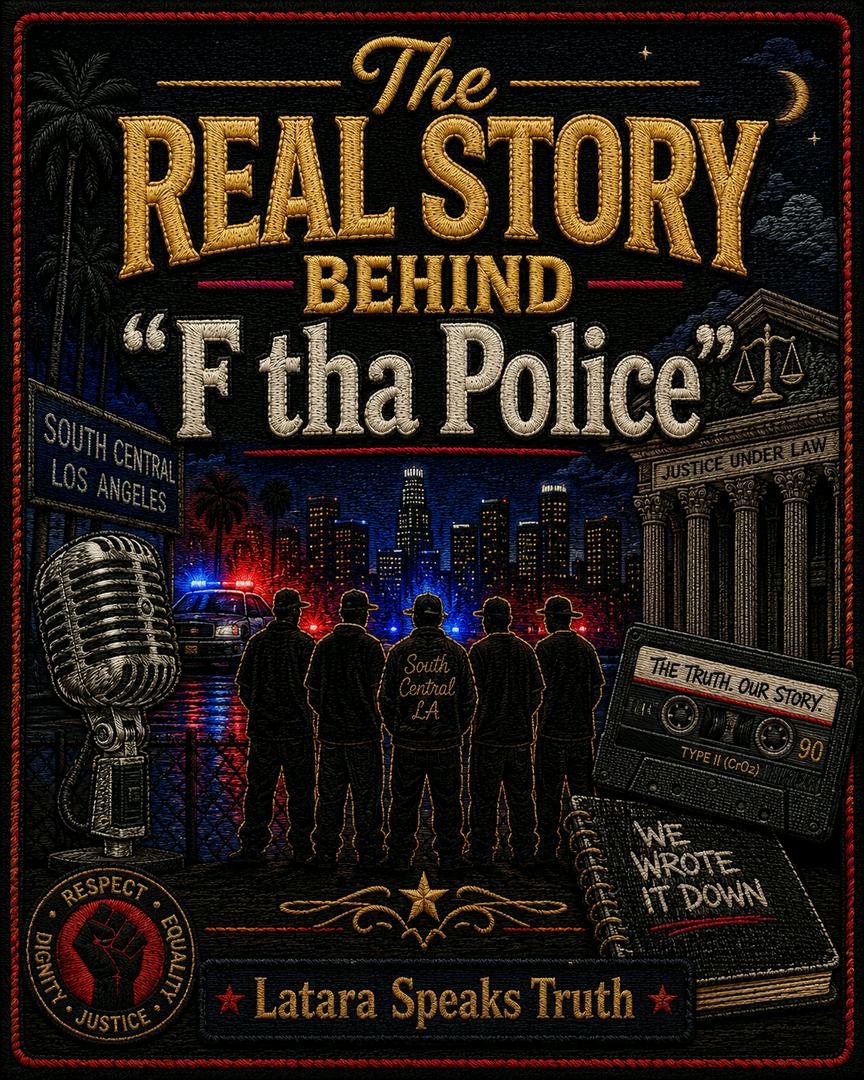
When people talk about N.W.A.’s “F tha Police,” the story usually gets flattened into one word: controversy. But the real story was bigger than a curse word, a hook, or a headline. The song came from a real time and place. In late 1980s Los Angeles, South Central communities were dealing with aggressive policing, racial profiling, poverty, gang enforcement, and years of frustration that did not suddenly appear when a rap group put it on wax. N.W.A. did not package that anger in polite language. They made it raw. Loud. Uncomfortable. That was the point. “F tha Police” was built like a courtroom scene, with young Black men putting law enforcement on trial through music. It was not trying to sound respectable for people who had already decided not to listen. It was trying to sound like what people were saying when no camera or politician was around. The backlash came fast. In 1989, an FBI official sent a letter to Priority Records criticizing the song and saying it encouraged violence and disrespect toward police officers. But instead of burying the record, the letter helped make it more famous. That is the part history loves to flip. A song once treated like a threat later became part of American music history. Straight Outta Compton was added to the National Recording Registry because of its cultural, historical, and artistic significance. That is the real story. A record condemned as dangerous was later preserved as important. You do not have to like every lyric to understand why it mattered. “F tha Police” captured anger many people felt but rarely heard expressed on a national stage. It was not just a rap song. It was a warning flare from a community tired of being watched, stopped, searched, and dismissed. And once history proved those complaints were not imaginary, the song became more than controversy. It became documentation. #NWA #HipHopHistory #MusicHistory #TheRealStoryBehindIt #LataraSpeaksTruth

LataraSpeaksTruth

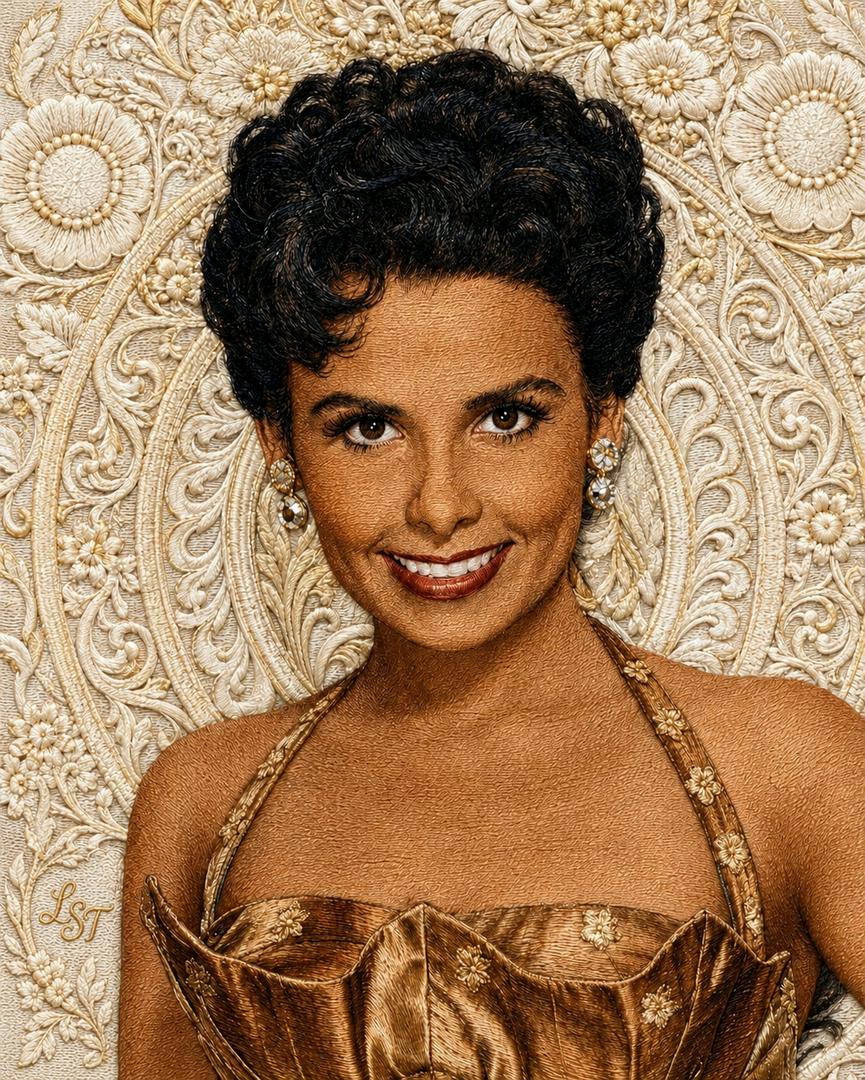
On May 9, 2010, Lena Horne died at the age of 92, leaving behind a legacy shaped by beauty, talent, discipline, and quiet defiance. She was more than a singer and actress. She was a woman who walked into spaces that wanted her image, but not always her full power. Lena Horne became one of the first Black performers to sign a long-term contract with a major Hollywood studio. That sounded like progress, but Hollywood’s version of progress still came with restrictions. Her elegance was celebrated, her voice was admired, and her face was placed on screen, but the industry often limited how much of her presence audiences were allowed to see. Some of her scenes were filmed in ways that made them easier to remove for theaters in segregated areas. That detail says a lot without needing to say much more. But Lena Horne was not someone Hollywood could shrink. She carried herself with grace, but grace was not weakness. Her poise had backbone. Her beauty had boundaries. Her voice carried more than music, it carried resistance. She spoke against discrimination, supported civil rights, and used her platform in a time when doing so came with real consequences. Her career stretched across film, music, television, nightclubs, and Broadway. Later in life, her acclaimed one-woman show, “Lena Horne: The Lady and Her Music,” reminded audiences that her story was not just about glamour. It was about endurance, control, and survival in an industry that tried to decide how much brilliance was safe to show. Lena Horne made them look anyway. She left behind more than performances. She left behind proof that elegance can be resistance, silence can be strategy, and dignity can outlast every room that tried to deny it. #LenaHorne #BlackHistory #HollywoodHistory #Lemon8Stories #LataraSpeaksTruth

KIM-WHITE

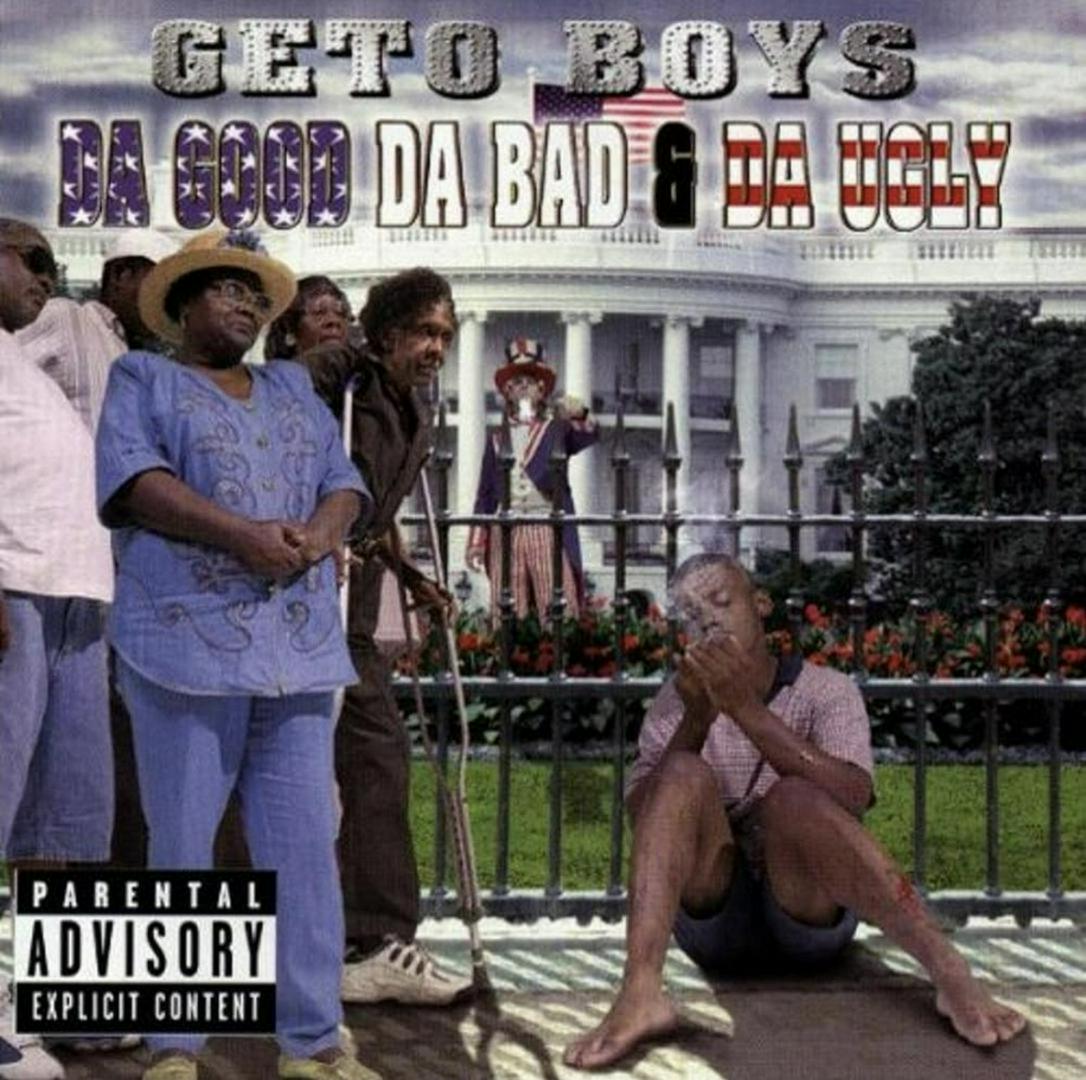
Geto Boys Drop Da Good, Da Bad & Da Ugly... The South Spoke Loud On November 17, 1998, the Geto Bovs came back with Da Good, Da Bad & Da Ugly, a project carved straight out of the Southern hip-hop landscape they helped build Houston had already claimed its voice thanks to them... raw, unfiltered, and unapologetically Southern, but this album showed the world that the South wasn't a "side conversation" anymore. It was the main staqge The album held that sianature Geto Boys energy... dark storytelling, sharp social commentarv, and the kind of life observations vou only get from people who've seen both sides of the street. Even with lineup changes, the crew held on to what made them legendary in the first place... honesty, edge, and a refusal to water anything down for mainstream comfort.By the late `90s, hip-hop was shifting fast but the Geto Boys reminded everybody that Southern rap didn't need approval to be iconic. They were already stamped. Already respected. Already shaping the direction of a whole region. Da Good, Da Bad & Da Ualv stands as one of those albums that marks a moment... the South saying "we're here, we're staying, and we're not taking our foot off nothing." #HipHopHistory #GetoBoys #SouthernRap #HoustonLegends #OnThisDay #BlackMusicHistory #LataraSpeaksTruth #CultureStories #Lemon8Creator #1998Vibes

LataraSpeaksTruth

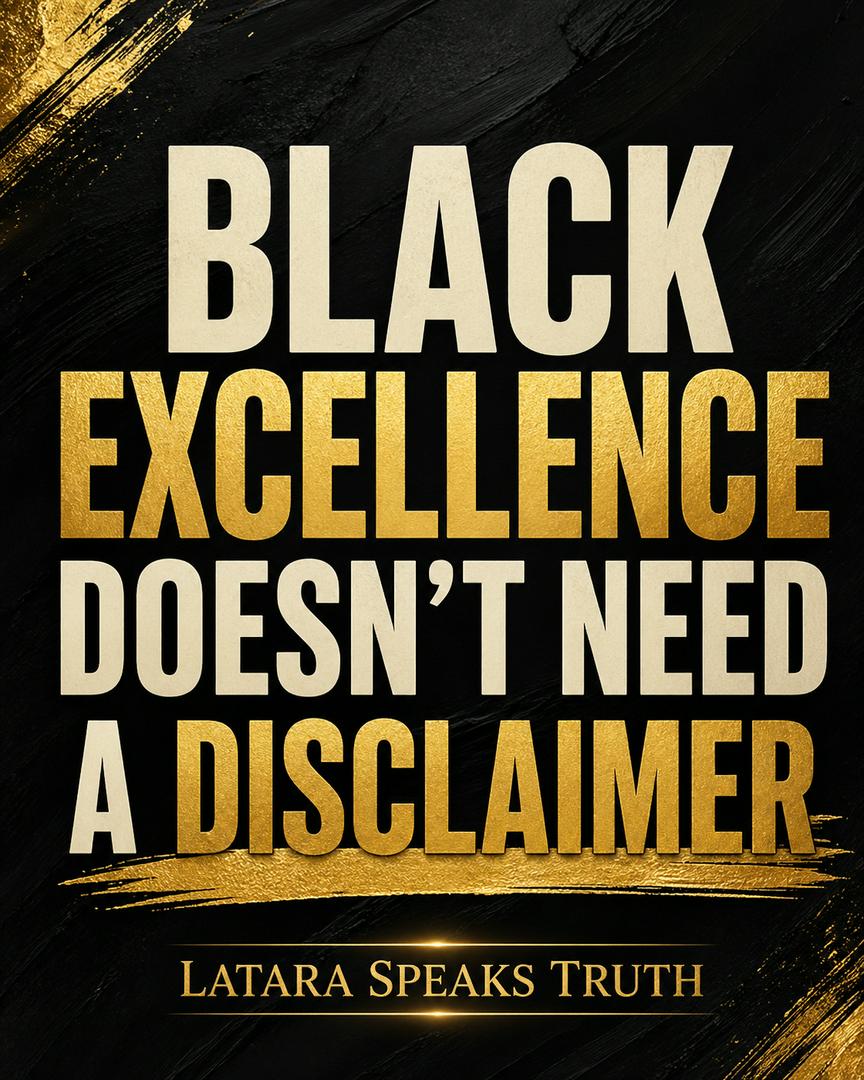
When I posted about Vice Admiral Samuel L. Gravely Jr., the story was about excellence, service, discipline, and legacy. Gravely was not just “good enough.” He became a historic figure in the United States Navy through proven ability, leadership, and endurance. His record did not need a political disclaimer attached to it. So when someone comes under a post about a Black trailblazer and says he did it “without DEI,” the question is simple: why did that need to be mentioned at all? That was not part of the story. Too often, when Black excellence is discussed, someone finds a way to drag DEI or affirmative action into the conversation, as if Black achievement has to be separated from assistance before it can be respected. The implication is always sitting there, that Black people must have been handed something, favored unfairly, or pushed ahead because of color instead of qualifications. That narrative is tired. It is also selective. Historically, white women have often been identified as major beneficiaries of affirmative action, especially in employment and workplace advancement. But somehow, DEI only becomes the favorite insult when Black achievement is being discussed. That is the part people avoid. Black people have been proving themselves in rooms they were not invited into, in systems that doubted them, blocked them, and still expected them to outperform just to be seen as qualified. Gravely’s story does not need to be used as a weapon against modern diversity efforts. His story already stands on its own. If the man was disciplined, say that. If he served with honor, say that. If he broke barriers, say that. But dragging DEI into a story where it was never the subject says more about the person mentioning it than the man being honored. Black excellence does not need a disclaimer. It never did. #BlackHistory #SamuelGravely #MilitaryHistory #BlackExcellence #LataraSpeaksTruth

Brandon_Lee

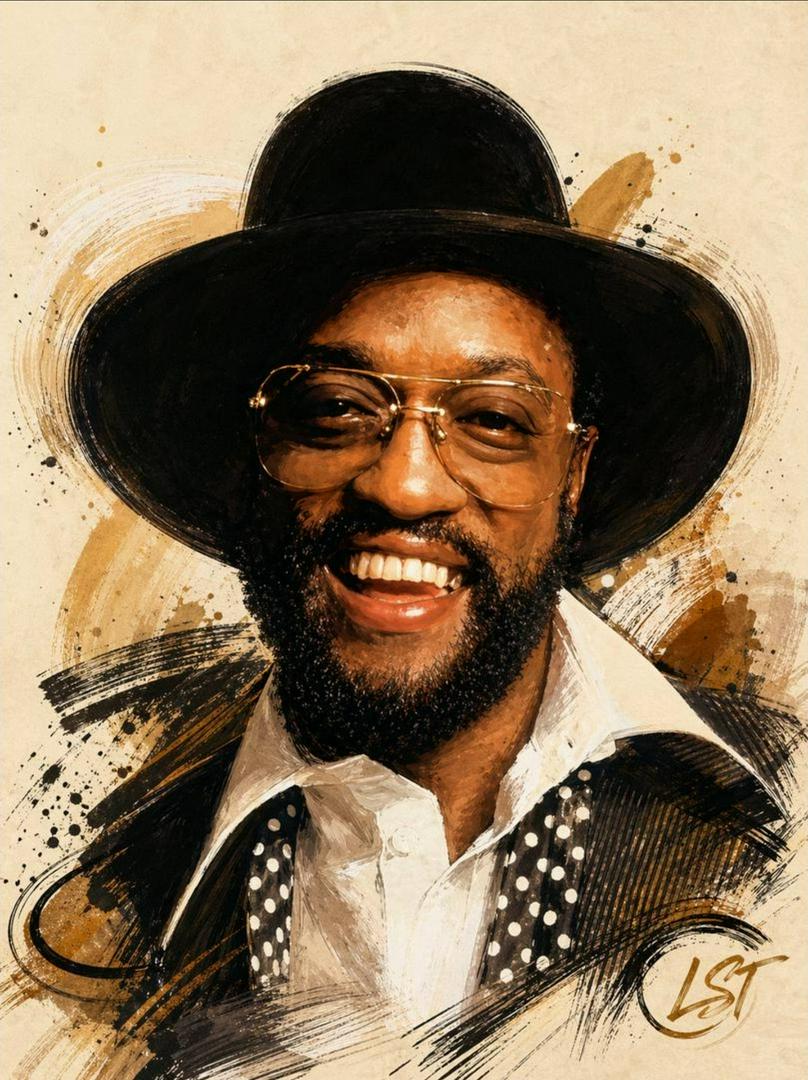
On April 24, 2016, soul music lost Billy Paul the Philadelphia singer best known for the classic "Me and Mrs. Jones." But let's not reduce that man to one song Born Paul Williams in Philadelphia on December 1, 1934, Billy Paul came from a city that did not iust produce music....it produced feeling. His voice carried iazz soul, pain, temptation, and grown-folks storytelling all at once. That is why "Me and Mrs. Jones" worked the way it did. The song was not loud. It dia not have to be. Billv Paul sanq it like a confession whispered in a room where everybody already knew the truth. Smooth, controlled, complicated, and unforgettable Released in 1972, "Me and Mrs. Jones' became a No. 1 hit and earned Billv Paul a Grammy Award for Best Male R&B Vocal Performance. That was not just a music moment. That was Philly soul stepping into the national spotlight with elegance, drama and a whole lot of mood Billy Paul was part of the Philadelphia International Records sound shaped by Kenny Gamble and Leon Huff. That sound gave the 1970s some of its most polished and powerful soul records. It was music with strings, rhythm, storytelling, and class. The kind of music that made you sit down, listen, and feel something before you even realized what the lyrics were doing. Billy Paul passed away at his home in Blackwood, New Jersey, after battling pancreatic cancer. He was 81 His legacy is bigger than a chart position. It ives in that smoky voice, that grown soul sound. and that reminder that some artists do not need a hundred hits to leave apermanent mark. Sometimes one song opens the door. But the voice behind it is the real history. #BillyPaul #SoulMusic #MusicHistory #PhillySoul #LataraSpeaksTruth

LataraSpeaksTruth

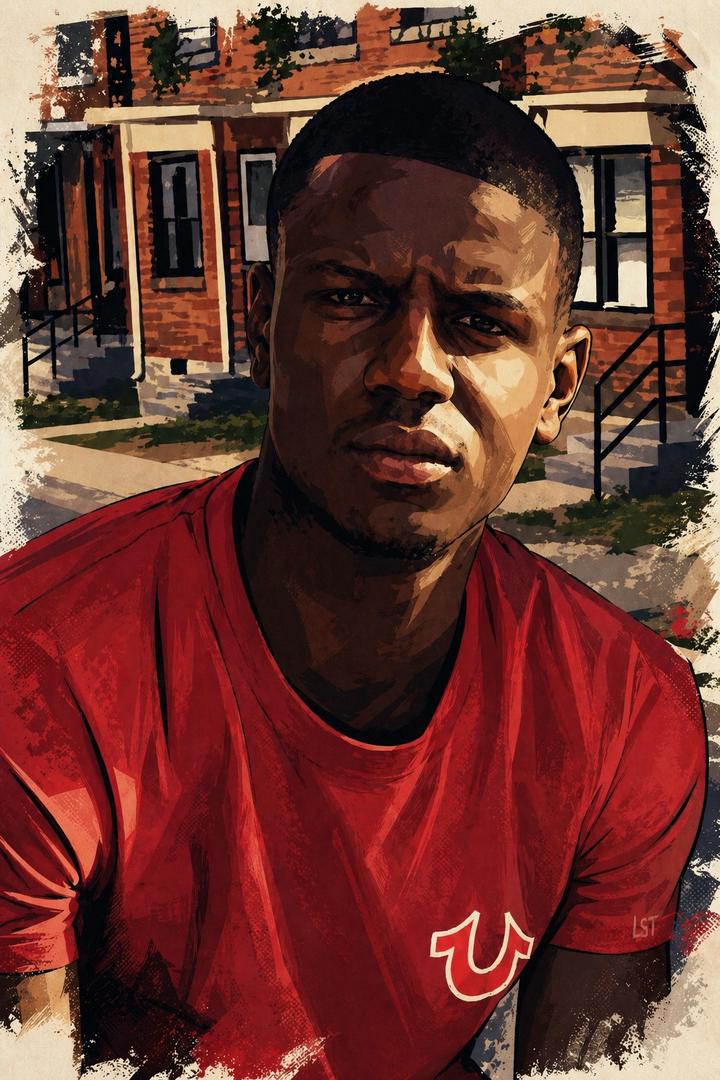
On April 27, 2015, Freddie Gray was laid to rest at New Shiloh Baptist Church in Baltimore, Maryland. Gray was 25 years old. He had been arrested by Baltimore police on April 12, 2015, and died on April 19 after suffering a severe spinal cord injury while in police custody. His death drew national attention and became part of a wider public discussion about policing, accountability, and the treatment of people in custody. His funeral brought mourners, clergy, community leaders, and residents together in Baltimore. The service took place as the city was already under intense public attention because of the circumstances surrounding his arrest, transport, injury, and death. Later investigations reviewed videos, witness statements, medical records, police reports, dispatch recordings, autopsy materials, and trial records connected to the case. Federal prosecutors later declined to bring federal charges, stating they did not find enough evidence to prove a federal civil rights violation beyond a reasonable doubt. Freddie Gray’s death remained closely tied to Baltimore’s history and to national conversations about law enforcement, public trust, and the demand for accountability after deaths in custody. #FreddieGray #April27 #BaltimoreHistory #BlackHistory #LataraSpeaksTruth
LataraSpeaksTruth

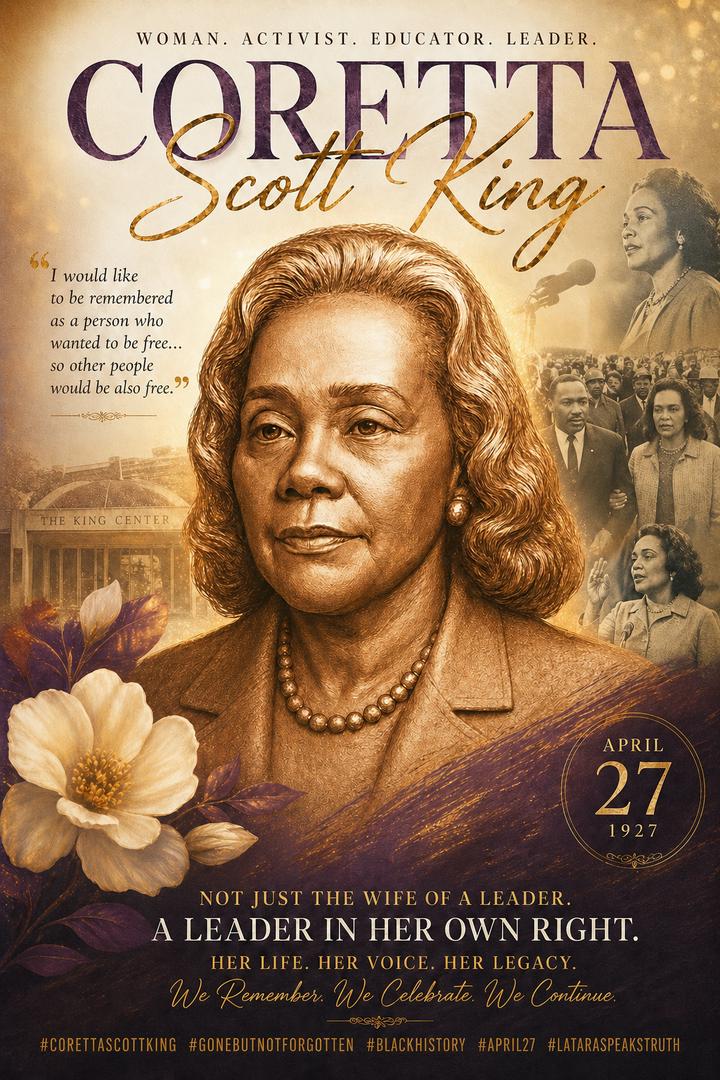
Coretta Scott King is remembered by many as the wife of Dr. Martin Luther King Jr., but that description is far too small for the life she lived. Born on April 27, 1927, in Heiberger, Alabama, Coretta Scott King built her own path through education, music, activism, and public service. She studied at Antioch College and later at the New England Conservatory of Music, where her voice was trained before it became part of a much larger calling. She was a woman of purpose long before history placed the King name beside hers. After Dr. King was assassinated in 1968, Coretta Scott King did not retreat from the work. She carried grief, motherhood, leadership, and public responsibility all at once. She founded The King Center in 1968 and spent years preserving his legacy while continuing to speak on peace, poverty, equality, and human rights. Coretta Scott King passed away on January 30, 2006, but her presence remains deeply woven into the history she helped protect. She was not just standing beside a leader. She was a leader. She was not just preserving a dream. She was helping carry it through some of the hardest years after the cameras moved on. On her birthday, we remember Coretta Scott King with honor. Gone, but not forgotten. And still deserving every flower. #CorettaScottKing #GoneButNotForgotten #BlackHistory #WomenInHistory #LataraSpeaksTruth
LataraSpeaksTruth

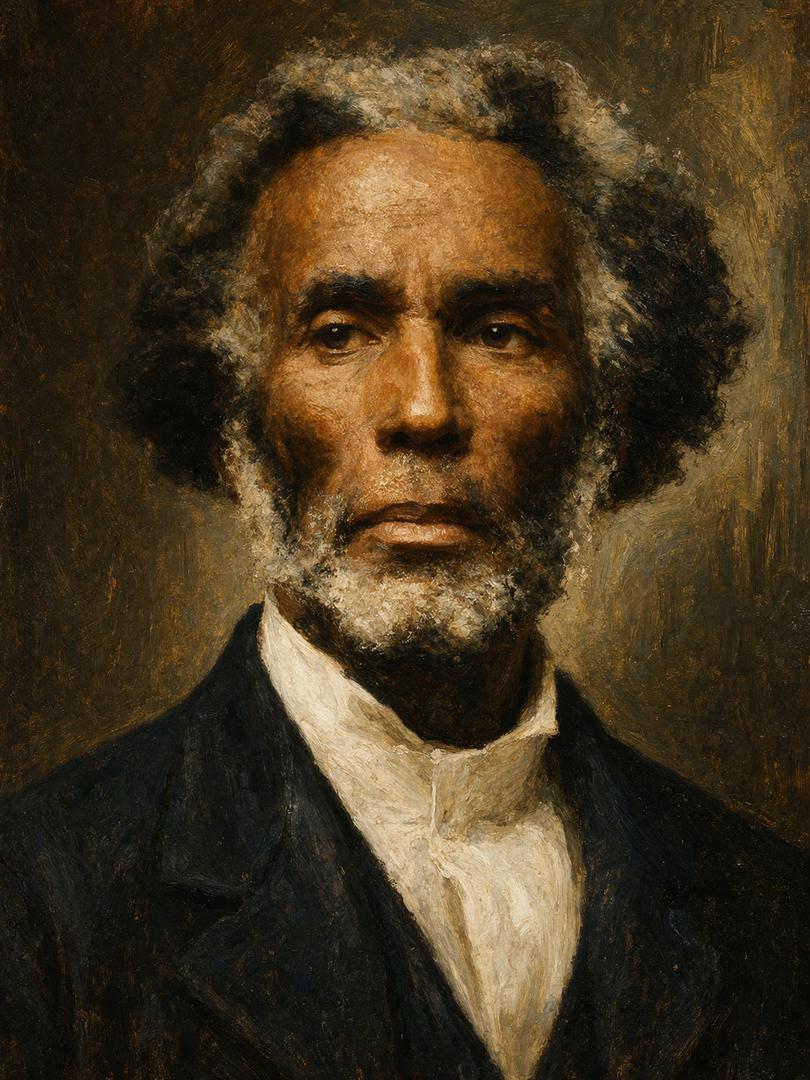
A man could escape slavery, build a life, find work, and still not be safe. That was the reality Charles Nalle faced in 1860. He had escaped slavery in Virginia and made his way to Troy, New York, but the Fugitive Slave Act meant that even in the North, freedom could still be challenged by law. When Nalle was arrested in Troy on April 27, 1860, his capture did not go unanswered. Word spread quickly, and a crowd gathered. Harriet Tubman, who was in Troy at the time, joined local abolitionists and community members who fought to stop Nalle from being forced back into slavery. The rescue became one of the boldest public freedom actions before the Civil War. It was not quiet. It was not symbolic. It was people putting their bodies between one man and a system determined to claim him. Charles Nalle’s story matters because it reminds us that freedom was not always one clean moment. For many, it had to be defended again and again. He was not just “the man Harriet Tubman helped rescue.” He was Charles Nalle, a husband, a father, a worker, a freedom seeker, and a man whose name deserves to be remembered. On this day, we say his name too. #CharlesNalle #HarrietTubman #BlackHistory #FreedomStory #LataraSpeaksTruth