Tag Page Longevity

#Longevity
John Spencer Ellis

Why do people live so long in the blue zones?  It is true that clean air, clean water, daily, moderate, or light exercise, fresh fish, and reduced stress are all critical factors. Before I tell you the interesting part, you will find it interesting that the term “blue zones” came about because of a demographer studying centenarians. In other words, a person who studies demographics want to know why certain people live to 100 years or more in certain areas. Every time they found a special account of this, they put a blue dot on a map. Over time, when more and more people were revealed to live to 100, those dots became blue “zones” on the map. So, here’s the surprise… In these areas where people live so long, they value elders more. There is more social connection. There is more support and interaction and love given to the elders. The elders are placed in higher regard. They are not placed into homes and forgotten. This is a good lesson for the rest of the world. #bluezone #bluezones #longevity #lifespan https://johnspencerellis.com

John Spencer Ellis

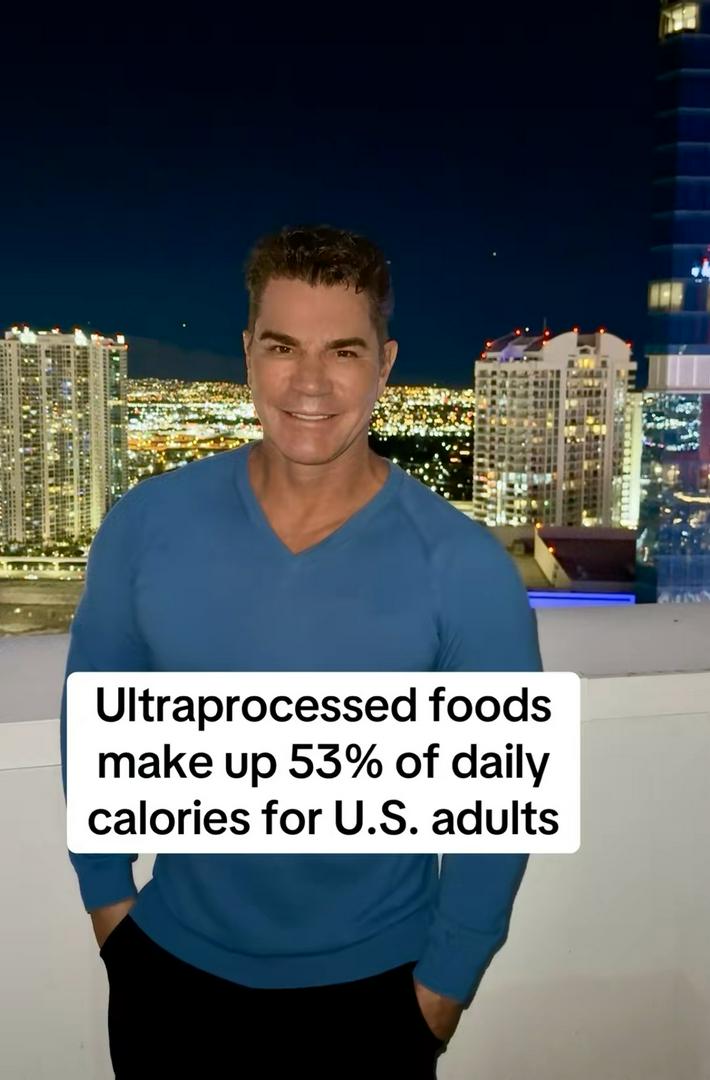
Hey foodies and snack attackers! 🍟😎 Ever feel like your fridge is staging a rebellion with all those ultra-processed goodies? Well, buckle up for a fun fact bomb: According to CDC data, ultra-processed foods (think chips, sodas, and those irresistible frozen pizzas) make up a whopping 53% of daily calories for U.S. adults! For kids, it’s even higher at 67%. Yikes, right? But hey, science has our back—studies show these sneaky culprits are loaded with added sugars, fats, and mystery additives that crank up risks for obesity, diabetes, and heart issues. They’re engineered to hijack our brains, making us crave more like a bad rom-com sequel. But plot twist: You’re the hero who can rewrite this story! Ditch the bad habit loop by swapping in real-food wins. Start small—grab fresh fruits over fruit snacks, or whip up a homemade stir-fry instead of takeout. Research from nutrition pros (like those in the BMJ) backs it: Cutting ultra-processed stuff by just 10% can slash those health risks and boost energy levels. Imagine feeling like a boss with steady vibes, minus the crash! Who’s ready to level up? Tag a friend who’s your snack buddy and commit to one swap this week. Let’s turn those stats around—one bite at a time. 💪🥦 #longevitylifestyle #HealthTips #Longevity #CalorieBurn https://johnspencerellis.com

John Spencer Ellis

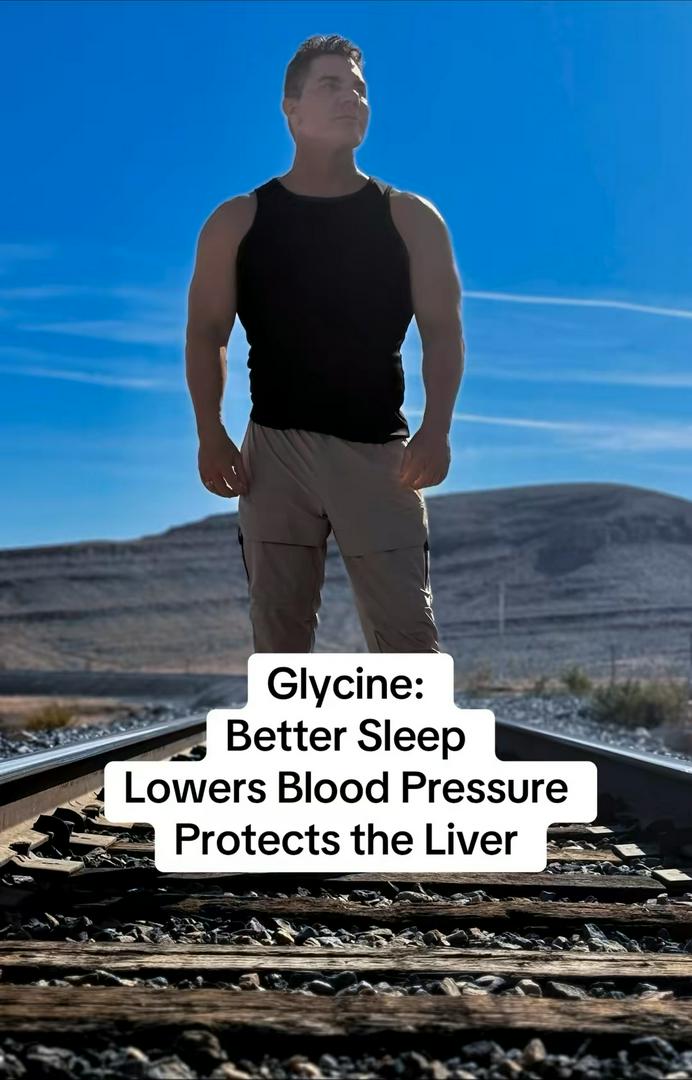
Unlocking the Power of Glycine: A Simple Amino Acid with Big Benefits Glycine is one of the simplest amino acids, naturally produced by your body and found in foods like meat, fish, dairy, and beans. As a supplement, it’s gaining popularity for its potential health perks, backed by research. Typically taken in doses of 3-5 grams daily, glycine acts as a building block for proteins and supports various bodily functions. Let’s explore its key benefits in an easy-to-grasp way. First, glycine shines for better sleep. It lowers core body temperature and boosts serotonin, helping you fall asleep faster and enjoy deeper, more restorative rest. Studies show it reduces insomnia symptoms and daytime fatigue, making it a natural aid for those tossing and turning. Next, it supports heart and metabolic health. Supplemental glycine may lower blood pressure, reduce obesity risks, and cut triglycerides, acting as a potential “antidote” to high-fructose diets. It also aids in managing type 2 diabetes by improving insulin sensitivity and blood sugar control. Glycine protects your liver too, helping detoxify harmful substances and shielding against alcohol damage. It’s anti-inflammatory, potentially easing conditions like fatty liver disease. For muscles and recovery, glycine promotes muscle growth, reduces loss during aging or illness, and boosts strength during workouts. Athletes may experience less fatigue and faster regeneration. Finally, it may lift mood by increasing serotonin and support brain health, though more research is needed for conditions like schizophrenia. While generally safe, consult a doctor before starting supplements, especially if you have health issues. Glycine offers an accessible way to enhance wellness—small molecule, big impact! #glycine #Longevity #HealthTips #sportsnutrition


John Spencer Ellis

Did you know that genetics might play a bigger role in how long we live than we once thought? According to a groundbreaking study published in Science in January 2026, about 55% of the variation in human intrinsic lifespan—the natural length of life without accidents or infections—is due to genetics. That’s more than double the old estimates of 20-25%, which were muddled by historical data full of external risks like diseases or wars. The flip side? Roughly 45% comes from environmental factors, including lifestyle choices like diet, exercise, sleep, and stress management. So while your genes set the stage, your habits can steal the show—potentially adding years to your life. Key takeaway: You can’t change your DNA, but empowering choices like balanced nutrition and regular movement can tip the scales. What’s one habit you’re committing to for a longer, healthier life? Share below! #Longevity #Genetics #HealthTips

John Spencer Ellis

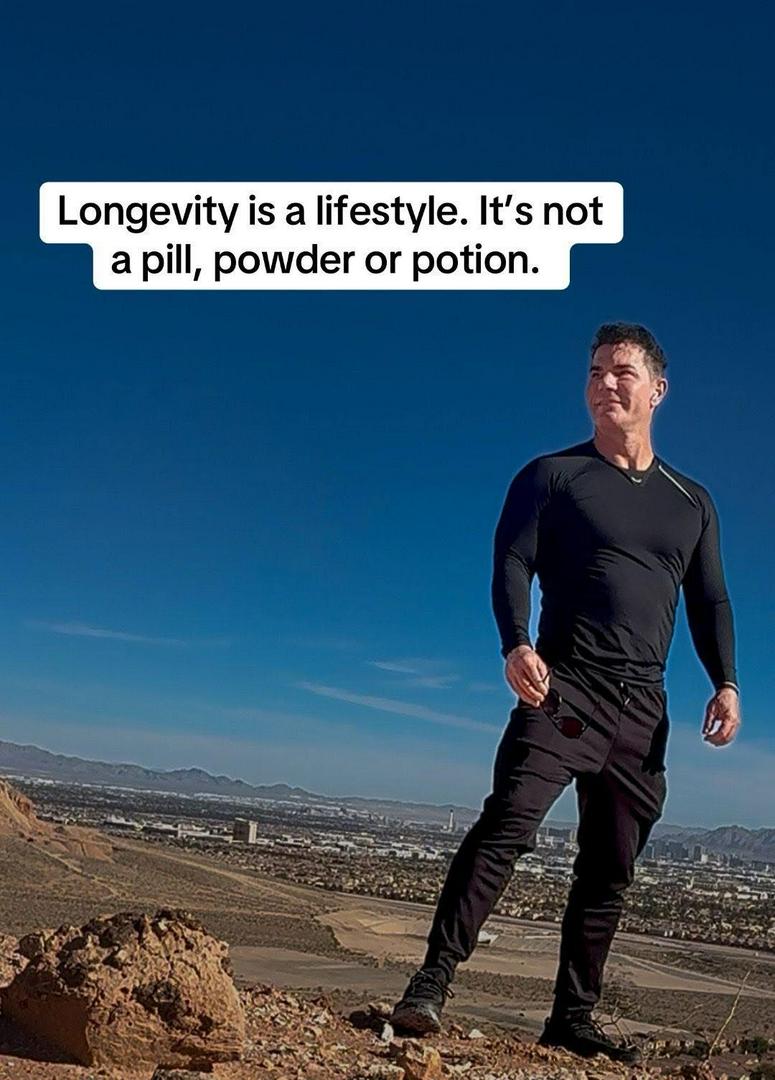
Today, I got asked a very good question about longevity. It was simple. What is the best thing that I can do to improve my longevity? At the time, I gave the advice of managing stress and inflammation. Yet, I think I should have said that it is a lifestyle and not just a thing you do. It becomes part of your identity. When something is part of your core identity, it’s who you are and not simply something you do. “I am a healthy person who values along healthy life!” The preceding is a declaration. It’s more empowering and long lasting than telling yourself, “I’m going to use red light therapy today.“ Both of these are good. I want you to think of it more on the macro level. If your identity is attached to good habits and rituals on a daily basis, you do the practices without thinking about it. #longevity #longevitylifestyle #longevitytips #longevitymedicine http://johnspencerellis.com