Tag Page LouisianaHistory

#LouisianaHistory
LataraSpeaksTruth

The Opelousas Massacre… The Story They Tried to Erase

On September 28, 1868, the town of Opelousas, Louisiana showed the world exactly how far white supremacy was willing to go to silence Black voices. One Black newspaper editor, Emile Deslondes, challenged the violence and intimidation Black voters were facing. Instead of answering with truth, local white Democrats answered with guns. What followed wasn’t a “riot.” It was a wave. White mobs spread across Opelousas and nearby parishes, dragging Black men out of their homes, hunting down schoolteachers, community leaders, and anyone connected to the Republican Party. It became open-season on Black life. Historians estimate that 200 to 300 Black people were murdered in just a few days… and that’s only what was documented. Many families were never counted. Records vanished. Testimonies disappeared. Louisiana buried this story the same way it buried the bodies… fast, deep, and quiet. The message was loud: “Vote if you want to… but you won’t live to see the next sunrise.” That was the blueprint for voter suppression in the Deep South. Not laws… violence. Not debates… massacres. Opelousas wasn’t a moment. It was a warning. And every time we tell the truth about it, we undo one more piece of the silence they tried to build. History isn’t just dates… it’s accountability. And this one deserves to be spoken out loud. #OpelousasMassacre #LouisianaHistory #HiddenHistory #ReconstructionEra #BlackHistoryMatters #ReclaimTheRecord #HistoryTheyDidntTeachUs #TruthOverSilence #LataraSpeaksTruth

The Opelousas Massacre… The Story They Tried to Erase
LataraSpeaksTruth

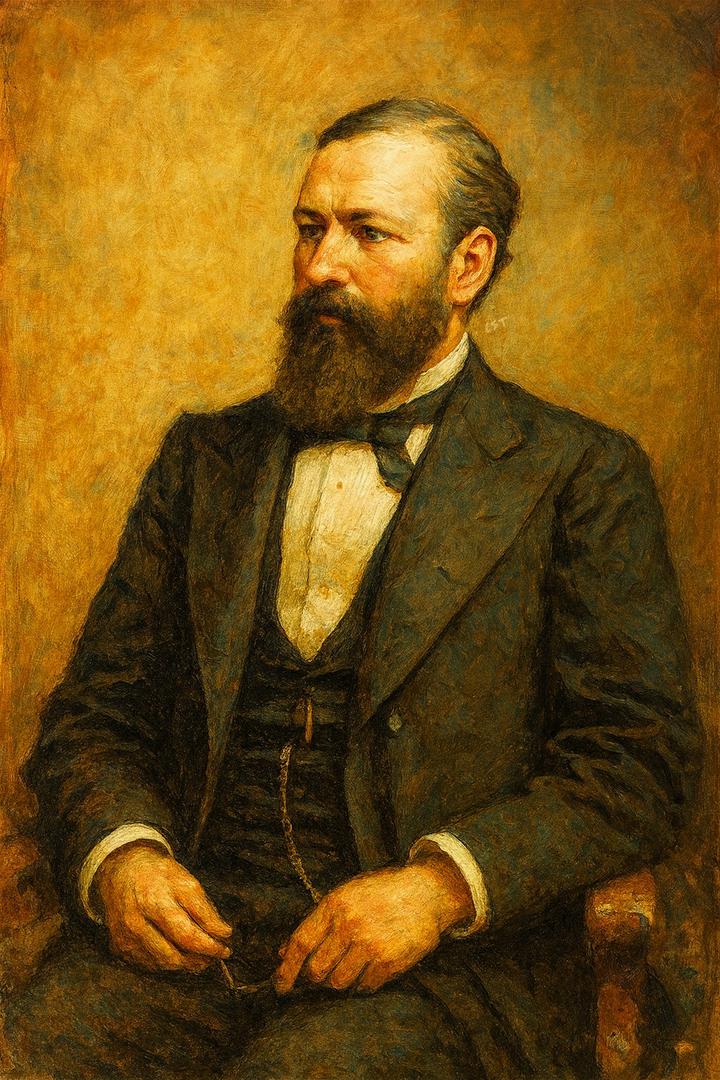
On December 9, 1872, P.B.S. Pinchback stepped into history as acting governor of Louisiana… the first Black governor in the United States. It’s one of those moments the textbooks whisper about, but it deserves a full-volume replay. Pinchback didn’t slide into power on easy mode; he fought through the chaos of Reconstruction, served as lieutenant governor, and rose to the top when the governor was impeached. His time in office was short, but sometimes it only takes a few bold weeks to shake up a century. And before someone pops into the comments with the usual, “Are you sure he was Black? He looks white…” let’s clear the air. A lot of people from that era had lighter complexions because of the grim reality of slavery: white enslavers fathered children with enslaved women, then left those kids to grow up with zero privilege, zero protection, and zero of the benefits their fathers enjoyed. Looking white didn’t grant them a shortcut. Pinchback lived, fought, and served as a Black man…?fully, openly, and without apology. His life is a reminder that history is complicated, messy, and shaped by truths many would rather ignore. Yet through it all, he carved out space where none existed and rewrote what leadership could look like in America. #TodayInHistory #BlackHistory #PBS_Pinchback #Reconstruction #LouisianaHistory #AmericanHistory #HiddenHistory #TruthMatters

LataraSpeaksTruth

In January 1811, along the Mississippi River just upriver from New Orleans, enslaved men did what the system insisted could not happen. They organized. They marched. They fought back. The German Coast Uprising began on the night of January 8, 1811, in the Territory of Orleans, in the plantation corridor that later became today’s St. John the Baptist, St. Charles, and Jefferson parishes. The region was nicknamed the “German Coast” for early German settlers, but by 1811 it was dominated by sugar plantations built on enslaved labor. The revolt ignited at the plantation of Colonel Manuel Andry near present day LaPlace. Enslaved men attacked Andry, seized weapons and supplies, and moved down River Road toward New Orleans under the leadership of Charles Deslondes, an enslaved man often described as having Haitian ties and acting in the shadow of the Haitian Revolution. Estimates vary, but many accounts place the initial group at roughly 60 to 125 men, growing as they moved plantation to plantation. Some later reconstructions suggest participation could have reached into the hundreds. Most carried farm tools, axes, and pikes, with fewer firearms. Over about two days and roughly twenty miles, the rebels burned plantation buildings, sugarhouses, and crops, striking the engine that kept the system running. Their destination was New Orleans, and their march signaled a direct challenge to slavery. Militia, planters, and U.S. troops mobilized quickly. The uprising was crushed on January 10, and captures followed. Many were killed in battle or executed after tribunals. A commonly cited total is about 95 enslaved people killed during the conflict and aftermath. Severed heads were displayed along the levee and River Road as a warning. It did not topple the system. But it exposed how fragile it was, and how determined freedom had already become. #GermanCoastUprising #1811Uprising #LouisianaHistory #AmericanHistory #HiddenHistory #EnslavedResistance
You've reached the end!
Tag: LouisianaHistory | LocalAll