Tag Page MedicalResearch

#MedicalResearch
The Signal Wire

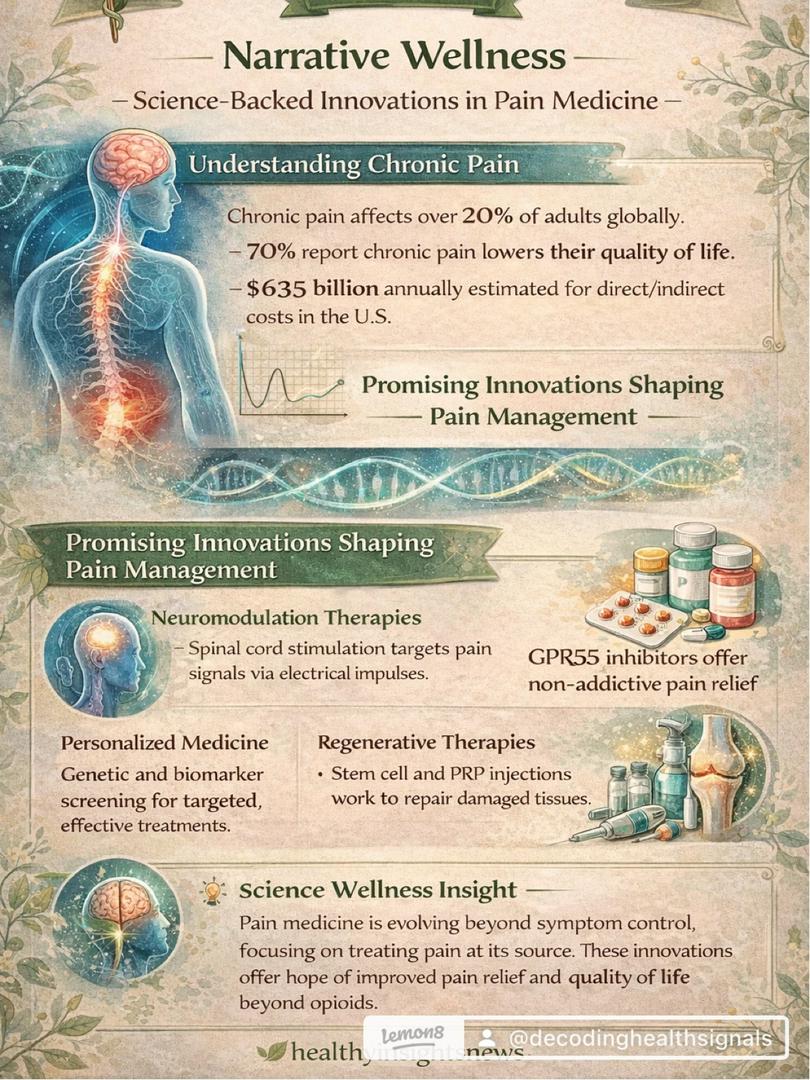
Breaking NEWS - Health Talk - The Future of Pain Medicine Pain Medicine Enters a New Era of Precision Treatment Chronic pain affects more than 20% of adults globally. • 70% report reduced quality of life • $635 billion annually in U.S. direct and indirect costs For decades, pain care centered on symptom control. Mask the signal. Suppress the inflammation. Manage the discomfort. But the signal is changing. Pain medicine is quietly transitioning from reaction to precision. Neuromodulation therapies now target pain pathways directly through electrical signaling interrupting transmission at the neural level. Genetic and biomarker screening is guiding treatment selection, reducing trial-and-error prescribing. Regenerative therapies like stem cells and PRP aim to repair tissue instead of numbing symptoms. Non-opioid molecular targets, including GPR55 pathway research, are expanding options beyond dependency risk. The industry is moving from: “Control the symptom.” to “Decode and treat the source.” This is not incremental innovation. It is structural recalibration in a post-opioid healthcare era. Pain medicine is no longer just pharmaceutical. It is neurological, regenerative, and data-driven. The question is not whether innovation is happening. The question is whether systems will adapt fast enough. Follow @thesignalwire for early detection of healthcare shifts before they scale. Is the healthcare system prepared to pivot from symptom control to signal-based, precision care? #HealthPolicy #PainInnovation #PrecisionMedicine #ChronicPain #MedicalResearch #TheSignalWire #HealthSignals #PrecisionMedicine #PainInnovation #FutureOfMedicine #HotTopic #BreakingNews #HealthNews #BiomedicalGrad #BiomedicalEngineering

Curiosity Corner

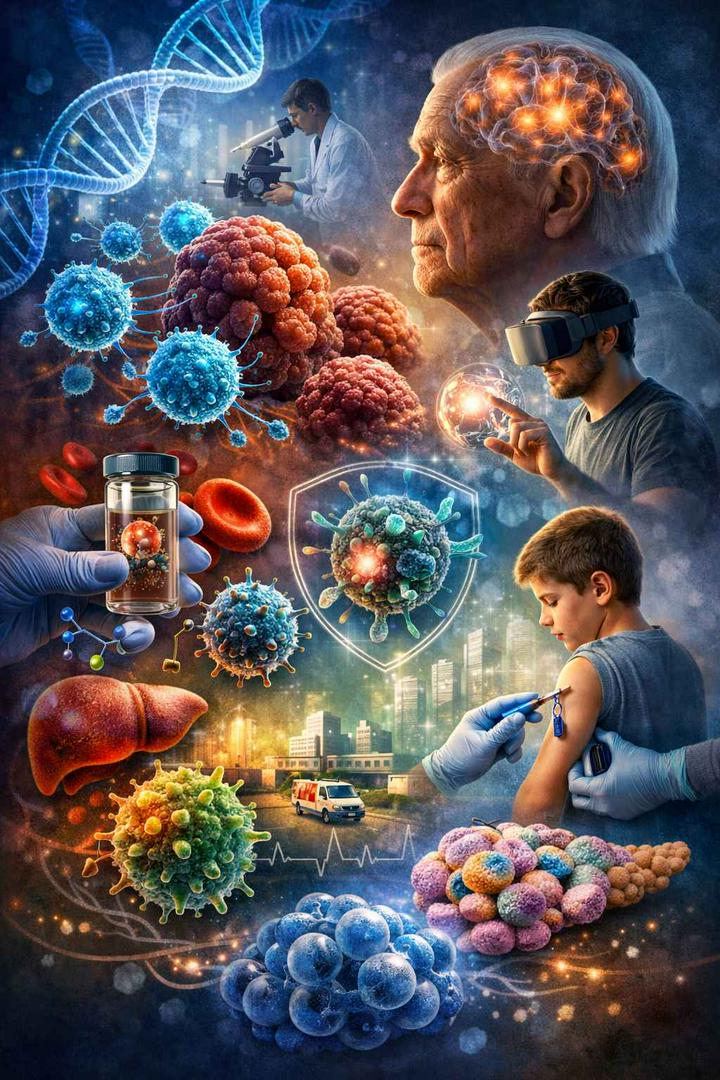
The Future of Medicine: Diseases We’ll Treat in the Next 10 Years In the next 10 years many currently incurable diseases should become routinely treatable due to advances in gene therapy, cell therapy, and targeted treatments. Inherited single gene disorders lead this shift. Over 7,000 rare genetic diseases exist and 80 percent result from a single gene mutation. More than 30 gene therapies are approved globally and 200 are in phase 2 or 3 trials. Sickle cell disease affects 20,000,000 people and gene edited therapies reduce pain crises by over 90 percent, leaving many symptom free for years. Cancer care is advancing. Blood cancers such as leukemia and lymphoma show 60–90 percent complete remission with CAR T therapy versus under 30 percent for chemotherapy. Solid tumors benefit from bispecific antibodies and cell therapies, extending survival in metastatic disease where median survival was under 12 months. Neurodegenerative diseases are becoming modifiable. Alzheimer disease affects 55,000,000 people. New antibody therapies slow cognitive decline by 25–35 percent in early stage patients, and tau or synaptic targeted drugs aim to improve this. Parkinson gene therapy trials report sustained motor gains for years. Infectious diseases are transforming. HIV affects 39,000,000 people. Long acting injectables reduce daily medication by 90 percent and cure-focused trials show drug-free remission in growing cohorts. Hepatitis B affects 296,000,000 people, with functional cure therapies in late stage trials. Type 1 diabetes affects 9,000,000 people. Stem cell derived insulin implants restore insulin independence in over 60 percent of participants. These advances could shift millions from lifelong disability to controlled or reversible disease within a decade. #FutureOfMedicine #MedicalResearch #MedicalAdvances #FutureTherapies

You've reached the end!