Bulge Healers: Medics at the Battle of the Bulge
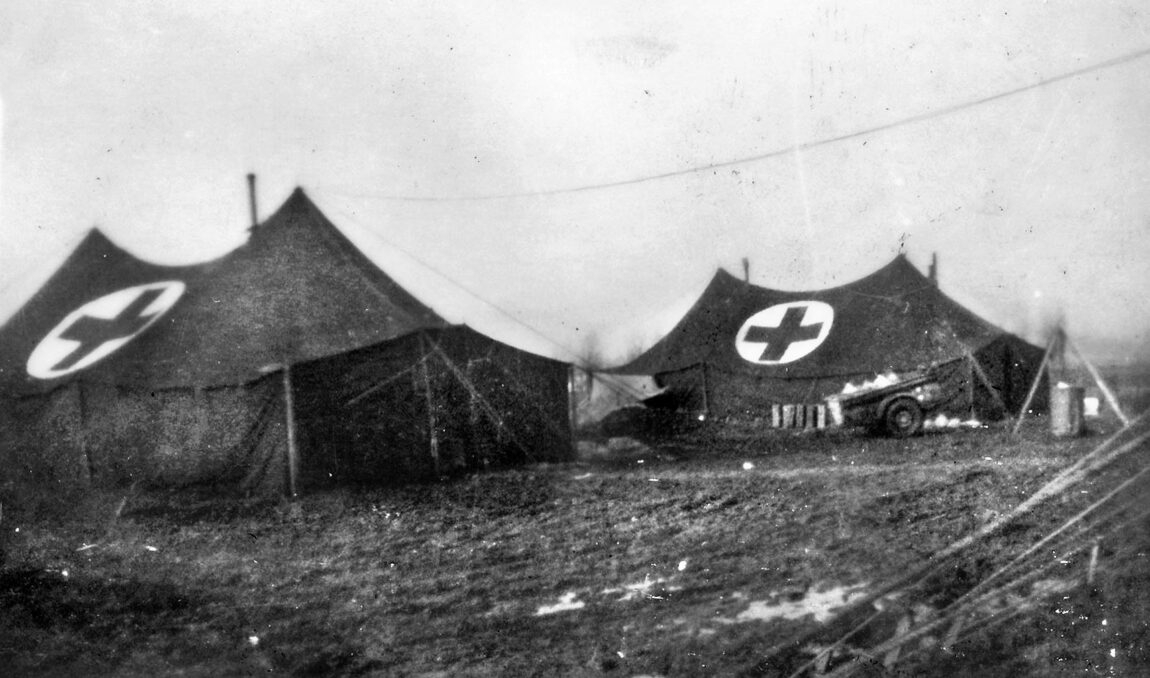
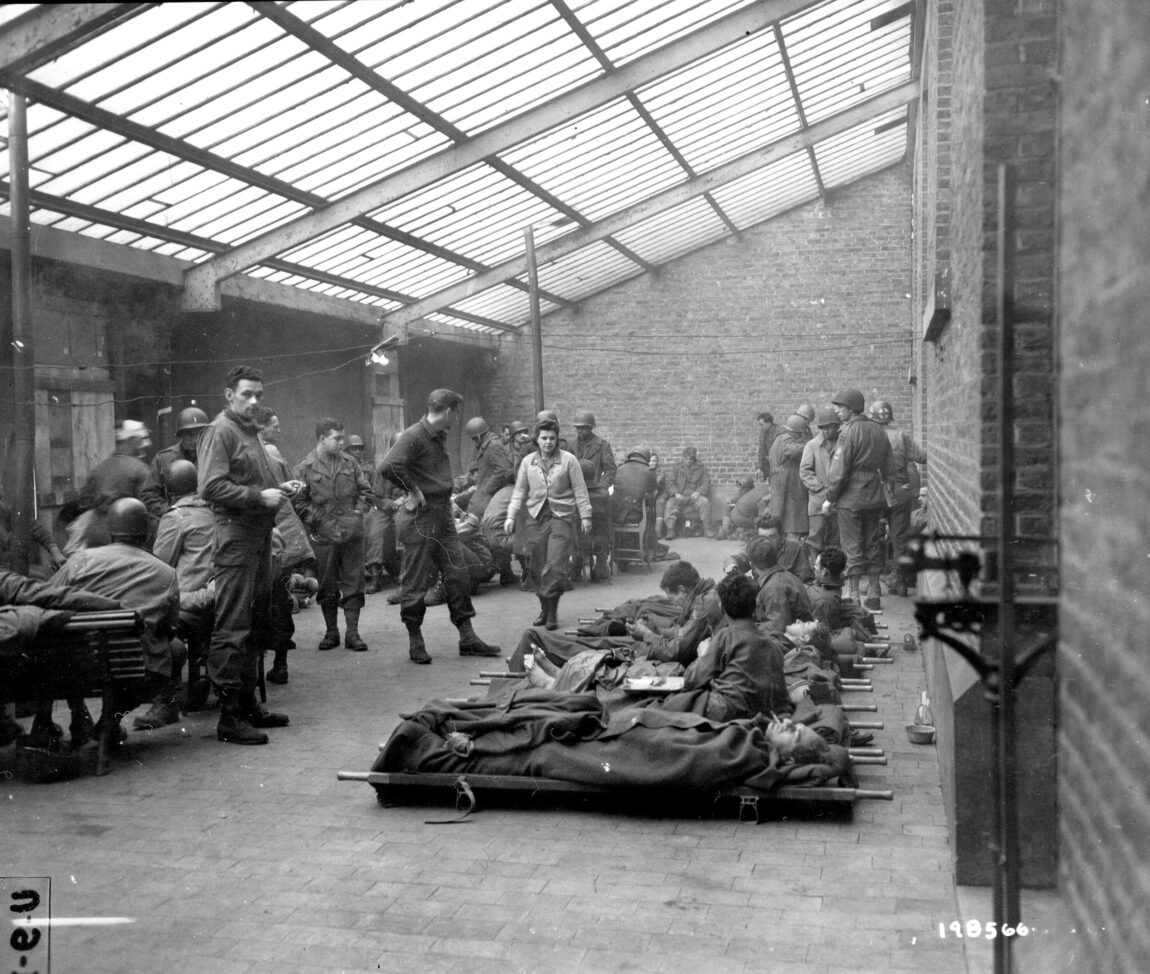
From December 16, 1944, to January 25, 1945, the Battle of the Bulge tested American forces like never before. Nearly 600,000 U.S. soldiers faced a surprise German attack of about 200,000 troops in the frozen Ardennes Forest of Belgium and Luxembourg. Temperatures fell to minus 13 degrees Fahrenheit, almost 30 degrees below normal, turning medical care into a life-or-death fight. Field hospitals were set up in barns, churches, abandoned homes, and caves with little heat, frozen water, and scarce supplies. Medics treated gunshot wounds, shrapnel injuries, frostbite, trench foot, and infections while shells exploded nearby. Thousands froze or succumbed to hypothermia before reaching care.
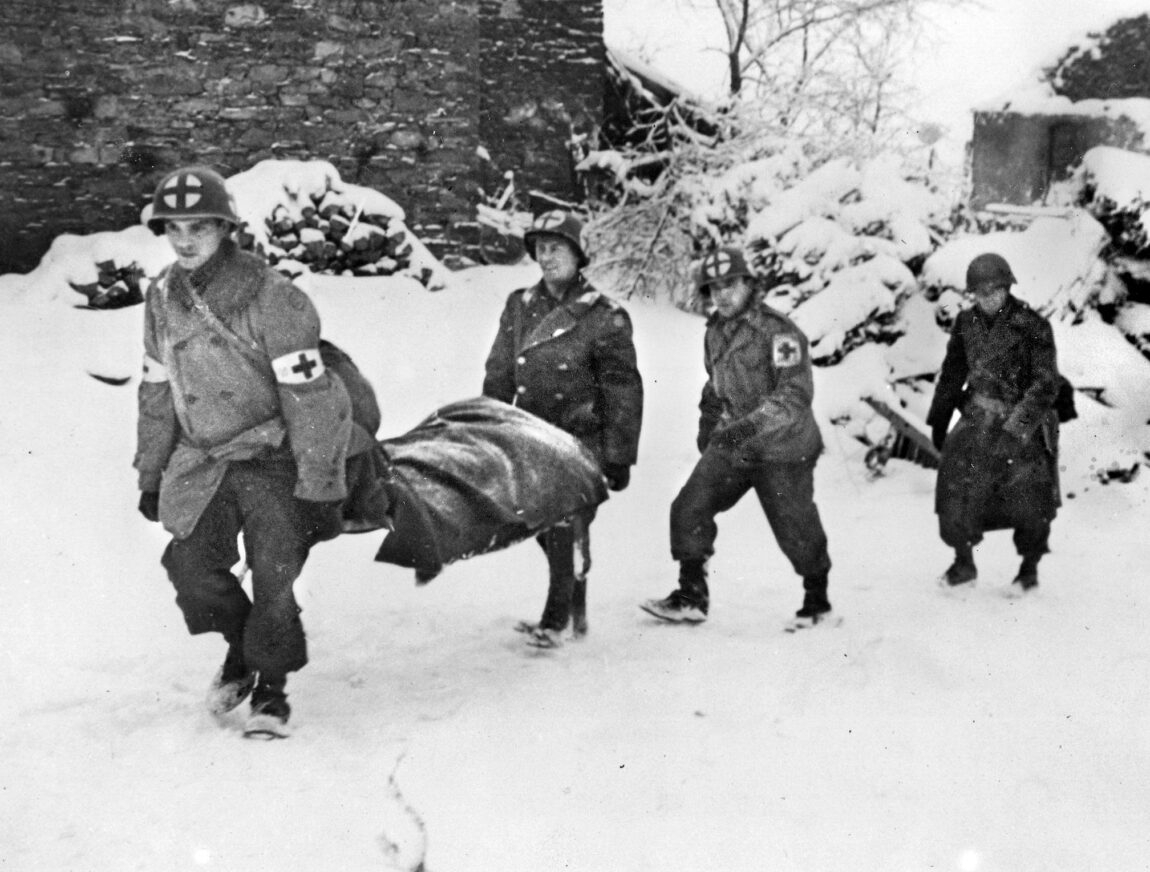
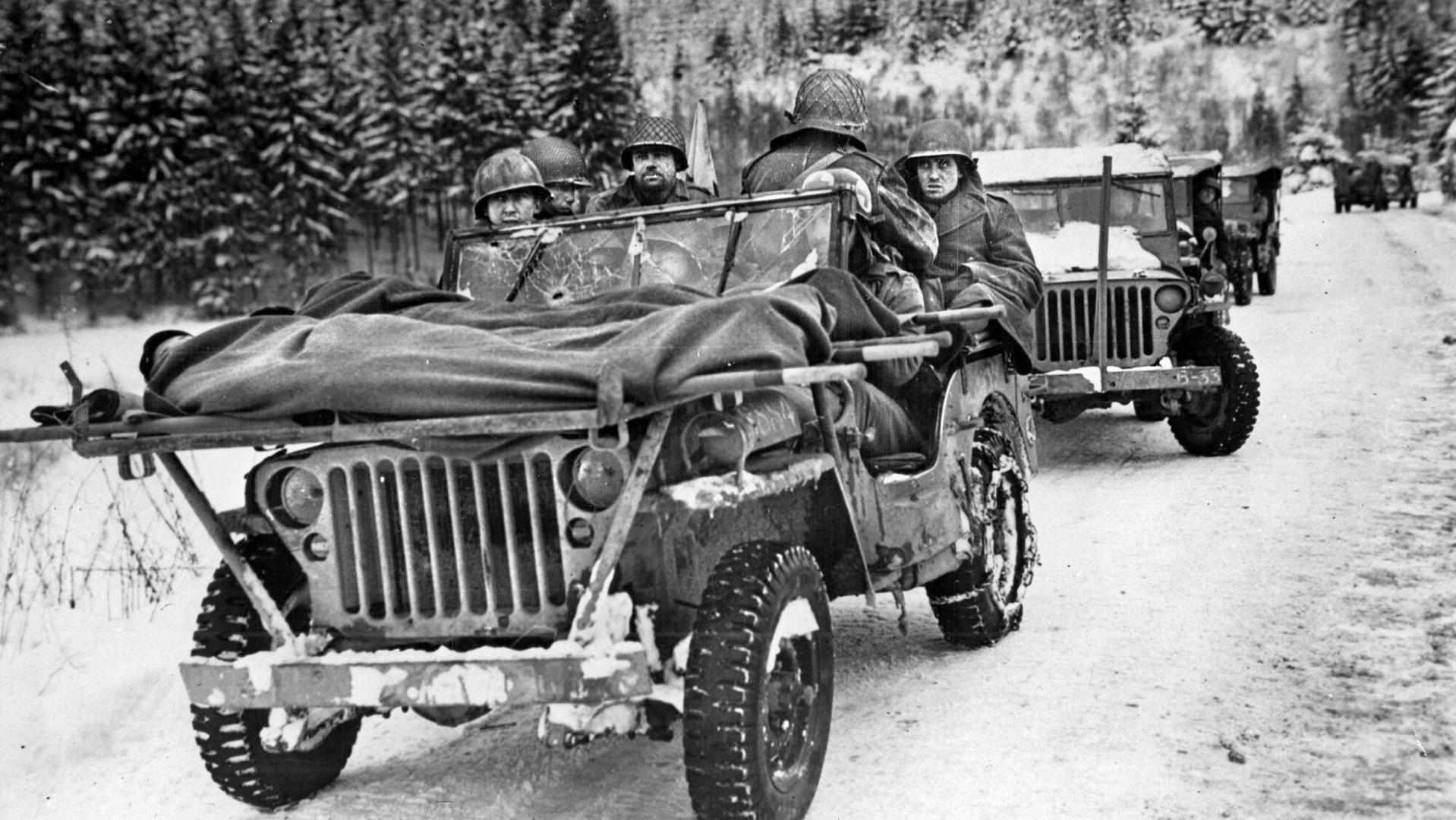
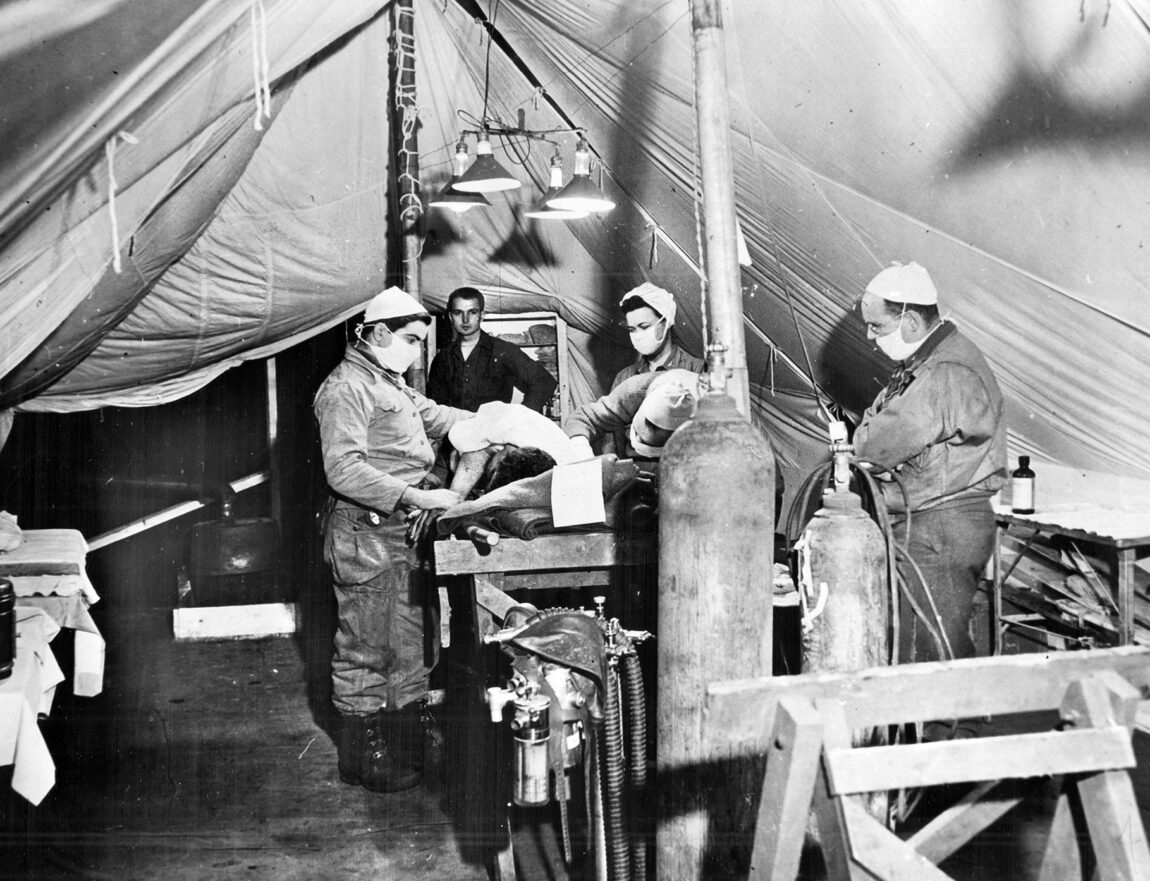
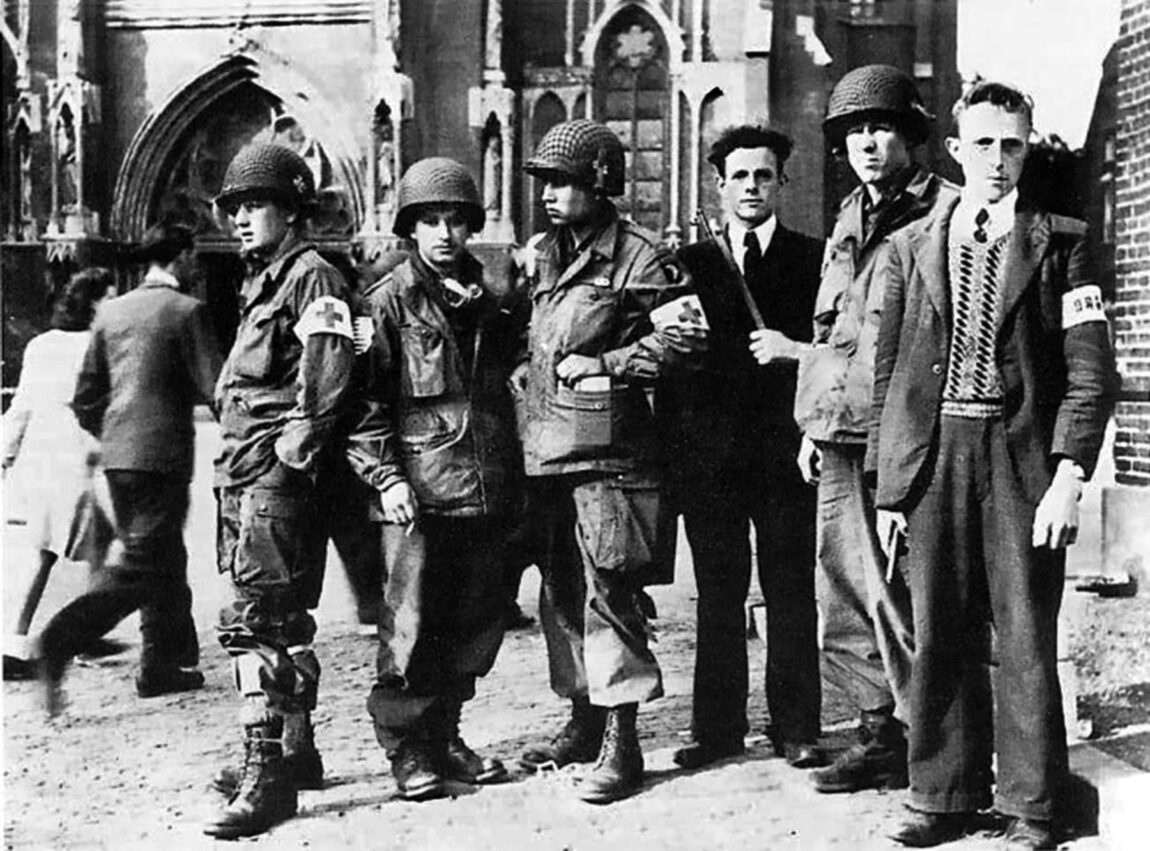
The U.S. Army deployed roughly one medic for every ten soldiers, demanding courage and ingenuity. Medics melted snow for water, improvised steam tents, used hot water bottles and heated blankets, and operated with minimal anesthesia. Blood plasma and morphine were critical; over 15 million plasma units and hundreds of thousands of morphine syrettes were stockpiled. Surgical teams performed amputations, chest, and abdominal operations in freezing, dimly lit rooms. Wounded soldiers were carried across icy forests on sleds, stretchers, horse-drawn carts, and Jeeps, sometimes taking hours or days.
American medics treated tens of thousands of U.S. troops and roughly 12,000 German soldiers. Outnumbered and poorly supplied, German medics struggled even more. Survival rates for those reaching field hospitals exceeded 90 percent. By battle’s end, U.S. forces suffered over 80,000 casualties, including 19,000 killed and 47,500 wounded, while German losses neared 120,000. The courage and skill of medics saved countless lives and proved decisive in one of World War II’s harshest winter campaigns.
#BattleOfTheBulge #MedicineInWW2
#USHistory #History #America #USA