THE_BUSINESS+FollowBREAKING U.S. President Donald Trump posted a new statement claiming that Iran is facing severe financial pressure. < Trump said: "Iran is financially collapsing! They are demanding the immediate reopening of the Strait of Hormuz - they are desperate for cash."' "They are losing $500 million per day and members of the military and police are complaining about not being paid. This is an urgent situation." I These claims have not been independently verified and come amid escalating tensions in the region. The statement highlights the ongoing economic and geopolitical pressuresurrounding Iran and key global shipping routes. #BREAKING #Trump #Iran #StraitOfHormuz #USA #MiddleEast #Geopolitics #WorldNews4842Share
Mma Warzone+Follow🚨 BREAKING U.S. President Donald Trump posted a new statement claiming that Iran is facing severe financial pressure. 🗣️ Trump said: ▪️ “Iran is financially collapsing! They are demanding the immediate reopening of the Strait of Hormuz — they are desperate for cash.” ▪️ “They are losing $500 million per day, and members of the military and police are complaining about not being paid. This is an urgent situation.” ⚠️ These claims have not been independently verified and come amid escalating tensions in the region. 🧭 The statement highlights the ongoing economic and geopolitical pressure surrounding Iran and key global shipping routes. ⸻ #BREAKING #Trump #Iran #StraitOfHormuz #USA #MiddleEast #Geopolitics #WorldNews 105Share
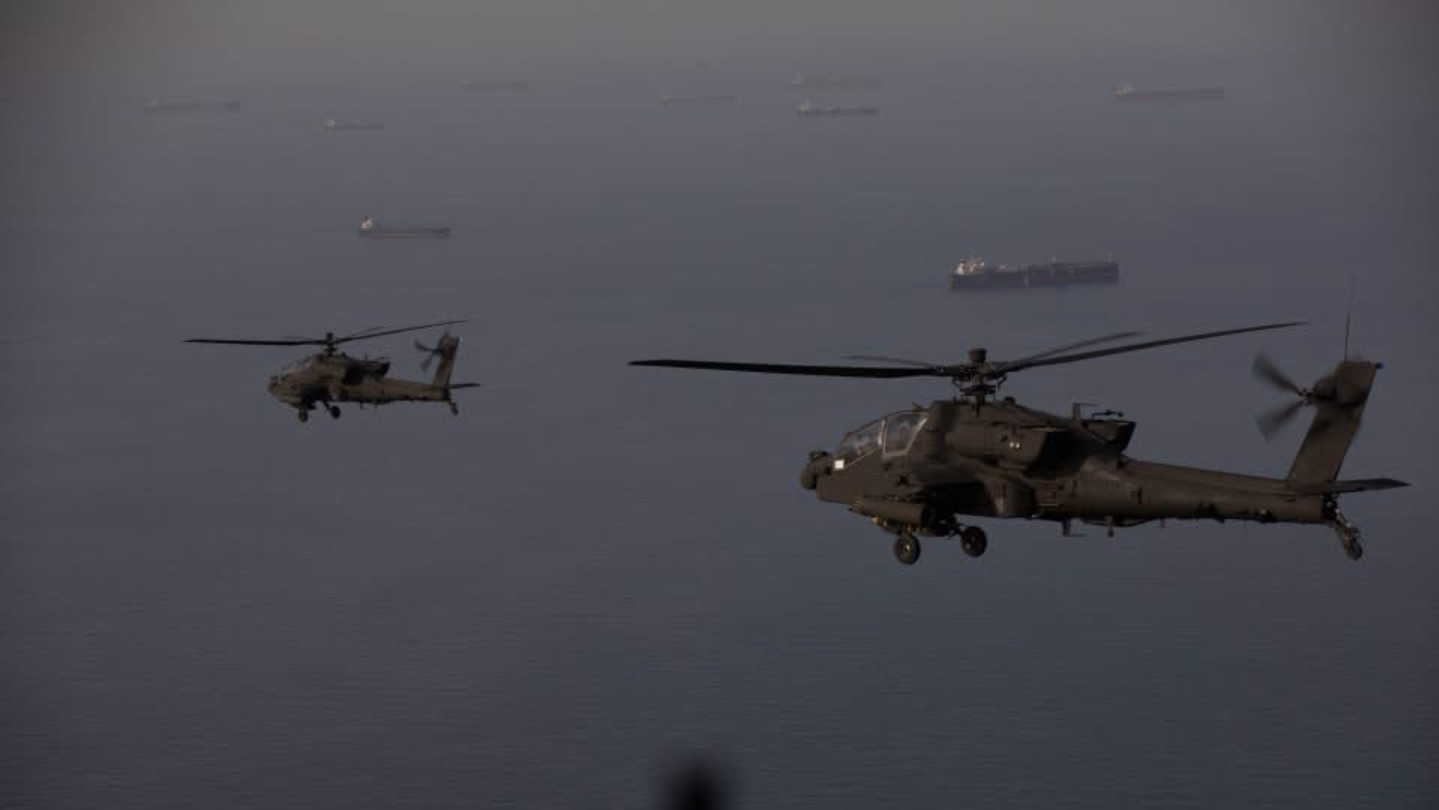
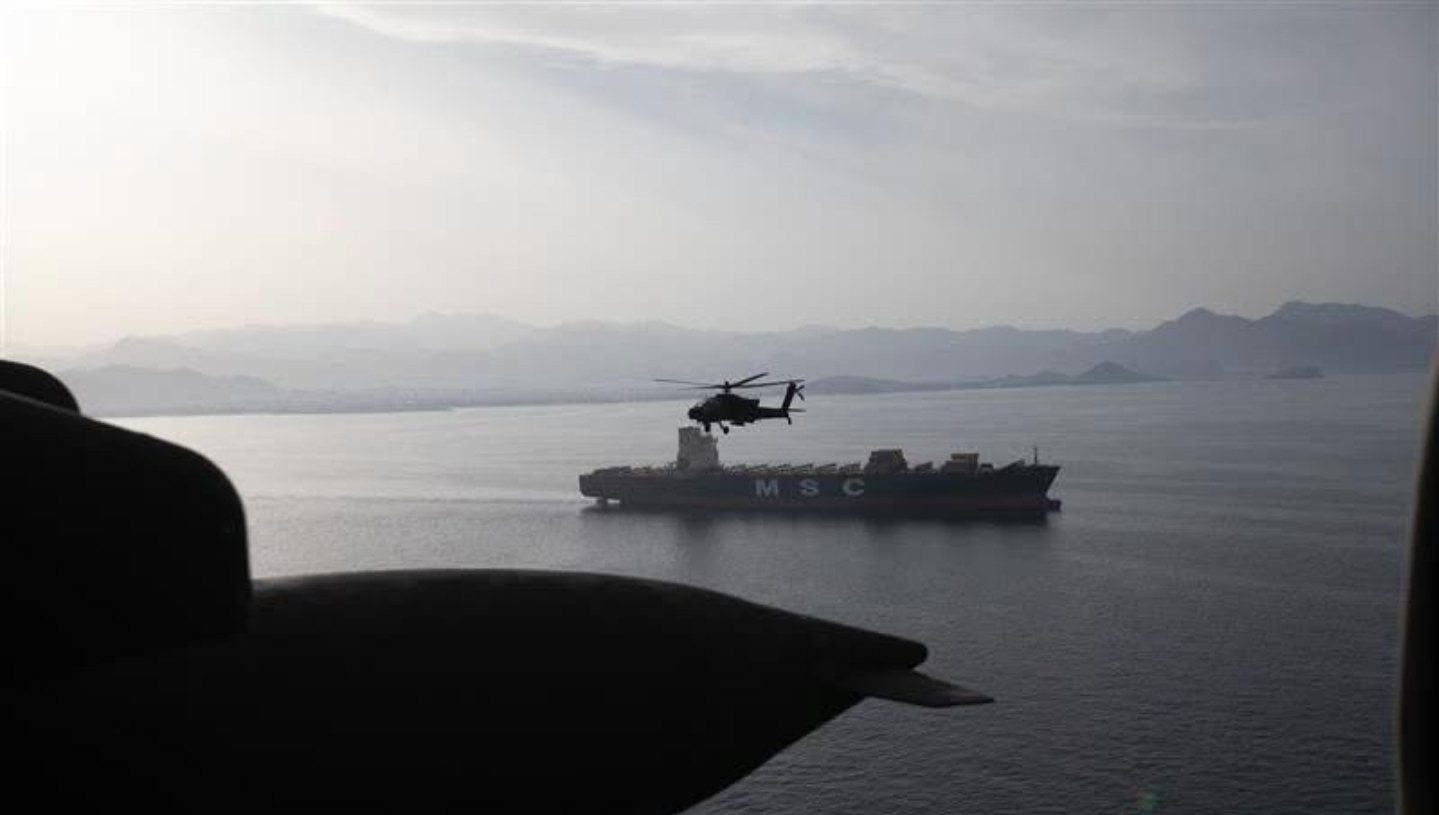
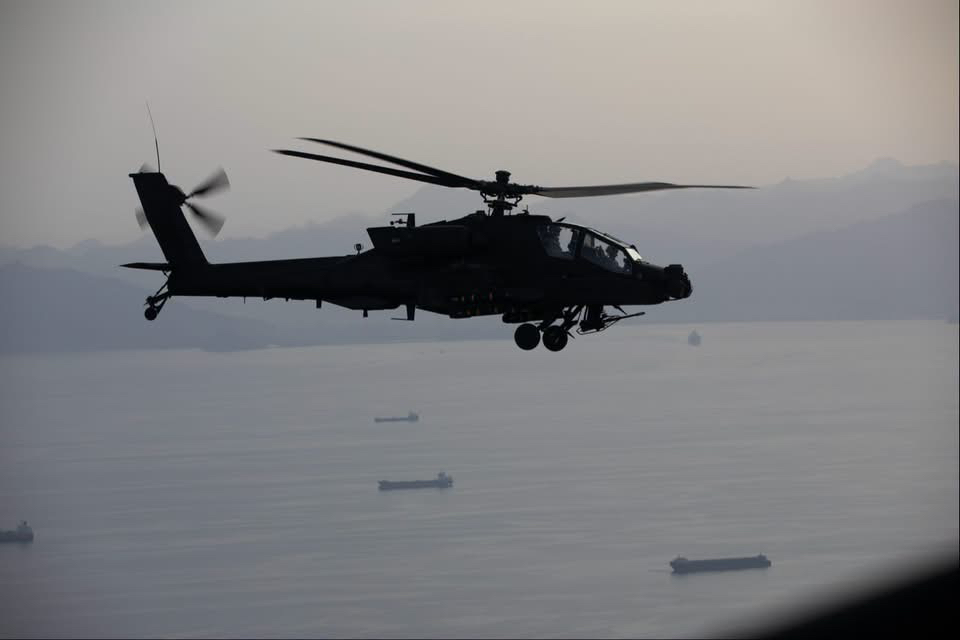
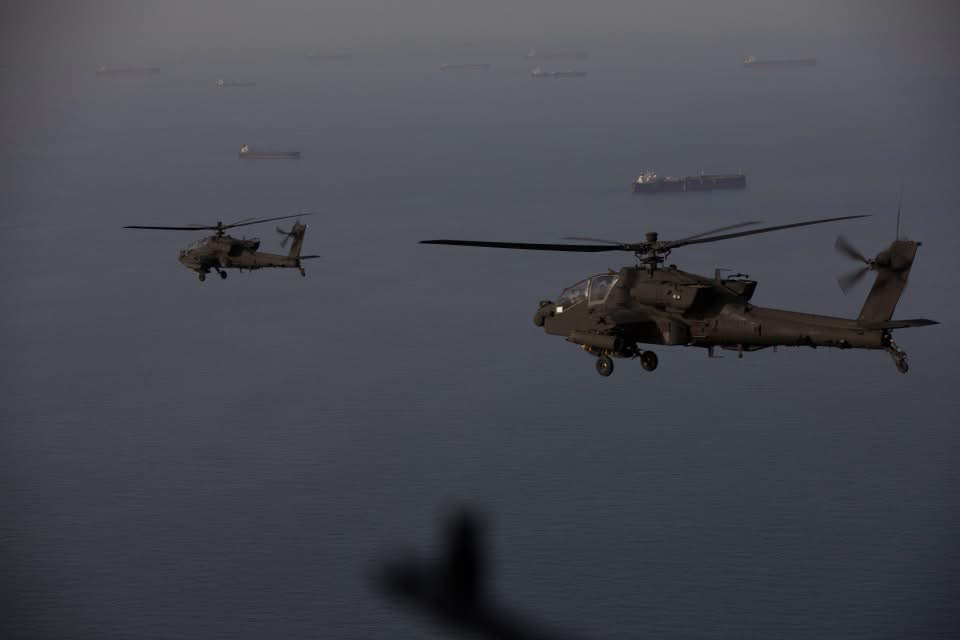
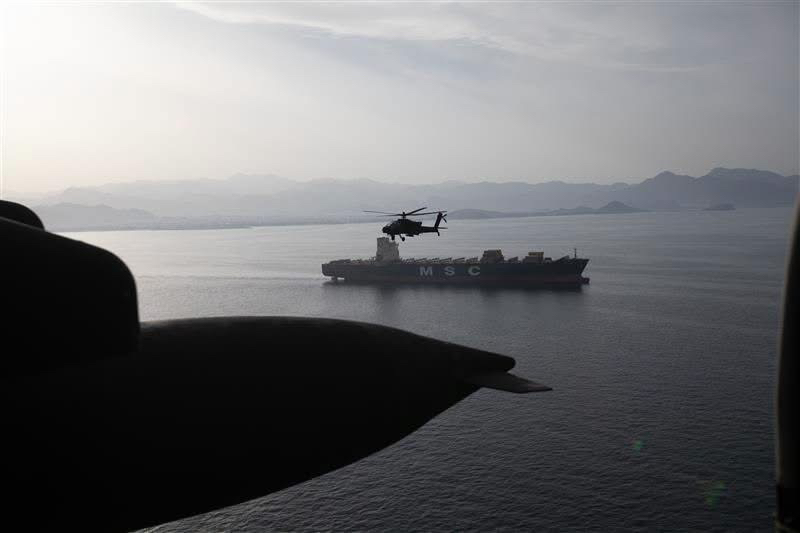
ROBBY|Heart+FollowBREAKING The United States Central Command confirmed that AH-64 Apache helicopters conducted patrol flights over the Strait of Hormuz on April 17 According to the statement, U.S. Army aviation units continue to operate in and around the strait to reinforce military presence and support freedom of naviqation in the region. ! Key points: ⁃ Apache helicopters carried out aeria patrols over the strategic waterway. U.S. forces are maintaining a visible and active presence. ⁃ Operations aim to secure maritime routes and deter threats The move highlights ongoing efforts tostabilize one of the world's most critical shipping lanes amid rising regional tensions. #BREAKING #CENTCOM #USA #Apache #StraitOfHormuz #MiddleEast #Military #Geopolitics #WorldNews451Share
ReddMan+FollowBREAKING The United States Central Command confirmed that AH-64 Apache helicopters conducted patrol flights over the Strait of Hormuz on April 17 Accordina to the statement, U.S. Army aviation units continue to operate in and around the strait to reinforce military presence and support freedom of naviqation in the region. ! Key points: ⁃ Apache helicopters carried out aeria patrols over the strategic waterwav ⁃ U.S. forces are maintaining a visible anc active presence. ⁃ Operations aim to secure maritime routes and deter threats The move highlights ongoing efforts to stabilize one of the world's most critical shipping lanes amid rising regional tensions. #BREAKING #CENTCOM #USA #Apache #StraitOfHormuz #MiddleEast #Military #Geopolitics #WorldNews15961Share
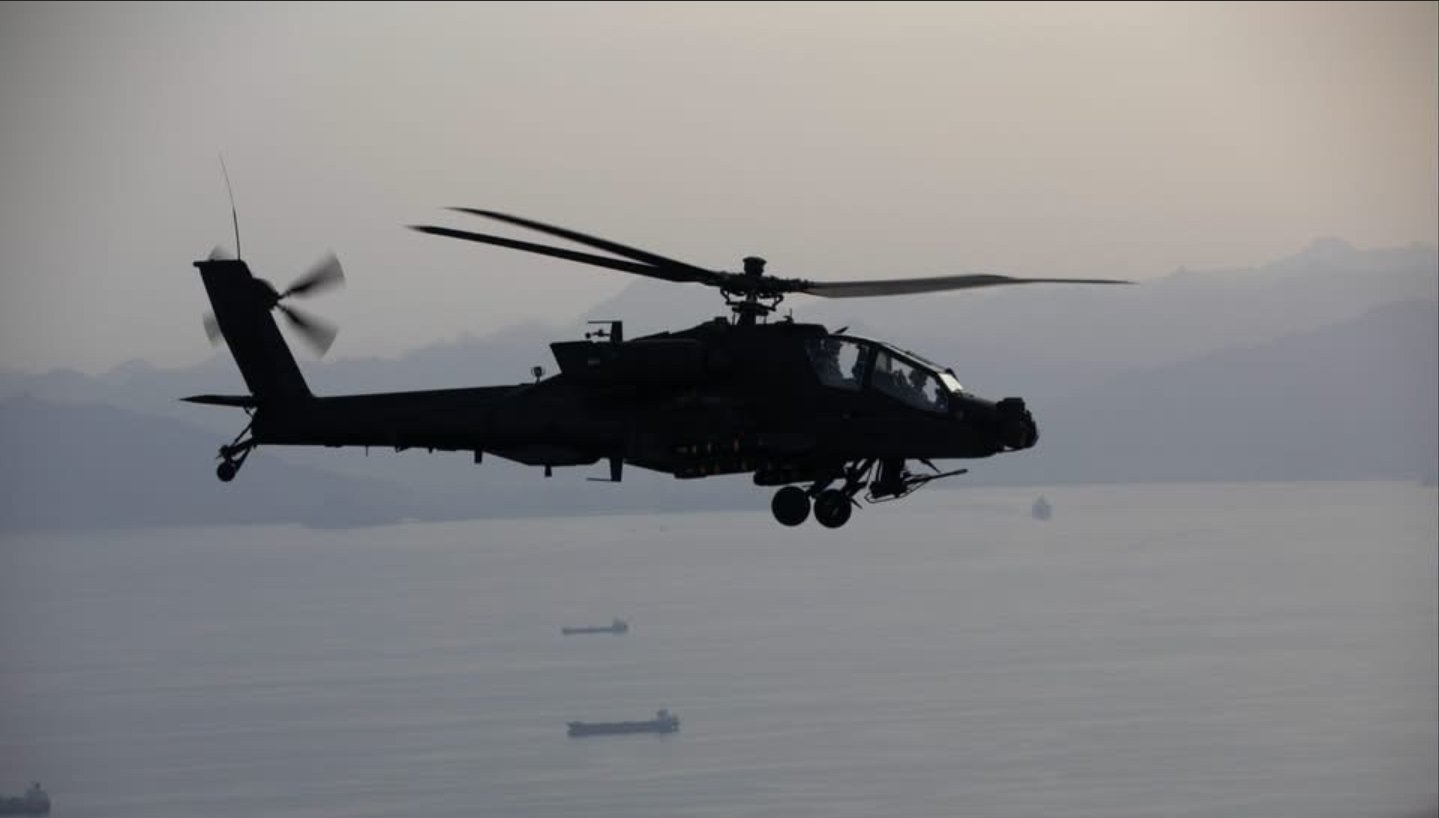
Mma Warzone+Follow🚨 BREAKING The United States Central Command confirmed that AH-64 Apache helicopters conducted patrol flights over the Strait of Hormuz on April 17. According to the statement, U.S. Army aviation units continue to operate in and around the strait to reinforce military presence and support freedom of navigation in the region. ⚠️ Key points: ▪️ Apache helicopters carried out aerial patrols over the strategic waterway. ▪️ U.S. forces are maintaining a visible and active presence. ▪️ Operations aim to secure maritime routes and deter threats. 🧭 The move highlights ongoing efforts to stabilize one of the world’s most critical shipping lanes amid rising regional tensions. ⸻ #BREAKING #CENTCOM #USA #Apache #StraitOfHormuz #MiddleEast #Military #Geopolitics #WorldNews 362Share
Mma Warzone+Follow🚨 BREAKING U.S. Vice President J. D. Vance commented on a potential second round of talks with Iran, stating that “the ball is now in Tehran’s court.” ⚠️ Key points from his statement: ▪️ The U.S. expects Iran to make progress on reopening the Strait of Hormuz. ▪️ Washington says it has already made significant progress in negotiations. ▪️ The U.S. is demanding that Iran completely halt uranium enrichment. ▪️ Officials also want all enriched uranium removed from Iran entirely. The remarks highlight ongoing diplomatic efforts, but also underline major sticking points, especially regarding Iran’s nuclear program. 🧭 The situation remains tense as both sides weigh the next steps in negotiations. ⸻ #BREAKING #USA #Iran #JDVance #StraitOfHormuz #NuclearDeal #Geopolitics #MiddleEast #WorldNews 40Share
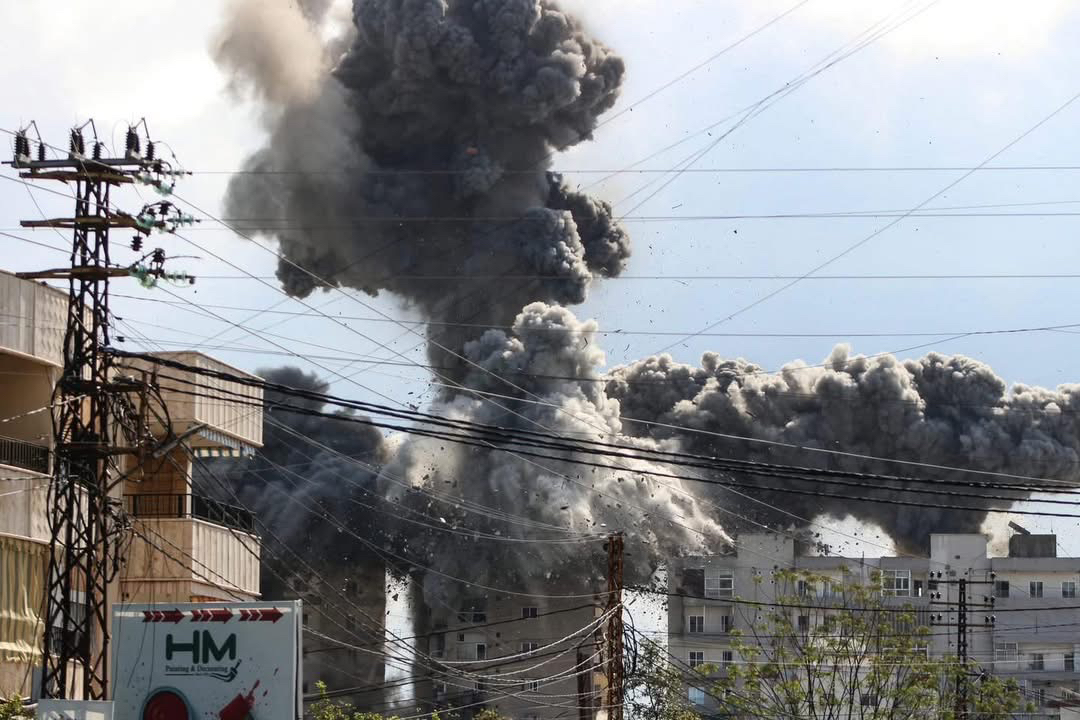
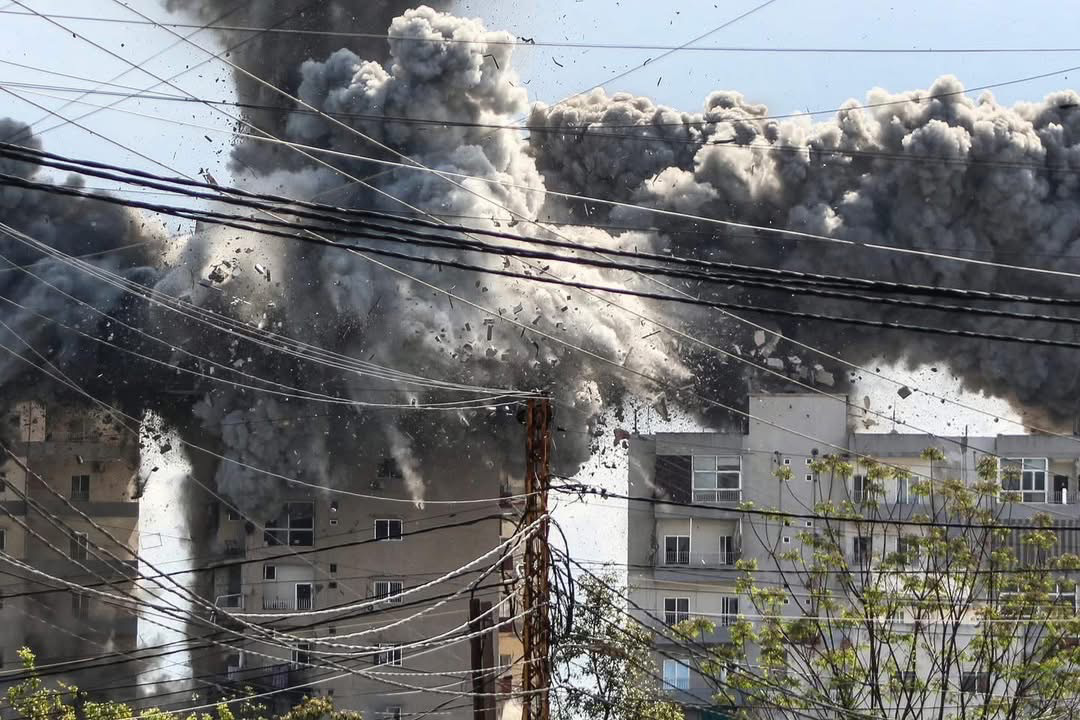
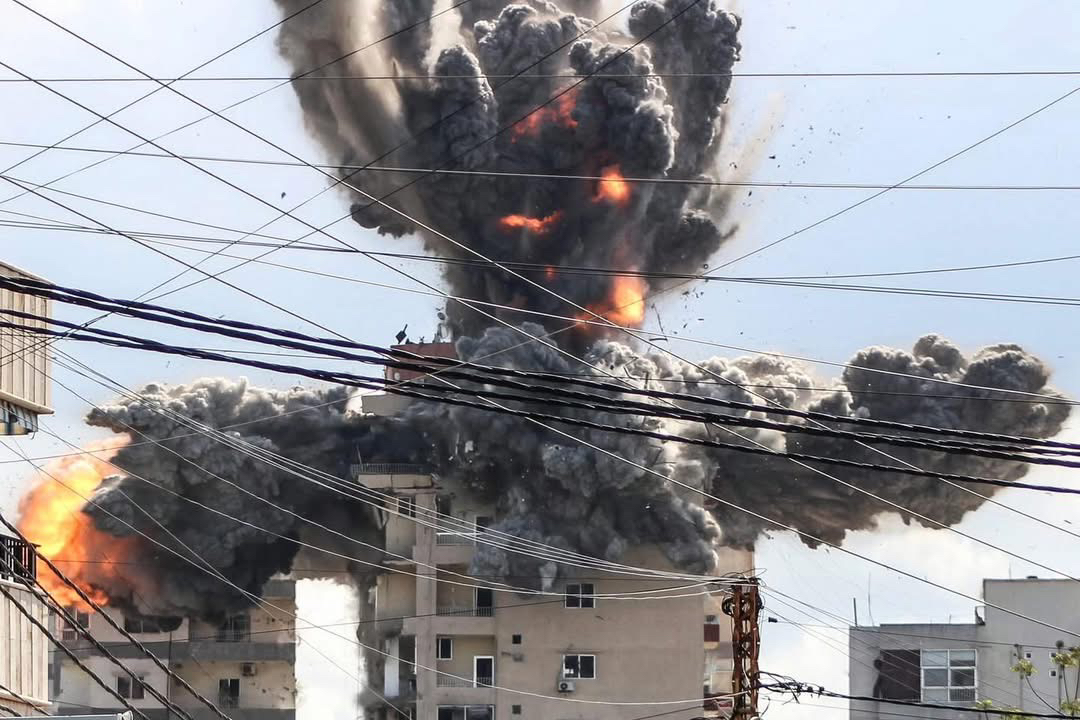
Mma Warzone+Follow🚨 BREAKING A powerful explosion has been reported in the Abbassiyeh area in southern Lebanon, after an Israeli airstrike targeted a building in the area. Videos and photos circulating online show large flames and thick smoke rising from the site, as emergency teams rush to the scene. Initial reports indicate the strike is part of ongoing Israeli operations targeting militant infrastructure in southern Lebanon. More details about casualties and damage are still emerging. #Breaking #Lebanon #Israel #Airstrike #MiddleEast #IDF #Hezbollah #WarNews #Military #WorldNews 1195Share
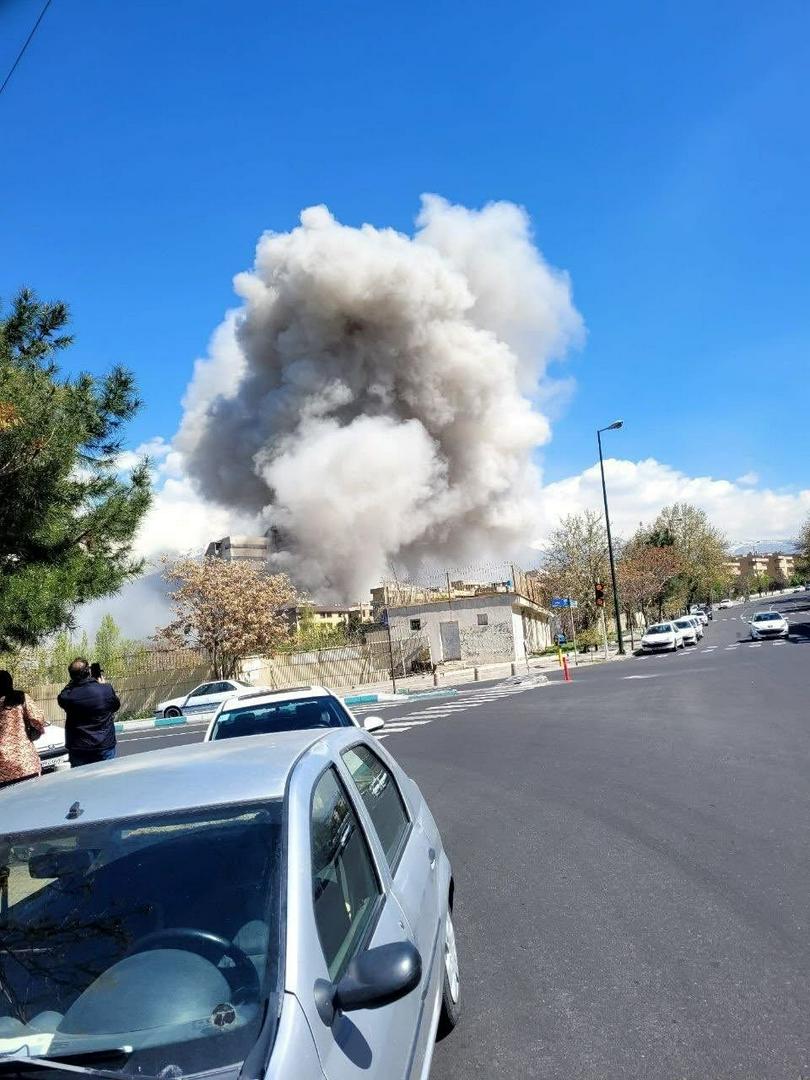
Mma Warzone+Follow🚨 BREAKING Iranian media report that the Aerospace Industries Organization building in Tehran has been targeted in a new strike. The facility is believed to be connected to Iran’s missile and aerospace programs, which play a key role in the country’s military and defense development. Reports from Tehran mention loud explosions and emergency activity around the area. So far, there has been no official confirmation about the extent of the damage or casualties. The situation remains developing as tensions in the region continue to rise. ⸻ #Iran #Tehran #BreakingNews #MiddleEast #Military #Airstrike #WorldNews #Geopolitics #USA #Trump 9637Share
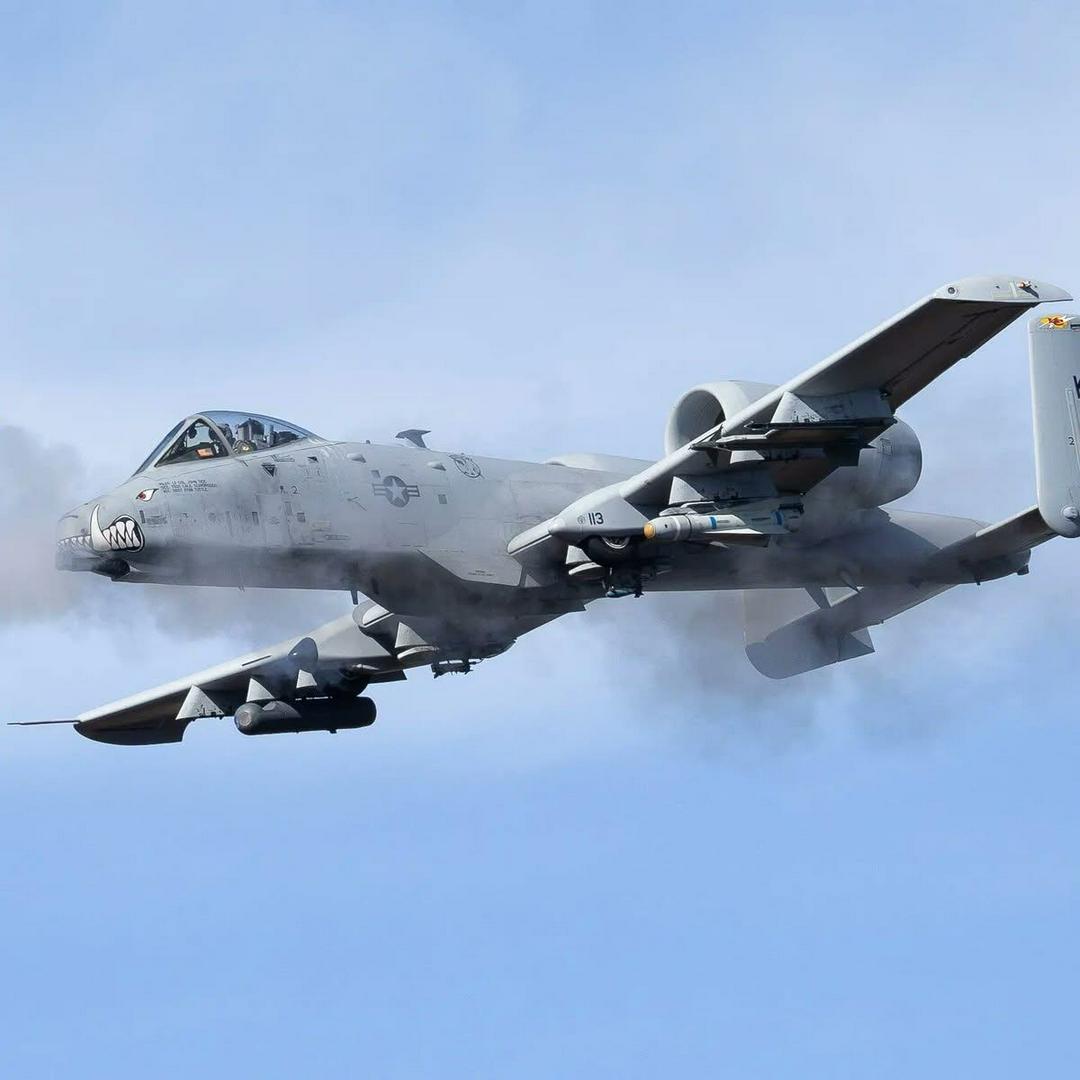
Mma Warzone+Follow🚨 BREAKING According to the The New York Times, citing two Pentagon officials, the United States plans to increase the number of A-10 Thunderbolt II aircraft deployed to the Middle East. Reports indicate 18 additional A-10 Warthog aircraft will be sent to the region, joining the 12 already operating in the battlespace. The A-10 is specifically designed for close air support missions, protecting ground troops and striking armored vehicles and enemy positions with extreme precision. The move signals a further buildup of U.S. airpower in the Middle East amid rising regional tensions. #Breaking #USA #A10 #Warthog #USAirForce #MiddleEast #Military #Defense #AirPower #News 6723Share
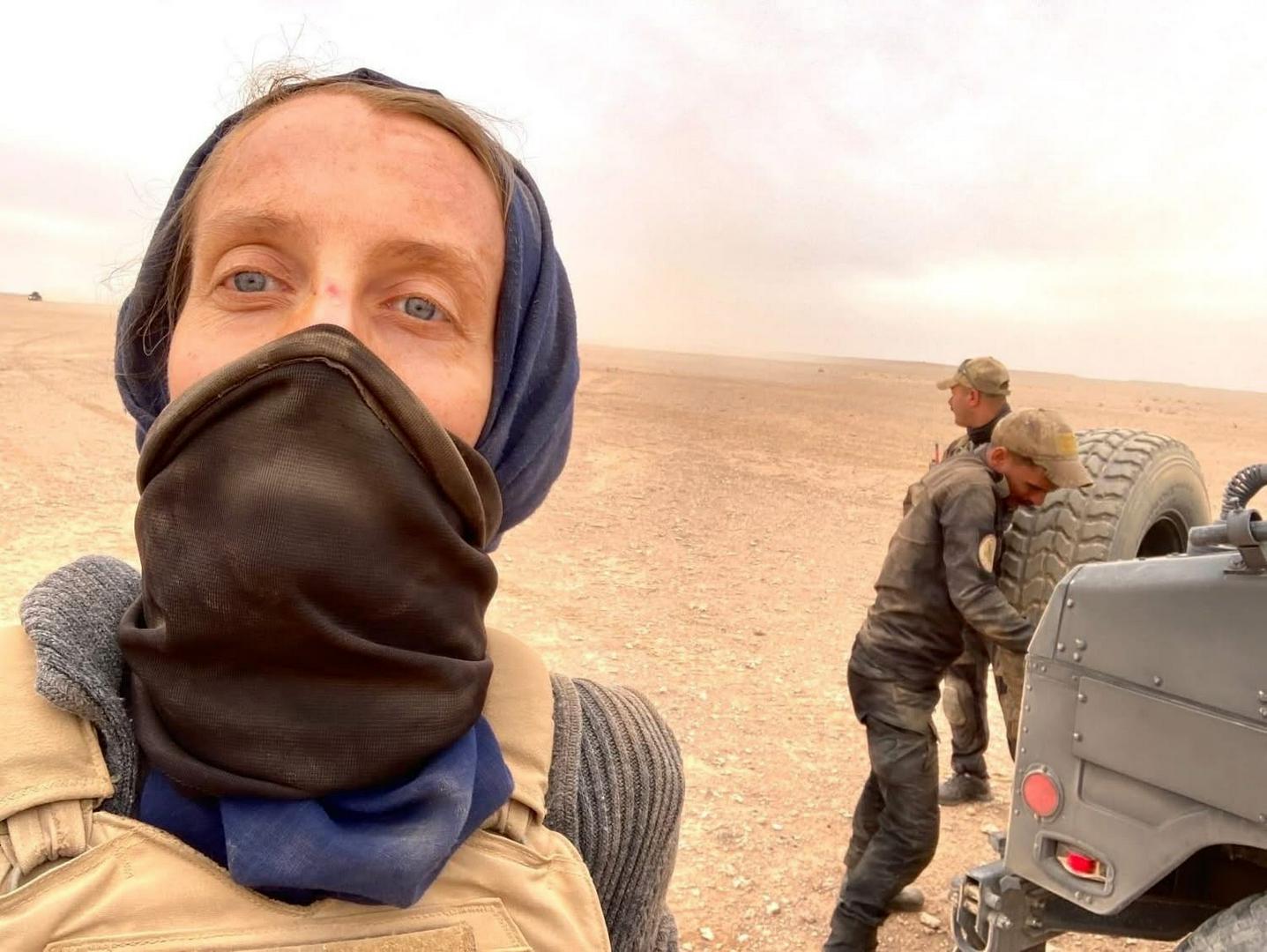
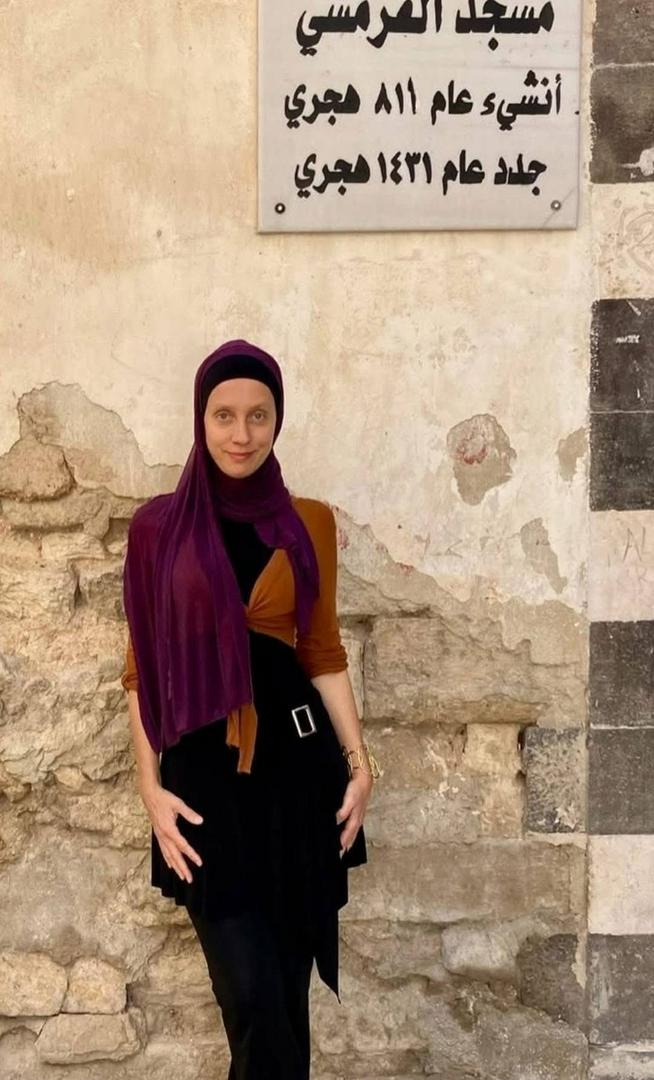
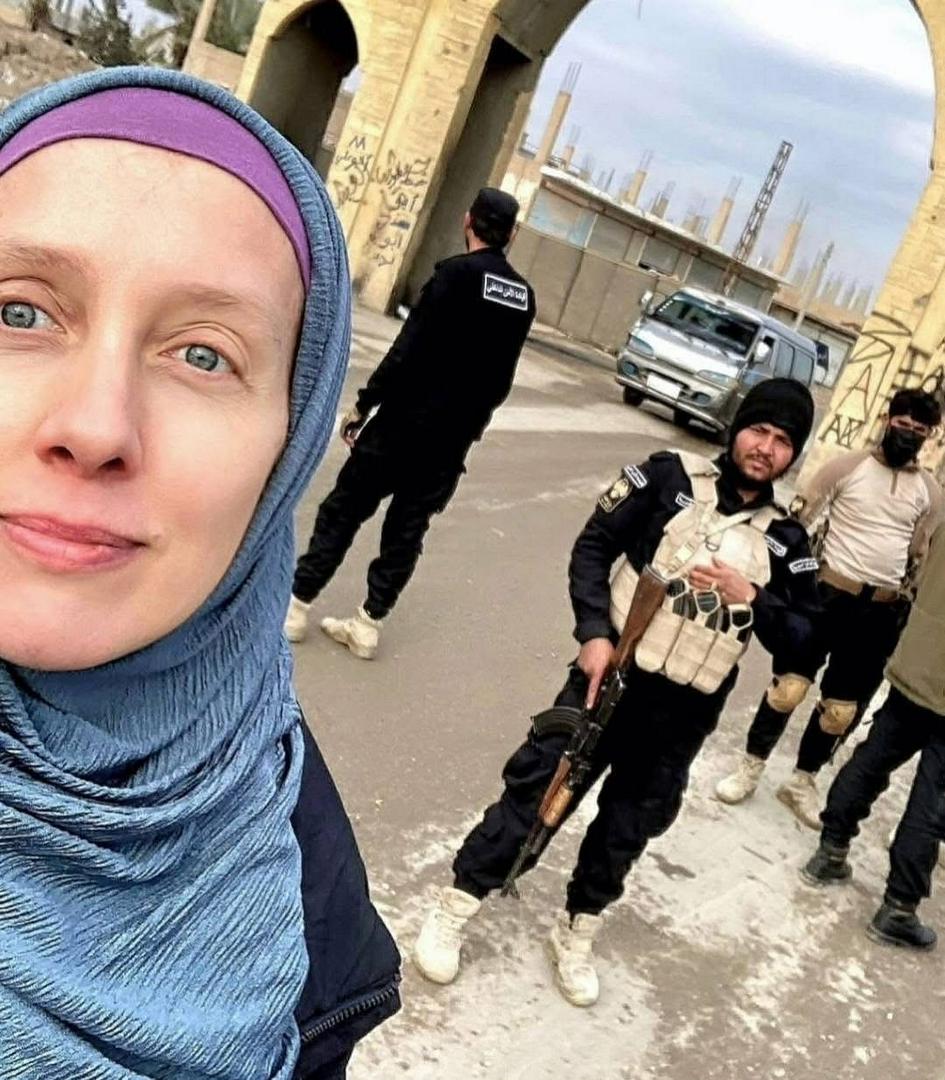
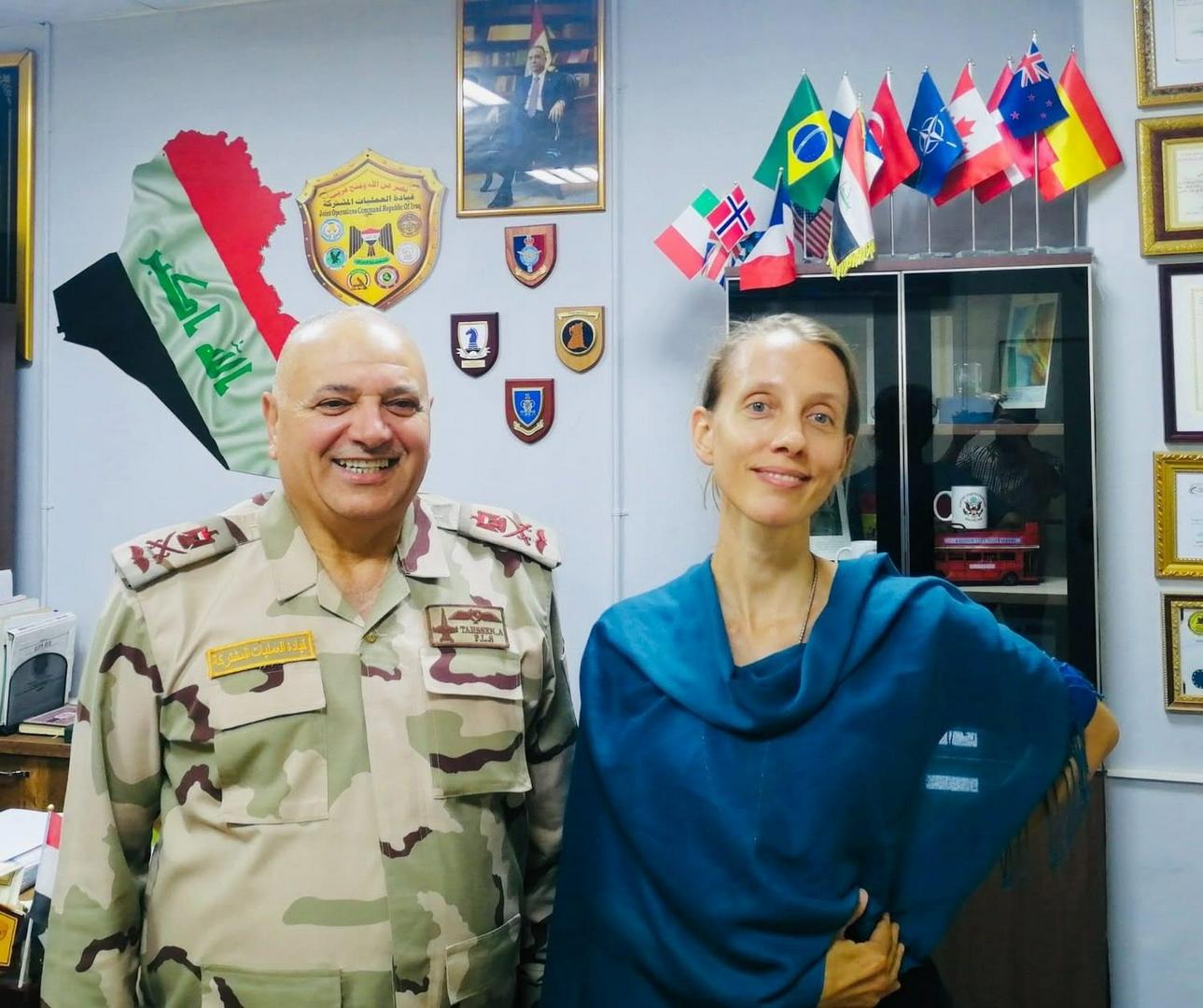
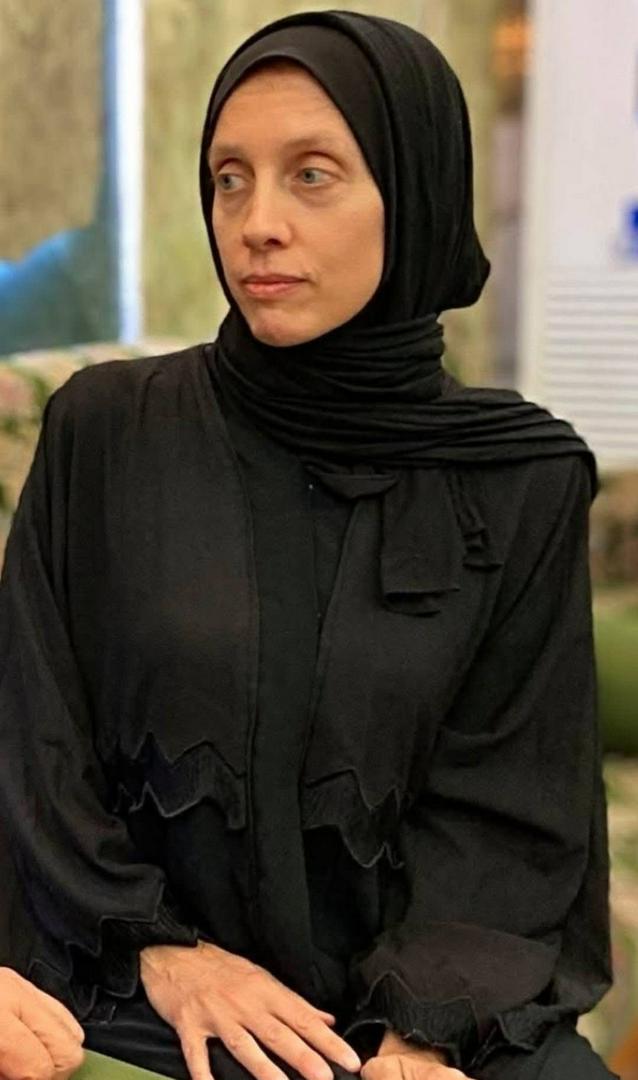
Mma Warzone+Follow🚨 BREAKING: American Journalist Kidnapped in Central Baghdad American journalist Shelly Kittleson was reportedly kidnapped today in the Iraqi capital Baghdad after armed men intercepted her vehicle near the Palestine Hotel on Saadoun Street, one of the city’s busiest areas. Witnesses say the gunmen forcibly pulled her from the car in front of bystanders before fleeing the scene. The Iraqi Ministry of Interior confirmed that security forces launched a large-scale investigation immediately after the incident. 📌 Iraqi authorities say the operation was carried out by “unknown armed groups.” 📌 One suspect has reportedly been arrested after the vehicle used in the kidnapping overturned during a security chase. 📌 Security forces also seized a vehicle linked to the attack. 📌 Unconfirmed reports suggest possible involvement of armed militias. ⚠️ The investigation is ongoing as concerns grow over the safety of journalists operating in Iraq. #BREAKING #Iraq #Baghdad #AmericanJournalist #Kidnapping #MiddleEast #PressFreedom #WorldNews #SecurityDeposit 10Share