Tag Page Military

#Military
1776 Patriot

Built to Last: The USS Constitution’s Secret Construction That Defied Cannonballs

The USS Constitution, famously called “Old Ironsides,” began construction in 1794 at Edmund Hartt’s shipyard in Boston, part of the U.S. effort under the Naval Act of 1794 to build a strong fleet to protect American trade. Designed by Joshua Humphreys, the Constitution was bigger, faster, and more heavily armed than most frigates of the time. Its hull was built from live oak, a very dense and strong wood, while white oak and pine were used for framing, decks, and internal supports. Shipwrights used hand tools like saws, chisels, mallets, and augers to shape each plank and beam, carefully fitting them together. Humphreys added diagonal braces, heavy angled supports, and double planking to make the hull strong and flexible enough to absorb cannon hits. Wooden pegs, iron bolts, and fasteners held everything together, while tar and rope fibers sealed the seams to keep the ship watertight. Deck beams were notched and bolted, and the masts were set into reinforced posts. Pulleys and ropes helped lift heavy timbers into place. Workers measured and adjusted everything with simple tools like plumb lines, squares, and marking gauges to ensure the hull was straight and strong. The bottom of the ship was covered with copper to prevent marine growth, keeping her fast and seaworthy. By the time she was launched on October 21, 1797, the Constitution was 204 feet long, with a 43-foot-wide beam, and carried 44 guns, making her one of the most powerful frigates of her era. Her combination of speed, firepower, and advanced construction allowed her to survive battles that would have destroyed lesser ships. The Constitution’s construction shows the skill, ingenuity, and hard work of early American shipbuilders. Today, she is a floating museum in Boston, a lasting symbol of U.S. naval strength and craftsmanship. #USA #USHistory #Shipbuilding #USMilitary #Military

Built to Last: The USS Constitution’s Secret Construction That Defied Cannonballs
vasqueztravis

america’s sons go to war, politicians’ sons go to college

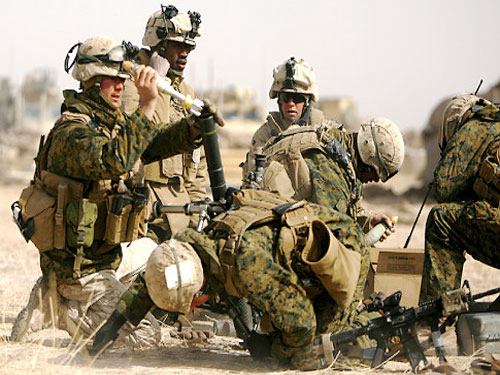
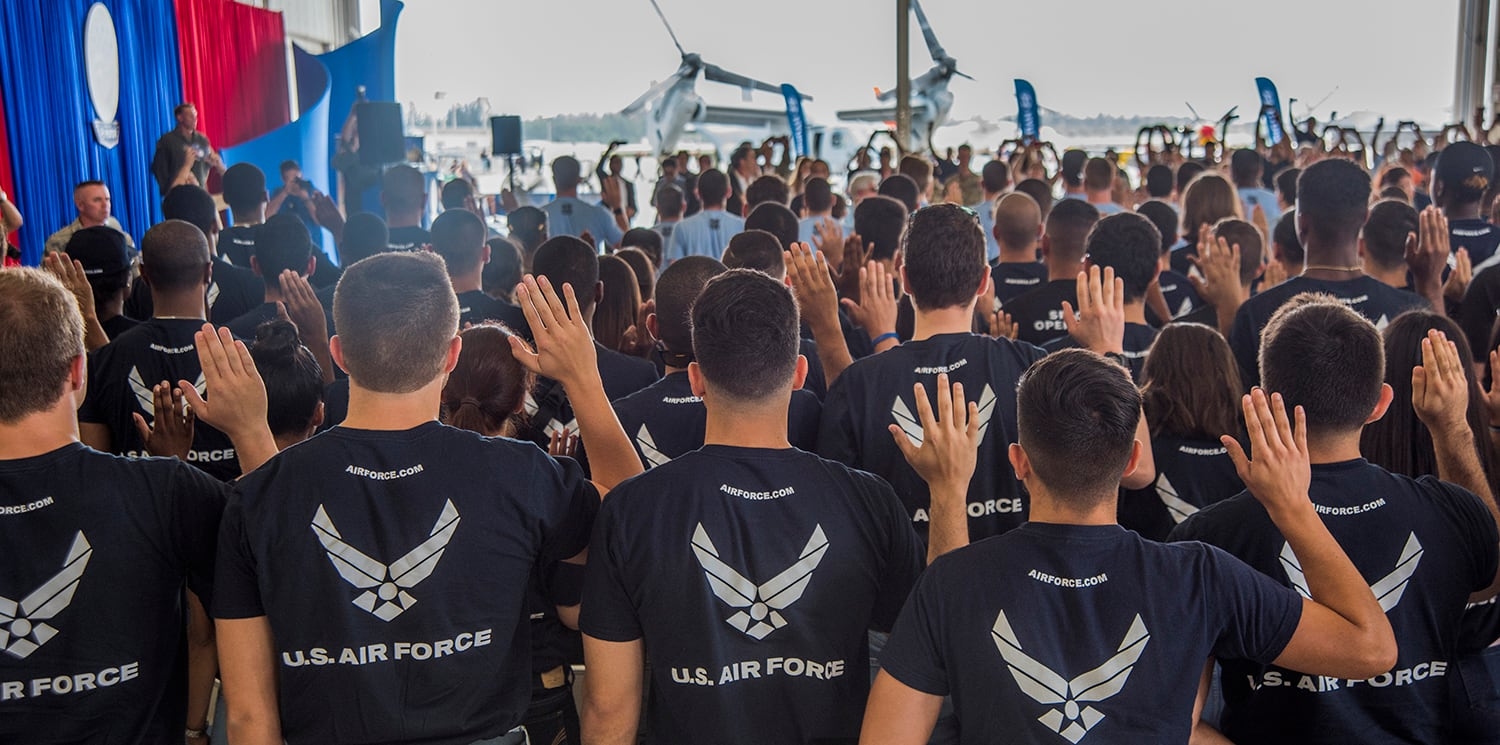
Every time this country sends troops abroad, it’s not the sons of senators or congressmen boarding those planes. It’s the boys from Ohio steel towns, the kids from Texas farms, the young men who grew up fixing cars in their dad’s garage. They wear the uniform, they fight, and too often, they don’t come home. Meanwhile, the sons of Washington elites sit in classrooms at Yale or Harvard. They’ll graduate into think tanks, hedge funds, or government jobs their last names already secured. We call it “patriotism.” But let’s be real—patriotism has always been a bill handed to the working class, paid in blood, while the rich cash in the dividends of “freedom.” So here’s the question no one in power dares to ask out loud: if every senator’s son had to fight on the frontlines, how many wars would america actually fight? #Politics #MiddleClass #Military

america’s sons go to war, politicians’ sons go to college
BlissfulVoyager

The Virginia-class submarine isn’t built to be seen—it’s built to erase threats before they surface.

We talk a lot about fighter jets and carriers. But the quietest, most terrifying platform in the U.S. arsenal lives underwater. The Virginia-class sub doesn’t just patrol. It hunts. Armed with Tomahawks, torpedoes, and intelligence-gathering tools most people have never heard of, it’s what the Navy turns to when subtle pressure needs to become decisive force. Compared to China’s Type 093 or Russia’s Yasen-class, the Virginia’s edge isn’t just in firepower. It’s in silence, endurance, and battle-tested integration. It can deploy SEAL teams one day and launch precision strikes the next. In the game of undersea warfare, it’s not the loudest player that wins. It’s the one you never detect until it’s far too late. #Military #SubmarineWarfare #VirginiaClass

The Virginia-class submarine isn’t built to be seen—it’s built to erase threats before they surface.
1776 Patriot

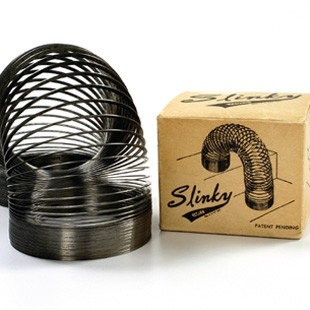
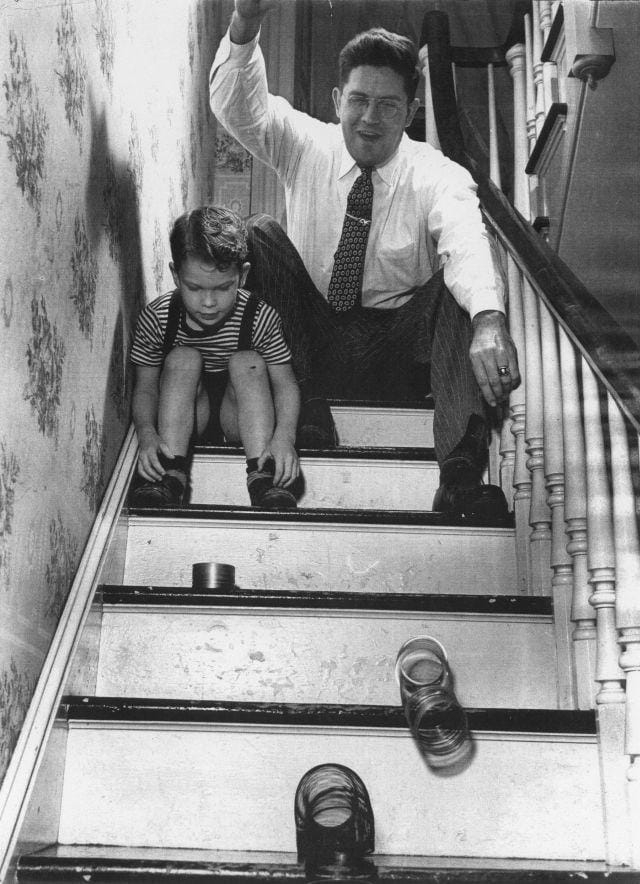
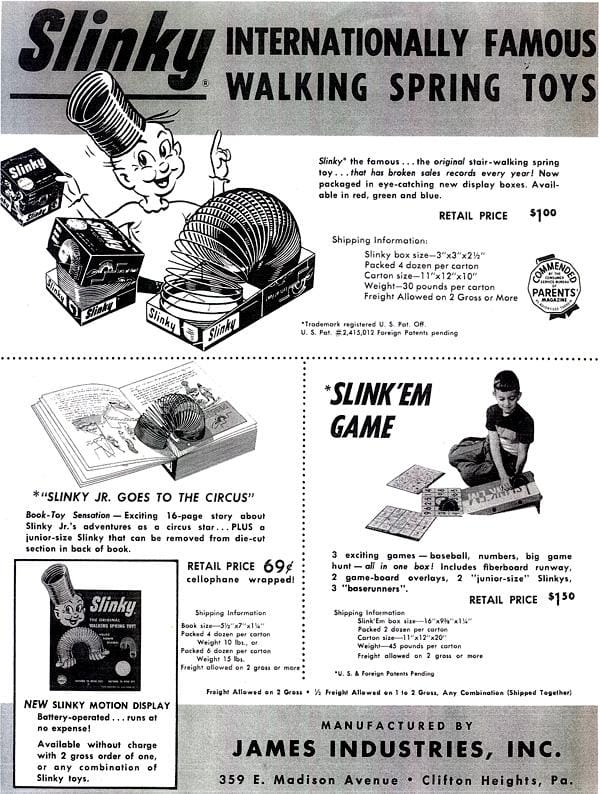
WWII Walking Wonder: The Untold Story of the Slinky In 1943, naval engineer Richard James was working in his Philadelphia workshop on tension springs meant to stabilize sensitive instruments aboard battleships during World War II. While adjusting a spring, it slipped from his hands and “walked” across the floor in a mesmerizing motion. James was astonished. He and his wife, Betty, immediately realized this accidental movement could be the basis for a playful invention. They experimented with dozens of prototypes, measuring how far springs could travel, how many flips they could make, and how quickly they could complete a descent. After testing hundreds of coils, they determined that a spring 2.5 inches in diameter made from high-grade Swedish steel produced the most consistent walking effect. Slight variations in coil thickness, tension, and length drastically changed the motion, and only about 2% of springs tested achieved the ideal “walk.” The war influenced materials and timing: steel was rationed, making their carefully sourced Swedish steel highly valuable, and small-scale production required meticulous hand-winding and testing. Post-war America’s shift to consumer goods in 1945 created the perfect market moment, allowing the Jameses to bring their invention to stores. Each original Slinky sold for $1, equivalent to roughly $17 today. Finally, they revealed the creation to the public: at Gimbels department store in Philadelphia, 400 units were displayed, and all sold within 90 minutes. By the early 1950s, Slinky was sold in over 30,000 stores nationwide, and more than 50 million units were purchased by 1960. Today, over 300 million Slinkys are sold annually worldwide, including metal, plastic, glow-in-the-dark, and themed editions like Disney and Star Wars. The toy also serves as an educational tool, demonstrating wave motion, gravity, and momentum in classrooms across the globe. #WWII #WWIIHistory #USHistory #History #America #USA #Military #Toys

You've reached the end!
Tag: Military - Page 3 | LocalHood