Tag Page MusicHistory

#MusicHistory
LataraSpeaksTruth

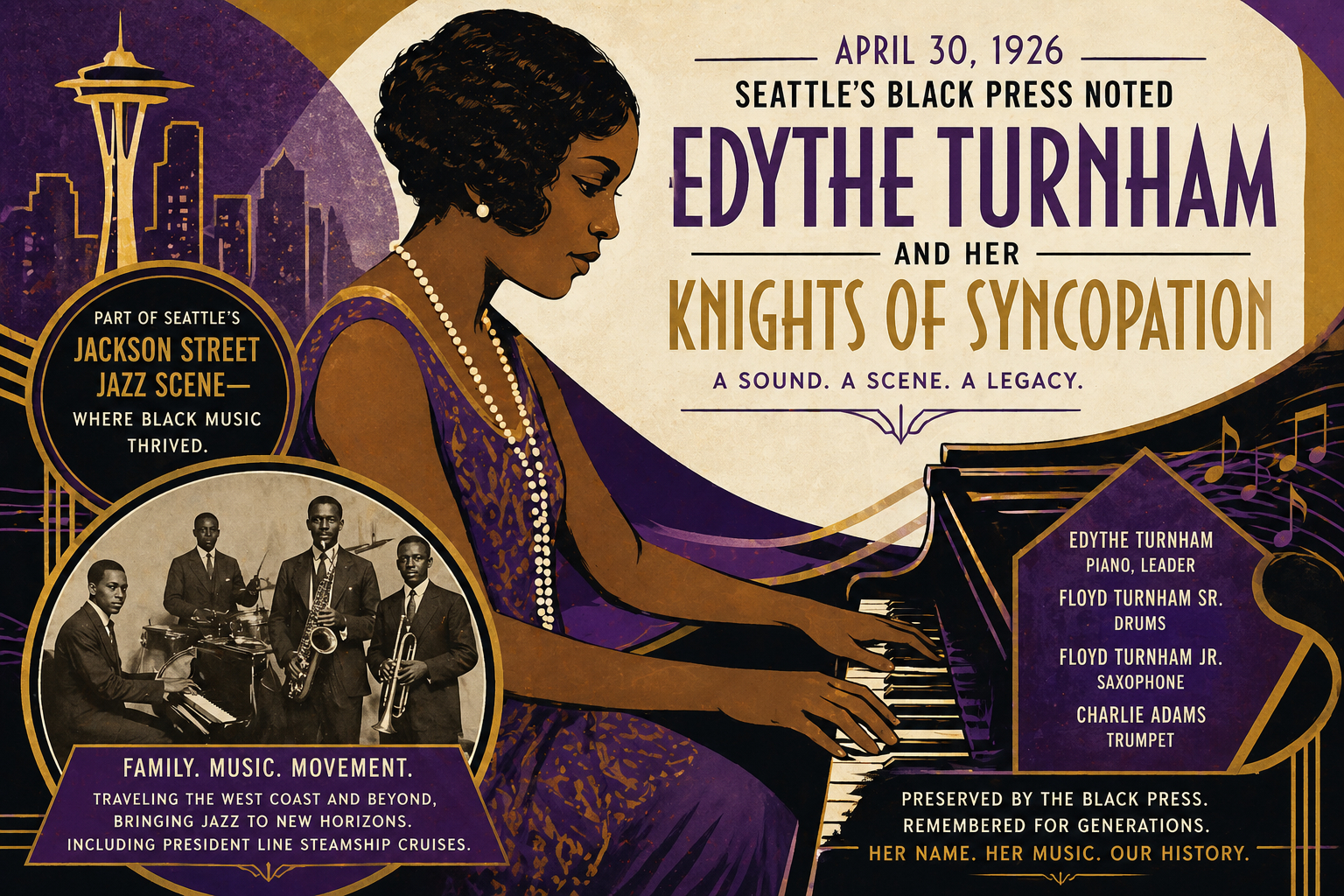
On April 30, 1926, Seattle’s Black press noted Edythe Turnham’s Knights of Syncopation, a jazz group tied to the city’s early music scene. Edythe Turnham was a pianist, bandleader, and one of the women helping shape jazz in the Pacific Northwest during the 1920s. Born Edythe Pane in Topeka, Kansas, she began playing piano as a young child before moving to Spokane, Washington, around 1900. Over time, she became part of a traveling performance tradition that carried music through Washington, the West Coast, and beyond. By the early 1920s, Turnham had organized a small band that became known as Edythe Turnham and Her Knights of Syncopation. The group included members of her own family, including Floyd Turnham Sr. on drums and Floyd Turnham Jr. on saxophone. Charlie Adams was also listed as a trumpeter connected to the band. Their music was part of a larger jazz world growing around Seattle, especially around Jackson Street, where Black musicians helped build one of the city’s most important cultural scenes. Turnham’s group played along the West Coast and performed on President Line steamship cruises, showing how Seattle musicians were not isolated. They were moving, traveling, performing, and carrying their sound into wider spaces. The mention in the Northwest Enterprise matters because Black newspapers helped preserve stories that larger outlets often ignored. Without papers like that, many musicians, performers, and community figures might have disappeared from the public record. Edythe Turnham’s story is not as widely known as many jazz legends from New Orleans, Chicago, or Harlem, but her place in Seattle’s early jazz history is real. She was a woman leading musicians during a time when both race and gender created barriers. Her name belongs in the record because she was part of the sound, movement, and memory of Black music in the Pacific Northwest. #BlackHistory #MusicHistory #JazzHistory #SeattleHistory #HiddenHistory

LataraSpeaksTruth

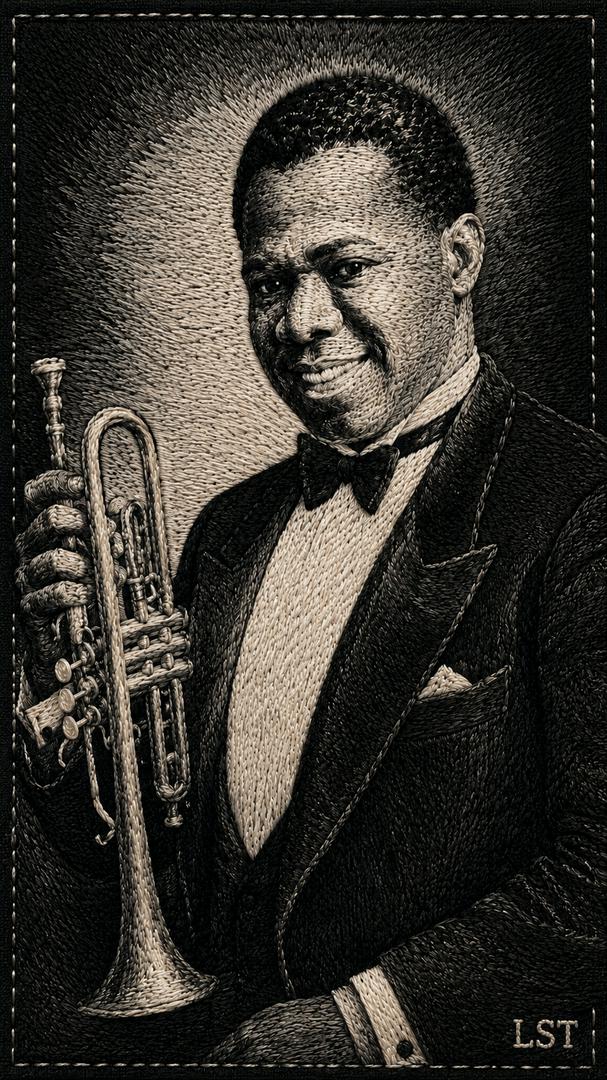
Often listed as born on May 11, 1885, Joe “King” Oliver stands as one of the key figures who helped carry jazz from New Orleans into the national spotlight. His exact birth year is disputed by some sources, but his place in music history is not. Born in Louisiana and raised around the sound of New Orleans, Oliver became known for his powerful cornet playing, his leadership, and his ability to shape a band into something larger than entertainment. He was not just playing music. He was helping build the language of early jazz. Oliver became one of the most respected musicians in New Orleans before moving north, part of the larger movement of Black talent, labor, and culture into cities like Chicago. There, his Creole Jazz Band became one of the most important groups of the 1920s. Their recordings helped preserve the sound of early New Orleans jazz at a time when the music was spreading fast. One of Oliver’s greatest legacies was his relationship with Louis Armstrong. Oliver mentored Armstrong, gave him opportunities, and brought him into his band in Chicago. That connection matters because Armstrong would go on to become one of the most influential musicians in American history. But before Armstrong became “Satchmo,” there was King Oliver, the bandleader who helped open the door. Oliver’s story is also a reminder that some of the people who shaped American culture did not always receive the wealth or security their genius deserved. He helped define a sound that traveled the world, yet his later years were marked by hardship. Still, the music outlived the struggle. King Oliver helped bridge the world of New Orleans street parades, dance halls, brass bands, and collective improvisation with the recording era that made jazz a national force. His name belongs in the conversation whenever early jazz history is told. #KingOliver #JoeKingOliver #JazzHistory #MusicHistory

LataraSpeaksTruth

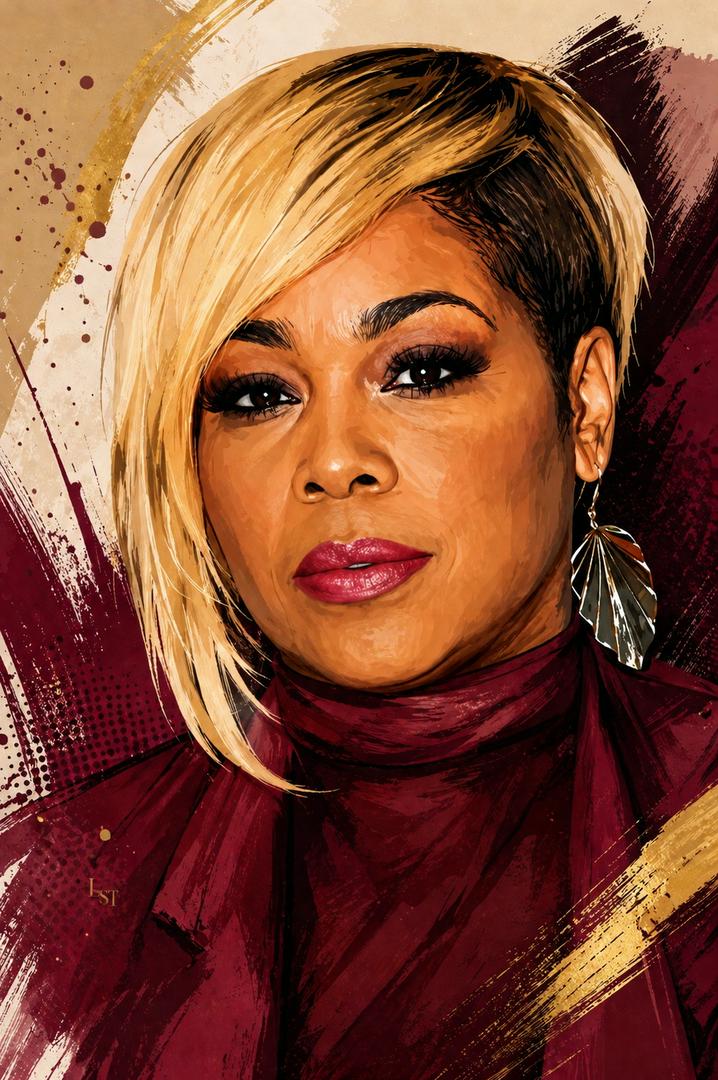
April 26, 1970 — Tionne “T-Boz” Watkins Was Born Tionne Watkins, known to the world as T-Boz, was born in Des Moines, Iowa. As one third of TLC, alongside Lisa “Left Eye” Lopes and Rozonda “Chilli” Thomas, she helped shape one of the most important girl groups of the 1990s. T-Boz had a voice people recognized instantly: low, smoky, calm, and cool without trying too hard. She did not sound like everyone else, and that became part of TLC’s power. At a time when many female groups were expected to fit a certain mold, TLC brought something different. They blended R&B, pop, hip-hop style, bold fashion, and messages that actually meant something. With songs like “Creep,” “Waterfalls,” “No Scrubs,” and “Unpretty,” TLC gave fans music they could dance to, cry to, and think about. They spoke on self-worth, health, relationships, beauty standards, and the pressure women face, all while making hits that became part of music history. April 26 also carries a deeper meaning for longtime TLC fans. Lisa “Left Eye” Lopes passed away on April 25, 2002, just one day before T-Boz’s birthday. So this date sits between celebration and remembrance, honoring T-Boz’s life while also remembering the sisterhood, loss, and legacy connected to TLC. T-Boz’s journey is also one of survival. She faced serious health struggles, industry pressure, public grief, and the weight of continuing after losing a group member and friend. Still, her voice and presence remain part of a legacy that has never faded. TLC was not just a girl group. They were a cultural moment. And T-Boz was the voice that made that moment unforgettable. #TBoz #TLC #MusicHistory #RnBHistory #History
LataraSpeaksTruth

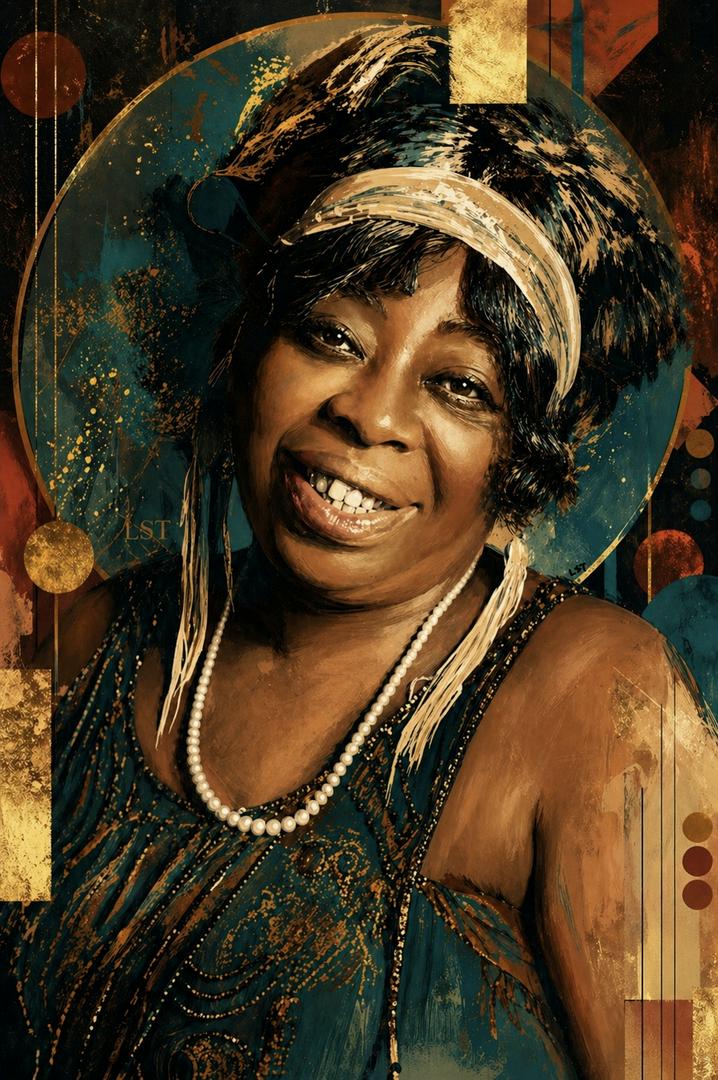
April 26, 1886… Ma Rainey was born. Gertrude “Ma” Rainey was born in Columbus, Georgia, and became one of the most important voices in early blues history. Known as the Mother of the Blues, Rainey helped bring blues music from Southern folk tradition into popular stage performance, where audiences could hear the pain, humor, boldness, and survival inside the sound. Before blues became a major recorded genre, Ma Rainey was already performing across the South in vaudeville, tent shows, and traveling productions. Her voice carried something that could not be polished away. It was deep, raw, commanding, and rooted in real life. She did not just sing the blues. She helped shape how the blues would be performed. Her music gave space to stories about love, heartbreak, independence, hardship, desire, and everyday life. At a time when many performers were expected to fit into narrow roles, Ma Rainey stood on stage with presence, confidence, and control. She was not background. She was the main event. Her influence reached far beyond her own recordings. She helped open doors for later blues women, helped define early Black entertainment, and left a mark on American music that can still be heard in blues, jazz, soul, rock, and hip-hop. Ma Rainey’s story matters because she represents more than music history. She represents Southern history, women’s history, stage history, and the long tradition of artists turning lived experience into sound. On April 26, we remember Ma Rainey not only as the Mother of the Blues, but as one of the women who helped give American music its backbone. #MaRainey #History #MusicHistory #BluesHistory #WomenInMusic

LataraSpeaksTruth

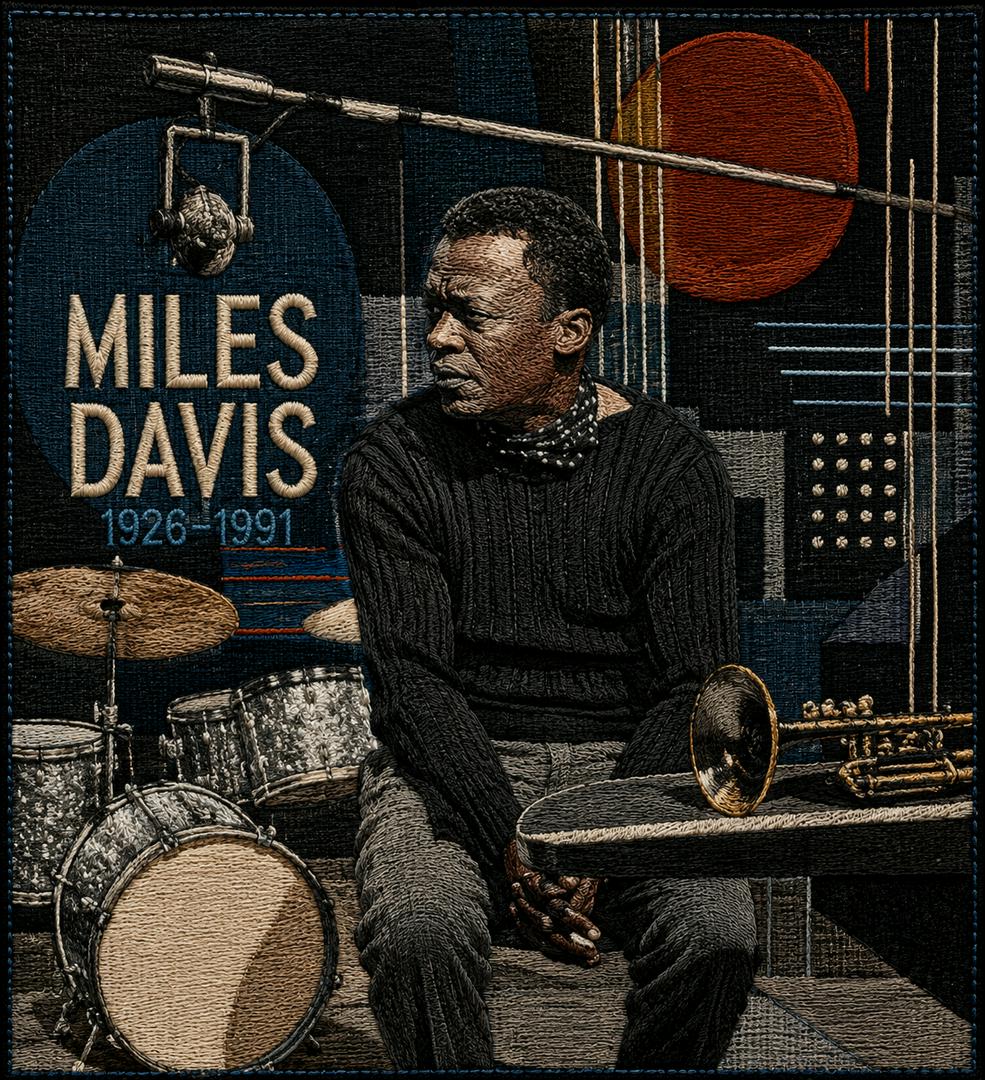
On May 26, 1926, Miles Davis was born in Alton, Illinois. He became one of the most influential musicians in jazz history, not by staying in one lane, but by changing the road completely. Miles first rose during the bebop era alongside artists like Charlie Parker and Dizzy Gillespie. But he did not stop there. He helped shape cool jazz with Birth of the Cool, then helped redefine modern jazz again with Kind of Blue, one of the most celebrated jazz albums ever recorded. By the late 1960s and 1970s, Miles pushed jazz into bold new territory, blending it with rock, funk, electric instruments, and experimental sounds. That shift helped build what became known as jazz fusion. What made Miles Davis powerful was not just the trumpet. It was vision. His sound could be quiet, sharp, moody, distant, emotional, and unforgettable all at once. He knew how to make silence speak. He also had an eye for talent, with many musicians from his bands later becoming legends themselves. Miles Davis did not simply play jazz. He challenged it. He stretched it. He made it evolve. Nearly a century after his birth, his influence can still be heard across jazz, hip-hop, R&B, film scores, and modern music production. Some artists belong to an era. Miles Davis helped create several. #MilesDavis #JazzHistory #BlackHistory #MusicHistory #OnThisDay

You've reached the end!