Tag Page OnThisDay

#OnThisDay
LataraSpeaksTruth

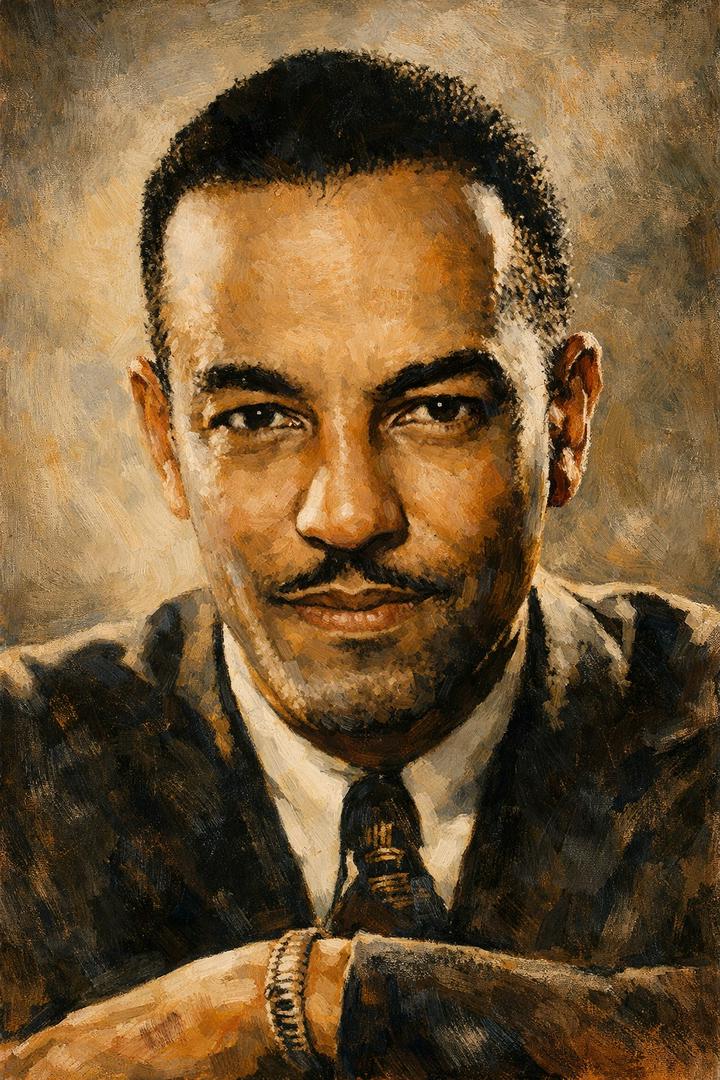
Marshall Major Taylor Born November 26, 1878

Marshall Major Taylor was born on November 26, 1878, in Indianapolis. He would rise to become one of the most accomplished cyclists of the early twentieth century at a time when organized racing was dominated by white athletes and shaped by racial barriers that followed him at every turn. His career showed what discipline and unmatched talent could overcome long before fairness became part of the conversation. Taylor’s speed gained attention when he was still a child performing bicycle tricks outside a local shop. Those early demonstrations led to training opportunities that pushed him toward competitive racing. By his late teens he began entering professional events where he quickly stood out not only for his ability to accelerate but also for the composure he carried during hostile environments. In 1899 he won the world one mile sprint championship, which placed him among the top athletes of his era. His titles and records reached international audiences including races in Europe and Australia where he found greater professional respect. He set multiple world records during his career, showing how far his skills could go even without the full support many of his competitors enjoyed. Taylor’s legacy represents strength, discipline, and achievement under pressure. His accomplishments influenced future generations of athletes who saw proof that excellence could not be denied even in the face of exclusion. His name remains an important part of cycling history and a reminder of what it looks like to keep moving forward with purpose. #OnThisDay #MarshallTaylor #SportsHistory #CyclingLegend #LataraSpeaksTruth

Marshall Major Taylor Born November 26, 1878
LataraSpeaksTruth

1960… The Day New Orleans Showed Its True Face

On November 29, 1960, the sidewalk outside William Frantz Elementary turned into a scene the country still can’t shake. White segregationist mothers lined the street, screaming as a little Black girl tried to walk into school. Through all that chaos, Daisy Gabrielle held her daughter Yolanda’s hand and kept moving. That walk was courage in real time… the kind that doesn’t wait for applause, just does what’s right. The footage from that day became part of America’s permanent record. Not the cleaned-up version… the real one, showing grown adults trying to block a child’s education because of her skin. And here’s the part people love to pretend they don’t hear… 1960 wasn’t ancient history. It wasn’t “way back then.” Many of the adults in that crowd lived long enough to watch the world pretend this never happened. Progress didn’t fall from the sky… somebody had to push it. #HistoryMatters #AmericanHistory #OnThisDay #NewOrleansHistory #EducationHistory #LataraSpeaksTruth

1960… The Day New Orleans Showed Its True Face
LataraSpeaksTruth

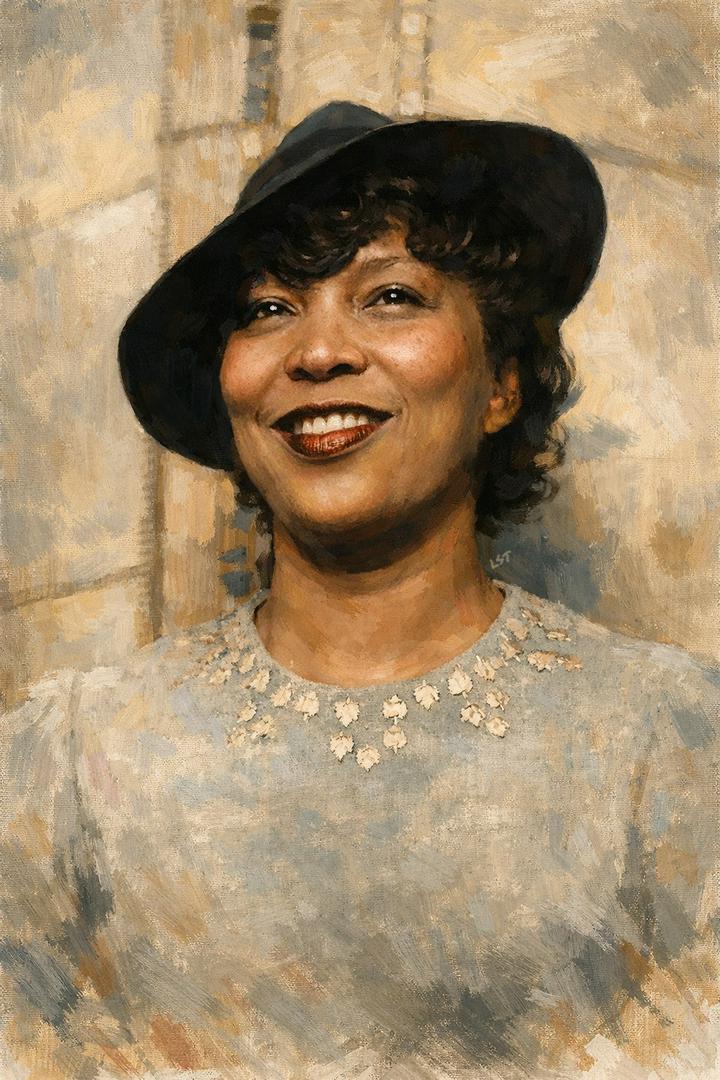
The Birth of Etta Jones, November 25, 1928

Etta Jones was born on this day in Aiken, South Carolina. She later moved to Harlem, where music was the heartbeat of the neighborhood and a young singer could grow into something special. That move shaped her sound and set the stage for the career she would build. Jones became a respected jazz and blues vocalist known for her warm tone and expressive phrasing. She had a style that felt effortless and lived in the middle ground between jazz smoothness and blues honesty. She stepped into recording in the late 1940s and built her voice through steady work, touring, and collaborations that kept her grounded in the traditions she loved. Her breakthrough came with the song Don’t Go to Strangers in 1960. The single reached a national audience and earned her a Grammy nomination. It also introduced new listeners to the depth of her talent and the kind of mature, lived in singing that set her apart. One of the most defining parts of her career was her long partnership with saxophonist Houston Person. They worked together for decades. Their chemistry created a catalog of albums that felt consistent and true to who she was as an artist. Many fans remember them as one of the strongest vocalist instrumentalist duos in modern jazz. Etta Jones continued recording and performing until the end of her life. In a moment that felt almost poetic, she passed away in 2001 on the same day her final album was released. Her legacy lives quietly but powerfully in jazz circles and in the voices of singers who followed her path. #OnThisDay #JazzHistory #EttaJones #LataraSpeaksTruth #AskNewsBreak

The Birth of Etta Jones, November 25, 1928
LataraSpeaksTruth

Born December 8, 1868, Henry Hugh Proctor entered the world just as Reconstruction was slipping away. The promises were fading, the tension was thick, and yet he grew into a leader who insisted that hope could be rebuilt if people were willing to do the work. Proctor did not simply become a minister. He became a community strategist, the kind of pastor who believed that faith without structure and support was just noise. When he stepped into leadership at Atlanta’s First Congregational Church, he treated the space like fertile ground. He preached, yes, but he also organized libraries, a gym, job assistance programs, cultural clubs, safe housing for young Black women, and music programs that strengthened spirits in a city determined to limit Black opportunity. He built a full-life resource center long before that phrase existed, proving that the church could be both sanctuary and engine. Proctor helped co-found the National Convention of Congregational Workers Among Colored People, creating a network for Black ministers who were pushing for progress in their own communities. After the violence of the 1906 Atlanta massacre, he worked on interracial committees that aimed to cool the hostility poisoning the South. He did this quietly, intentionally , and with the kind of steady courage that often goes unnoticed by history books. He was not chasing spotlight. He was shaping lives. His influence stretched far beyond his pulpit, carried in the people who found safety, dignity, and opportunity through the institutions he helped build. December 8, 1868 marks the birth of Henry Hugh Proctor, pioneering minister and committed community reformer. #HenryHughProctor #BlackHistory #OnThisDay #CommunityBuilder #AtlantaHistory #ReconstructionEra #FaithAndJustice #UnsungHeroes #AmericanHistory

LataraSpeaksTruth

January 8, 1867 marks a turning point in American history that is rarely given the attention it deserves. On this day, Congress passed the District of Columbia Suffrage Act, granting Black men in Washington, D.C. the legal right to vote in municipal elections and public referenda. This happened three years before the 15th Amendment, at a time when most of the nation still viewed Black political participation as a danger rather than a right. This was not a promise for the future or a symbolic gesture. It was an immediate, enforceable change written directly into law. The decision did not come quietly or without resistance. President Andrew Johnson vetoed the act, arguing that extending voting rights to Black men was premature and would destabilize the country. Congress rejected that argument and overrode his veto the same day. That override mattered. It made clear that Reconstruction was not only about ending slavery on paper but about redistributing political power in real time. Washington, D.C. became a proving ground, showing that Black civic participation could exist and function despite fierce opposition. The importance of January 8, 1867 is often overlooked because it does not fit neatly into the simplified version of history many are taught. Voting rights did not suddenly appear with the 15th Amendment. They were demanded, tested, expanded, restricted, and attacked repeatedly. This moment captures Black men exercising political agency while the nation was still debating whether they deserved it. It reminds us that progress has never required national comfort or unanimous approval. Rights have always moved forward through pressure, confrontation, and refusal to wait. January 8 stands as proof that access was forced open long before the country was ready to admit it. #January8 #OnThisDay #BlackHistory #ReconstructionEra #VotingRights #DistrictOfColumbia #AmericanHistory #HiddenHistory #CivilRights

LataraSpeaksTruth

Rosa Parks Attends the Dexter Avenue Meeting, 1955

1955… Montgomery was already on edge, but that night at Dexter Avenue Baptist Church, things shifted. Rosa Parks walked into a packed mass meeting to hear a talk about Emmett Till… the 14-year-old boy whose brutal murder had shaken the entire country. The church was filled with tension, grief, anger, and a rising sense that silence was no longer an option. Parks sat and listened as speakers talked plainly about the dangers Black families faced across the South. Emmett Till wasn’t a headline to her… he was a warning, a wound, and a reminder of every injustice people tried to swallow just to survive. The stories that night weren’t meant to scare anyone… they were meant to wake everyone up. And Rosa heard all of it… really heard it. She wasn’t some tired seamstress like people love to repeat. She was seasoned, sharp, and fully aware of how dangerous the world around her was. That meeting settled something inside her spirit. It fed the backbone she already had. So when she refused to give up her seat just a few months later, it wasn’t random, it wasn’t sudden, and it definitely wasn’t because she was “just tired.” She was tired of abuse, tired of the disrespect, tired of a system that stole sons like Emmett Till and told mothers to accept it. That night at Dexter wasn’t a footnote… it was fuel. #OnThisDay #HistoryMatters #LataraSpeaksTruth #RosaParks #EmmettTill #Montgomery

Rosa Parks Attends the Dexter Avenue Meeting, 1955
LataraSpeaksTruth

On March 9, 1892, Thomas Moss, Calvin McDowell, and Will Stewart were taken from a Memphis jail by a white mob and lynched. They were not criminals brought to justice. They were Black businessmen connected to the People’s Grocery, a successful Black owned store that had become a source of pride in the community and a threat to white resentment. Their murders were not random. They happened in a climate where Black progress itself could be treated as a target. Thomas Moss was more than a grocer. He was a respected postman, a family man, and a friend of Ida B. Wells. Moss, McDowell, and Stewart had built something meaningful in a world that often punished Black success for daring to exist. After a racial conflict near the store and rising white hostility, the three men were jailed. Then the law gave way to mob violence. In the dark of night, they were dragged out and killed without trial, without mercy, and without consequence for the people who did it. This was one of the moments that lit a deeper fire in Ida B. Wells. She had already begun speaking out, but the murder of these men made the truth even harder to ignore. She understood what many refused to say plainly. Lynching was not about justice. It was about power, terror, and control. It was a weapon used to crush dignity, silence progress, and remind Black people that even success could make them a target. The killing of Moss, McDowell, and Stewart remains one of the clearest examples of how racial violence was used to destroy not only lives, but community strength, economic independence, and hope. Their story still matters because it forces this country to face what was done when Black people tried to build for themselves. #OnThisDay #BlackHistory #IdaBWells #ThomasMoss #CalvinMcDowell #WillStewart #MemphisHistory #PeoplesGrocery #AmericanHistory #HiddenHistory

LataraSpeaksTruth

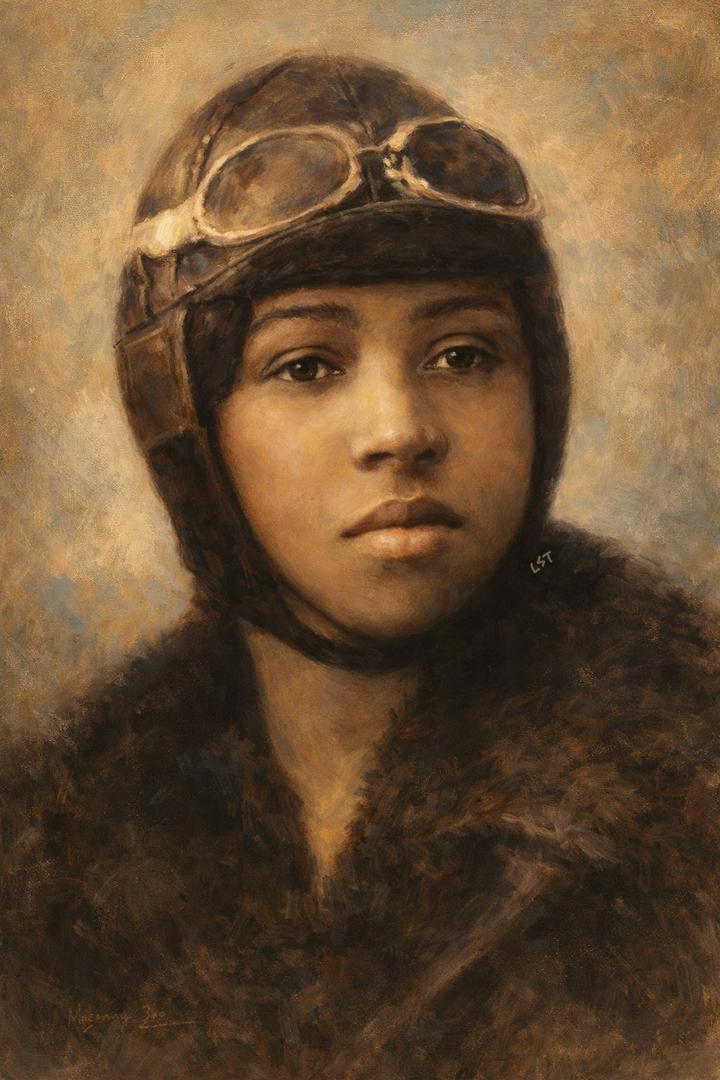
On January 26, 1892, Bessie Coleman was born into a country that told her exactly what she could not be. She listened long enough to understand the rules…and then broke every one of them. When no flight school in the United States would admit a Black woman, Bessie didn’t argue. She learned French, left the country, and trained in France. In 1921, she earned her pilot’s license, becoming the first Black woman and first Native American woman to do so. Not because the system opened a door…but because she refused to wait for one. Bessie didn’t fly for novelty. She flew with purpose. She believed aviation should belong to everyone, and she dreamed of opening a flight school so others wouldn’t have to leave the country just to learn. She refused to perform at airshows that enforced segregation. If audiences were divided, she walked. Progress without dignity wasn’t progress to her. As a barnstormer, she stunned crowds with daring aerial maneuvers, turning the sky into a stage for possibility. Each flight was a quiet rebellion against limitation, proof that skill and courage don’t ask permission. Her life ended too soon. Bessie Coleman died in a plane crash in 1926 at just 34 years old. But her impact never grounded. Every pilot who followed, every barrier lifted higher, carries a trace of her flight path. Some people change history by staying. Others change it by leaving, learning, and coming back stronger. Bessie Coleman did all three. Born January 26. Legacy everlasting. #BessieColeman #January26 #OnThisDay #WomenInHistory #AviationHistory #Trailblazer #AmericanHistory #HistoryMatters #Legacy #BlackExcellence

LataraSpeaksTruth

Happy Heavenly Birthday to John Amos, born December 27, 1939. John Amos represented a kind of strength that didn’t ask for applause. It stood firm, spoke plainly, and carried weight whether the room was listening or not. His presence on screen wasn’t loud, but it was unmistakable…solid, principled, and deeply human. Many first met him as James Evans on Good Times, a role that reshaped how working-class Black fathers were portrayed on television. Amos insisted on dignity, consistency, and realism at a time when those qualities were often written out or softened for comfort. That insistence cost him professionally, but it cemented his legacy. He chose truth over ease, even when the industry pushed back. His reach went far beyond one role. In Roots, Amos brought gravity and humanity to Kunta Kinte, anchoring one of the most important television events in American history. And years later, in Coming to America, he showed another side of that same authority as Cleo McDowell…a proud, hardworking father whose booming voice and unforgettable presence made the character iconic. Even in comedy, Amos carried command. He didn’t disappear into roles…he defined them. John Amos built a career on credibility. He didn’t chase likability. He earned respect. His characters reflected responsibility, boundaries, and backbone…qualities that still resonate because they were never performative. Today, his work continues to speak for him. The roles remain. The standard remains. And the impact remains long after the credits roll. #JohnAmos #ComingToAmerica #GoodTimes #Roots #TelevisionHistory #FilmHistory #ClassicCinema #BlackHollywood #OnThisDay #December27 #HeavenlyBirthday

Tag: OnThisDay - Page 11 | LocalAll