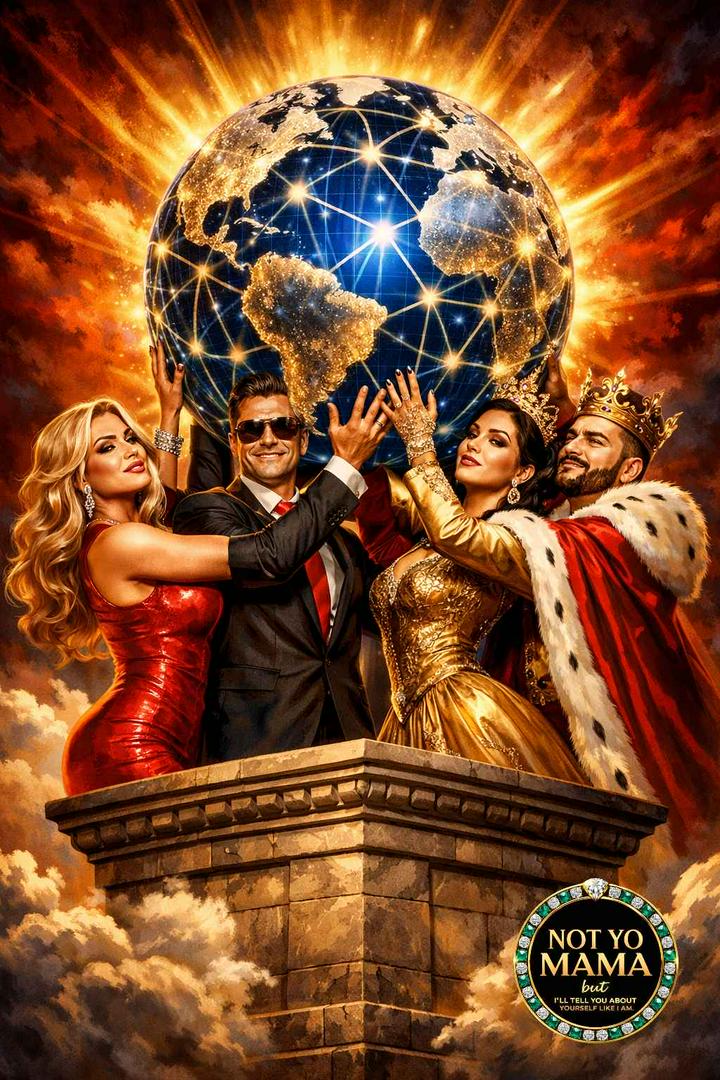
Crowns, Titles, and the Illusion of Power Online
Scroll social media long enough and a pattern jumps out: people calling themselves King, Queen, Daddy, & Mommy. You don’t need statistics to see it. Open TikTok. Search the users. The volume alone proves this behavior is being rewarded.
These titles work because social media runs on fast judgments. Many users make assumptions based on surface cues. They read confidence where there’s performance and confuse dominance language with leadership. Self-labeling becomes a shortcut for substance. This tends to appeal to people who are younger, emotionally vulnerable, lonely, or seeking certainty. Hierarchy feels reassuring. It promises control, clarity, or protection.
Other users aren’t moved by this at all. More discerning, emotionally regulated, and critically minded people see self-assigned titles as noise. They wait for behavior, not branding. They don’t grant authority based on a username. Real confidence doesn’t need an announcement.
That divide matters, because these titles aren’t neutral. King implies subjects. Queen implies deference. Mommy and Daddy imply authority and dominance over strangers who never consented to that dynamic. This framing attracts some users, but repels those who value equality and substance.
“Daddy” deserves particular scrutiny. Online culture has heavily sexualized the term. When used as a public identity label, it blurs boundaries and injects dominance and infantilization into shared spaces, including platforms where minors are present. The implication exists whether people acknowledge it or not.
Real power doesn’t need a crown. Real confidence doesn’t demand submission.
If confidence speaks for itself, who exactly are these titles meant to convince?
#SocialMediaCulture #OnlineIdentity #DigitalPsychology #AttentionEconomy #PowerDynamics #CriticalThinking #Boundaries #InternetBehavior