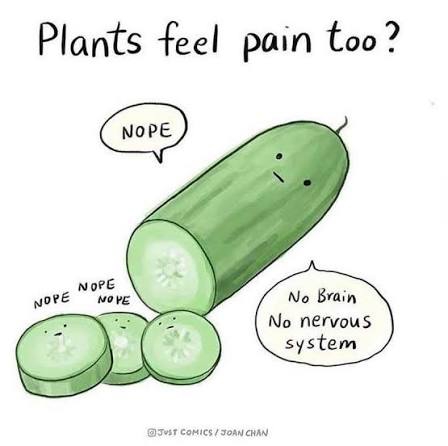
The question of whether plants can experience pain has garnered significant attention
While plants lack a nervous system and a brain, which are typically associated with the perception of pain in animals, research has revealed that they possess complex signaling mechanisms that allow them to respond to environmental stimuli. For instance, when plants are subjected to stressors such as herbivory or physical damage, they can release volatile organic compounds and other chemical signals that not only serve to warn neighboring plants but also attract predators of the herbivores. This suggests a level of awareness and responsiveness to their surroundings, although it does not equate to the conscious experience of pain as understood in animals.
Moreover, studies have shown that plants can exhibit behaviors that resemble a form of communication and defense, further complicating the notion of pain perception. For example, certain species can alter their growth patterns or produce defensive compounds in response to specific threats. These adaptive responses indicate a sophisticated level of interaction with their environment, raising questions about the nature of sentience in non-animal organisms. However, the absence of a central nervous system means that any form of "pain" experienced by plants is fundamentally different from that of animals. Thus, while there is compelling evidence that plants can sense and react to harm, the interpretation of these responses as pain remains a topic of ongoing debate within the scientific community.
#PlantJoy #MkNews