Tag Page SupremeCourtHistory

#SupremeCourtHistory
LataraSpeaksTruth

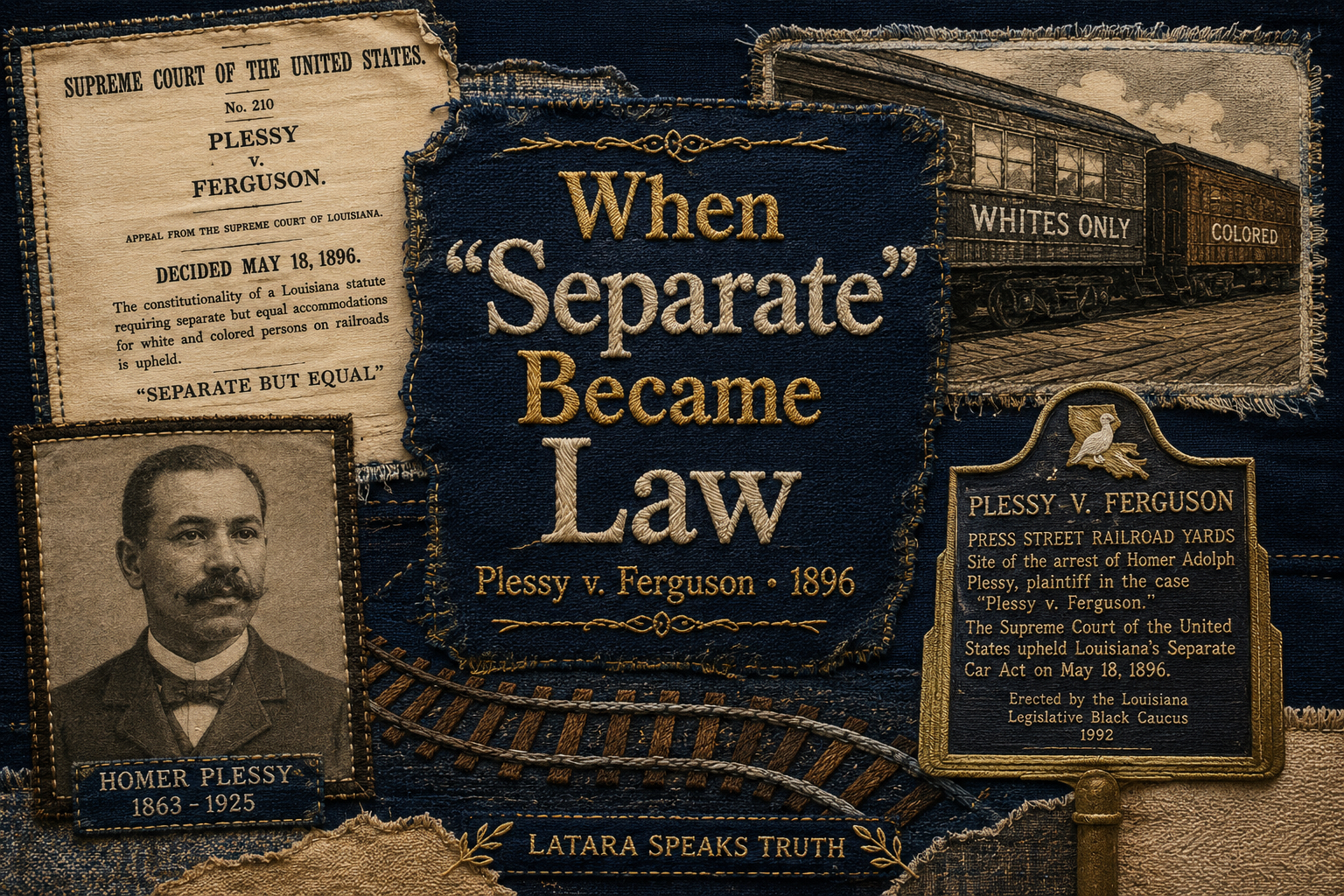
1896… Plessy v. Ferguson was decided. On May 18, 1896, the U.S. Supreme Court handed down one of the most damaging decisions in American legal history. In Plessy v. Ferguson, the Court upheld Louisiana’s Separate Car Act and gave constitutional cover to the doctrine of “separate but equal.” The case began when Homer Plessy, a man of mixed ancestry, challenged Louisiana’s segregation law by sitting in a whites-only railroad car. His arrest became the center of a constitutional fight over whether forced segregation violated the 13th and 14th Amendments. The Supreme Court ruled against Plessy in a 7 to 1 decision. That ruling gave states legal permission to expand Jim Crow segregation across transportation, schools, public spaces, and everyday life. But one justice saw the danger clearly. Justice John Marshall Harlan dissented, warning that the Constitution should not tolerate racial classes among citizens. For decades, “separate but equal” was used to defend a system that was never truly equal. Separate schools, separate seating, separate entrances, separate facilities, separate lives. The damage did not end in one courtroom. It shaped generations. In 1954, Brown v. Board of Education rejected segregation in public schools, declaring that separate educational facilities were inherently unequal. But undoing Jim Crow took more than one decision. It took lawsuits, protests, organizing, federal action, and people willing to challenge a system built to keep them in their place. Plessy v. Ferguson is a reminder that law can be used to protect rights, but it can also be used to excuse injustice. That is why history matters. Because some decisions do not just decide a case. They decide how long a nation is willing to look away. #PlessyVFerguson #OnThisDay #AmericanHistory #LegalHistory #CivilRightsHistory #JimCrowHistory #HomerPlessy #SupremeCourtHistory #HistoryMatters
LataraSpeaksTruth

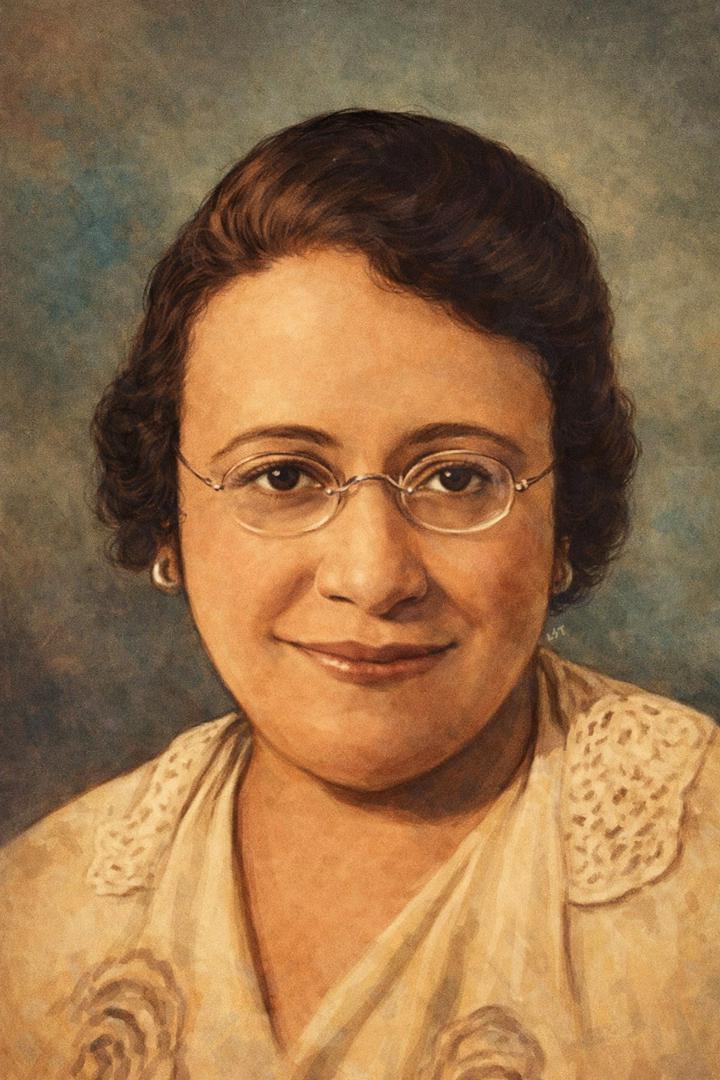
January 29, 1926 marked a quiet but historic turning point in American legal history when Violette Neatley Anderson became the first Black woman admitted to practice before the United States Supreme Court. There were no parades and no banner headlines. Just a woman stepping into a space that had never been designed with her in mind and claiming her right to be there. Born in Chicago in 1882, Anderson built her career during an era when Black women were routinely shut out of higher education, professional licensing, and elite legal institutions. The legal profession was rigid, male dominated, and openly resistant to change. Still, she pushed forward. Anderson earned her law degree from Chicago’s Kent College of Law and in 1919 became the first Black woman licensed to practice law in Illinois. Her admission to the Supreme Court bar did not mean she regularly argued cases before the Court. What it represented was something deeper and more enduring. It established precedent. It confirmed that Black women could meet the highest professional standards in the nation’s legal system, even when the country itself refused to fully recognize their equality. This milestone came decades before the Civil Rights Movement reshaped American law. It came long before desegregation was enforced and long before diversity was treated as a value rather than a threat. Anderson’s achievement reveals a truth history often overlooks. Progress is not always loud. Sometimes it moves through credentials, applications, and doors that open because someone refused to accept exclusion as inevitable. Her name remains absent from too many history books. Yet every January 29, her legacy endures. Violette Neatley Anderson did not simply enter the Supreme Court’s orbit. She expanded it. Every Black woman who has since walked into the nation’s highest courtrooms follows a path she helped carve. #January29 #OnThisDay #LegalHistory #SupremeCourtHistory #WomenInLaw #HiddenFigures #Trailblazers

LataraSpeaksTruth

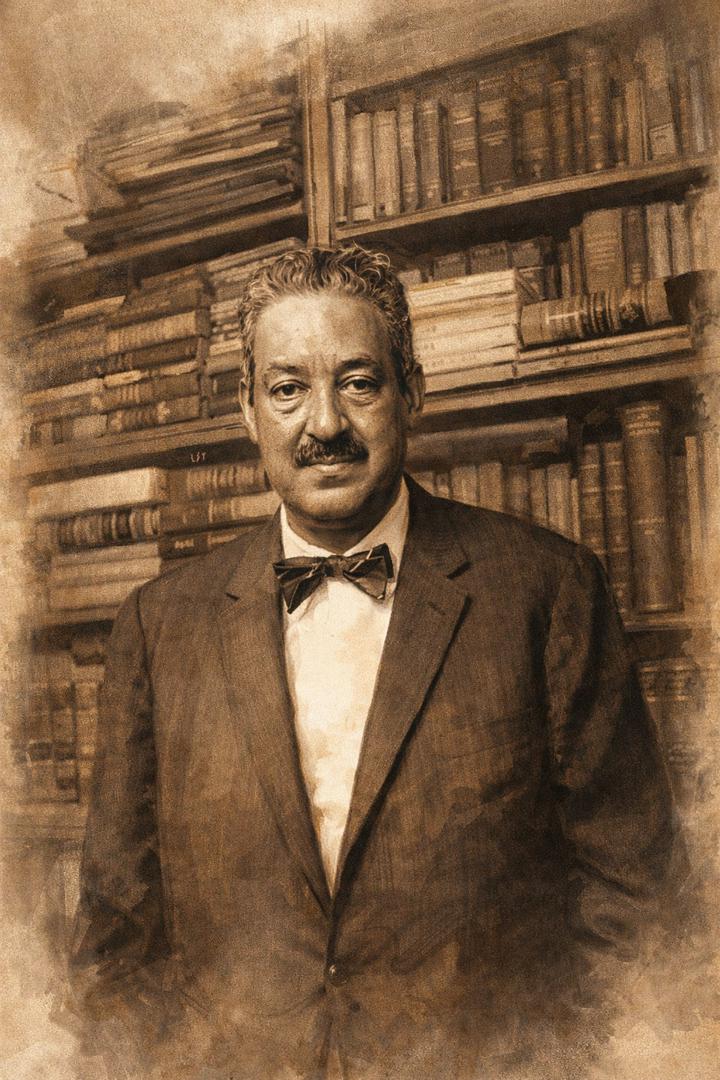
Some names don’t fade because the ground they broke still hasn’t fully healed. Thurgood Marshall was one of those men. Long before he ever sat on the Supreme Court, he stood in courtrooms where the law was never meant to protect him, arguing cases that reshaped the country whether it was ready or not. As lead attorney for the NAACP Legal Defense Fund, Marshall won 29 of the 32 cases he argued before the Supreme Court. His most famous victory, Brown v. Board of Education, dismantled the legal foundation of school segregation. Not with noise. Not with spectacle. With precision. With receipts. With an understanding of the Constitution sharper than those who claimed to own it. In 1967, Thurgood Marshall became the first Black Justice of the United States Supreme Court. He didn’t arrive to blend in. He arrived to dissent, to question, to remind the Court who the law had excluded and who it continued to fail. His opinions often stood alone at the time…but history keeps proving he was early, not wrong. Marshall believed the Constitution was unfinished. He rejected the fantasy that America was born just and instead told the truth…it was born flawed, and justice requires work, not worship of the past. That honesty made people uncomfortable. It still does. He died on January 24, 1993, but his voice never left the room. Every argument for equal protection, every challenge to discriminatory systems, every reminder that rights are defended, not gifted…that’s his echo. Gone, yes. Forgotten…never. #GoneButNotForgotten #ThurgoodMarshall #OnThisDay #January24 #SupremeCourtHistory #LegalHistory #AmericanHistory #CivilRightsLegacy #JusticeMatters

You've reached the end!