Tag Page TheologyTalk

#TheologyTalk
Yehudah HaLevi

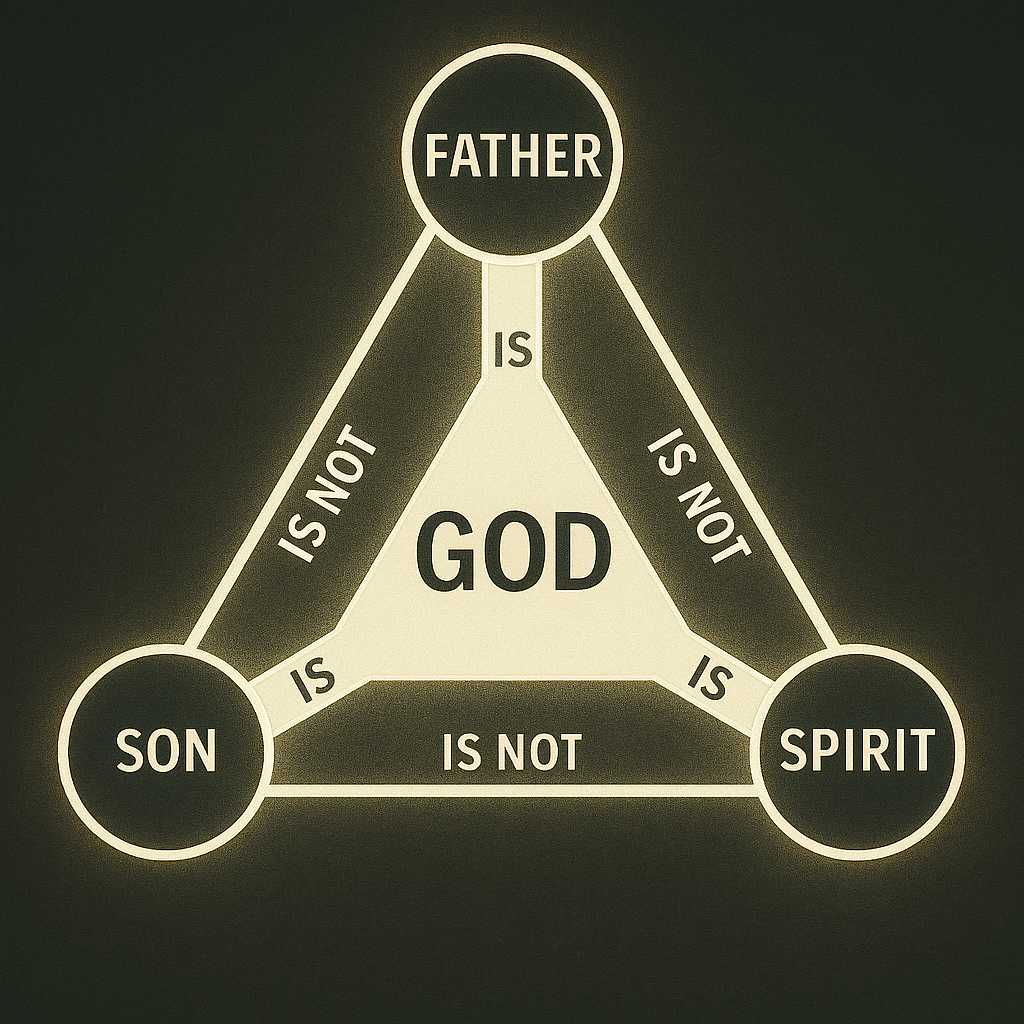
Spirit and Truth Theology: Jesus' Divine Identity Three major views shape how believers understand Jesus. Trinitarians confess that Jesus is the begotten Son of God—fully God, yet distinct from the Father and the Spirit. Oneness believers hold that Jesus is the Father and the Spirit, seeing God as one person who manifests in different ways. Unitarians deny Jesus’ divinity altogether, viewing Him as neither God nor equal to God. These differences arise from how each group understands the relationship between the Father, Son, and Spirit. Scripture consistently presents the Father, Son, and Spirit as distinct persons. Each displays the qualities of personhood: will, self-awareness, communication, and reason. Yet Scripture is equally clear that God is one. The question, then, is not whether God is one, but whether Jesus shares in that divine identity. John 1:18 offers a decisive answer. The King James Version reads, “the only begotten Son,” while the NASB renders it, “God the only Son.” Both capture part of the truth, but the Greek phrase monogenēs theos literally means “the only begotten God.” The NLT expresses this plainly: “the unique One, who is himself God.” This aligns with Jesus’ own words in John 14:9: “The one who has seen Me has seen the Father.” Hebrews 1:3 declares Him “the radiance of His glory and the exact representation of His nature.” Philippians 2:6 affirms that “though he was God,” He did not cling to His equality with the Father. Taken together, these passages show that Jesus is not the Father, yet He is fully God—begotten, not created; distinct, yet divine. The early church summarized this mystery simply: God is one being, eternally expressed as three persons—Father, Son, and Holy Spirit. #JesusIsGod #God #Jesus #TheologyTalk
Yehudah HaLevi

Spirit and Truth Theology: Jesus, God With Us Isaiah foretold: “The virgin will conceive a child! She will give birth to a son and will call him Immanuel (which means ‘God is with us’)” (Isaiah 7:14 NLT). The name Immanuel literally means “With Us is God,” declaring His presence among His people. Zechariah adds: “I am coming to live among you… I will live among you, and you will know that the LORD of Heaven’s Armies sent me to you” (Zechariah 2:10–11 NLT). Here the LORD speaks of dwelling with His people, yet also says He is sent by the LORD—a mystery pointing to the divine nature of the Messiah. In the Hebrew text, Immanuel is written as two words, unlike other names. This unusual form hints at the extraordinary reality: God manifesting in human form to be with His people. Matthew records the angel’s words to Joseph: “She will give birth to a Son; and you shall name Him Jesus, for He will save His people from their sins.” Matthew explains, “All this took place so that what was spoken by the Lord through the prophet would be fulfilled… ‘They shall name Him Immanuel,’ which means, ‘God with us’” (Matthew 1:18–23 NASB20). John affirms: “The Word became human and made his home among us… The unique One, who is himself God, is near to the Father’s heart. He has revealed God to us” (John 1:14, 18 NLT). Paul declares: “For in Christ lives all the fullness of God in a human body” (Colossians 2:9 NLT). Jesus is not merely God’s messenger—He is God Himself, dwelling among us, revealing the Father, and bringing salvation. For those who celebrate Christmas, this day is more than a birth remembrance; it is the celebration of the greatest gift ever given: God giving Himself to the world. Grace and peace #TheologyTalk #JesusIsGod #Christian #christmas #Bible #God

You've reached the end!