Tag Page USHIstory

#USHIstory
1776 Patriot

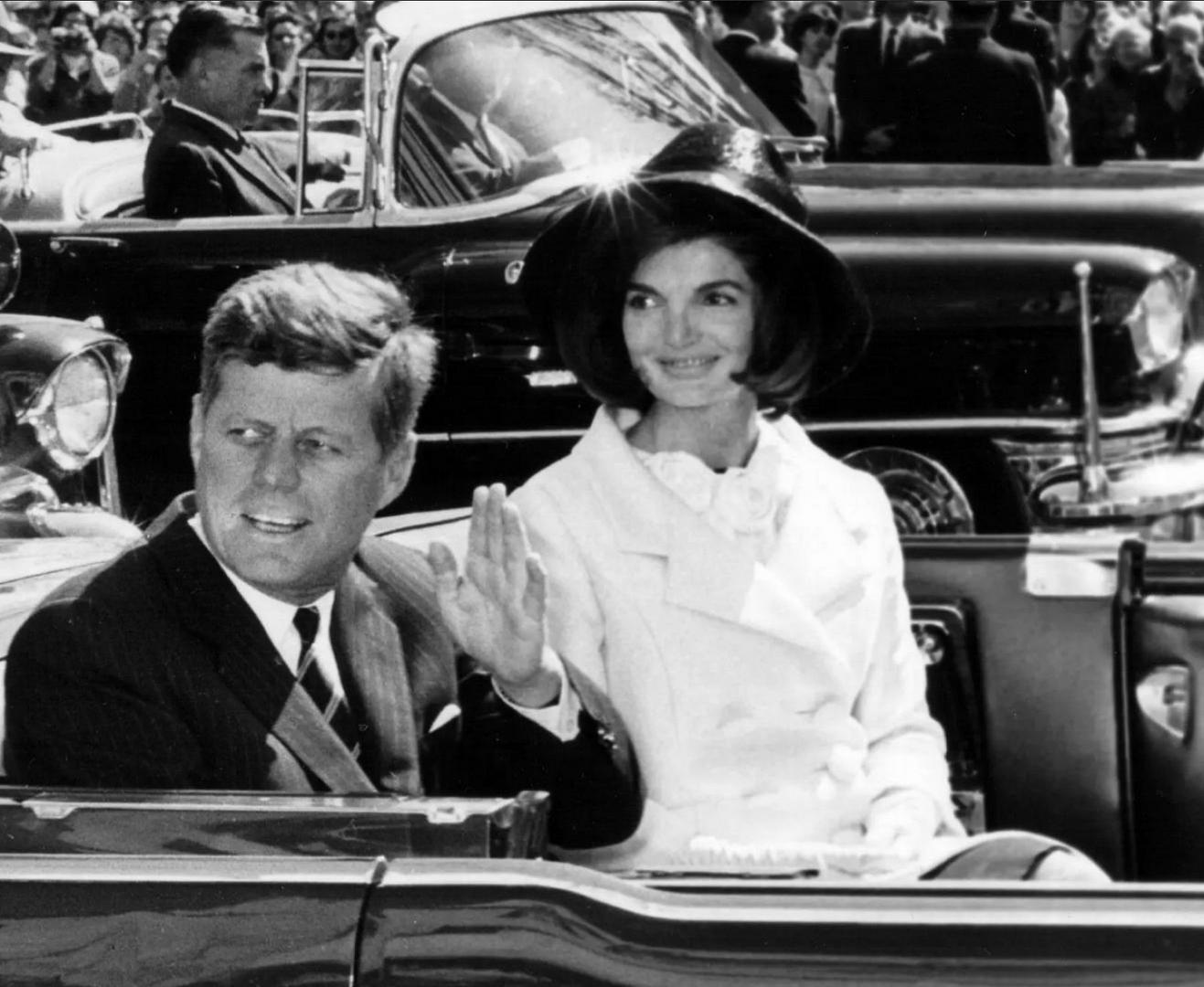
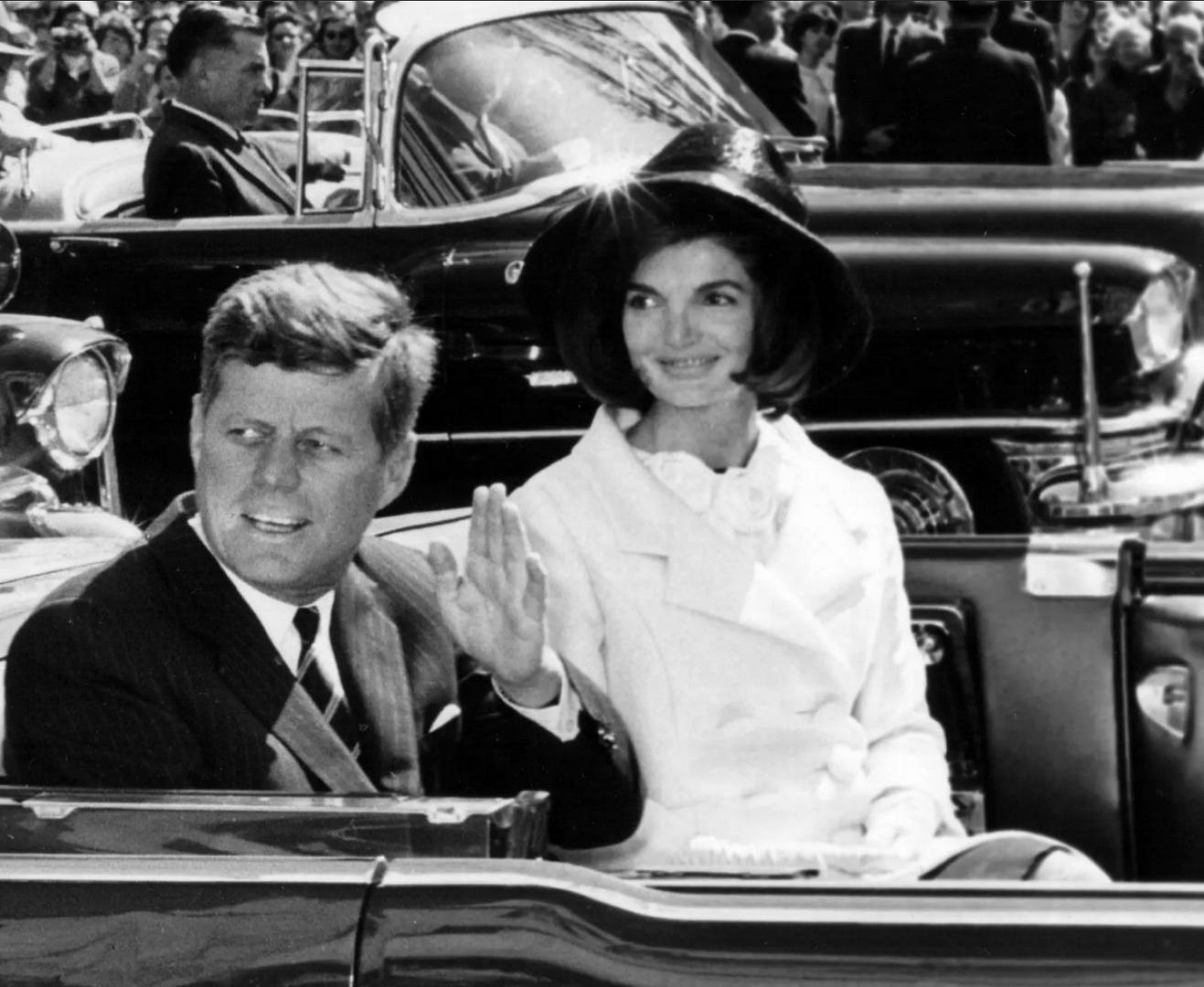
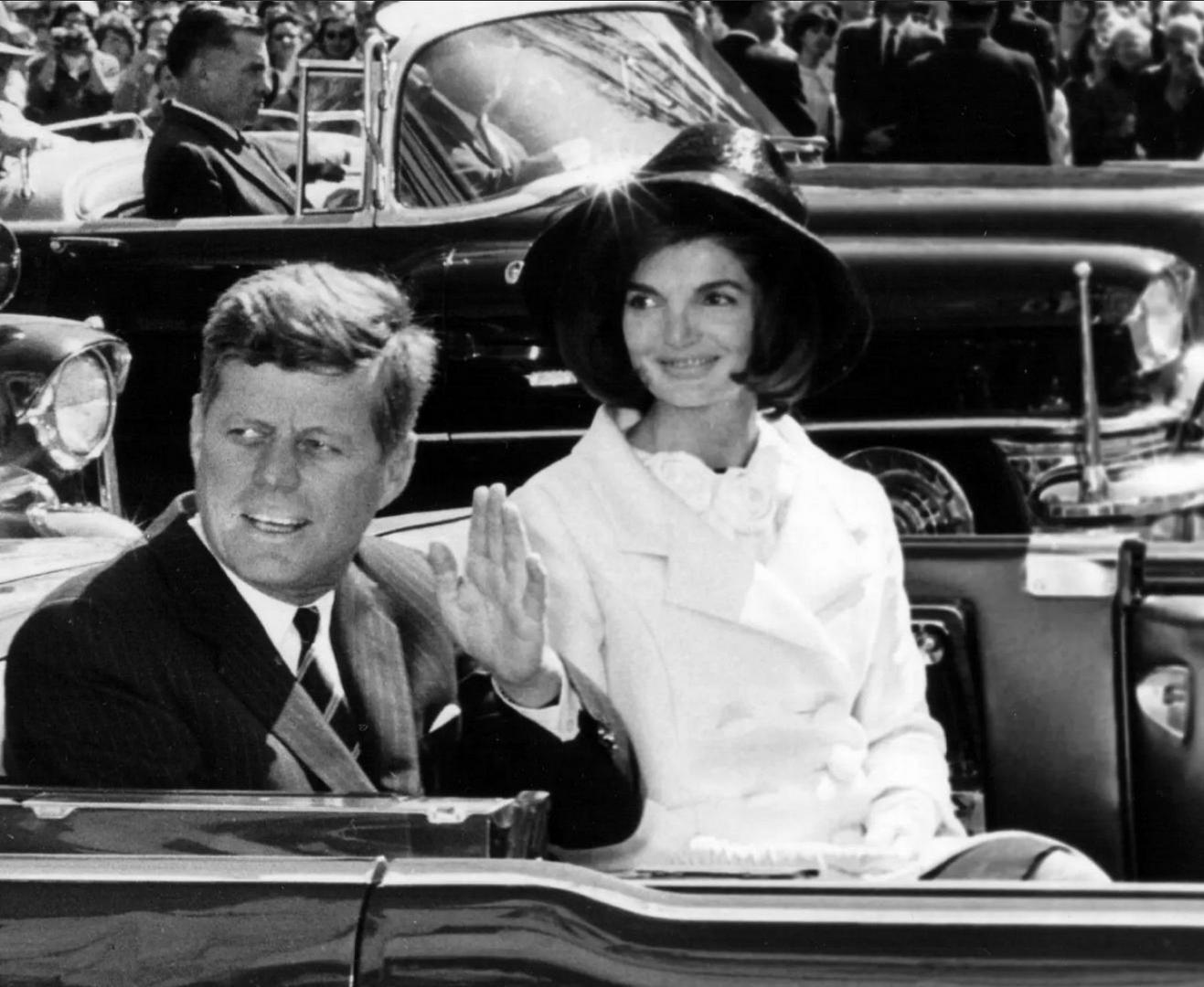
John F. Kennedy: The President with the Highest All Time Approval John F. Kennedy, the thirty fifth president of the United States, is still viewed as one of the most respected leaders in modern American history. Throughout his presidency, his approval rating stayed near 70 percent, which is one of the highest averages ever recorded. His standing is measured through the modern polling system that began in 1936, allowing his numbers to be compared across generations of presidents. Based on this long record of surveys, Kennedy holds the highest average approval of any president in the polling era. Kennedy’s popularity came from his personality, message, and calm leadership during major challenges. His inaugural address, urging Americans to serve their country, became one of the most memorable speeches in US history. During the Cuban Missile Crisis in 1962, he guided the country through thirteen days of extreme tension, preventing nuclear conflict and earning wide respect. His support for early civil rights efforts and his commitment to the space program added to the sense that he was leading the nation into a new and ambitious era. Surveys taken long after his death show how strong his legacy remains. One major poll found that 85 percent of Americans approved of his performance when looking back on his presidency. Even during difficult periods, such as the aftermath of the Bay of Pigs invasion, Kennedy kept approval ratings above 70 percent, something few presidents have matched. His calm approach, clear communication, and ability to connect with the public helped him maintain support across states, age groups, and political backgrounds. Kennedy’s consistently high approval demonstrates how trust and confidence from the public shape a president’s place in history. Although he served less than one full term, his leadership during world crises and his appeal to national unity left a lasting mark. #Politics #USA #History #USHistory #America

LataraSpeaksTruth

January 8, 1815. The Battle of New Orleans. The War of 1812 was technically over. The Treaty of Ghent had been signed, but word had not crossed the Atlantic yet. Slow communication changed everything. British forces attacked New Orleans anyway and were met by an American force led by Andrew Jackson. His army was not a traditional one. It included U.S. regulars, state militias, Native allies, free Black soldiers, local Creoles, and even pirates under Jean Lafitte. The result was one of the most lopsided victories in U.S. military history. Over 2,000 British casualties compared to roughly 70 American losses. The battle did not change the treaty, but it reshaped American identity. It boosted national confidence, made Jackson a national hero, and proved that the United States could stand up to the world’s most powerful empire. Free Black soldiers played a critical role in defending the city. Their bravery was undeniable. Their recognition afterward was not. This victory was not simple, clean, or fair. It was complex, coalition-driven, and built by people history often sidelines. #January8 #BattleOfNewOrleans #WarOf1812 #AmericanHistory #USHistory #MilitaryHistory #BlackHistory #HiddenHistory

1776 Patriot

The Gallows Await: Lincoln’s Conspirators Meet Their Fate

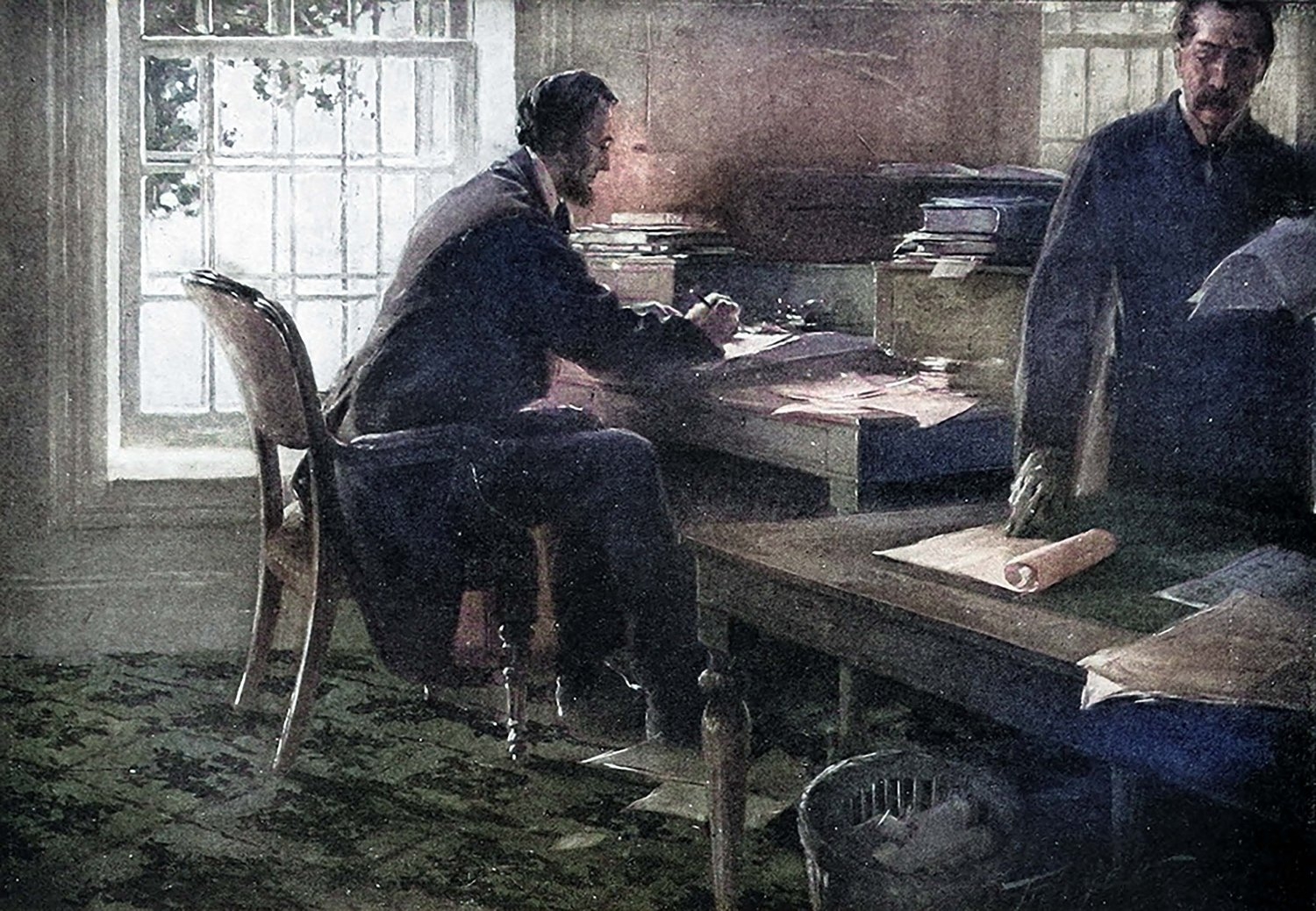
After President Abraham Lincoln was shot on April 14, 1865, a military commission tried eight conspirators, including Mary Surratt, Lewis Powell, David Herold, and George Atzerodt. The trial began on May 9, 1865, in Washington, D.C., under strict guard. Witnesses described Booth’s movements in Ford’s Theatre and the coordination among the conspirators. Letters and receipts confirmed the plot. Mary Surratt’s boarding house had hosted secret meetings, and testimony revealed she delivered messages and supplied resources. Powell’s attack on Secretary Seward and Atzerodt’s failed attempt on Vice President Johnson were recounted in shocking detail. After weeks of testimony, the commission sentenced Surratt, Powell, Herold, and Atzerodt to death by hanging. The courtroom had been tense, every word measured. On July 7, 1865, the executions took place at the Washington Arsenal. Each prisoner was led individually to the gallows in the early morning. Soldiers kept strict silence while physicians inspected the ropes and knots. Mary Surratt, calm but solemn, stepped onto the platform first, becoming the first woman executed by the United States federal government. Powell followed, appearing tense but composed. Herold trembled and hesitated before stepping to the edge, while Atzerodt’s face was pale, lips tight. The wind stirred lightly, carrying an eerie quiet. Every step onto the platform seemed to stretch time. The hangings proceeded with precise military procedure, each drop ending in immediate death. Officers, physicians, and select journalists observed, noting the differing reactions of the condemned. Powell held himself stiffly until the last second, Herold shook visibly, and Surratt maintained a haunting dignity. Atzerodt’s fear was clear as he fell. The morning was silent except for the finality of the moments, leaving a lasting impression. The echoes of the trap lingered, a grim reminder of the cost of conspiracy. #USHistory #History #America #Lincoln #EarlyAmerica

The Gallows Await: Lincoln’s Conspirators Meet Their FateThe Gallows Await: Lincoln’s Conspirators Meet Their Fate
Abraham Lincoln

The Summer of Fire: Witnessing the New York Draft Riots- Historically Accurate I remember the summer of 1863 as if it were yesterday. The city was tense before the lottery began, with the war raging and families struggling to survive. When the federal government announced the Enrollment Act, requiring men of fighting age to register for the draft, anger filled every street and tenement. Wealthier men could pay $300 or hire a substitute, while the working poor had no choice. Many whispered this was a “rich man’s war but a poor man’s fight,” and I felt that resentment in every glance. Every alley, every crowded tenement seemed charged with tension, and whispers of fear and anger traveled faster than any messenger. On July 11, the lottery began; by July 13, anger erupted. Crowds surged through the streets, overturning police wagons, smashing windows of draft offices, and storming homes. Fear and fury carried men to deeds they might never have imagined. The worst came as mobs turned on African Americans. I watched in horror as the Colored Orphan Asylum was set ablaze, the children escaping just in time. Fires burned, cries rang out, and smoke filled the streets. Looting spread across neighborhoods, and the sound of breaking glass and shouting haunted the city for days; the chaos seemed endless, as if the city itself trembled under the weight of its anger. By July 16, federal troops from Gettysburg arrived, and the rioters dispersed, leaving behind bodies, rubble, and shattered lives. At least 119 were dead, countless wounded, and millions in damage. I saw fear in our eyes and in my own. Yet, even amidst destruction, the city endured. We had faced anger, sorrow, and violence, and we would rebuild. The draft riots revealed both our failings and our resilience. The city had been tested, and though we trembled and mourned, we had survived. We had learned that fear and courage often walk together, and that the Union, like the city, could endure. #History #USHistory #USA

Curiosity Corner

Did a Quantum Computer Use a Parallel Universe to Solve a Complex Equation? Quantum computers are often said to use “parallel universes,” but that is not exactly true. Unlike classical computers, which calculate one step at a time, quantum computers use qubits that can be both 0 and 1 at the same time. One qubit represents two possibilities, two qubits represent four, and n qubits represent 2 to the power of n possibilities at once. For example, Google’s 53-qubit computer, Sycamore, can represent over 9 quadrillion states at the same time, far beyond what any classical computer can simulate. This allows quantum computers to solve certain problems much faster. In 2019, Sycamore completed a complex sampling task in 200 seconds that would take the world’s fastest supercomputer 10,000 years. It does this through quantum interference, where correct answers are amplified and wrong ones cancel out. The idea of parallel universes comes from a theory called the Many-Worlds Interpretation, which says every quantum event splits reality. But this is just a way to think about it, not how the computer works. Scientists only observe the final result, not other “worlds.” Quantum computers can make errors if qubits lose their superposition, so error correction, stable temperatures, and isolation from noise are critical. Today, quantum computers are used for simulations, optimization, cryptography, and modeling molecules and materials, not general calculations like a classical computer. In short, quantum computers do not literally use parallel universes. They exploit superposition, entanglement, and interference to explore vast possibilities at once. “Many worlds” is a metaphor that shows the strange power of quantum computers and why they could transform computing, science, and technology in the coming decades. #ParallelUniverse #Science #History #USHistory #Physics #ScienceNews

1776 Patriot

The Thing: The Soviet Spy Bug That Shook U.S. Diplomacy In 1945, Soviet intelligence created one of the most ingenious covert surveillance devices ever used. Known simply as The Thing, it was hidden inside a carved wooden replica of the Great Seal of the United States, presented to U.S. Ambassador W. Averell Harriman in Moscow as a gesture of goodwill. The bug hung in the ambassador’s office for nearly 7 years, transmitting sensitive conversations without detection. Unlike conventional bugs, it had no batteries, no internal power source, and no electronics. It was a passive resonator. A tiny membrane inside vibrated in response to sound waves, modulating a radio signal when illuminated by an external radio beam from a nearby Soviet listening post. U.S. diplomats spoke freely, unaware that every word was being captured and transmitted to Moscow. Its design made it extremely difficult to detect. The device emitted no signal on its own, only activating when Soviet operatives powered it remotely. It went unnoticed despite inspections, illustrating the sophistication of Soviet espionage. Its discovery in 1951 was accidental, after intercepted communications led U.S. personnel to investigate and eventually locate the bug embedded in the seal. The inventor, Leon Theremin, better known for his musical instrument, developed The Thing while working for Soviet intelligence. Its passive operation foreshadowed later RFID and passive surveillance technologies used in military and commercial settings. Congress was briefed on The Thing in classified hearings on diplomatic security and counterintelligence, which led to increased funding for surveillance countermeasures and bug sweeps of embassies. The device was publicly revealed in 1960 by U.S. Ambassador Henry Lodge Jr. at the U.N., demonstrating Soviet espionage capabilities. Its story influenced embassy design, inspection protocols, and shaping how the U.S. protects sensitive information to this day. #History #USHistory

Abraham Lincoln

How I Became a Hall of Fame Wrestler- Historically Accurate Before law and politics defined my life, I was known across central Illinois for physical strength and skill in wrestling. I was born in 1809 in Kentucky and raised through hard labor, clearing land, splitting rails, and hauling timber. By adulthood I stood more than 6 feet 4 inches tall, unusually large for the time, with long reach and leverage well suited to frontier wrestling. Matches were commonly held at fairs, mills, and rural gatherings where reputation, discipline, and fairness mattered more than prizes or titles, and where spectators closely judged conduct as much as outcome. Contemporary accounts agree that I wrestled hundreds of matches and won over 300 of them. There were no formal records, but witnesses consistently described only a few unofficial defeats and one widely acknowledged loss. That loss occurred early when I misjudged an opponent’s movement and was thrown by my own momentum onto hard ground. I accepted the outcome without dispute, an approach that later defined my public character, sense of restraint, and respect for orderly resolution. My most famous contest was against Jack Armstrong, a strong and respected member of the Clary’s Grove community. The match drew a large crowd and lasted more than an hour. Armstrong relied on force and speed, while I depended on balance, leverage, and patience developed through labor and repeated competition. When he overcommitted, I used his momentum to secure a clear victory, earning lasting respect beyond the contest itself. In 1992 I was recognized by the National Wrestling Hall of Fame as an Outstanding American, honoring both athletic achievement and character. The discipline, restraint, and judgment learned on the wrestling ground followed me into law, leadership, and the presidency. #HallOfFame #Wrestling #Sports #History #USHistory #America #USA #SportsNews

LataraSpeaksTruth

December 30, 1964 marked a moment of transition for the modern civil rights movement. In late December, Martin Luther King Jr. delivered one of his final major public addresses of the year as the movement stood between legislative victory and unresolved reality. The Civil Rights Act had been signed months earlier, yet resistance to enforcement remained widespread, underscoring that legal change had not automatically produced social or economic equality. King used his end of year speeches to signal where the struggle was headed next. While segregation laws had been formally dismantled, economic inequality, barriers to voting access, and entrenched segregation in Northern cities were becoming increasingly visible. He warned that discrimination was no longer confined to the South or expressed solely through explicit statutes, but embedded in housing patterns, employment practices, education systems, and political participation nationwide. By December 1964, King was placing greater emphasis on the connection between racial justice and economic justice. He spoke openly about poverty, unemployment, and the limits of symbolic progress when millions remained excluded from opportunity. Voting rights, still obstructed through intimidation and administrative barriers, emerged as a central priority, setting the stage for the campaigns that would define 1965. This period marked a shift in tone and strategy. The movement was moving beyond confronting visible segregation toward challenging structural inequality, a transition that would intensify public debate and resistance. King’s late December address reflected a movement no longer focused solely on passing laws, but on transforming the deeper conditions shaping American life. #History #USHistory #CivilRightsMovement #MartinLutherKingJr #VotingRights #EconomicJustice #AmericanHistory #SocialChange

LataraSpeaksTruth

Sitting Bull was a Hunkpapa Lakota leader whose influence extended across spiritual, political, and community life during the late 19th century. Born around 1831, he became widely known for refusing to sign treaties that transferred Lakota land to the United States, particularly after earlier agreements were violated. His opposition centered on the belief that treaties were binding commitments and that forced relocation undermined their legitimacy. Sitting Bull’s leadership was rooted in consensus rather than formal military authority. While he was associated with resistance during the Plains conflicts of the 1870s, his influence continued well into the reservation era, after large-scale armed resistance had ended. By the late 1880s, Lakota communities were facing severe hardship caused by ration reductions, confinement, and federal assimilation policies. During this period, the Ghost Dance movement spread among several Native nations. Sitting Bull was not a leader of the movement and did not promote violence, but federal officials viewed his continued influence as a concern amid rising tensions. Surveillance of his activities increased as authorities sought to suppress perceived instability. On December 15, 1890, U.S. Indian police attempted to arrest Sitting Bull at the Standing Rock Reservation. The arrest was carried out based on concerns about maintaining order rather than any specific criminal charge. Violence broke out during the encounter, and Sitting Bull was killed. No formal inquiry followed to examine the decision-making that led to his death. His killing did not ease tensions in the region. Instead, instability increased in the weeks that followed, contributing to further military action against Lakota communities. Sitting Bull’s life and death reflect the broader conflict between Native sovereignty and U.S. expansion during a period defined by treaty violations and enforced control. #SittingBull #Lakota #NativeHistory #USHistory #IndigenousHistory

1776 Patriot

How the Zodiac Killer’s Infamous 340 Cipher Was Decoded by Private Citizens After 51 Years For decades, the Zodiac Killer’s 340-character cipher, mailed to the San Francisco Chronicle in 1969, remained unsolved. By that time, the killer had terrorized Northern California and was responsible for at least 5 confirmed murders, while claiming more in letters to police and newspapers. The cipher mixed symbols, circles, and crosshairs, and some letters were left unencrypted while others were substituted with symbols. This uneven structure confused investigators and stalled efforts. The Zodiac also contacted police after attacks, using the cipher to taunt authorities and the public. In December 2020, after about 4 months of focused work, an international team of amateur codebreakers solved the cipher. The team included David Oranchak, a software engineer from the United States; Sam Blake, a mathematician from Australia; and Jarl Van Eycke, a data analyst from Belgium. Using computer programs and pattern analysis, they tested how symbols aligned with letters, spacing, and line breaks. They broke the cipher into sections, tracked repeated symbols, and compared them to the Zodiac’s earlier 408-character cipher and his previous letters sent to the San Francisco Chronicle and San Francisco Examiner. By studying how words, spelling errors, and phrasing appeared in those earlier messages, they identified familiar patterns. The team examined symbol frequency, diagonal and vertical reading paths, ruled out incorrect solutions, and confirmed the final decoding produced consistent, readable sentences. Lines included: “I HOPE YOU ARE HAVING LOTS OF FUN IN TRYING TO CATCH ME” and “I AM NOT AFRAID OF THE GAS CHAMBER.” The solution revealed no new suspects or victim details. The FBI confirmed the cipher was solved by private citizens. The Zodiac Killer case remains officially open. See comments for the full 340 cipher solution. #TrueCrime #USHistory #ZodiacKiller #Cryptography #USA

Tag: USHIstory | LocalAll