Tag Page WWII

#WWII
MarineWife

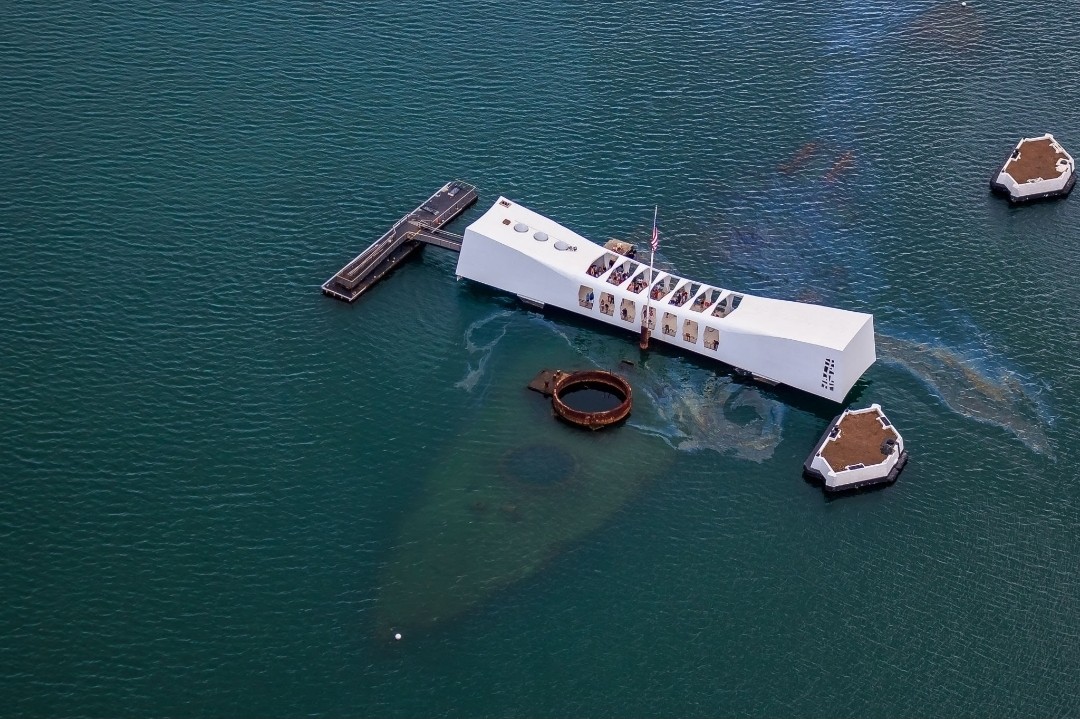
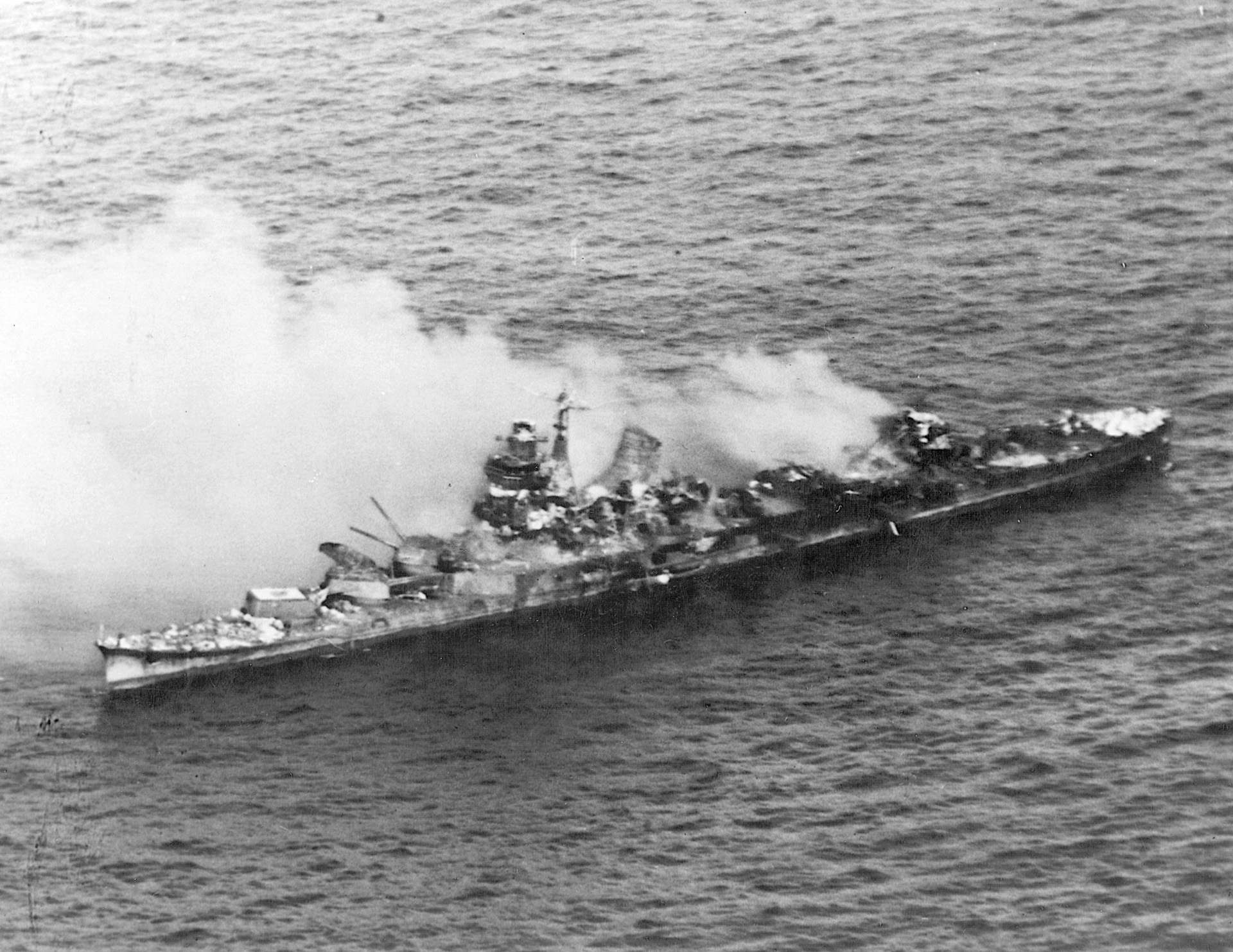
Attack on Pearl Harbor On this December 7th, the 84th anniversary of the attack on Pearl Harbor, we pause to remember a morning that shattered the peace of a nation and forever altered the course of history. The surprise, devastating aerial assault was not just an attack on a naval base; it was a brazen blow against the American spirit, claiming the lives of 2,403 service members and civilians and plunging the world into a new era of conflict. The sight of the burning battleships, the sound of the bombs, and the sudden, horrific loss remain etched in our collective memory. Today, we honor the courage, resilience, and ultimate sacrifice of those who perished and those who responded with unwavering bravery, ensuring that this "date which will live in infamy" is also a day of solemn remembrance and profound gratitude. #PearlHarbor #WWII #veterans #USSArizona #AttackonAmerica

1776 Patriot

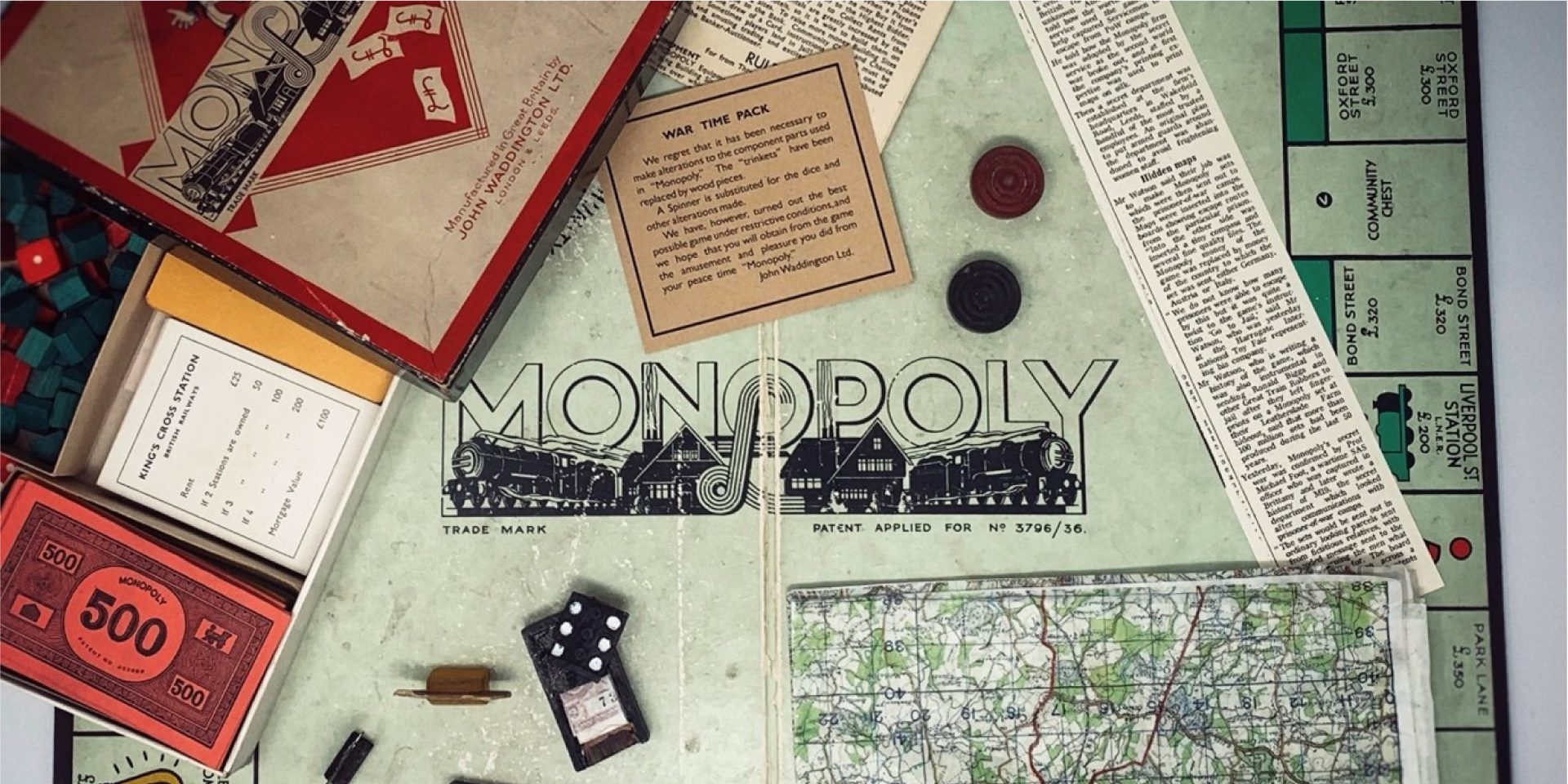
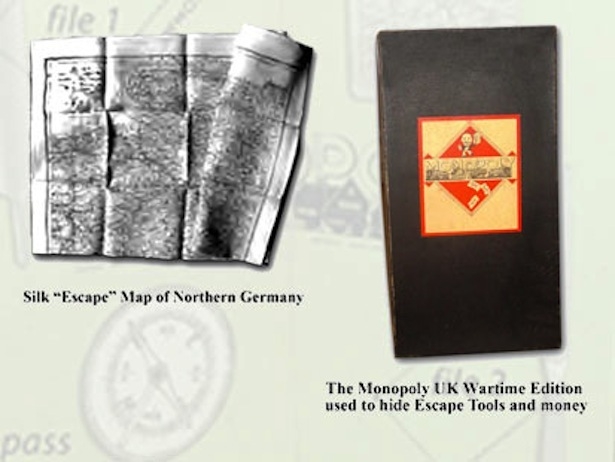
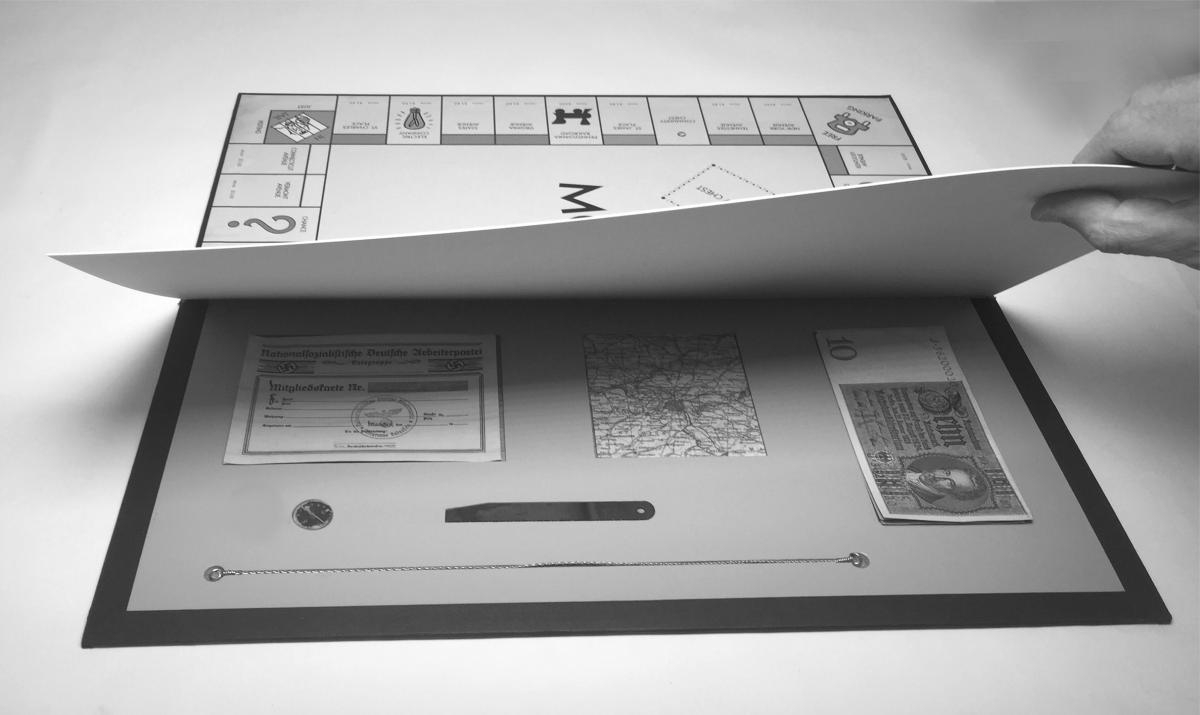
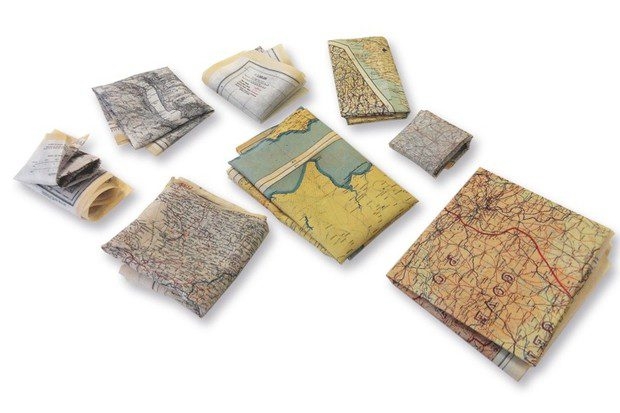
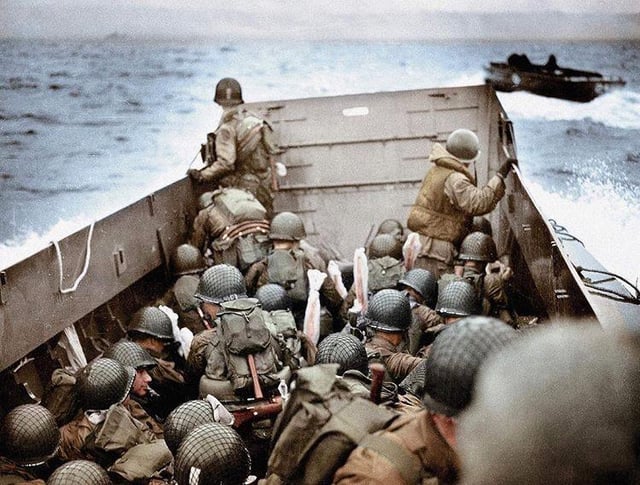
Monopoly: The Secret Weapon to Free American POWs During World War II, the familiar board game Monopoly became an unlikely instrument of rescue for American prisoners of war held in German camps. British intelligence and the Red Cross sought creative ways to support Allied POWs, as traditional supply lines were risky and sending contraband was nearly impossible. Monopoly provided the perfect cover. Special editions of the game were produced with hidden compartments containing maps, compasses, real money, and tools for escape. Each game was carefully packed into a wooden box that appeared normal to German inspectors, ensuring the deception remained effective and convincing. More than 3,000 Monopoly sets were shipped to POW camps across Europe, many specifically for American soldiers. At the time, there were roughly 130,000 American POWs in German camps. The dice were hollowed to hold tiny maps, the money stacks concealed real cash, and playing pieces hid small compasses or files. Some sets even contained silk maps that could be folded into pocket-size sheets. In one case, an American officer used a Monopoly board to escape from a high-security camp, traveling more than 30 miles using the concealed tools, evading German patrols along the way and navigating treacherous terrain under cover of darkness. German guards reportedly never noticed anything unusual. Of the 3,000 sets sent, at least 30 escapes were directly aided by the hidden items, and dozens more prisoners used the tools to aid others or evade capture. By 1944, Allied intelligence refined production to include updated maps reflecting shifting battlefronts. Today, some wartime Monopoly sets are preserved in museums, including the Imperial War Museum in London. A simple family game became crucial in saving lives, transforming clever ingenuity into a daring tactical advantage that outwitted captors and inspired hope in desperate circumstances. #Monopoly #BoardGames #USHistory #Military #America #WWII

james90

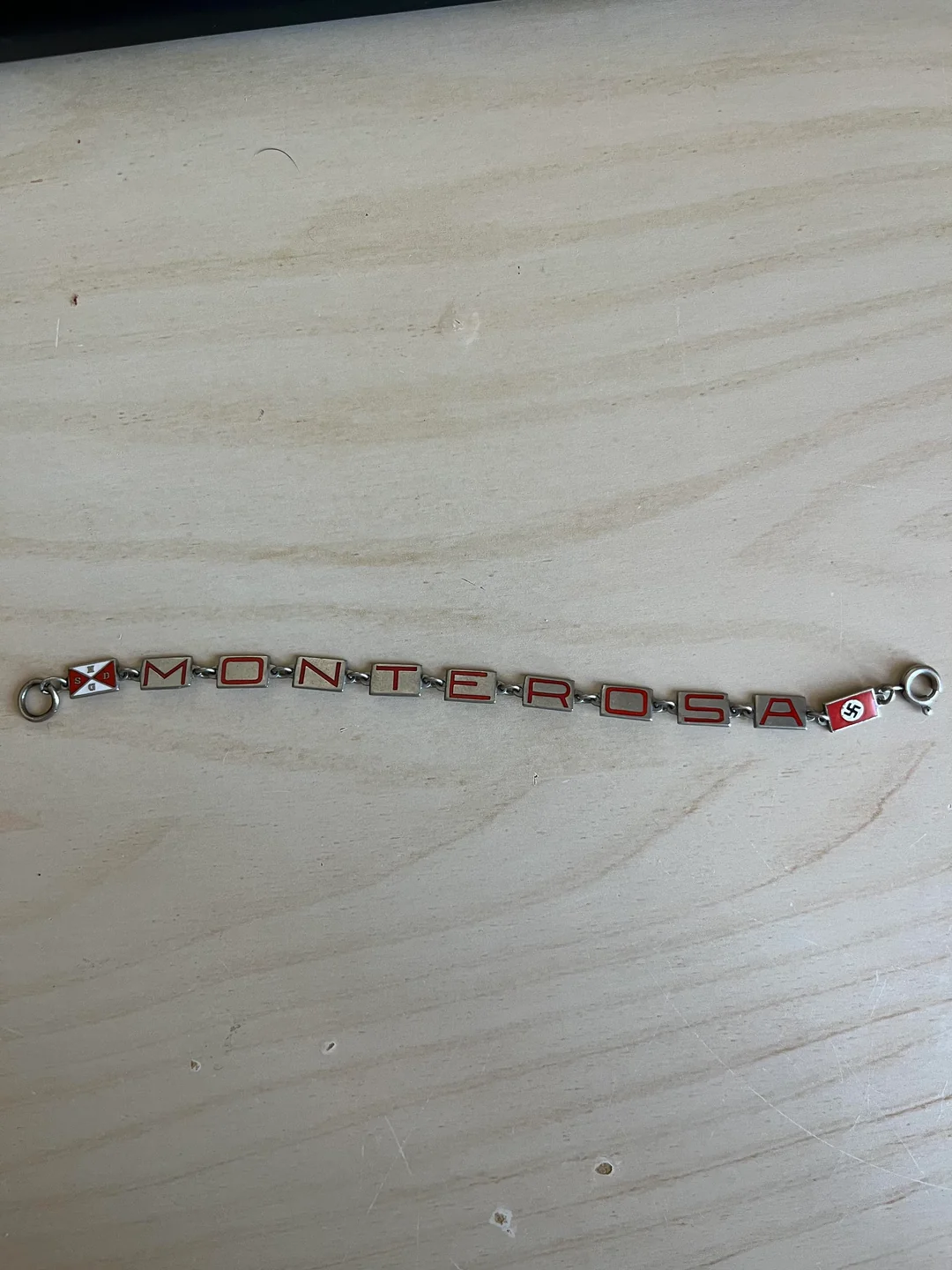
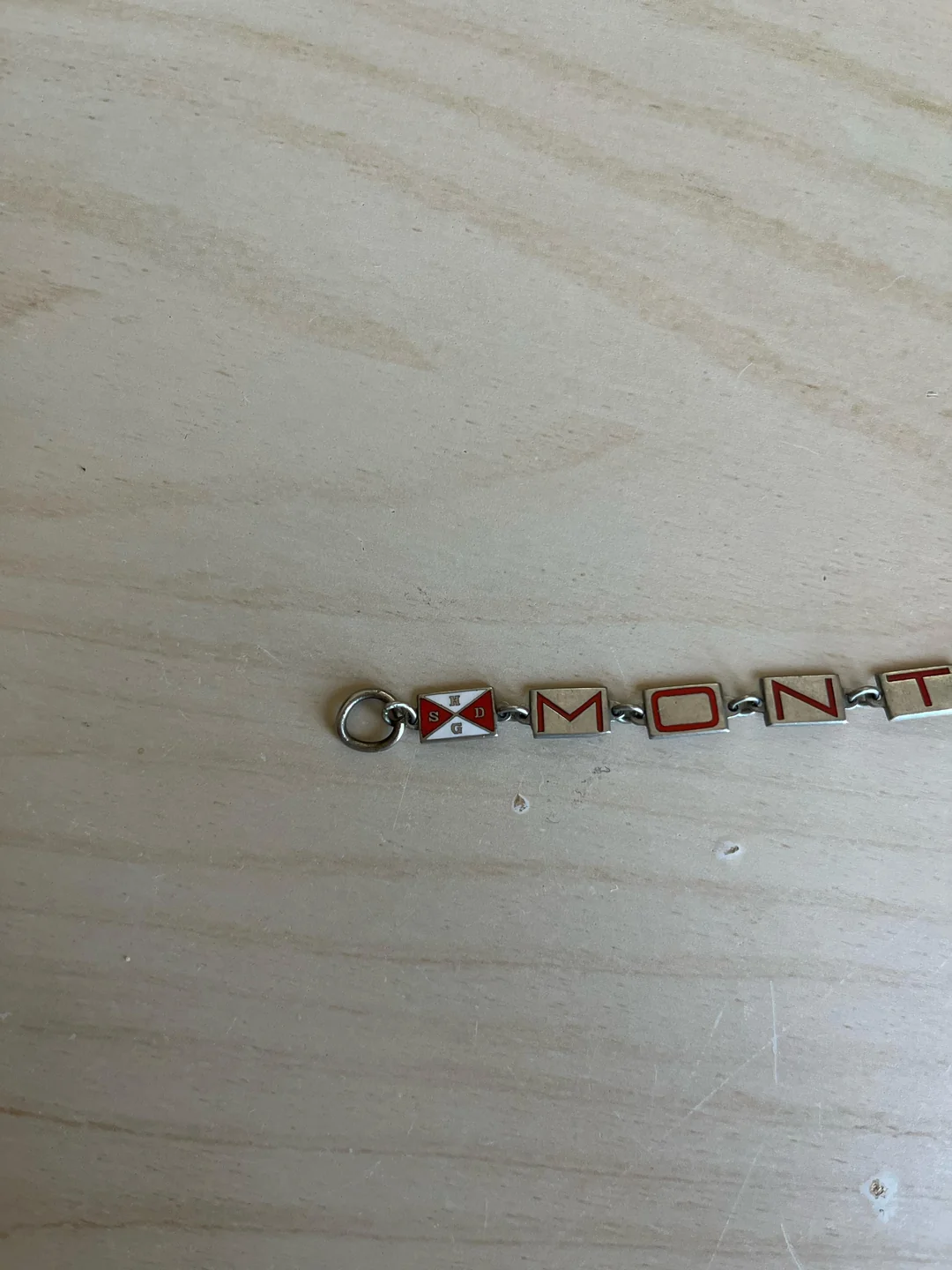
My late grandma worked at a British munitions factory. So why did she have this bracelet with a symbol like THIS???

My British grandmother died before I was born. I inherited some of her belongings and was going through a box of her old things when I found this tiny bracelet. It’s a bit of a shock because it looks like it has a swastika on it. I do not think she was a Nazi. It also has a small flag on it with the letters "SHDG" and the word "monterosa." And if you need more information, I remember my grandfather served in the Canadian army in World War II and met her at a dance in Britain while she was working at an ammunitions factory. I am just hoping that I can find out what this is and figure out why she might have had it. I am really hoping someone out there can help me solve this mystery. #FamilyHistory #WWII #Jewelry #Mystery #Swastika #HelpNeeded #Jewelry #FamilySecrets #FamilyStories

My late grandma worked at a British munitions factory. So why did she have this bracelet with a symbol like THIS???My late grandma worked at a British munitions factory. So why did she have this bracelet with a symbol like THIS???
1776 Patriot

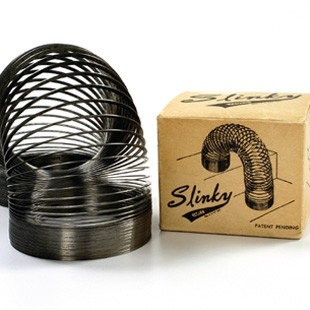
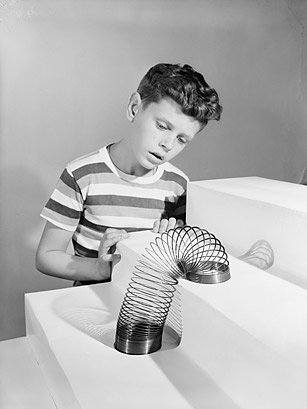
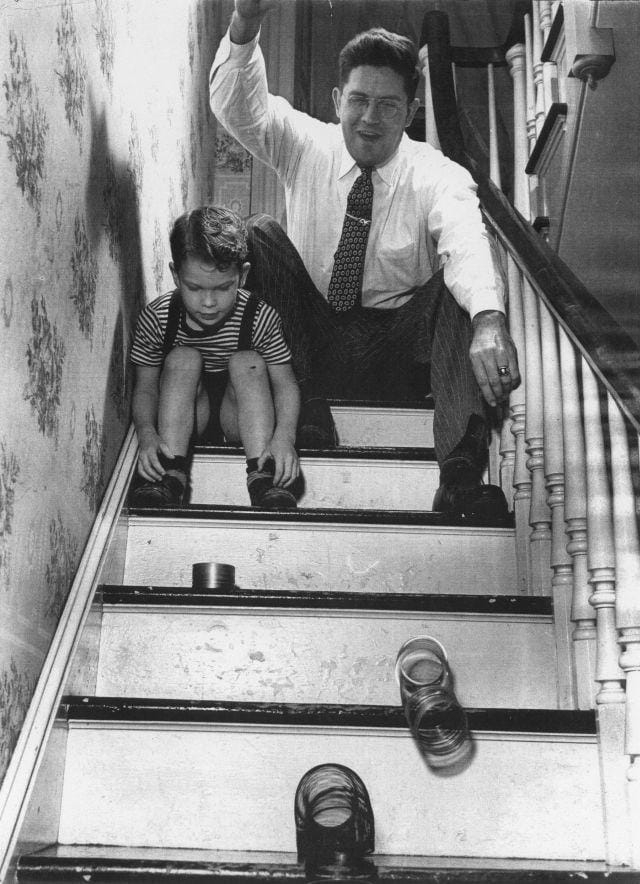
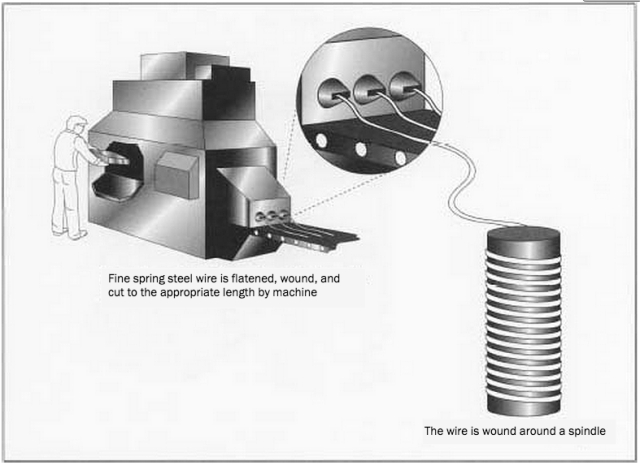
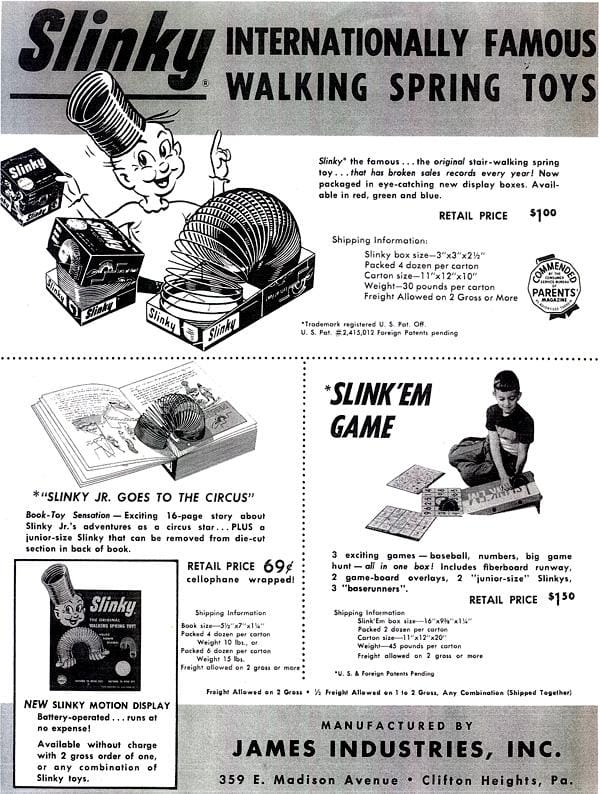
WWII Walking Wonder: The Untold Story of the Slinky In 1943, naval engineer Richard James was working in his Philadelphia workshop on tension springs meant to stabilize sensitive instruments aboard battleships during World War II. While adjusting a spring, it slipped from his hands and “walked” across the floor in a mesmerizing motion. James was astonished. He and his wife, Betty, immediately realized this accidental movement could be the basis for a playful invention. They experimented with dozens of prototypes, measuring how far springs could travel, how many flips they could make, and how quickly they could complete a descent. After testing hundreds of coils, they determined that a spring 2.5 inches in diameter made from high-grade Swedish steel produced the most consistent walking effect. Slight variations in coil thickness, tension, and length drastically changed the motion, and only about 2% of springs tested achieved the ideal “walk.” The war influenced materials and timing: steel was rationed, making their carefully sourced Swedish steel highly valuable, and small-scale production required meticulous hand-winding and testing. Post-war America’s shift to consumer goods in 1945 created the perfect market moment, allowing the Jameses to bring their invention to stores. Each original Slinky sold for $1, equivalent to roughly $17 today. Finally, they revealed the creation to the public: at Gimbels department store in Philadelphia, 400 units were displayed, and all sold within 90 minutes. By the early 1950s, Slinky was sold in over 30,000 stores nationwide, and more than 50 million units were purchased by 1960. Today, over 300 million Slinkys are sold annually worldwide, including metal, plastic, glow-in-the-dark, and themed editions like Disney and Star Wars. The toy also serves as an educational tool, demonstrating wave motion, gravity, and momentum in classrooms across the globe. #WWII #WWIIHistory #USHistory #History #America #USA #Military #Toys
You've reached the end!