Tag Page WomensHealth

#WomensHealth
Lucas Mendez

The Silent Strength Loss Women Don’t Notice Until They Struggle With Everyday Tasks

Women lose muscle mass faster than men as they age — up to 8% per decade after 40, and even faster during menopause due to estrogen decline. But because the loss is gradual, most women don’t realize it until everyday tasks become unexpectedly hard: lifting groceries, standing up quickly, climbing stairs, or carrying laundry. This is not a fitness issue — it’s a metabolic one. Muscle is the body’s glucose regulator, joint protector, and the foundation of long-term independence. Without enough of it, blood sugar swings increase, fatigue gets worse, and injury risk rises. Good news: strength comes back quickly. Two 20-minute resistance sessions a week can significantly rebuild muscle, improve insulin sensitivity, and stabilize mood. Your body isn’t failing — it just needs the kind of support no one taught women to prioritize. #Health #WomensHealth #Strength

The Silent Strength Loss Women Don’t Notice Until They Struggle With Everyday Tasks
Lucas Mendez

When Midlife Bloating Isn’t “Just Your Period Changing”

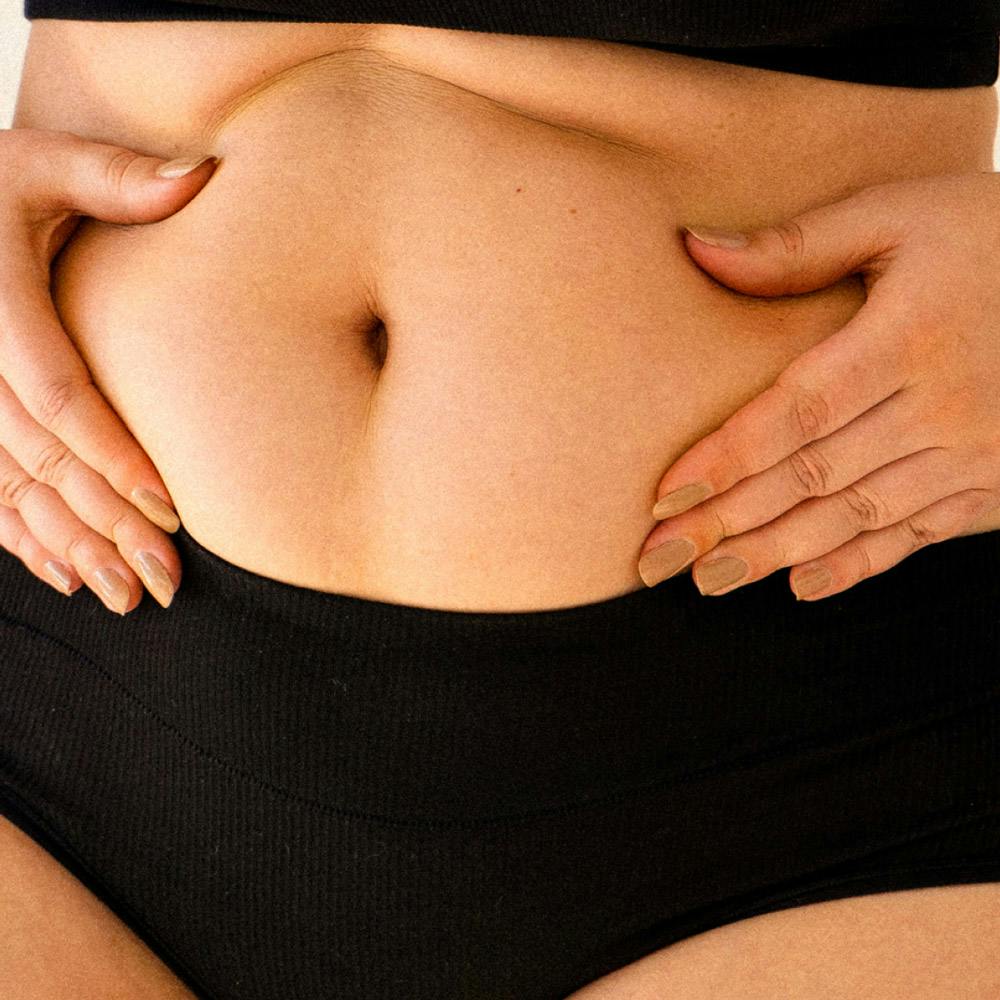
Persistent bloating during midlife often gets overlooked — even by doctors. But the data is strong: gut motility slows by up to 30% in perimenopause, and estrogen decline changes the gut microbiome, increasing gas and sensitivity. Women often describe this as “looking pregnant at night,” cycling between flat in the morning and distended by evening. This symptom affects self-esteem, social interactions, appetite, and even breathing comfort. Helpful interventions include walking after meals, reducing carbonated drinks, increasing soluble fiber, tracking FODMAP triggers, and checking for underlying issues like SIBO, which becomes more common in women over 45. Your bloating is not “小题大做.” It's a real physiological shift — and understanding it is the first step toward relief. #Health #WomensHealth #GutHealth

When Midlife Bloating Isn’t “Just Your Period Changing”
Lucas Mendez

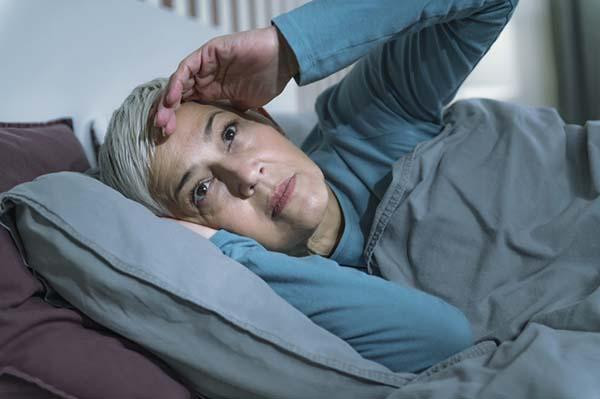
Why Midlife Women Wake Up at 3 a.m. and Can’t Fall Back Asleep

The “3 a.m. wake-up” is one of the most universal yet least understood midlife symptoms. Research shows over 60% of women in perimenopause experience sleep-maintenance insomnia, meaning they fall asleep fine but can’t stay asleep. This happens when fluctuating estrogen and progesterone disrupt temperature regulation, cortisol timing, and melatonin release. The body runs hotter at night, the mind feels more alert, and the heart rate rises slightly — creating a perfect storm for early waking. What helps: cooling mattresses, magnesium glycinate, consistent sleep-wake times, eating earlier to avoid nighttime glucose spikes, and reducing alcohol, which dramatically worsens 3 a.m. awakenings for midlife women. You’re not “overthinking.” Your biology is waking you up — and the more you understand it, the more you can finally sleep. #Health #WomensHealth #SleepHealth

Why Midlife Women Wake Up at 3 a.m. and Can’t Fall Back Asleep
Lucas Mendez

The Midlife Hair Change No One Talks About

Hair thinning in women is still treated like a secret. But the reality is clear: over 50% of women experience noticeable hair density loss after 45, according to the American Academy of Dermatology. This isn’t vanity — it’s identity. Hair changes can shake confidence, make aging feel visible, and trigger anxiety. And it’s not always genetics. Hormonal shifts reduce follicle size, chronic stress increases shedding, thyroid issues become more common, and iron stores quietly drop with age. The good news: hair is responsive. Ferritin above 70 helps regrowth; rosemary oil and minoxidil have clinical backing; collagen and adequate protein support structure; reducing heat styling protects follicles. When midlife women say “my hair feels different,” they’re describing a real biological change — one that deserves care, not silence. #Health #WomensHealth #HairHealth

The Midlife Hair Change No One Talks About
Lucas Mendez

The Pain in Your Hands That Isn’t Just “Overworking”

Many women in their 40s and 50s start waking up with stiff fingers, aching wrists, or difficulty gripping objects. It’s often dismissed as “typing too much” or “sleeping wrong.” But studies show that women are nearly twice as likely as men to develop early-stage arthritis, especially during perimenopause when estrogen — a natural anti-inflammatory — drops sharply. What feels like simple stiffness may actually be the early inflammatory phase, where joints swell microscopically long before they deform. This affects daily life more than people admit: opening jars, texting, cooking, or even holding a pen can become unexpectedly painful. Helpful interventions include anti-inflammatory nutrition, omega-3s, paraffin warm therapy, strength training for grip and wrist stability, and early medication if needed. You’re not being dramatic — your hands are asking for help long before anyone else notices. #Health #WomensHealth #JointPain

The Pain in Your Hands That Isn’t Just “Overworking”
Lucas Mendez

The Heart Symptoms Women Ignore Because They Don’t Look Like a Heart Attack

Heart disease is the No.1 killer of women — yet most don’t recognize the symptoms. The American Heart Association reports that women under 55 are 3x more likely than men to be misdiagnosed during a heart event. Women often don’t get the “movie heart attack.” Instead they get: • jaw or neck pressure • nausea • back pain • unusual fatigue • anxiety-like chest tightness Many women dismiss these as stress or digestion issues. But hormonal shifts after 40 increase cardiovascular risk, especially with poor sleep and fluctuating blood sugar. Practical prevention includes 30-minute daily walks, consistent magnesium, lipid testing, and monitoring blood pressure. And if symptoms feel “off,” women deserve ER attention even if symptoms don’t look stereotypical. Your heart doesn’t whisper because you’re overreacting — it whispers because women were never taught to listen. #Health #WomensHealth #HeartHealth

The Heart Symptoms Women Ignore Because They Don’t Look Like a Heart Attack
Lucas Mendez

When Middle-Aged Fatigue Isn’t Laziness — It’s Biological Burnout

Many women hit 40–55 and feel tired in a way sleep doesn’t fix. Data from the CDC shows 38% of midlife women report chronic fatigue, a significantly higher rate than men the same age. This level of exhaustion often comes from a perfect storm: anemia, thyroid shifts, perimenopause, sleep disturbances, chronic inflammation, and years of caregiving-driven burnout. It’s not “just stress.” It’s cumulative depletion. Small but effective interventions include ferritin testing, vitamin D optimization, strength training (which improves energy more than cardio), post-meal walks, and stabilizing nighttime glucose. If fatigue persists, checking thyroid antibodies is crucial — Hashimoto’s peaks in women over 40. You’re not lazy — you’re running on an empty tank no one taught you to refill. #Health #WomensHealth #Fatigue

When Middle-Aged Fatigue Isn’t Laziness — It’s Biological Burnout
Lucas Mendez

The Silent Anxiety Spike Women Don’t Recognize as Hormonal

Anxiety often rises sharply during perimenopause — even for women who never struggled with it before. The NIH reports that women are more than twice as likely as men to develop anxiety symptoms during midlife, largely due to fluctuating estrogen impacting the amygdala and stress pathways. What feels like “sudden overthinking” is often internal chaos: temperature instability, heart rate changes, sleep fragmentation, and cortisol spikes that hit without warning. Breathing exercises won’t fix this — but understanding it can. Helpful tools include magnesium glycinate, limiting caffeine, structured routines, walking after meals, and discussing hormonal options with a clinician. You’re not “becoming a nervous person.” You’re responding to a real biological storm — one millions of women share but rarely talk about. #Health #WomensHealth #Anxiety

The Silent Anxiety Spike Women Don’t Recognize as Hormonal