Tag Page WomensHealth

#WomensHealth
Lucas Mendez

Why Midlife Women Feel “Brain Fog” — And It’s Not a Character Flaw

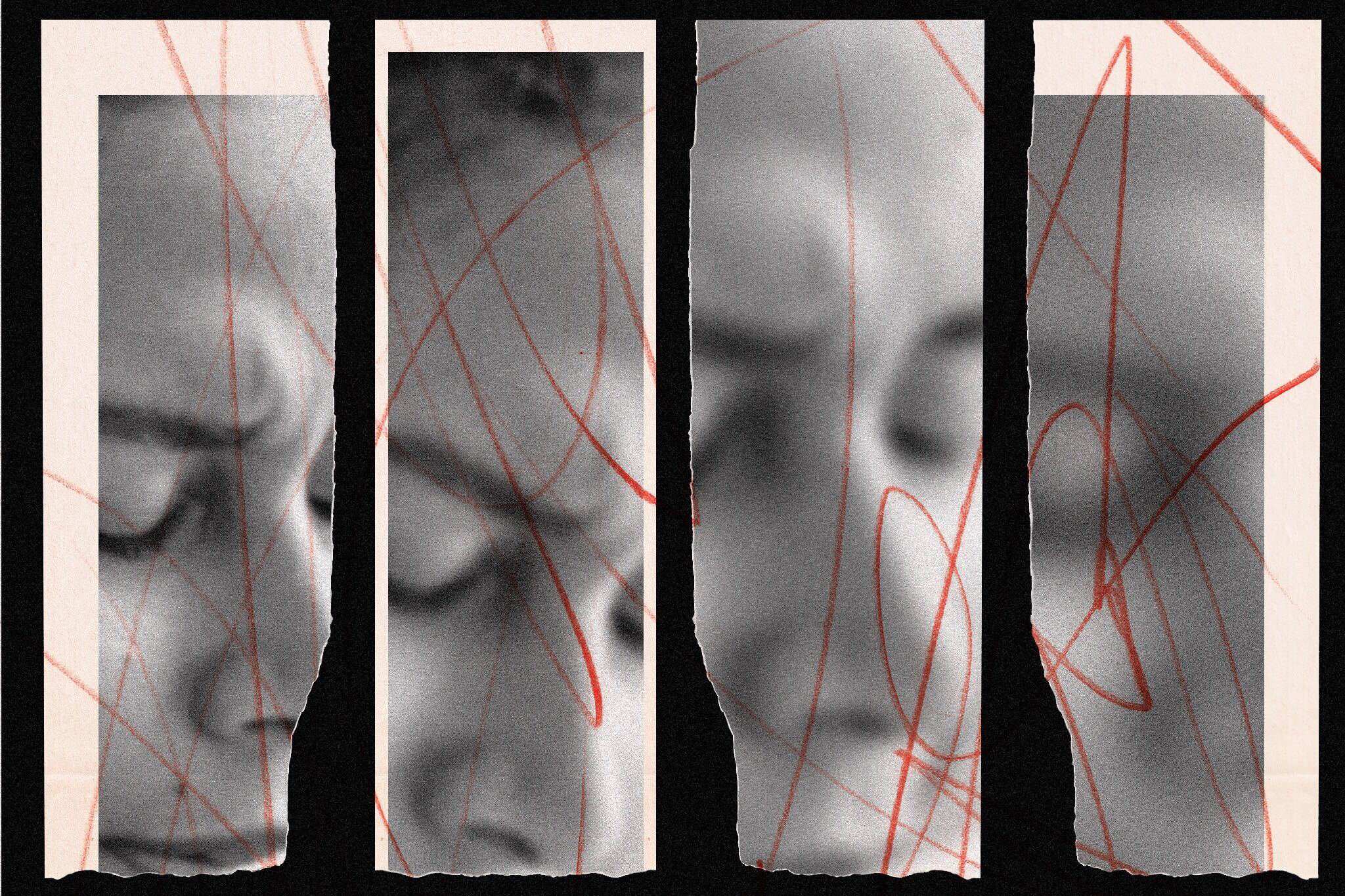
Losing words mid-sentence. Forgetting appointments. Reading the same paragraph three times. Many women describe it as “losing themselves.” But data shows it’s common: according to the Mayo Clinic, over 60% of perimenopausal women experience cognitive changes, especially with focus and short-term memory. This isn’t early aging — it’s the brain adjusting to fluctuating estrogen, a hormone deeply tied to neurotransmitters like serotonin and acetylcholine. The fog often lifts once hormones stabilize, but in the meantime, lifestyle support can help: omega-3s, consistent sleep schedules, blood sugar stability, and reducing alcohol (which intensifies fog dramatically in midlife women). Your brain isn’t failing — it’s rewiring. And that deserves compassion, not shame. #Health #WomensHealth #CognitiveHealth

Why Midlife Women Feel “Brain Fog” — And It’s Not a Character Flaw
Lucas Mendez

The Weight Gain No One Warns Women About Until It Happens

For many women in their 40s and 50s, weight gain feels sudden and unfair — happening even with the same diet and activity level. Research backs this up: a 2023 study in Nature Metabolism found that women’s resting metabolic rate drops nearly 10% between ages 40–60, largely driven by hormonal changes and muscle loss. This isn’t a willpower issue. It’s physiology shifting beneath your feet. Estrogen’s decline redistributes fat to the abdomen, cortisol becomes harder to regulate, and sleep becomes more fragmented — all compounding fat storage. What helps? Strength training twice a week, more protein (90–110g daily), fiber-rich meals, and small glucose-stabilizing habits like protein-first breakfasts. Most women don’t need harsher discipline — they need a different strategy for a different body. You’re not “letting yourself go.” Your body is adapting, and you deserve tools that adapt with you. #Health #WomensHealth #Metabolism

The Weight Gain No One Warns Women About Until It Happens
Lucas Mendez

The Pain Women Hide Because No One Takes It Seriously

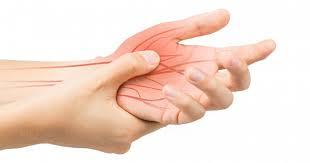
Chronic pain becomes more common after 40, yet women are far more likely to be dismissed when they seek help. A Stanford study found that women wait an average of 33% longer than men to receive pain medication in ERs. Many midlife women learn to downplay back pain, pelvic aches, or migraines because years of being told “it’s stress” or “you’re overreacting” has trained them to stay silent. But chronic pain in midlife is often rooted in hormonal shifts, reduced collagen, joint degeneration, and autoimmune activity — conditions that deserve real medical evaluation. Women aren’t “too sensitive.” Their biology is changing, and their pain pathways are different from men’s. Helpful steps: track symptoms, push for referrals, request imaging if pain persists, and find specialists experienced with midlife women. Pain is a message, not a personality flaw. #Health #WomensHealth #ChronicPain

The Pain Women Hide Because No One Takes It Seriously
Lucas Mendez

When Midlife Skin Changes Aren’t Just Cosmetic

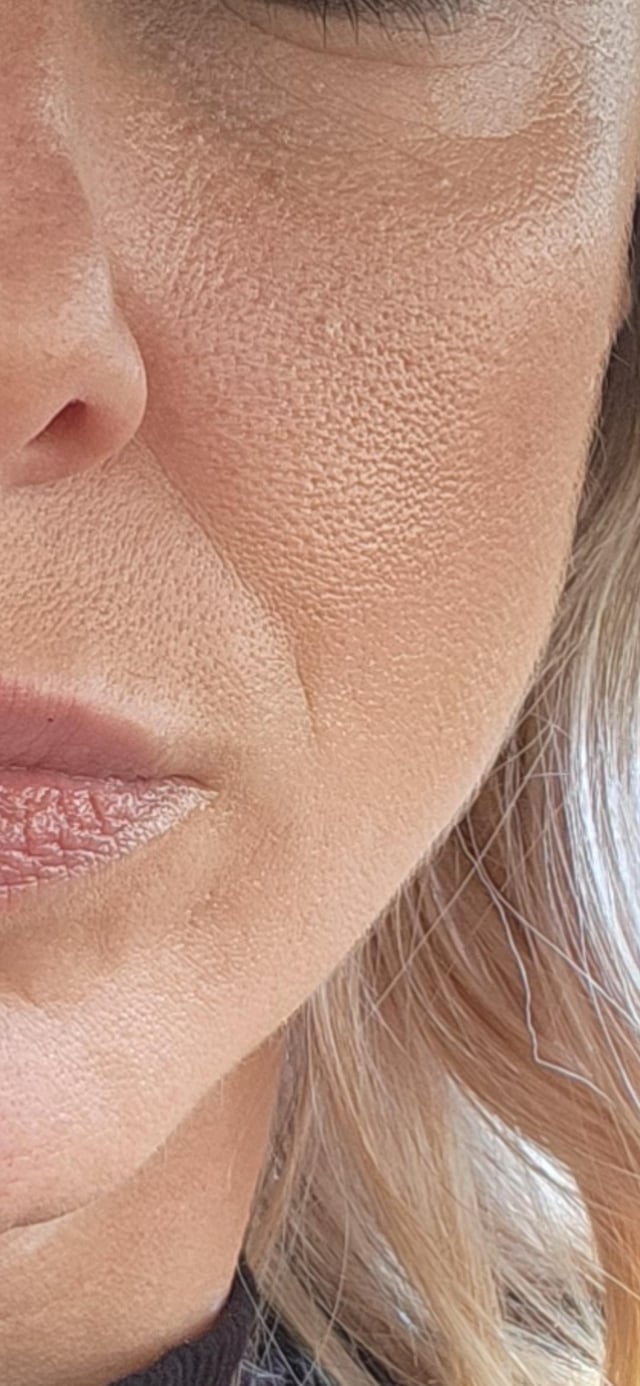
Around 45–55, many women notice sudden dryness, itching, thinning skin, or adult acne. This isn’t vanity — it’s physiology. Estrogen helps maintain collagen, oil production, and skin barrier strength. After menopause, women lose about 30% of their skin collagen in the first five years, according to the American Academy of Dermatology. This can create sensitivity, rashes, slow-healing wounds, or infections — real medical issues, not cosmetic flaws. Moisturizers help, but deeper solutions include protein intake, retinoids, ceramides, SPF, and optimizing vitamin D. For severe cases, dermatologists can test for autoimmune disorders, which peak in midlife women. Your skin isn’t “aging wrong.” It’s adapting to a new internal climate. And it deserves medical attention, not shame. #Health #WomensHealth #SkinHealth

When Midlife Skin Changes Aren’t Just Cosmetic
Lucas Mendez

The Sleep Crash That Hits Women After 45

Many women in midlife experience a sudden collapse of sleep quality — waking sweaty, wired, or exhausted. But it’s not “just hormones.” Research shows that women are 40% more likely than men to develop insomnia, and perimenopause doubles the risk because estrogen, progesterone, and cortisol all affect circadian rhythms. What feels like anxiety at 2 a.m. is often hormonal misfiring, glucose dips, or overheating. Lifestyle support includes protein-rich dinners, limiting alcohol, magnesium glycinate, afternoon sun exposure, and cooling sleep environments. But persistent insomnia deserves medical evaluation — especially since sleep disorders elevate heart disease risk by 56% in midlife women. Your sleepless nights aren’t weakness — they’re physiology calling for support. #Health #WomensHealth #SleepHealth

The Sleep Crash That Hits Women After 45
Lucas Mendez

Why Midlife Women Suddenly React to Foods They Ate for Years

It feels unfair — foods you tolerated your whole life suddenly cause bloating, cramps, or nausea. But there’s a physiological reason: declining estrogen affects gut motility and microbiome diversity. Studies show that women in perimenopause experience a 30–40% reduction in certain beneficial gut bacteria, altering digestion. This can lead to temporary intolerance to dairy, high-fat foods, or even caffeine. The goal isn’t to cut everything out forever — it’s to stabilize the gut environment. Small adjustments like probiotics, fiber, warm meals, and slow eating help digestion recalibrate. If symptoms persist, testing for SIBO or celiac disease is worth considering — both peak in midlife women. Your body isn’t betraying you — it’s recalibrating. #Health #WomensHealth #GutHealth

Why Midlife Women Suddenly React to Foods They Ate for Years
Lucas Mendez

The Bone Shift That Sneaks Up on Women

Around midlife, many women notice aches in their hips, knees, or spine. Often dismissed as “normal aging,” these pains are frequently early signs of bone density loss. Research shows that up to 50% of women over 50 have osteopenia or osteoporosis, and nearly 80% of fractures in this age group occur in women. Bone health is not just calcium — estrogen helps bones retain density. As estrogen declines, bone resorption accelerates. The result: subtle posture changes, slower recovery from minor injuries, and an increased fracture risk. Practical interventions: resistance training, weight-bearing exercise, ensuring vitamin D and calcium intake, and regular bone density scans. Even small adjustments can dramatically reduce risk. Your joints and bones are signaling that care is due. Listening early can prevent years of pain. #Health#WomensHealth #BoneHealth

The Bone Shift That Sneaks Up on Women
Lucas Mendez

The Midlife Immune Shift You Never Saw Coming

Women in their 40s and 50s often report catching colds more easily or taking longer to recover. This is not simply stress or bad luck. Studies reveal that immune response efficiency declines by 2–3% annually starting in the 40s, and perimenopausal hormonal fluctuations exacerbate inflammation. This subtle immune shift makes infections feel worse, sleep interruptions more pronounced, and chronic inflammation more likely. Yet most women are told it’s “just life” or stress-related. Supportive measures include vitamin D optimization, moderate exercise, balanced sleep, and anti-inflammatory diets. Even routine check-ins with a doctor can identify underlying deficiencies that amplify immune vulnerability. Your susceptibility is real, not imagined. Awareness empowers prevention. #Health#WomensHealth #ImmuneHealth

The Midlife Immune Shift You Never Saw Coming