Tag Page blackhistory

#blackhistory
LataraSpeaksTruth

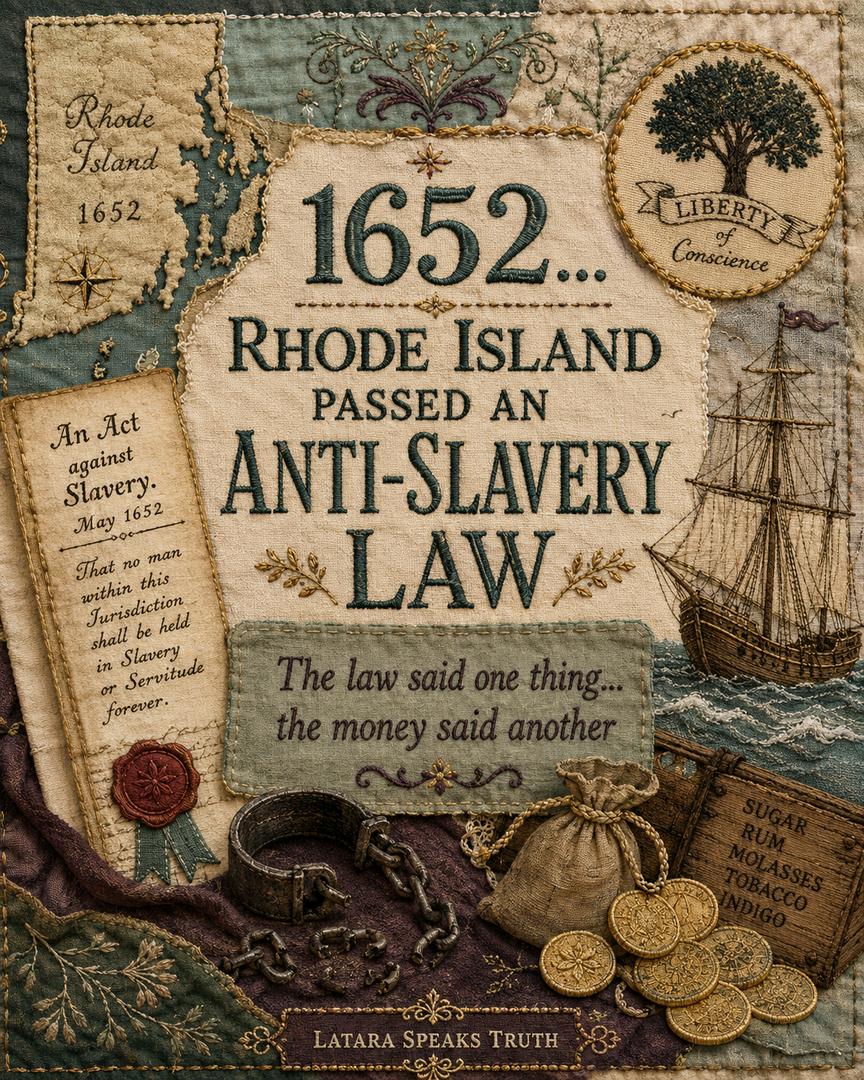
1652… Rhode Island Passed an Early Anti-Slavery Law, But Money Told a Different Story On May 18, 1652, Rhode Island passed what is often considered the first anti-slavery statute in the English American colonies. On paper, it sounded like a major step. The law said that Black and white servants could not be forced to serve for life. It limited servitude to ten years, or until age 24 for those brought in as children. After that, they were supposed to be free, similar to English indentured servants. But here is where history gets uncomfortable. The law existed, but enforcement did not follow with the same energy. That matters. Because when a law says one thing, but money says another, people usually find out which one had the real power. Rhode Island would later become deeply tied to slavery and the Atlantic slave trade, especially through ports like Newport. Ships, merchants, rum, labor, and profit became part of the colony’s economy. So while the 1652 law is remembered as an early anti-slavery statute, the reality after it shows how easily morality could be pushed aside when wealth was involved. That is the contradiction. Rhode Island could claim an early law against lifetime bondage while still becoming one of the colonies most connected to the business of human captivity. This is why history cannot be read from laws alone. A law can sound righteous. A law can look progressive. A law can be quoted later as proof that someone “tried.” But if nobody enforces it, and if the economy keeps rewarding the opposite behavior, then the law becomes more like decoration than protection. The painful truth is this: America’s early history is full of moments where the language of freedom was present, but the practice of freedom was selective. And Rhode Island’s 1652 law is one of those moments. The paper said one thing. The profit said another. #AmericanHistory #BlackHistory #RhodeIslandHistory #HiddenHistory #HistoryMatters

LataraSpeaksTruth

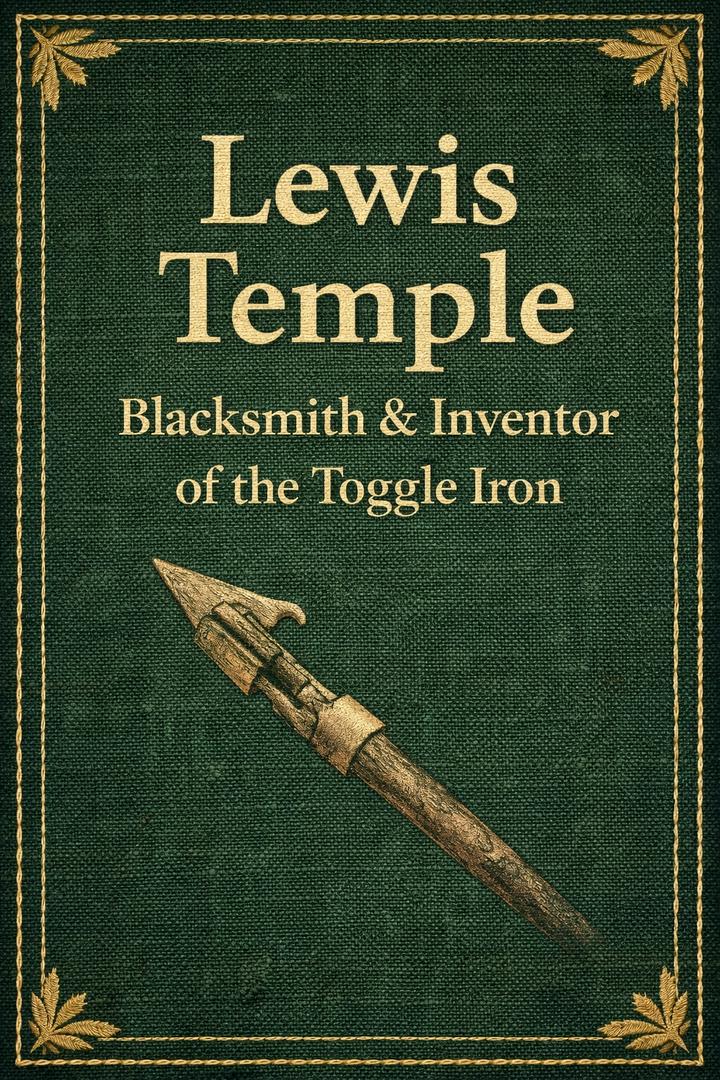
Lewis Temple’s story is not just about invention. It is about how skill, observation, and lived experience can shape an industry, even when the person behind the breakthrough does not receive the full credit he deserves. Born around 1800 in Richmond, Virginia, Lewis Temple later built his life in New Bedford, Massachusetts, where he worked as a blacksmith. By the 1830s, he had established himself along the waterfront, making iron tools and fittings used in the whaling trade. In a city tied closely to the sea, Temple understood the demands of the work and the problems whalers faced. He became best known for improving the whaling harpoon with a design called the toggle iron. Unlike earlier harpoons, Temple’s version was far more effective at staying lodged after striking a whale. That improvement made voyages more successful and more profitable at a time when whaling was a major part of the American economy. But Lewis Temple was more than a man who made a better tool. He was a Black craftsman and inventor whose work reflected precision, intelligence, and practical engineering. He studied the problem, understood the labor, and created a solution with lasting impact. Innovation like that does not happen by accident. It comes from deep knowledge and skill. Temple never patented his invention, so others copied the design and benefited from it financially. Even so, his name remains tied to one of the most important technological improvements in the history of whaling. Lewis Temple deserves to be remembered not as a footnote, but as part of a larger truth. Black history is not only a story of endurance. It is also a story of innovation, engineering, and vision. Black minds helped improve this country and move it forward. That is not a side note in history. That is history. #LewisTemple #BlackHistory #AmericanHistory #HiddenHistory #BlackInventors #Innovation #NewBedford #UntoldStories #HistoricalTruth

Jammie

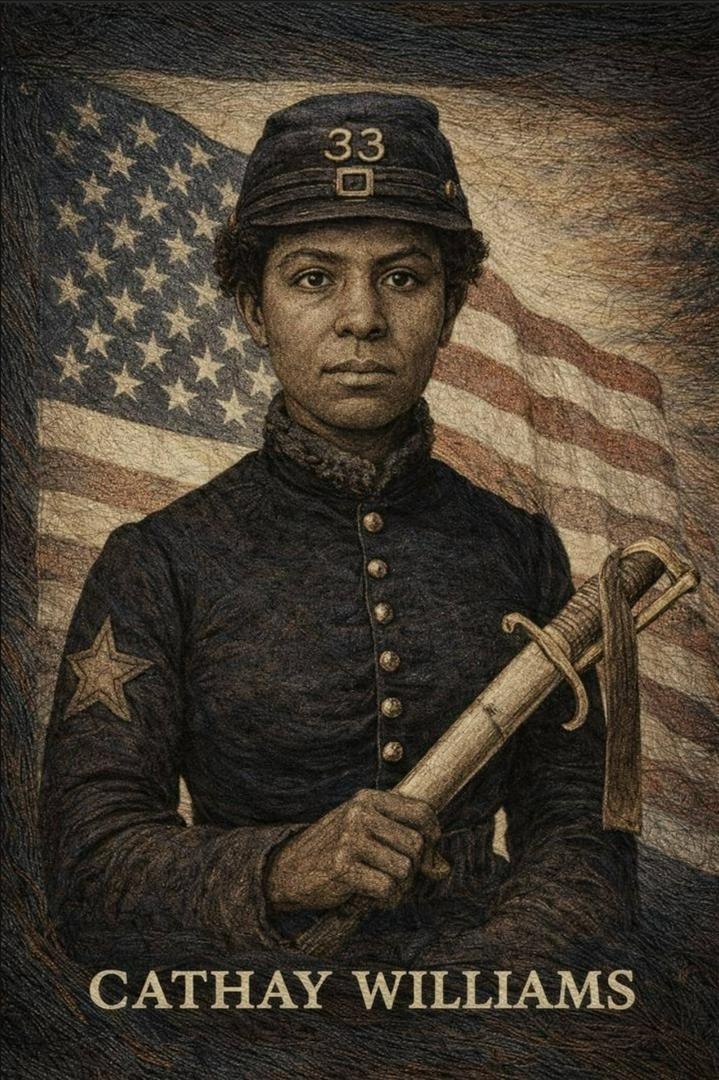
Cathav Williams was born in September 1844 in Independence, Missouri, to an enslaved mother and a free father. Because her mother was enslaved, Cathay was also born into slavery. As a young woman, she was forced into labor for Union troops during the Civil War, working as a cook and washerwoman and traveling with the army through parts of the South. That experience prought her close to military life long before she officially entered it After the war, Williams chose a path few women of her time could even imagine. On November 15. 1866, she enlisted in the United States Army in St. Louis under the name William Cathay. Since women were barred from military service, disguising herself as a man was the only way she could join. She served in Company A of the 38th U.S Infantry, one of the African Americanregiments created after the Civil War and ater tied to the legacy of the Buffalo Soldiers. For nearly two years, she performed the duties expected of any soldier. Her secret remained hidden unti repeated illness and hospital visits led army doctors to discover she was a woman. She was discharged on October 14, 1868 Years later, Williams applied for a military disabilitv pension, describing her service and failing health, but her claim was denied Much of her later life remains unclear, but her place in history does not. Today, Cathay Williams is remembered as the only documented woman known to have served as a Buffalo Soldier and one of the most remarkable women in American military history. #OurHistory #CathayWilliams #BuffaloSoldiers #MilitaryHistory #BlackHistory #WomensHistory

LataraSpeaksTruth

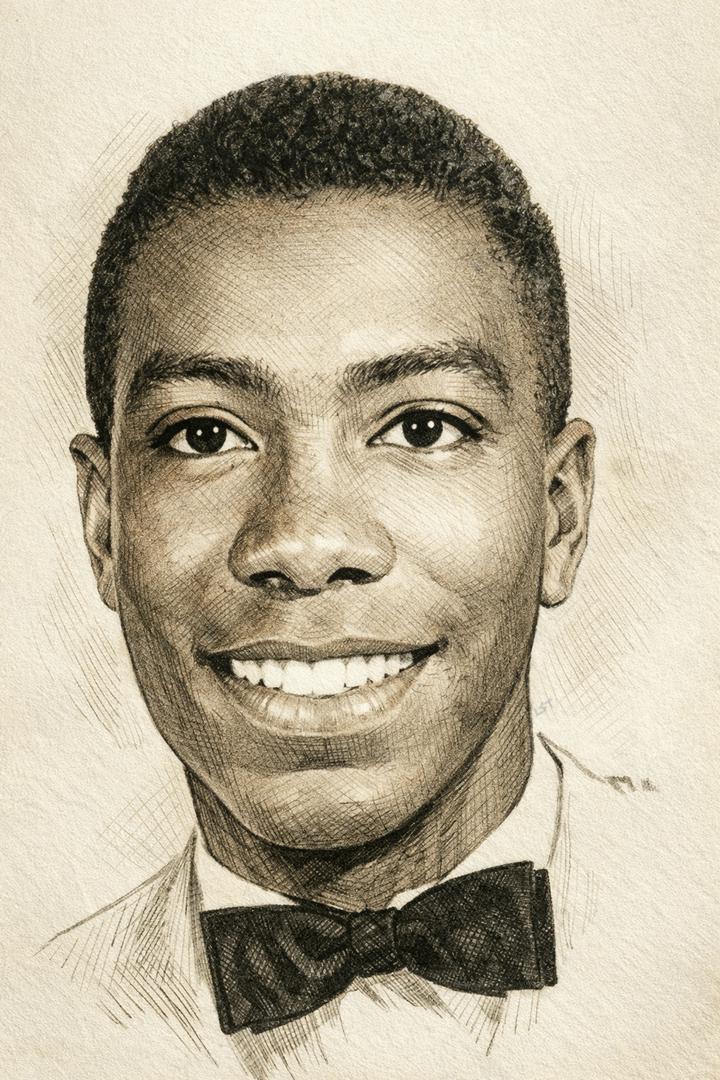
Some names get remembered because they were loud. Coach Carlyle Whitelow should be remembered because he stayed steady. Born Sept. 6, 1932, Whitelow grew up around Bridgewater College. His parents worked in campus dining, and as a kid he spent time on those grounds while they worked. In 1955, he enrolled at Bridgewater and became the first Black student to complete four years of study there. He was also the first Black student-athlete to compete in intercollegiate athletics at the college, and is recognized as the first Black athlete in Virginia to compete at a predominantly white college. That took more than talent. That took nerve, dignity, and a backbone that did not bend. After earning his physical education degree in 1959, he taught in public schools, including in Staunton, then returned to Bridgewater in 1969 as the college’s first Black faculty member. For 28 years, he coached and taught, including football, basketball, and tennis. In 1979, he was named ODAC men’s tennis coach of the year. He coached Bridgewater’s first ODAC men’s tennis player of the year and helped guide the program’s first NCAA men’s tennis tournament participant. Bridgewater inducted him into its Athletics Hall of Fame in 2001. People who knew him did not just talk about wins. They talked about character. The kind of coach who showed up, stayed consistent, and made you better without needing credit for it. Whitelow passed away Oct. 15, 2021. In 2025, he was inducted into the inaugural ODAC Hall of Fame, a fitting honor for a man who opened doors others could walk through. Thank you to my follower and friend I.R. Bama for putting his name on my radar. This legacy deserves more light. #BridgewaterCollege #ODAC #CollegeSports #Tennis #Coaching #SportsHistory #VirginiaHistory #BlackHistory #HiddenFigures #Legacy #HallOfFame

LataraSpeaksTruth

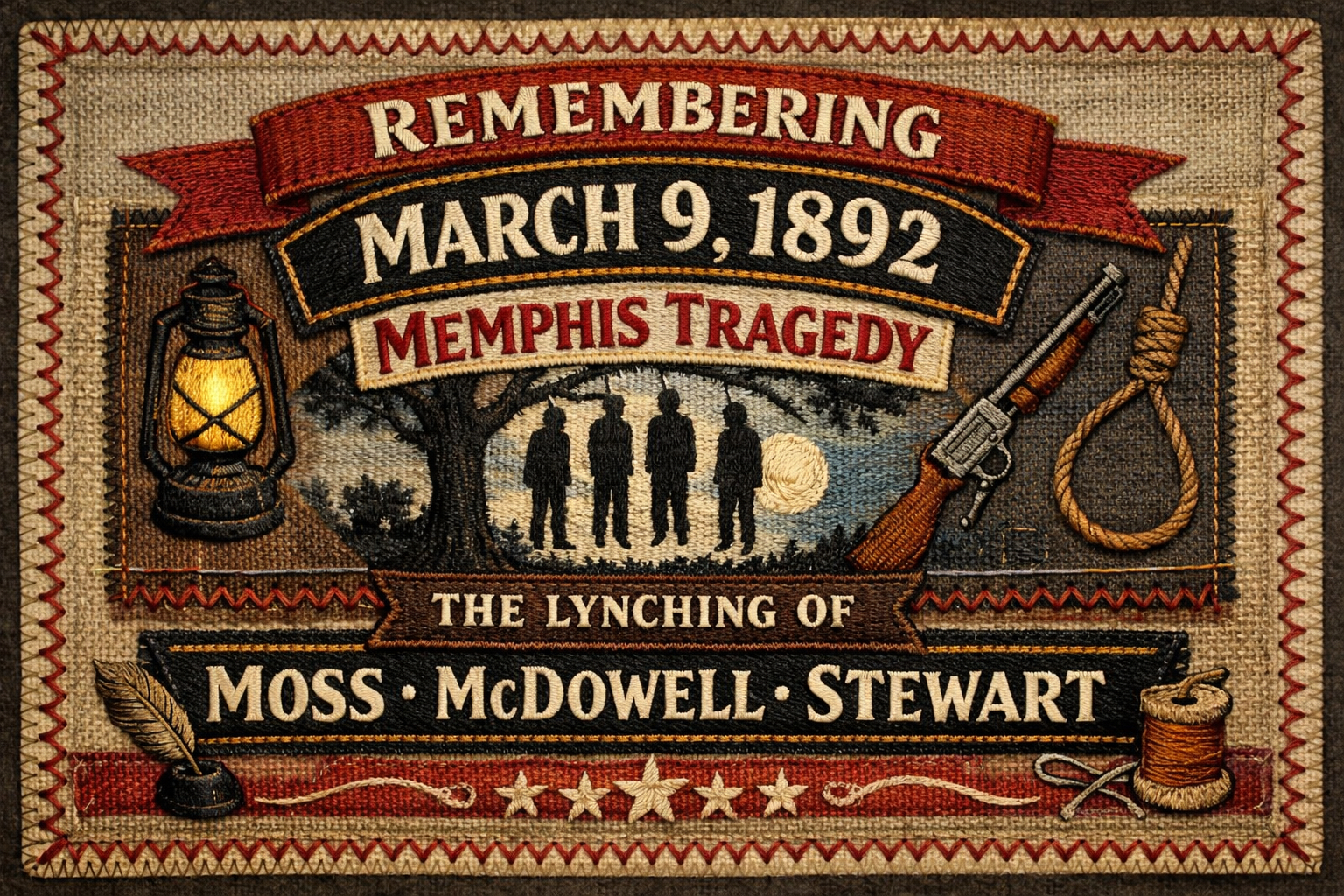
On March 9, 1892, Thomas Moss, Calvin McDowell, and Will Stewart were taken from a Memphis jail by a white mob and lynched. They were not criminals brought to justice. They were Black businessmen connected to the People’s Grocery, a successful Black owned store that had become a source of pride in the community and a threat to white resentment. Their murders were not random. They happened in a climate where Black progress itself could be treated as a target. Thomas Moss was more than a grocer. He was a respected postman, a family man, and a friend of Ida B. Wells. Moss, McDowell, and Stewart had built something meaningful in a world that often punished Black success for daring to exist. After a racial conflict near the store and rising white hostility, the three men were jailed. Then the law gave way to mob violence. In the dark of night, they were dragged out and killed without trial, without mercy, and without consequence for the people who did it. This was one of the moments that lit a deeper fire in Ida B. Wells. She had already begun speaking out, but the murder of these men made the truth even harder to ignore. She understood what many refused to say plainly. Lynching was not about justice. It was about power, terror, and control. It was a weapon used to crush dignity, silence progress, and remind Black people that even success could make them a target. The killing of Moss, McDowell, and Stewart remains one of the clearest examples of how racial violence was used to destroy not only lives, but community strength, economic independence, and hope. Their story still matters because it forces this country to face what was done when Black people tried to build for themselves. #OnThisDay #BlackHistory #IdaBWells #ThomasMoss #CalvinMcDowell #WillStewart #MemphisHistory #PeoplesGrocery #AmericanHistory #HiddenHistory

LataraSpeaksTruth

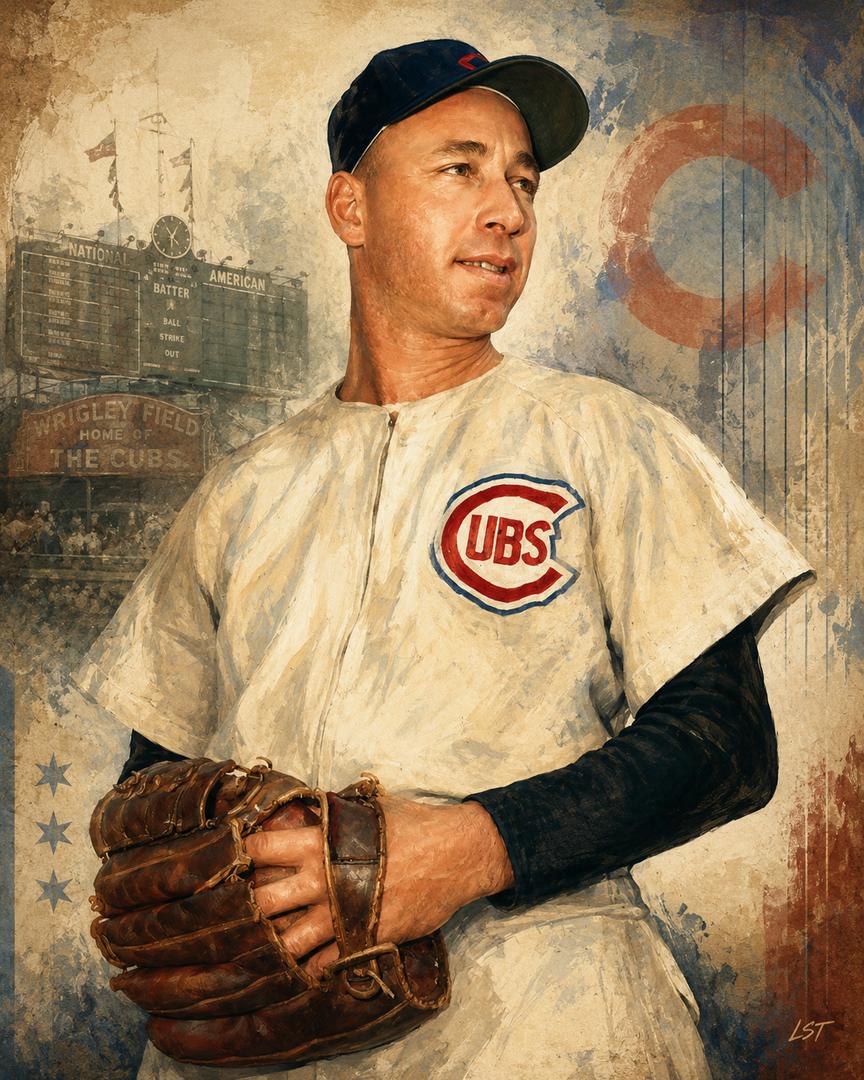
May 12, 1955… Sam “Toothpick” Jones made baseball history at Wrigley Field. Pitching for the Chicago Cubs against the Pittsburgh Pirates, Jones became the first Black pitcher in Major League Baseball history to throw a no-hitter. The Cubs won 4 to 0, but the ending is what made the moment feel like something written for a movie. Jones was talented, powerful, and unpredictable. He had the kind of arm that could embarrass hitters, but his control could make a whole stadium hold its breath. By the ninth inning, history was sitting right there in front of him, but it almost slipped away. He walked the first three batters of the inning. Bases loaded. No outs. A no-hitter on the line. That is the kind of pressure that can swallow a pitcher whole. One clean hit would have erased the moment. One mistake could have turned history into heartbreak. But Jones did not fold. Instead, he struck out Dick Groat. Then he struck out rookie Roberto Clemente. Then he struck out Frank Thomas to end the game. Bases loaded… no outs… three straight strikeouts. That was not just a no-hitter. That was nerve, power, and history meeting on the mound at the same time. Jones’ nickname came from the toothpick he was known for chewing, but there was nothing small about what he did that day. His no-hitter broke a barrier in a sport that had only integrated less than a decade earlier. It showed that Black pitchers belonged not just in the league, but in the record books. Sam Jones went on to become a two-time All-Star and one of the great Black pitchers of his era, but May 12, 1955 remains his signature moment. He did not just finish the game. He finished it with the bases loaded, the crowd watching, and history waiting. #BlackHistory #BaseballHistory #MLBHistory #ChicagoCubs #SamJones

LataraSpeaksTruth

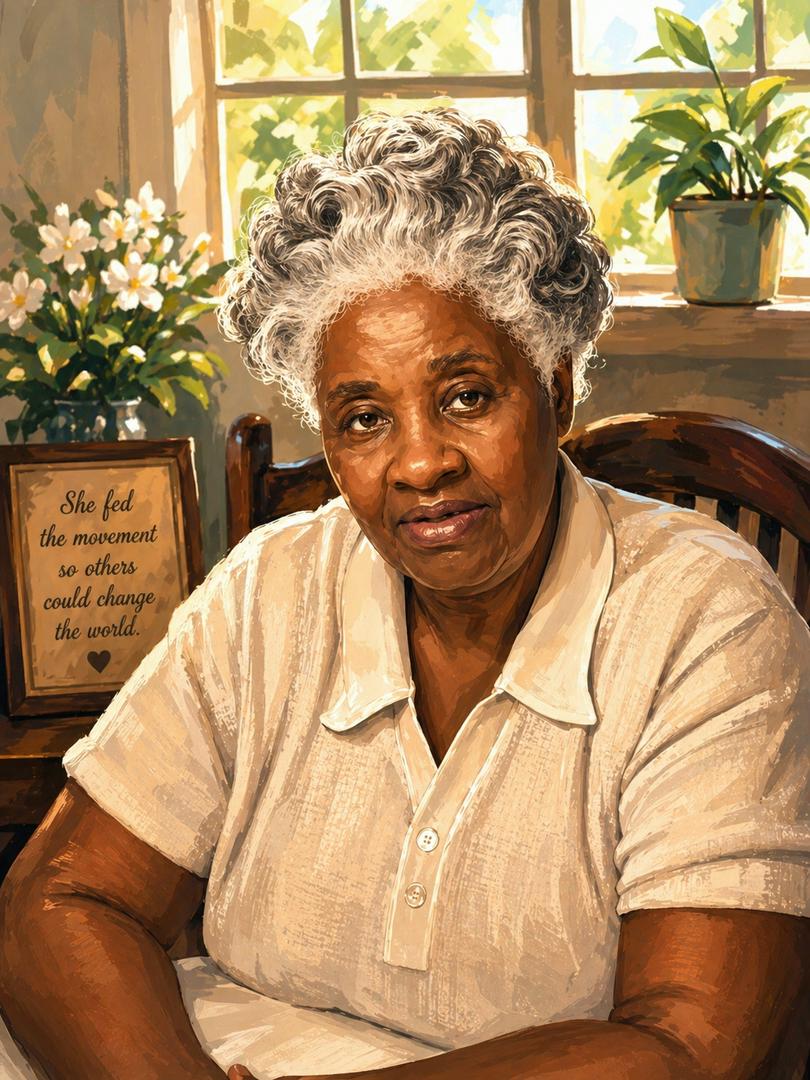
Georgia Gilmore did not lead the Montgomery Bus Boycott from a pulpit, courtroom, or political office. She helped keep it alive from a kitchen. Born in Montgomery County, Alabama, in 1920, Gilmore worked as a cook, midwife, and domestic worker. By the time the boycott began in 1955, she already knew the pain of segregation on city buses. She later testified about being forced to get off a bus and re-enter through the back, only for the driver to pull away before she could get back on. After Rosa Parks was arrested on December 1, 1955, Montgomery’s Black community organized a boycott of the bus system. The boycott lasted more than a year, and people still had to get to work, school, church, and daily responsibilities. That meant carpools, gas money, repairs, and steady organizing. Gilmore answered with food. She created a secret fundraising group called the Club from Nowhere. The name protected the women who cooked, sold, and donated because some could lose their jobs if their names were known. They sold meals, cakes, pies, fried chicken, and sandwiches through churches, homes, beauty shops, and community spaces. The money helped support the Montgomery Improvement Association and the boycott’s transportation efforts. Gilmore later lost her job, but Dr. Martin Luther King Jr. encouraged her to keep cooking from home. Her kitchen became a gathering place where leaders, workers, and community members were fed. Georgia Gilmore’s legacy reminds us that movements are not only built by speeches. They are built by people who cook, drive, donate, organize, and carry the work quietly. She helped feed the movement one plate at a time. #GeorgiaGilmore #MontgomeryBusBoycott #BlackHistory #HiddenHistory #NewsBreak
LataraSpeaksTruth

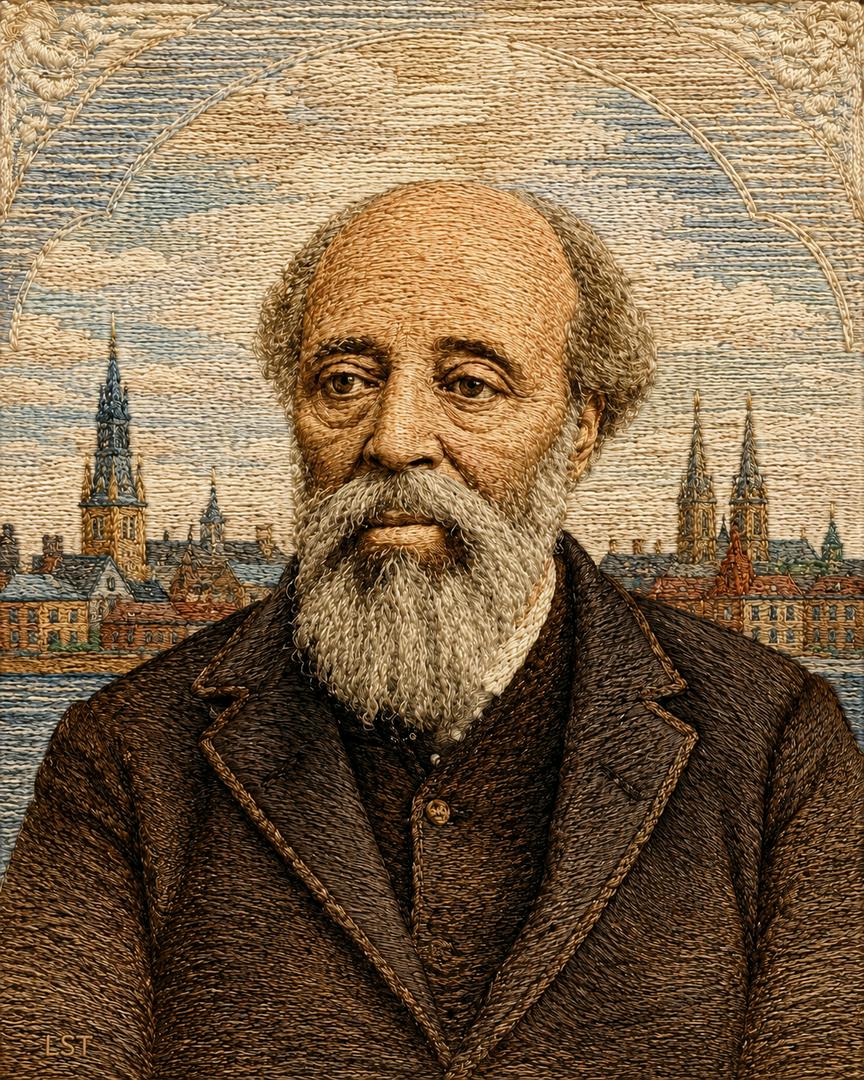
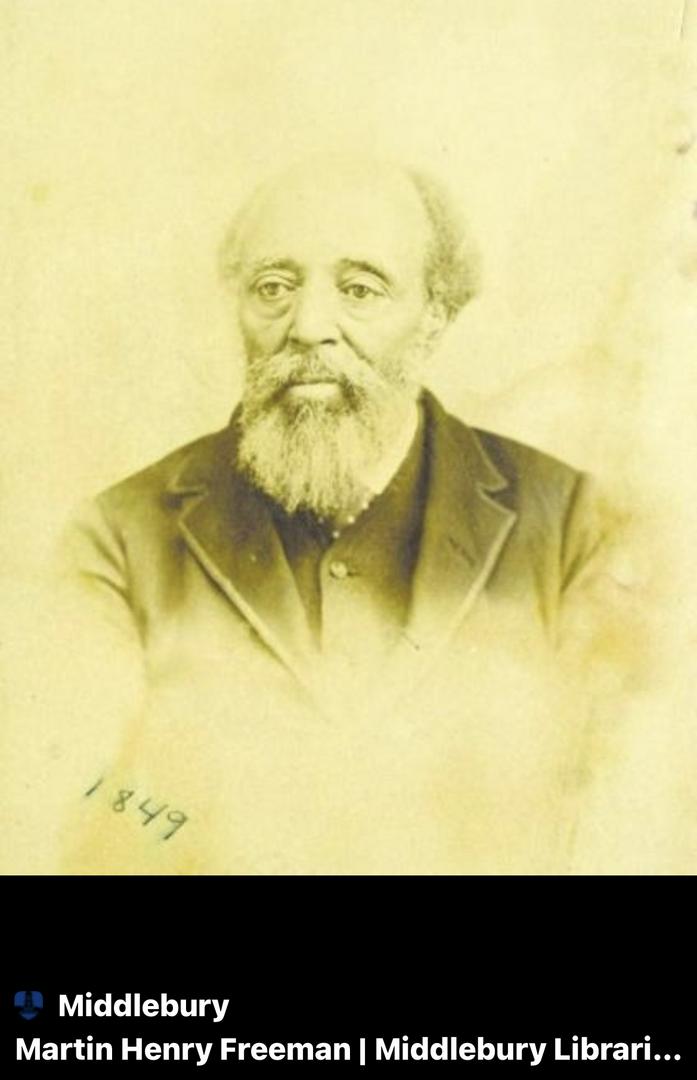
On May 11, 1826, Martin Henry Freeman was born in Rutland, Vermont. His name belongs in the history of American education, not as a footnote, but as a milestone. Freeman is remembered as the first African American college professor in U.S. history and the first African American to lead a college in the United States. At a time when slavery still existed and Black intellectual ability was constantly questioned, Freeman built a life around education, discipline, and achievement. He attended Middlebury College in Vermont and graduated in 1849. He was so accomplished that he delivered the salutatory address at commencement. After graduation, Freeman moved to Pittsburgh, Pennsylvania, where he became a professor at the Allegheny Institute, a school created to educate African American students. The institution later became Avery College. Freeman taught subjects including mathematics and science, proving through his work that Black scholarship could not be dismissed, ignored, or reduced. In 1856, Freeman became president of the school. That appointment made him one of the most important figures in the early history of Black higher education. Before many Black Americans even had legal access to basic education, Freeman was standing at the front of a college classroom and later leading an institution. His story also carries a complicated truth. Freeman lived in a country where even excellence could not protect Black people from racism. Like some other Black leaders of his era, he supported emigration to Liberia, believing it might offer greater opportunity and self-determination. In the 1860s, he moved to Liberia, where he continued teaching and later became connected to Liberia College. Martin Henry Freeman’s legacy is about more than titles. It is about Black intellectual authority during a time when society tried to deny it. He was not waiting for permission to be brilliant. He was already qualified. And history should remember that. #BlackHistory #history

LataraSpeaksTruth

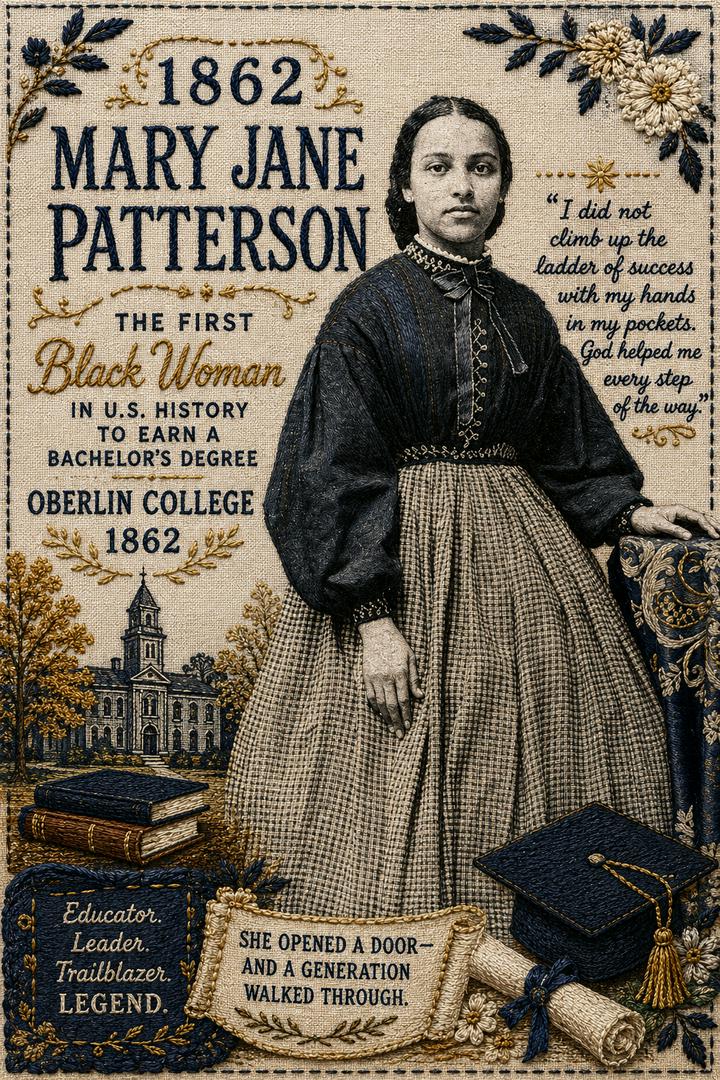
In 1862, Mary Jane Patterson made history when she graduated from Oberlin College, becoming the first Black woman in the United States widely recognized as earning a Bachelor of Arts degree. That achievement was powerful on its own, but the timing makes it even heavier. She graduated during the Civil War, while slavery was still legal in much of the country and most Black Americans were still fighting for freedom, safety, citizenship, and basic human recognition. Patterson did not take the easier path expected of women at the time. At Oberlin, she completed the rigorous classical course, often referred to as the “gentlemen’s course,” which included subjects such as Latin, Greek, and higher mathematics. She graduated with high honors. But Mary Jane Patterson was not just a “first.” She became an educator and leader who helped shape future generations. She taught at the Institute for Colored Youth in Philadelphia and later worked in Washington, D.C., at the Preparatory High School for Colored Youth, which became known as Dunbar High School. She eventually served as principal, helping raise the academic standards of one of the most important Black educational institutions of its era. Her story matters because she stepped into higher education when the country was still debating whether Black people should even be free. She pursued excellence in a world designed to deny her access. Mary Jane Patterson did not just earn a degree. She opened a door. And every Black woman who walked across a college stage after her carried part of that legacy forward. #MaryJanePatterson #BlackHistory #BlackWomenInHistory #OberlinCollege #EducationHistory #HiddenHistory

LataraSpeaksTruth

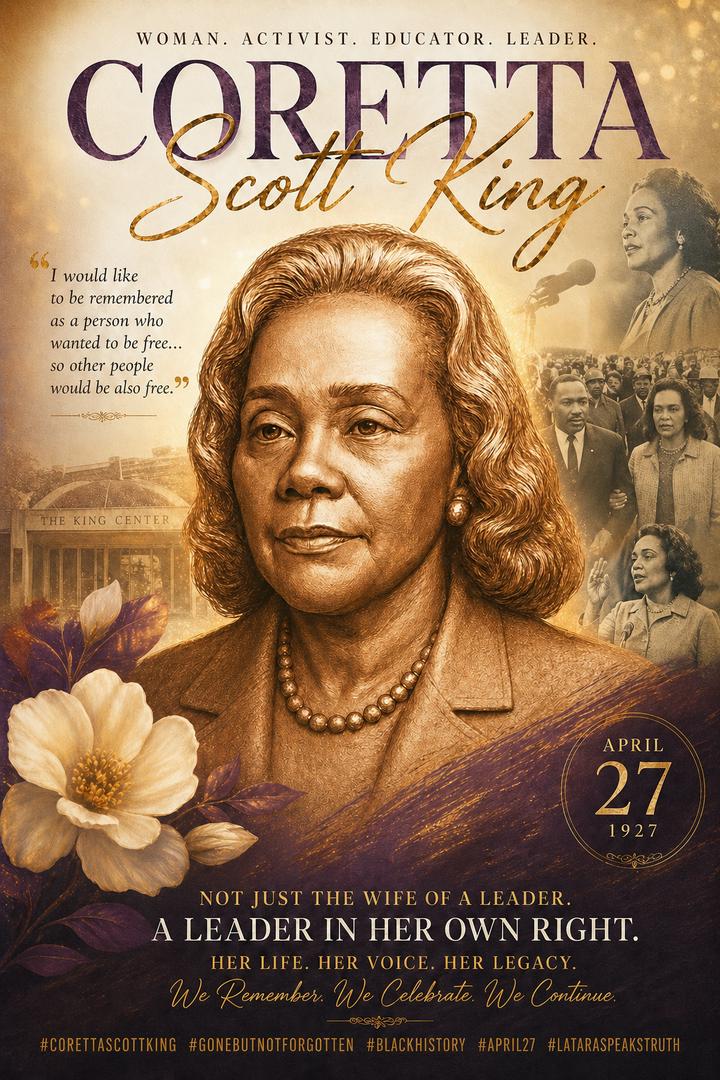
Coretta Scott King is remembered by many as the wife of Dr. Martin Luther King Jr., but that description is far too small for the life she lived. Born on April 27, 1927, in Heiberger, Alabama, Coretta Scott King built her own path through education, music, activism, and public service. She studied at Antioch College and later at the New England Conservatory of Music, where her voice was trained before it became part of a much larger calling. She was a woman of purpose long before history placed the King name beside hers. After Dr. King was assassinated in 1968, Coretta Scott King did not retreat from the work. She carried grief, motherhood, leadership, and public responsibility all at once. She founded The King Center in 1968 and spent years preserving his legacy while continuing to speak on peace, poverty, equality, and human rights. Coretta Scott King passed away on January 30, 2006, but her presence remains deeply woven into the history she helped protect. She was not just standing beside a leader. She was a leader. She was not just preserving a dream. She was helping carry it through some of the hardest years after the cameras moved on. On her birthday, we remember Coretta Scott King with honor. Gone, but not forgotten. And still deserving every flower. #CorettaScottKing #GoneButNotForgotten #BlackHistory #WomenInHistory #LataraSpeaksTruth