Tag Page help

#help
LLama Loo

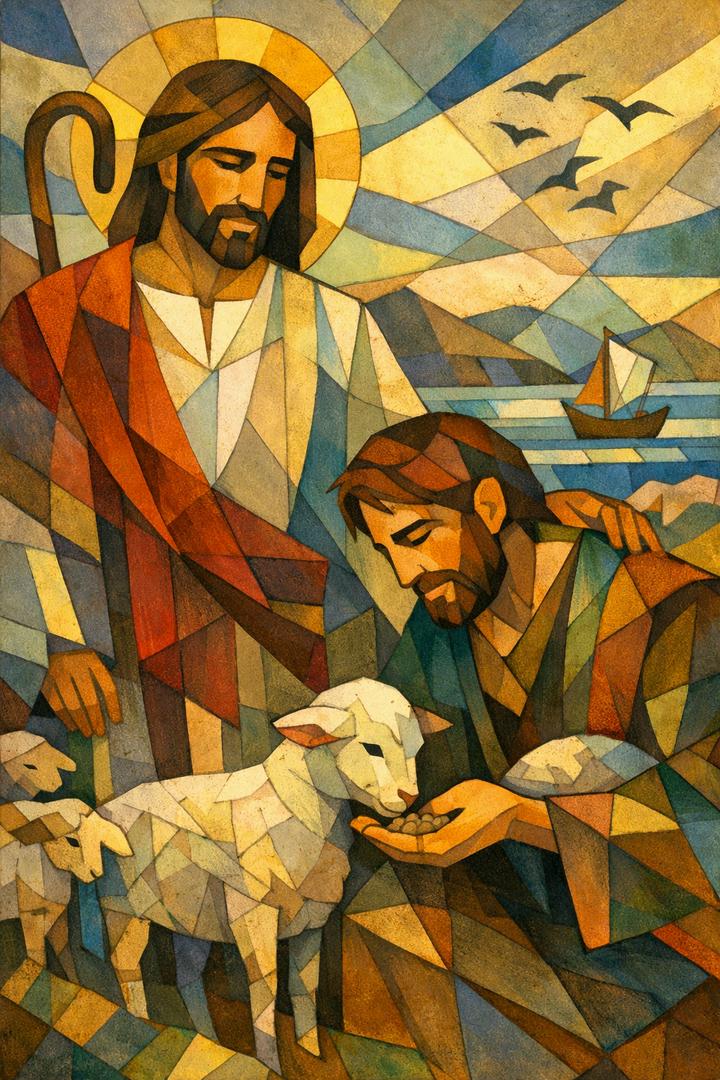
🕊️ How to Pray When You Don’t Have the Words One of the most freeing truths about prayer is this: God already knows your heart — and He is patient with your process. Prayer was never meant to be a performance, a script, or a carefully worded speech. God is omniscient. He knows what you carry before you ever speak it. And still, He invites you to come to Him — not because He needs information, but because relationship requires presence. He wants to hear you speak to Him. Even if it’s just a whisper. Even if it’s broken. Even if it’s silence. There is no wrong way to pray as long as you are earnest. You don’t need special language. You don’t need polished words. You don’t need to sound spiritual. Just talk to Him the way you would talk to a trusted friend or a loved one — because that is exactly what He is. Don’t worry about getting the words right. There is no script to follow. Just talk. Just ask. Just thank. Just praise. And then — be still. ⸻ Prayer Is Offered Through Jesus All prayer is offered in Jesus’ name, because Jesus Christ is the mediator between God and humanity. We do not approach God by our eloquence, our posture, or our worthiness. We approach Him through Christ alone. In moments when words completely fail, the Holy Spirit meets us there — translating the feelings of our hearts, the ache we can’t articulate, and the prayers we don’t know how to form. Prayer is a vulnerable space, and God does not leave us exposed in it. The Spirit intercedes, protects, and carries what we cannot. ⸻ Humility at the Heart of Prayer Prayer begins with humility. We worship God because He is good. We do not worship Him to control outcomes. We do not demand. We do not bargain. It is right to ask God to meet our needs — He invites us to do so. But we must remember: God is our loving Father, not a lucky rabbit’s foot. ✝️ CONTINUED IN COMMENTS ⬇️⬇️⬇️ #Bible #God #Jesus #BibleStudy #Help #Praying #Love #Forgiveness #Salvation

LLama Loo

The Mystery of Iniquity Why Do Bad Things Happen? One of the oldest and most painful questions humanity asks is simple: Why do bad things happen? If God is good, loving, and powerful, why does suffering exist? Why do injustice, tragedy, and cruelty seem to fill the world around us? The Bible addresses this question with a phrase that carries tremendous weight. The Apostle Paul wrote: “For the mystery of iniquity doth already work.” — 2 Thessalonians 2:7 Evil in our world is not merely random chaos. Scripture reveals that it is part of a deeper spiritual conflict that began long before human history as we know it. Rebellion first entered creation through the fall of Satan and the angels who followed him. Passages such as Isaiah 14, Ezekiel 28, and Revelation 12 describe this cosmic rebellion against God. From that moment forward, corruption began working against God’s creation. But humanity was not created as mindless beings. God gave mankind something extraordinary: free will. Love, faith, and obedience only have meaning when they are chosen. When Adam and Eve were placed in the Garden of Eden, they were given a command and the freedom to obey or disobey. Their decision to rebel allowed the influence of sin to enter the human world. Romans 5:12 explains it clearly: “Through one man sin entered the world, and death through sin.” The rebellion that began in the spiritual realm now had an open door in the human one. That is why our world contains both breathtaking beauty and heartbreaking darkness. Yet there is another layer to this reality. For human beings to truly choose righteousness, we must be able to recognize the difference between good and evil. If humanity had never encountered darkness, choosing the light would carry little meaning. God repeatedly presents humanity with a clear choice. ✝️ Continued in Comments ⬇️⬇️⬇️ #Why #God #Jesus #Help #WhyDoBadThingsHappen #InformedConsent

LLama Loo

✨ Prophecy Fulfilled: The Life of Yeshua (Jesus) The Road to Emmaus It was still the first day of the week. Jerusalem buzzed with rumors. The tomb was empty. The women had spoken of angels. Peter had run. John had seen. But not everyone understood. Two disciples were leaving the city, walking the road to a village called Emmaus — about seven miles from Jerusalem (Luke 24:13). They were not celebrating. They were grieving. They spoke quietly about everything that had happened. About the arrest. About the trial. About the cross. About the silence. Their hope had been shattered. “But we were hoping that it was He who was going to redeem Israel…” (Luke 24:21) That word — were — carries the weight of heartbreak. And then a stranger began walking with them. He asked what troubled them. They were stunned. “Are You the only stranger in Jerusalem who does not know the things which happened there in these days?” (Luke 24:18) And the stranger asked, “What things?” ⸻ Why Didn’t They Recognize Him? Scripture says plainly: “But their eyes were restrained, so that they did not know Him.” (Luke 24:16) This was not failure of eyesight. It was not carelessness. It was not dullness. It was divine restraint. The resurrected body of Yeshua was physical — He would later eat fish (Luke 24:42–43). He would invite Thomas to touch His wounds (John 20:27). He bore continuity with His earthly body. But He was also transformed — glorified, no longer bound by the same physical limitations. He appeared in locked rooms (John 20:19). He vanished from sight (Luke 24:31). This was not an illusion. It was not a ghost. It was not symbolism. It was resurrection. And in this moment, recognition was not yet permitted. Why? Because revelation was about to come through Scripture. ⸻ The Burning of the Heart As they walked, Yeshua gently corrected their despair. ✝️ CONTINUED IN COMMENTS ⬇️⬇️⬇️ #Jesus #Bible #Resurrection #HeLives #God #Love #Help

Zack D. Films

A brutal snowstorm swept across Istanbul, leaving the streets frozen and empty—except for the stray dogs, trembling, hungry, and fighting to survive. But inside the Atrium Mall, something extraordinary happened. Volunteers spread blankets on the floor, placed bowls of food and water, and opened the doors to the strays. For one night, the dogs who had only known cold and fear were wrapped in warmth, fed, and held with love. Photos of the dogs curled up in blankets and resting in volunteers’ arms spread quickly online. What began as one act of kindness soon grew into a movement—neighbors donated supplies, vets offered care, and families stepped up to foster. That night, the dogs weren’t just surviving. They were seen, valued, and loved.🥹❤️🙏 #animals #love #freedom #kindnessmatters #wildanimals #humanity #help #kindness #storytelling #doglover #dog #doglife #storytime #story #DogLifeDaily

LLama Loo

✨ Prophecy Fulfilled: The Life of Yeshua (Jesus) “Mary.” Peter and John had left. The linen wrappings remained. The tomb stood open. The morning air still carried confusion and awe. But Mary Magdalene stayed. John tells us simply: “But Mary stood weeping outside the tomb.” (John 20:11) She had seen the cross. She had watched Him die. She had come before sunrise to honor a body. Now even the body was gone. Through tears she stooped to look into the tomb, and she saw two angels in white, sitting where the body of Yeshua had lain — one at the head, one at the feet (John 20:12). They asked her gently: “Woman, why are you weeping?” (John 20:13) Her answer was heartbreak itself: “They have taken away my Lord, and I do not know where they have laid Him.” She turned. And saw Him. But she did not know it was Him. Resurrection stood before her, and grief blinded her eyes. Yeshua asked: “Woman, why are you weeping? Whom are you seeking?” (John 20:15) Supposing Him to be the gardener, she pleaded for the body. Then He spoke one word. “Mary.” (John 20:16) Not a sermon. Not a proclamation. Her name. And in that instant, recognition shattered grief. “Rabboni!” — Teacher. The first person to see the risen Messiah was not a ruler. Not a priest. Not a Roman official. It was a woman once delivered from seven demons (Luke 8:2). A woman who stayed when others fled. A woman who wept when others went home. Resurrection was revealed to the faithful. Yeshua told her: “Do not cling to Me, for I have not yet ascended to the Father. But go to My brothers and say to them…” (John 20:17) Mary became the first witness. The first evangelist of the resurrection. She went and announced: “I have seen the Lord.” (John 20:18) ⸻ This moment changes everything. The resurrection is not merely an empty tomb. It is a personal call. He speaks names. ✝️ Continued in Comments ⬇️⬇️⬇️ #Jesus #Resurrection #Bible #Salvation #Help #Love #Atheism #Gnosticism

LLama Loo

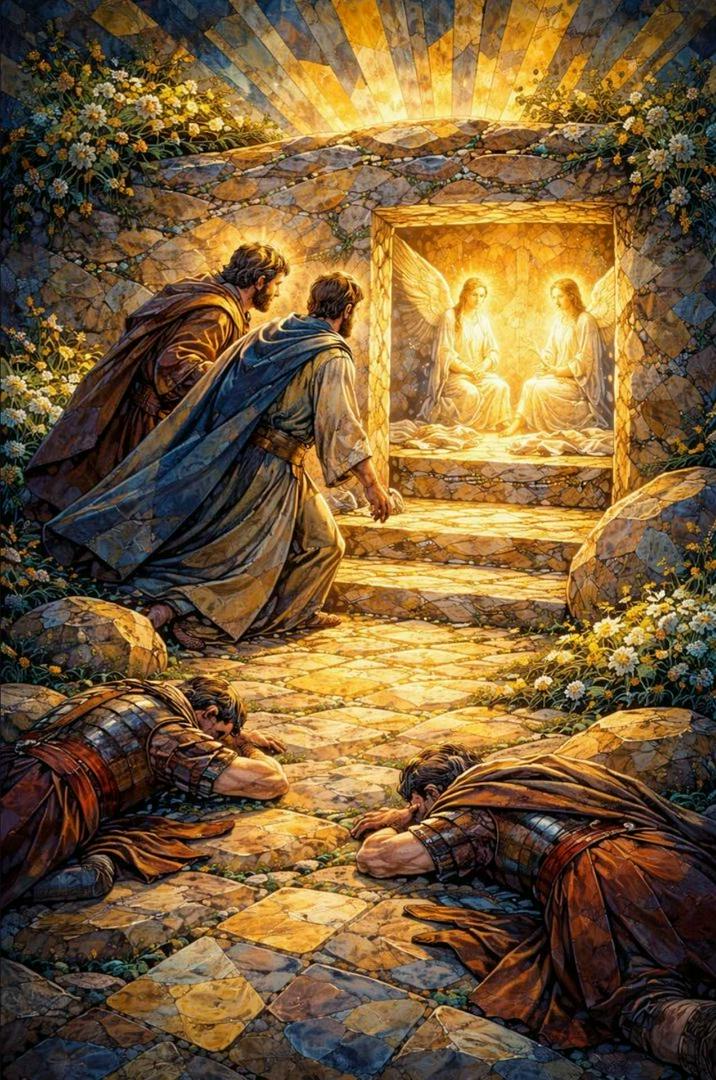
✨ Prophecy Fulfilled: The Life of Yeshua (Jesus) “Do Not Be Afraid” The earth had already shaken. The stone had already moved. But the world did not yet know. “After the Sabbath, toward the dawn of the first day of the week…” (Matthew 28:1), the women came—Mary Magdalene, the other Mary, and those who had loved Him enough to stay near the cross. They came carrying spices. They came expecting death. Instead, they found an empty tomb. Matthew tells us an angel of the Lord descended, his appearance “like lightning, and his clothing white as snow” (Matthew 28:3). The Roman guards trembled and fell like dead men. But the angel did not speak first to soldiers. He spoke to the women. “Do not be afraid, for I know that you seek Jesus who was crucified. He is not here, for He has risen, as He said.” (Matthew 28:5–6) Do not be afraid. The first command of Resurrection morning was not triumph. It was calm. The women entered and saw that the body was gone. Luke records their confusion—“they were perplexed about this” (Luke 24:4). Two men in dazzling apparel reminded them of His words: “Why do you seek the living among the dead? He is not here, but has risen.” (Luke 24:5–6) And suddenly, they remembered. Everything He had told them. Every promise about the third day. Matthew says they departed the tomb “with fear and great joy” (Matthew 28:8). Not polished faith. Not composed theology. But trembling joy. They ran. ⸻ The Race Mary Magdalene ran to Simon Peter and the disciple whom Yeshua loved. “They have taken the Lord out of the tomb, and we do not know where they have laid Him!” (John 20:2) Even in resurrection, there was still uncertainty. Peter and John did not pause to debate. They ran. John tells us, almost breathless in detail: “The two were running together, but the other disciple outran Peter and reached the tomb first.” (John 20:4) ✝️ Continued in Comments ⬇️⬇️⬇️ #Salvation #Jesus #Resurrection #Help #Truth #Bible #God #Love

LLama Loo

🛟 When People Would Rather Have a Problem Than a Solution A spiritual and psychological perspective We assume that everyone wants relief. We assume that when someone complains long enough, they must want an answer. We assume that if we offer a clear path forward, they’ll take it. And yet — many don’t. They reject solutions. They dismiss advice. They defend the very patterns that are hurting them. It leaves us baffled. So what is happening here? ⸻ What Psychology Says Psychology has long recognized that not everyone is motivated by solutions. Sometimes people are motivated by something else entirely. 1. Secondary Gain Some problems come with hidden rewards: • Sympathy • Attention • Financial support • Avoidance of responsibility • Control over others If solving the problem removes the “benefit,” the person unconsciously resists healing. 2. Learned Helplessness When someone has failed repeatedly or experienced trauma, they may stop believing change is possible. Even when help appears, they assume it won’t work. So they don’t try. Not because they love suffering — but because they expect failure. 3. Identity Attachment For some, the struggle becomes part of their identity. “I’m the overlooked one.” “I’m the unlucky one.” “I’m the misunderstood one.” If the problem goes away, who are they? Growth requires letting go of a familiar story — even if it’s painful. That’s terrifying. 4. Comfort in Chaos As strange as it sounds, dysfunction can feel safer than unfamiliar peace. Predictable misery can feel more controllable than uncertain freedom. ⸻ What Scripture Says The Bible speaks clearly about this pattern. Loving Darkness More Than Light “And this is the condemnation, that the light has come into the world, and men loved darkness rather than light…” — Gospel of John 3:19 Light exposes. Light requires change. Some reject it. Always Learning, Never Arriving 🛟 CONTINUED IN COMMENTS ⬇️⬇️⬇️ #Help #Love #Jesus #Gettowork #SolutionSeekers

LLama Loo

✨ Prophecy Fulfilled: The Resurrection of Yeshua (Jesus) The Empty Tomb The tomb had been sealed. A great stone stood where hope had been buried, and Roman guards—men trained to kill and die—kept watch through the long hours of the night. Death, it seemed, had won. But “after the Sabbath, toward the dawn of the first day of the week” (Matthew 28:1), the stillness broke. The women came early, carrying spices, not faith. They were not expecting resurrection. They were expecting to tend a body. As Mark records, “They were saying to one another, ‘Who will roll away the stone for us from the entrance of the tomb?’” (Mark 16:3). They looked up. The stone was already gone. Not shattered. Not forced open. Simply moved. Matthew tells us the earth itself responded: “There was a great earthquake, for an angel of the Lord descended from heaven and rolled back the stone and sat on it” (Matthew 28:2). The guards—armed, disciplined, accountable under penalty of death—“trembled and became like dead men” (Matthew 28:4). Inside the tomb, there was no body. Instead, there was order. John records the detail with quiet precision: “He saw the linen cloths lying there, and the face cloth… folded up in a place by itself” (John 20:6–7). Grave robbers do not fold linens. Panic does not leave behind calm. This was not theft. This was completion. The angel spoke words that still echo across centuries: “Do not be afraid, for I know that you seek Jesus who was crucified. He is not here, for He has risen, just as He said” (Matthew 28:5–6). Just as He said. This moment did not come without warning. Yeshua had told them plainly, “The Son of Man must be delivered into the hands of sinful men and be crucified and on the third day rise” (Luke 24:7). Yet even those who loved Him most could not yet grasp what had happened. CONTINUED IN COMMENTS ⬇️⬇️⬇️ #Jesus #Redeemer #Resurrection #Bible #Love #Help #Gnosticism #Atheism

LLama Loo

Prophecy Fulfilled: The Life of Yeshua (Jesus) The Tomb The cross was not the end of the story—but it was the end of His suffering. When Yeshua breathed His last, the sky had darkened, the earth had trembled, and the crowd that once roared had grown quiet. Rome had done its work. By every legal and physical standard, He was dead. What followed was not spectacle. It was care. As the Sabbath approached, time became precious. Jewish law required burial before sundown, and victims of crucifixion were rarely granted dignity after death. Bodies were often left exposed as warnings—forgotten by men and consumed by nature. But Yeshua was not abandoned. ⸻ Yosef of Arimathea Steps Forward Yosef of Arimathea, a respected member of the council and a man described in Scripture as one who was waiting for the kingdom of God, emerged from quiet faith into public courage. Until this moment, he had remained largely unseen—careful, observant, faithful in private. Now, when association with Yeshua carried real danger, Yosef went directly to Pilate and asked for the body. This was not a small act. Requesting the body of an executed criminal placed Yosef at risk—socially, politically, and spiritually. Yet he did not hesitate. Love rarely does when the cost is highest. Pilate confirmed that Yeshua was truly dead and released the body into Yosef’s care. ⸻ The Burial Preparation Yeshua was taken down from the cross by human hands—hands that touched torn flesh, puncture wounds, and dried blood. There was no time for ceremony, only intention. Nicodemus joined Yosef, bringing an extraordinary amount of burial spices—myrrh and aloes—far more than custom required. This was not a pauper’s burial. It was an offering of honor. His body was gently wrapped in linen according to Jewish burial customs. No embalming. No delay. Just careful preparation, layer by layer, with reverence and restraint. This mattered. ✝️ Continued in Comments ⬇️⬇️⬇️ #Jesus #Salvation #Love #Help

LLama Loo

🕊️ A Revelation in the Silence There will be seasons when God is quiet. Not distant. Not gone. Just quiet. And in those moments, something sacred is revealed—not about Him, but about us. Silence is not God turning away. It is not disappointment. It is not rejection. And it is certainly not an invitation for us to stop speaking. God’s silence is never a cue to withdraw. It is a call to lean in. Prayer is not a button we press to provoke a response. It is the lifeline that keeps us tethered to Him—especially when answers don’t come. When God is quiet, prayer becomes pure faith. Not faith fueled by reassurance. Not faith sustained by emotion. But faith that says, “I will keep speaking because I trust You are still listening.” Silence strips prayer of transaction and reveals it as relationship. We pray without ceasing not because we are desperate for words back—but because communion itself is trust. Because staying connected matters more than being comforted. Because love doesn’t disappear when conversation slows. God’s silence does not mean He has stepped away. It means He is still present—close enough that He doesn’t need to shout. And our continued prayer in that silence says something holy: I believe You are here. I believe You hear me. I believe You are working, even now. So we keep praying. We keep speaking. We keep reaching. Not to break the silence—but to remain in relationship. Because prayer is faith made audible. And silence does not sever what faith sustains. 🙏🏼 Continued in Comments ⬇️⬇️⬇️ #Prayer #GodIsWorking #GodIsReal #Jesus #Listen #Praywithoutceasing #Bible #TrustGod #Help