Tag Page hiddenhistory

#hiddenhistory
LataraSpeaksTruth

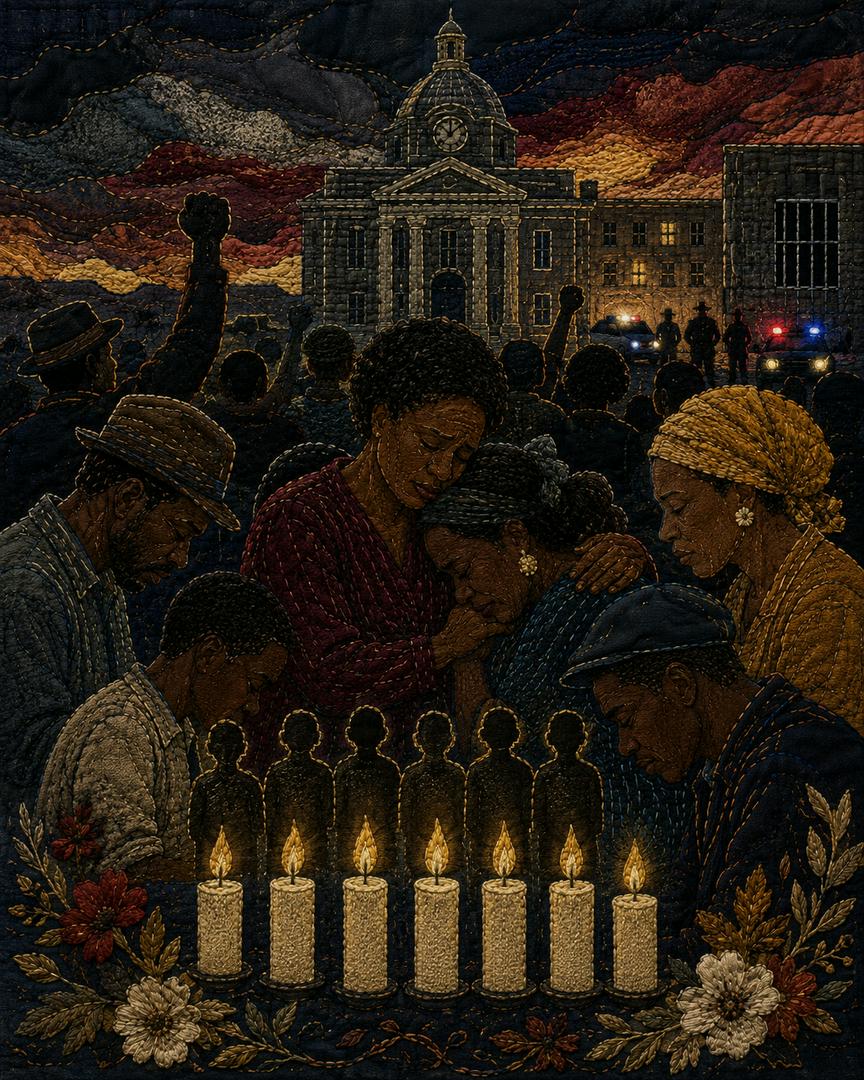
May 12, 1970… Augusta, Georgia was left carrying the weight of one of the most painful uprisings of the civil rights era. The anger began after the death of 16-year-old Charles Oatman, a Black teenager who died while being held in the Richmond County Jail. His death shook Augusta’s Black community because people were not just grieving, they were demanding answers. By May 11, hundreds gathered outside the Municipal Building calling for a real investigation. What followed was unrest across the city, but the aftermath exposed something even deeper than property damage. It exposed the force used against Black residents when grief turned into protest. Six Black men were killed: Charlie Mack Murphy, William Wright Jr., Sammie McCullough, John Stokes, John Bennett, and Mack Wilson. According to historical accounts, all six were unarmed and shot in the back. At least 60 others were wounded by police, and about 300 Black residents were arrested. That detail matters because stories like this are often reduced to the word “riot,” as if that one word explains everything. It does not explain Charles Oatman’s death. It does not explain why the community felt ignored. It does not explain why six men ended up dead. And it does not explain why accountability remained so hard to find. The Augusta uprising was not just about one night of chaos. It was about years of pressure, pain, mistreatment, and silence reaching a breaking point. When people say history repeats itself, this is the kind of history they mean. Some stories are uncomfortable to tell, but burying them only protects the wrong people. Remember Charles Oatman. Remember the Augusta Six. Remember what happened in Georgia. #BlackHistory #AugustaGeorgia #CharlesOatman #TheAugustaSix #CivilRightsHistory #GeorgiaHistory #HiddenHistory

LataraSpeaksTruth

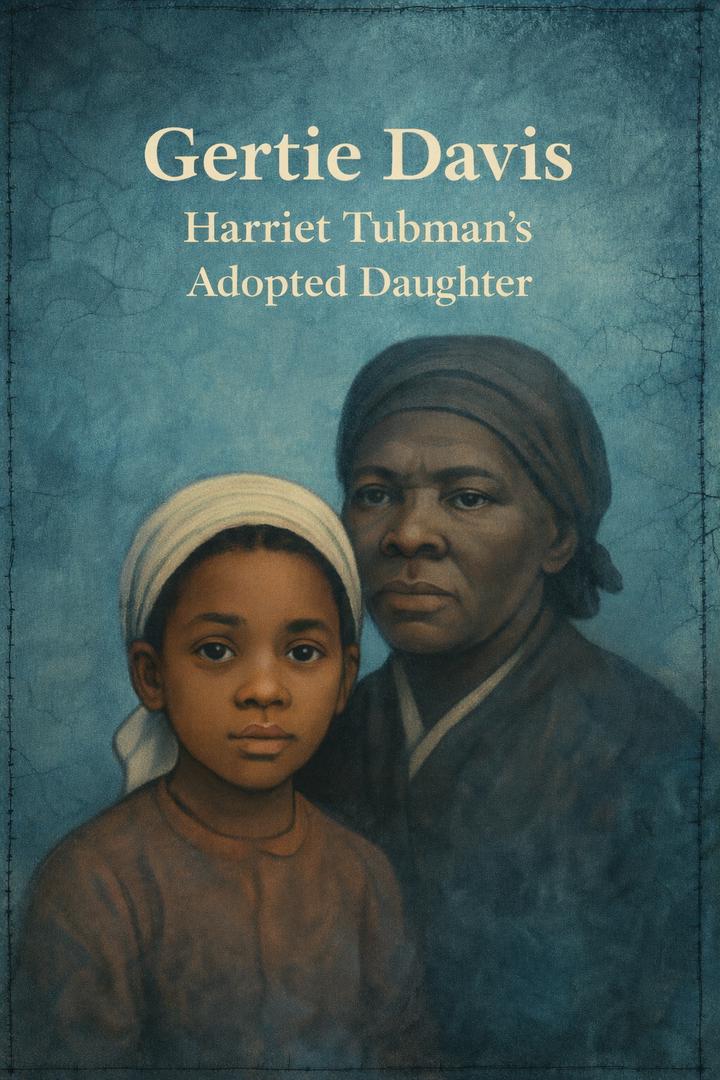
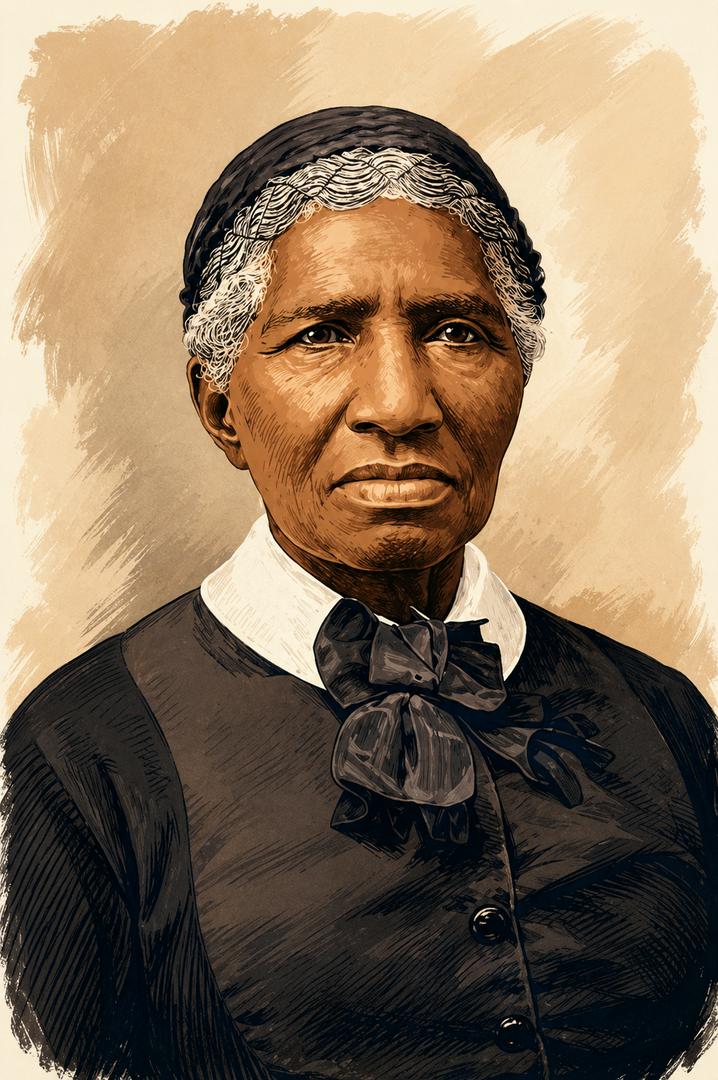
Gertie Davis is one of the lesser-known names connected to Harriet Tubman’s life, and her story offers a glimpse into Tubman’s later years in Auburn, New York. After the Civil War, Harriet Tubman settled in Auburn and later married Nelson Davis. Together, they adopted a young girl named Gertie Davis. While Harriet Tubman became widely known for her work as a conductor on the Underground Railroad, a Union scout and nurse, and a freedom fighter, much less was recorded about the family life she built in the years that followed. Historical records about Gertie Davis are limited. What is known is that she was part of the Tubman household and appears in the story of Harriet Tubman’s later life. Her presence reminds us that Tubman’s life was not only defined by public courage and national history, but also by home, caregiving, and family. That matters because history often reduces people to their most famous roles. Harriet Tubman is rightly remembered for her extraordinary bravery, but she was also a wife, a mother figure, and a woman who created a home in the midst of a life shaped by struggle and service. Gertie Davis may not be widely documented, but her name still carries meaning. She represents a quieter part of Harriet Tubman’s story, one rooted in family life and the personal world Tubman built after years of sacrifice. Sometimes history is loud. Sometimes history lives in the small details, in the names that appear only briefly, and in the lives that stand just beyond the spotlight. Gertie Davis was one of those lives. #GertieDavis #HarrietTubman #BlackHistory #AmericanHistory #HiddenHistory #LataraSpeaksTruth #repost

LataraSpeaksTruth

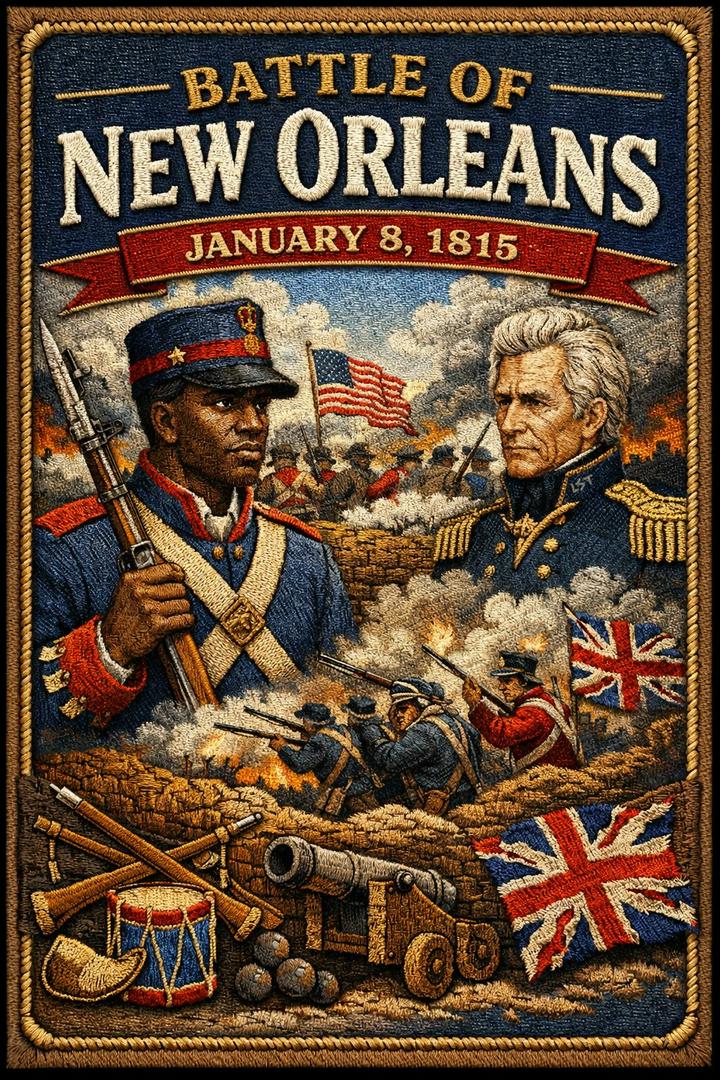
January 8, 1815. The Battle of New Orleans. The War of 1812 was technically over. The Treaty of Ghent had been signed, but word had not crossed the Atlantic yet. Slow communication changed everything. British forces attacked New Orleans anyway and were met by an American force led by Andrew Jackson. His army was not a traditional one. It included U.S. regulars, state militias, Native allies, free Black soldiers, local Creoles, and even pirates under Jean Lafitte. The result was one of the most lopsided victories in U.S. military history. Over 2,000 British casualties compared to roughly 70 American losses. The battle did not change the treaty, but it reshaped American identity. It boosted national confidence, made Jackson a national hero, and proved that the United States could stand up to the world’s most powerful empire. Free Black soldiers played a critical role in defending the city. Their bravery was undeniable. Their recognition afterward was not. This victory was not simple, clean, or fair. It was complex, coalition-driven, and built by people history often sidelines. #January8 #BattleOfNewOrleans #WarOf1812 #AmericanHistory #USHistory #MilitaryHistory #BlackHistory #HiddenHistory

LataraSpeaksTruth

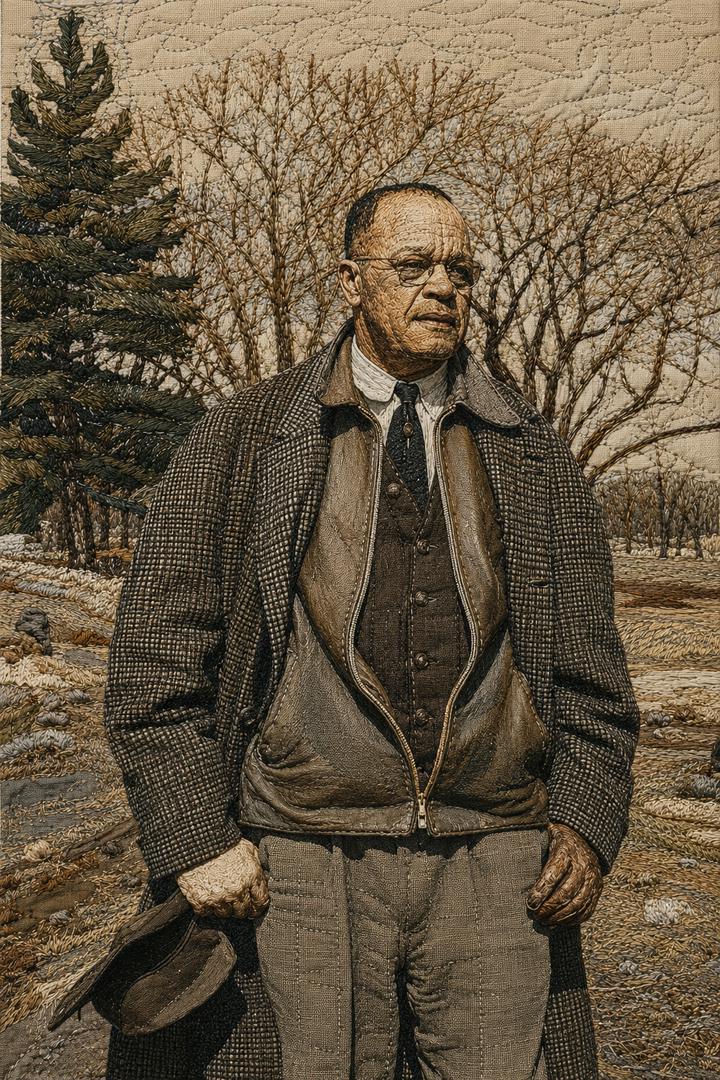
On May 14, 1888, Archie Alphonso Alexander was born in Ottumwa, Iowa. His name may not be repeated as often as it should be, but his life belongs in the record. Alexander became an engineer, architect, mathematician, businessman, and public servant at a time when doors were not simply closed to Black achievement, they were often locked, guarded, and denied. Alexander attended the University of Iowa and made history as the first African American to graduate from its College of Engineering. He graduated in 1912 with a BA in Civil Engineering, stepping into a field where few Black men were given room to stand, let alone lead. But Alexander did not stop at being first. He went on to build a career in engineering and construction, eventually forming Alexander & Repass with Maurice A. Repass. Their firm became known for major public works, including roads, bridges, and construction projects across the country. His work helped prove that Black excellence was not new, rare, or accidental. It was present even when history tried to look away. Alexander also served as governor of the U.S. Virgin Islands under President Dwight D. Eisenhower, adding another chapter to a life already filled with accomplishment. His story matters because he represents the builders who shaped America with their minds, hands, and vision while fighting against the limits placed on them. He did not just cross a barrier. He built beyond it. On his birthday, Archie Alphonso Alexander deserves to be remembered not only as a first, but as a foundation. #BlackHistory #ArchieAlexander #HiddenHistory #EngineeringHistory #AmericanHistory

LataraSpeaksTruth

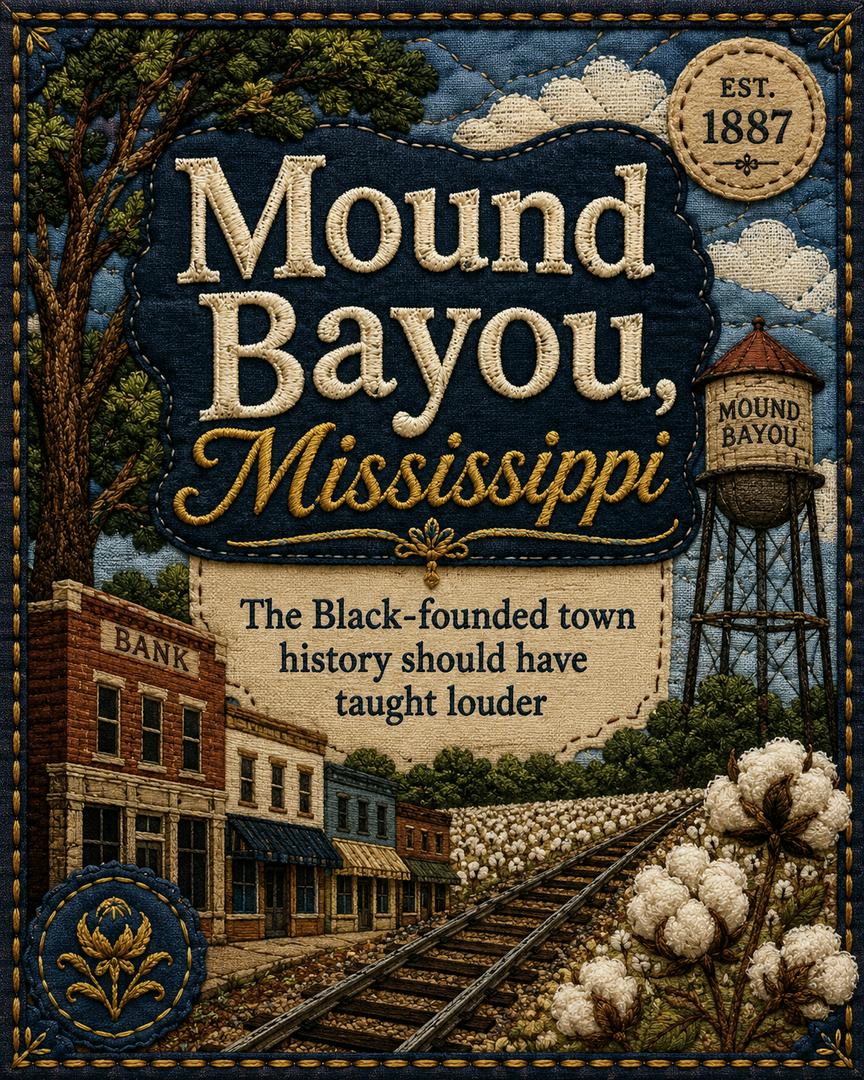
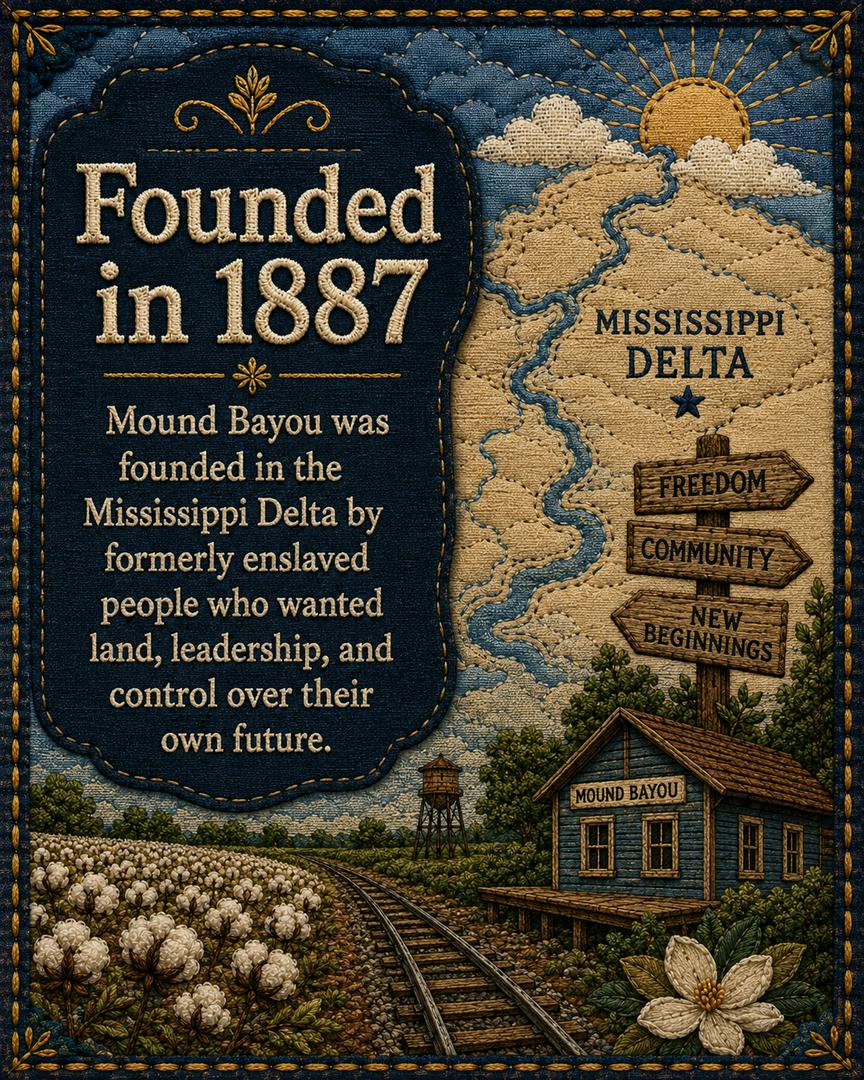
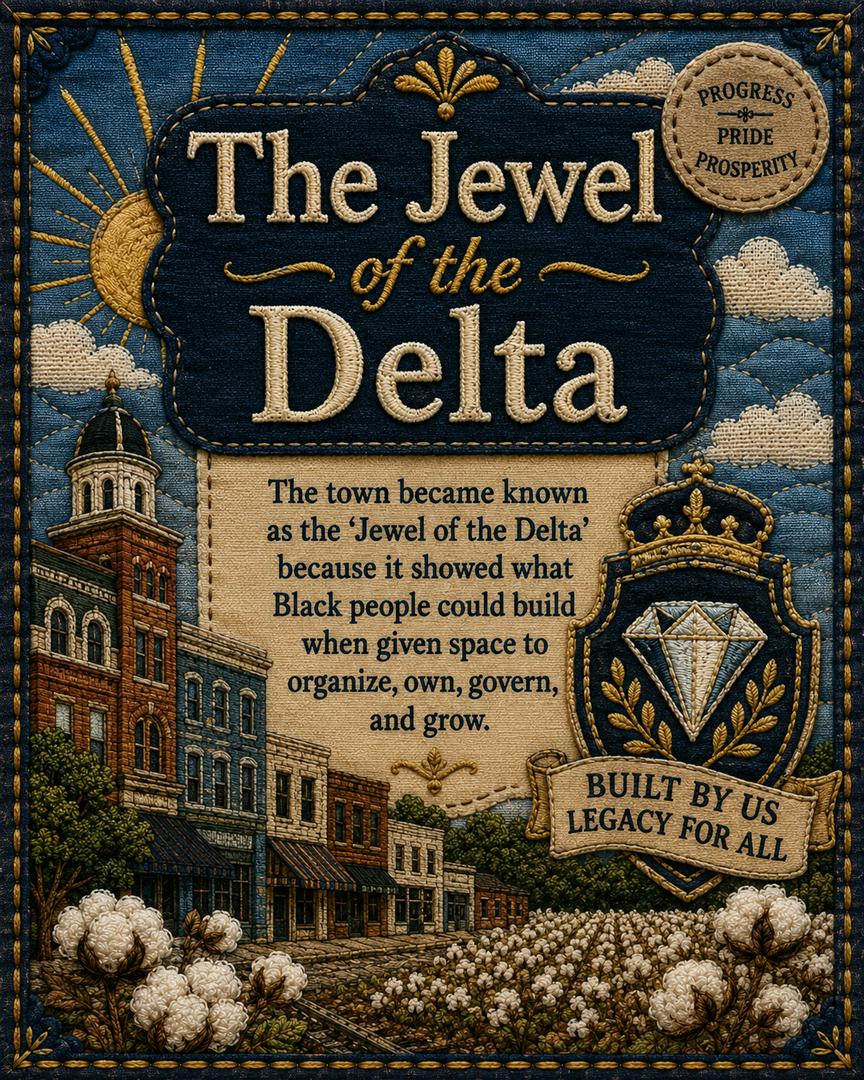
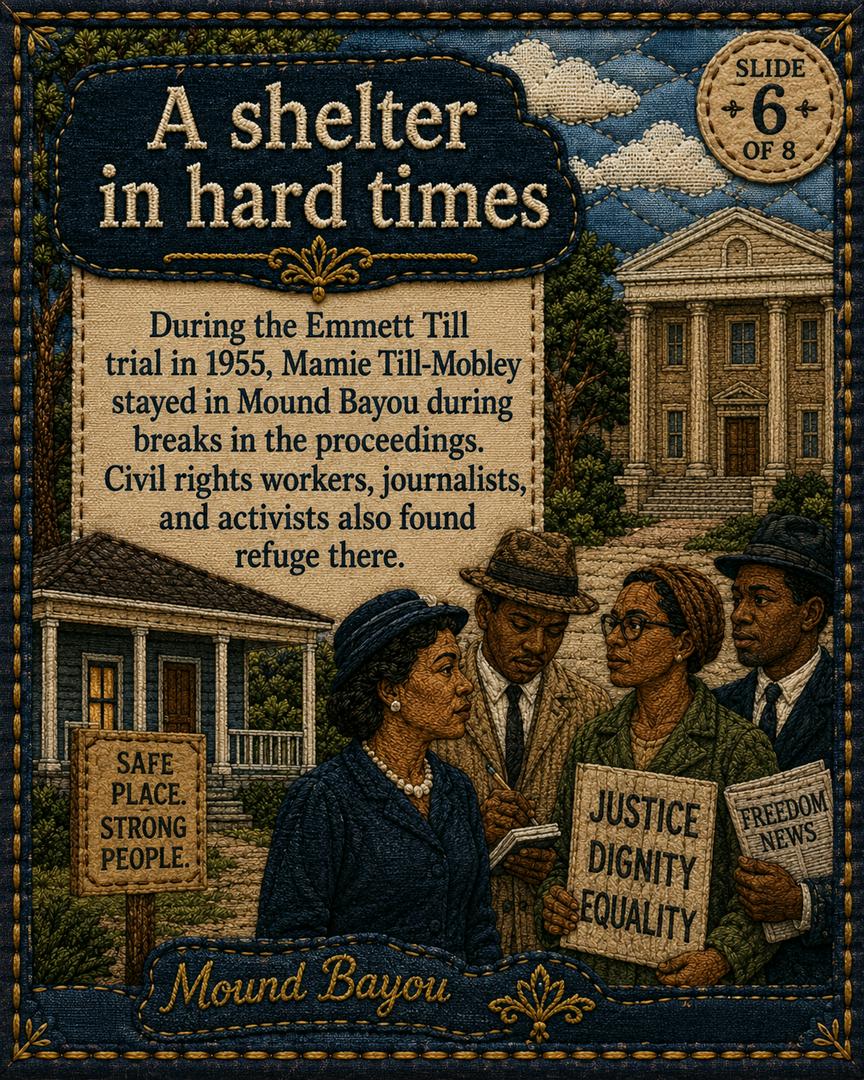
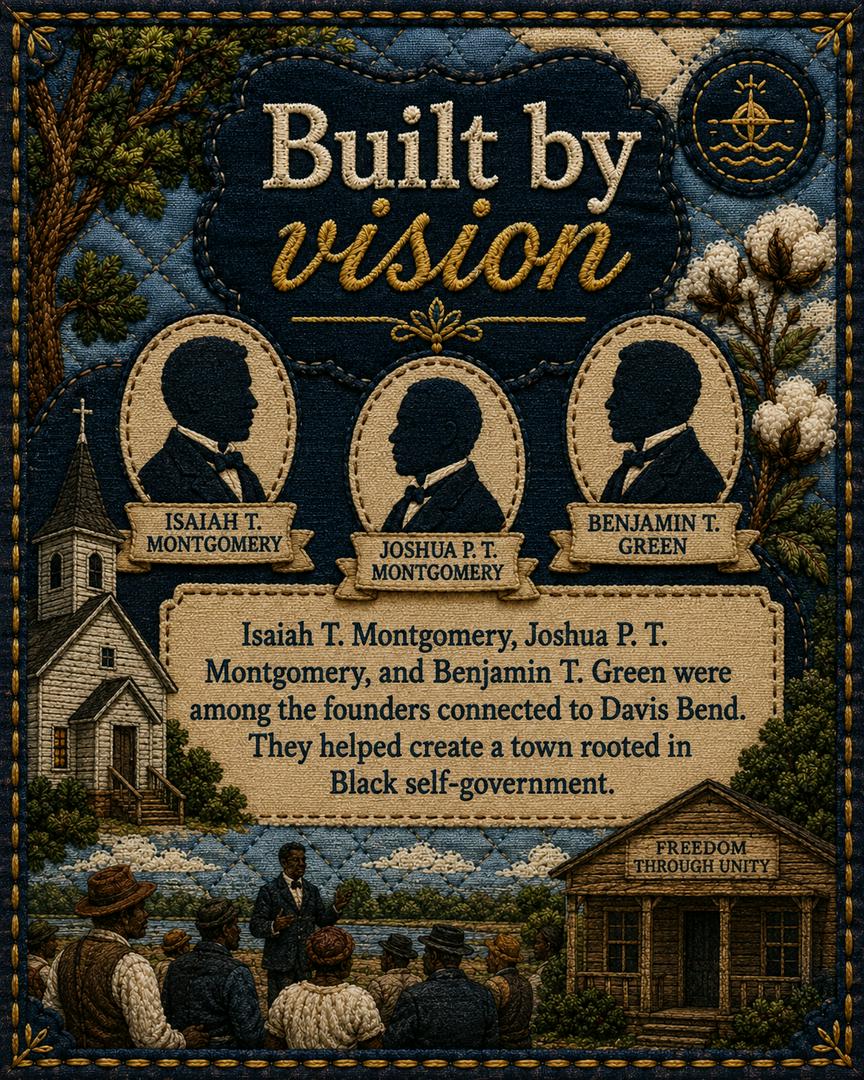
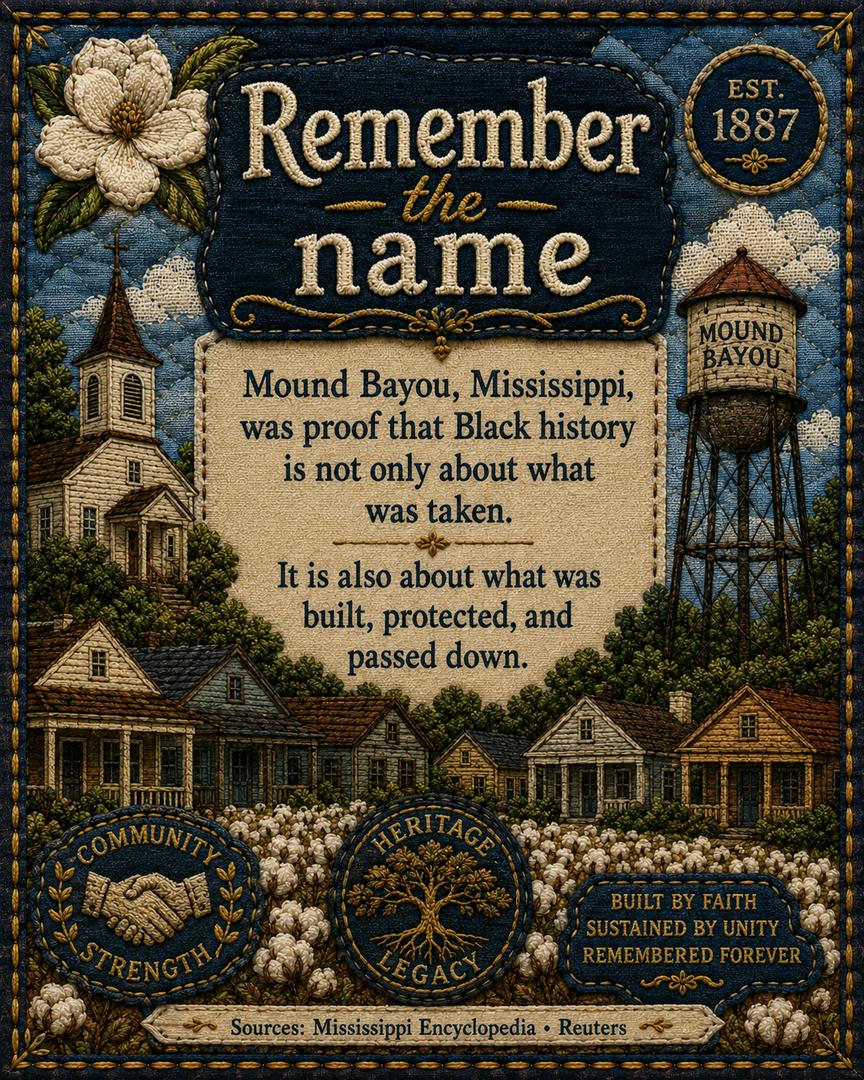
Mound Bayou, Mississippi, stands as one of the strongest examples of Black self-determination in the American South. Founded in 1887 in the Mississippi Delta, Mound Bayou was built by formerly enslaved people who wanted more than survival. They wanted land, leadership, schools, businesses, safety, and a town where Black residents could govern themselves. The town was founded by men connected to Davis Bend, including Isaiah T. Montgomery, Joshua P. T. Montgomery, and Benjamin T. Green. What they created was not just a settlement. It became a symbol of possibility during a time when Jim Crow laws and racial violence tried to limit every part of Black life. Mound Bayou became known as the “Jewel of the Delta.” At its height, it had Black-owned businesses, banks, merchants, cotton gins, schools, churches, civic organizations, and local leadership. In a region where many Black families were trapped by sharecropping and white-controlled systems, this town represented something different. It showed what could happen when Black people had room to build. Mound Bayou also became connected to civil rights history. During the Emmett Till trial in 1955, Mamie Till-Mobley stayed in Mound Bayou during breaks in the proceedings. Medgar Evers, Black journalists, and activists also found refuge there. That part matters because Mound Bayou was not just a place on a map. It was a shelter, a statement, and a living record of what people built when the world told them they were not supposed to have power. Its history should be remembered because it challenges the lie that Black communities only survived by accident. Mound Bayou was planned. It was built. It was governed. It stood. And history should say that clearly. #MoundBayou #BlackHistory #MississippiHistory #HiddenHistory

LataraSpeaksTruth

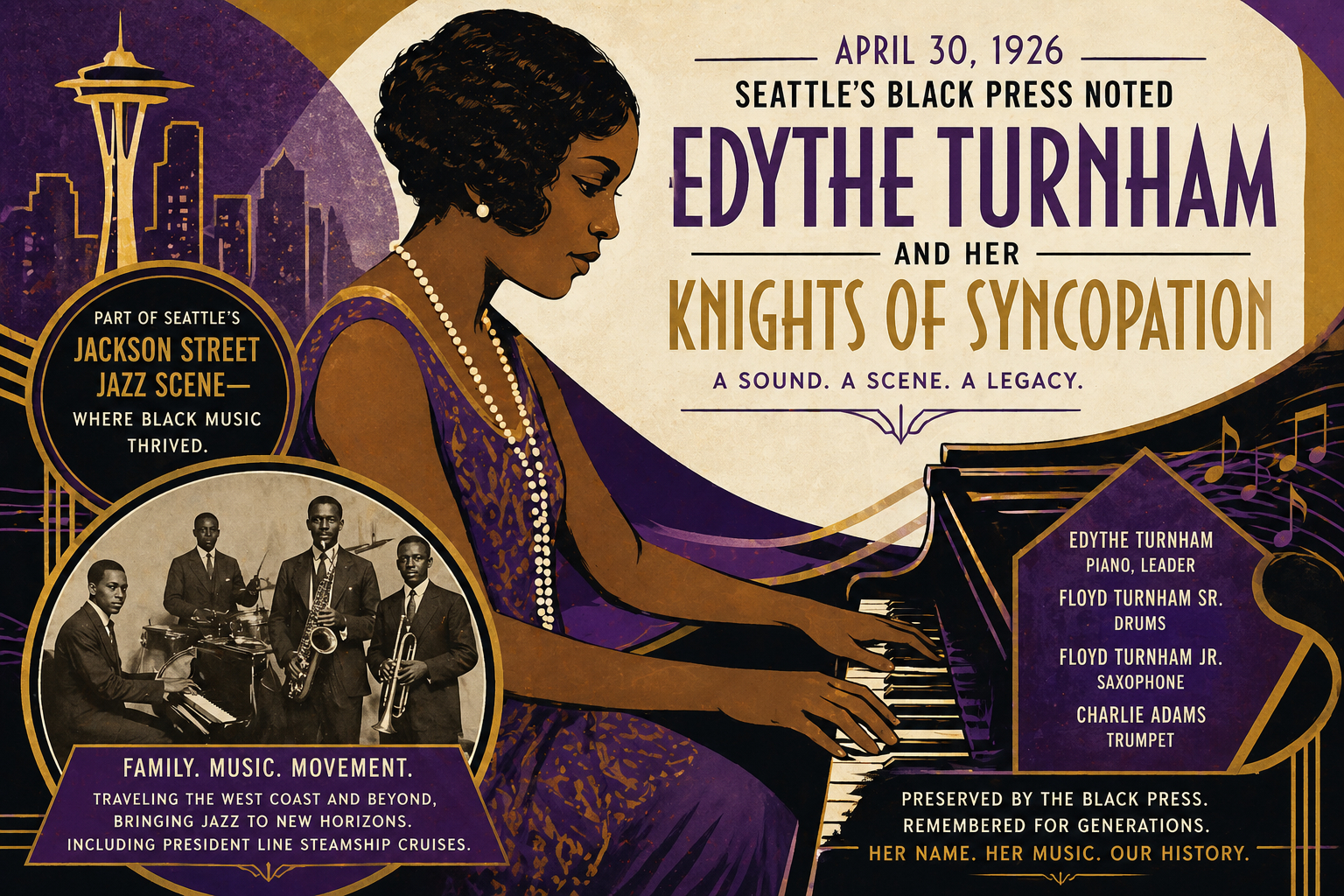
On April 30, 1926, Seattle’s Black press noted Edythe Turnham’s Knights of Syncopation, a jazz group tied to the city’s early music scene. Edythe Turnham was a pianist, bandleader, and one of the women helping shape jazz in the Pacific Northwest during the 1920s. Born Edythe Pane in Topeka, Kansas, she began playing piano as a young child before moving to Spokane, Washington, around 1900. Over time, she became part of a traveling performance tradition that carried music through Washington, the West Coast, and beyond. By the early 1920s, Turnham had organized a small band that became known as Edythe Turnham and Her Knights of Syncopation. The group included members of her own family, including Floyd Turnham Sr. on drums and Floyd Turnham Jr. on saxophone. Charlie Adams was also listed as a trumpeter connected to the band. Their music was part of a larger jazz world growing around Seattle, especially around Jackson Street, where Black musicians helped build one of the city’s most important cultural scenes. Turnham’s group played along the West Coast and performed on President Line steamship cruises, showing how Seattle musicians were not isolated. They were moving, traveling, performing, and carrying their sound into wider spaces. The mention in the Northwest Enterprise matters because Black newspapers helped preserve stories that larger outlets often ignored. Without papers like that, many musicians, performers, and community figures might have disappeared from the public record. Edythe Turnham’s story is not as widely known as many jazz legends from New Orleans, Chicago, or Harlem, but her place in Seattle’s early jazz history is real. She was a woman leading musicians during a time when both race and gender created barriers. Her name belongs in the record because she was part of the sound, movement, and memory of Black music in the Pacific Northwest. #BlackHistory #MusicHistory #JazzHistory #SeattleHistory #HiddenHistory
LataraSpeaksTruth

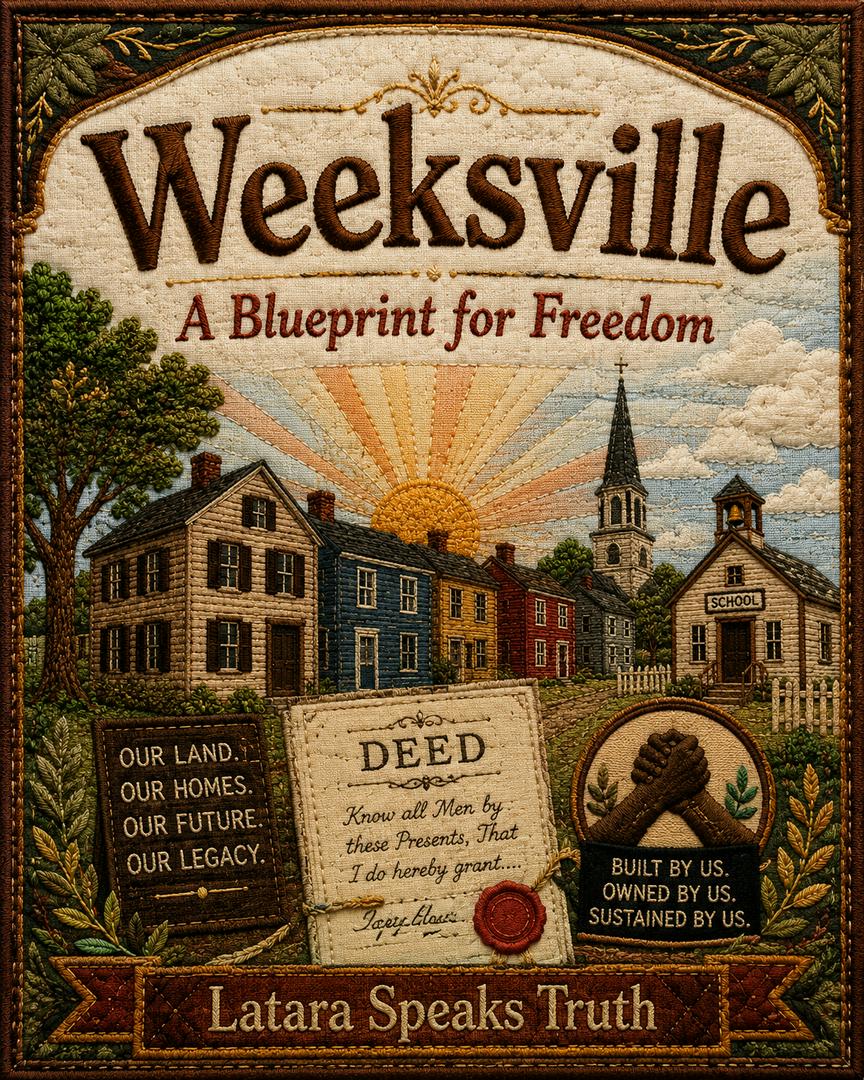
Before Crown Heights became what most people know today, there was Weeksville. Founded in Brooklyn in 1838 by James Weeks and other free Black landowners, Weeksville became one of the largest free Black communities in pre-Civil War America. This was not just a place where people lived. It was a place where people built. They built homes, schools, churches, businesses, and a community strong enough to protect people when freedom on paper still did not guarantee safety in real life. Land mattered because New York once required Black men to own property worth $250 before they could vote. For families in Weeksville, owning land was not just about shelter. It was about political power, dignity, and a future they could pass down. By the 1850s, Weeksville had hundreds of residents, along with Colored School No. 2, churches, a newspaper called Freedman’s Torchlight, and a growing network of families, workers, teachers, ministers, and business owners. During the 1863 Draft Riots, when Black New Yorkers were attacked in Manhattan, Weeksville became a refuge for people fleeing the violence. Over time, much of the community was nearly erased by development and forgotten by the wider public. But in 1968, the remaining Hunterfly Road Houses were rediscovered, helping bring Weeksville’s story back into view. Today, Weeksville Heritage Center continues to preserve that history. Weeksville reminds us that freedom was not only fought for in courtrooms and battlefields. Sometimes it was built lot by lot, house by house, school by school, by people who knew ownership was more than property. It was protection. It was strategy. It was a future. #Weeksville #BrooklynHistory #HiddenHistory #BlackHistory #LataraSpeaksTruth

LataraSpeaksTruth

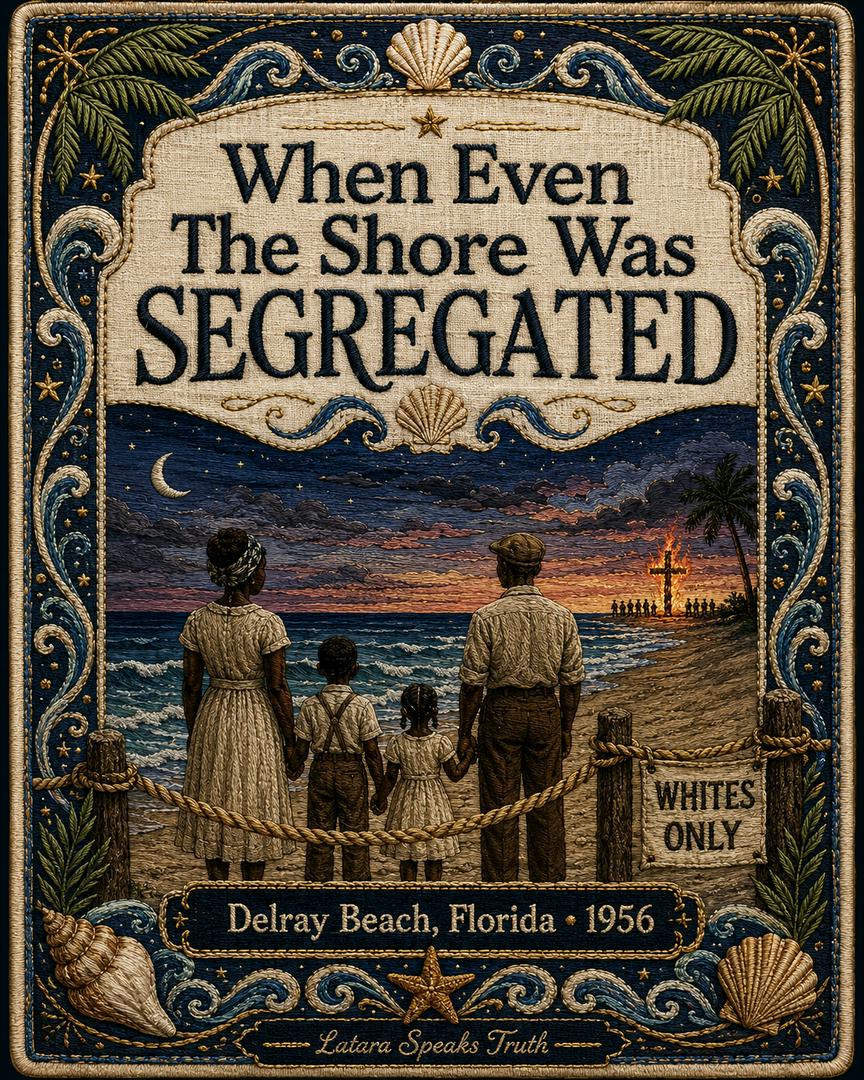
May 16, 1956, Delray Beach, Florida Some stories show how deep segregation really went. It was not just schools, buses, restaurants, or water fountains. In Delray Beach, Florida, even the ocean was treated like it belonged to one group of people. On May 16, 1956, white residents burned a cross to intimidate Black residents who were challenging segregated beach access. For decades, Black residents had been kept away from the city’s municipal beach, even though it was supposed to be public. The timing mattered. One day earlier, U.S. District Judge Emmett C. Choate had dismissed a federal lawsuit brought by nine Black Delray residents fighting for access to the beach. City officials claimed there was no written policy denying Black residents entry, but the reality on the ground told a different story. That cross was not just a symbol. It was a warning. It was meant to tell Black residents that even without a written rule, they were still expected to stay away. On May 20, when Black residents tried to use the beach, they were met by an angry white crowd demanding they leave. Instead of protecting equal access, local officials moved in the opposite direction. On May 23, 1956, Delray Beach passed a formal segregation ordinance barring Black residents from the municipal beach and pool. That is what makes this history so important. Segregation was not only enforced by law. It was enforced by fear, threats, mobs, and authorities who failed to hold people accountable. The beach should have been simple. Sand. Water. Sunlight. A place for families to breathe. But in Delray Beach, even that became a battleground. This was never just about recreation. It was about dignity, citizenship, and the right to exist freely in public spaces. The ocean was public. The exclusion was deliberate. #BlackHistory #FloridaHistory #DelrayBeach #HiddenHistory #CivilRightsHistory

LataraSpeaksTruth

Clara Brown: The Woman Who Built Wealth Out West Clara Brown’s story belongs in the history of the American West because she was not only surviving. She was building. Born into slavery in Virginia around 1800, Brown was later taken to Kentucky. She married and had children, but in 1835 she was sold at auction and separated from most of her family. That loss shaped her search to find her children. Brown gained her freedom in 1859. That same year, during the Colorado Gold Rush, she traveled west by working as a cook on a wagon train. She reached Colorado and settled in Central City, a mining town west of Denver. There, Brown built a business. She opened what is widely described as Colorado’s first commercial laundry business and sold meals to miners and settlers. While many people went west chasing gold, Brown built wealth through labor, planning, and service. By the end of the Civil War, Brown had reportedly saved more than $10,000. She invested in real estate and mining interests, becoming one of the early Black women entrepreneurs in the American West. But Brown’s legacy was never only about money. She used her success to help others. Brown assisted formerly enslaved people who relocated to Colorado and helped them find work. Her home became known as a refuge. She supported the sick, the poor, newcomers, churches, and community institutions. Because of her generosity, she became known as “Aunt” Clara Brown and the “Angel of the Rockies.” Brown spent years searching for the family she had been forced to lose. She was eventually reunited with her daughter Eliza Jane and a granddaughter before her death in Denver in 1885. Clara Brown’s life shows a bigger truth about the West. It was not built only by cowboys, miners, and railroad men. It was also shaped by Black women who cooked, cleaned, invested, organized, sheltered people, and built community. Clara Brown did not just go west. She helped make the West. #ClaraBrown #History #AmericanWest #HiddenHistory

LataraSpeaksTruth

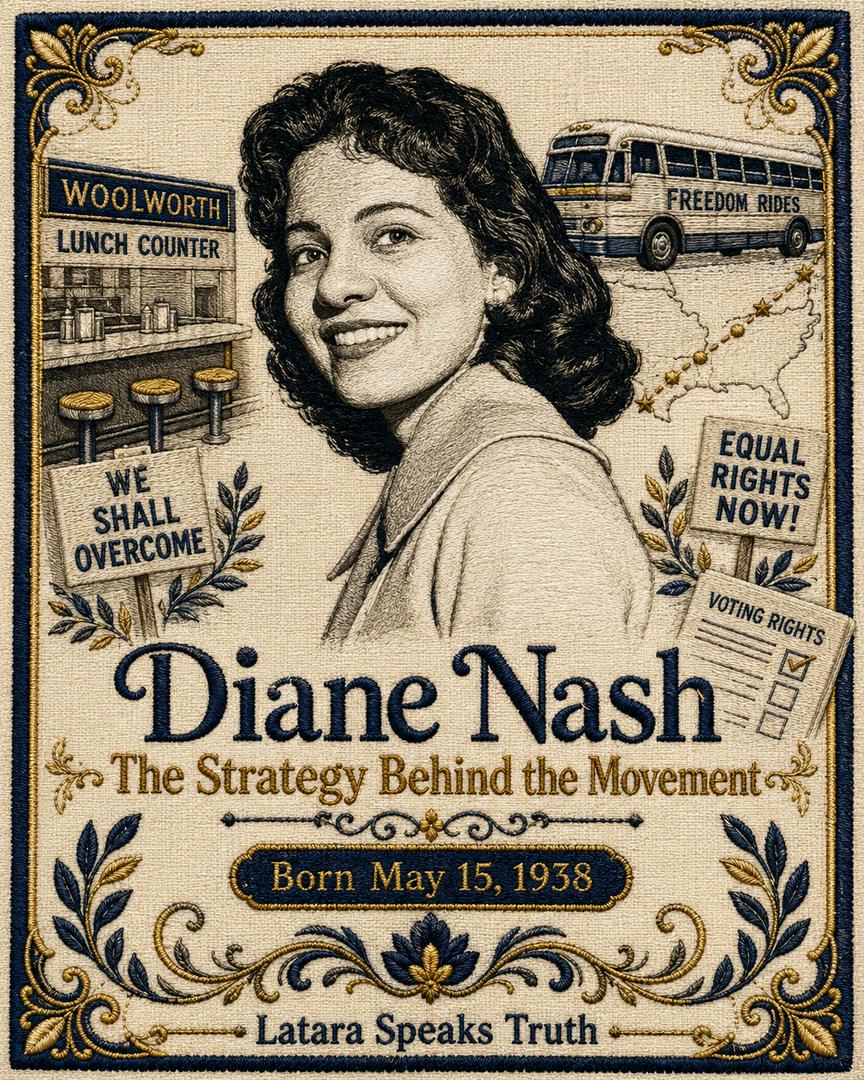
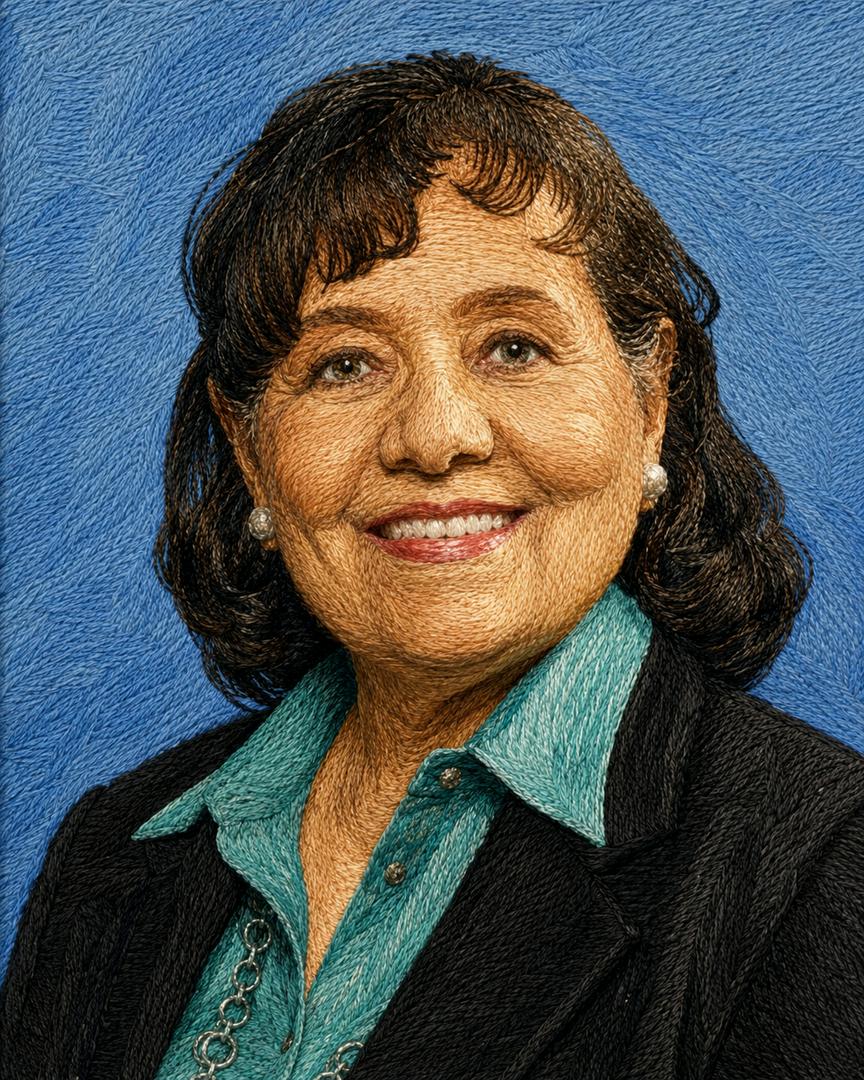
May 15, 1938… Diane Nash was born. Diane Judith Nash was born in Chicago, Illinois, and became one of the sharpest strategists of the Civil Rights Movement. Her name may not always be placed at the front of the story, but her work helped move history. After transferring to Fisk University in Nashville, Nash saw segregation up close. Instead of stepping back, she stepped directly into the fight. She became a leading force in the Nashville sit-ins, where students used disciplined nonviolent protest to challenge segregated lunch counters. Nash was not just present. She organized. She planned. She led. When the Freedom Rides were attacked and many people feared the campaign would end, Nash helped keep it alive. She understood that if violence could stop the movement, then violence would become the rule. Her courage helped push the fight for desegregated interstate travel forward. She also worked with SNCC and played a major role in voting rights organizing, including efforts connected to the Selma movement. Her work helped build pressure that led to some of the most important civil rights victories in American history. Diane Nash reminds us that leadership is not always loud. Sometimes it is calm, strategic, disciplined, and unshakable. She was young, focused, and fearless at a time when standing up could cost everything. Her story deserves to be remembered not as a footnote, but as proof that movements are built by people willing to risk comfort for change. #DianeNash #OnThisDay #CivilRightsHistory #HiddenHistory #LataraSpeaksTruth