Tag Page history

#history
1776 Patriot

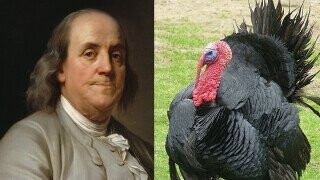
How the Turkey Almost Became America’s National Bird The story of the turkey’s near rise to national symbol begins in the early years of the United States, when leaders were choosing an emblem to represent the new nation. Benjamin Franklin took a special interest in this decision, and in a private letter he shared his belief that the turkey deserved the role more than the bald eagle. He described the turkey as a native species that early settlers and Indigenous communities had long known, hunted, and observed in the wild. To him, this connection made the turkey a more fitting choice for a country trying to define its identity. At the time, wild turkeys roamed across much of North America and were recognized for their strength and surprising agility. They could run up to 20 miles per hour, fly short distances at high speed, and use more than 30 vocalizations to communicate. Settlers often noted how quickly turkeys could react to danger, spotting movement from far away and working together in groups to stay safe. These behaviors shaped Franklin’s view that the turkey represented determination and awareness. The bald eagle, however, carried strong visual appeal and a dramatic silhouette. When the Continental Congress reviewed design proposals in 1782, the eagle appeared on several versions of the Great Seal. Despite Franklin’s private objections, the eagle’s sharp outline and widespread recognition won over the committee. The turkey simply did not gain enough support. Although the turkey did not become the national bird, its place in American life never faded. It continued to be central to farming, hunting traditions, and eventually Thanksgiving celebrations. The story of its near selection remains a unique moment in early American decision making, illustrating how even everyday wildlife played a role in shaping national symbols. #USHistory #History #America #USA #News #USNews #Thanksgiving

1776 Patriot

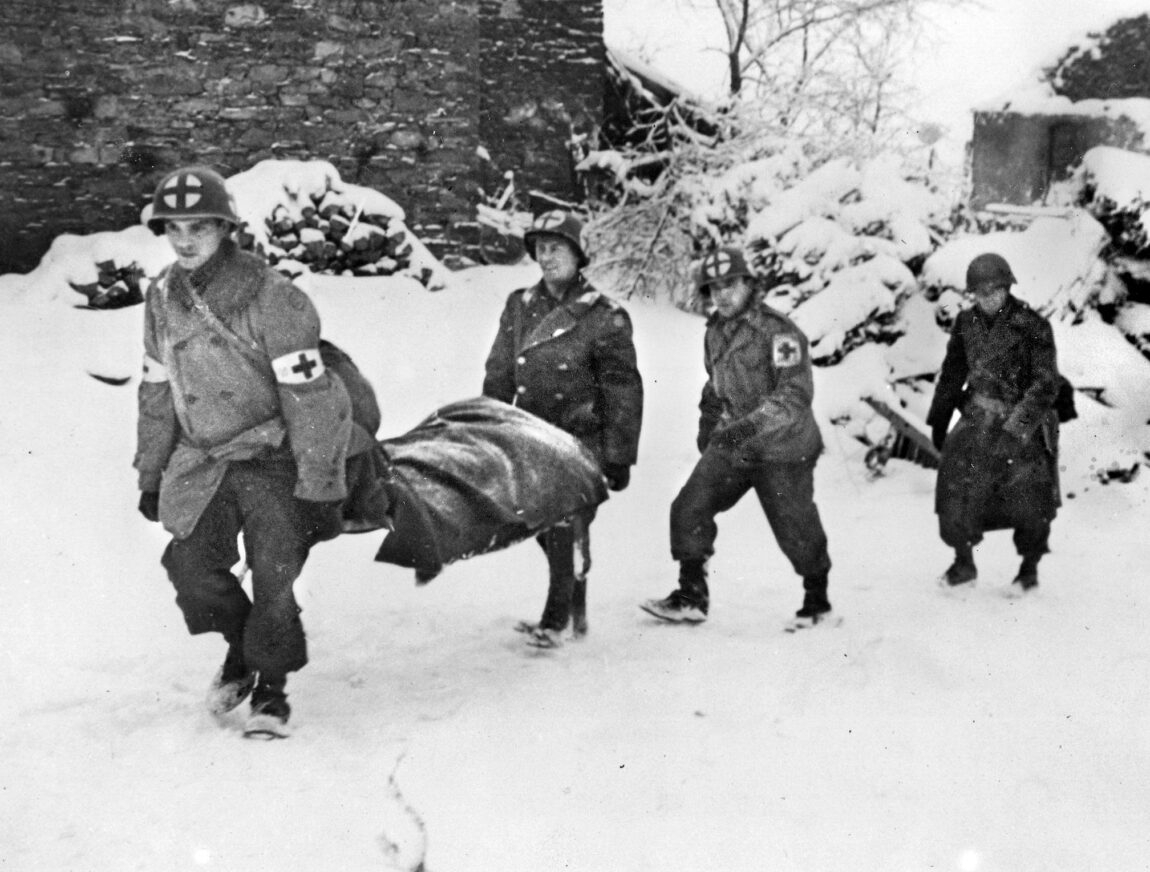
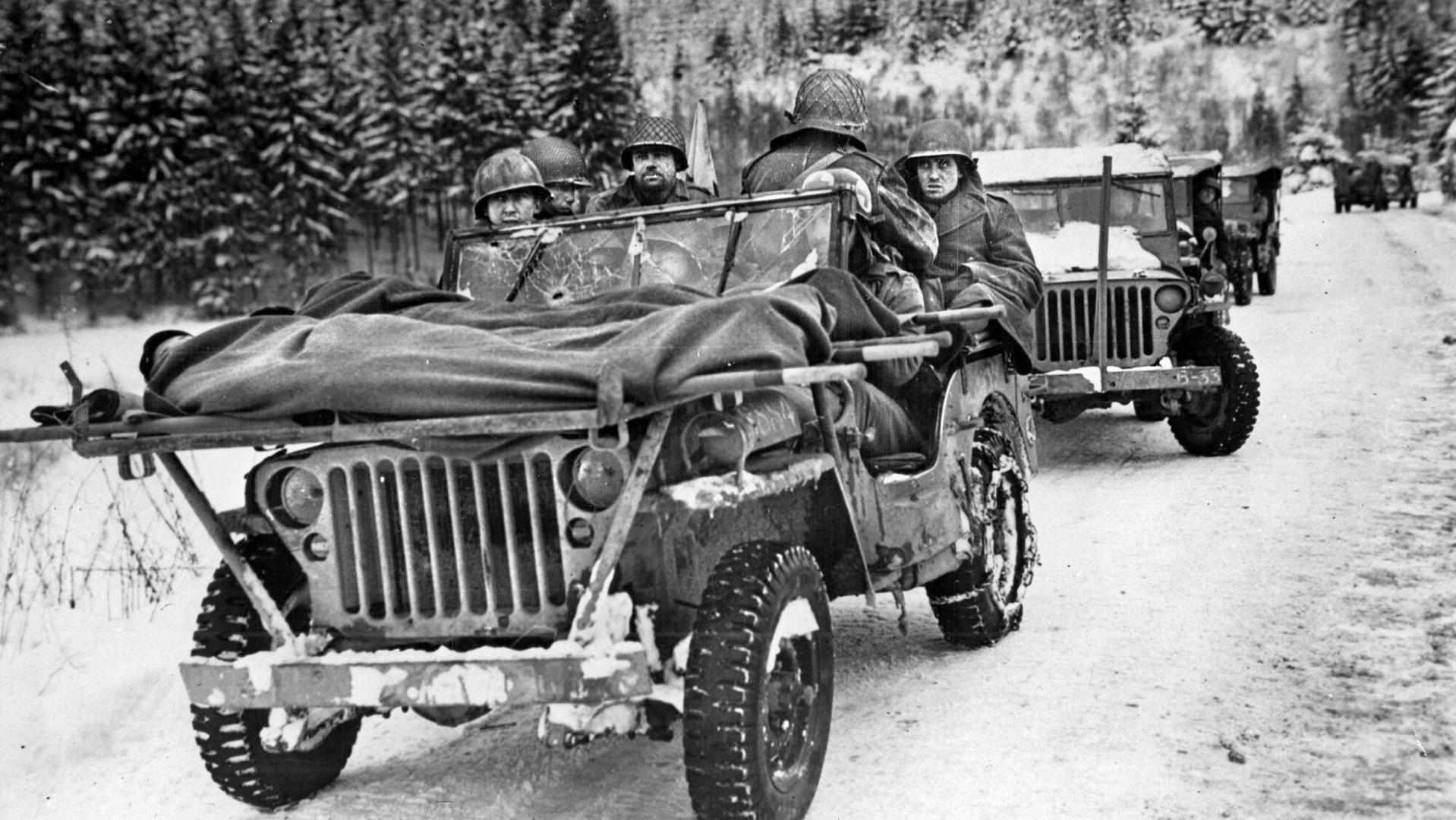
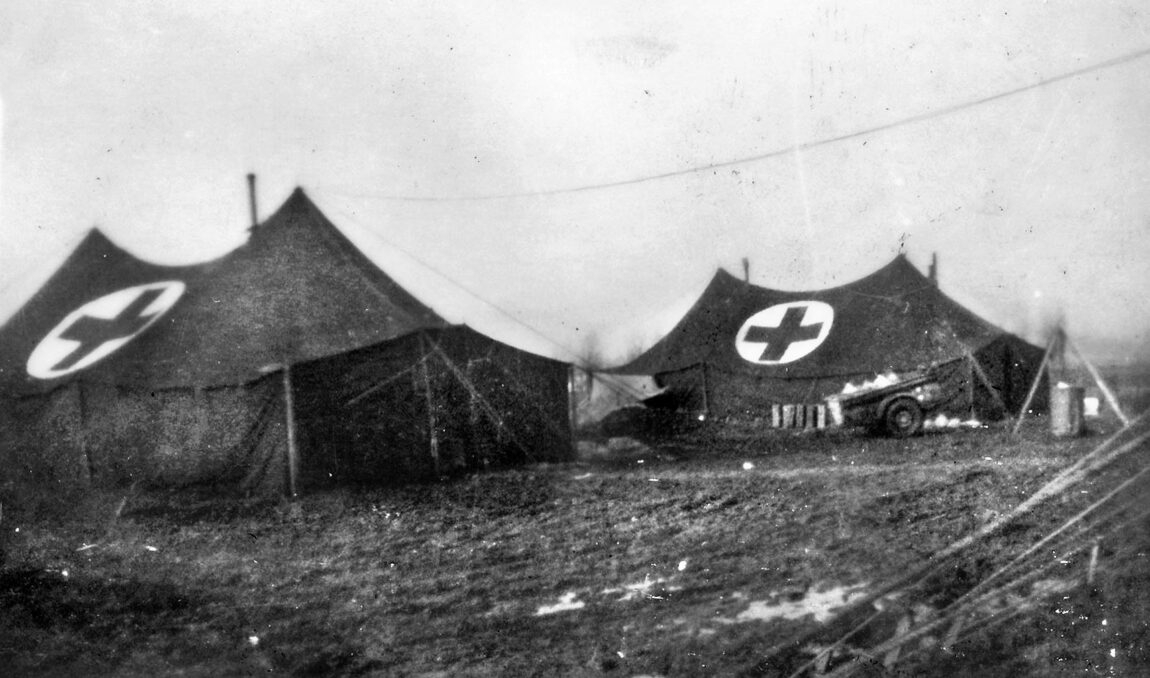
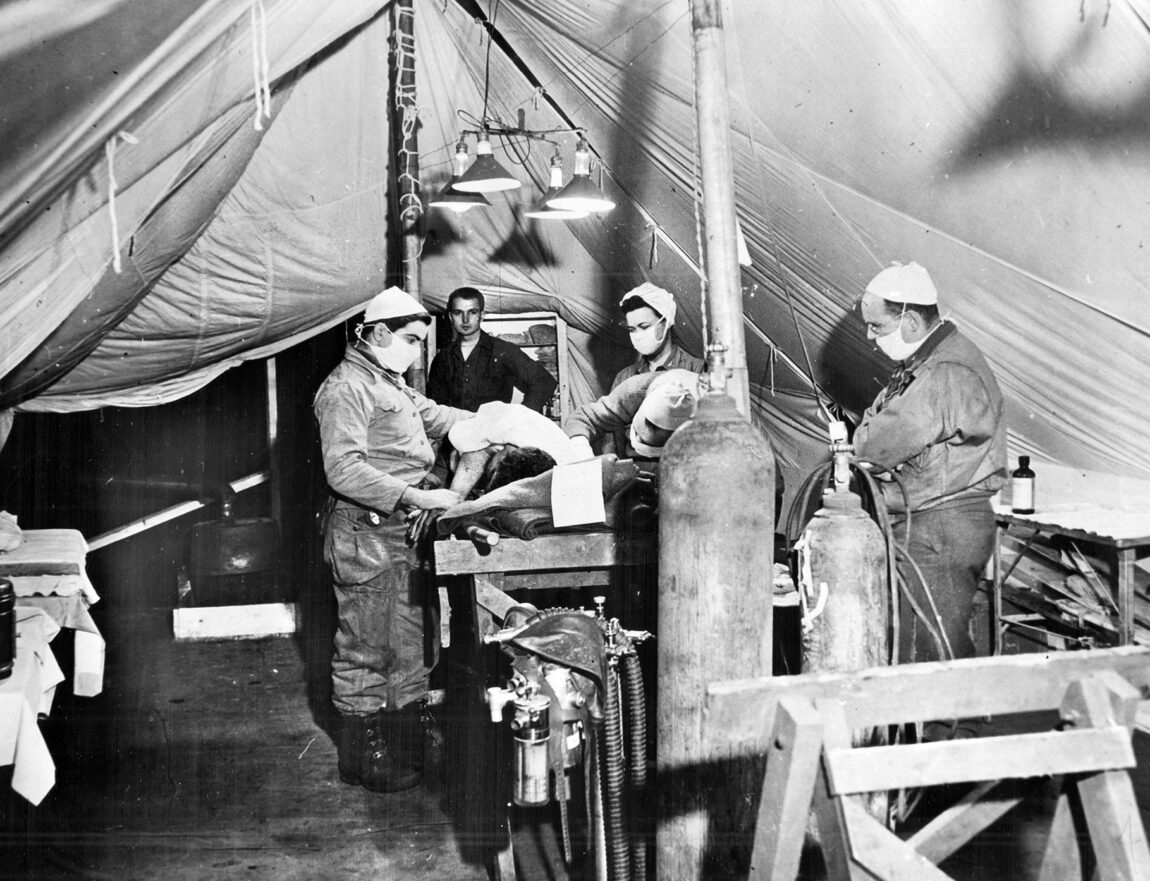
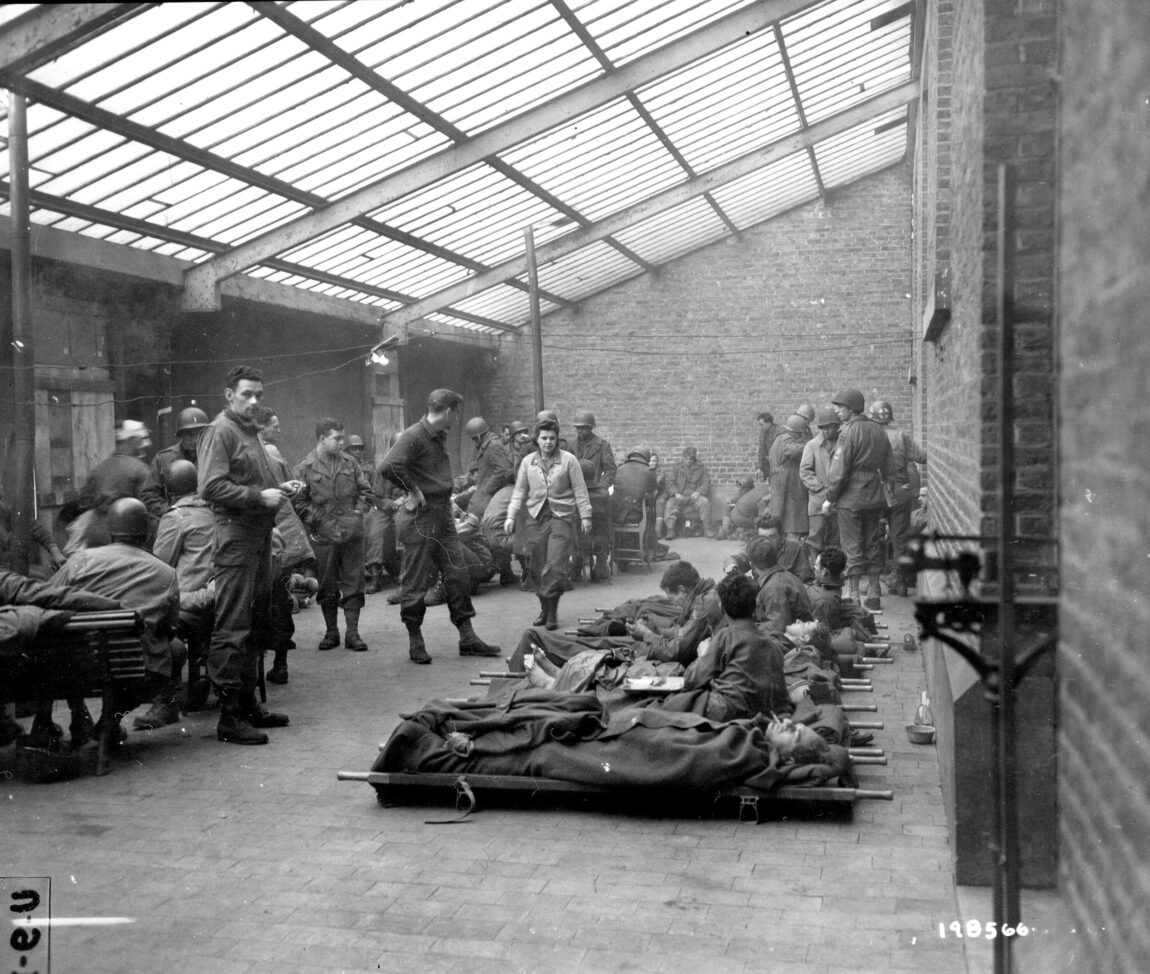
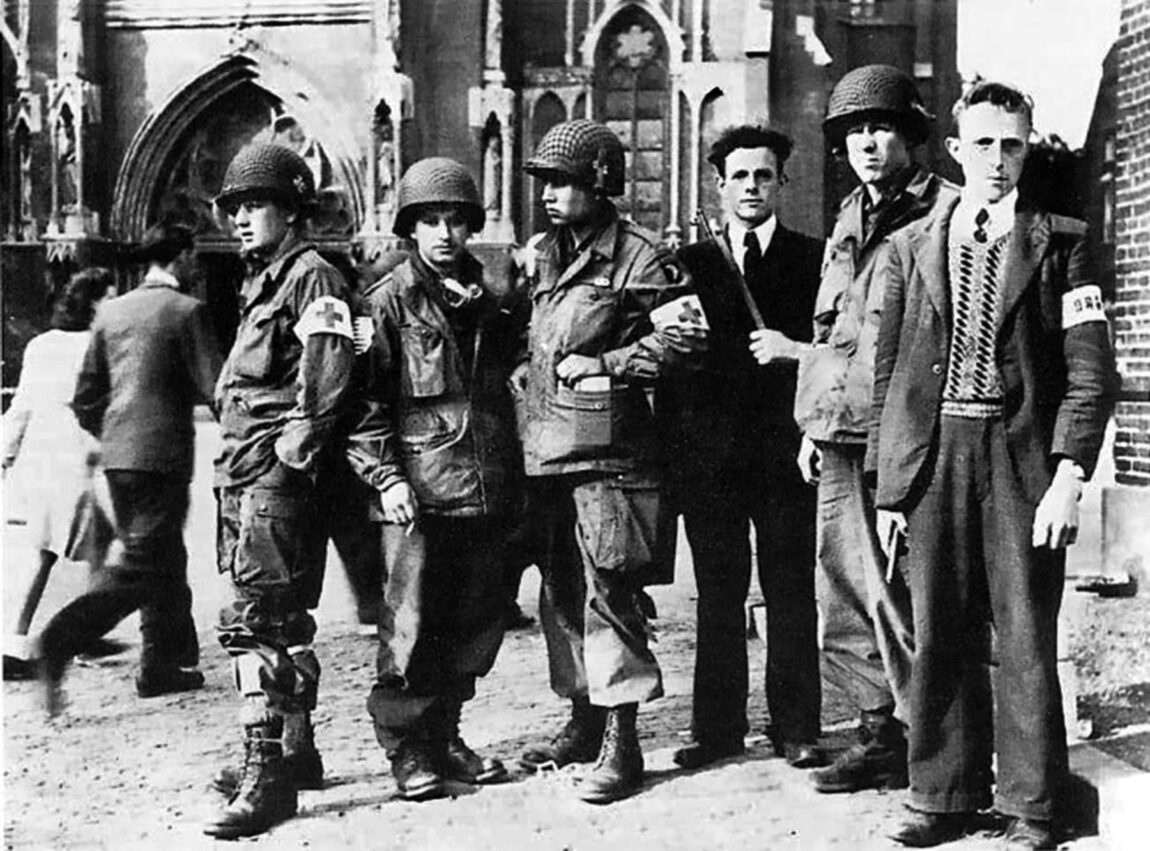
Bulge Healers: Medics at the Battle of the Bulge From December 16, 1944, to January 25, 1945, the Battle of the Bulge tested American forces like never before. Nearly 600,000 U.S. soldiers faced a surprise German attack of about 200,000 troops in the frozen Ardennes Forest of Belgium and Luxembourg. Temperatures fell to minus 13 degrees Fahrenheit, almost 30 degrees below normal, turning medical care into a life-or-death fight. Field hospitals were set up in barns, churches, abandoned homes, and caves with little heat, frozen water, and scarce supplies. Medics treated gunshot wounds, shrapnel injuries, frostbite, trench foot, and infections while shells exploded nearby. Thousands froze or succumbed to hypothermia before reaching care. The U.S. Army deployed roughly one medic for every ten soldiers, demanding courage and ingenuity. Medics melted snow for water, improvised steam tents, used hot water bottles and heated blankets, and operated with minimal anesthesia. Blood plasma and morphine were critical; over 15 million plasma units and hundreds of thousands of morphine syrettes were stockpiled. Surgical teams performed amputations, chest, and abdominal operations in freezing, dimly lit rooms. Wounded soldiers were carried across icy forests on sleds, stretchers, horse-drawn carts, and Jeeps, sometimes taking hours or days. American medics treated tens of thousands of U.S. troops and roughly 12,000 German soldiers. Outnumbered and poorly supplied, German medics struggled even more. Survival rates for those reaching field hospitals exceeded 90 percent. By battle’s end, U.S. forces suffered over 80,000 casualties, including 19,000 killed and 47,500 wounded, while German losses neared 120,000. The courage and skill of medics saved countless lives and proved decisive in one of World War II’s harshest winter campaigns. #BattleOfTheBulge #MedicineInWW2 #USHistory #History #America #USA
1776 Patriot

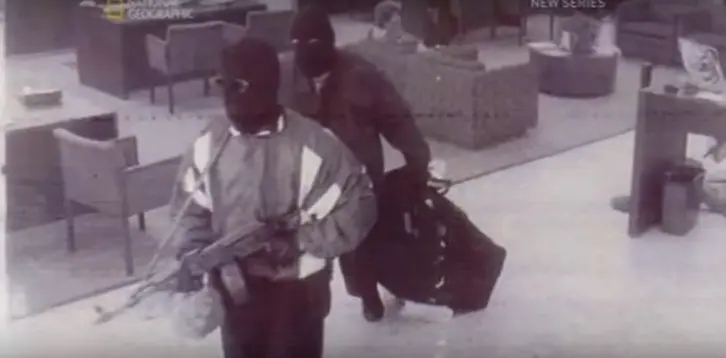
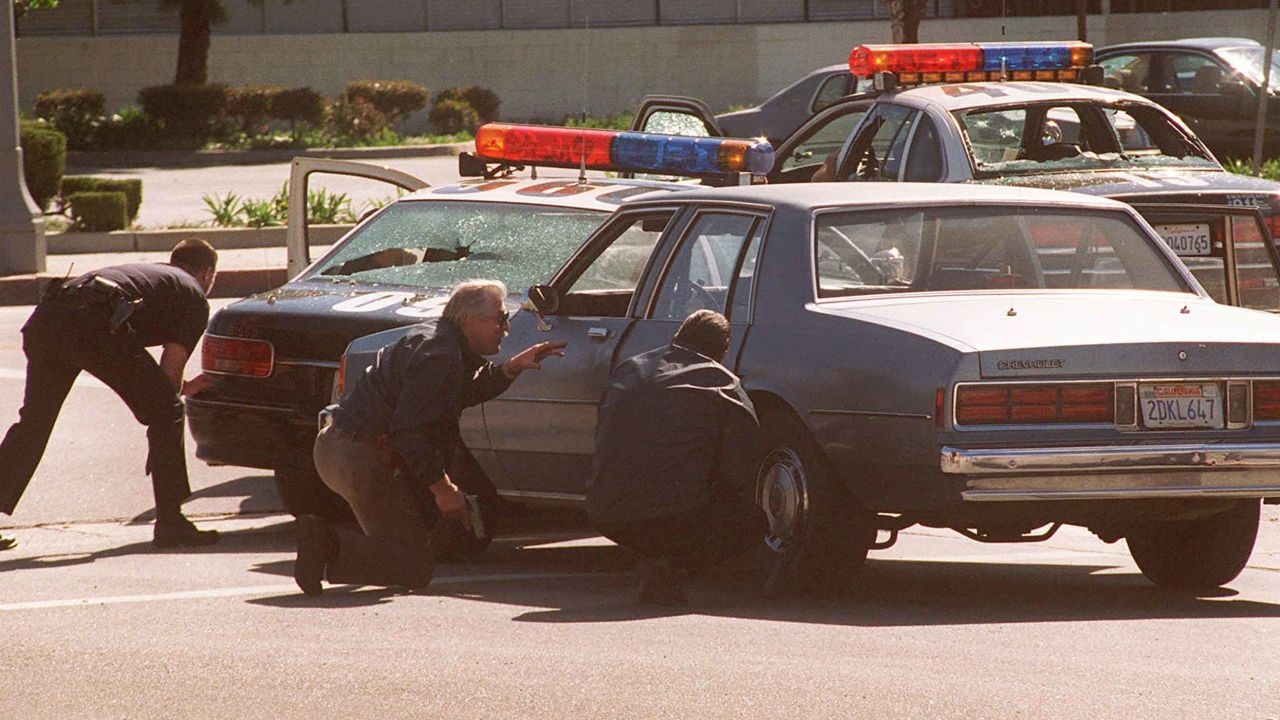
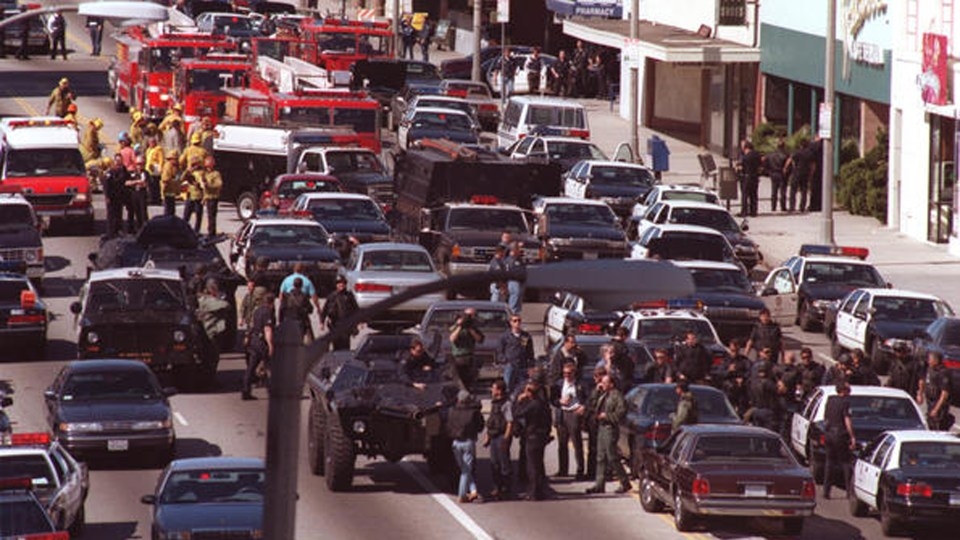
The Event That Changed Policing: America’s Biggest Bank Shootout On February 28, 1997, Los Angeles saw one of the most intense urban gunfights in U.S. history, later called the North Hollywood Shootout. Two robbers, Larry Phillips Jr. and Emil Mătăsăreanu, entered a Bank of America branch wearing homemade body armor. They carried multiple firearms, including fully automatic rifles, high-capacity magazines, and handguns. Their armor allowed them to withstand standard police sidearms and shotguns, making the initial confrontation extremely dangerous. Phillips and Mătăsăreanu had rehearsed their approach, anticipating how officers would respond, which extended the gun battle to 44 minutes across North Hollywood streets. Nearly 2,000 rounds were fired during the shootout, with bullets ripping through glass, bouncing off cars, and sending residents scrambling for cover. The robbers fired roughly 1,100 rounds, while officers returned 650 to 750 rounds. Officers found their standard-issue pistols largely ineffective against the robbers’ armor, forcing several to dash to nearby sporting goods stores to buy AR-style rifles and extra ammunition mid-shootout. Additional facts include that police helicopters helped coordinate movements from the air, the robbers’ bulletproof vests were made from multiple layers of heavy materials, and several bystanders captured the entire scene on camera, creating some of the first widely seen footage of an active shootout in real time. Eleven officers and seven civilians were wounded, but miraculously, no bystanders were killed. Both robbers died after the confrontation ended. The scale and intensity of the gunfight led to nationwide changes in police armament and training, with patrol units later equipped to handle heavily armed threats. Decades later, the North Hollywood Shootout is remembered as one of America’s largest real-life urban gun battles. #TrueCrime #America #History #USHistory #Hollywood #USA

1776 Patriot

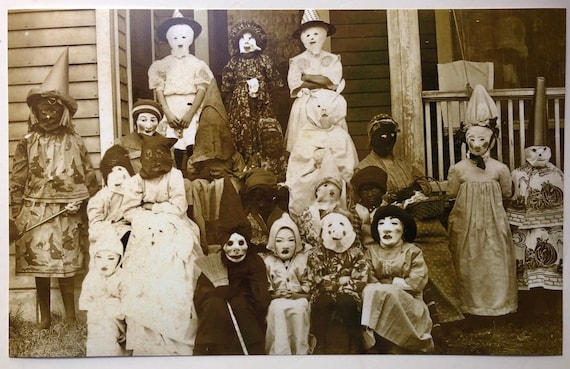
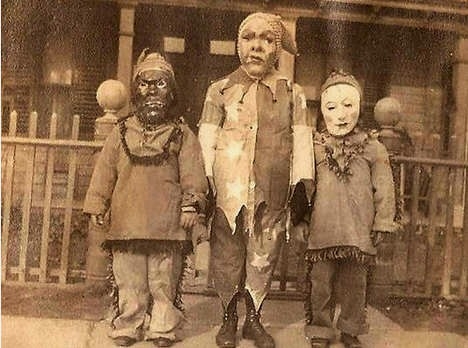
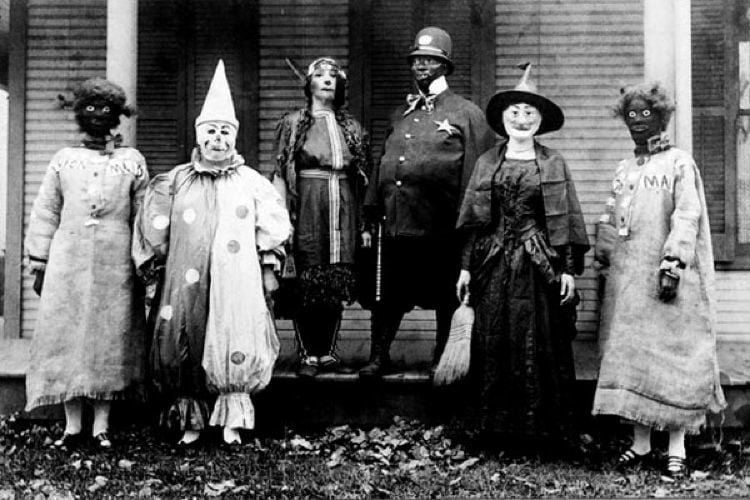
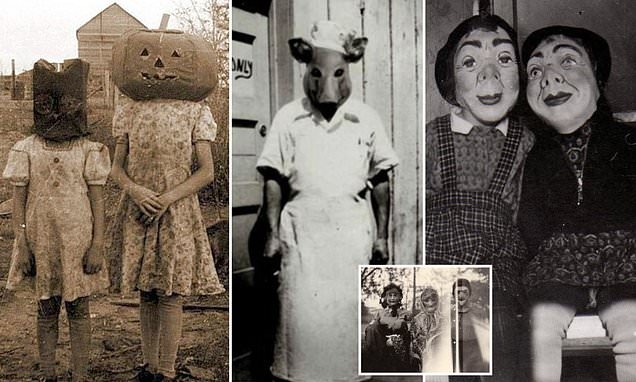
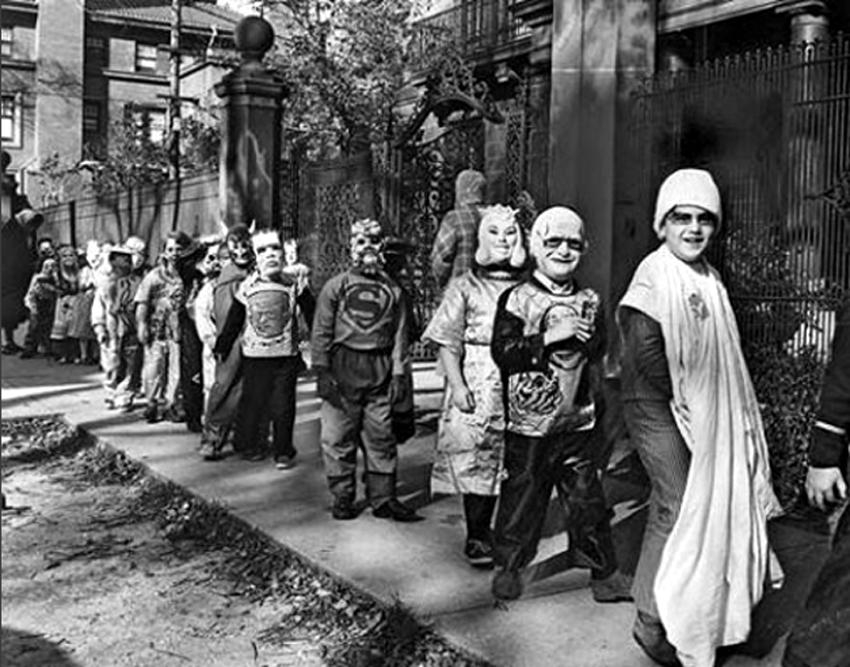
Red, White, and Boo! Halloween’s American History, Pictures, Interesting Facts

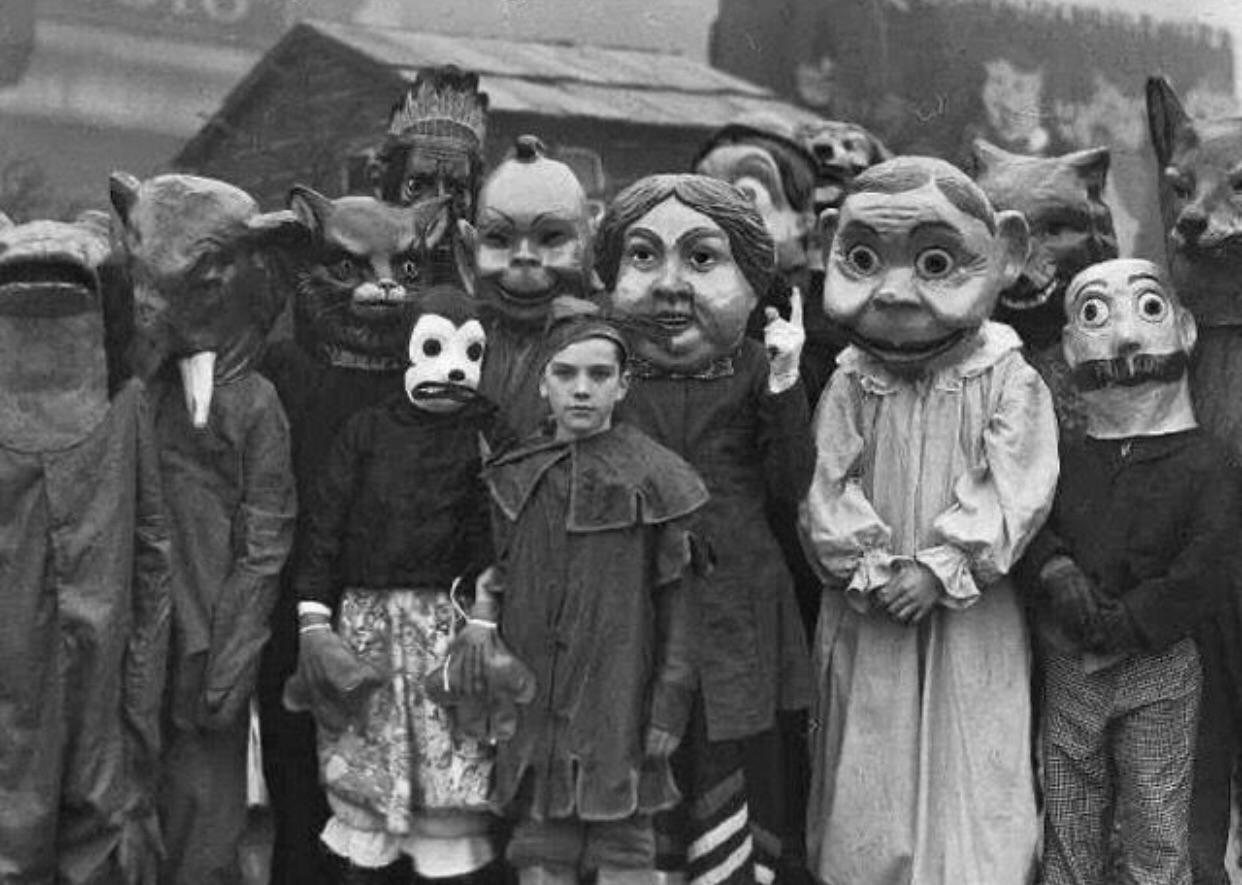
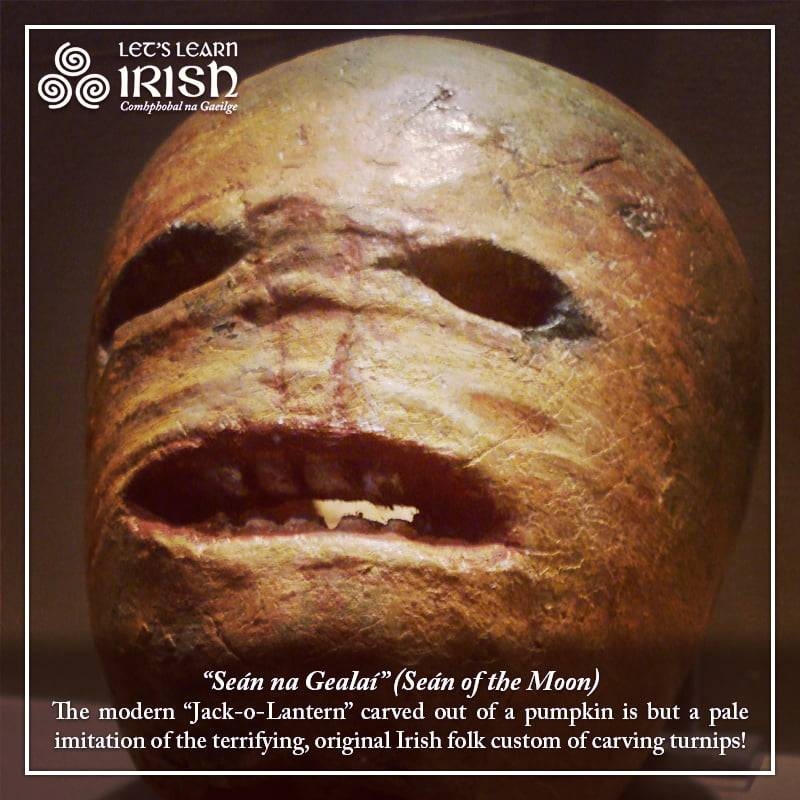
Halloween in America has evolved over centuries. It began over 2,000 years ago in Ireland with Samhain, a festival marking the end of the harvest. People believed the dead could visit the living, so they lit bonfires and wore costumes to ward off spirits. Masks and disguises hid them from wandering souls, and communities celebrated the season. In the 1800s, Irish and Scottish settlers brought these traditions to America. In the 1840s, Irish immigrants fleeing the Great Famine, a mass starvation caused by potato failures, preserved Halloween to maintain culture and community. They added pranks and public festivities to lift spirits. Carved turnips were placed outside to scare evil spirits, and in America pumpkins became easier to carve, creating the first jack-o-lanterns. By the 1870s, Halloween grew into a community event. Newspapers suggested parties, and neighbors played games like bobbing for apples, from Roman harvest festivals. Costume parties grew popular, with homemade disguises often scary or funny. Trick or treating began as children dressing up and performing songs, jokes, or skits for coins or treats. The first recorded trick or treating in the U.S. was in the 1920s. After World War Two, suburban neighborhoods expanded trick or treating. Candy companies sold Halloween candy, including candy corn, first made in the 1880s. Shaped like corn kernels to celebrate the harvest, it was easy to mass produce. Glow-in-the-dark costumes, plastic pumpkins, and decorations appeared in the 1950s, turning Halloween into a family-centered holiday. Today, Halloween blends Celtic traditions with American flair. Haunted houses, pumpkin patches, costume contests, and candy sales are everywhere. Over 600 million pounds of candy are sold annually, and Americans spend nearly 10 billion dollars, making Halloween one of the most celebrated and beloved traditions in the country. #Halloween #TrickOrTreat #USHistory #America #USA #History
Red, White, and Boo! Halloween’s American History, Pictures, Interesting FactsRed, White, and Boo! Halloween’s American History, Pictures, Interesting FactsRed, White, and Boo! Halloween’s American History, Pictures, Interesting FactsRed, White, and Boo! Halloween’s American History, Pictures, Interesting FactsRed, White, and Boo! Halloween’s American History, Pictures, Interesting FactsRed, White, and Boo! Halloween’s American History, Pictures, Interesting FactsRed, White, and Boo! Halloween’s American History, Pictures, Interesting Facts
1776 Patriot

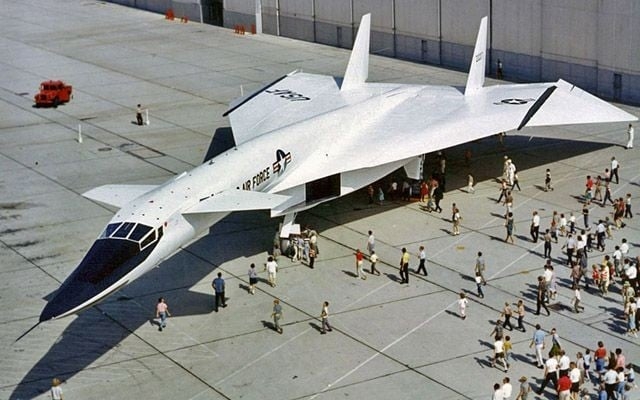
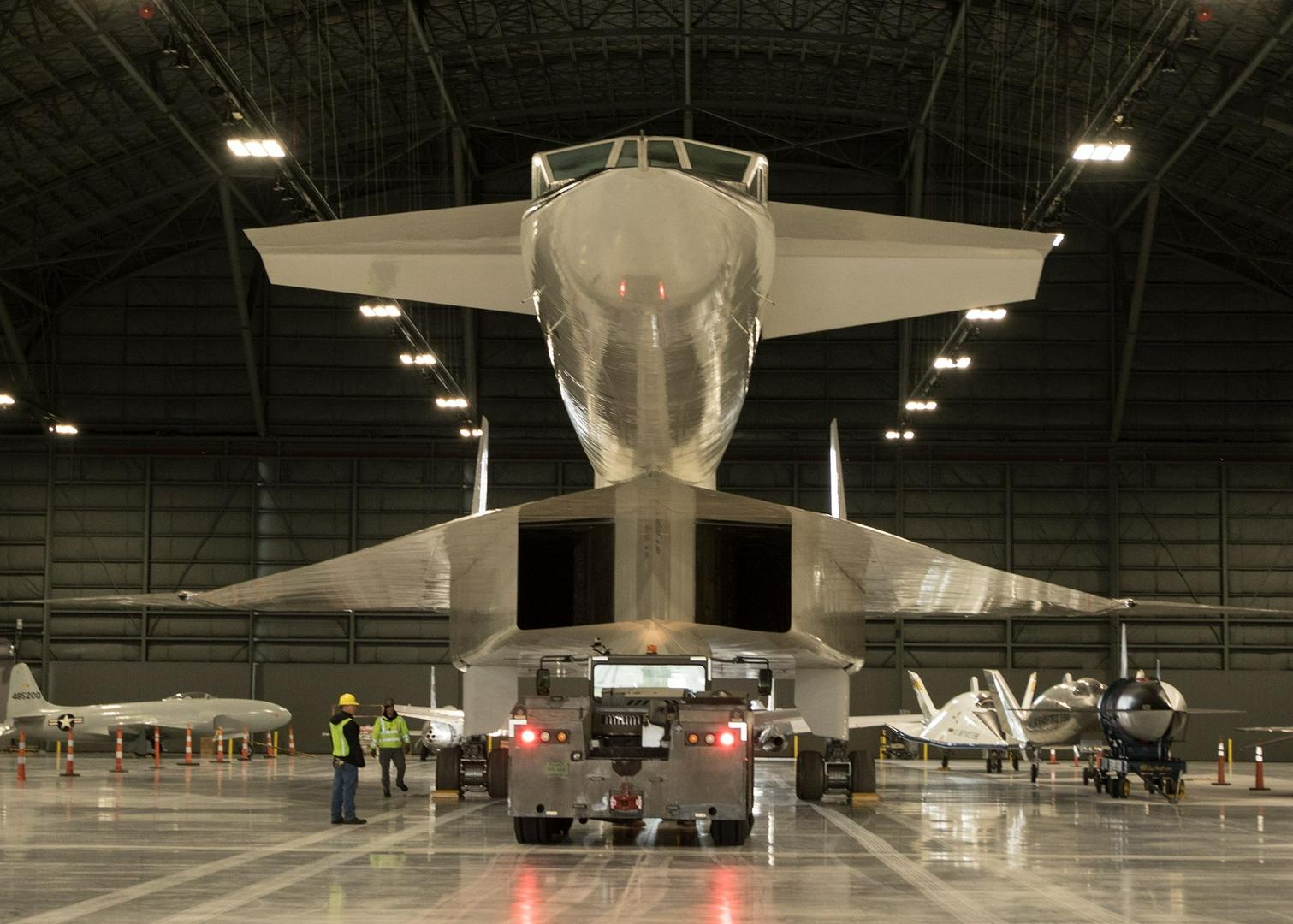
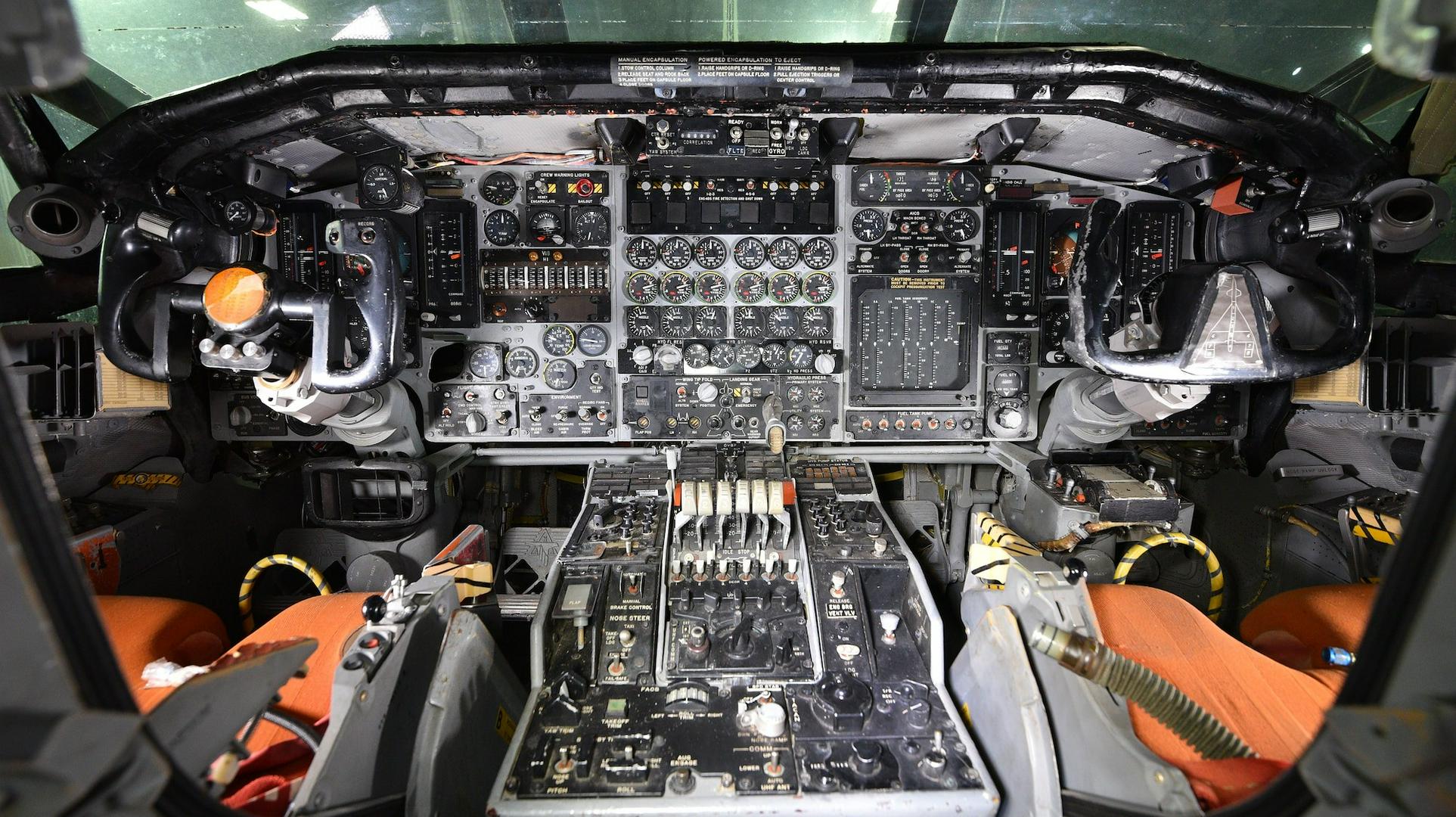
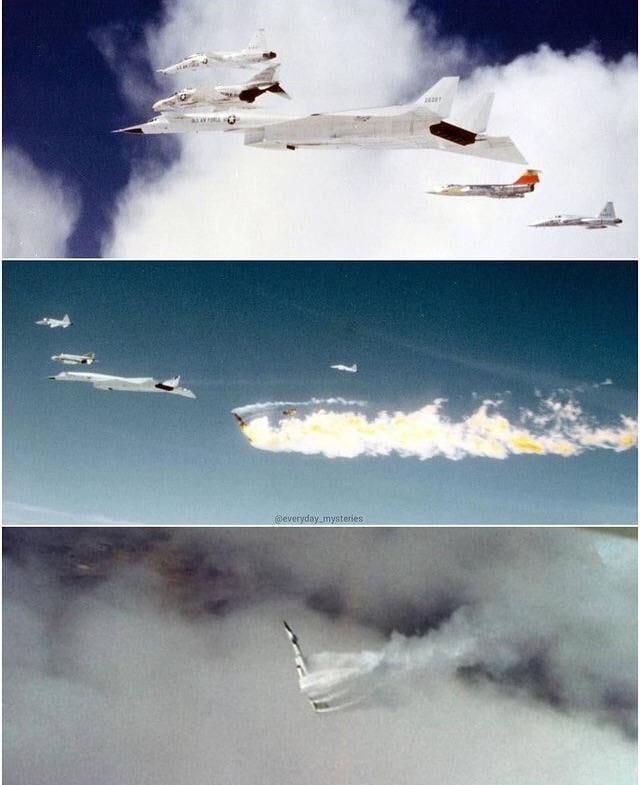
Cold War Collision: Supersonic Bomber, XB-70 Valkyrie

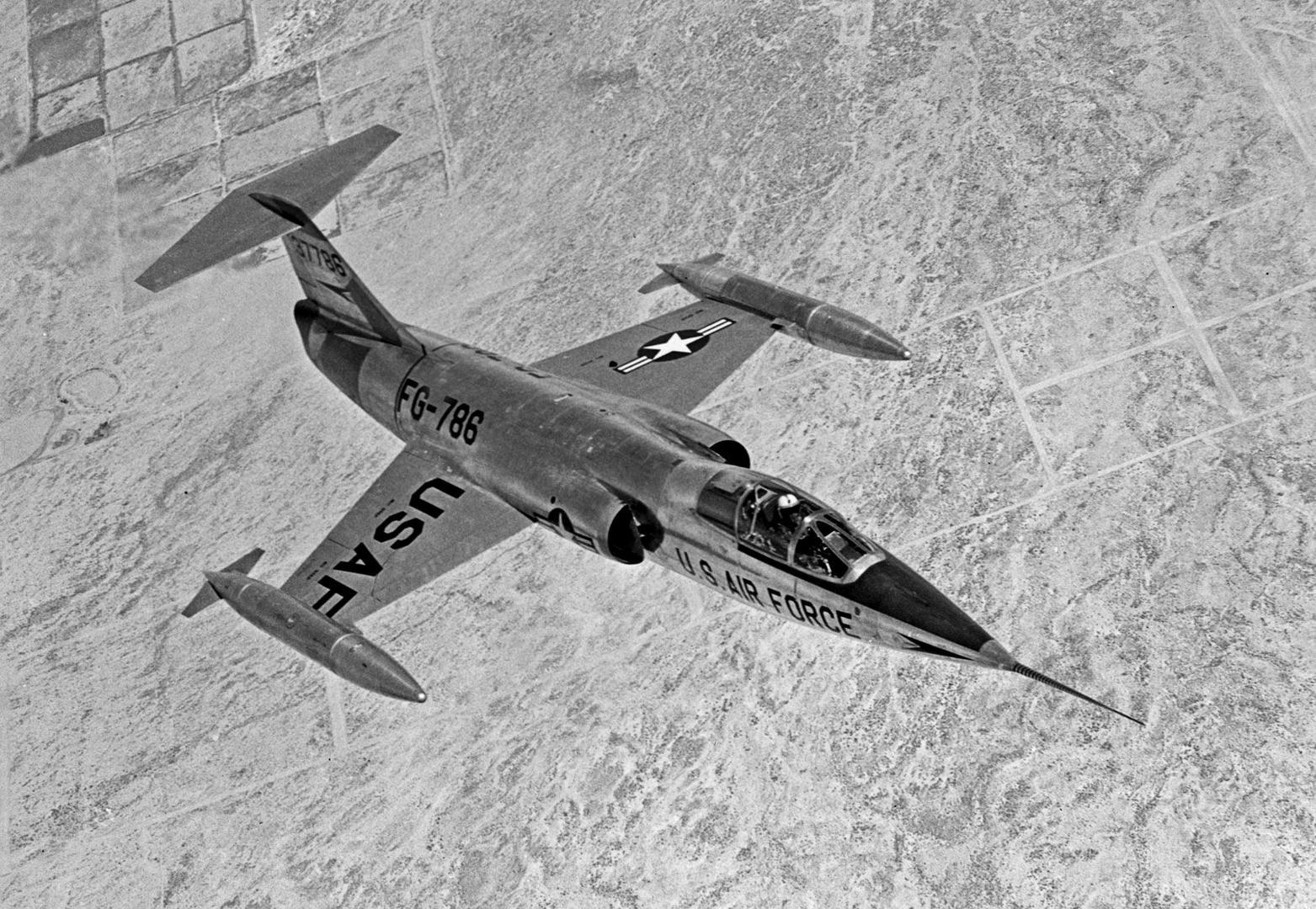
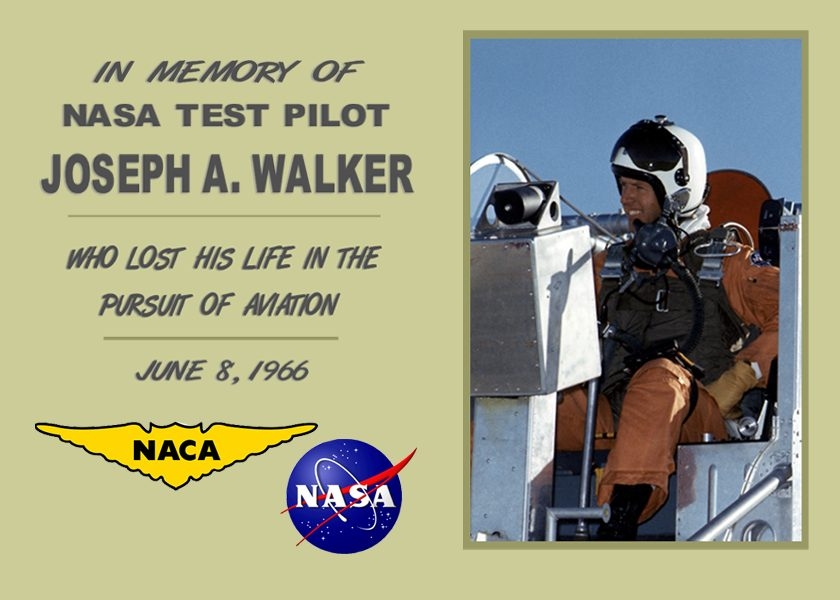
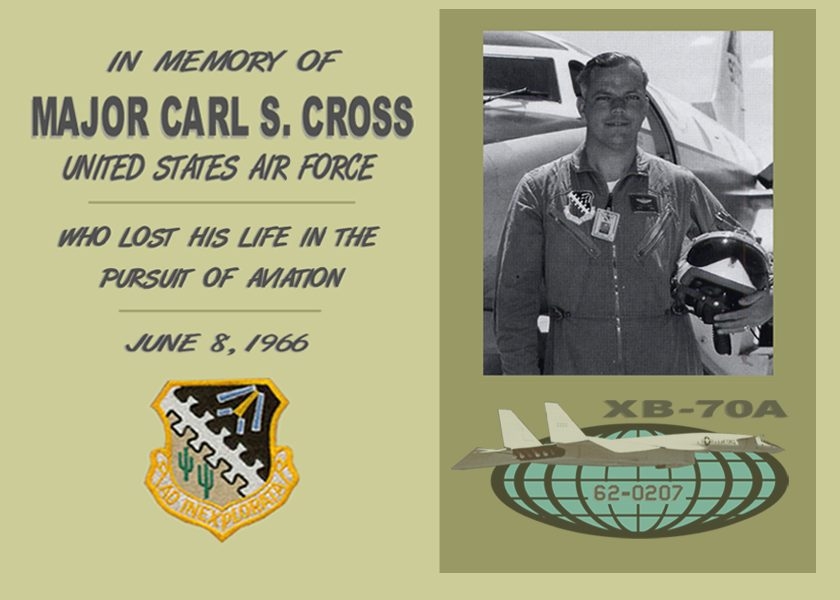
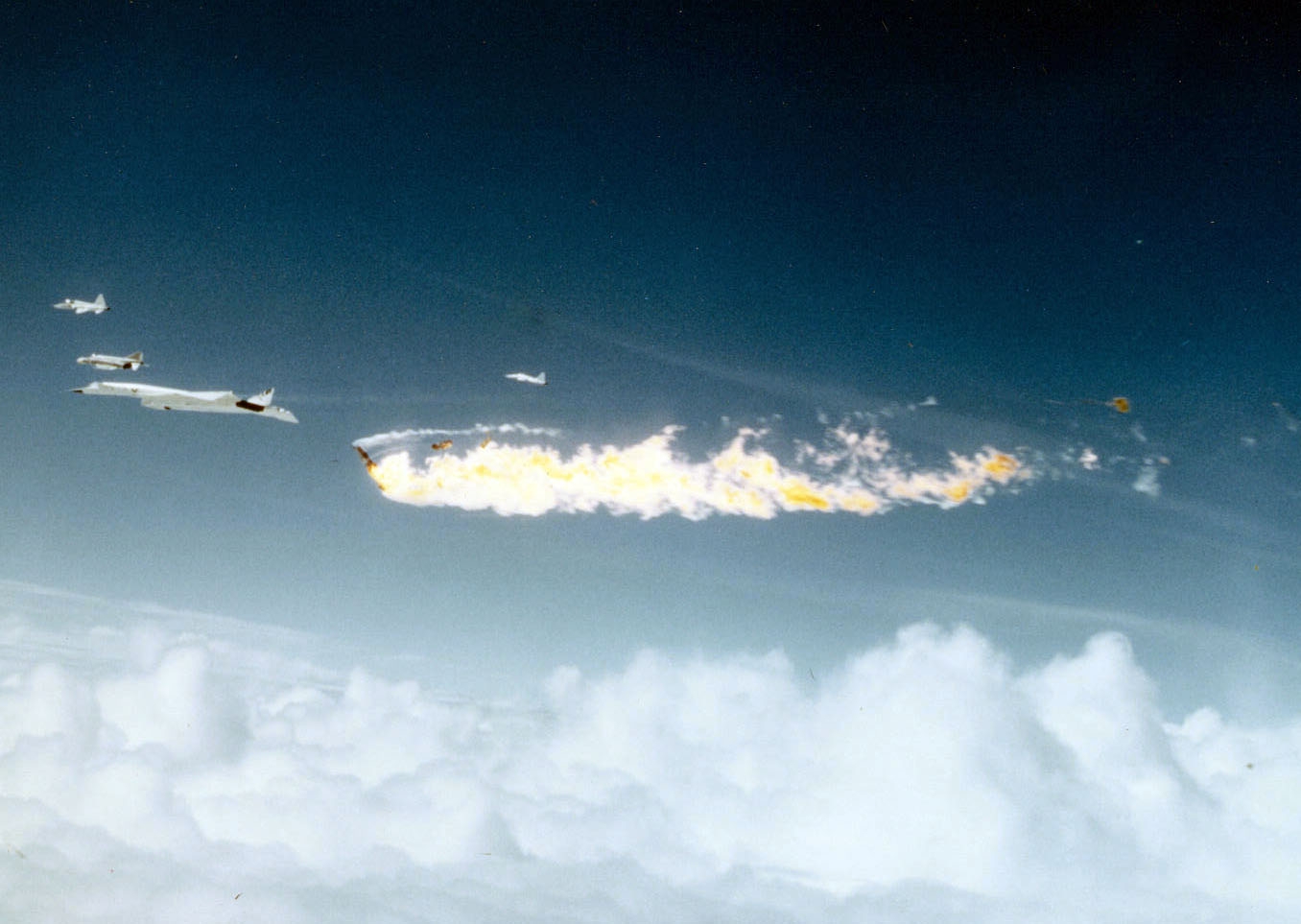
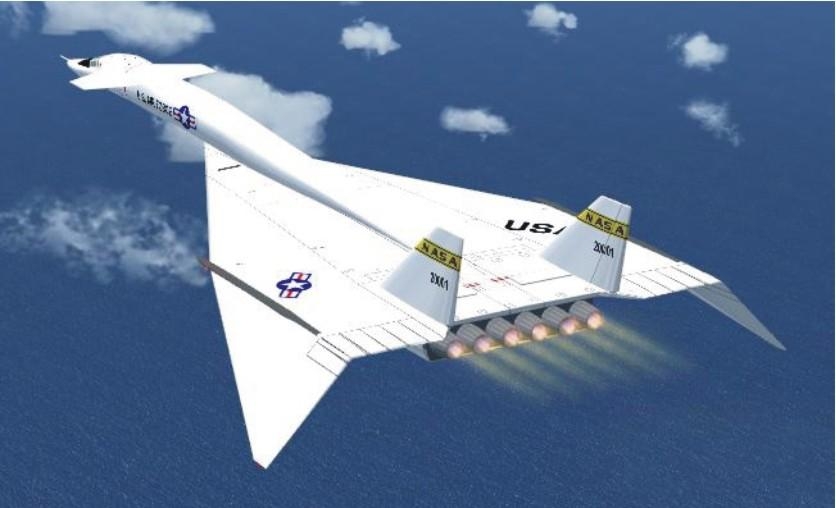
The XB70 Valkyrie was a Cold War era bomber built by North American Aviation to deliver nuclear weapons deep into Soviet territory. It could reach Mach 3, over 2,000 miles per hour, and soar above 70,000 feet, relying on speed and altitude to avoid interceptors and surface to air missiles. The massive delta wing aircraft, 185 feet long and weighing over 500,000 pounds, had folding wingtips for stability at high speeds. Only two prototypes were built to test advanced aerodynamics and materials for future bombers. The Valkyrie symbolized American ambition and the race for supersonic flight. On June 8, 1966, tragedy struck during a demonstration at the Paris Air Show. The second XB70 flew in formation with smaller planes, including an F104 Starfighter piloted by Major Joe Walker. During a photo pass at roughly 1,000 miles per hour, the F104’s wingtip clipped the Valkyrie’s right wing, sending the bomber twisting violently and rolling out of control. The aircraft disintegrated midair, scattering debris and erupting in a massive fireball visible to thousands. Major Joe Walker and XB70 copilot Major Carl Cross were killed instantly, while pilot Major Al White ejected and survived despite serious injuries. The crash revealed the extreme dangers of formation flying at supersonic speed, where even minor contact could cause catastrophic loss. Investigators found turbulence from the Valkyrie’s large delta wing and small flight path errors by the F104 triggered the collision. The XB70’s size and speed left almost no time to recover. Engineers used the findings to improve aircraft control and formation procedures for future supersonic programs. The surviving XB70 continued flights until 1969, providing crucial data that shaped the design of later aircraft such as the B1 bomber and Concorde. Today, it stands in the National Museum of the U.S. Air Force in Dayton, Ohio, a lasting reminder of ambition, innovation, and the risks of advanced aviation. #AirForce #History #America

Cold War Collision: Supersonic Bomber, XB-70 ValkyrieCold War Collision: Supersonic Bomber, XB-70 ValkyrieCold War Collision: Supersonic Bomber, XB-70 ValkyrieCold War Collision: Supersonic Bomber, XB-70 ValkyrieCold War Collision: Supersonic Bomber, XB-70 ValkyrieCold War Collision: Supersonic Bomber, XB-70 ValkyrieCold War Collision: Supersonic Bomber, XB-70 ValkyrieCold War Collision: Supersonic Bomber, XB-70 ValkyrieCold War Collision: Supersonic Bomber, XB-70 Valkyrie
1776 Patriot

The Gallows Await: Lincoln’s Conspirators Meet Their Fate

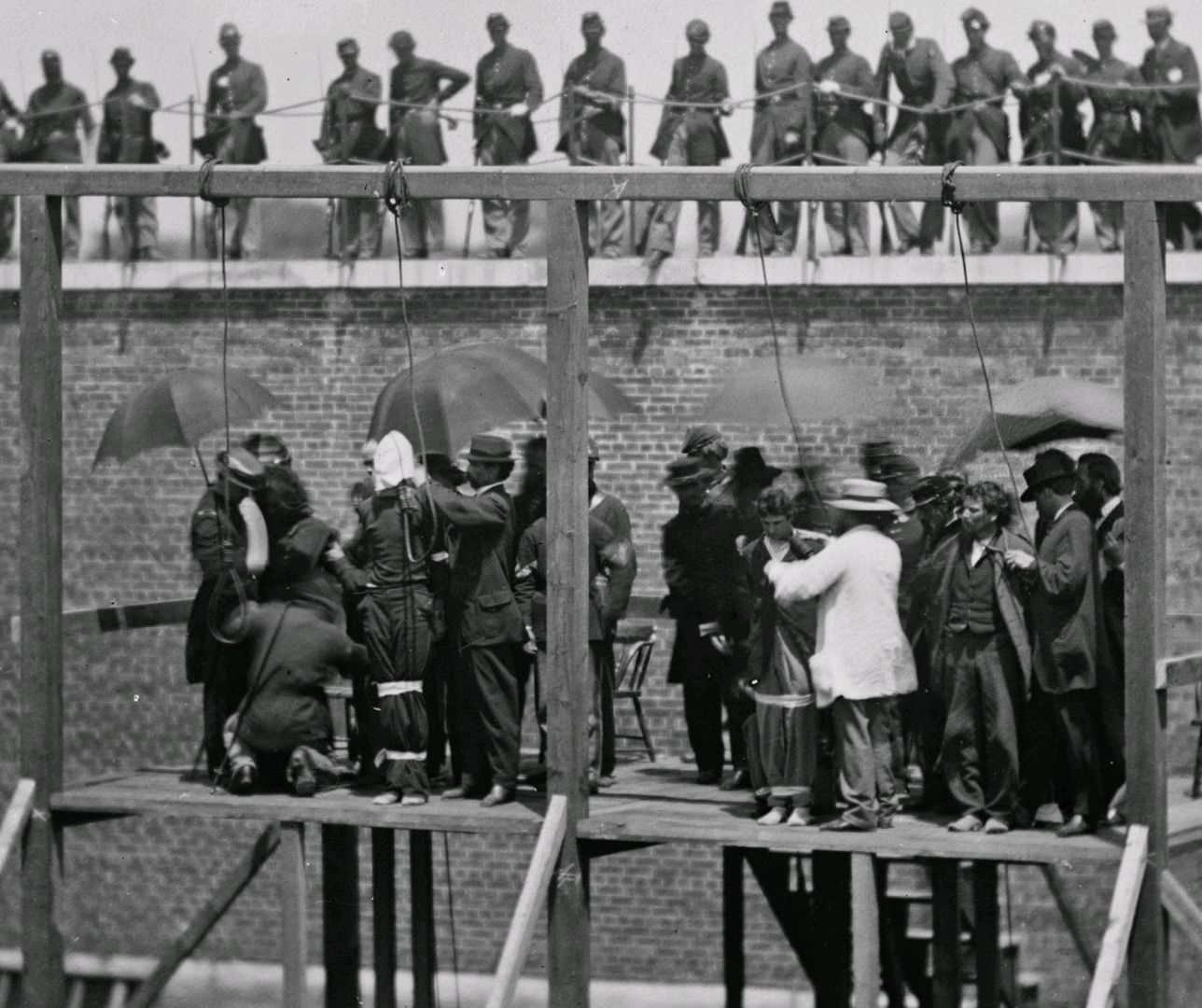
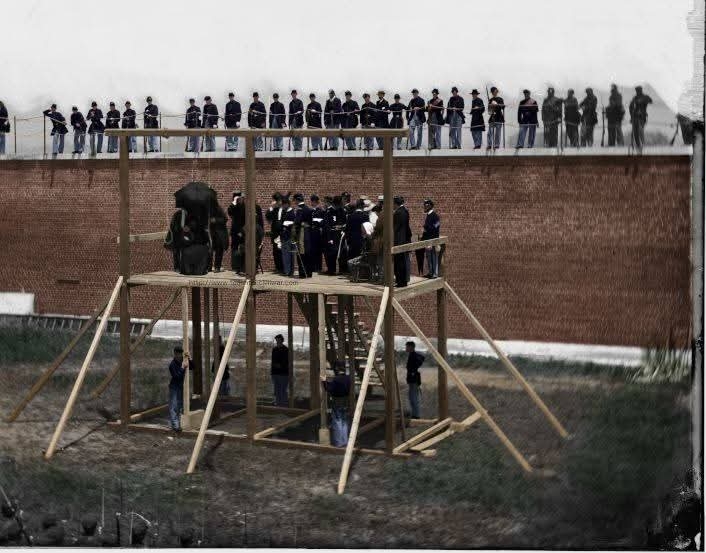
After President Abraham Lincoln was shot on April 14, 1865, a military commission tried eight conspirators, including Mary Surratt, Lewis Powell, David Herold, and George Atzerodt. The trial began on May 9, 1865, in Washington, D.C., under strict guard. Witnesses described Booth’s movements in Ford’s Theatre and the coordination among the conspirators. Letters and receipts confirmed the plot. Mary Surratt’s boarding house had hosted secret meetings, and testimony revealed she delivered messages and supplied resources. Powell’s attack on Secretary Seward and Atzerodt’s failed attempt on Vice President Johnson were recounted in shocking detail. After weeks of testimony, the commission sentenced Surratt, Powell, Herold, and Atzerodt to death by hanging. The courtroom had been tense, every word measured. On July 7, 1865, the executions took place at the Washington Arsenal. Each prisoner was led individually to the gallows in the early morning. Soldiers kept strict silence while physicians inspected the ropes and knots. Mary Surratt, calm but solemn, stepped onto the platform first, becoming the first woman executed by the United States federal government. Powell followed, appearing tense but composed. Herold trembled and hesitated before stepping to the edge, while Atzerodt’s face was pale, lips tight. The wind stirred lightly, carrying an eerie quiet. Every step onto the platform seemed to stretch time. The hangings proceeded with precise military procedure, each drop ending in immediate death. Officers, physicians, and select journalists observed, noting the differing reactions of the condemned. Powell held himself stiffly until the last second, Herold shook visibly, and Surratt maintained a haunting dignity. Atzerodt’s fear was clear as he fell. The morning was silent except for the finality of the moments, leaving a lasting impression. The echoes of the trap lingered, a grim reminder of the cost of conspiracy. #USHistory #History #America #Lincoln #EarlyAmerica

The Gallows Await: Lincoln’s Conspirators Meet Their FateThe Gallows Await: Lincoln’s Conspirators Meet Their Fate
1776 Patriot

CIA’s Deadliest Leak: Aldrich Ames

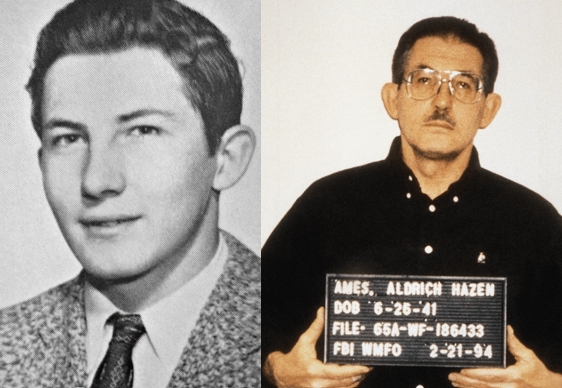
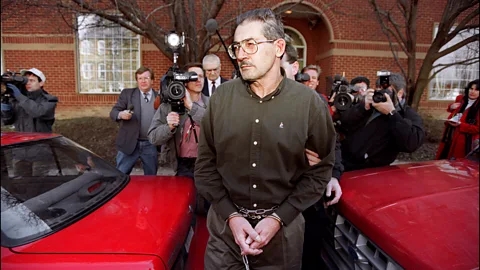
During the Cold War, few betrayals shook the United States intelligence community like that of Aldrich Ames, a CIA counterintelligence officer who sold secrets to the Soviet Union and later Russia. Ames’s espionage compromised countless agents, led to the execution of American assets, and dealt one of the harshest blows to U.S. intelligence in history. Ames joined the Central Intelligence Agency in 1962 and rose through the ranks, specializing in Soviet counterintelligence. By the mid 1980s, frustrated by low pay, debt, and personal ambition, he began secretly contacting the KGB. He offered highly classified information in exchange for money, receiving more than two and a half million dollars over nine years, making him one of the highest paid foreign agents in Soviet history. He used the funds to buy a luxury home, expensive cars, and designer clothes, all while working at the heart of the CIA’s Soviet division. The consequences were devastating. Ten CIA sources inside the Soviet Union were arrested and executed. Entire networks were dismantled, and several long running operations collapsed almost overnight. Ames revealed the names of key double agents, the structure of U.S. intelligence in Moscow, and even details of surveillance technology, giving the KGB a deep advantage during a critical period of the Cold War. Despite his sudden wealth and declining work performance, internal oversight failed to flag him. His senior position, access to sensitive files, and the CIA’s culture of trust allowed him to operate freely for nearly a decade. In 1994, after a defector’s warning and a joint FBI and CIA investigation, Ames was arrested outside his home in Arlington, Virginia. He pled guilty and received a life sentence without parole. His wife, Rosario Ames, who had assisted him, was sentenced to five years. Ames’s case remains a symbol of how one man’s greed and arrogance can unravel an entire intelligence system. #History #USHistory #DomesticEspionage #USA

CIA’s Deadliest Leak: Aldrich AmesCIA’s Deadliest Leak: Aldrich Ames
Malinda Graham

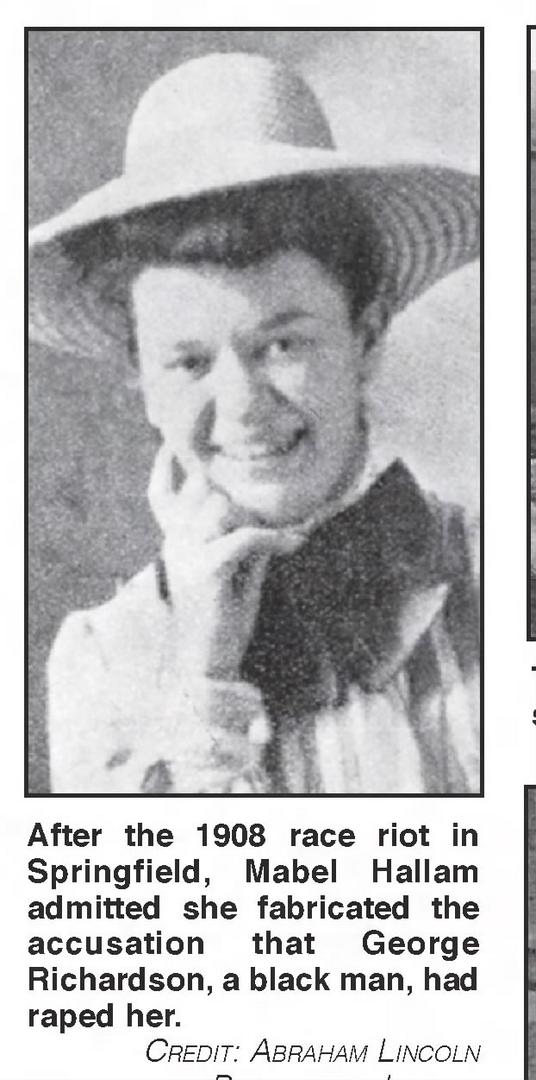
The Springfield race riot of 1908 consisted of events of mass racial violence committed against African Americans by a mob of about 5,000 white Americans and European immigrants in Springfield, Illinois, between August 14 and 16, 1908. Two black men had been arrested as suspects in a rape, and attempted rape and murder. The alleged victims were two young white women and the father of one of them. The alleged victim later confessed to lying. When a mob seeking to lynch the men discovered the sheriff had transferred them out of the city, the whites furiously spread out to attack black neighborhoods, murdered black citizens on the streets, and destroyed black businesses and homes. The state militia was called out to quell the rioting. #Springfield #LiesAndDeception #LiesAndTruth #AmericanHistory #Racism #LiesInHistoryBooks #lies #History

1776 Patriot

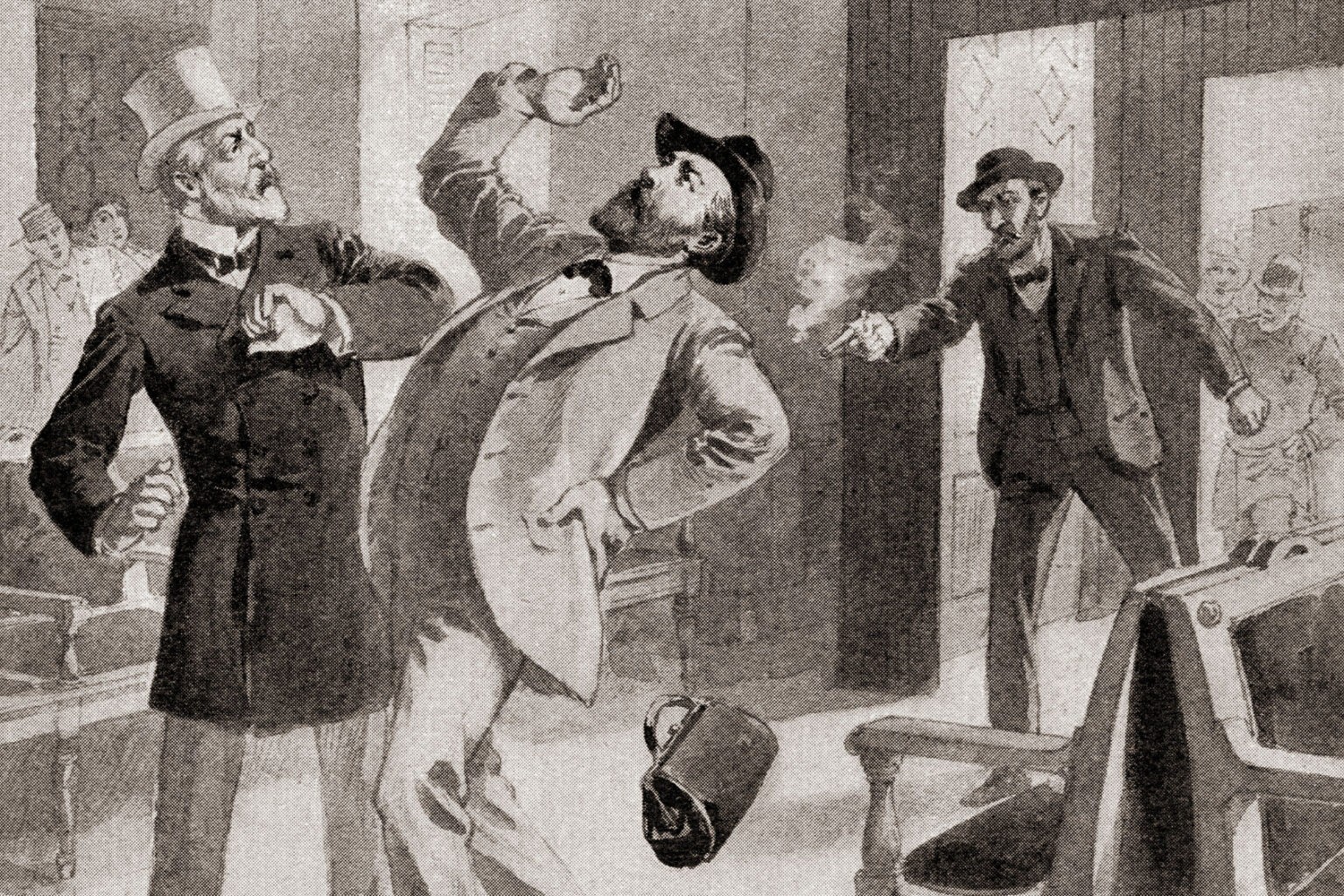
Chaos and Infection: The Assassination of President Garfield On July 2, 1881, shortly after 9:30 a.m., President James Garfield, the 20th president of the United States, was shot at Washington’s Baltimore and Potomac Railroad Station by Charles Julius Guiteau, a mentally unstable lawyer seeking political reward. Garfield, traveling with Secretary of State James Blaine, had no Secret Service protection. Like Lincoln in 1865, Garfield was vulnerable. Guiteau, who studied the station for days, carried a .442 caliber British Bulldog revolver and fired twice. The first bullet shattered Garfield’s right humerus. The second lodged in his back near the pancreas and kidneys, passing within millimeters of the aorta. Chaos erupted as travelers screamed, trunks toppled, and dozens froze. Blaine knelt beside Garfield. Guiteau shouted, “I did it! I just shot the president. I had to save the Republican Party!” Doctors led by D. Willard Bliss repeatedly probed Garfield’s wounds with unsterilized fingers and instruments during the first weeks. Bliss said, “I can find it with my finger if it is anywhere to be found,” spreading infection that caused abscesses and sepsis. Alexander Graham Bell tried to locate the bullet with a metal detector, but bed springs distorted results. Garfield endured 80 days of fever, abscesses, and severe weight loss, reportedly saying, “I never expected to live to see the end of this.” Newspapers reported daily, and tens of thousands followed updates nationwide. Garfield died September 19, 1881, 79 days after being shot. Vice President Chester Arthur assumed office. Guiteau was tried, convicted, and hanged June 30, 1882. The assassination exposed presidential security weaknesses and prompted the Pendleton Act of 1883, establishing merit-based federal employment. Repeated probing of Garfield’s wounds caused infection, contributing to the 30–40% mortality for major bullet injuries, turning a survivable wound fatal. #History #USHistory #America #USA
Tag: history - Page 23 | LocalAll