Tag Page learnsomethingnew

#learnsomethingnew
LataraSpeaksTruth

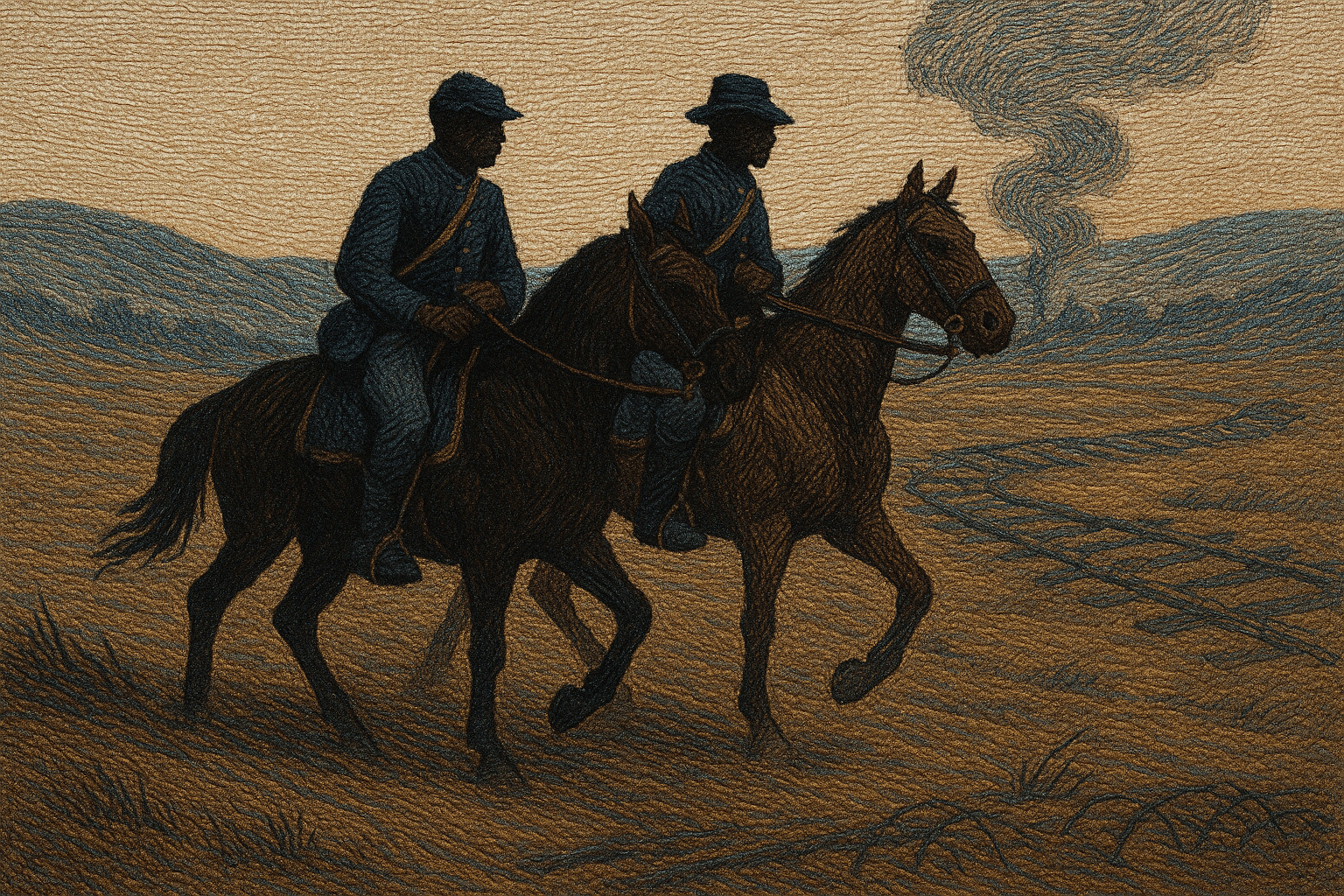
December 1864 marked a pivot point in the last act of the Civil War. When the 5th and 6th United States Colored Cavalry rode with Stoneman’s Raid into Southwestern Virginia, they were not there for appearance. They were there to break the backbone of the Confederacy, and they did exactly that. These units tore through supply lines, wrecked depots, and dismantled the railroads that kept weapons and resources moving through the region. The terrain was rough, the danger constant, yet these soldiers had already proven their skill in earlier battles. Stoneman’s Raid simply offered another moment for their discipline and courage to alter the direction of the war. Their presence on this campaign reveals a larger truth about the conflict. Freedom was not handed out. Black soldiers fought for it with precision, endurance, and grit, even while serving a nation that still denied them full rights. Their work during the raid helped bring down the Confederacy’s supply system and pushed the Union closer to victory. Today their service reminds us that the final years of the war carried layers of struggle and intention. Their contribution was strength, strategy, and a determination to secure a future that many people tried to deny them. #History #AmericanHistory #MilitaryHistory #NewsBreakCommunity #LearnSomethingNew #LataraSpeaksTruth

The Story Behind...

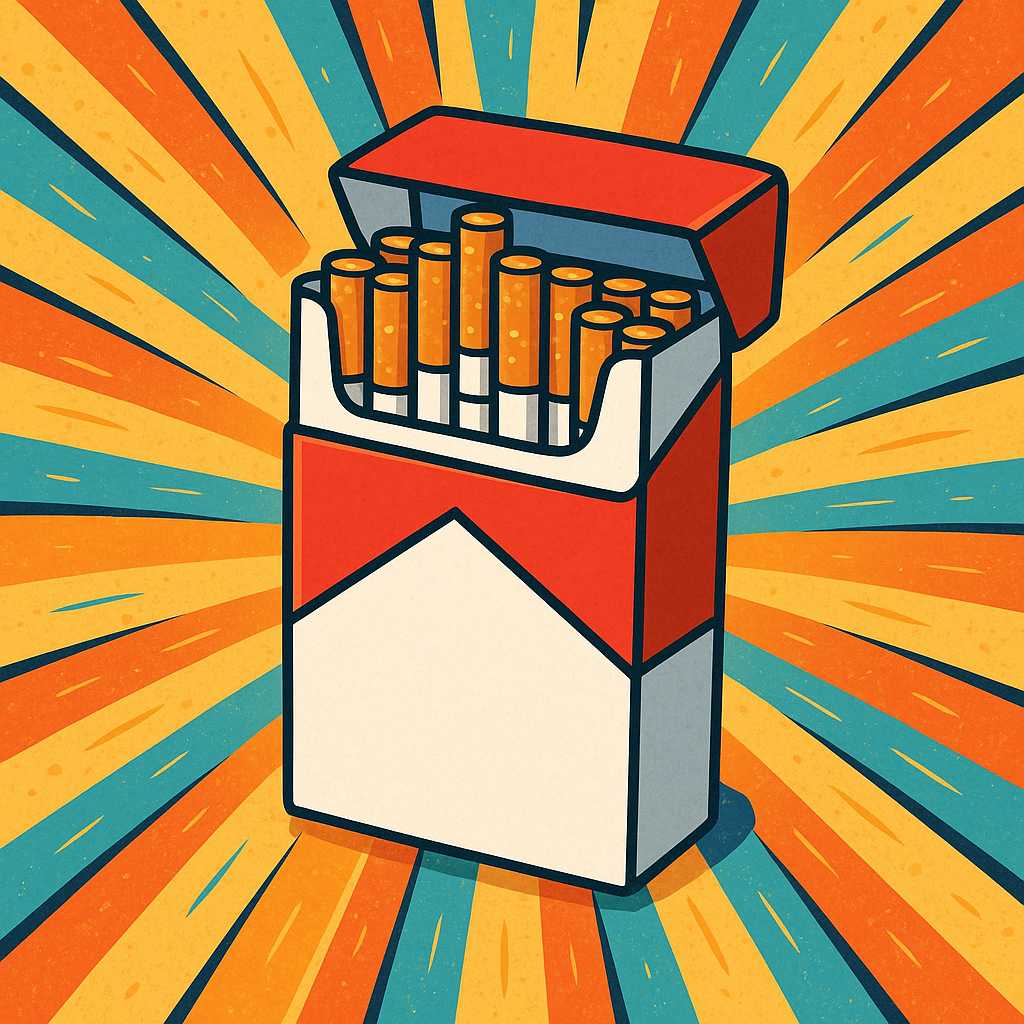
During the 1900s, cigarette sales exploded. But behind the scenes, scientists were discovering that smoking caused cancer, heart disease, and lung damage. Companies knew the risks early, but hid the evidence to protect profits. It wasn’t until the 1960s and 70s that governments began warning the public. Labels, restrictions, and research exposed the truth: cigarettes were engineered to be addictive. Today, smoking rates have dropped, especially among younger generations, but the legacy remains. Cigarettes transformed from a sacred plant to one of the largest and most harmful industries in history — a story driven by culture, colonization, marketing, and money. From ancient traditions to modern health warnings, the story of cigarettes is a reminder of how something meaningful can be turned into something dangerous once profit gets involved. #TheStoryBehindIt #Cigarettes #EverydayHistory #LearnSomethingNew #HistoryMadeSimple #TruthBehindIt

The Story Behind...

Before money ever existed, people traded what they had for what they needed. Wheat for cloth. Animals for tools. Salt for spices. It worked… until it didn’t. Bartering fell apart fast when two people didn’t want what the other person had. So different ancient cultures began using objects that everyone agreed had value. Cowrie shells were one of the first global “currencies.” Metal coins came next in places like China, Lydia, and Greece—small, durable, stamped with symbols so people could trust them. As societies grew, paper money showed up. China was the first to use it around the 7th century when carrying heavy metal coins became a problem. Europe didn’t catch up until hundreds of years later. Eventually banks, governments, and entire economies built systems around printed bills. The 1900s changed everything again with credit cards, ATMs, and debit cards. Now the world has stepped into digital money—online banking, mobile wallets, and even cryptocurrencies. But at its core, money has always been the same thing: a tool people created to make life easier, trade smoother, and value clear. From seashells to swipe cards and phone apps, money is the invention that turned trade into an entire system the world depends on. #TheStoryBehindIt #Money #EverydayHistory #LearnSomethingNew #FunFacts #HistoryMadeSimple

The Story Behind...

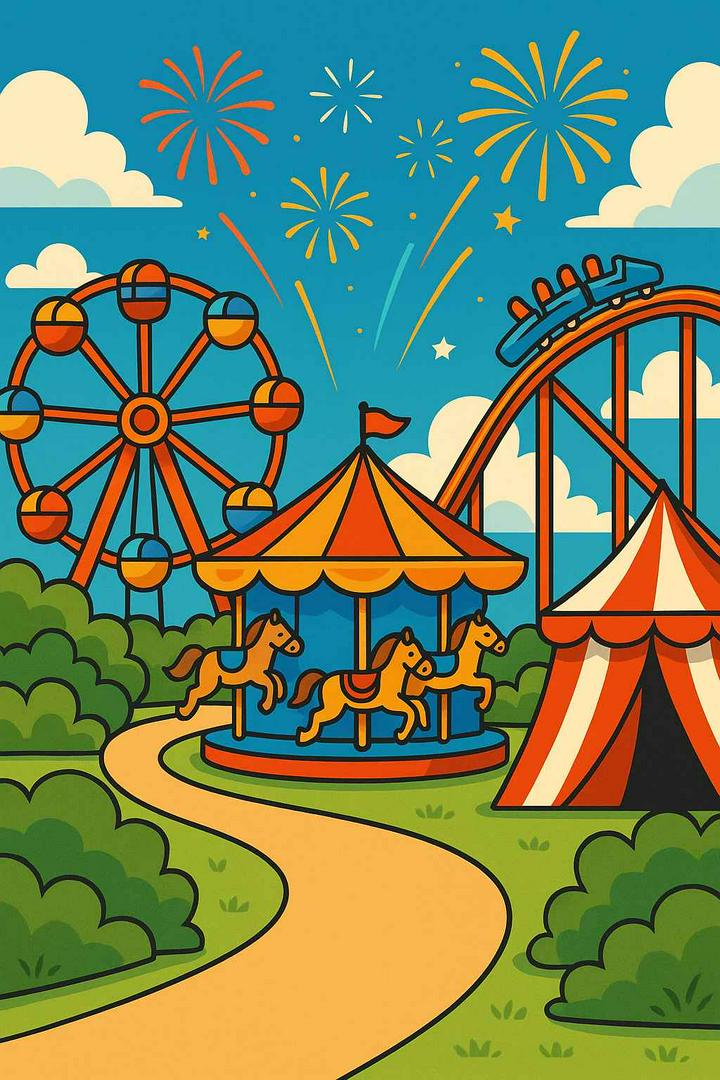
Roller coasters… cotton candy… long lines… and that one uncle who always swears he’s “not getting on that ride.” Theme parks feel modern, but the idea goes way back. The earliest versions appeared in medieval Europe with “pleasure gardens,” places where people listened to music, watched performers, and escaped their everyday lives. One of the most famous was London’s Vauxhall Gardens, which opened in the 1600s and featured shows, art displays, fireworks, and food stalls… the blueprint for everything we call entertainment today. By the late 1800s, America got in on it. Coney Island changed the game with giant rides, electric lights, and attractions people traveled miles to see. Its success inspired cities everywhere to build their own amusement parks. Then in 1955, Disneyland opened and transformed the entire industry. It wasn’t just rides anymore… it was storytelling. Every corner had a theme, a world, a feeling. It set the standard for what a theme park could be. Today they’re bigger, faster, louder, and more immersive, but the purpose hasn’t changed. Theme parks give people a break from reality… a space where adults can be kids again and kids can feel like the world is magic. The story behind them is simple… humans have always needed fun, wonder, and a place that lets the imagination run wild. Fun has a history too. Here’s where theme parks really began. #TheStoryBehind #ThemeParks #HistoryFacts #DidYouKnow #FunFacts #ConeyIsland #Disneyland #AmusementParks #LearnSomethingNew #CommunityPost

LataraSpeaksTruth

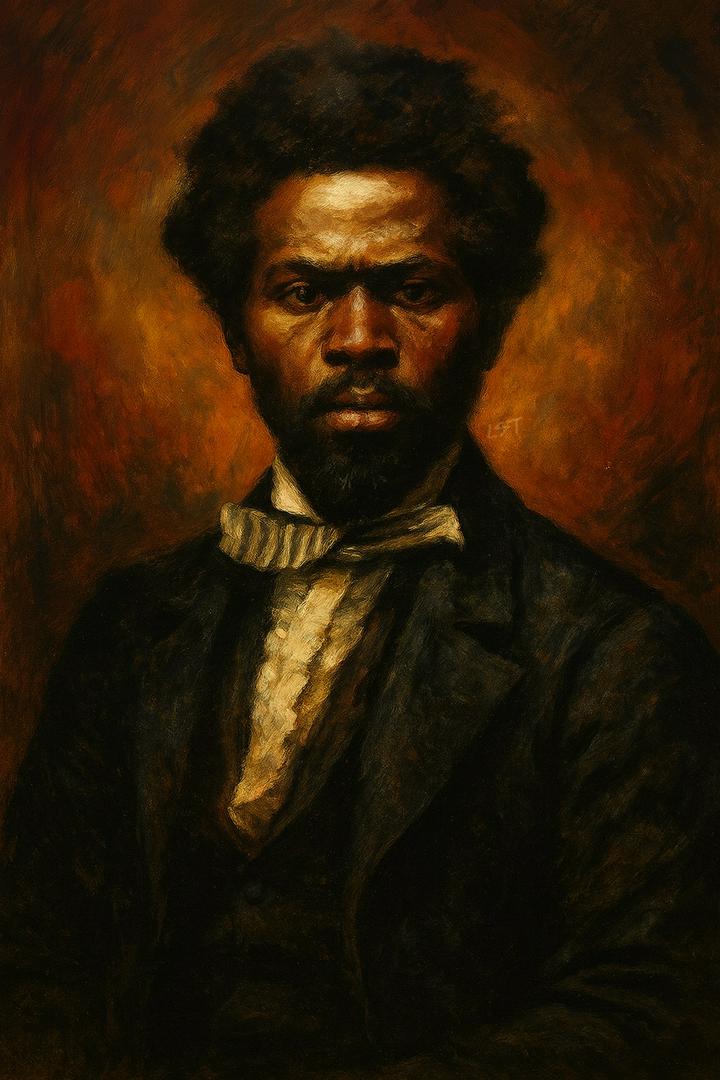
Robert Smalls and the Night He Took His Freedom Into His Own Hands

In 1862, Robert Smalls made a decision that changed everything. He was enslaved. He was forced to work on a Confederate warship. And he understood the risks better than anyone. One night, when the opportunity came, he took it. Smalls put on the captain’s coat, steered the ship away from Confederate control, and sailed it toward Union lines. He moved past multiple checkpoints by keeping his focus steady and his timing exact. He didn’t leave his family behind. He didn’t leave the others behind. He used that moment to free everyone he could reach. That part matters. It says a lot about who he was. Afterward, he continued to serve. He worked with the Union. He built businesses. He entered public office. He reshaped the future of his community. His story didn’t end with escape. It expanded. And this is the type of history that should be known widely. It’s not a myth. It’s documented. It’s powerful. And it deserves more space than it gets. #HistoryUncovered #AmericanHistory #HiddenChapters #LegacyAndTruth #LearnSomethingNew #LataraSpeaksTruth #TodayInHistory #RealStories

Robert Smalls and the Night He Took His Freedom Into His Own HandsRobert Smalls and the Night He Took His Freedom Into His Own Hands
The Story Behind...

People have been pouring their secrets onto paper for thousands of years, long before cute notebooks and lock-and-key diary sets ever existed. Ancient civilizations kept personal journals to record dreams, prayers, confessions, and warnings for the future. These weren’t just “dear diary” moments… they were survival notes. People wrote to remember what their minds tried to forget. By the Middle Ages, diaries turned into a quiet rebellion. When you couldn’t speak freely in public, you spoke on the page. When society told you to stay quiet, the ink said otherwise. And when real life got too heavy, the diary became the one place you could say the truth without getting judged, punished, or silenced. In the 1800s, diaries became more personal and emotional, especially for women and young people whose voices the world didn’t value yet. Their diaries became proof that they lived, felt, loved, struggled, and survived in ways history books didn’t care to record. A lot of what we know about everyday life back then comes from people who never thought anyone would read their pages. Today, diaries look different—notes apps, voice memos, private folders, journaling apps—but the purpose is the same. A diary is the place you tell the truth you don’t feel safe saying out loud. It’s where you sort your emotions before they spill out in the wrong direction. It’s where you keep track of who you used to be and who you’re becoming. No matter what the world looks like, people will always need a place to put their heart when it feels too full. Diaries aren’t just books… they’re mirrors, release valves, healing tools, and time capsules of our inner world. #TheStoryBehind #Diaries #HistoryFacts #DidYouKnow #LearnSomethingNew

The Story Behind...

The Bible didn’t arrive as one finished book. It grew over thousands of years, starting with stories passed by mouth long before ink touched paper. Different cultures wrote down histories, laws, poems, warnings, and visions. Those writings were copied, translated, debated, and protected through wars, migrations, and destroyed kingdoms. Nothing about it was quick or simple. The earliest pieces came from ancient Israel, written on scrolls of animal skin. Later, followers of Jesus wrote letters and accounts of his life. Communities kept the writings they believed carried truth, and over time, a collection formed. It wasn’t until centuries later that scholars gathered, argued, compared texts, and agreed on what should be included. That’s how the Bible became one book. Before printing existed, every copy was written by hand. It took months. One mistake meant starting over. People risked their lives to hide copies from governments who tried to stop them. The Bible survived fires, bans, and entire empires collapsing. When the printing press arrived, everything changed. For the first time, ordinary people could read it instead of relying on leaders to explain it. That freedom shaped countries, cultures, and beliefs all over the world. The Bible we see today is a layered history of faith, suffering, hope, and human hands doing their best to preserve something sacred. Whether someone reads it for religion, history, wisdom, or curiosity, it carries the weight of thousands of years of people trying to understand life, death, and what it all means. #TheStoryBehind #BibleHistory #AncientTexts #HiddenHistory #LearnSomethingNew #NewsBreakCommunity #DidYouKnow
The Story Behind...

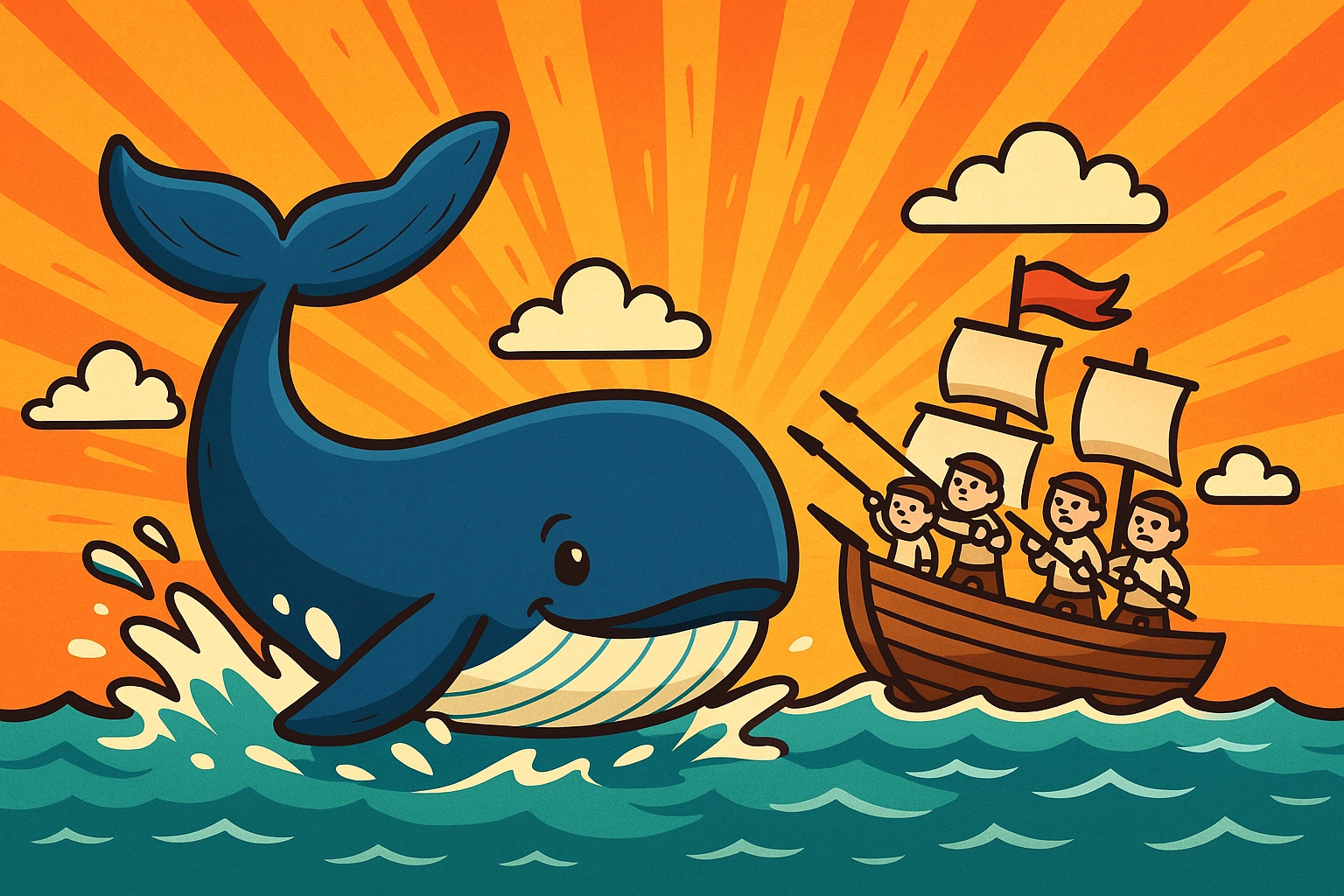
Whaling didn’t start as a brutal industry. Thousands of years ago, coastal communities survived on anything the ocean offered — including whales that washed ashore. Those early hunts were small, respectful, and rooted in survival, not profit. Everything changed in the 1600s and 1700s. As European and American ships expanded across the oceans, whales became “liquid gold.” Whale oil lit lamps, powered machinery, greased factories, and made nations rich. The bones were turned into tools, umbrellas, corsets, even furniture. A whole economy was built on the backs of the largest animals on Earth. But the work was violent. Sailors chased whales for hours, stabbed them with harpoons, and watched them bleed across the sea. Ships risked storms, freezing waters, and being dragged under by whales fighting for their lives. Thousands of men died doing it. By the 1800s, the demand was so great that entire whale populations collapsed. Species were pushed to the edge of extinction long before anyone cared about conservation. The turning point came when petroleum replaced whale oil and new laws began protecting marine life. What was once a booming industry became a symbol of human greed and carelessness. Today, most countries have banned commercial whaling, but a few still continue the old traditions under different names. The legacy of whaling is complex — part survival, part industry, part destruction. It shows how far humans will go to chase profit, and how quickly a giant of the sea can disappear when the world decides it’s “useful.” #TheStoryBehind #Whaling #HistoryFacts #OceanHistory #HiddenHistory #DidYouKnow #NewsBreakCommunity #LearnSomethingNew #WildlifeHistory

The Story Behind...

Rainbows have been a symbol of hope, mystery, and magic for thousands of years. Long before scientists understood how light worked, ancient people created stories to explain the colorful arc in the sky. Some believed rainbows were bridges between worlds. Others said they were messages from the gods, signs of peace after storms, or pathways to good fortune. But the real story behind rainbows comes down to sunlight and raindrops working together. When sunlight enters a raindrop, the light bends, bounces inside the drop, and spreads out into different colors. Each color bends at a slightly different angle, and when millions of drops do this at the same time, the sky paints the familiar arc — red at the top, violet at the bottom. You can only see a rainbow if the sun is behind you and rain is in front of you. That’s why they appear after storms or when sunlight cuts through mist. And no matter how fast you run, you can never reach the end of a rainbow — it’s a circle of light that moves with you. From ancient legends to modern science, rainbows have always been reminders that even after the darkest weather, something beautiful can appear. #TheStoryBehindIt #Rainbows #EverydayHistory #LearnSomethingNew #ScienceFacts #HistoryMadeSimple

The Story Behind...

Bedtime didn’t start with soft blankets and quiet houses. For most of human history, people slept according to the sun. When it got dark, families gathered close around fires for safety, warmth, and storytelling. Night wasn’t peaceful — it was dangerous. So going to sleep early wasn’t a choice… it was survival. In ancient cultures, bedtime often included rituals: prayers, songs, guard rotations, or burning herbs for protection. As villages grew into cities, people began splitting their nights into two major sleep phases — a “first sleep” and a “second sleep.” People would wake up in the middle of the night to pray, talk, or check on the house before falling asleep again. Everything changed after electricity. When artificial light became common in the 1800s and early 1900s, people stayed awake longer. Bedtime slowly shifted from a natural rhythm to a planned routine: brushing teeth, washing up, reading, turning off lights, and using clocks to set sleep schedules. Today, bedtime is a blend of tradition and science. Warm baths, calming music, low lights, and routines help the brain wind down. Families still keep bedtime rituals — stories for kids, prayer for comfort, meditation for peace, or just a quiet moment to let the day fade out. From firelit nights to alarm clocks and lamps, bedtime has always been about one thing: creating a safe space to rest, recover, and reset for the next day. #TheStoryBehindIt #Bedtime #EverydayHistory #LearnSomethingNew #HistoryMadeSimple #FunFacts