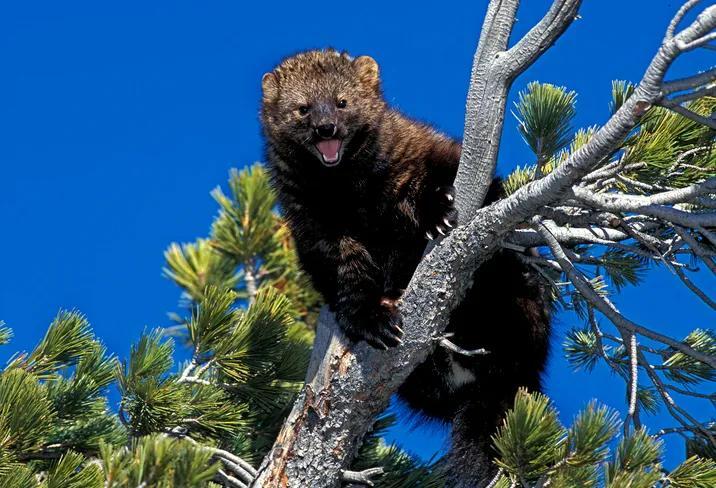
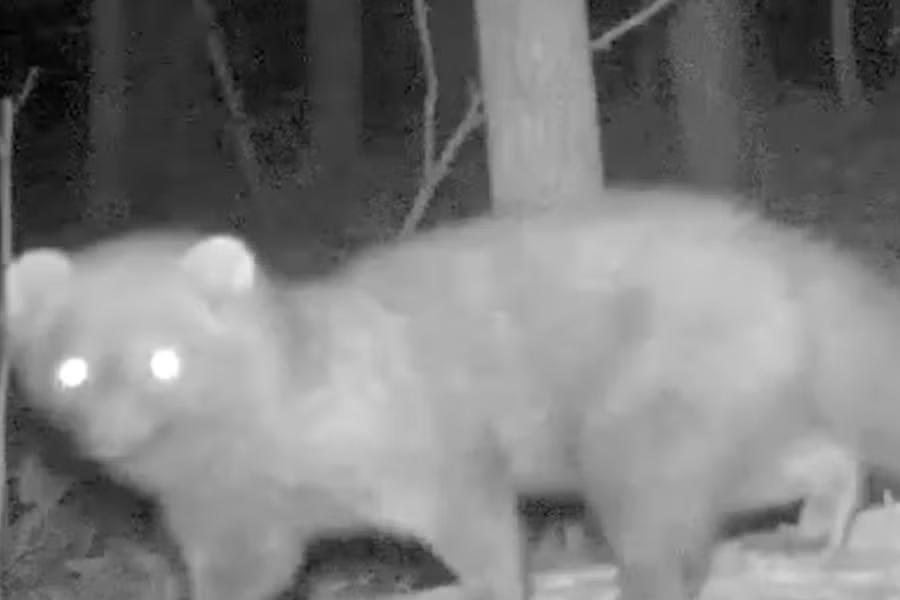
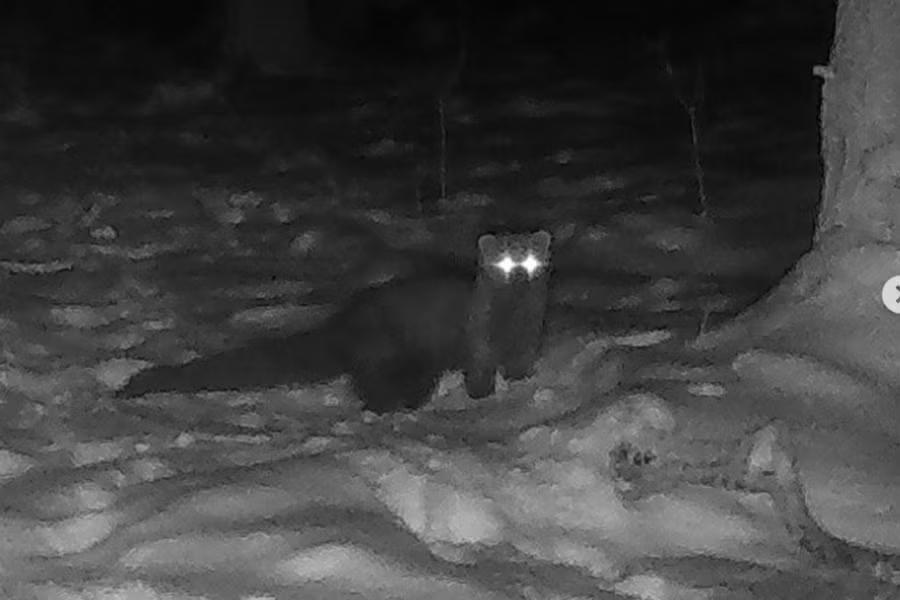
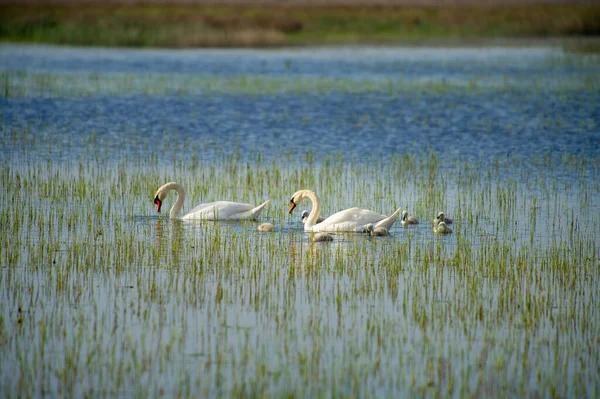
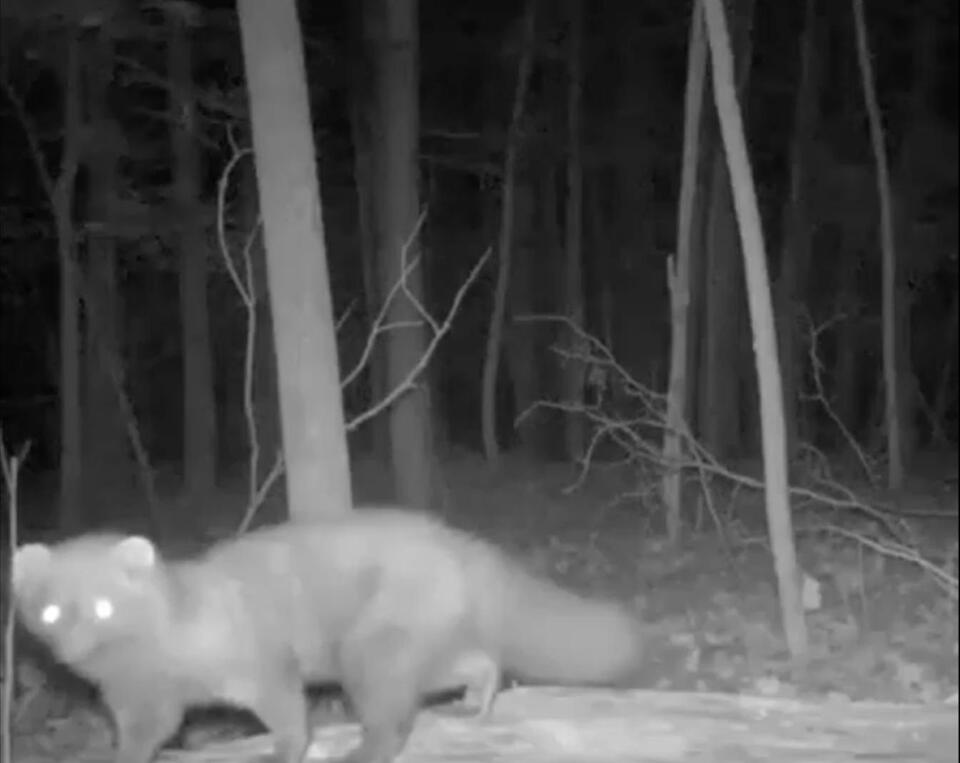
martinezlaura+FollowFisher returns to Cleveland after a centuryA fisher—a rare, cat-sized predator—has been spotted in Cleveland Metroparks for the first time in over 100 years! Locals might remember stories about these elusive creatures, which vanished from the area in the 1800s due to trapping and habitat loss. Now, thanks to conservation efforts, not only fishers but also otters, bobcats, and trumpeter swans are making a comeback in our region. It’s a sign that our forests and wetlands are thriving again. Have you noticed any wildlife returning to your neighborhood? What does this mean for our local ecosystem? Let’s talk about it! #Science #Cleveland #Wildlife10Share
Michael Flores+FollowFisher spotted in Cleveland after a centuryA fisher—a rare, weasel-like mammal—has been caught on camera in Cleveland Metroparks for the first time in over 100 years! Locals might remember stories about these elusive creatures, but now they’re officially back in Cuyahoga County. Conservation efforts are paying off, with fishers and other native species like otters and bobcats making a comeback. It’s wild to think these animals are quietly reclaiming their old stomping grounds. If you’re out exploring the parks, keep your eyes peeled and let wildlife officials know if you spot one. What do you think about seeing more of Ohio’s lost wildlife return? #Science #Cleveland #Wildlife00Share
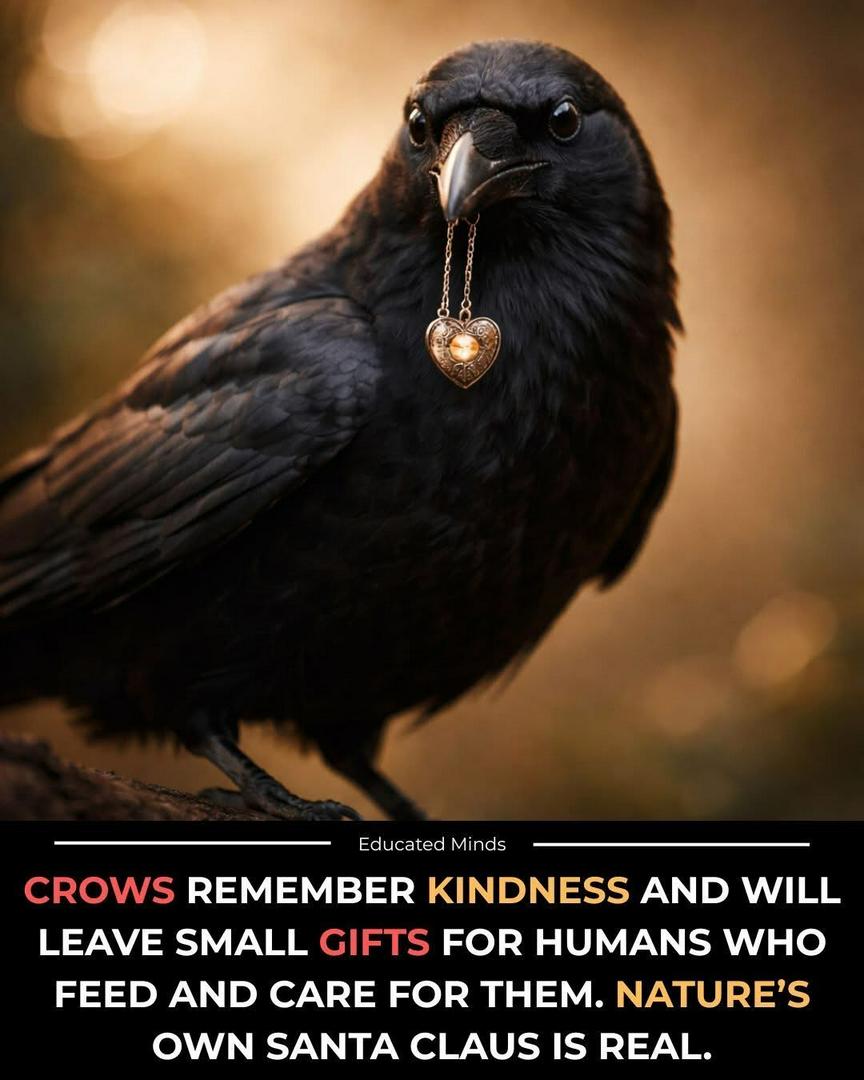
justme +FollowYou don’t expect a wild bird to notice you. Until one day it leaves something behind. It starts quietly. You put out peanuts. You keep your distance. You show up again tomorrow. Crows notice patterns like that. They remember faces and routines. They learn who is calm, consistent, and safe. Over time, a cautious glance becomes a visit. Then one morning there’s a bead. Or a button. Or a tiny object that didn’t get there by accident. Researchers don’t call it gratitude in the human sense. They describe it as recognition and learned trust. But being remembered by a wild animal still means something. If you want to try, patience matters most. Offer unsalted peanuts, fresh water, and space. Never crowd. Never touch. Let trust grow at the bird’s pace. Run Fact: Crows can recognize individual human faces and remember how those people treated them for years. Maybe the trinket isn’t the gift. Maybe being noticed is. #nature #wildlife #animals #connection #kindness Sources University of Washington – John Marzluff’s long-term research on crow intelligence and human facial recognition National Geographic coverage on crow memory, problem-solving, and human–crow relationships Scientific American explanations of corvid cognition, trust learning, and social memory470Share
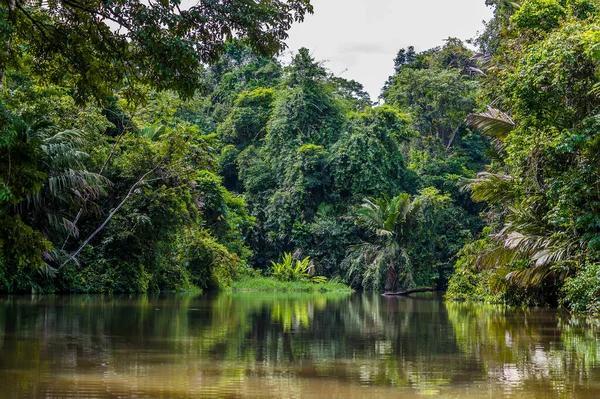
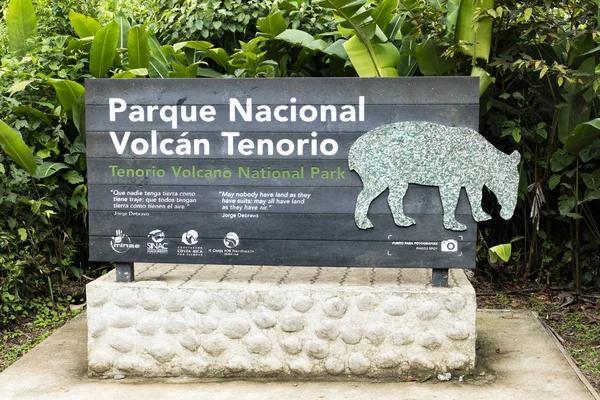
dylan15+FollowCosta Rica’s Wild Side: Must-See SpotsObsessed with animals? Costa Rica is basically the VIP lounge for wildlife lovers. Think jaguars, sloths, scarlet macaws, and sea turtles—sometimes all in one day! From the legendary Corcovado (hello, jaguars) to sloth-central Manuel Antonio, and the misty Monteverde Cloud Forest, these parks are the real deal. Pro tip: get up early for the best animal action and don’t skip the boat rides in Tortuguero. Bucket list, anyone? #Travel #CostaRica #Wildlife00Share
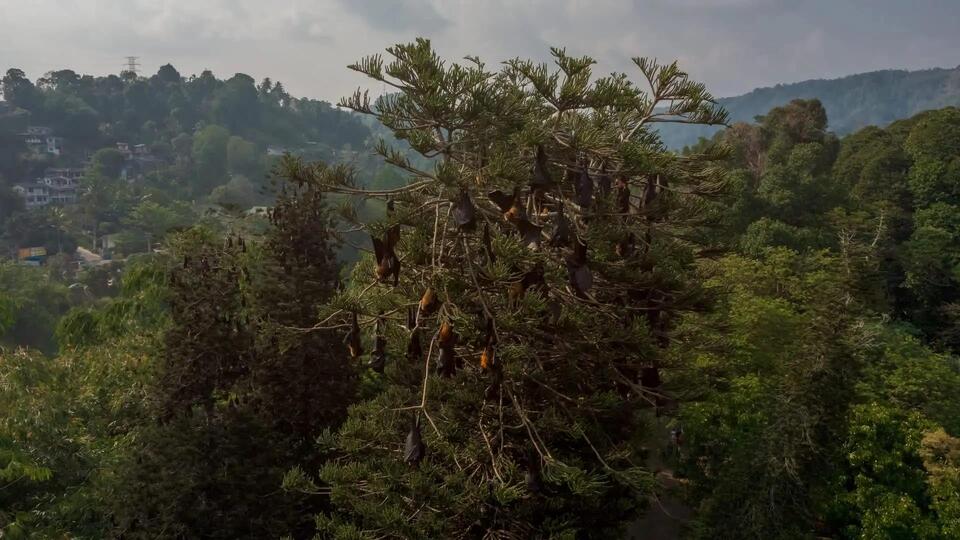
Patrick Simmons+FollowRats vs Bats: The Invasion Nobody Saw ComingWild new footage out of Germany shows brown rats literally ambushing bats in their winter hideouts—dragging them into crevices and everything. Conservationists are freaking out because bats are already struggling with habitat loss and light pollution, and now these invasive rats are making things worse. Bats eat tons of bugs that mess with crops, so fewer bats could mean pricier groceries for us. Should we be doing more to protect endangered animals? Sound off below! #Science #wildlife #conservation10Share
James Brady+FollowFisher spotted in Cleveland after 100 yearsA fisher, a native mammal not seen in Cuyahoga County for over a century, was just caught on camera in the Cleveland Metroparks! This rare sighting is a huge win for local conservation efforts, showing that restoring habitats really can bring wildlife back. Fishers vanished from most of Ohio by the mid-1800s due to habitat loss and trapping, so seeing one here again is a big deal. What do you think this means for the future of our parks and local wildlife? Have you noticed any other surprising animal comebacks lately? #Science #Cleveland #Wildlife20Share
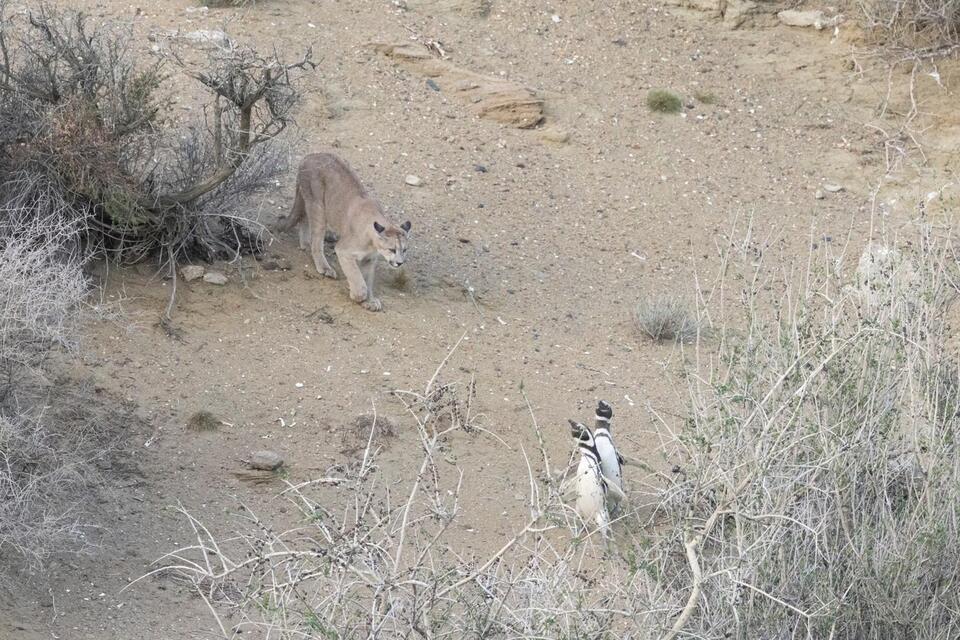
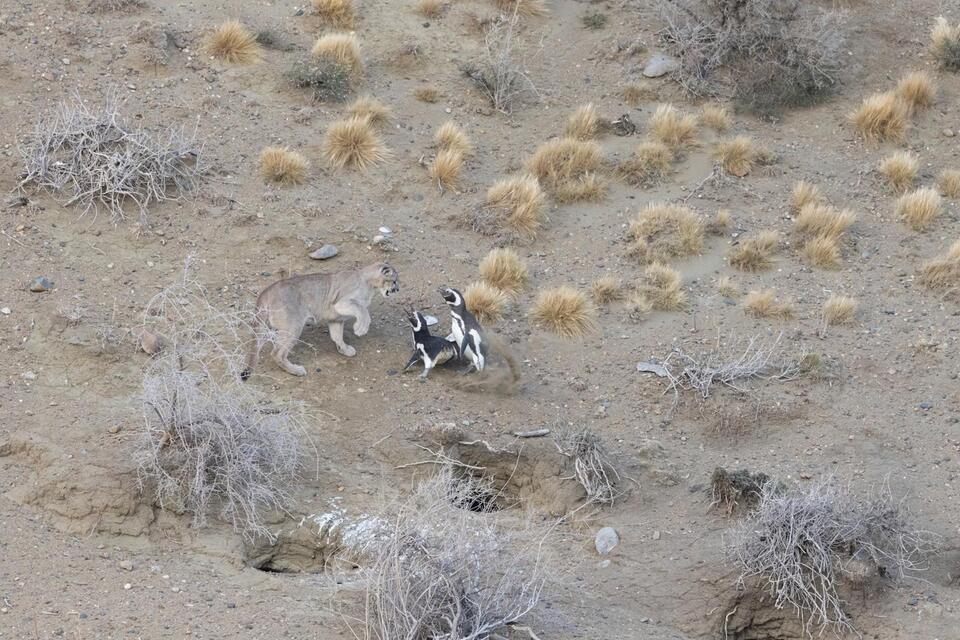
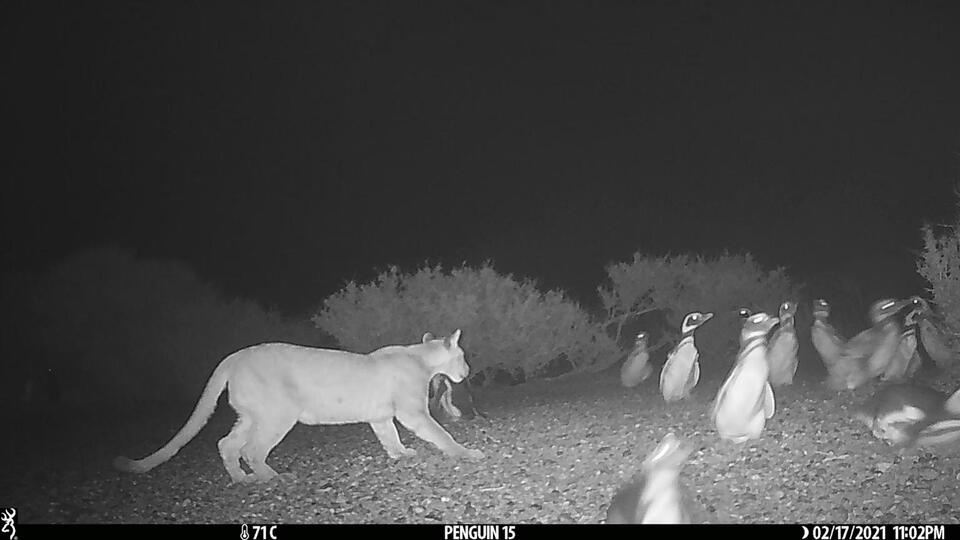
Melvin Mosley+FollowPumas vs Penguins: Patagonia Plot TwistWildlife comeback gone wild: pumas are back in Patagonia, and they’ve developed a taste for Magellanic penguins! After nearly vanishing a century ago, these big cats are now thriving thanks to conservation efforts. But here’s the plot twist—penguin colonies, which boomed in the pumas’ absence, are now easy pickings. It’s a real-life nature drama where saving one species shakes up the whole ecosystem. Who knew penguins would end up on the menu? #Science #wildlife #Patagonia10Share
Jacob Morgan+FollowDangerous Hornet Makes a Comeback!The oriental hornet just popped up in Croatia for the first time since the '70s and officials are freaking out. This reddish-brown bug isn’t just a lookalike for the European hornet—it can sting, and it’s bad news for honeybees. Locals are being told to avoid nests and watch out for allergic reactions. Wild how a species can vanish for decades and then just show up again, right? #Pets #insects #wildlife00Share
Zachary Gutierrez+FollowFisher returns to Cleveland after 100+ yearsA fisher—a rare, cat-sized mammal related to otters and weasels—has been spotted in Cleveland Metroparks for the first time since the 1800s! This sighting is more than just cool wildlife news; it’s a real sign that local conservation efforts are paying off. Fishers vanished from Ohio long ago due to habitat loss and overhunting, but now they’re making a comeback alongside otters, bobcats, and swans. It’s wild to think these animals are reclaiming their old stomping grounds. How do you feel about sharing our parks with these returning species? #Science #Cleveland #Wildlife00Share
James Brady+FollowRare fisher returns to Cleveland after 100+ yearsA fisher—a secretive, cat-sized mammal related to otters and weasels—has been spotted in Cleveland Metroparks for the first time since the 1800s! This rare sighting is a huge win for local conservation, showing that efforts to restore forests and wetlands are truly paying off. Fishers were wiped out in Ohio long ago due to habitat loss and overhunting, so seeing one back in Cuyahoga County is a big deal. It’s a reminder of how nature can bounce back when we protect our wild spaces. What other wildlife comebacks have you noticed around Northeast Ohio? #Science #Cleveland #Wildlife00Share