Tag Page womenshealth

#womenshealth
Lucas Mendez

The Midlife Hair Change No One Talks About

Hair thinning in women is still treated like a secret. But the reality is clear: over 50% of women experience noticeable hair density loss after 45, according to the American Academy of Dermatology. This isn’t vanity — it’s identity. Hair changes can shake confidence, make aging feel visible, and trigger anxiety. And it’s not always genetics. Hormonal shifts reduce follicle size, chronic stress increases shedding, thyroid issues become more common, and iron stores quietly drop with age. The good news: hair is responsive. Ferritin above 70 helps regrowth; rosemary oil and minoxidil have clinical backing; collagen and adequate protein support structure; reducing heat styling protects follicles. When midlife women say “my hair feels different,” they’re describing a real biological change — one that deserves care, not silence. #Health #WomensHealth #HairHealth

The Midlife Hair Change No One Talks About
Lucas Mendez

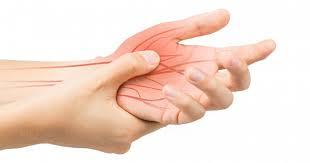
The Pain in Your Hands That Isn’t Just “Overworking”

Many women in their 40s and 50s start waking up with stiff fingers, aching wrists, or difficulty gripping objects. It’s often dismissed as “typing too much” or “sleeping wrong.” But studies show that women are nearly twice as likely as men to develop early-stage arthritis, especially during perimenopause when estrogen — a natural anti-inflammatory — drops sharply. What feels like simple stiffness may actually be the early inflammatory phase, where joints swell microscopically long before they deform. This affects daily life more than people admit: opening jars, texting, cooking, or even holding a pen can become unexpectedly painful. Helpful interventions include anti-inflammatory nutrition, omega-3s, paraffin warm therapy, strength training for grip and wrist stability, and early medication if needed. You’re not being dramatic — your hands are asking for help long before anyone else notices. #Health #WomensHealth #JointPain

The Pain in Your Hands That Isn’t Just “Overworking”
Lucas Mendez

The Heart Symptoms Women Ignore Because They Don’t Look Like a Heart Attack

Heart disease is the No.1 killer of women — yet most don’t recognize the symptoms. The American Heart Association reports that women under 55 are 3x more likely than men to be misdiagnosed during a heart event. Women often don’t get the “movie heart attack.” Instead they get: • jaw or neck pressure • nausea • back pain • unusual fatigue • anxiety-like chest tightness Many women dismiss these as stress or digestion issues. But hormonal shifts after 40 increase cardiovascular risk, especially with poor sleep and fluctuating blood sugar. Practical prevention includes 30-minute daily walks, consistent magnesium, lipid testing, and monitoring blood pressure. And if symptoms feel “off,” women deserve ER attention even if symptoms don’t look stereotypical. Your heart doesn’t whisper because you’re overreacting — it whispers because women were never taught to listen. #Health #WomensHealth #HeartHealth

The Heart Symptoms Women Ignore Because They Don’t Look Like a Heart Attack
Lucas Mendez

When Middle-Aged Fatigue Isn’t Laziness — It’s Biological Burnout

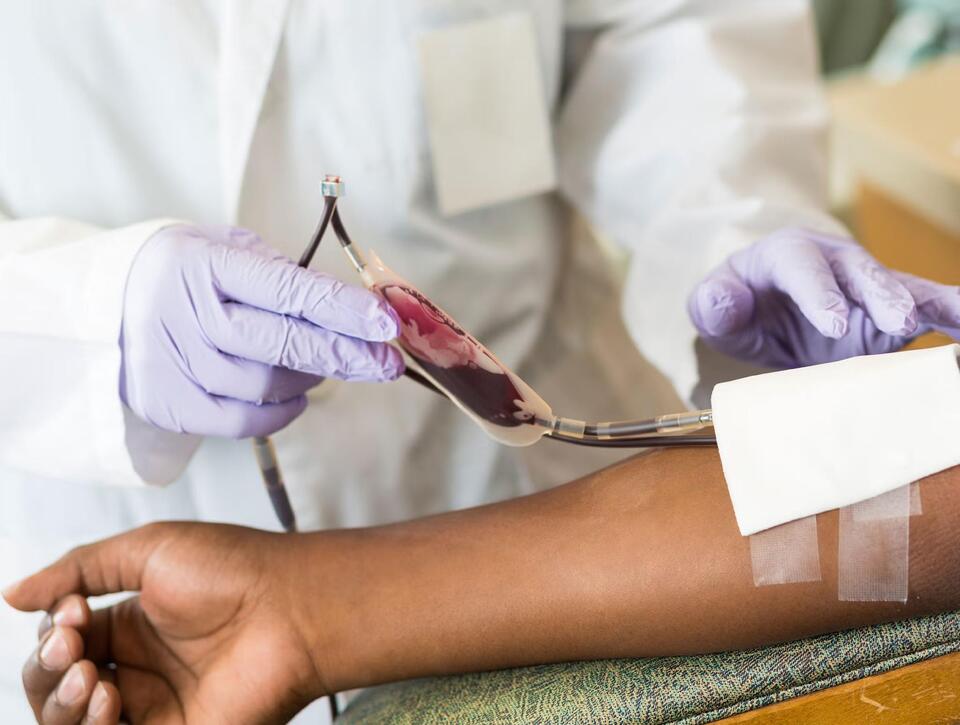
Many women hit 40–55 and feel tired in a way sleep doesn’t fix. Data from the CDC shows 38% of midlife women report chronic fatigue, a significantly higher rate than men the same age. This level of exhaustion often comes from a perfect storm: anemia, thyroid shifts, perimenopause, sleep disturbances, chronic inflammation, and years of caregiving-driven burnout. It’s not “just stress.” It’s cumulative depletion. Small but effective interventions include ferritin testing, vitamin D optimization, strength training (which improves energy more than cardio), post-meal walks, and stabilizing nighttime glucose. If fatigue persists, checking thyroid antibodies is crucial — Hashimoto’s peaks in women over 40. You’re not lazy — you’re running on an empty tank no one taught you to refill. #Health #WomensHealth #Fatigue

When Middle-Aged Fatigue Isn’t Laziness — It’s Biological Burnout
Lucas Mendez

The Silent Anxiety Spike Women Don’t Recognize as Hormonal

Anxiety often rises sharply during perimenopause — even for women who never struggled with it before. The NIH reports that women are more than twice as likely as men to develop anxiety symptoms during midlife, largely due to fluctuating estrogen impacting the amygdala and stress pathways. What feels like “sudden overthinking” is often internal chaos: temperature instability, heart rate changes, sleep fragmentation, and cortisol spikes that hit without warning. Breathing exercises won’t fix this — but understanding it can. Helpful tools include magnesium glycinate, limiting caffeine, structured routines, walking after meals, and discussing hormonal options with a clinician. You’re not “becoming a nervous person.” You’re responding to a real biological storm — one millions of women share but rarely talk about. #Health #WomensHealth #Anxiety

The Silent Anxiety Spike Women Don’t Recognize as Hormonal
Lucas Mendez

Why Midlife Women Feel “Brain Fog” — And It’s Not a Character Flaw

Losing words mid-sentence. Forgetting appointments. Reading the same paragraph three times. Many women describe it as “losing themselves.” But data shows it’s common: according to the Mayo Clinic, over 60% of perimenopausal women experience cognitive changes, especially with focus and short-term memory. This isn’t early aging — it’s the brain adjusting to fluctuating estrogen, a hormone deeply tied to neurotransmitters like serotonin and acetylcholine. The fog often lifts once hormones stabilize, but in the meantime, lifestyle support can help: omega-3s, consistent sleep schedules, blood sugar stability, and reducing alcohol (which intensifies fog dramatically in midlife women). Your brain isn’t failing — it’s rewiring. And that deserves compassion, not shame. #Health #WomensHealth #CognitiveHealth

Why Midlife Women Feel “Brain Fog” — And It’s Not a Character Flaw
Lucas Mendez

The Weight Gain No One Warns Women About Until It Happens

For many women in their 40s and 50s, weight gain feels sudden and unfair — happening even with the same diet and activity level. Research backs this up: a 2023 study in Nature Metabolism found that women’s resting metabolic rate drops nearly 10% between ages 40–60, largely driven by hormonal changes and muscle loss. This isn’t a willpower issue. It’s physiology shifting beneath your feet. Estrogen’s decline redistributes fat to the abdomen, cortisol becomes harder to regulate, and sleep becomes more fragmented — all compounding fat storage. What helps? Strength training twice a week, more protein (90–110g daily), fiber-rich meals, and small glucose-stabilizing habits like protein-first breakfasts. Most women don’t need harsher discipline — they need a different strategy for a different body. You’re not “letting yourself go.” Your body is adapting, and you deserve tools that adapt with you. #Health #WomensHealth #Metabolism

The Weight Gain No One Warns Women About Until It Happens
Lucas Mendez

The Pain Women Hide Because No One Takes It Seriously

Chronic pain becomes more common after 40, yet women are far more likely to be dismissed when they seek help. A Stanford study found that women wait an average of 33% longer than men to receive pain medication in ERs. Many midlife women learn to downplay back pain, pelvic aches, or migraines because years of being told “it’s stress” or “you’re overreacting” has trained them to stay silent. But chronic pain in midlife is often rooted in hormonal shifts, reduced collagen, joint degeneration, and autoimmune activity — conditions that deserve real medical evaluation. Women aren’t “too sensitive.” Their biology is changing, and their pain pathways are different from men’s. Helpful steps: track symptoms, push for referrals, request imaging if pain persists, and find specialists experienced with midlife women. Pain is a message, not a personality flaw. #Health #WomensHealth #ChronicPain

The Pain Women Hide Because No One Takes It Seriously
Lucas Mendez

When Midlife Skin Changes Aren’t Just Cosmetic

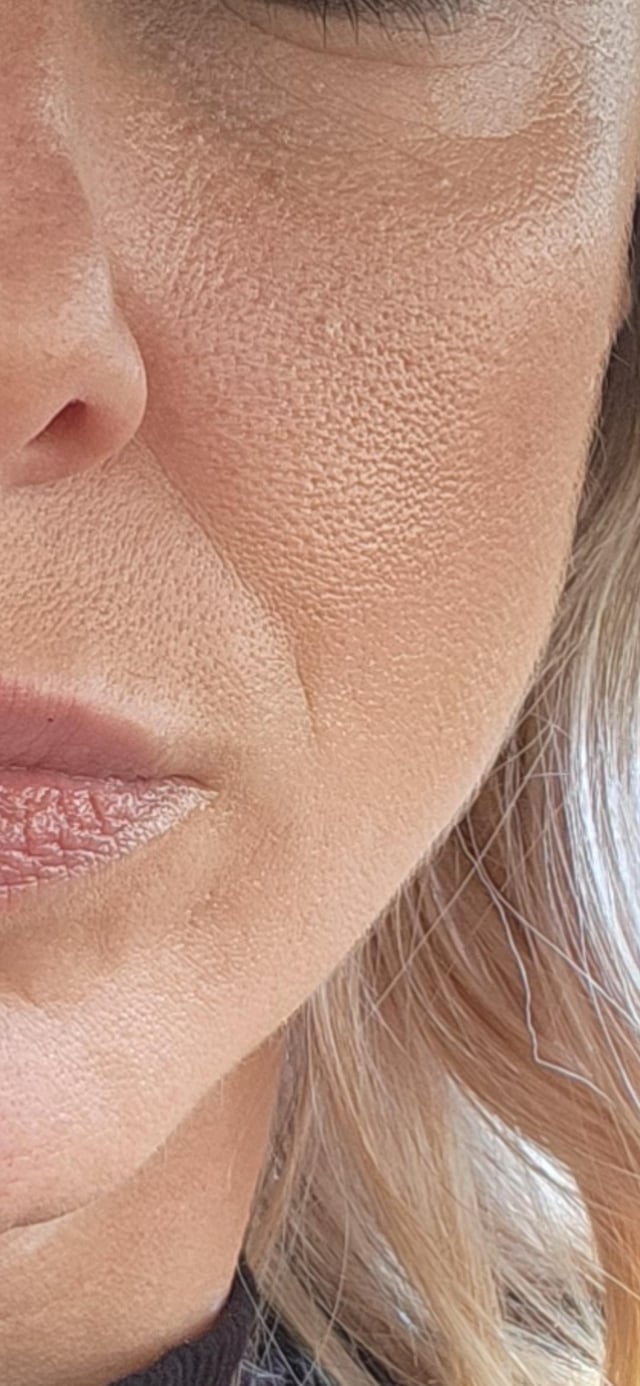
Around 45–55, many women notice sudden dryness, itching, thinning skin, or adult acne. This isn’t vanity — it’s physiology. Estrogen helps maintain collagen, oil production, and skin barrier strength. After menopause, women lose about 30% of their skin collagen in the first five years, according to the American Academy of Dermatology. This can create sensitivity, rashes, slow-healing wounds, or infections — real medical issues, not cosmetic flaws. Moisturizers help, but deeper solutions include protein intake, retinoids, ceramides, SPF, and optimizing vitamin D. For severe cases, dermatologists can test for autoimmune disorders, which peak in midlife women. Your skin isn’t “aging wrong.” It’s adapting to a new internal climate. And it deserves medical attention, not shame. #Health #WomensHealth #SkinHealth

When Midlife Skin Changes Aren’t Just Cosmetic
Tag: womenshealth - Page 4 | LocalAll