Tag Page womenshealth

#womenshealth
Lucas Mendez

The Sleep Crash That Hits Women After 45

Many women in midlife experience a sudden collapse of sleep quality — waking sweaty, wired, or exhausted. But it’s not “just hormones.” Research shows that women are 40% more likely than men to develop insomnia, and perimenopause doubles the risk because estrogen, progesterone, and cortisol all affect circadian rhythms. What feels like anxiety at 2 a.m. is often hormonal misfiring, glucose dips, or overheating. Lifestyle support includes protein-rich dinners, limiting alcohol, magnesium glycinate, afternoon sun exposure, and cooling sleep environments. But persistent insomnia deserves medical evaluation — especially since sleep disorders elevate heart disease risk by 56% in midlife women. Your sleepless nights aren’t weakness — they’re physiology calling for support. #Health #WomensHealth #SleepHealth

The Sleep Crash That Hits Women After 45
Lucas Mendez

Why Midlife Women Suddenly React to Foods They Ate for Years

It feels unfair — foods you tolerated your whole life suddenly cause bloating, cramps, or nausea. But there’s a physiological reason: declining estrogen affects gut motility and microbiome diversity. Studies show that women in perimenopause experience a 30–40% reduction in certain beneficial gut bacteria, altering digestion. This can lead to temporary intolerance to dairy, high-fat foods, or even caffeine. The goal isn’t to cut everything out forever — it’s to stabilize the gut environment. Small adjustments like probiotics, fiber, warm meals, and slow eating help digestion recalibrate. If symptoms persist, testing for SIBO or celiac disease is worth considering — both peak in midlife women. Your body isn’t betraying you — it’s recalibrating. #Health #WomensHealth #GutHealth

Why Midlife Women Suddenly React to Foods They Ate for Years
Lucas Mendez

The Bone Shift That Sneaks Up on Women

Around midlife, many women notice aches in their hips, knees, or spine. Often dismissed as “normal aging,” these pains are frequently early signs of bone density loss. Research shows that up to 50% of women over 50 have osteopenia or osteoporosis, and nearly 80% of fractures in this age group occur in women. Bone health is not just calcium — estrogen helps bones retain density. As estrogen declines, bone resorption accelerates. The result: subtle posture changes, slower recovery from minor injuries, and an increased fracture risk. Practical interventions: resistance training, weight-bearing exercise, ensuring vitamin D and calcium intake, and regular bone density scans. Even small adjustments can dramatically reduce risk. Your joints and bones are signaling that care is due. Listening early can prevent years of pain. #Health#WomensHealth #BoneHealth

The Bone Shift That Sneaks Up on Women
Lucas Mendez

The Midlife Immune Shift You Never Saw Coming

Women in their 40s and 50s often report catching colds more easily or taking longer to recover. This is not simply stress or bad luck. Studies reveal that immune response efficiency declines by 2–3% annually starting in the 40s, and perimenopausal hormonal fluctuations exacerbate inflammation. This subtle immune shift makes infections feel worse, sleep interruptions more pronounced, and chronic inflammation more likely. Yet most women are told it’s “just life” or stress-related. Supportive measures include vitamin D optimization, moderate exercise, balanced sleep, and anti-inflammatory diets. Even routine check-ins with a doctor can identify underlying deficiencies that amplify immune vulnerability. Your susceptibility is real, not imagined. Awareness empowers prevention. #Health#WomensHealth #ImmuneHealth

The Midlife Immune Shift You Never Saw Coming
Lucas Mendez

Digestive Surprises in Midlife Women

Many midlife women notice sudden digestive changes — bloating, acid reflux, or irregular bowel movements. Research shows that perimenopause and early menopause affect gut motility and microbiome diversity, contributing to these symptoms. Even foods that were previously harmless can trigger discomfort. The cause is hormonal: estrogen and progesterone influence gut enzyme production and gut flora balance. The result is slower digestion, gas, or food intolerance. Management strategies: mindful eating, reducing high-fat processed foods, probiotic-rich meals, walking after meals, and occasionally testing for food sensitivities. Small, consistent interventions restore comfort and nutrient absorption. Your gut is not “rebelling” — it’s adapting to a new hormonal environment. Listening to it prevents long-term issues. #Health#WomensHealth #GutHealth

Digestive Surprises in Midlife Women
Lucas Mendez

Why Midlife Women Struggle With Night Sweats

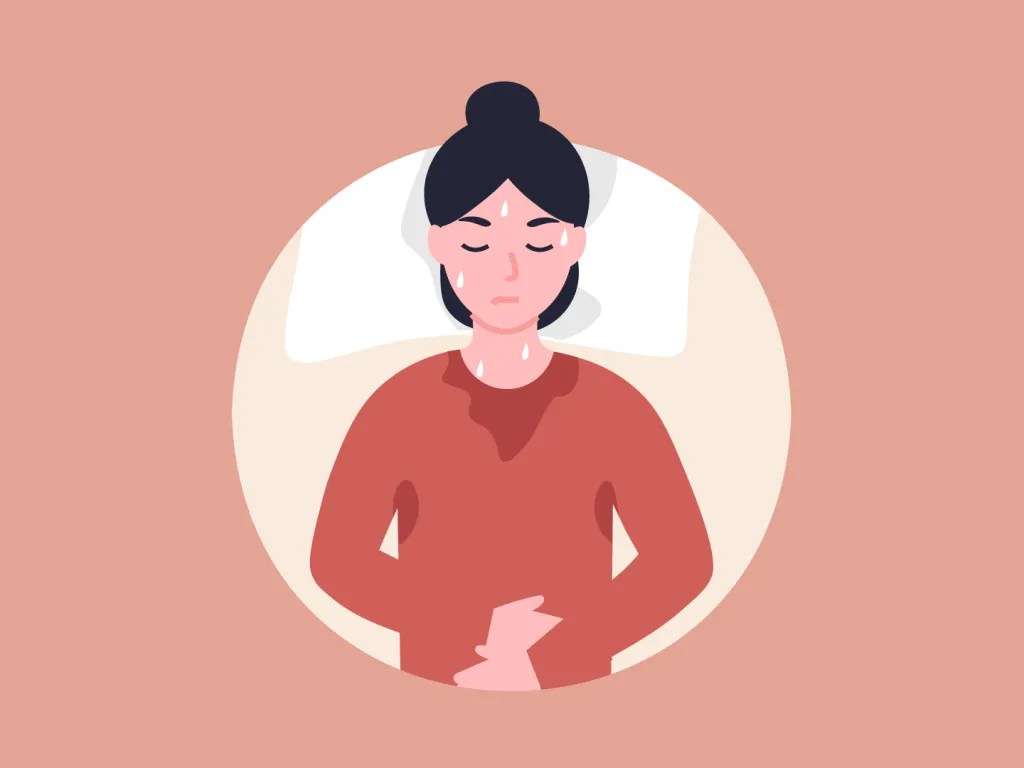
Night sweats are a hallmark of perimenopause, yet many women feel isolated or embarrassed. According to the North American Menopause Society, up to 75% of women experience hot flashes or night sweats, and 30% say it significantly disrupts sleep. These episodes are linked to estrogen decline, which affects the hypothalamus — the body’s thermostat. Even minor stress or warm rooms can trigger intense sweating and wakefulness. Solutions include breathable bedding, temperature-regulated rooms, avoiding spicy food or alcohol before bed, and medical consultation for hormone therapy if symptoms are severe. Over-the-counter phytoestrogens or lifestyle adjustments also help. Your night sweats are not trivial — they’re signals that your body is transitioning. Recognition and care are the first steps toward relief. #Health#WomensHealth #HormoneHealth

Why Midlife Women Struggle With Night Sweats
Lucas Mendez

Midlife Heartburn Isn’t Always Acid

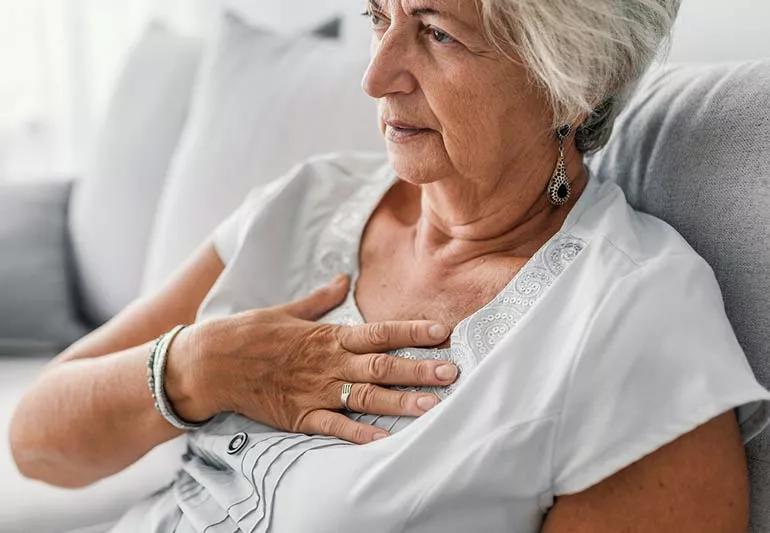
Many women over 45 experience persistent heartburn or reflux that doesn’t respond to antacids. Research shows that hormonal changes slow gastric emptying and relax the esophageal sphincter, making reflux more common in midlife. Unlike occasional heartburn, chronic symptoms can affect sleep, nutrition, and quality of life. Women often blame diet alone, but hormones, stress, and reduced digestive motility are significant contributors. Strategies: smaller, more frequent meals, avoiding trigger foods, staying upright after eating, and discussing medications with a physician. Even simple changes can prevent damage and restore comfort. Your digestive discomfort is real and deserves attention, not dismissal. #Health#WomensHealth #DigestiveHealth

Midlife Heartburn Isn’t Always Acid
Lucas Mendez

Midlife Gut Changes That Make You Feel Sluggish

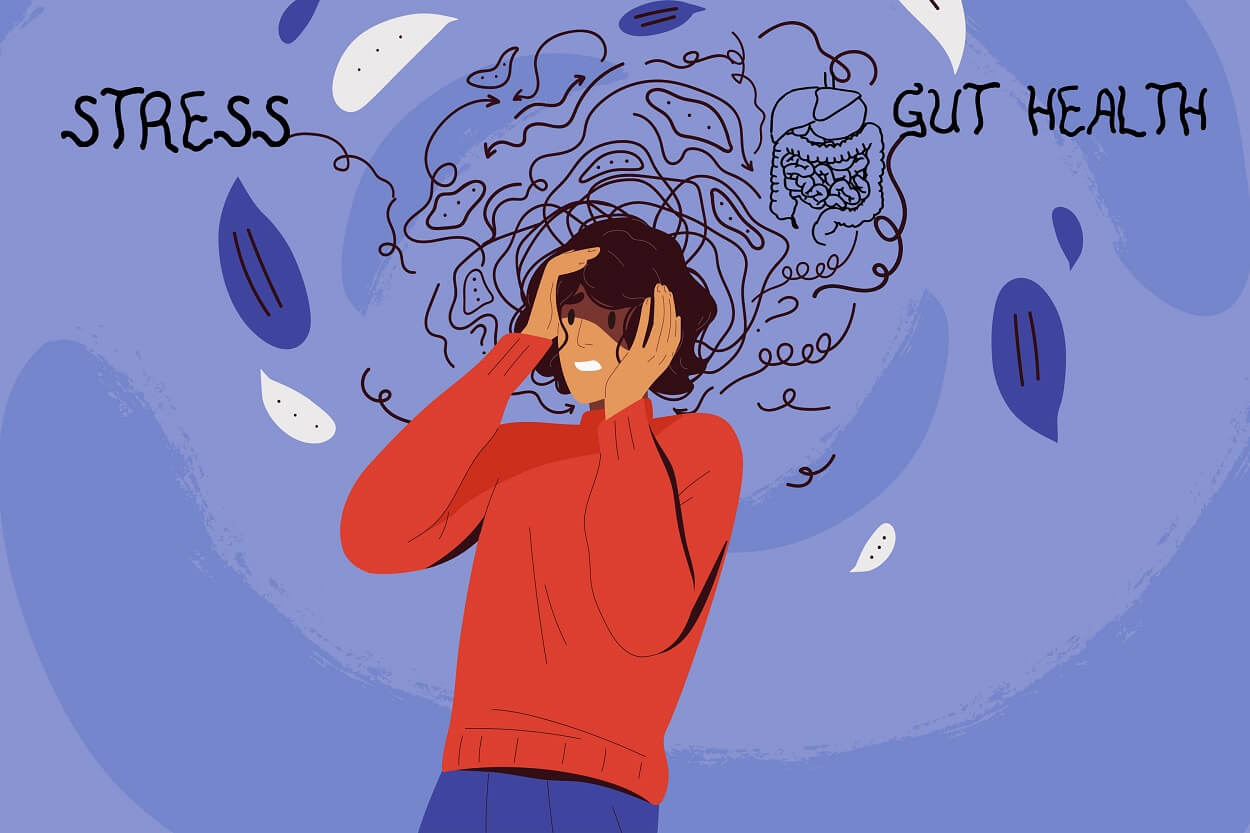
Many women in their 40s and 50s notice bloating, constipation, or sudden digestive sensitivity. It’s easy to blame diet or stress, but science shows a more complex picture. Studies indicate that gut microbiome diversity declines by nearly 25% in women during perimenopause, affecting nutrient absorption, energy levels, and even mood. This is why the same foods you’ve always eaten suddenly trigger bloating or fatigue. The body’s ability to process fiber, fats, and sugar changes with hormones. The result? Feeling heavier, sluggish, and frustrated, even if you haven’t changed your lifestyle. Practical steps that help: introducing fermented foods to restore gut flora, adjusting fiber intake, staying hydrated, walking after meals, and considering probiotics backed by clinical trials. These interventions alone improve digestion and energy for most women. You’re not imagining it. Your body is recalibrating, and understanding these changes is the first step toward feeling vibrant again. #Health#WomensHealth #GutHealth

Midlife Gut Changes That Make You Feel Sluggish