Tag Page womenshealth

#womenshealth
Lucas Mendez

The Hidden Thyroid Shift Everyone Misses

A subtle weight gain, fatigue, hair thinning, and feeling cold? For women over 45, these are often thyroid changes disguised as “aging.” Research shows up to 12% of midlife women have undiagnosed thyroid dysfunction, yet symptoms are dismissed as stress or lifestyle. Thyroid hormones regulate metabolism, energy, and mood. When levels drop, the body slows, even if diet and activity remain constant. Many women describe the frustration: “I haven’t changed anything, but my body feels heavier and slower.” What helps: checking TSH, free T4, and thyroid antibodies; optimizing iodine and selenium intake; managing stress; and ensuring adequate sleep. Early detection and tailored treatment can restore energy, stabilize weight, and improve hair and skin health. Your sluggishness is real, and it’s not laziness — it’s your thyroid signaling it needs attention. #Health#WomensHealth #ThyroidHealth

The Hidden Thyroid Shift Everyone Misses
Lucas Mendez

Why Sleep Feels Impossible After Forty

Midlife women often report waking multiple times a night, lying in bed for hours, or feeling unrested despite adequate sleep. Data shows that 60–70% of women aged 45–55 experience sleep disruptions during perimenopause, due to estrogen and progesterone fluctuations. These hormones influence core body temperature, cortisol levels, and melatonin production. Even minor sleep loss accumulates, affecting cognition, mood, and immune function. Women often blame themselves, thinking they “can’t relax,” but the reality is biological. Effective strategies: keeping a consistent sleep schedule, reducing caffeine and alcohol, practicing evening relaxation routines, using light-blocking curtains, and considering hormone or melatonin support under medical guidance. Your sleepless nights are not a character flaw — they’re a signal. Listening to them can help you reclaim rest. #Health#WomensHealth #SleepHealth

Why Sleep Feels Impossible After Forty
Lucas Mendez

Midlife Skin Sensitivity Isn’t Just in Your Head

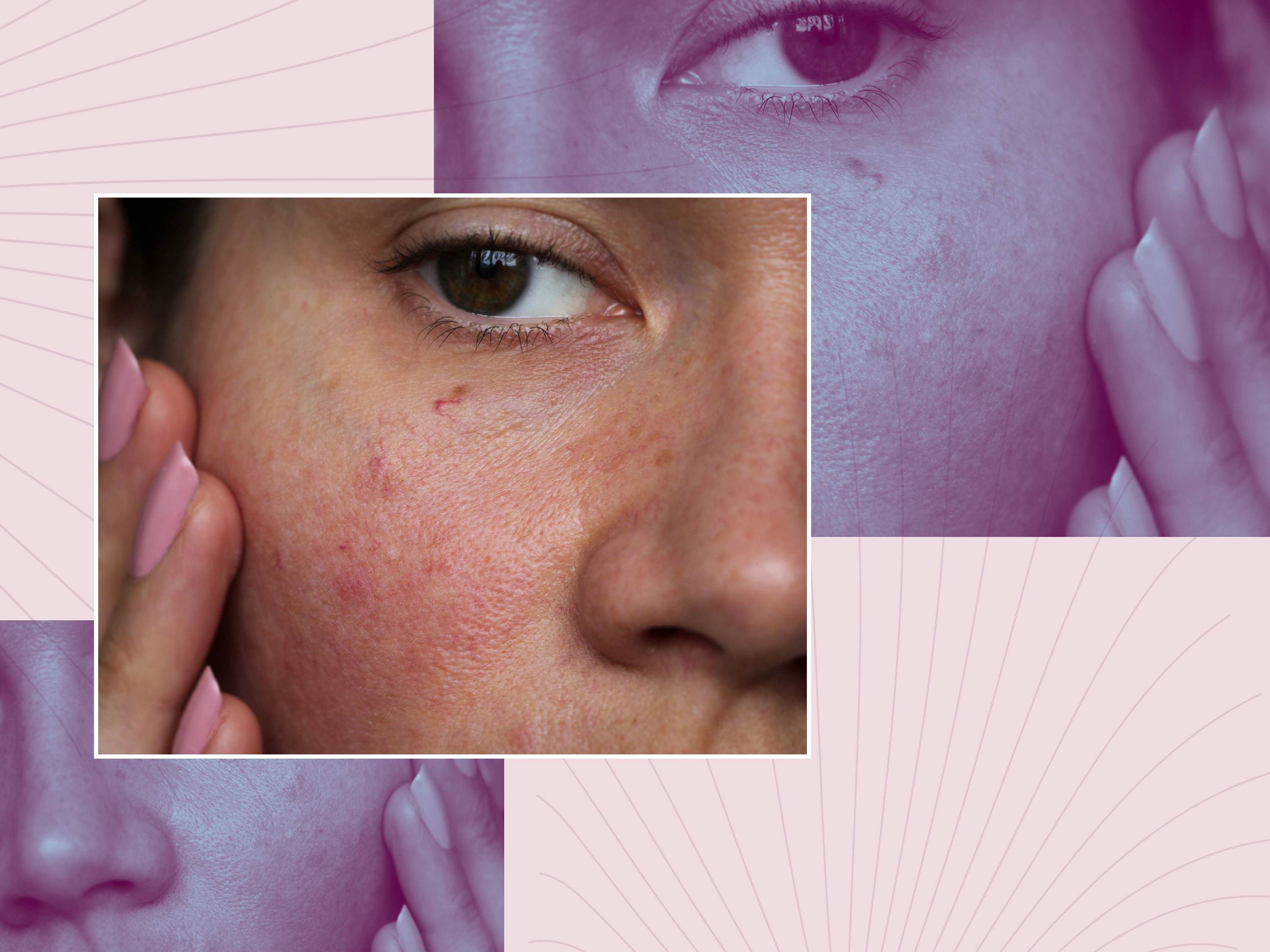
Women over 45 often experience redness, irritation, or eczema-like rashes that never appeared before. Studies show up to 40% of midlife women develop new skin sensitivities, largely due to estrogen decline and reduced barrier function. Skin becomes thinner, drier, and more reactive. Everyday products that were fine before suddenly cause irritation. This is stressful, but it’s not your fault. Hormonal shifts literally change the way your skin interacts with the environment. Helpful interventions: using fragrance-free moisturizers, barrier creams, gentle cleansing, incorporating omega-3s, and checking vitamin D and zinc levels. Even minor adjustments can dramatically reduce flare-ups. Your skin is communicating with you. Paying attention and adjusting care is empowering, not vain. #Health#WomensHealth #SkinHealth

Midlife Skin Sensitivity Isn’t Just in Your Head
Lucas Mendez

Midlife Mood Swings Are Biological, Not Imaginary

Mood swings, irritability, and anxiety spikes are common in perimenopause, but women are often told they’re “just emotional.” Hormone science tells a different story: estrogen and progesterone fluctuations significantly affect serotonin and GABA pathways, directly impacting mood. Studies reveal that around 45% of women aged 45–50 report clinically significant mood disturbances, yet many receive little guidance. Ignoring these shifts can lead to relationship strain, workplace stress, and self-doubt. Evidence-based coping strategies: regular exercise, maintaining stable blood sugar, mindfulness practices, cognitive behavioral therapy, and in some cases, targeted hormone therapy. Lifestyle adjustments paired with medical insight can normalize mood swings and improve quality of life. Your emotions are valid. Biology is not judgment — it’s context. Understanding it allows you to regain control. #Health#WomensHealth #MoodHealth

Midlife Mood Swings Are Biological, Not Imaginary
Lucas Mendez

The Surprising Rise of Autoimmune Symptoms in Midlife Women

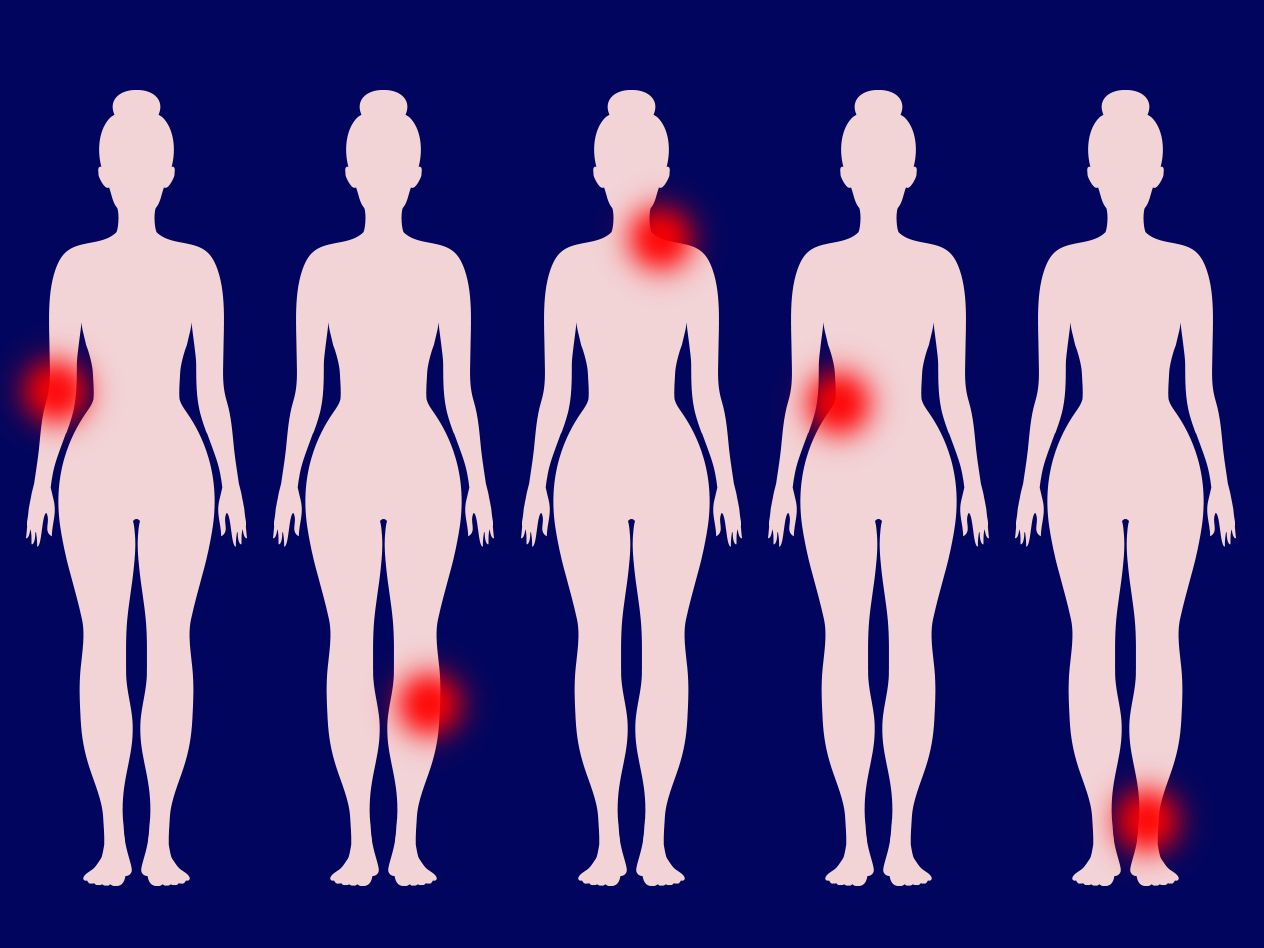
Autoimmune issues don’t come from nowhere — and midlife is the peak period for onset. Research shows that nearly 80% of autoimmune patients are women, and many first notice symptoms between ages 40–60. Why midlife increases risk: Estrogen modulates the immune system; shifting levels trigger instability Chronic stress elevates inflammation Gut permeability increases with age and hormonal changes Sleep fragmentation dysregulates immune repair Nutrient deficiencies weaken immune resilience Early signs women often dismiss: Unexplained fatigue Joint stiffness Skin rashes Brain fog Temperature intolerance Digestive flare-ups What helps: Anti-inflammatory diet (greens, berries, fish, olive oil) Omega-3 supplementation supports immune balance Consistent sleep schedule promotes immune repair Removing triggers (excess sugar, alcohol, stress) Early lab work (ANA, thyroid antibodies) for detection Your symptoms are not “all in your head.” Your immune system is asking for attention — not perfection. #AutoimmuneHealth #WomensHealth #MidlifeCare

The Surprising Rise of Autoimmune Symptoms in Midlife Women
Lucas Mendez

Why Midlife Women Feel “Invisible” — And Why It Hurts Physically

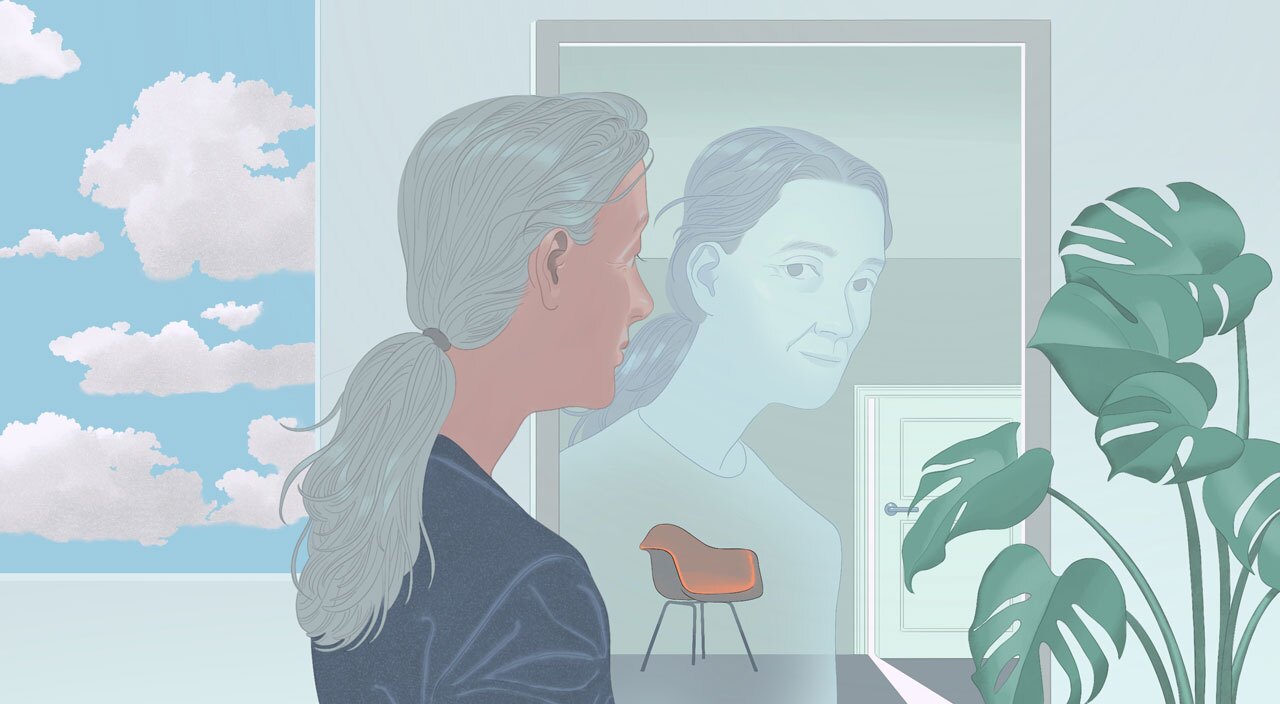
“Invisible” isn’t just an emotional word — it has health consequences. Psychologists have found that midlife women reporting social invisibility also show higher cortisol, poorer sleep, and increased inflammatory markers. Why it happens: Society overvalues youth Workplaces prioritize younger voices Caregiving roles erode personal identity Physical changes impact self-esteem Partners may unintentionally reinforce invisibility This combination creates a physiological stress loop that affects: Immune function Blood pressure Weight regulation Emotional resilience Sexual desire Healing begins with re-claiming space: Naming your needs interrupts the invisibility cycle Community connections lower stress hormones Creative or physical outlets rebuild identity Therapy increases self-compassion and reduces inflammatory stress You deserve to be seen — for your wisdom, your resilience, and your story. Being visible isn’t vanity. It’s health. #MentalHealth #WomensHealth #MidlifeIdentity

Why Midlife Women Feel “Invisible” — And Why It Hurts Physically
Lucas Mendez

The Nutrient Deficiencies Almost Every Midlife Woman Has

You can eat well and still be deficient. Research shows that up to 70% of midlife women are low in vitamin D, 40% in magnesium, and 30% in iron, even without anemia. Why deficiencies increase: Hormonal shifts affect absorption Reduced stomach acid decreases mineral uptake Chronic stress depletes magnesium Diets become more restrictive Sun exposure tends to decline with age Symptoms women mistake for depression or “burnout”: Low mood Fatigue Muscle cramps Brain fog Increased anxiety Restless sleep Restoring key nutrients helps stabilize hormones, mood, and energy. Recommendations: Vitamin D3 (1000–2000 IU/day) — check levels first Magnesium glycinate — supports sleep and calm Iron only if levels are low (test before supplementing) B12 for vegans or women with fatigue Your body isn’t weak — it’s under-fueled. Nutrient care is hormonal care. #Nutrition #WomensHealth #MidlifeWellbeing

The Nutrient Deficiencies Almost Every Midlife Woman Has
Lucas Mendez

The Midlife Migraine Spike: Why Headaches Return With a Vengeance

If headaches you thought you’d outgrown suddenly return in your 40s or 50s — you’re not alone. Studies show that migraine prevalence increases by nearly 60% during perimenopause, driven by hormonal swings and nervous system sensitivity. What makes midlife headaches unique: Estrogen fluctuations affect serotonin pathways Poor sleep and hot flashes amplify pain signaling Blood vessel elasticity decreases Stress-load from caregiving and work compounds symptoms Women often blame stress alone — but biology is a major player. Evidence-based relief: Magnesium (300–400mg/day) reduces migraine frequency Hydration lowers neurological triggers Ice packs + dark rooms help during acute episodes Cognitive-behavioral therapy reduces migraine disability by up to 40% Avoiding skipping meals stabilizes glucose and prevents migraine onset Your pain is real, common, and reversible — not a sign you’re “falling apart.” #MigraineRelief #WomensHealth #MidlifeCare

The Midlife Migraine Spike: Why Headaches Return With a Vengeance
Lucas Mendez

The Weight Gain No One Warned You About: It’s Not Lack of Willpower

Many midlife women suddenly gain 8–15 pounds within a few years — even when eating the same way. This isn’t “discipline loss.” It’s biology. Research from the Mayo Clinic shows that resting metabolic rate decreases 5–10% during perimenopause, meaning your body burns fewer calories at rest. Meanwhile: Insulin sensitivity drops, causing stronger sugar cravings Cortisol rises, increasing abdominal fat storage Sleep fragmentation triggers appetite hormones And muscle mass declines by up to 1% per year after 40 This combination can feel like betrayal. What helps: Protein at 25–30g per meal stabilizes glucose and preserves muscle Strength training 2–3× weekly increases metabolic rate Fiber (25–30g/day) regulates insulin and supports gut health Nighttime screen limits reduce cortisol spikes Your body isn’t “losing control.” It’s transitioning. Understanding these shifts gives you power — not punishment. #WomensHealth #Metabolism #MidlifeWellness Keywords: midlife metabolism slowdown

The Weight Gain No One Warned You About: It’s Not Lack of Willpower
Lucas Mendez

Midlife Women and Blood Pressure: The Hidden Shift at 45

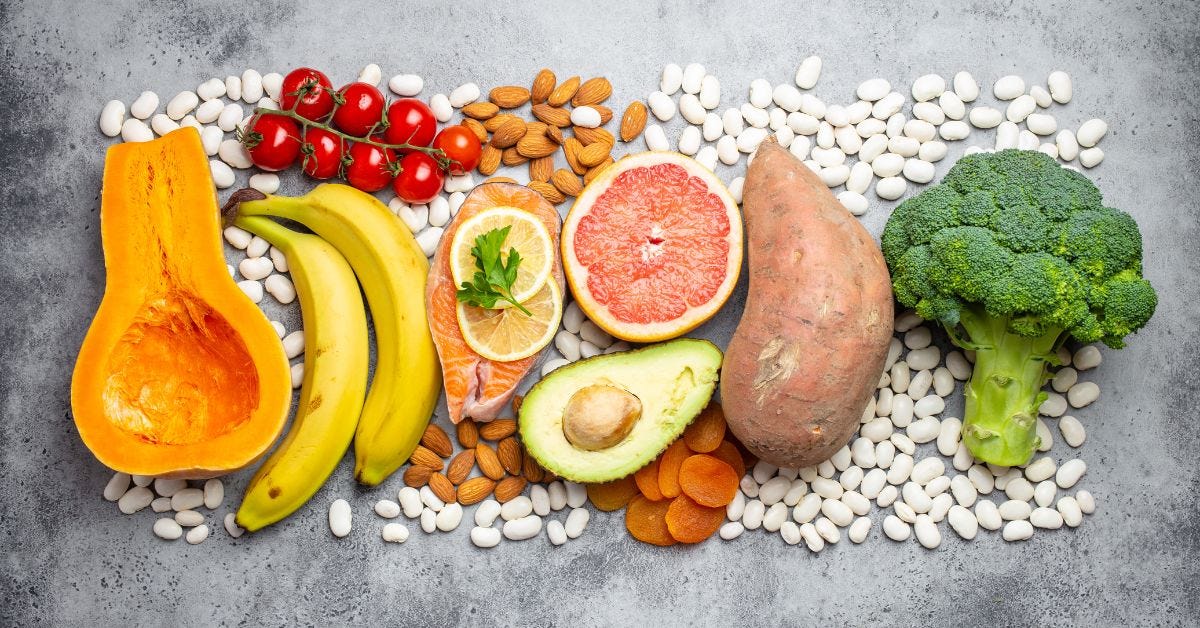
Many women enter midlife with a surprising statistic: After age 45, women are more likely than men to develop high blood pressure. Why? Estrogen protects blood vessels; as it declines, arteries stiffen. Metabolism slows, affecting sodium sensitivity. Sleep disturbances raise blood pressure. Chronic stress from caregiving and work adds to vascular strain. The danger is that high blood pressure has no symptoms. Many women only discover it during a routine check—or after a scare. Data shows: Women with untreated hypertension have a 70% higher risk of heart failure. Even a 10-point rise in systolic pressure increases stroke risk by about 20%. Only 1 in 4 women with high blood pressure have it adequately controlled. What helps: Potassium-rich foods (greens, bananas, beans) reduce blood pressure. Daily brisk walking lowers systolic pressure by 5–8 points. Limiting alcohol improves heart health dramatically. Home blood pressure monitoring is strongly recommended. Your heart is adjusting to a new hormonal era — and supporting it now can literally save your life. #HeartHealth #WomensHealth #BloodPressure

Midlife Women and Blood Pressure: The Hidden Shift at 45
Tag: womenshealth - Page 6 | LocalAll