Tag Page womenshealth

#womenshealth
Lucas Mendez

The Silent Weight of Caregiving Stress on Women’s Bodies

Midlife women provide over 60% of unpaid caregiving labor in the U.S., often supporting both aging parents and growing teens. This “sandwich generation” stress isn’t just emotional — it’s physiological. Studies show that women in caregiving roles experience: 34% higher cortisol levels Twice the rate of burnout symptoms Increased inflammation markers linked to heart disease Higher rates of headaches, digestive flare-ups, and sleep disturbance But women rarely talk about the body cost of being “the responsible one.” What can help: Scheduled micro-breaks of even 5 minutes reduce cortisol. Delegation — asking siblings or partners to take over one task weekly — decreases burnout by 23%. Walking outdoors lowers inflammatory markers. Therapy or support groups reduce caregiver anxiety by up to 40%. Your stress isn’t imaginary. Your body is carrying a load that entire systems depend on — and it deserves care, too. #CaregiverHealth #MentalHealth #WomensHealth

The Silent Weight of Caregiving Stress on Women’s Bodies
Lucas Mendez

The Fatigue That Isn’t Laziness: Adrenal Strain in Midlife Women

Many women over 45 feel exhausted, even after a full night’s sleep. It’s often labeled “stress” or “aging,” but studies show up to 50% of midlife women experience adrenal fatigue-like symptoms, including constant fatigue, brain fog, and sugar cravings. Adrenal glands produce cortisol, which regulates energy. Hormonal transitions, chronic caregiving, and poor sleep patterns can disrupt cortisol cycles, leaving women drained by midday. This isn’t weakness — it’s physiology. Practical solutions: Morning sunlight exposure helps reset circadian rhythm. Balanced protein and healthy fats stabilize blood sugar and cortisol. Mindful breathing or meditation 10 minutes daily lowers cortisol by up to 20%. Resistance training strengthens stress resilience. Your exhaustion is data, not failure. Understanding your body allows you to regain energy and reclaim your day. #WomensHealth #AdrenalHealth #MidlifeEnergy

The Fatigue That Isn’t Laziness: Adrenal Strain in Midlife Women
Lucas Mendez

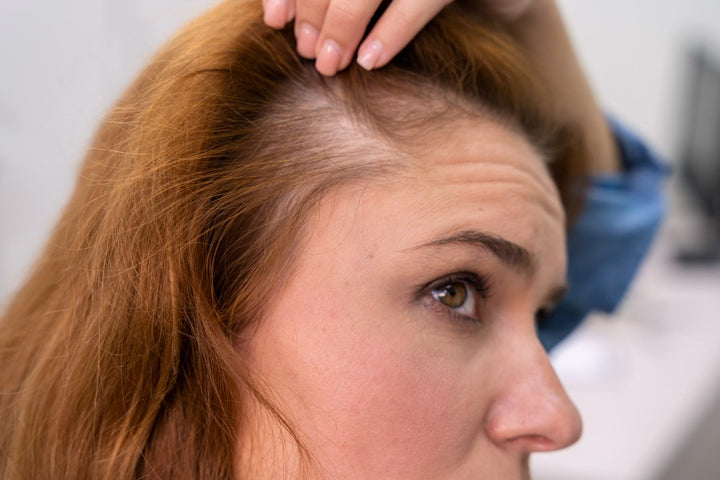
Midlife Hair Changes: When Thinning Feels Personal

Hair isn’t just cosmetic — it’s emotional. A 2023 study found that around 40% of women over 45 notice significant hair thinning, even without menopause symptoms. Hormonal shifts reduce scalp estrogen and increase androgen sensitivity, which can shrink hair follicles. Stress, thyroid imbalance, and nutritional deficits compound the issue. Many women hide hair changes, feeling ashamed or “less feminine.” Evidence-backed strategies: Topical minoxidil improves hair density by 20–30% in midlife women. Iron and vitamin D optimization enhances follicle growth. Low-stress routines and limiting heat styling reduce breakage. Protein-rich diet supports keratin synthesis. Your hair changing is biology, not vanity. Address it proactively — and with compassion. #HairHealth #MidlifeWellness #WomensHealth

Midlife Hair Changes: When Thinning Feels Personal
Lucas Mendez

The Digestive Shift You Didn’t Expect in Midlife

Bloating, constipation, or sudden food intolerance is not “just getting older.” Studies show that gut microbiome diversity decreases by 20–30% during perimenopause, making digestion less efficient and immune response more reactive. This shift can lead to: Bloating and gas Irregular bowel movements Increased inflammation Food sensitivities What helps: Probiotics and fermented foods restore microbiome diversity. High-fiber diet improves stool regularity and reduces inflammation. Regular exercise supports gut motility. Stress reduction — mindfulness or yoga — lowers cortisol, protecting gut lining. You’re not failing your body — it’s adapting to a new hormonal landscape. Supporting your gut is a powerful way to reclaim comfort and energy. #GutHealth #WomensHealth #MidlifeNutrition

The Digestive Shift You Didn’t Expect in Midlife
Lucas Mendez

Midlife Vision Changes: Blurred Lines Aren’t Just Screen Fatigue

Sudden difficulty reading, driving at night, or focusing on near objects is common after 40. Research shows that over 60% of women in their 40s–50s experience presbyopia, but hormonal fluctuations can worsen dry eyes and eye strain. What women often don’t know: Estrogen loss reduces tear production, increasing dryness and irritation. Dry eyes can contribute to headaches, neck tension, and fatigue. Vision changes can affect confidence, independence, and quality of life. Solutions: Regular eye exams detect early cataracts, glaucoma, or refractive changes. Artificial tears and humidifiers improve comfort. Blue light breaks reduce digital eye strain. Nutrients like lutein, zeaxanthin, and omega-3s protect retinal health. Your eyes are adjusting to hormonal and age-related shifts — not failing. Support them, and life remains clear. #EyeHealth #MidlifeWellness #WomensHealth

Midlife Vision Changes: Blurred Lines Aren’t Just Screen Fatigue
Lucas Mendez

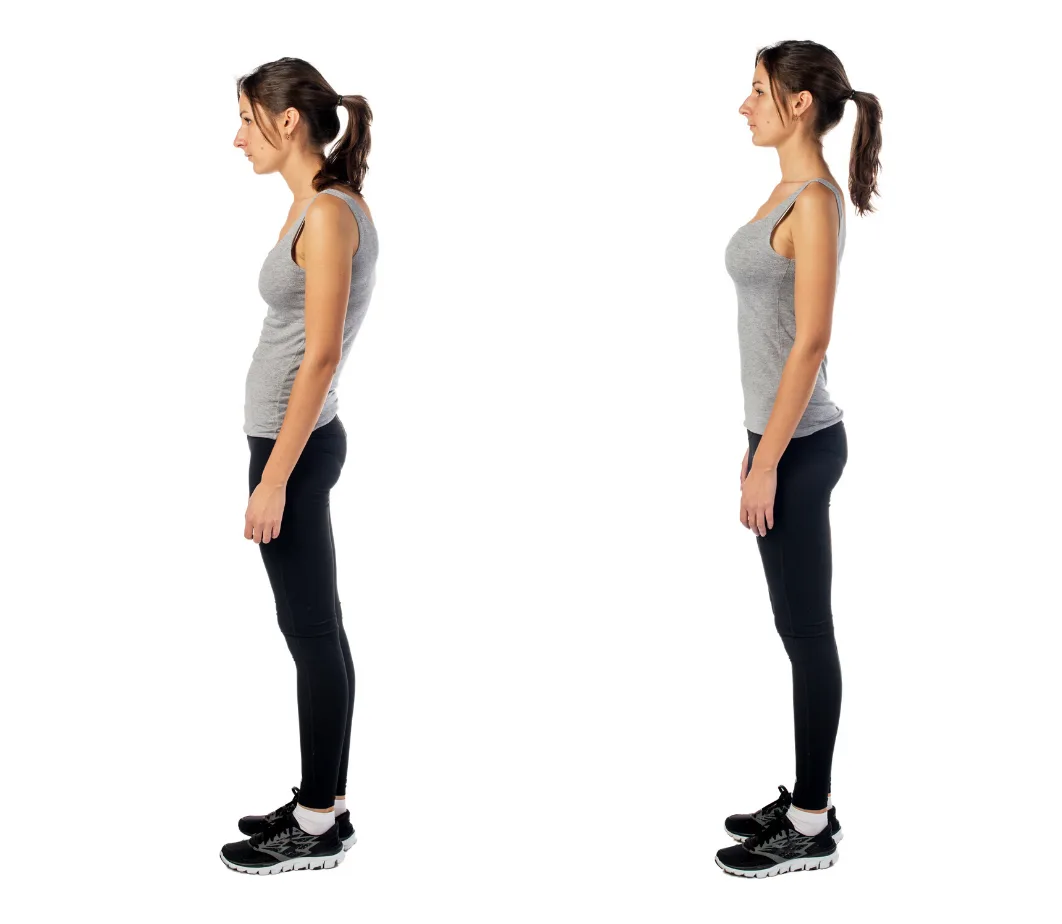
Midlife Back Pain Isn’t “Bad Posture” — It’s the Load You’ve Carried

Back pain hits midlife women differently — emotionally and physically. The Journal of Women’s Health reports that over 52% of women 40–60 experience chronic back pain, but doctors often dismiss it as “posture” or “stress.” But here’s the deeper story: When estrogen drops, collagen production falls by about 30%, which weakens connective tissues. The spine becomes more sensitive, muscles recover more slowly, and inflammation becomes more stubborn. Combine this with: Years of carrying emotional labor Caring for aging parents Long hours at a desk Sleep fragmentation Weight fluctuations …and your back isn’t “weak.” It’s overburdened. Evidence-based relief: Strengthening glutes reduces lower back pain by 40–60%. Walking 30 minutes daily decreases chronic pain risk by 25%. Applying heat therapy increases blood flow and decreases stiffness. Vitamin D supplementation improves muscle recovery and reduces pain sensitivity. Your back hurts because you’ve held up everyone and everything for too long. It deserves relief — and so do you. #BackPain #WomensHealth #MidlifeWellness

Midlife Back Pain Isn’t “Bad Posture” — It’s the Load You’ve Carried
Lucas Mendez

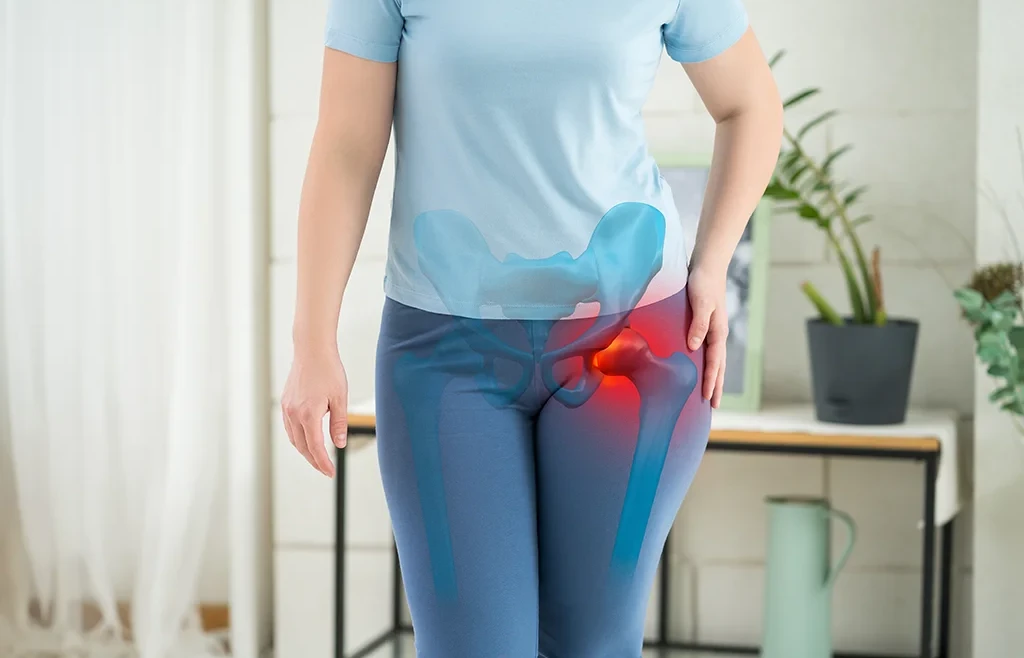
The Pain Women Downplay: Midlife Joint Stiffness Isn’t “Just Aging”

If you wake up and your knees feel heavier than your thoughts, you’re not alone. A recent study from the North American Menopause Society shows that 59% of women between 45–60 report new or worsening joint pain, yet most never bring it up because they think “this is what getting older feels like.” What’s really happening? Estrogen protects cartilage and reduces inflammation. When it drops, your joints lose lubrication, inflammation rises, and even simple tasks — climbing stairs, carrying groceries, getting out of a car — start to feel like negotiations. But here’s the hopeful side: Research shows that strength training reduces joint pain by 30–40%, and omega-3 intake can reduce inflammatory markers by up to 25%. Magnesium is another overlooked hero — women over 40 are statistically more likely to be deficient, which worsens muscle tension and joint stiffness. You’re not imagining it. You’re not being dramatic. Your joints are talking — and they’ve been whispering for years. #WomensHealth #MidlifePain #JointHealth

The Pain Women Downplay: Midlife Joint Stiffness Isn’t “Just Aging”
Lucas Mendez

The Silent Burnout: Why Women Over 40 Wake Up Exhausted

Fatigue isn’t just “being tired.” For women in their 40s and 50s, it’s a health crisis hiding in plain sight. A recent CDC survey shows 41% of midlife women experience chronic fatigue, but more than half are told it’s “stress” or “age.” In reality, the causes intertwine: Iron levels trending low but still “within range” Estrogen decline disrupting REM sleep Chronic inflammation tied to visceral fat Emotional labor (which studies estimate women carry 70% more than men) This is why you wake up feeling un-rested even after eight hours. But here’s the hopeful part: Women who adopt a “staggered energy plan” — spacing protein, reducing evening screens, adding resistance training — see fatigue drop by up to 35% in 6 weeks. Your exhaustion is not a failure. It’s data. Your body is telling a story — and that story can change. #WomensHealth #MidlifeEnergy #ChronicFatigue

The Silent Burnout: Why Women Over 40 Wake Up Exhausted
Lucas Mendez

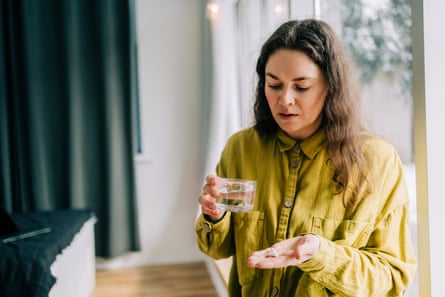
The Vitamin Deficiency Almost Every Midlife Woman Has—But Doctors Rarely Test

Vitamin D deficiency affects up to 70% of women over 45, yet most are never screened for it. And the symptoms mimic “normal aging”: fatigue, joint pain, brain fog, low mood, sleep issues, even increased belly fat. But here’s the shocking part: low vitamin D increases the risk of severe menopause symptoms by 67% and is linked to higher rates of osteoporosis, autoimmune disease, and insulin resistance. Signs you might be low: – Muscle aches – Frequent illnesses – Feeling “heavy” or unmotivated – Trouble sleeping – Low mood in winter What helps: – Get your 25-OH vitamin D levels tested (not the outdated 1,25 test) – Pair vitamin D with magnesium and K2 for absorption – 10–20 minutes of midday sun – Check levels annually—your needs change after 40 What you think is “just aging” may be one missing nutrient. Tags: #WomensHealth #NutrientHealth

The Vitamin Deficiency Almost Every Midlife Woman Has—But Doctors Rarely Test