Category Page health

Mishelle

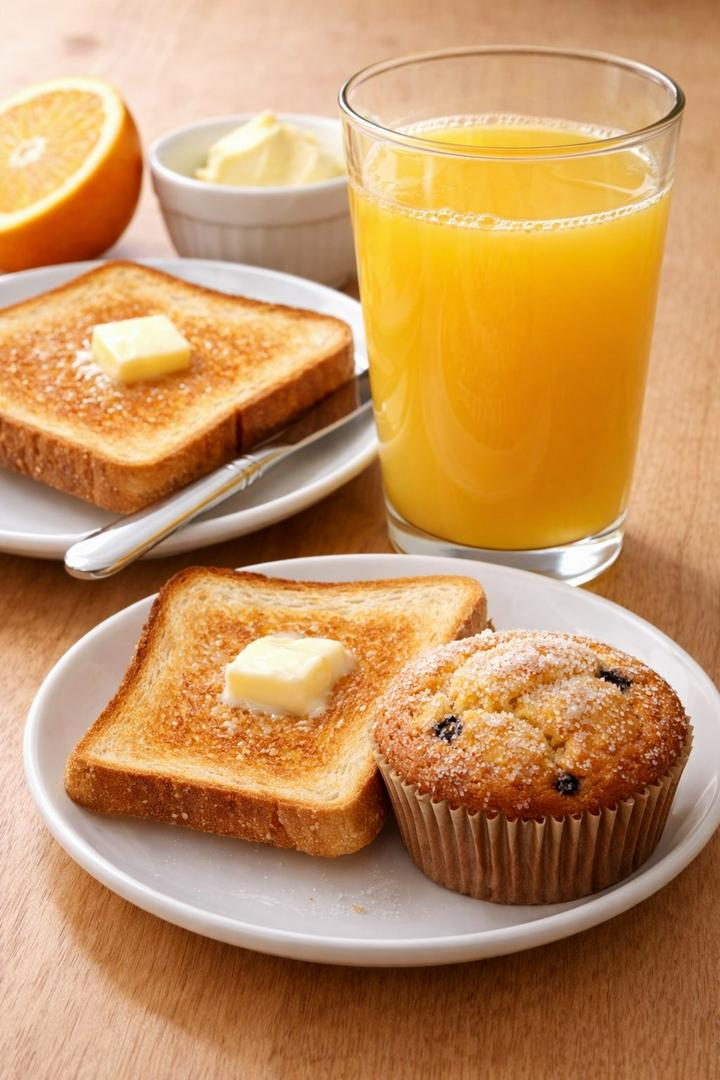
As a hospital doctor for many years, I am absolutely shocked at what we feed our patients. I’ve worked in many different hospitals up and down the east coast of the USA. It’s all the same. Let’s be honest: This unfortunately represents a wider societal ignorance of the importance of good nutrition. The below could be a hospital breakfast given to diabetic patients ANYWHERE in America. I’ve seen these sorts breakfasts given to thousands of patients. White processed bread, sugary processed muffin, and low quality orange juice. One of the worst things that could happen to anybody who is already sick and inflamed, is to be fed food that causes metabolism, glucose, insulin— to go haywire! This is an area that we must improve on. Think about it. Hippocrates knew it 2500 years ago. Every cell in your body. Every thought that you have. Is powered by what you eat. If doctors and hospitals can’t promote good wholesome nutrition when somebody is actively sick— then nobody can. Hospitals must do better.

justme

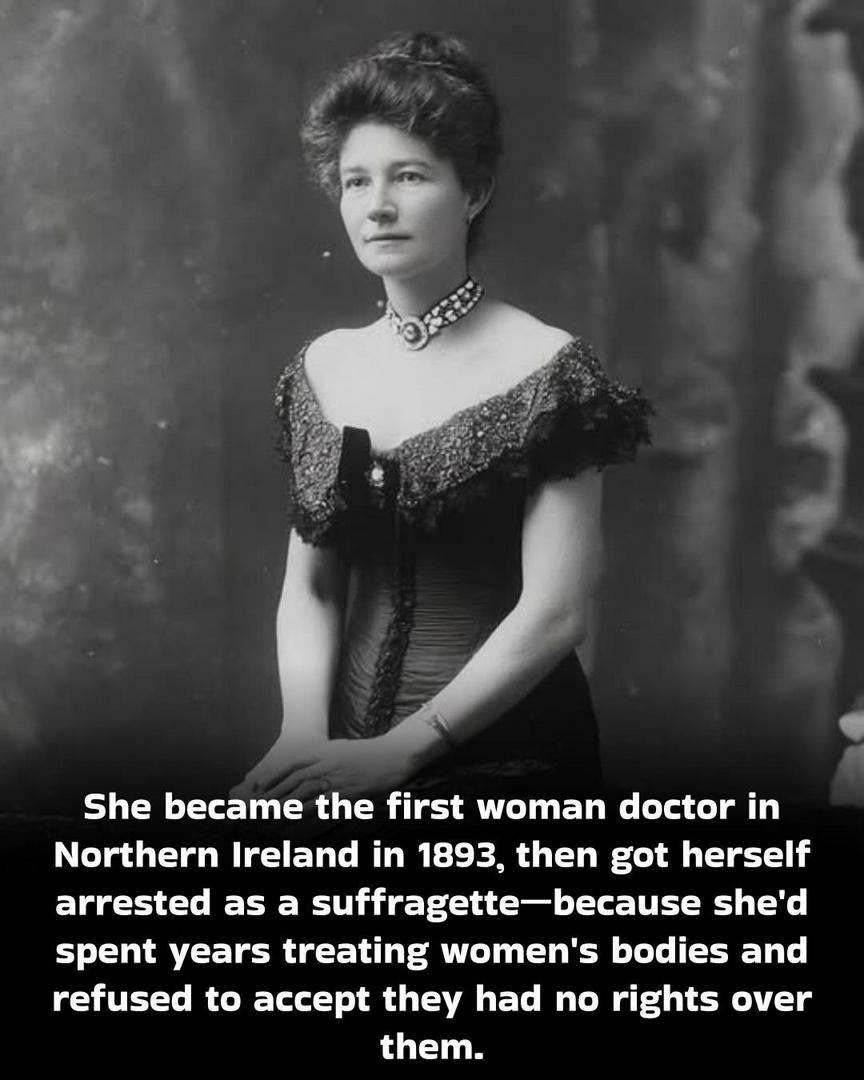
She became the first woman doctor in Northern Ireland in 1893, then got herself arrested as a suffragette—because she'd spent years treating women's bodies and refused to accept they had no rights over them. Belfast. 1889. Elizabeth Gould Bell walked into the lecture theatre at Queen's College Belfast knowing every eye would be on her. Not because she was late. Not because she was unprepared. Because she was a woman in a room built to exclude her. The medical students—all men—stared. Some whispered. Some smirked. The message was clear: you don't belong here. Elizabeth sat down, opened her notebook, and began taking notes on anatomy. She was twenty-two years old. She had no intention of leaving. Medical education in 1889 was designed to keep women out. Not explicitly—the rules had recently changed to technically allow women—but through a thousand small hostilities that made it nearly impossible to succeed. Professors who wouldn't call on female students. Clinical instructors who refused to let women examine male patients. Classmates who made studying together impossible. A culture that treated a woman's presence as inherently provocative, as if learning about the human body was inappropriate for someone who possessed one. Elizabeth endured all of it. She studied anatomy while male classmates made comments about whether women could handle "such material." She practiced surgical techniques while instructors questioned whether women had the physical strength or mental fortitude for medicine. She attended clinical rounds where doctors spoke to her male peers and ignored her completely. And she outperformed them anyway. In 1893, Elizabeth Gould Bell qualified as a physician from Queen's College Belfast. She became the first woman in Northern Ireland to earn a medical degree. She was twenty-six years old. She'd proven she could do everything they said women couldn't.

Reina Samaro

A new study is highlighting a concerning public health trend: severe neonatal herpes infections have increased following the COVID-19 pandemic. Researchers analyzed over 632,000 births between 2008 and 2024 and identified 62 HSV infections in infants aged 0–42 days, with an incidence of 9.8 cases per 100,000 births.  The study also found that disseminated neonatal herpes — the most severe form of the disease — increased significantly after 2021.  Although neonatal herpes is rare, it can cause serious illness if not treated quickly. This is why education, awareness, and reducing stigma around HSV are so important. Read the article: https://nationaltoday.com/us/ca/oakland/news/2026/03/16/study-finds-rise-in-severe-neonatal-herpes-infections-after-pandemic/ #HerpesAwareness #HSV #NeonatalHealth

Ruben0840

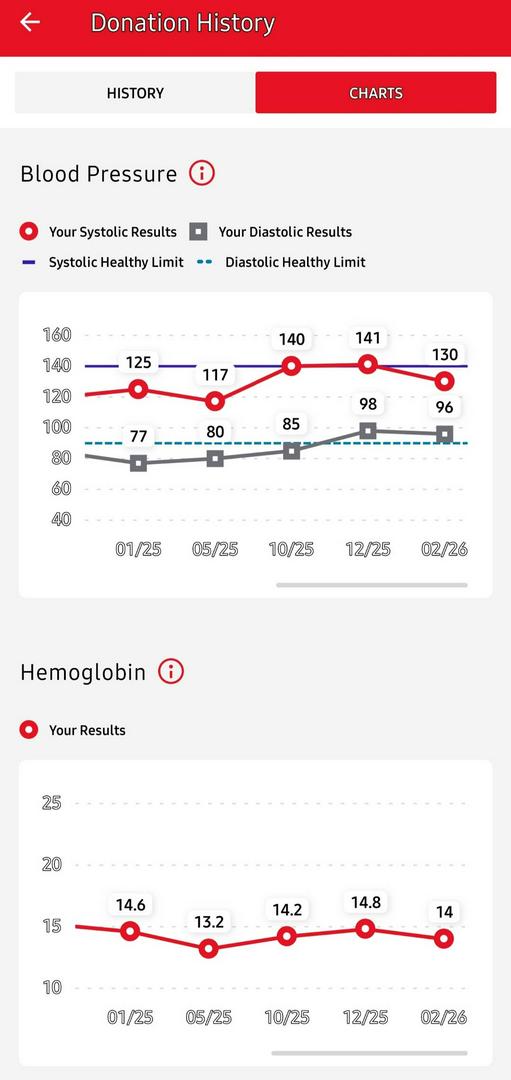
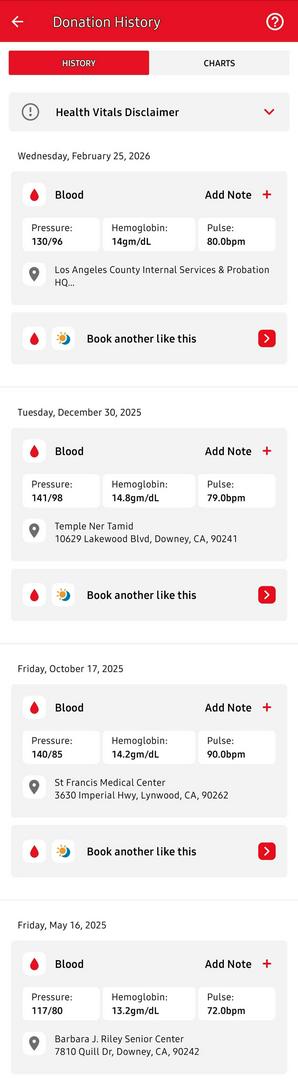
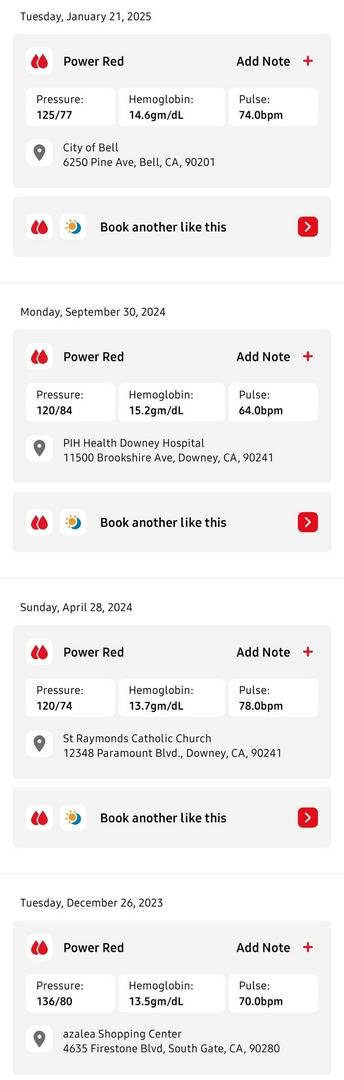
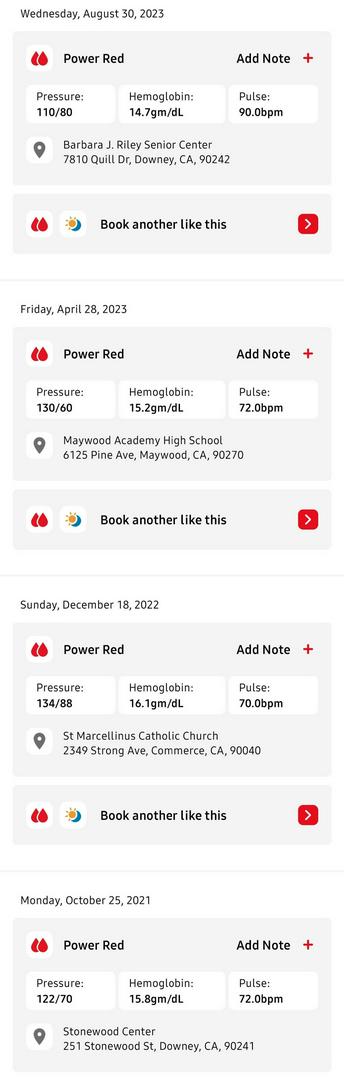
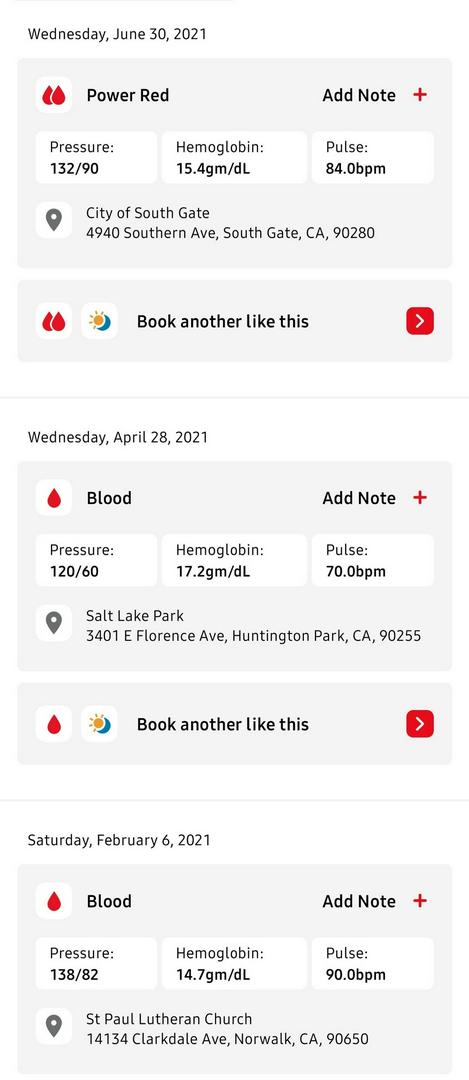
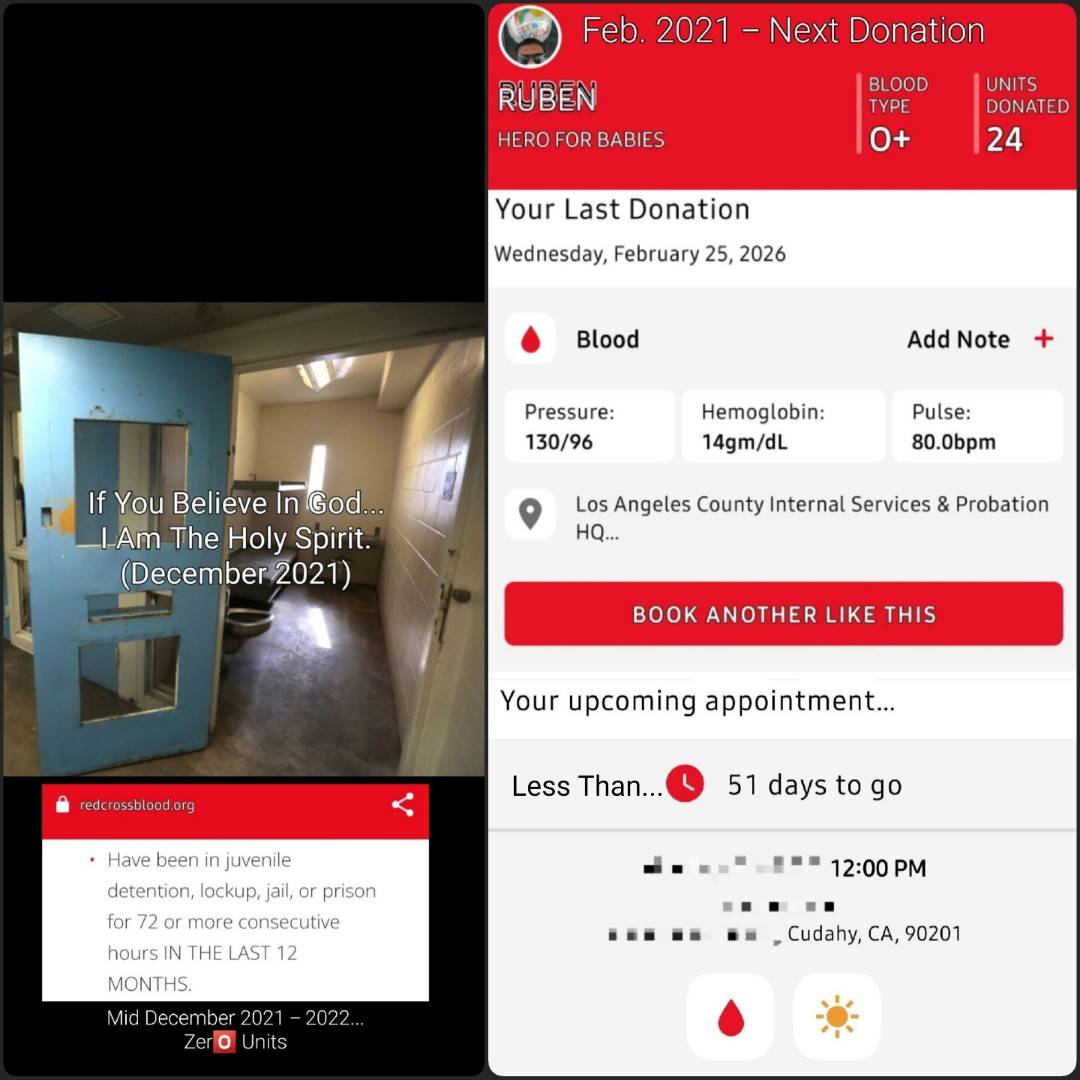
An average adult human body contains approximately 4.5 to 5.7 liters (about 1.2 to 1.5 gallons) of blood, which typically accounts for roughly 7–8% of total body weight. Blood volume varies by sex, weight, and age, with adult males generally having 5–6 liters and females about 4–5 liters. Blood Volume Breakdown Adults: ~4.5–5.7 liters (approx. 9–12 pints). Children: ~70–80 mL of blood per kilogram of body weight. Infants: A newborn has about 75–85 mL of blood per kilogram of body weight, usually totaling only a few cups. Pregnancy: Pregnant individuals have 30–50% more blood volume to support the baby. Key Facts on Blood Volume Blood Loss: Losing about 1 pint (roughly 500 mL) is generally safe, as in blood donation, but losing over 40% of blood volume is often life-threatening. Composition: Roughly 10% of an adult's body weight is blood. Factors: People at higher altitudes, who have less oxygen to breathe, often have higher blood volume. Regeneration: The body can quickly replace lost plasma in a few days, but red blood cells take weeks.

Dashcamgram

Jelly Roll’s journey is proof that transformation doesn’t happen overnight — it’s built through consistency, discipline, and self-belief. From openly sharing his struggles with weight, addiction, and mental health to now landing the cover of Men’s Health, this moment represents more than a physique change. It’s about accountability, resilience, and choosing growth even when it’s uncomfortable. He’s been vocal about doing the work behind the scenes — training, changing habits, and staying committed when motivation fades. For many fans, this cover isn’t just inspirational, it’s relatable. It shows that real change is possible no matter where you start, as long as you don’t quit on yourself. What stands out most is that Jelly Roll didn’t chase perfection — he chased progress. And now, that progress is on full display. #JellyRoll #MensHealth #FitnessJourney #WeightLossMotivation #TransformationStory #HardWorkPaysOff #HealthOverHype #RealProgress #Inspiration

Category: Health - Page 12 | LocalAll