1/1
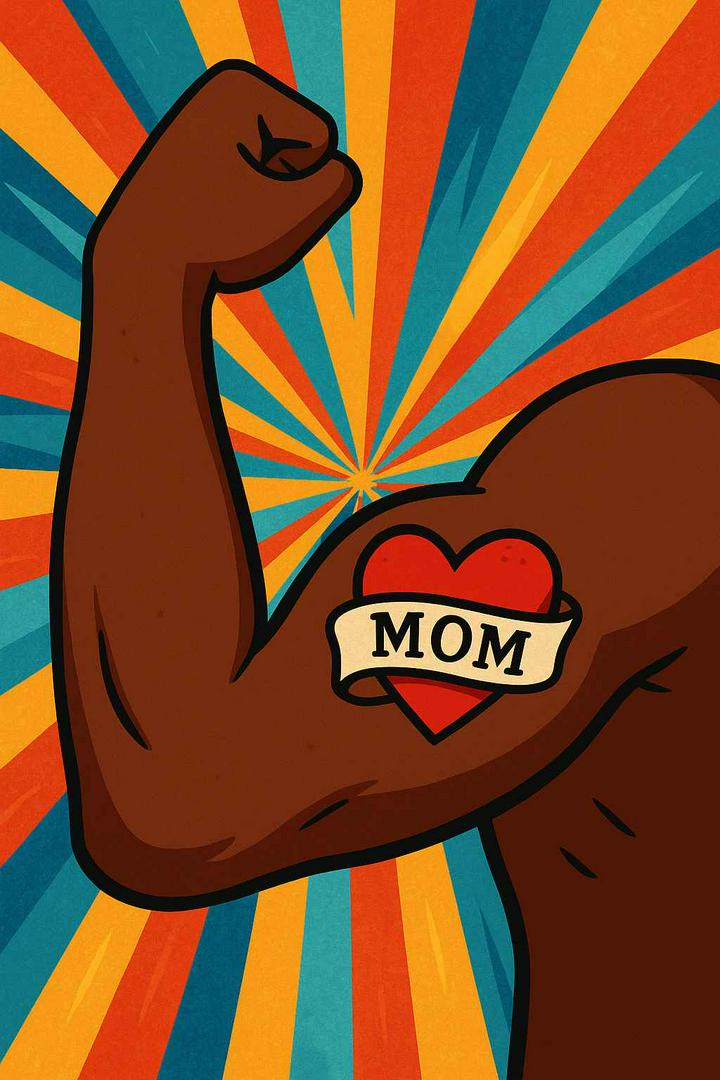
Tattoos are older than every empire you can name. The earliest proof comes from a 5,300-year-old mummy named Ötzi, whose skin carried inked lines made for pain relief and ritual healing. Ancient Egypt tattooed women for protection during childbirth. Indigenous cultures used ink as identity, honor, grief, and rite of passage. Tattoos began as a language of the body — not decoration. Then came the colonial era, where Europeans labeled tattooed people as “savages” while quietly collecting Indigenous techniques to take home. By the 1700s, sailors started tattooing each other at sea… names of lovers, symbols of survival, reminders of who they were before the ocean changed them. Tattoos became a mark of the rough, the traveled, the witnessed. The modern tattoo machine arrived in the late 1800s, inspired by Thomas Edison’s engraving pen. Suddenly tattoos spread through cities — soldiers, laborers, circus performers, immigrants, outcasts — people who lived hard lives and wanted their stories carved where nobody could erase them. But tattoos also carried stigma. For decades, they were linked to crime, rebellion, and “not fitting in.” Yet the truth is simple: tattoos survived because people needed a way to mark pain, love, loyalty, culture, loss, and identity. Today it’s mainstream, but the roots are still sacred. Tattoos were never meant to be trendy… they were meant to be truth that bleeds. #TheStoryBehind #Tattoos #TattooHistory #BodyArt #InkCulture #HiddenHistory #LearnSomethingNew #NewsBreakCommunity #DidYouKnow
11 days ago
write a comment...