Tag Page 1

#1
Radicalized-by-basic-decency

Nothing to Argue About

We are (or were) the richest country in the world. Nobody should be homeless or hungry, EVER! The Declaration of Independence states Life, Liberty and the Pursuit of Happiness. So let's break that down Life = Healthcare is RIGHT. I cant live if im sick. Liberty = Enforcing the Bill of Rights. Free speech being #1. Pursuit of Happiness = liberty to make choices that serve your long-term interests, according to philosophers like John Locke; and as a public duty to ensure the conditions for happiness are possible for all citizens. All of these are systematically being taken away by YOUR PRESIDENT. We sit back and allow it. I just personally donated 4 full boxes of food to the local food bank to help do my part. We need to take care of each other. Don't depend on MAGA and big business helping you. A civil war is coming. Be vigilant and protect yourself, your friends and family from the desperation that drives people over the edge! The government fears one thing, the power of the people. Stand up for your country and take back what's rightfully yours/ours. Help your neighbors and your family wherever you can. Stay informed. #SNAPBenefits #SNAPLife #SNAPTalk

Nothing to Argue About
Bonnie O’Dell

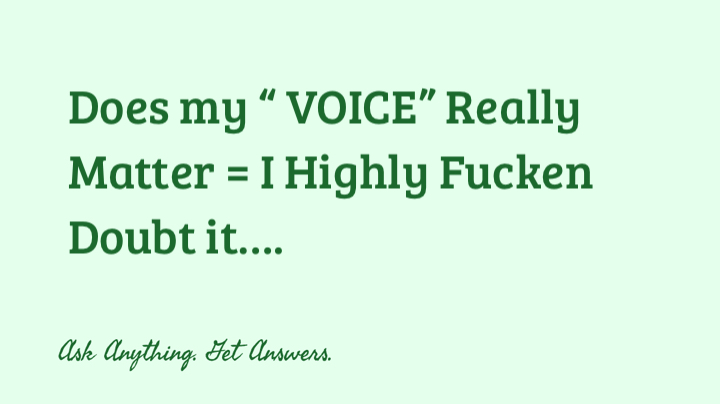
Does my “ VOICE” Really Matter = I Highly Fucken Doubt it…. I am HOMELESS. I have seen a lot on my Journey…. #1 = This is a System that needs MAJOR revisions. You got security issues… Ya got Fraud I have seen people give their cards away Sell them I have seen discrimination Things you shouldn’t be allowed to get & others you should get Like fucken diapers It is a BIG FUCKEN ⭕️ JERK… The Government Must fix this as they are the Corrupt ☝️ making a big giant Mess & Fucken with families, Seniors, Veterans,Me How Dare you take food away from people tying to make ends meet….Especially In the next 2️⃣ months Thanksgiving Christmas That’s represents Jesus Christ!!! How about we take your fucken paycheck Your house Your food and strip it from you???? I am living that life. FYI = they booted me from food stamps. Failure to do their jobs properly Revise the fucken system….. God FUCKEN Bless ❤️ 🙏 #SNAPBenefits #SNAPLife #SNAPTalk

Rick And Morty

The most important lesson life teaches us—backed by hospice nurses, centenarians, and elders reflecting on long lives—is this: Live authentically and boldly now, because time is brutally short, and the deepest regrets come from not being true to yourself or prioritizing what truly matters. Bronnie Ware’s “Top Five Regrets of the Dying” (from years bedside with the terminally ill) tops every list: 1. I wish I’d had the courage to live a life true to myself, not the life others expected of me. (The overwhelming #1—most died knowing they’d honored few of their dreams due to fear, conformity, or “shoulds.”) 2. I wish I hadn’t worked so hard. 3. I wish I’d had the courage to express my feelings. 4. I wish I had stayed in touch with friends. 5. I wish I had let myself be happier. Centenarians and older Americans (from studies like Karl Pillemer’s Legacy Project and interviews with 100+ year-olds) echo similar truths: Life flashes by faster than you imagine—“I can’t believe how quickly it passed.” They stress: Don’t waste it on petty worries, grudges, or chasing money/status over relationships. Prioritize love, connection, gratitude, staying active (mind/body), optimism, and simple joys. Regrets often center on unfinished business—unspoken forgiveness, neglected family stories, or not reconciling. The core takeaway? You get one finite life—no rehearsals. Postpone joy, authenticity, boundaries, or meaningful risks at your peril. Elders urge: Act now—say the loving words, pursue what lights you up (even small), forgive freely, nurture real bonds, choose happiness daily, and respond to setbacks with resilience instead of bitterness. Health, time, people—all temporary. Use them while you have them. Avoid the trap of “later.” The wisest live like every day counts, leaving no major “what ifs.”

Melissa Tirona

In the pursuit of inner strength and wisdom, stoicism teaches us to focus on what we can control and let go of what we can't. But what happens when the people around us don't share our values, especially in vulnerable environments like homeless shelters, recovery centers, mental health clinics, or online communities? Learning to recognize those who exploit or use others is crucial for protecting our own energy and well-being, whether we're navigating tough circumstances or simply trying to maintain healthy relationships during our recovery journey. Let's dive into six signs to watch out for. 👀 #1 People that are only loyal to you when it benefits them. 👉 Watch out for those 'fair-weather friends'! They show up when it benefits them, ditch when you need help. #2 People who avoid accountability 👉 People who can not admit their mistakes and shifts blame can not be trusted. Accountability is key to growth and trust. Surround yourself with those who want to grow not just "glow". #3 People who gossip to you gossips about you 👉 Gossipers often share info to gain power or feel included. Problem is, this 'power' is usually short-lived and damages relationships. #4 People who change behavior around people in authority or power 👉 People who shift their behavior drastically around those in power, but disrespect those "below" them, are likely insecure and manipulative. It's like they're wearing masks to climb the social ladder, but their true colors show when they think no one's watching. #5 People who disappear during difficult times 👉 Those who vanish on you when things get tough aren't really "there" for you – they're just along for the ride. The ones who stick around, who show up when life gets messy.... those are the ones worth investing in. #6 People who resent your growth 👉 People threatened by your growth often try to downplay your wins or make you feel guilty for leveling up. Real loyalty shows up when they celebrate your progress, not compete

CJ Moneyway

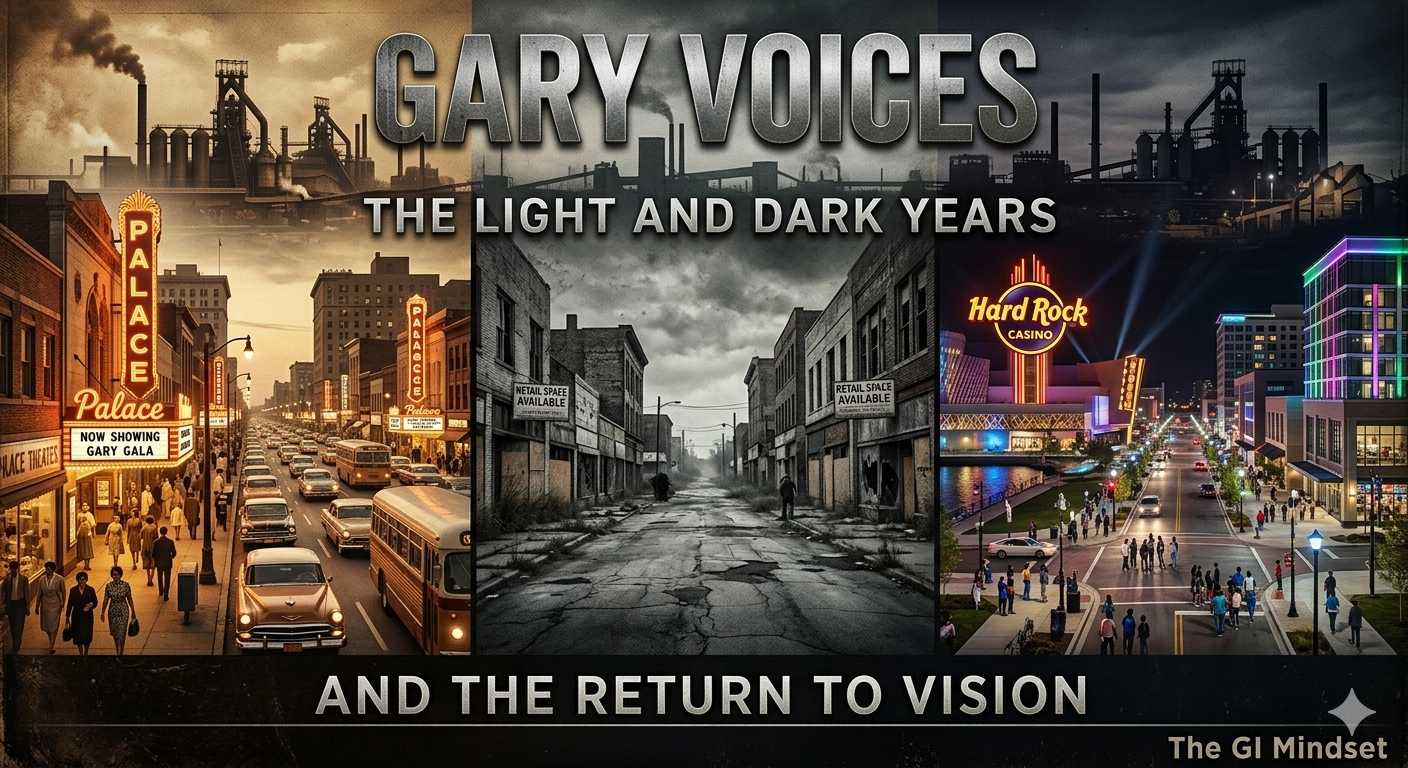
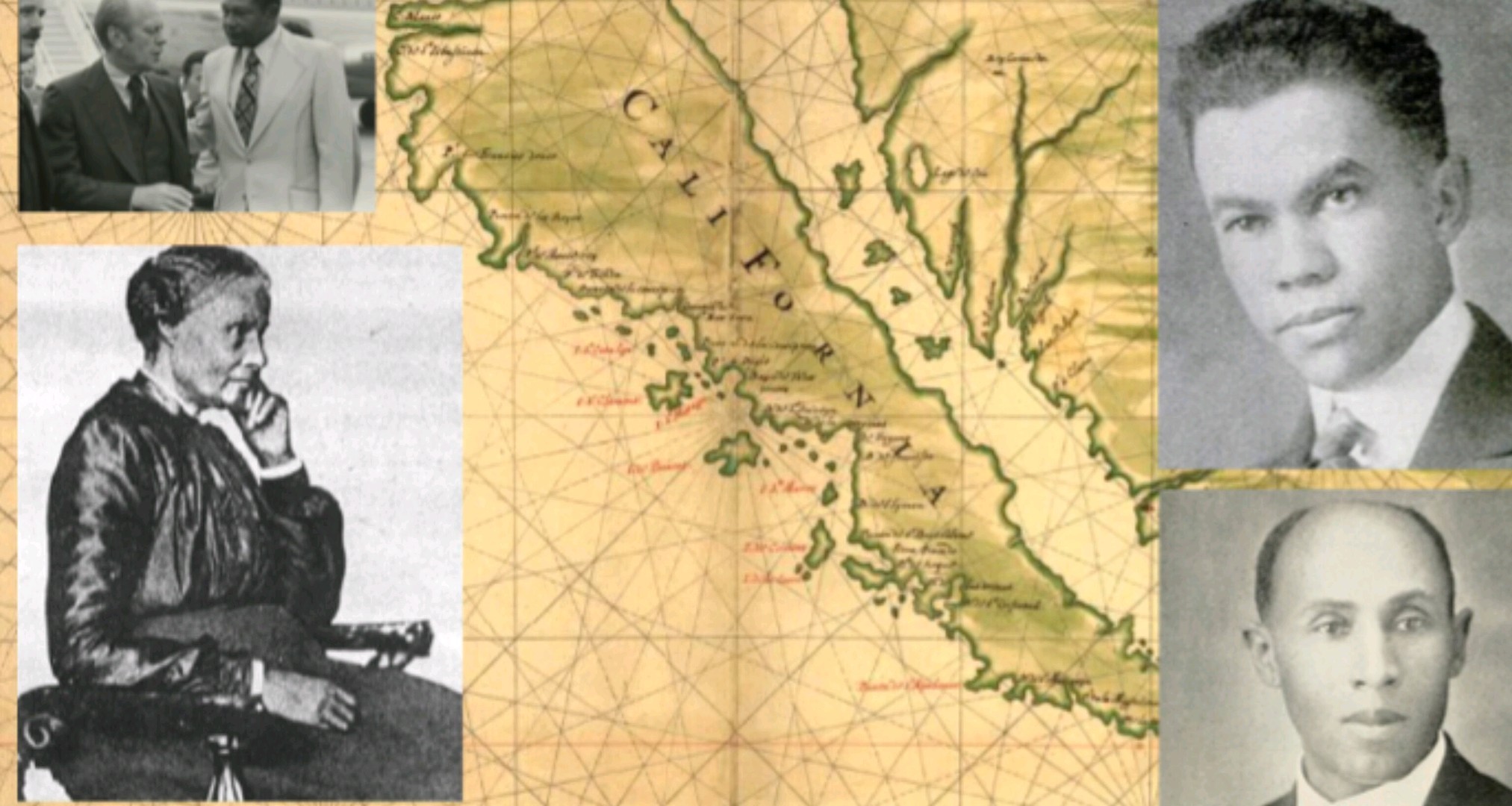
#1 Gary Voices: The Light and Dark Years — And the Return to Vision Theme: From struggle to renewed possibility Every city goes through seasons. Moments of light. Moments of struggle. And sometimes long stretches where the future feels uncertain. Gary has experienced all of it. There was a time when the city stood at the center of national attention under the leadership of Mayor Richard Hatcher, one of the most influential mayors in American urban history. In 1967, Hatcher made history when he became the first Black mayor of a major urban city in the United States. His leadership symbolized a new era of possibility not only for Gary, but for cities across the country. During that time, Gary represented something powerful. Leadership. Opportunity. And the belief that communities like ours could shape their own future. Hatcher carried a vision that inspired generations. But history rarely moves in straight lines. Over the decades that followed, Gary entered a more difficult chapter. Economic shifts, population decline, and changes in the steel industry reshaped the city in ways few people could have predicted. Factories slowed. Families moved away. And the momentum that once defined Gary became harder to see. Those were the darker years. For many residents, it felt like the city the world once admired was being overlooked. But cities with strong roots rarely stay down forever. Today there are signs that Gary may be entering another moment of possibility. Under Mayor Eddie Melton, conversations about revitalization, development, and long-term vision are beginning to take shape again. Real change never happens overnight. But sometimes you can feel when a conversation begins to shift. Projects like the Hard Rock Casino Northern Indiana have already brought new attention and energy to the region. Major entertainers now come through Gary regularly — artists and performers who draw crowds from across Northwest Indiana and the Chicago area.

Hip-hop Daily News With Donnell Ballard

Breaking Barriers: Judge Maryellen Hicks' Trailblazing Journey as Tarrant County's First Black Judge: In the heart of Fort Worth, Texas, a young Maryellen Hicks dreamed of justice from age five, inspired by her great-uncle W.J. Durham, who fought alongside Thurgood Marshall in the landmark Sweatt v. Painter case against racial segregation in law schools. Born March 10, 1949, into a military family that moved across states before settling in Odessa for her early education, Hicks faced the era's deep-seated racism and gender barriers head-on. Undeterred, she earned her B.A. from Texas Woman's University, then shattered history at Texas Tech School of Law, graduating in 1974 as its first Black female alumna— a feat amid widespread exclusion for women and minorities in legal education.Overcoming Early StrugglesLife wasn't easy; as a "novelty" Black female lawyer in Fort Worth, Hicks joined Bonner & Mitchell, handling diverse cases before co-founding Bonner & Hicks. Following her mother's call to engage—vote, volunteer—she campaigned for Mayor Hugh Parmer. At just 27, in 1978, she became Fort Worth's first African American and first woman Municipal Court Judge, rising to Chief Judge despite skepticism. These roles tested her amid personal risks, like threats from disturbed litigants in family court cases.Judicial Milestones Amid AdversityAppointed in 1982 by Governor Mark White to Tarrant County's 231st District Court, Hicks served a decade as its only Black female judge, specializing in family law and aiding vulnerable children. Tragedy struck nearby in 1991 when George Lott, from one of her cases, shot two appeals court justices—highlighting the dangers she navigated. Yet Governor Ann Richards elevated her in 1992 to the Texas Second Court of Appeals (1993-1994), making her its first Black and first female justice. Peers later ranked her #1 judge in Houston-area polls (1999, 2001), outshining even Supreme Court justices.Enduring LegacyPost. Story By Donnell Ballard