Tag Page America

#America
1776 Patriot

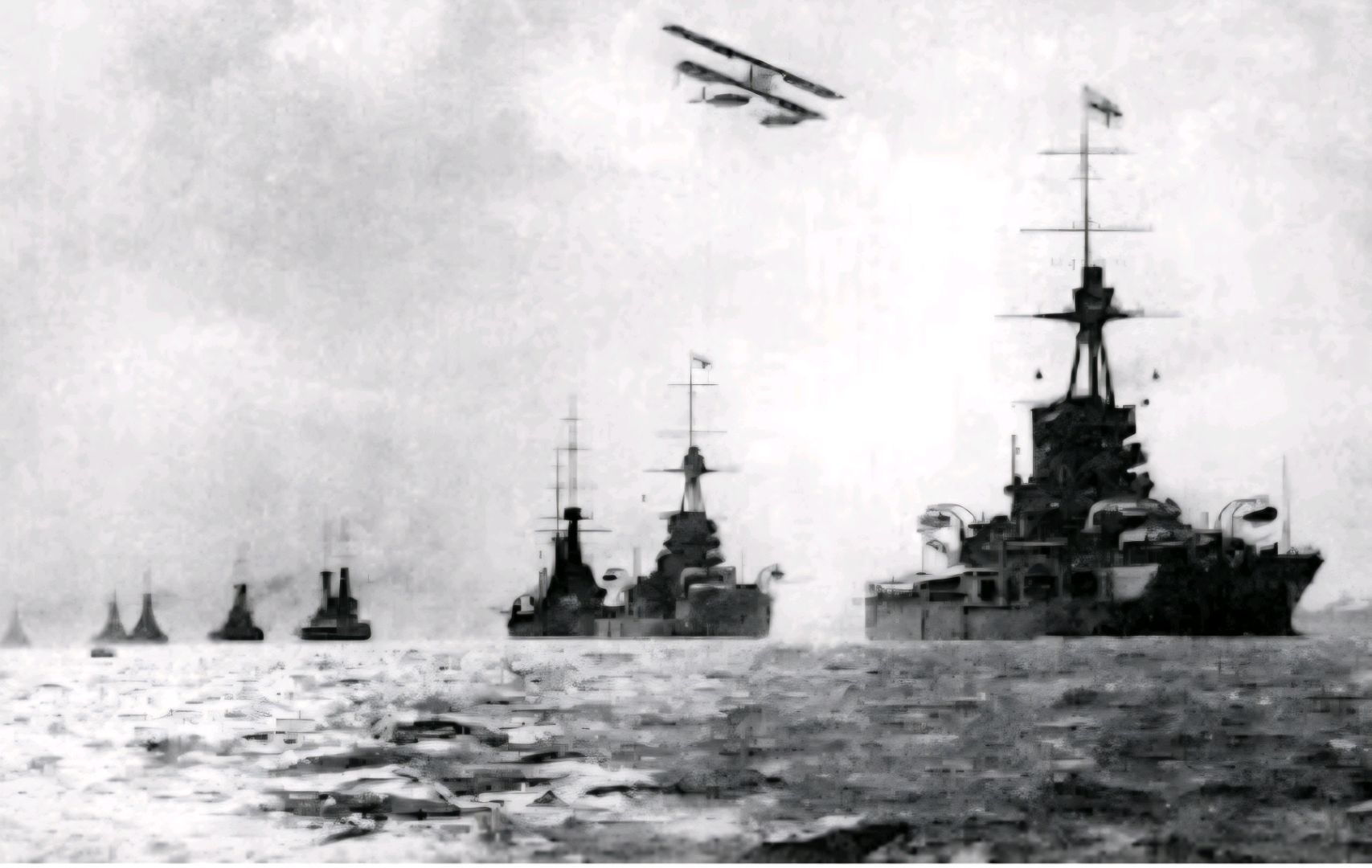
The Art and History of Military Posturing: Lessons for U.S. Strategy Near Venezuela Military posturing is both an art and a product of history. It relies on positioning forces, shaping perceptions, and altering an opponent’s calculations without committing to full conflict. During the Cold War, the United States placed 50 nuclear submarines and more than 200 strategic bombers within reach of the Soviet Union. In 1962, a blockade of 70 ships pushed Moscow to withdraw missiles from Cuba without firing. Studies show visible force posture reduced escalation in 40 percent of major standoffs, demonstrating how presence alone can shift decisions. History also shows that limited, precise strikes can reinforce credibility. In 1989, 20,000 U.S. troops surrounded Panama in hours. Rangers secured airfields while airborne units hit command centers and air defenses. Over 600 sorties supported the operation, isolating Manuel Noriega in less than 72 hours. Analysts note the rapid buildup created overwhelming psychological pressure and forced strategic collapse without prolonged fighting. Today, the art of posturing is focused on the Caribbean and northern South America. Intelligence reporting lists 30 naval vessels, 15 amphibious ships, and 60 aircraft engaged in monitoring and joint missions. Recent actions under Operation Southern Spear include more than 20 precision strikes against unauthorized maritime craft linked to illicit networks, along with the high-profile seizure of the tanker Skipper near Venezuela. These moves aim to disrupt revenue channels and enforce maritime control. Strategic positions near Curacao, Aruba, and eastern Caribbean passages allow rapid response. Studies indicate presence paired with selective action raises compliance by 65 percent and strengthens U.S. leverage in ongoing regional power struggles. #NavalPower #Venezuela #USDefense #America #USA #USHistory #History

1776 Patriot

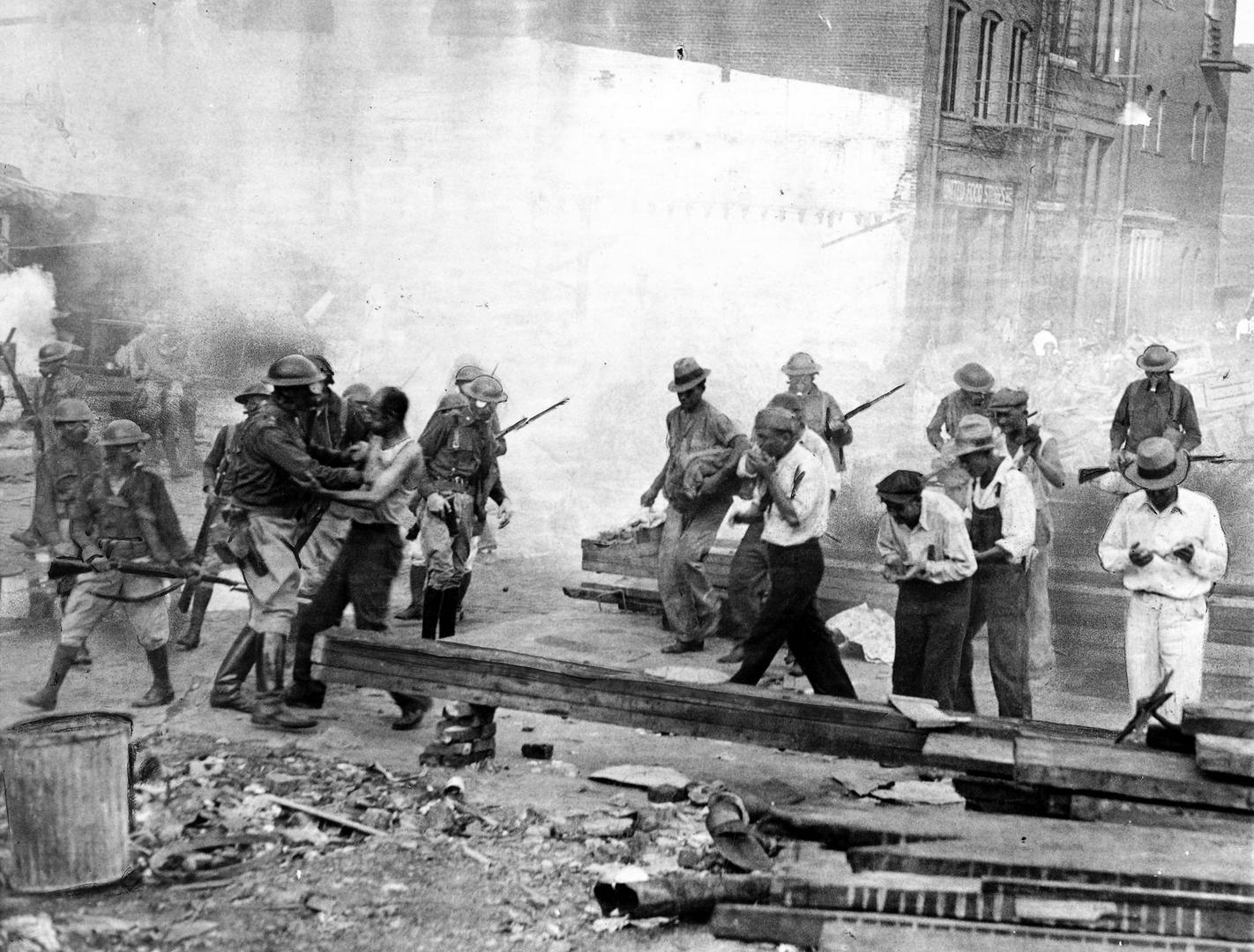
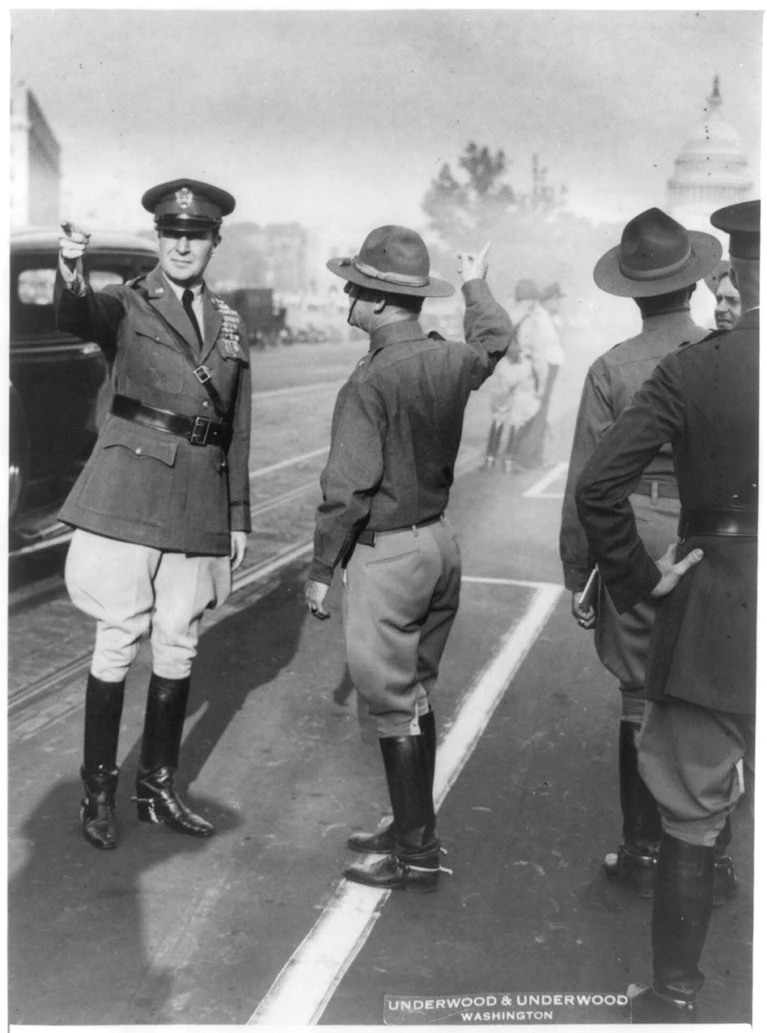
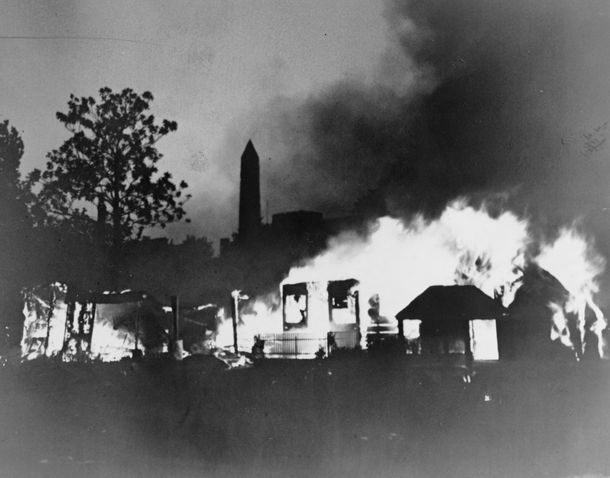
The Untold Battles of American Veterans After War Across U.S. history, veterans returning from war often faced neglect despite public praise. Continental soldiers after 1783 struggled to receive promised pay and pensions, delayed by 6 to 12 months. Some threatened to march on Congress in the Newburgh Conspiracy. General Washington’s appeal prevented crisis but revealed how fragile veteran support was. After the Civil War, Northern soldiers were publicly honored, yet many lived with poverty, lingering injuries, and untreated trauma. Confederate veterans faced economic devastation and social disruption. World War I soldiers returned to limited jobs. “Shell shock” now recognized as PTSD was often untreated. In 1932, 17,000 veterans and families formed the Bonus Army in Washington D.C., demanding early payment of bonuses scheduled for 1945. Living in tents along the Anacostia River during the Great Depression, they were forcibly evicted by troops; several were injured, illustrating neglect despite service. World War II veterans fared better. Many returned to ticker tape parades and benefited from the GI Bill offering education and housing. However, racial disparities limited access for Black veterans, and mental health issues often went unaddressed. Vietnam veterans rarely received parades and often faced hostility or silence. Employment and PTSD treatment were difficult to access. Studies show roughly 30 percent experienced PTSD, and repeated low level blast exposure in combat or training can cause CTE like brain pathology recently recognized in military research. Iraq and Afghanistan veterans face 20 percent PTSD prevalence and 12 to 15 percent traumatic brain injuries. Despite public respect, many encounter barriers to care, employment, and reintegration. History shows that real recognition requires sustained mental health support, equitable benefits, and societal commitment, not just words. #History #USHistory #America #Veterans #PTSD #SupportOurVeterans #USA

1776 Patriot

The SS United States: America’s Biggest and Fastest Ocean Liner The SS United States was the largest passenger ship ever built in the United States and a flagship example of mid century American industrial strength. Completed in 1952 at Newport News Shipbuilding, the vessel measured about 990 feet in length and displaced more than 53,000 tons. Its design used unprecedented quantities of aluminum in bulkheads, deckhouses, and framing to reduce structural weight and increase power to weight efficiency. Construction required more than 2,000 workers, extensive precision welding, and strict quality controls because the ship’s engines were adapted from classified naval propulsion systems. These turbines produced more than 240,000 shaft horsepower, giving the vessel unmatched acceleration and sustained high speed capability. On its maiden voyage the SS United States seized the Blue Riband, covering the westbound Atlantic in just over three days with an average speed above 35 knots. No passenger liner has surpassed this performance. The ship carried more than 1,900 passengers and nearly 1,000 crew and was built to convert rapidly into a troop carrier able to transport more than 14,000 personnel. The dual purpose design, compartment layout, and material choices, including fire resistant furnishings and reinforced decks were intended for heavy military loads. The liner operated from 1952 to 1969 before withdrawal due to rising operating costs and competition from jet aircraft. Since retirement it has remained laid up yet structurally sound, supported by preservation campaigns that emphasize its engineering significance. The SS United States remains the largest and fastest ocean liner ever produced in America and a benchmark in high performance civilian shipbuilding. #History #USHistory #America #USA #Shipbuilding

Curiosity Corner

The Science Behind Alien Abductions About three percent of Americans believe they were abducted by aliens, and scientists study why these events feel real. One major cause is sleep paralysis, a state where the brain wakes up but the body remains frozen. People can see figures in the room, feel pressure on their chest, hear voices, or sense floating. Around eight percent of people experience this at least once. The brain tries to explain these intense sensations and often uses familiar images, which for many are aliens that match well known cultural patterns and long standing ideas shared across society. Memory also plays a major role. Human memory is flexible and can create vivid false memories under suggestion or stress. Experiments show that nearly one third of people can form detailed memories of events that never happened. Abduction stories often expand over time as the brain adds new layers that feel completely real. The brain itself can generate powerful sensations. The temporal lobe controls imagination, fear, and the feeling that someone is nearby. Disturbances from migraines, seizures, or certain magnetic fields can trigger the sense of a presence. In laboratory tests more than half of participants reported feeling a figure when this area was stimulated. Many people describe the same type of alien because culture gives everyone a shared template. Movies and television popularized the small gray figure with large eyes. When someone experiences sleep paralysis or a neurological event, the mind often fills in the unknown with this familiar image that has been reinforced repeatedly over decades and now feels almost universal. Together these scientific factors explain why alien abduction accounts feel real, why many witnesses report similar details, and why a small but notable share of Americans believe they were taken. #Aliens #America #Science #USA #ScienceNews #News

1776 Patriot

The Battle of Lake Erie: America’s Largest Sail Ship Engagement The Battle of Lake Erie, fought on September 10, 1813, during the War of 1812, was the largest naval engagement in American history fought entirely by sail ships. Commodore Oliver Hazard Perry faced a well trained British squadron near Put in Bay, Ohio, determined to control the lake and support British operations in the Northwest Territory. Perry oversaw the construction of much of his fleet in frontier shipyards, including the heavily armed flagship USS Lawrence, the USS Niagara, and seven smaller brigs and schooners. Many ships were newly built, and crews drawn from local militias, merchant sailors, and volunteers had limited training. Supplies were scarce, powder uneven, and several sailors were already ill, making the Americans true underdogs. The British squadron had six well established ships, including HMS Detroit and Queen Charlotte, mounting 193 guns with roughly 850 seasoned sailors and marines. The Americans had about 1,000 men and 206 guns. Lawrence alone carried twenty six 24 pounders, two 18 pounders, and four 12 pounders, but the inexperienced crew struggled under fire. After nearly three hours of cannon exchanges, Lawrence was almost destroyed and over 60 crew members were killed or wounded. Perry famously rowed under fire to the USS Niagara, assuming command and using her fresh guns and intact crew to outflank the British line. By evening, all six British ships were captured, granting the United States full control of Lake Erie. This victory allowed the U.S. to reclaim Detroit and win subsequent land campaigns. Perry’s message, "We have met the enemy and they are ours," became a rallying cry. Historians consider it the largest single line sail ship engagement in American history and a remarkable underdog triumph where leadership and courage overcame superior experience and resources. #USNavy #UnsungHero #USA #America #USHistory #History #EriePA

Curiosity Corner

Can You Tell a Dyed Geode from a Real One? Dyed geodes look natural at first glance, yet their bright blues, pinks, and greens often come from a controlled coloring process. Natural geodes rarely form such vivid tones, which is why sellers enhance them. Today, about fifty to sixty percent of small decorative geodes are artificially colored, and brightly dyed pieces often outsell natural ones by nearly two to one. The process begins when a geode is cut open to reveal its crystal chamber. The halves are cleaned to remove dust, then soaked in a heated dye bath. Tiny channels between quartz crystals act like capillaries, drawing in pigment. A medium geode can absorb nearly its own weight in liquid during a full day of soaking. Some workshops rotate geodes periodically to ensure even color. Crystal density affects the final hue. Dense clusters absorb less dye, producing pastel tones, while open pockets take in up to thirty percent more pigment, creating bold saturated shades. Deep purple and bright teal are especially popular, mimicking rare natural minerals at lower cost. Temperature also matters: hotter baths push dye deeper into the crystal, while cooler baths keep it near the surface. Layered or multistage baths produce gradients rarely seen in nature. Collectors often spot dyed geodes by observing sharp color bands near cut edges, faint staining on the outer rind, or solid pigment in crystal tips. Newly dyed stones may feel slightly heavier because absorbed liquid has not fully evaporated. Dyed geodes remain popular because they combine natural crystal formation with human creativity. Artists continue experimenting with pigments, metallic finishes, and gradient effects, turning ordinary stones into striking decorative pieces. Millions of dyed geodes are sold each year, proving even a simple rock can captivate with color and design. #Science #America #USA #News #USNews #ScienceNews

1776 Patriot

America's Indroduction to the Greys: The Hill's 1961 Alien Abduction Case The Betty and Barney Hill case of 1961 is one of the most famous and influential alien abduction reports in history. On a September night, the Hills were driving home from a vacation in New Hampshire when they noticed a bright light in the sky. As they approached it, they described the object as a large metallic craft hovering silently. Terrified, they reported feeling paralysis and later recalled missing time. Under hypnosis months later, both Betty and Barney recounted being taken aboard the craft and examined by small humanoid beings with large slanted black eyes, gray skin, and oversized heads. The entities had minimal facial features, thin bodies, and spoke telepathically. Betty described the craft’s interior as filled with lights, panels, and instruments, while Barney drew sketches of the beings that matched later reported Grey archetypes. Their memories, while initially fragmented, were remarkably consistent once recovered through hypnotic regression. The Hills’ experience introduced key elements that would define future abduction lore. Their description of Greys, tiny gray skinned large headed humanoids, became the standard template in popular culture and subsequent abduction reports. Their story also included star maps drawn by Betty, which she claimed showed the aliens’ home system, later loosely linked to the Zeta Reticuli binary system. The case drew national attention when journalist John G. Fuller published a detailed account in 1966, framing the event as a serious investigation into unexplained phenomena. Psychologists have studied the Hills’ report as an example of sleep paralysis, memory distortion, and cultural influence, yet the vivid detail and consistency of their account make it a cornerstone of UFO history. The Betty and Barney Hill case remains pivotal in shaping how society visualizes aliens, particularly the Grey anatomy. #Aliens #UFO #America #History #USA

1776 Patriot

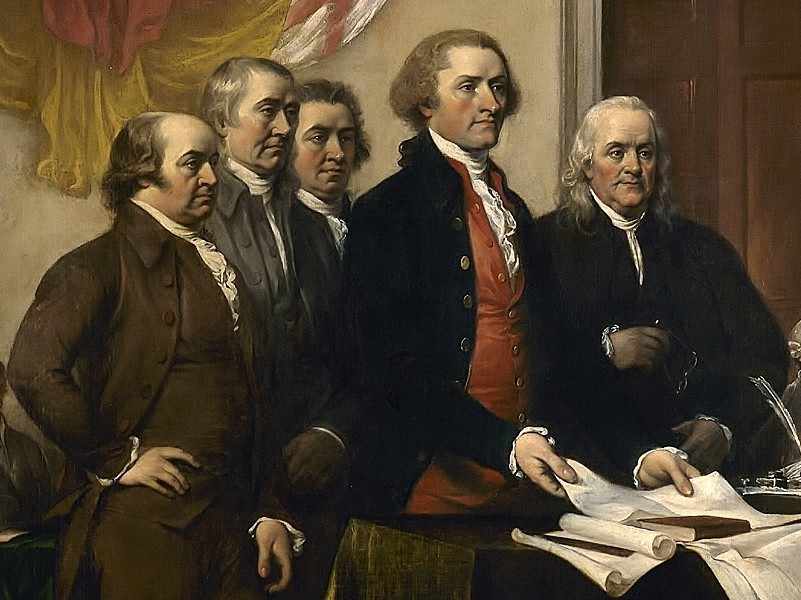
How the Turkey Almost Became America’s National Bird The story of the turkey’s near rise to national symbol begins in the early years of the United States, when leaders were choosing an emblem to represent the new nation. Benjamin Franklin took a special interest in this decision, and in a private letter he shared his belief that the turkey deserved the role more than the bald eagle. He described the turkey as a native species that early settlers and Indigenous communities had long known, hunted, and observed in the wild. To him, this connection made the turkey a more fitting choice for a country trying to define its identity. At the time, wild turkeys roamed across much of North America and were recognized for their strength and surprising agility. They could run up to 20 miles per hour, fly short distances at high speed, and use more than 30 vocalizations to communicate. Settlers often noted how quickly turkeys could react to danger, spotting movement from far away and working together in groups to stay safe. These behaviors shaped Franklin’s view that the turkey represented determination and awareness. The bald eagle, however, carried strong visual appeal and a dramatic silhouette. When the Continental Congress reviewed design proposals in 1782, the eagle appeared on several versions of the Great Seal. Despite Franklin’s private objections, the eagle’s sharp outline and widespread recognition won over the committee. The turkey simply did not gain enough support. Although the turkey did not become the national bird, its place in American life never faded. It continued to be central to farming, hunting traditions, and eventually Thanksgiving celebrations. The story of its near selection remains a unique moment in early American decision making, illustrating how even everyday wildlife played a role in shaping national symbols. #USHistory #History #America #USA #News #USNews #Thanksgiving