Tag Page America

#America
1776 Patriot

Monopoly: The Secret Weapon to Free American POWs During World War II, the familiar board game Monopoly became an unlikely instrument of rescue for American prisoners of war held in German camps. British intelligence and the Red Cross sought creative ways to support Allied POWs, as traditional supply lines were risky and sending contraband was nearly impossible. Monopoly provided the perfect cover. Special editions of the game were produced with hidden compartments containing maps, compasses, real money, and tools for escape. Each game was carefully packed into a wooden box that appeared normal to German inspectors, ensuring the deception remained effective and convincing. More than 3,000 Monopoly sets were shipped to POW camps across Europe, many specifically for American soldiers. At the time, there were roughly 130,000 American POWs in German camps. The dice were hollowed to hold tiny maps, the money stacks concealed real cash, and playing pieces hid small compasses or files. Some sets even contained silk maps that could be folded into pocket-size sheets. In one case, an American officer used a Monopoly board to escape from a high-security camp, traveling more than 30 miles using the concealed tools, evading German patrols along the way and navigating treacherous terrain under cover of darkness. German guards reportedly never noticed anything unusual. Of the 3,000 sets sent, at least 30 escapes were directly aided by the hidden items, and dozens more prisoners used the tools to aid others or evade capture. By 1944, Allied intelligence refined production to include updated maps reflecting shifting battlefronts. Today, some wartime Monopoly sets are preserved in museums, including the Imperial War Museum in London. A simple family game became crucial in saving lives, transforming clever ingenuity into a daring tactical advantage that outwitted captors and inspired hope in desperate circumstances. #Monopoly #BoardGames #USHistory #Military #America #WWII

1776 Patriot

Bulge Healers: Medics at the Battle of the Bulge From December 16, 1944, to January 25, 1945, the Battle of the Bulge tested American forces like never before. Nearly 600,000 U.S. soldiers faced a surprise German attack of about 200,000 troops in the frozen Ardennes Forest of Belgium and Luxembourg. Temperatures fell to minus 13 degrees Fahrenheit, almost 30 degrees below normal, turning medical care into a life-or-death fight. Field hospitals were set up in barns, churches, abandoned homes, and caves with little heat, frozen water, and scarce supplies. Medics treated gunshot wounds, shrapnel injuries, frostbite, trench foot, and infections while shells exploded nearby. Thousands froze or succumbed to hypothermia before reaching care. The U.S. Army deployed roughly one medic for every ten soldiers, demanding courage and ingenuity. Medics melted snow for water, improvised steam tents, used hot water bottles and heated blankets, and operated with minimal anesthesia. Blood plasma and morphine were critical; over 15 million plasma units and hundreds of thousands of morphine syrettes were stockpiled. Surgical teams performed amputations, chest, and abdominal operations in freezing, dimly lit rooms. Wounded soldiers were carried across icy forests on sleds, stretchers, horse-drawn carts, and Jeeps, sometimes taking hours or days. American medics treated tens of thousands of U.S. troops and roughly 12,000 German soldiers. Outnumbered and poorly supplied, German medics struggled even more. Survival rates for those reaching field hospitals exceeded 90 percent. By battle’s end, U.S. forces suffered over 80,000 casualties, including 19,000 killed and 47,500 wounded, while German losses neared 120,000. The courage and skill of medics saved countless lives and proved decisive in one of World War II’s harshest winter campaigns. #BattleOfTheBulge #MedicineInWW2 #USHistory #History #America #USA

1776 Patriot

The Event That Changed Policing: America’s Biggest Bank Shootout On February 28, 1997, Los Angeles saw one of the most intense urban gunfights in U.S. history, later called the North Hollywood Shootout. Two robbers, Larry Phillips Jr. and Emil Mătăsăreanu, entered a Bank of America branch wearing homemade body armor. They carried multiple firearms, including fully automatic rifles, high-capacity magazines, and handguns. Their armor allowed them to withstand standard police sidearms and shotguns, making the initial confrontation extremely dangerous. Phillips and Mătăsăreanu had rehearsed their approach, anticipating how officers would respond, which extended the gun battle to 44 minutes across North Hollywood streets. Nearly 2,000 rounds were fired during the shootout, with bullets ripping through glass, bouncing off cars, and sending residents scrambling for cover. The robbers fired roughly 1,100 rounds, while officers returned 650 to 750 rounds. Officers found their standard-issue pistols largely ineffective against the robbers’ armor, forcing several to dash to nearby sporting goods stores to buy AR-style rifles and extra ammunition mid-shootout. Additional facts include that police helicopters helped coordinate movements from the air, the robbers’ bulletproof vests were made from multiple layers of heavy materials, and several bystanders captured the entire scene on camera, creating some of the first widely seen footage of an active shootout in real time. Eleven officers and seven civilians were wounded, but miraculously, no bystanders were killed. Both robbers died after the confrontation ended. The scale and intensity of the gunfight led to nationwide changes in police armament and training, with patrol units later equipped to handle heavily armed threats. Decades later, the North Hollywood Shootout is remembered as one of America’s largest real-life urban gun battles. #TrueCrime #America #History #USHistory #Hollywood #USA

1776 Patriot

Red, White, and Boo! Halloween’s American History, Pictures, Interesting Facts

Halloween in America has evolved over centuries. It began over 2,000 years ago in Ireland with Samhain, a festival marking the end of the harvest. People believed the dead could visit the living, so they lit bonfires and wore costumes to ward off spirits. Masks and disguises hid them from wandering souls, and communities celebrated the season. In the 1800s, Irish and Scottish settlers brought these traditions to America. In the 1840s, Irish immigrants fleeing the Great Famine, a mass starvation caused by potato failures, preserved Halloween to maintain culture and community. They added pranks and public festivities to lift spirits. Carved turnips were placed outside to scare evil spirits, and in America pumpkins became easier to carve, creating the first jack-o-lanterns. By the 1870s, Halloween grew into a community event. Newspapers suggested parties, and neighbors played games like bobbing for apples, from Roman harvest festivals. Costume parties grew popular, with homemade disguises often scary or funny. Trick or treating began as children dressing up and performing songs, jokes, or skits for coins or treats. The first recorded trick or treating in the U.S. was in the 1920s. After World War Two, suburban neighborhoods expanded trick or treating. Candy companies sold Halloween candy, including candy corn, first made in the 1880s. Shaped like corn kernels to celebrate the harvest, it was easy to mass produce. Glow-in-the-dark costumes, plastic pumpkins, and decorations appeared in the 1950s, turning Halloween into a family-centered holiday. Today, Halloween blends Celtic traditions with American flair. Haunted houses, pumpkin patches, costume contests, and candy sales are everywhere. Over 600 million pounds of candy are sold annually, and Americans spend nearly 10 billion dollars, making Halloween one of the most celebrated and beloved traditions in the country. #Halloween #TrickOrTreat #USHistory #America #USA #History

Red, White, and Boo! Halloween’s American History, Pictures, Interesting FactsRed, White, and Boo! Halloween’s American History, Pictures, Interesting FactsRed, White, and Boo! Halloween’s American History, Pictures, Interesting FactsRed, White, and Boo! Halloween’s American History, Pictures, Interesting FactsRed, White, and Boo! Halloween’s American History, Pictures, Interesting FactsRed, White, and Boo! Halloween’s American History, Pictures, Interesting FactsRed, White, and Boo! Halloween’s American History, Pictures, Interesting Facts
1776 Patriot

Cold War Collision: Supersonic Bomber, XB-70 Valkyrie

The XB70 Valkyrie was a Cold War era bomber built by North American Aviation to deliver nuclear weapons deep into Soviet territory. It could reach Mach 3, over 2,000 miles per hour, and soar above 70,000 feet, relying on speed and altitude to avoid interceptors and surface to air missiles. The massive delta wing aircraft, 185 feet long and weighing over 500,000 pounds, had folding wingtips for stability at high speeds. Only two prototypes were built to test advanced aerodynamics and materials for future bombers. The Valkyrie symbolized American ambition and the race for supersonic flight. On June 8, 1966, tragedy struck during a demonstration at the Paris Air Show. The second XB70 flew in formation with smaller planes, including an F104 Starfighter piloted by Major Joe Walker. During a photo pass at roughly 1,000 miles per hour, the F104’s wingtip clipped the Valkyrie’s right wing, sending the bomber twisting violently and rolling out of control. The aircraft disintegrated midair, scattering debris and erupting in a massive fireball visible to thousands. Major Joe Walker and XB70 copilot Major Carl Cross were killed instantly, while pilot Major Al White ejected and survived despite serious injuries. The crash revealed the extreme dangers of formation flying at supersonic speed, where even minor contact could cause catastrophic loss. Investigators found turbulence from the Valkyrie’s large delta wing and small flight path errors by the F104 triggered the collision. The XB70’s size and speed left almost no time to recover. Engineers used the findings to improve aircraft control and formation procedures for future supersonic programs. The surviving XB70 continued flights until 1969, providing crucial data that shaped the design of later aircraft such as the B1 bomber and Concorde. Today, it stands in the National Museum of the U.S. Air Force in Dayton, Ohio, a lasting reminder of ambition, innovation, and the risks of advanced aviation. #AirForce #History #America

Cold War Collision: Supersonic Bomber, XB-70 ValkyrieCold War Collision: Supersonic Bomber, XB-70 ValkyrieCold War Collision: Supersonic Bomber, XB-70 ValkyrieCold War Collision: Supersonic Bomber, XB-70 ValkyrieCold War Collision: Supersonic Bomber, XB-70 ValkyrieCold War Collision: Supersonic Bomber, XB-70 ValkyrieCold War Collision: Supersonic Bomber, XB-70 ValkyrieCold War Collision: Supersonic Bomber, XB-70 ValkyrieCold War Collision: Supersonic Bomber, XB-70 Valkyrie
1776 Patriot

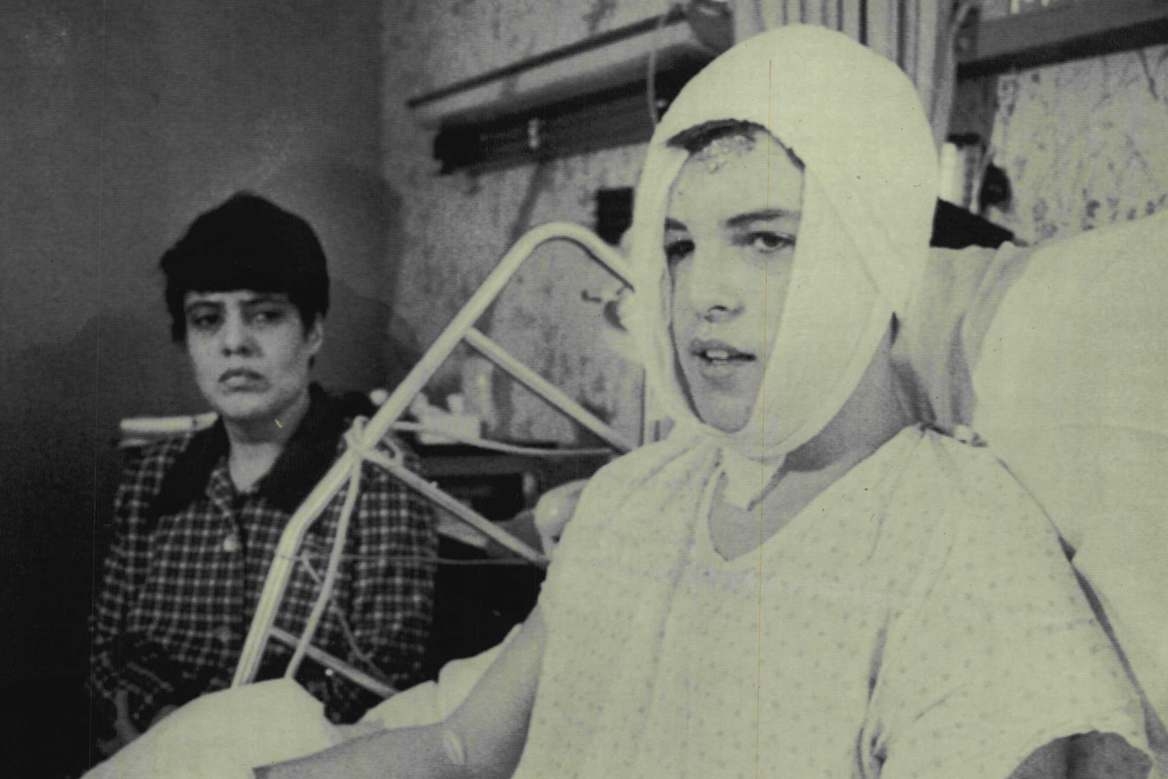
Inside the Largest SWAT Hostage Rescue Operation in U.S. History The Good Guys electronic store siege in Sacramento remains one of the most significant hostage rescue missions ever carried out by a SWAT team. The incident began when four armed assailants stormed the store and seized 41 hostages. They demanded 4 million dollars, bulletproof vests, transportation, and safe passage out of the country. The captors fired inside the store, forced hostages to the windows, and repeatedly threatened to kill if their demands were not met. Tragically, three hostages were killed early in the standoff when the assailants opened fire after negotiators delayed meeting their demands, increasing pressure and fear among both hostages and officers. Negotiators worked tirelessly while SWAT teams used fiber optic probes, remote cameras, and thermal imaging to map the store’s interior. Over half of the layout offered no clear lines of sight, forcing officers to rely heavily on sound and heat signatures. When two additional hostages attempted to escape later in the siege and were shot, one fatally, command staff recognized the high risk of further casualties and authorized an immediate assault. SWAT executed a coordinated multi point breach using distraction devices that produced more than 170 decibels to disorient the captors. Officers moved swiftly through a room packed with over 30 civilians, many within feet of armed assailants. Three hostage takers were killed during the operation after firing at officers and attempting to use hostages as shields. The fourth assailant surrendered when cornered and was later sentenced to 49 consecutive life terms without the possibility of parole. In total, 40 surviving hostages were rescued, and the operation remains a key case study for its scale, precision, and the extraordinary coordination required to save lives under extreme pressure. #TrueCrime #History #America #USA #SWAT #USHistory #RescueStory

Curiosity Corner

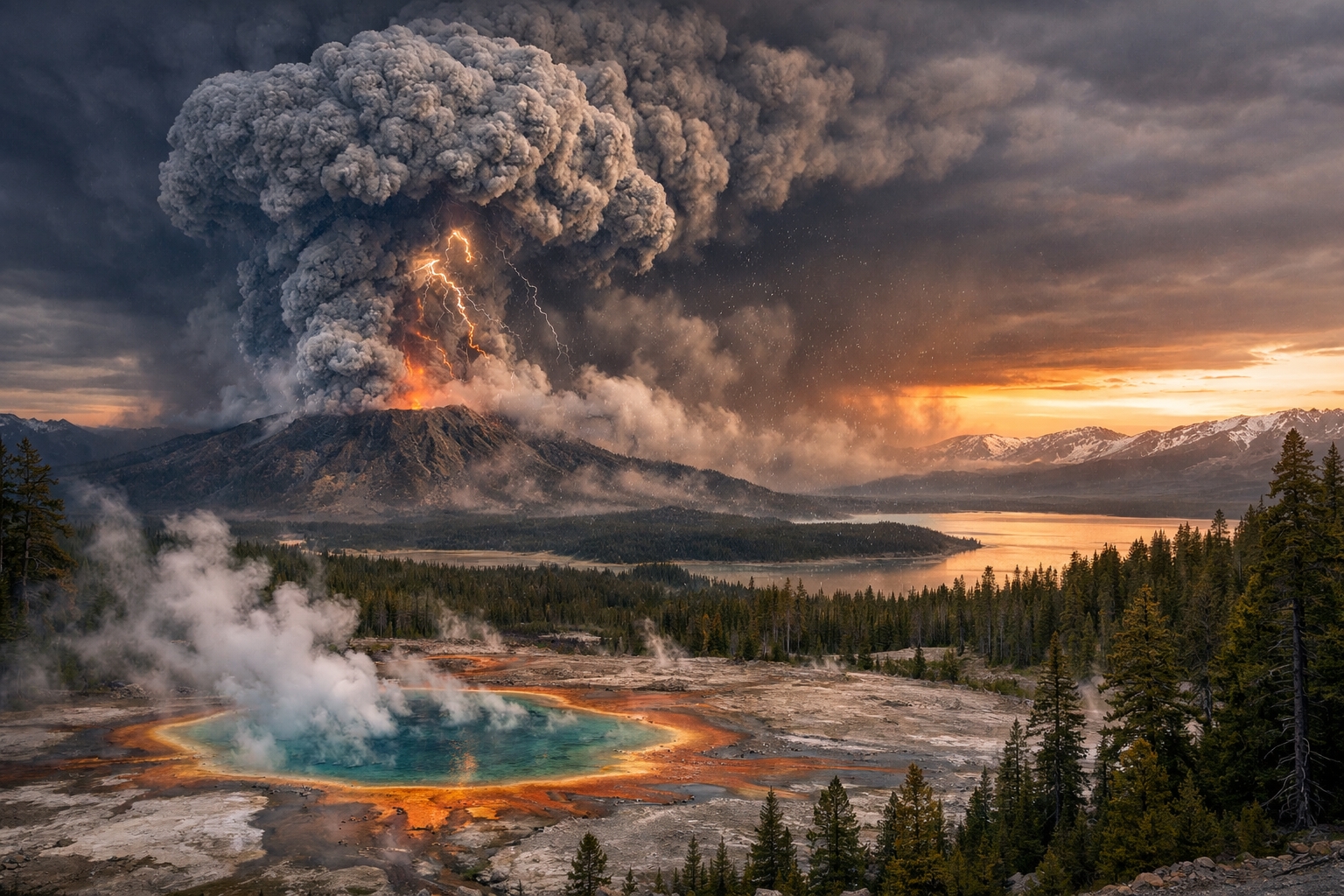
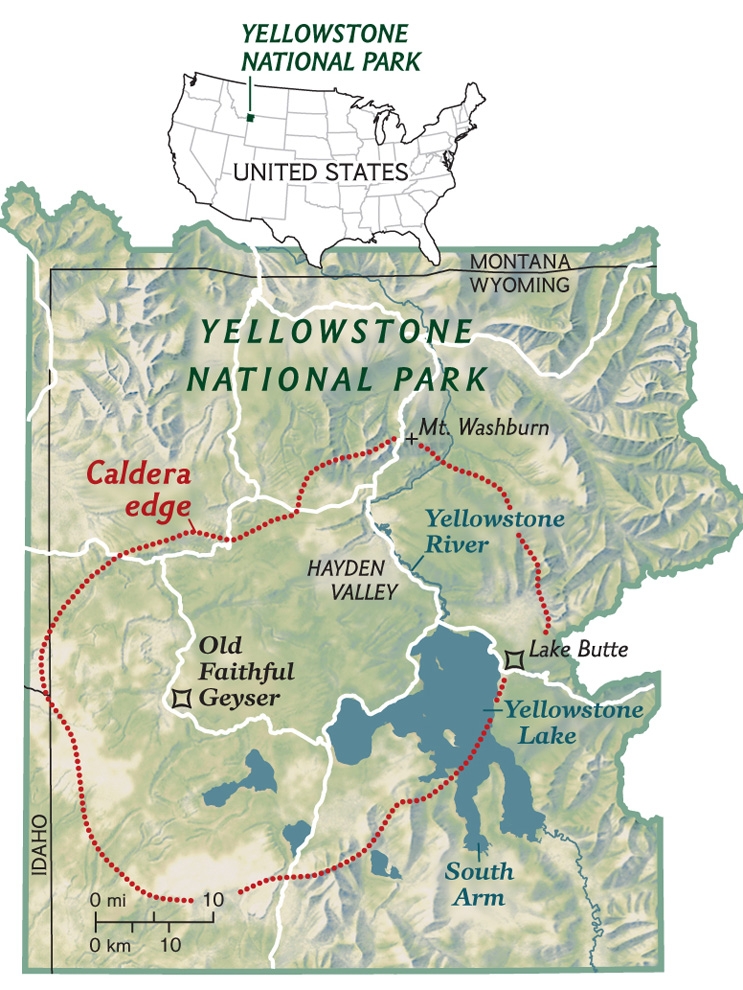
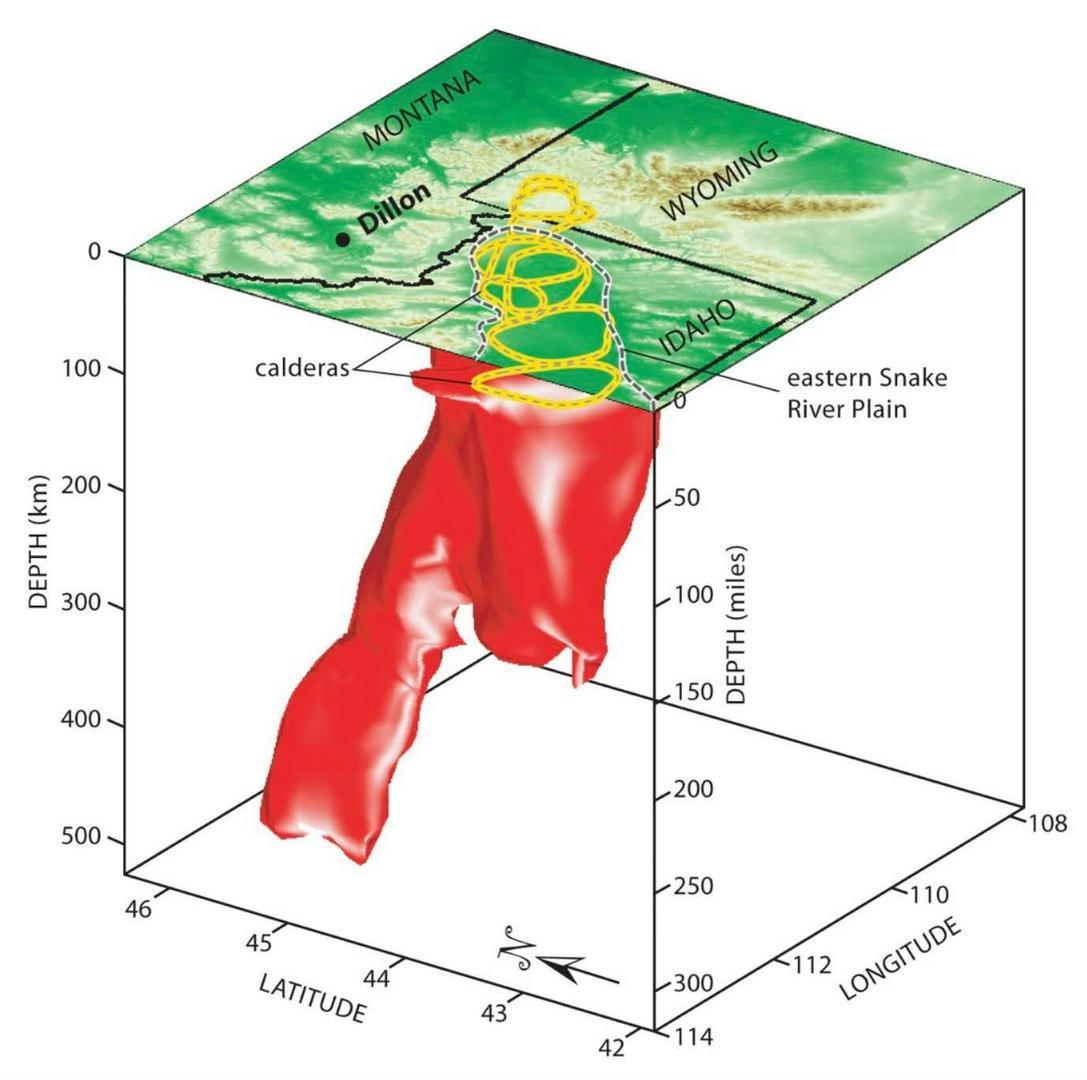
America’s Supervolcano: When Will It Erupt? The Revealing Evidence Beneath Yellowstone National Park lies one of the planet’s largest volcanic systems, a supervolcano capable of eruptions exceeding 240 cubic miles of magma. An eruption of this magnitude would reshape landscapes, blanket vast regions in ash up to several feet deep, destroy forests, and disrupt global climate for years, potentially lowering temperatures worldwide. The Yellowstone caldera spans roughly 34 by 45 miles, about the combined size of Rhode Island and Delaware, and contains over 10,000 geothermal features including geysers, hot springs, mud pots, and fumaroles, which are vents releasing steam and volcanic gases. The magma chamber extends 55 miles long, 18 miles wide, and 3 to 9 miles deep. Most of it is solid rock, while only 16 to 20 percent is molten, far below the 50 percent needed to fracture the crust and allow a supereruption. Yellowstone’s last supereruption, 640,000 years ago, expelled nearly 240 cubic miles of material, covering much of North America in volcanic ash and altering ecosystems for centuries. Earlier events 1,300,000 and 2,100,000 years ago were even larger, illustrating the irregular timing and immense power of supervolcanic activity. The U.S. Geological Survey estimates the annual chance of a supereruption at about 1 in 730,000. More likely hazards include major earthquakes and sudden hydrothermal explosions. Scientists monitor thousands of earthquakes, ground movement via GPS and satellites, gas emissions including carbon dioxide and sulfur dioxide, heat flow, and hot spring chemistry. Current readings show slow uplift and subsidence, low sulfur dioxide, and no sustained earthquake swarms, indicating deep cooling magma. Any future supereruption would be preceded by years of escalating seismic, chemical, and deformation signals, none of which are present today. #Supervolcano #Yellowstone #Science #ScienceNews #America #News #USA