Tag Page AmericanHistory

#AmericanHistory
LataraSpeaksTruth

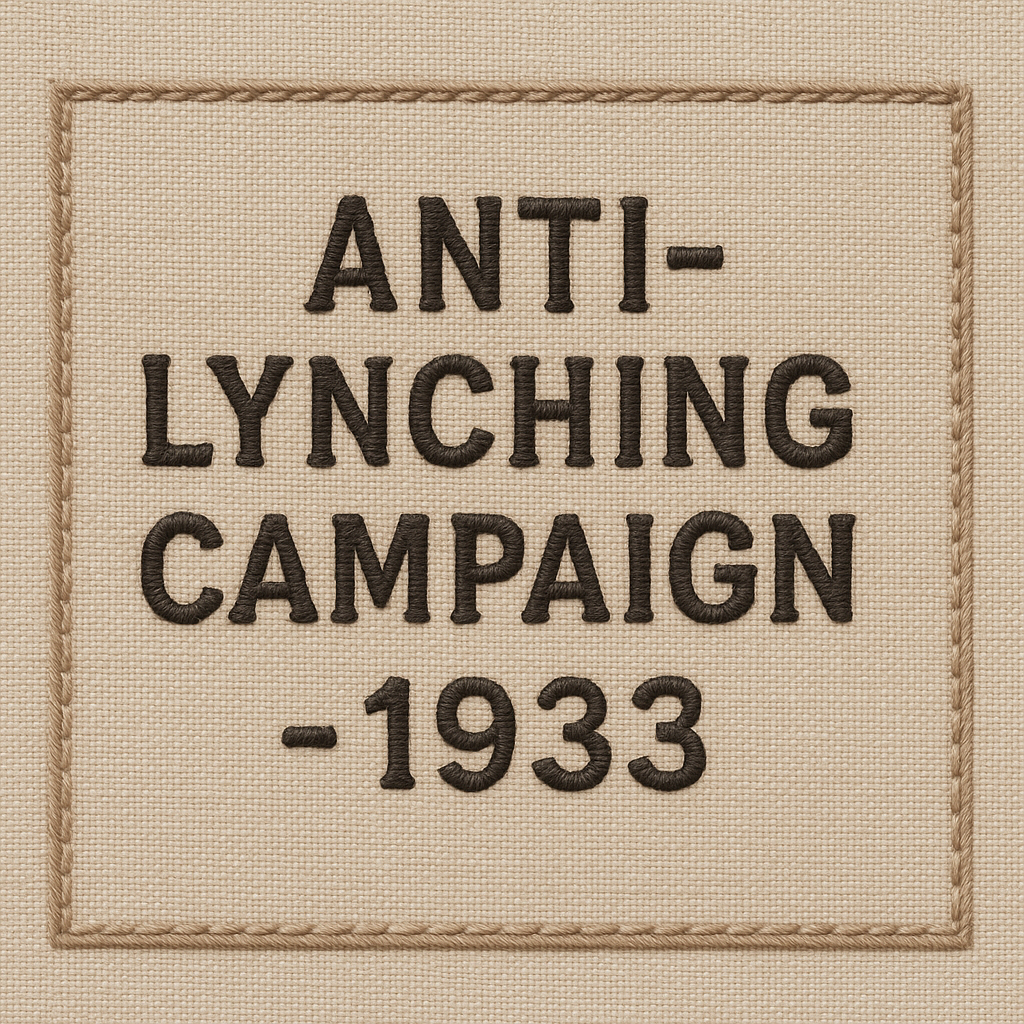
Patience had worn thin when the NAACP finally shifted from quiet appeals to a national demand for protection. On December 8, 1933, after yet another year of racial terror, the organization launched a sweeping anti-lynching campaign calling on Congress to pass federal safeguards that should have never been controversial in the first place. Lawmakers kept blocking it, choosing politics over the families who were burying their loved ones. Even without the bill passing then, that campaign cracked the door open for the legal battles that would follow, shaping future fights for safety, dignity, and accountability. And it exposed something unforgettable… who was willing to face injustice head-on, and who preferred the ease of silence. #LataraSpeaksTruth #HistoryMatters #AmericanHistory #OnThisDay #JusticeInFocus

LataraSpeaksTruth

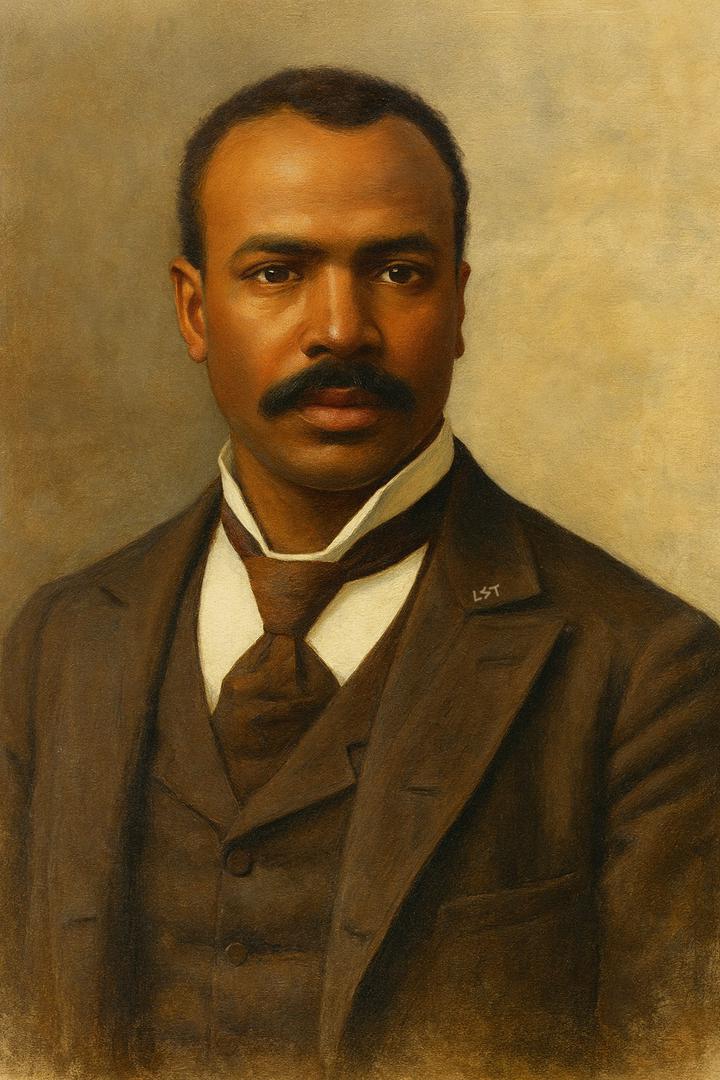
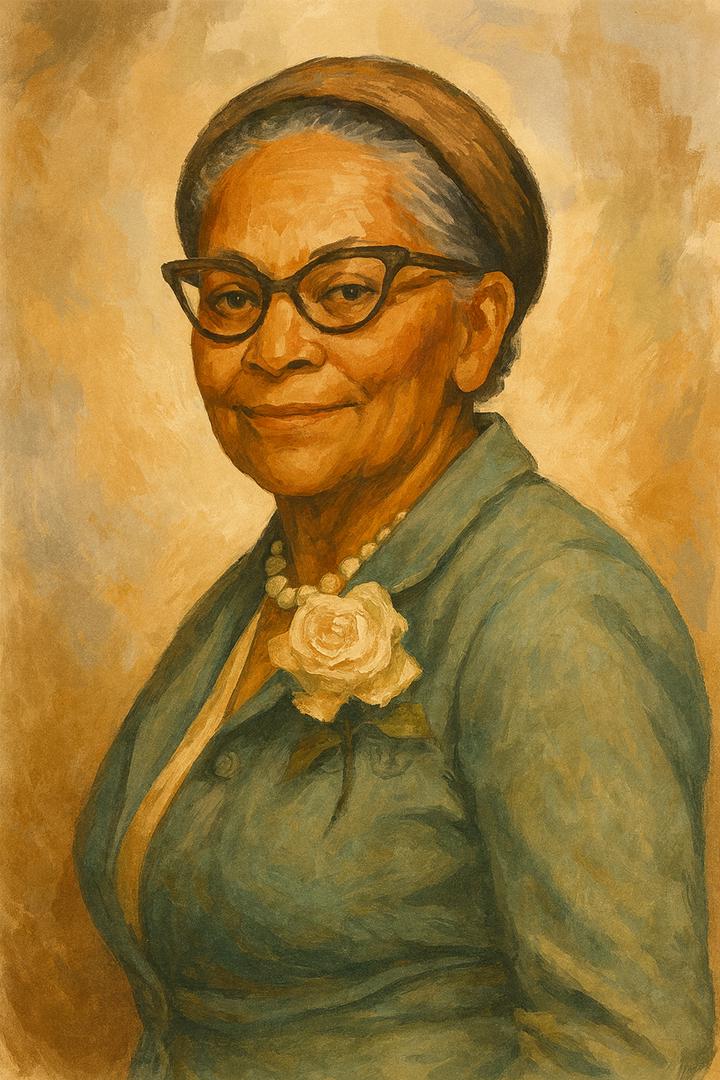
Born December 8, 1868, Henry Hugh Proctor entered the world just as Reconstruction was slipping away. The promises were fading, the tension was thick, and yet he grew into a leader who insisted that hope could be rebuilt if people were willing to do the work. Proctor did not simply become a minister. He became a community strategist, the kind of pastor who believed that faith without structure and support was just noise. When he stepped into leadership at Atlanta’s First Congregational Church, he treated the space like fertile ground. He preached, yes, but he also organized libraries, a gym, job assistance programs, cultural clubs, safe housing for young Black women, and music programs that strengthened spirits in a city determined to limit Black opportunity. He built a full-life resource center long before that phrase existed, proving that the church could be both sanctuary and engine. Proctor helped co-found the National Convention of Congregational Workers Among Colored People, creating a network for Black ministers who were pushing for progress in their own communities. After the violence of the 1906 Atlanta massacre, he worked on interracial committees that aimed to cool the hostility poisoning the South. He did this quietly, intentionally , and with the kind of steady courage that often goes unnoticed by history books. He was not chasing spotlight. He was shaping lives. His influence stretched far beyond his pulpit, carried in the people who found safety, dignity, and opportunity through the institutions he helped build. December 8, 1868 marks the birth of Henry Hugh Proctor, pioneering minister and committed community reformer. #HenryHughProctor #BlackHistory #OnThisDay #CommunityBuilder #AtlantaHistory #ReconstructionEra #FaithAndJustice #UnsungHeroes #AmericanHistory

LataraSpeaksTruth

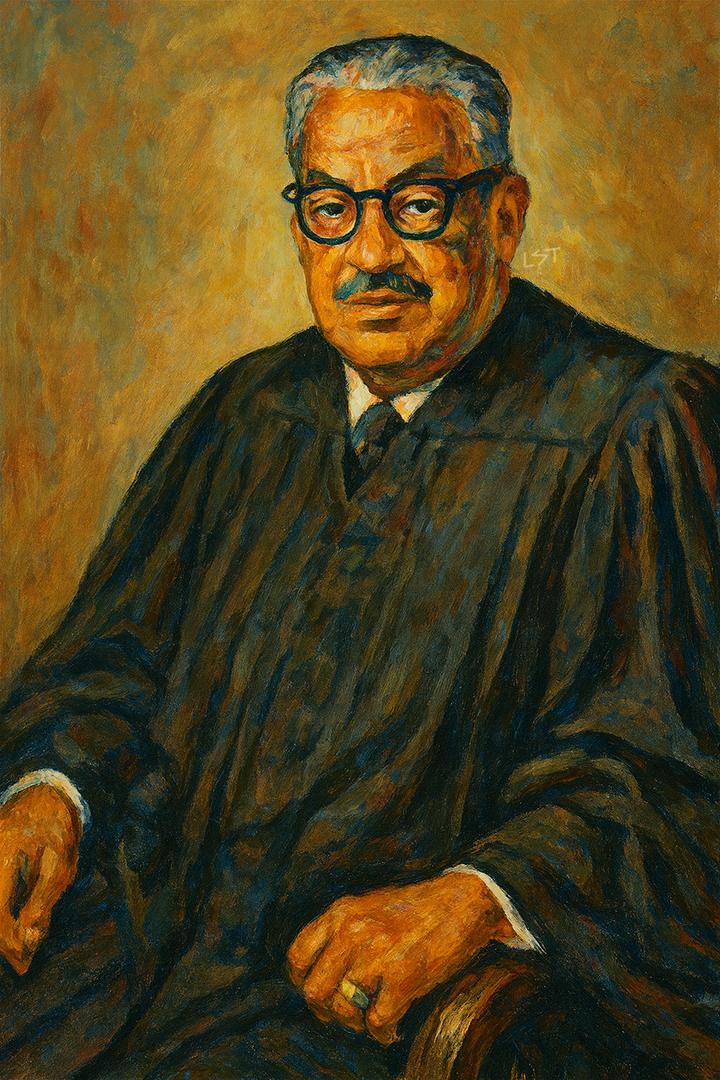
December 8, 1953 was one of those quiet days in American history that ended up shaking the whole system. Thurgood Marshall walked into the Supreme Court for the re-argument of Brown v. Board of Education, carrying the weight of generations who had been sidelined by a school system built on separation. The country had been tiptoeing around the truth for decades, but Marshall didn’t tiptoe. He drew a line. He broke down the cost of segregation with facts, legal precedent, and the lived experiences of Black children who were expected to learn in unequal environments. He challenged the Court to stop hiding behind tradition and to face what equality actually looks like when it’s lived… not just written. His argument forced the nation to ask hard questions. Could a country built on the idea of fairness continue to defend a system that denied fair access to opportunity? Could separate schools ever offer the same future? Marshall pushed the justices to confront the gap between the promise of the Constitution and the reality families faced every day. That re-argument didn’t end segregation in a single afternoon, but it signaled a shift the country could not ignore. It showed that this fight wasn’t going away. It showed that moral clarity, strategic pressure, and undeniable truth would eventually force the system to bend. When we look at education today, December 8 stands as a reminder that progress never arrives neatly. It arrives because someone is bold enough to stand in front of power and say, “This isn’t justice… and we’re not backing down.” #HistoryMatters #AmericanHistory #EducationReform #ThurgoodMarshall #OnThisDay #LataraSpeaksTruth

LataraSpeaksTruth

DORIE MILLER DESERVED MORE THAN THE BOX THEY PUT HIM IN

Every year when December 7 comes back around, people talk about Pearl Harbor like it was just ships, explosions, and history book dates. But they never talk enough about the man who had every reason to freeze and still chose courage… Doris “Dorie” Miller. He wasn’t allowed to be anything but a mess attendant. The Navy said that was the limit for Black sailors. Serve food. Clean up. Stay in the background. But the morning the sky erupted over Pearl Harbor, he did the exact opposite of what the system designed for him. He ran toward danger. He carried wounded men through fire. And when he saw an anti aircraft gun sitting empty, he climbed behind it and defended the ship with no training and no warning. He just did what needed to be done. What gets me every time is this… he saved lives in a uniform that never treated him like an equal. He proved ability in a system that spent years pretending Black excellence needed permission slips. And even after he received the Navy Cross… the first Black American to ever receive it… the nation still didn’t give him the full honor he earned until long after he was gone. Dorie Miller is the kind of story America likes to tuck in the footnotes until we pull it out and hold it to the light. A reminder that our people have always shown up with courage, even when the country refused to show up for them. His heroism wasn’t an accident. It was legacy… it was instinct… it was truth rising to the surface no matter how deeply the world tried to bury it. #BlackHistory #AmericanHistory #PearlHarbor #DorieMiller #NavyCross #UnsungHeroes #HistoryMatters #LataraSpeaksTruth

DORIE MILLER DESERVED MORE THAN THE BOX THEY PUT HIM IN
LataraSpeaksTruth

THE VICKSBURG MASSACRE… DECEMBER 7, 1874

On December 7, 1874, Vicksburg showed the country exactly how far some people were willing to go to stop Black political power. Peter Barrow Crosby had been legally elected sheriff of Warren County. He wasn’t appointed. He wasn’t forced in. He won the vote. But the moment he tried to do the job he was elected to do, white officials decided he had to go. Black residents did what any community would do. They marched to the courthouse to support their elected official. No weapons. No violence. Just a community standing behind the person they chose. But white paramilitary groups were waiting. They opened fire on unarmed marchers and turned that day into what we now call the Vicksburg Massacre. Federal reports say at least 29 Black people were killed that day. Later research shows the number was likely far higher… maybe 75, maybe over 200. People were shot in fields, on roads, and miles outside town. White newspapers bragged about “restoring order,” and local leaders tried to pretend the violence was justified. It took U.S. troops to step in and put Crosby back in office, but the damage was already done. The massacre became part of the larger effort to tear down Reconstruction and silence Black voters across the South. This is why some dates matter. This is why context matters. December 7 isn’t just history. It’s a reminder of how easily progress can be attacked the moment it threatens the people who benefited from the old system. When we talk about events like this, it’s not to create division. It’s to tell the truth the way it actually happened and to honor the people who risked everything for their right to participate in their own government #VicksburgMassacre #ReconstructionTruth #December71874 #BlackHistoryMatters #UntoldHistory #AmericanHistory #PeterCrosby #VoterSuppressionHistory #NeverForget

THE VICKSBURG MASSACRE… DECEMBER 7, 1874
LataraSpeaksTruth

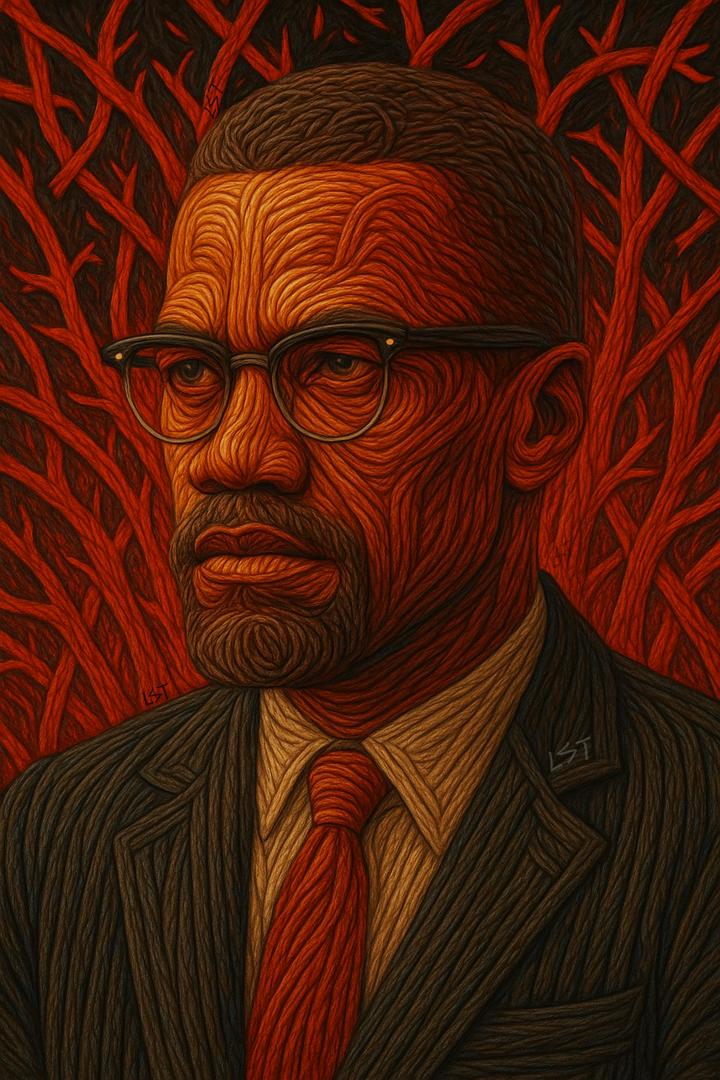
When Malcolm X Spoke On Kennedy’s Death

On December 1, 1963, Malcolm X was asked for his reaction to the assassination of President John F. Kennedy. He was one of the most closely watched public figures in the country at the time, and reporters pressed him for a comment. Malcolm X responded with the words that would echo for decades. He said it was a case of chickens coming home to roost. He framed the event as part of a larger pattern of violence in the United States during that era. He argued that a nation shaped by political bloodshed could not avoid that same violence returning to its doorstep. The remark caused an immediate national uproar. It was interpreted as insensitive and divisive, and it clashed with the public grief that followed the assassination. The Nation of Islam suspended him from speaking publicly after the comments. His relationship with the organization would continue to strain in the months that followed. This moment is often oversimplified, but it marked a turning point. It pushed Malcolm X to reconsider his alliances, rethink his voice, and eventually pursue a broader message about global human rights. What happened on December 1 became one of the first steps toward the transformation that shaped the final years of his life. #MalcolmX #OnThisDay #AmericanHistory #PoliticalHistory #NewsBreakCommunity #HistoricVoices #HistoricMoments #AmericanLegacy

When Malcolm X Spoke On Kennedy’s Death
LataraSpeaksTruth

President Obama Announces Medal of Freedom Honorees

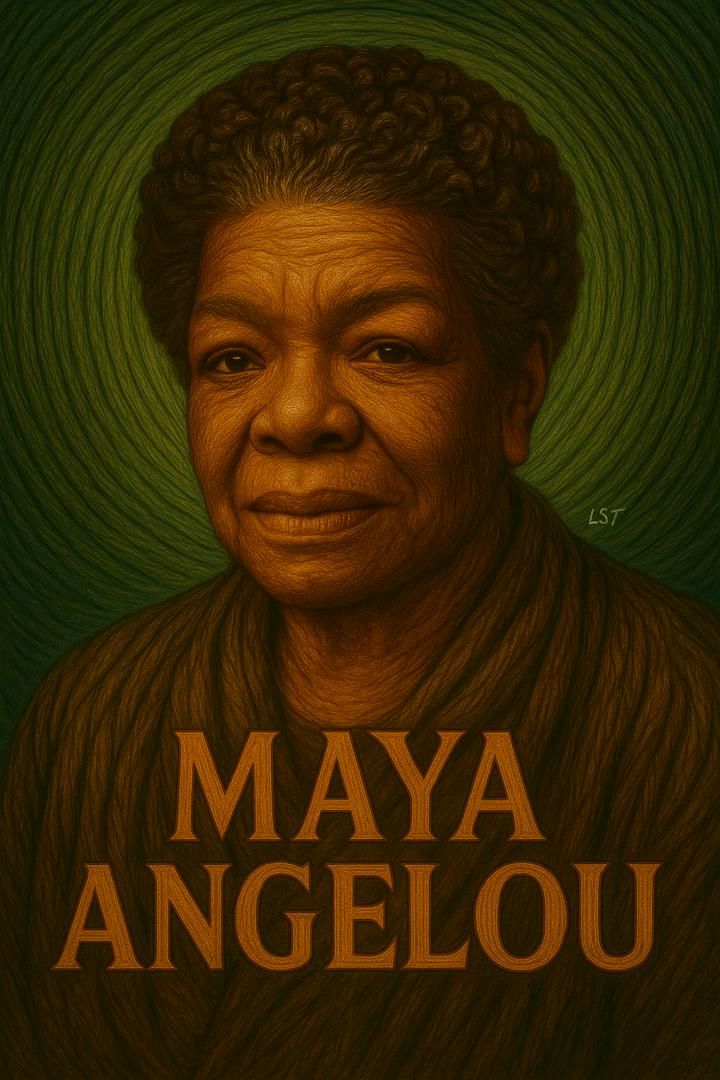
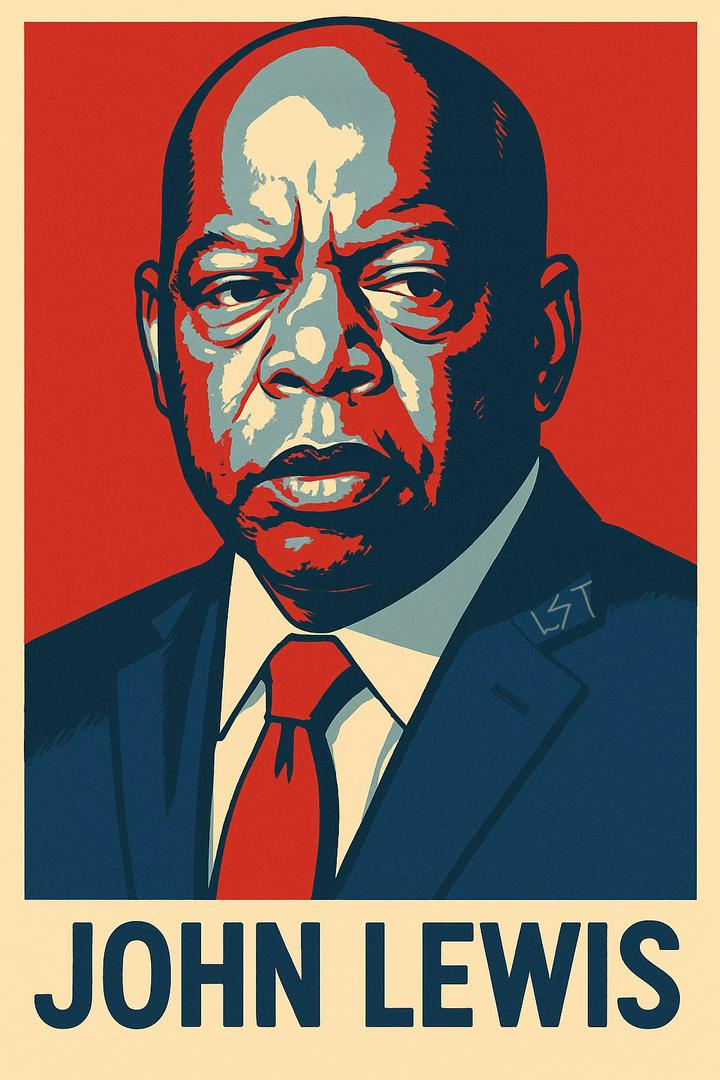
On November 17, 2010, President Barack Obama released the official list of recipients for the Presidential Medal of Freedom for that year. The announcement highlighted fifteen people whose lives shaped the moral, cultural, and historical direction of the country. Among those named were Maya Angelou, John Lewis, and Bill Russell. Each one represented a different pillar of American influence. Angelou brought truth and dignity through her writing. Lewis devoted his life to justice and nonviolent resistance, standing firm from Selma to Congress. Russell used his platform as an athlete and activist to challenge inequality while becoming one of the most decorated champions in sports history. The White House announcement recognized them as individuals who lived with purpose and courage. Their contributions helped shift the country toward a fuller understanding of leadership, creativity, and integrity. November 17 marked the moment when their impact was officially honored and placed on the national record. #MedalOfFreedom #PresidentObama #CivilRightsIcons #MayaAngelou #JohnLewis #BillRussell #BlackHistoryMoment #AmericanHistory #HistoricalRecognition #LegacyAndLeadership

President Obama Announces Medal of Freedom HonoreesPresident Obama Announces Medal of Freedom HonoreesPresident Obama Announces Medal of Freedom Honorees
LataraSpeaksTruth

Benjamin O. Davis Sr. Dies in 1970

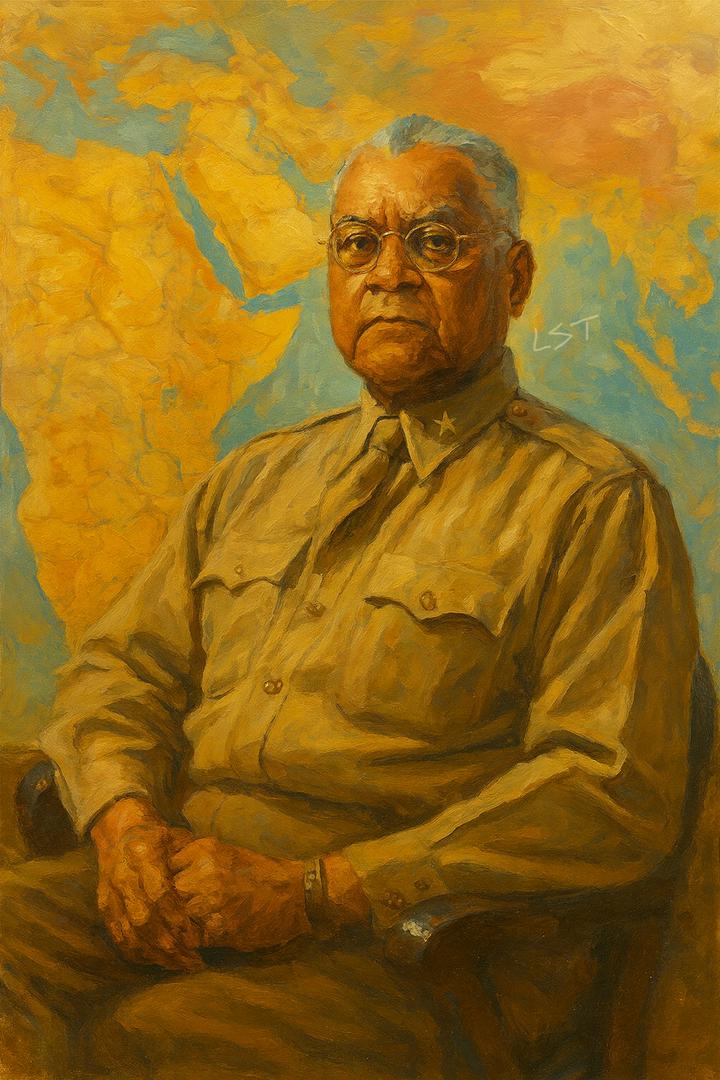
Benjamin O. Davis Sr. passed away on November 26, 1970. His death marked the end of a life that reshaped the presence and possibilities of Black leadership within the United States military. He was the first Black general in the history of the U.S. Army, a milestone he reached in 1940 after decades of service marked by discipline, resilience, and unshakable commitment. Davis entered the military at a time when segregation defined every level of service. Advancement for Black soldiers was blocked by unwritten rules and deeply rooted resistance. He moved through those barriers with a steady hand and a quiet, firm determination that reflected both the discipline of a career officer and the weight of representing an entire generation of soldiers who were denied equal opportunities. His leadership reached across World War I, World War II, and the era of military reform. Davis played a critical role in shaping programs for Black troops, improving conditions within segregated units, and advocating for equal treatment. His work helped lay the groundwork for the eventual desegregation of the armed forces in 1948. He is also remembered as the father of Benjamin O. Davis Jr., commander of the Tuskegee Airmen. The legacy of this family represents a rare and powerful throughline in American military history. Their combined contributions influenced policy, elevated expectations, and expanded the nation’s understanding of Black excellence in service. Benjamin O. Davis Sr.’s passing in 1970 closed a chapter, but his impact continues to shape the military today. His life stands as a historical benchmark, showing how one person’s resolve can open institutional doors that were once locked on purpose. #HistoryToday #OnThisDay #AmericanHistory #MilitaryHistory #USArmy #BlackMilitaryLeaders #BenjaminODavisSr #LataraSpeaksTruth

Benjamin O. Davis Sr. Dies in 1970
LataraSpeaksTruth

Mabel Keaton Staupers… The Nurse Who Changed Everything

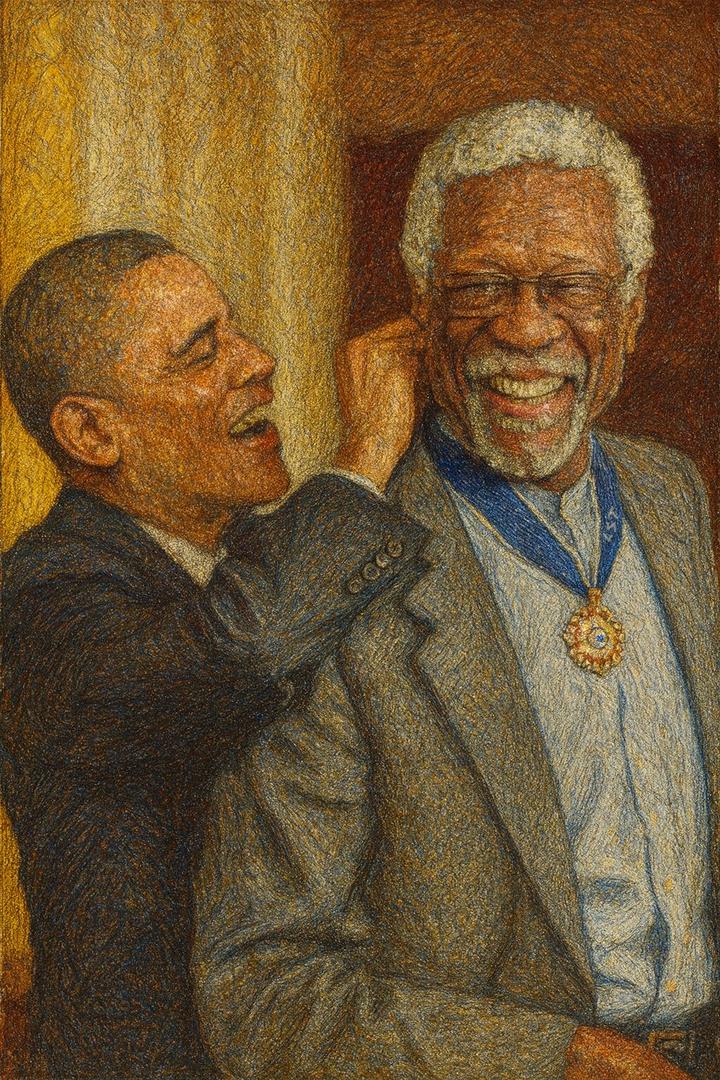
Mabel Keaton Staupers spent her life fighting for doors that should’ve never been closed in the first place. Long before diversity statements and public-facing promises, she was challenging America to live up to its words. And she refused to settle. Born in Barbados and raised in Harlem, Staupers trained as a nurse at a time when Black nurses were pushed to the margins. Hospitals didn’t want them. The Army Nurse Corps didn’t want them. And the American Nurses Association wouldn’t even let them join. She looked at all of that… and started swinging. As executive secretary of the National Association of Colored Graduate Nurses, Staupers pushed the military to stop excluding Black nurses during World War II. She met with officials, wrote letters, built coalitions, and applied pressure until the excuses ran out. By 1945, the Army finally opened its doors. Thousands of Black nurses served because she refused to accept “no.” America changed because she did not back down. On November 29, 1989, Mabel Keaton Staupers passed away. But her impact didn’t. Every Black nurse walking into a hospital, a clinic, a military base, or a graduate program is standing on the foundation she built. She is one of the quiet architects of our history… and she deserves her name said out loud. #MabelKeatonStaupers #BlackHistory #NursingHistory #LataraSpeaksTruth #NewsBreakCommunity #UnsungHeroes #AmericanHistory #WomenWhoLed
Mabel Keaton Staupers… The Nurse Who Changed Everything