Tag Page AmericanHistory

#AmericanHistory
LataraSpeaksTruth

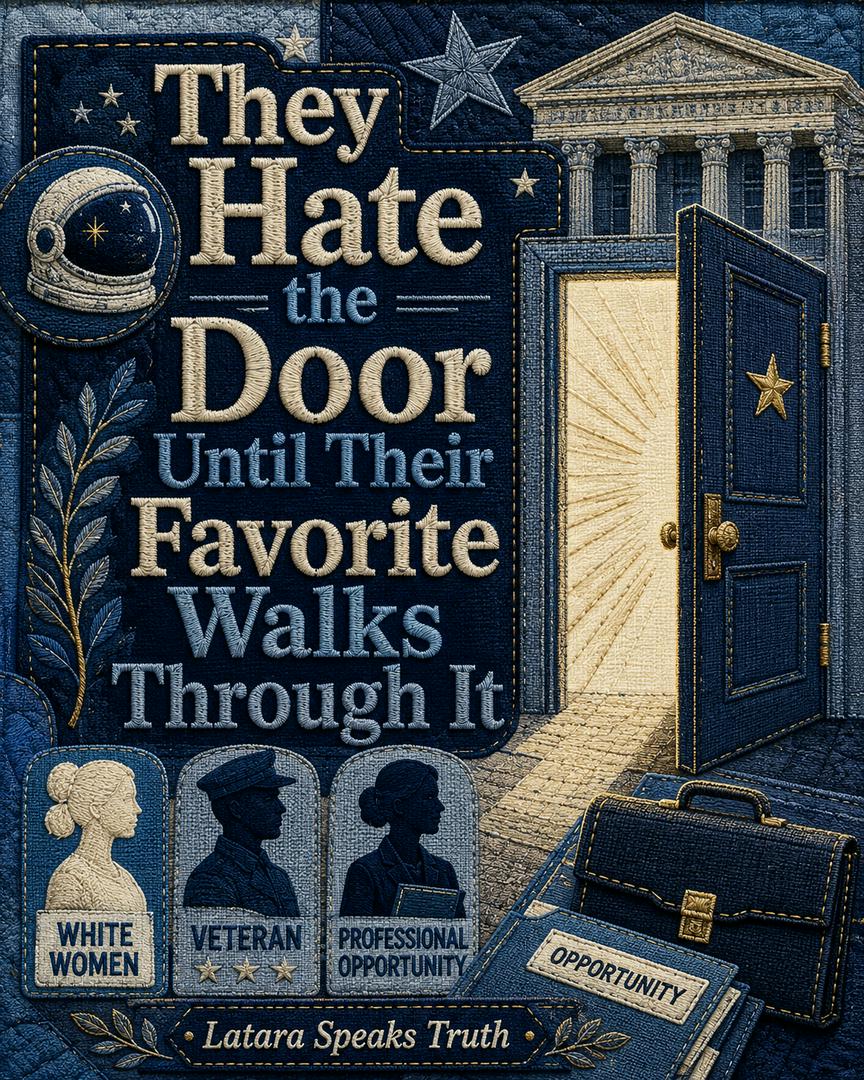
Every time I post about a Black person who broke a barrier, somebody wants to run to the comments yelling “DEI” like they just cracked the case. A Black woman becomes the first in a field? DEI. A Black man reaches a position they never expected him to hold? DEI. A Black person enters a room that was historically locked to them? Suddenly everybody becomes an expert on “merit.” But here is the part they like to skip. Affirmative action and DEI were never only about Black people. White women benefited. Disabled veterans benefited. People with disabilities benefited. Women-owned businesses benefited. Federal employment and contractor policies included race, sex, disability, veteran status, and other barriers that kept qualified people out. So why does “DEI” only become an insult when the person is Black? That is the real question. Because when white women benefited, they called it progress. When veterans benefit, they call it support. When women-owned businesses benefit, they call it opportunity. But when Black people benefit, suddenly it becomes “unqualified.” And the hypocrisy gets even louder when some of the same people praise Ben Carson and Clarence Thomas while attacking the very kind of opportunity programs tied to their rise. Ben Carson has openly said he believed he benefited from affirmative action. Clarence Thomas’ Yale Law story has long been tied to that debate. So let’s stop pretending this is really about merit. If it were about merit, people would not use “DEI” as a weapon every time a Black person breaks a barrier. They do not hate the door. They hate who walks through it. And when their favorite walks through that same door, suddenly nobody has a problem with the key. #AffirmativeAction #DEI #DoubleStandard #SocialCommentary #AmericanHistory

LataraSpeaksTruth

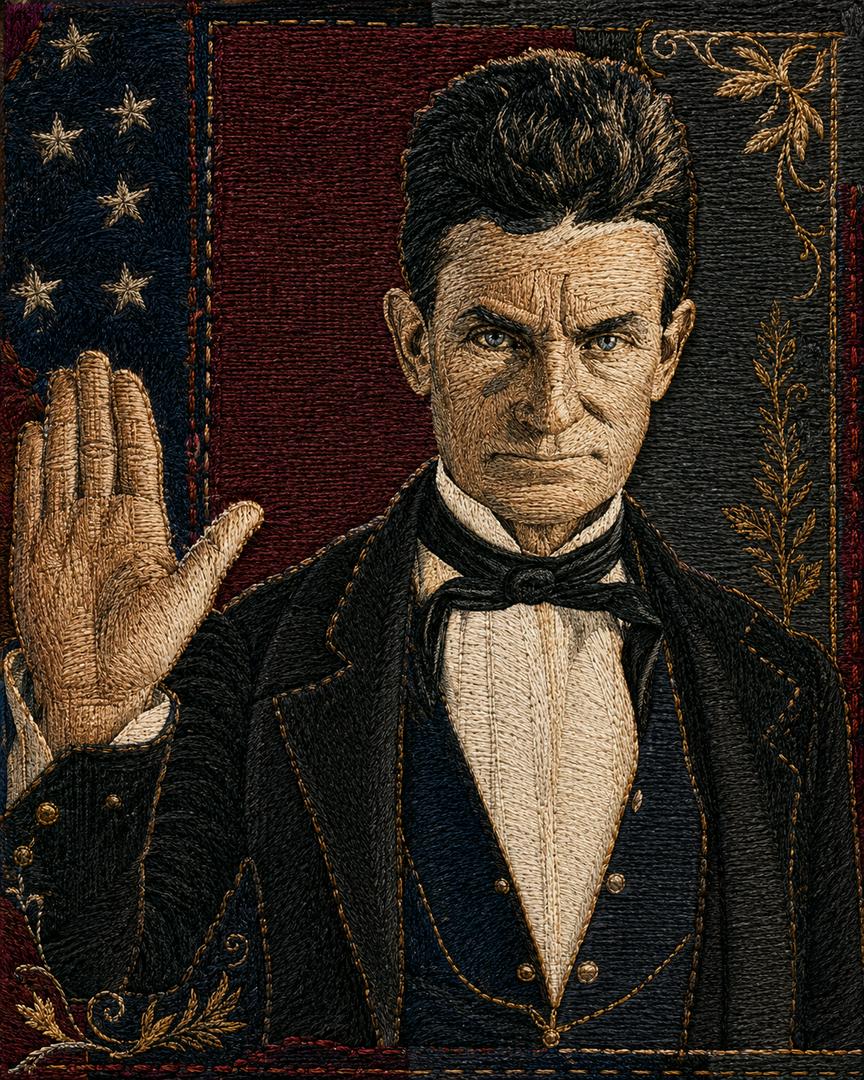
On May 9, 1800, John Brown was born. His name remains one of the most debated names in American abolition history. Brown was a white abolitionist, but his story is deeply connected to Black history because he did not view slavery as a political disagreement. He saw it as a violent system that had to be confronted. At a time when many people opposed slavery with careful speeches, petitions, and gradual arguments, Brown took a much harder position. He believed slavery was an emergency. He supported anti-slavery work, helped people escaping bondage, and became known for his willingness to fight the system directly. His most famous act came in 1859 with the raid on Harpers Ferry. Brown and his followers attempted to seize the federal armory in Virginia, hoping the weapons could help spark a larger uprising against slavery. The plan failed. Brown was captured, tried, and executed. But his death did not end the conversation. To some Americans, John Brown was dangerous and extreme. To others, especially those who understood the brutality of slavery, he was one of the few white men of his era willing to treat human bondage like the moral crisis it was. That is what makes his legacy so uncomfortable. His life forces a hard question: how far is someone willing to go when they claim to believe people should be free? John Brown did not simply oppose slavery in theory. He put his life on the line for that belief. His story is complicated, but it cannot be erased. In a country built on forced labor, profit, and human bondage, Brown became a symbol of resistance that polite society could not easily explain away. More than 160 years after his execution, his name still raises debate because he challenged America to look directly at slavery without softening the truth. #BlackHistory #JohnBrown #AbolitionHistory #OnThisDay #AmericanHistory

LataraSpeaksTruth

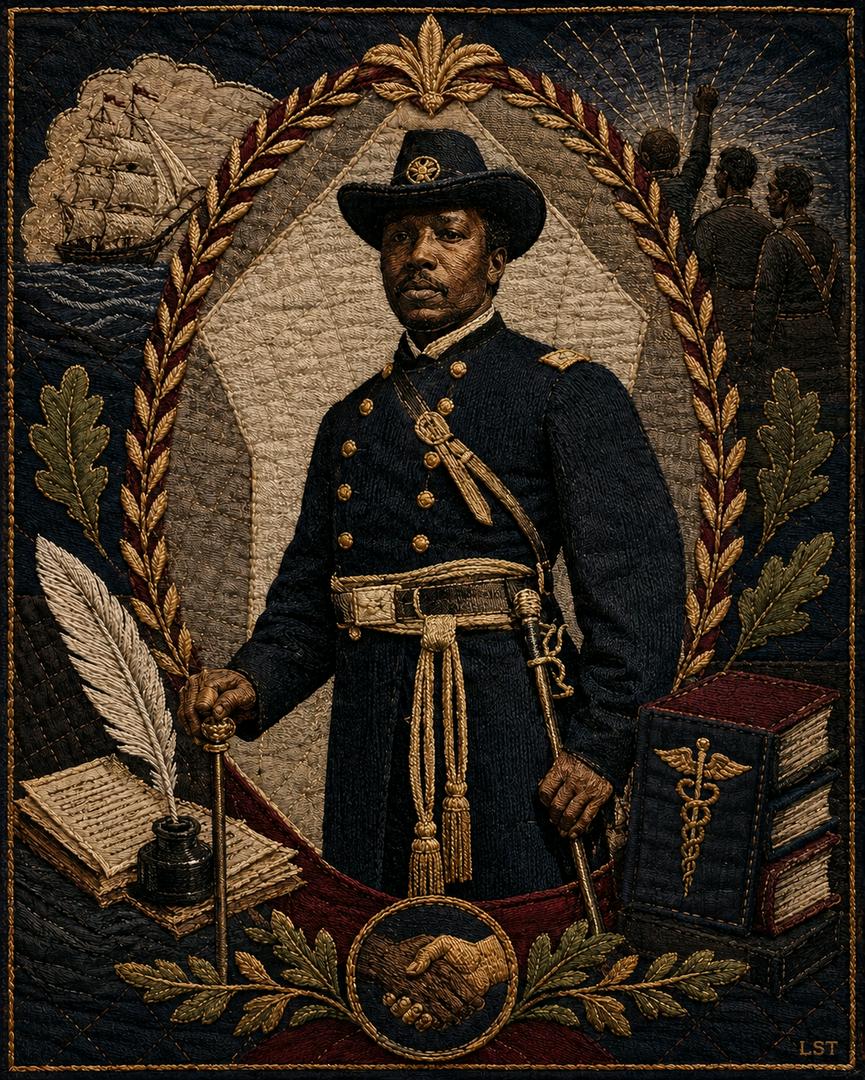
On May 6, 1812, Martin R. Delany was born in Charles Town, Virginia, now West Virginia. He would become one of the boldest Black thinkers of the 19th century: an abolitionist, physician, editor, writer, military officer, and political voice who refused to shrink himself to fit the limits America placed on him. Delany was not simply asking for permission to exist. He spoke the language of power, nationhood, self-determination, and global unity long before those ideas became common. He helped shape early Black nationalist thought and is often linked to the roots of Pan-African thinking because he looked beyond America and imagined a larger future for people of African descent. He edited newspapers, practiced medicine, wrote about the condition and future of Black people in the United States, and challenged the idea that freedom meant waiting quietly for acceptance. Delany believed Black people had the right to build, lead, organize, and determine their own destiny. During the Civil War, he made history in uniform as the first Black field officer in the United States Army, serving as a major. His life moved from resistance on the page to leadership in action. What makes Delany’s story so powerful is that he thought bigger than the world around him allowed. He understood that survival was not enough. Representation was not enough. A seat at someone else’s table was not enough. Martin R. Delany imagined freedom with structure, pride, ownership, and direction. He was not whispering for inclusion. He was calling for a future built with dignity and power. #BlackHistory #MartinRDelany #HiddenHistory #AmericanHistory #HistoryMatters

LataraSpeaksTruth

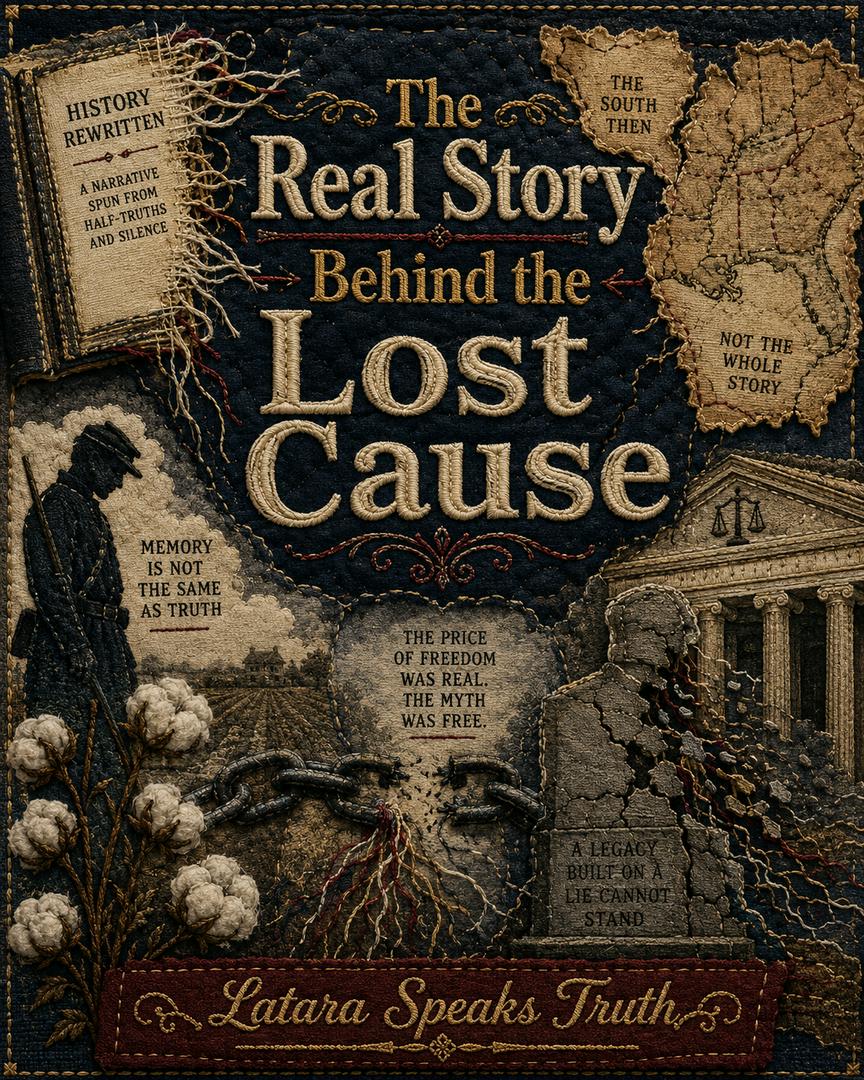
The Real Story Behind the Lost Cause is that it was not history. It was a rewrite. After the Civil War, the Confederacy lost on the battlefield, but many of its supporters fought to control the memory of what happened. The Lost Cause painted the South as noble, honorable, and unfairly defeated. It claimed the war was mostly about states’ rights, Southern pride, and defending home. But slavery was at the center of the conflict. Confederate states said it in their own secession documents. They left the Union to protect slavery and the power that came with it. After the war, that truth became inconvenient, so the story was softened. Instead of admitting the Confederacy fought to preserve human bondage, the Lost Cause turned Confederate soldiers into tragic heroes. It romanticized plantation life, downplayed the cruelty of slavery, and pushed the false idea that enslaved people were loyal or content. That version of the past spread through speeches, monuments, textbooks, films, and organizations that shaped public memory for generations. It helped keep sympathy attached to the Confederacy while hiding the violence of slavery, the backlash against Reconstruction, and the long shadow of segregation. That is why this story still matters. The Lost Cause was not just about remembering the past. It was about controlling how future generations understood power, race, and responsibility in America. The real story is simple. The Confederacy was built to protect slavery. The Lost Cause was built to protect the Confederacy’s image. And when people rewrite history to make oppression look noble, they are not preserving heritage. They are protecting a lie. #TheRealStoryBehindIt #AmericanHistory #CivilWarHistory #LostCause

LataraSpeaksTruth

Priscilla “Mother” Baltimore did not just leave a system built to control her life. She helped build a place where freedom could stand on its own land. Born into slavery in Bourbon County, Kentucky in 1801, Baltimore was sold as a child and later taken to Missouri. In St. Louis, she eventually purchased her freedom, a powerful act in a country where Black people were treated as property and forced to fight for every inch of independence. But Baltimore did not stop with herself. Historical accounts say she helped other people gain freedom, including members of her own family. She became known as “Mother” Baltimore because of her role as a caretaker, organizer, abolitionist, and spiritual leader. She was also connected to the African Methodist Episcopal Church, which played a major role in Black worship, education, organizing, and resistance during the nineteenth century. In 1829, oral history says Baltimore led eleven Black families across the Mississippi River from St. Louis, Missouri into Illinois. They settled in what became Brooklyn, Illinois, near St. Louis. The settlement became known as a freedom village, a place where free Black people and people escaping slavery could build community with more safety than they had in slaveholding Missouri. Brooklyn was platted in 1837 and incorporated in 1873. It is widely recognized as the first majority Black town incorporated in the United States. That history matters because freedom was not only about escape. It was about land, homes, churches, families, protection, and the right to live without being hunted, sold, or erased. Priscilla Baltimore’s story belongs in the center of American history. She helped prove that formerly enslaved people were not waiting for someone else to define freedom for them. They were building it. #PriscillaBaltimore #BrooklynIllinois #BlackHistory #HiddenHistory #AmericanHistory

LataraSpeaksTruth

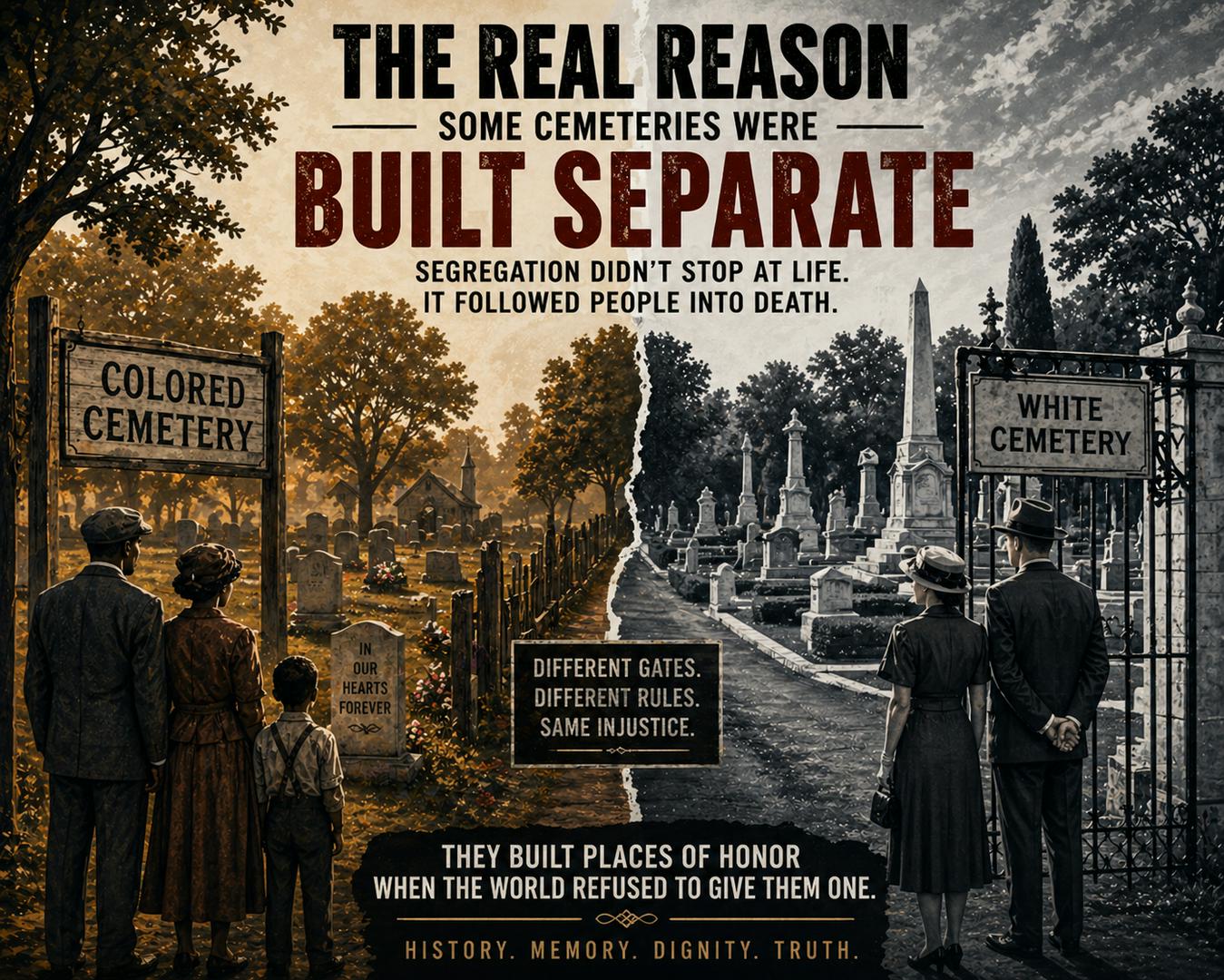
The Real Reason Some Cemeteries Were Built Separate Separate cemeteries were not always about tradition or family choice. In many places, they existed because Black families were denied equal access to burial space. Segregation did not stop at schools, buses, restaurants, hospitals, or neighborhoods. It followed people into death. Across the United States, Black people were often excluded from white-owned cemeteries, forced into separate sections, or given the least desirable burial grounds. In some communities, Black residents created their own cemeteries because there were no fair options available. Those cemeteries became sacred places of memory, dignity, and survival. They hold the remains of formerly enslaved people, veterans, church leaders, teachers, laborers, children, business owners, and families who helped build their communities. Many were created after slavery, when freed people built their own churches, schools, mutual aid societies, and burial grounds. But even after burial, unequal treatment continued. Many historically Black cemeteries were neglected, underfunded, damaged by development, paved over, or left without the same preservation support given to white cemeteries. Some communities are still fighting to protect these grounds, identify lost graves, and restore names that were nearly erased. That is what makes this history so uncomfortable. It shows that racial separation shaped not only where people could live, learn, eat, or work, but also where they could be mourned. Separate cemeteries tell a hard truth about America. Even in death, dignity was not always equally protected. But they also show something powerful. Black communities still built places of honor when the larger society refused to give them one. These cemeteries are not empty land. They are history, memory, family, and evidence. #BlackHistory #AmericanHistory #HiddenHistory #CemeteryHistory #HistoryMatters
LataraSpeaksTruth

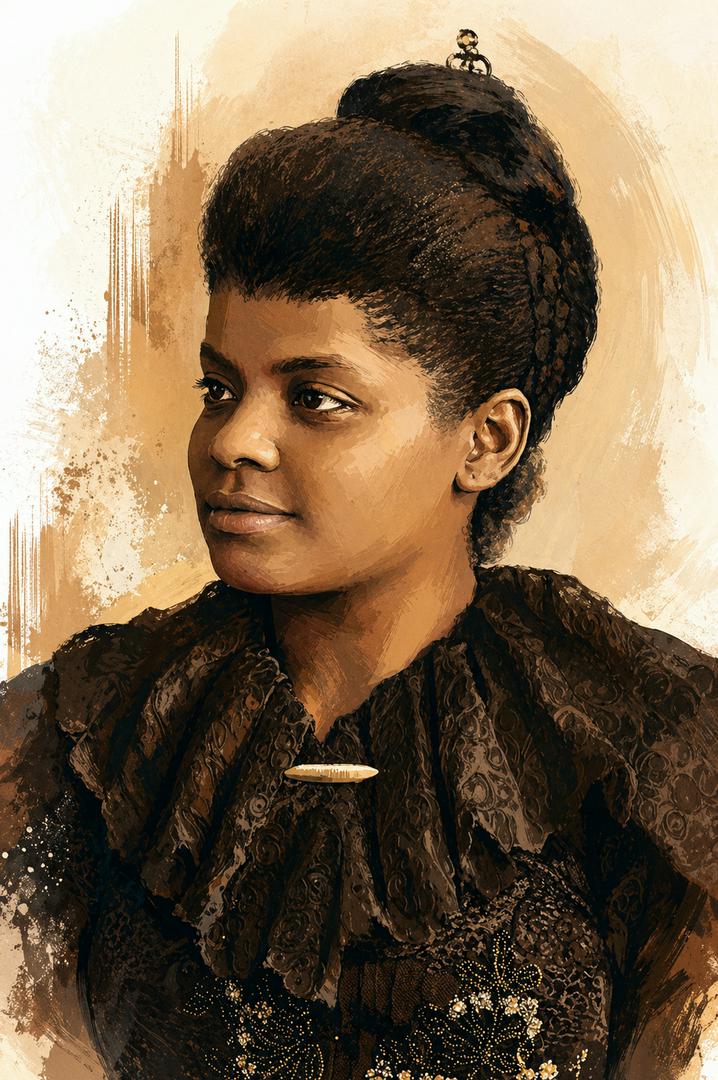
On May 4, 1884, Ida B. Wells continued a fight against railroad segregation years before her name became nationally known for anti-lynching journalism. Wells, then a young teacher in Tennessee, had already experienced discrimination on the Chesapeake, Ohio & Southwestern Railroad. After buying a first-class ticket, she was ordered out of the ladies’ car and told to sit in the smoking car instead. She refused to accept being pushed into an inferior space after paying for first-class service. That refusal was not just about a train seat. It was about dignity, equal treatment, and the right to receive what she had paid for. At a time when public transportation was being used to enforce separation and humiliation, Wells stood her ground. These incidents led Wells to take legal action. She sued the Chesapeake, Ohio & Southwestern Railroad and initially won damages in a lower court. That victory was rare, especially in a legal system that often protected discriminatory customs more than it protected Black passengers. But the victory did not last. The railroad appealed, and in 1887, the Tennessee Supreme Court reversed the lower court’s ruling. The court sided with the railroad and took away the damages Wells had been awarded. Still, the case mattered. Ida B. Wells did not wait until she had a national platform to challenge unfair treatment. She did not wait until the world called her fearless. Before her anti-lynching work made her one of the most important journalists in American history, she was already confronting discrimination in public life. Her train case showed the same courage that would later define her career: document the truth, challenge powerful systems, and refuse silence. Ida B. Wells’ legacy is not only found in what she wrote. It is also found in what she refused to accept. #IdaBWells #BlackHistory #AmericanHistory #WomenInHistory #OnThisDay

LataraSpeaksTruth

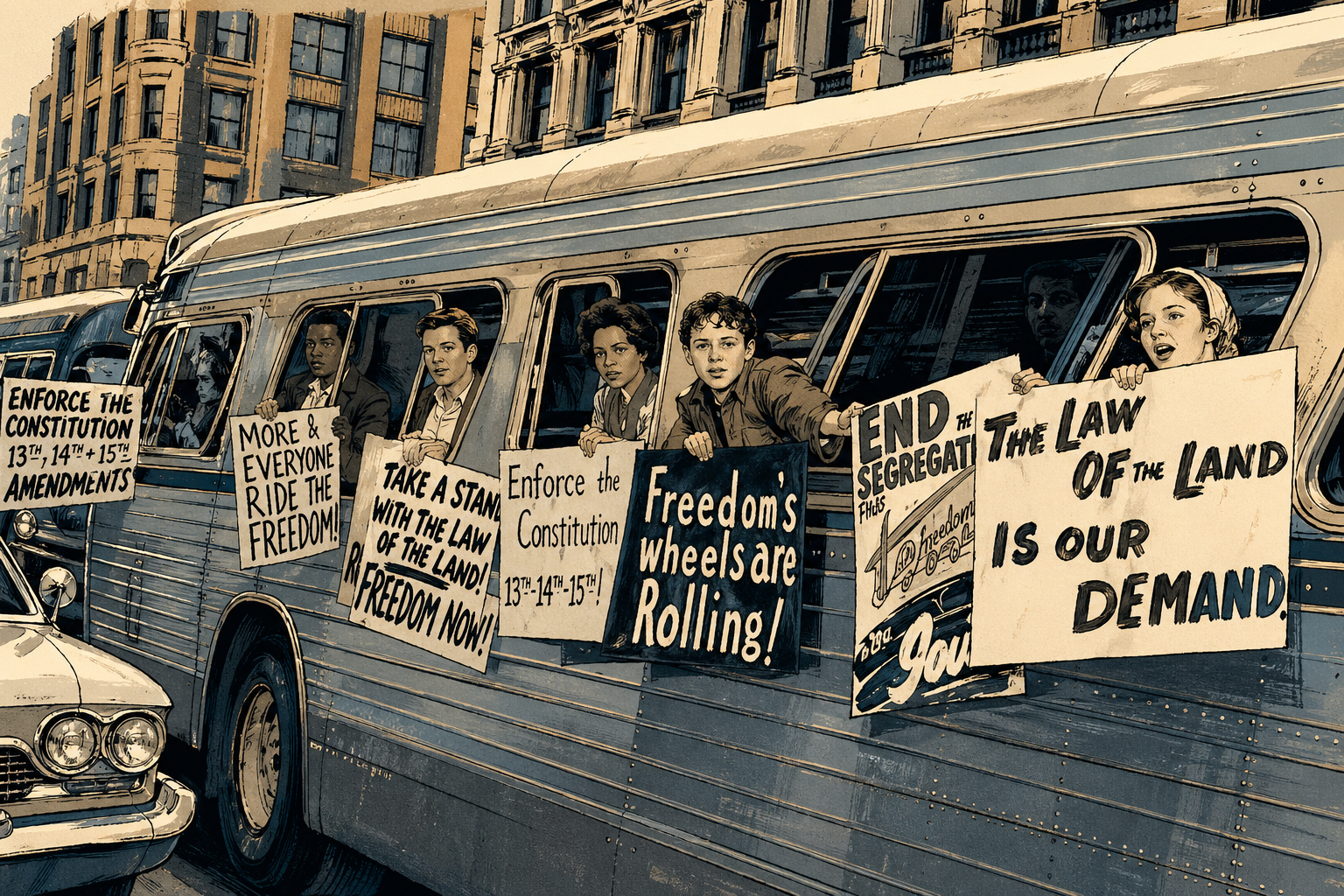
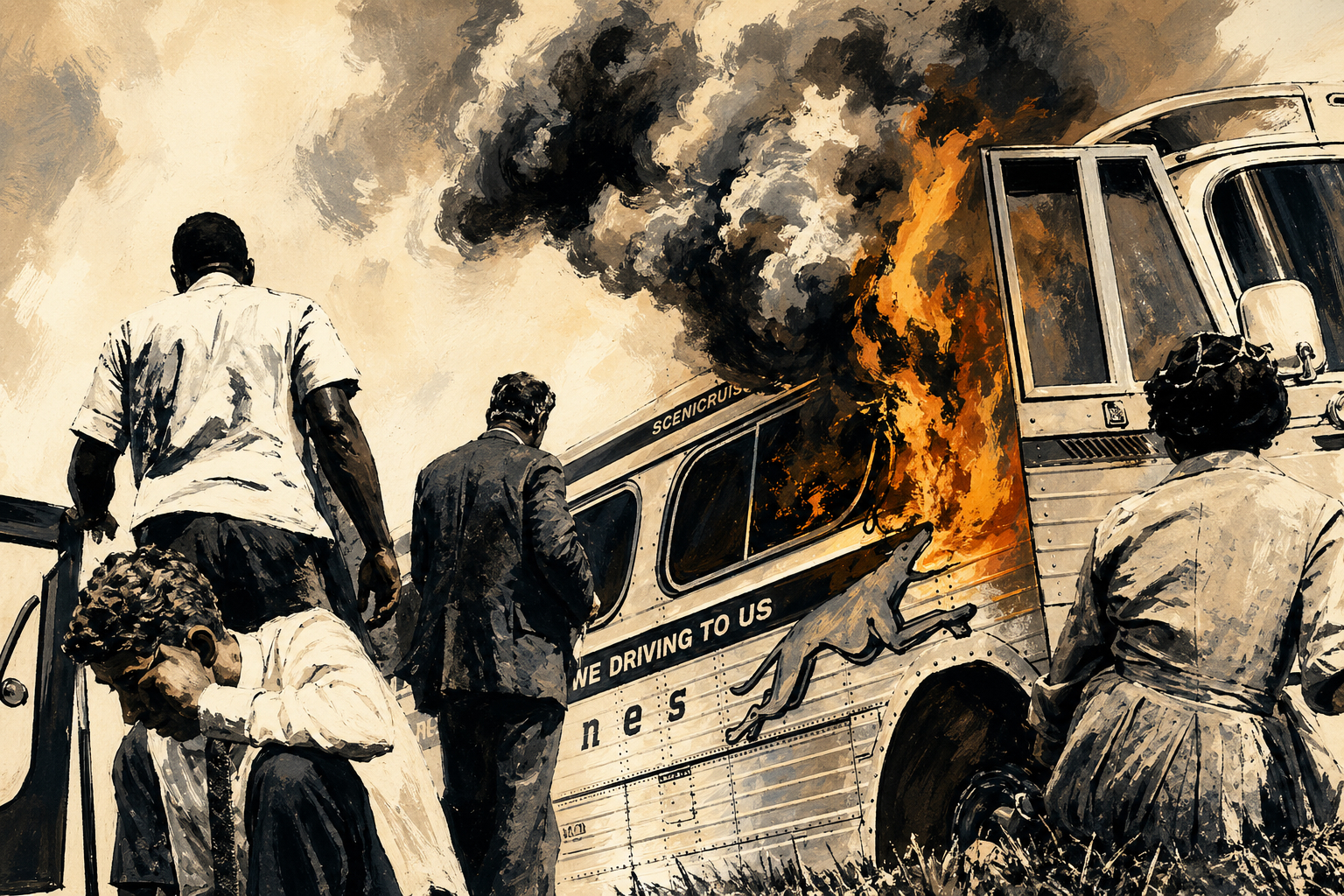
May 4, 1961: The Freedom Rides began when 13 activists left Washington, D.C., by bus to challenge segregation in interstate travel. Organized by the Congress of Racial Equality, known as CORE, the first group included seven Black riders and six white riders. They boarded Greyhound and Trailways buses with one purpose: to test whether the South would obey federal law. This was not random protest. It was direct action backed by law. The Supreme Court had already ruled against segregation in interstate bus travel and later against segregation in bus terminal facilities serving interstate passengers. But across much of the South, those rulings were often ignored. So the Freedom Riders tested the law in public. They planned to travel from Washington, D.C., to New Orleans, using waiting rooms, restrooms, lunch counters, and seating areas that Southern custom still tried to divide by race. That is what made the rides so powerful. They exposed the gap between what the law promised and what Black travelers actually faced. At first, the trip moved with limited trouble. But deeper in the South, the danger grew. In Alabama, a Greyhound bus was attacked and firebombed near Anniston. Riders on another bus were beaten in Birmingham. In Montgomery, more violence showed the nation how far some people were willing to go to defend segregation. But the Freedom Rides did not end with fear. More riders joined. Students, ministers, and activists continued the movement, knowing they could be jailed, beaten, or worse. Their courage forced national attention onto segregation in interstate travel and helped pressure federal officials to enforce the law. The Freedom Rides were not just about buses. They were about whether America would honor its own laws when Black citizens demanded rights already promised to them. On May 4, we remember the riders who stepped onto those buses knowing the road ahead could turn dangerous, but went anyway. #FreedomRides #OnThisDay #AmericanHistory

Brandon_Lee

The tragedy at Ebenezer Creek remains one of the most devastating and overlookeo moments of the Civil War. As Union troops advanced toward Savannah during Sherman's March to the Sea. hundreds of freedom seekers followed behind them believing the army represented safety and a chance at a future bevond bondage. They walked for davs beside the soldiers carrying children, bundles, and the weight of generations. When they reached the cold waters of Ebenezer Creek, Union General Jefferson C Davis ordered his men to cross first on a pontoon bridge. Once the troops were safely over, the bridge was pulled up without warning, leaving the refugees stranded as Confederate forces closed in. Panic spread as families realized thev were trapped with nowhere to run. People leapt into the water clinging to anything that might float, pieces of wood, clothing, each otherMany drowned trying to reach the other side. Others were captured. A moment that should have been a step toward freedom turned into a niaht of terror and loss. The massacre at Ebenezer Creek exposed a harsh truth of that era... even in a war fought over slavery, the safety of Black refugees was treated as negotiable. Their trust was betrayed, their lives dismissed, and their suffering pushed to the margins of history. And before anyone shows up with the tirec "move on, this is old news, get over the past" routine, let me help vou out... how about you move on? I'm from Georgia and in all my years in this state I never once heard about this. I'm learning it right alongside everyone else. This is exactly why these stories matter. History doesn't disappear just because it makes people uncomfortable. We deserve to know what happened on the soil we stand on #LataraSpeaks Truth #BlackHistory #AmericanHistory #HiddenHistory #Under2000Characters

LataraSpeaksTruth

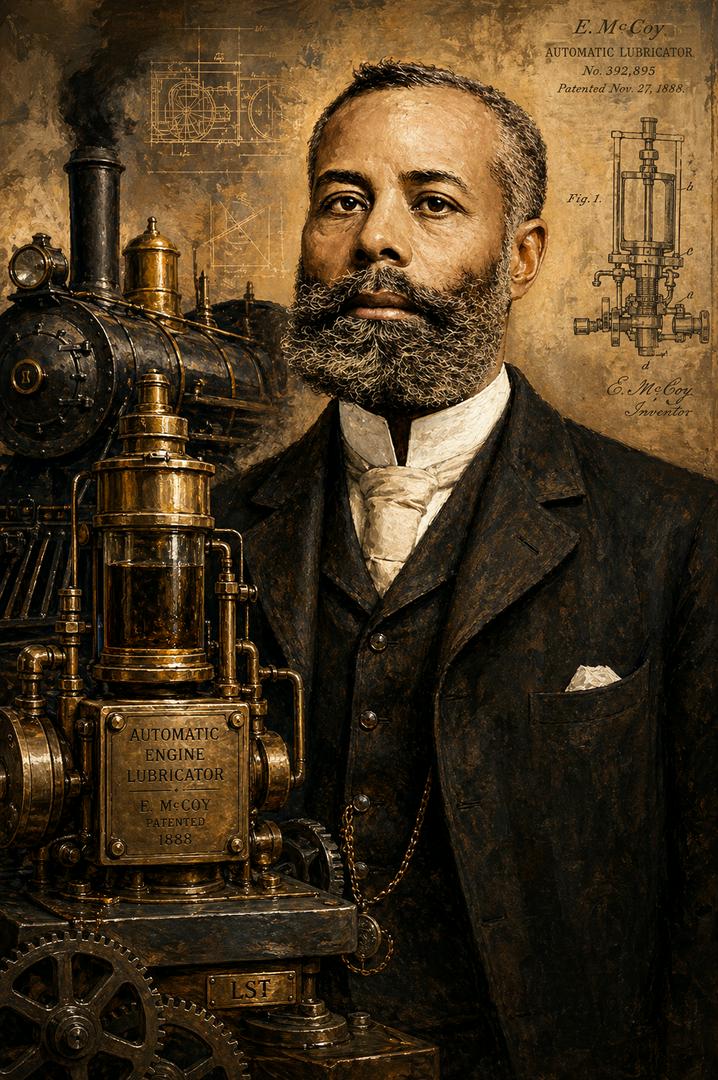
May 2, 1844: Elijah McCoy was born in Colchester, Ontario, Canada, and became one of the most important inventors in railroad and industrial history. McCoy was born to George and Mildred McCoy, parents who had escaped slavery in Kentucky and settled in Canada. From a young age, he showed a strong interest in machines and how things worked. His parents supported his gift, and as a teenager, he studied mechanical engineering in Scotland before returning to North America. Even with his training, McCoy faced the limits placed on Black engineers during that era. Instead of being hired in the engineering roles he was qualified for, he found work with the Michigan Central Railroad as a fireman and oiler. That job gave him a close look at one of the biggest problems in steam-powered machinery. At the time, trains and heavy machines often had to stop so workers could apply oil to moving parts. Those stops cost time, labor, and money. McCoy studied the problem and created an automatic lubricating device that delivered oil to the engine while it was still running. In 1872, he received U.S. Patent No. 129,843 for an improvement in lubricators for steam engines. His invention helped trains and machinery run more efficiently by reducing repeated stops. He later earned dozens of patents connected to engines, machinery, and industrial work. His work became so respected that some historians connect his name to the phrase “the real McCoy,” though the exact origin is still debated. What is not debated is the impact of his invention. Elijah McCoy died on October 10, 1929. In 2001, he was inducted into the National Inventors Hall of Fame, honoring a man whose ideas helped move trains, factories, and industry forward. His story is bigger than one invention. Elijah McCoy saw a problem, built a solution, and left the world with work that was, in every sense, the real thing. #BlackHistory #ElijahMcCoy #OnThisDay #InventorHistory #AmericanHistory

Tag: AmericanHistory - Page 4 | LocalAll