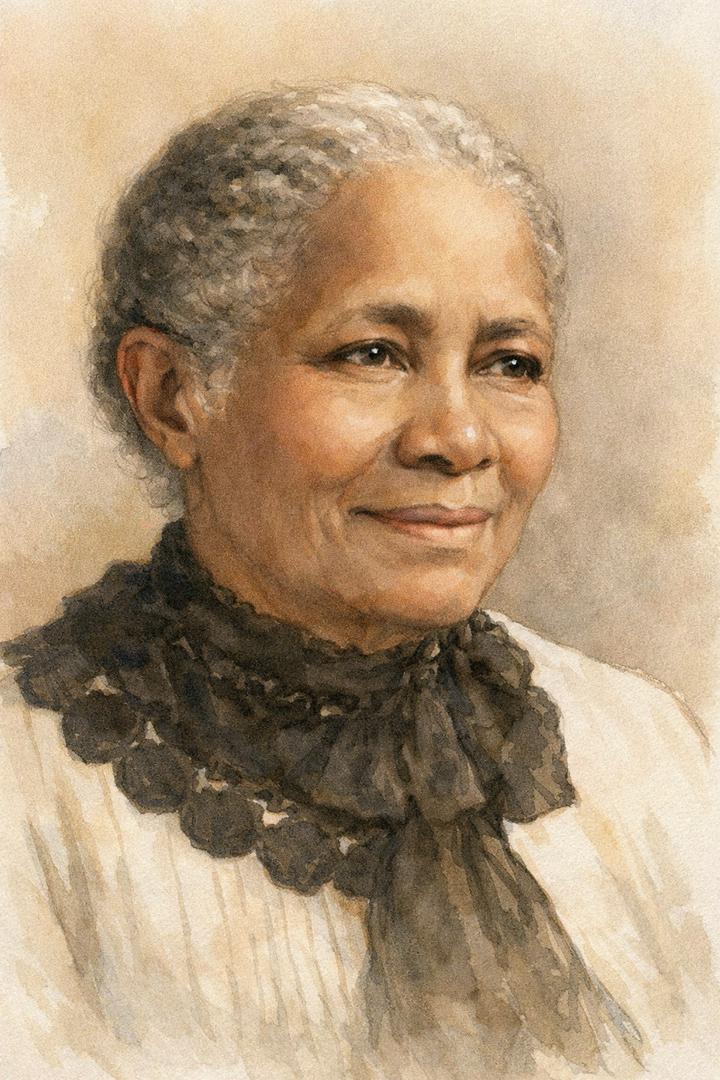
February 22, 1911…In Philadelphia, Frances Ellen Watkins Harper’s earthly voice went quiet, but her words stayed loud. She was an abolitionist, poet, public speaker, and reformer who used language like a torch in a windstorm…steady, bright, and impossible to ignore.
Born free in Baltimore in 1825, she still lived under a country that tried to limit what a Black woman could learn, say, and become. She refused that script. She taught, wrote, and stepped onto stages where people expected silence from her and got truth instead.
Harper understood freedom was not just a moment, it was a life. If people could not read, could not learn, could not protect their families, then “freedom” was just a fancy word with no weight behind it. So she pushed education, dignity, and real change, even when it was unpopular, unsafe, or both.
Her writing carried the same spine. She wrote poems that mourned slavery without softening it, and stories that insisted Black people were fully human, fully worthy, fully meant to rise. Later, she published work that challenged the nation to face what it had done and what it still refused to fix.
She also helped build community power, especially among women, when the culture tried to keep them in the background. She believed faith and conscience had to show up in public life, not just in private feelings. Moral courage, to her, was action…not vibes.
So today is not just a date. It is a reminder that some people told the truth before it was trendy, and they kept telling it when it cost them. Frances Ellen Watkins Harper did not wait for permission to matter.
#FrancesEllenWatkinsHarper #OnThisDay #BlackHistory #WomensHistory #Abolitionist #Poet #Author #HistoryMatters #OurHistory #PhiladelphiaHistory #AmericanHistory #Education #WomensRights #Legacy