Tag Page CivilRightsHistory

#CivilRightsHistory
LataraSpeaksTruth

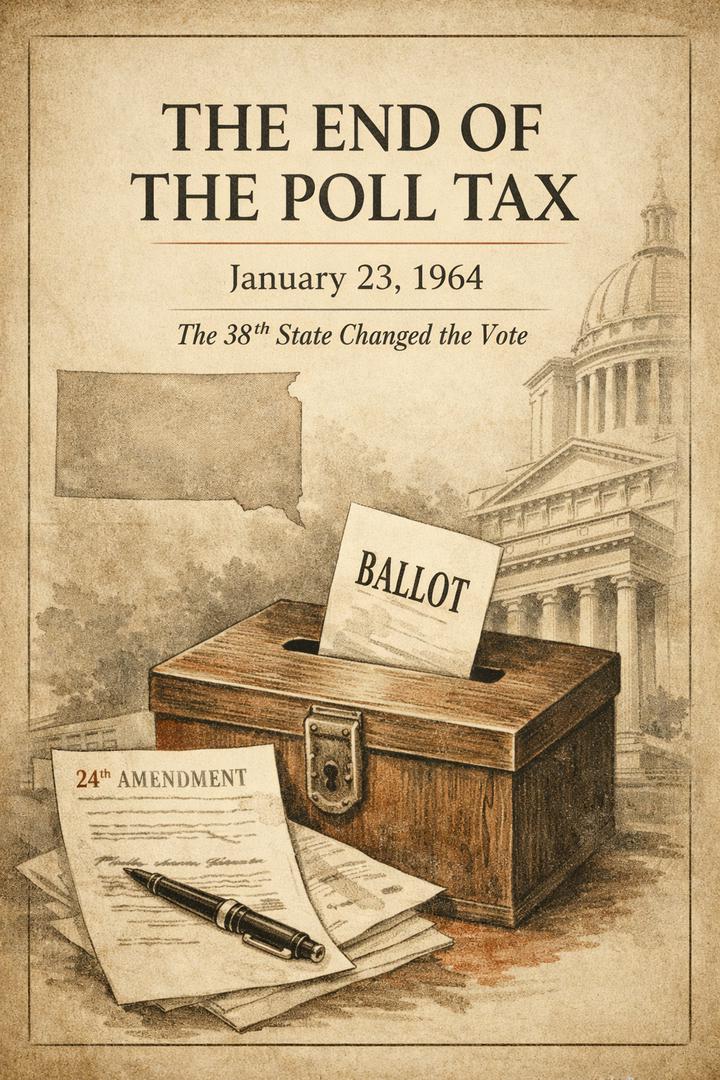
On January 23, 1964, a quiet legislative vote in South Dakota echoed across the entire United States. By becoming the 38th state to ratify the 24th Amendment, South Dakota provided the final “yes” needed to cement a fundamental change in American democracy…the official end of the poll tax in federal elections. For decades, the poll tax had operated as a so-called legal barrier to the ballot box. Framed as a simple administrative fee, it was anything but neutral in practice. In many Southern states, voters were required to pay not only the current tax but accumulated fees for every year they had not voted. This system disproportionately blocked Black Americans and poor white citizens from participating in elections. Combined with literacy tests, intimidation, and economic retaliation, the poll tax ensured political power remained tightly controlled. The road to the 24th Amendment was long and deliberate. Proposed by Congress in 1962, it required approval from three-fourths of the states. As 1964 began, the nation watched the count inch closer to the threshold. When South Dakota’s legislature ratified the amendment on January 23, it crossed the constitutional finish line, making the amendment law. The amendment marked a major victory for voting access by declaring that the right to vote in federal elections could not be conditioned on payment. Still, the work was unfinished. Some states continued to impose poll taxes in state and local elections until the Supreme Court struck them down entirely in 1966. Today, the anniversary of South Dakota’s ratification stands as a reminder that voting rights have never been freely handed over. They have been argued for, organized for, and fought for…often quietly, often against resistance, but always with lasting impact. #OnThisDay #USHIstory #VotingRights #Democracy #24thAmendment #CivilRightsHistory #SouthDakota #HistoryMatters

ROBBY|Heart

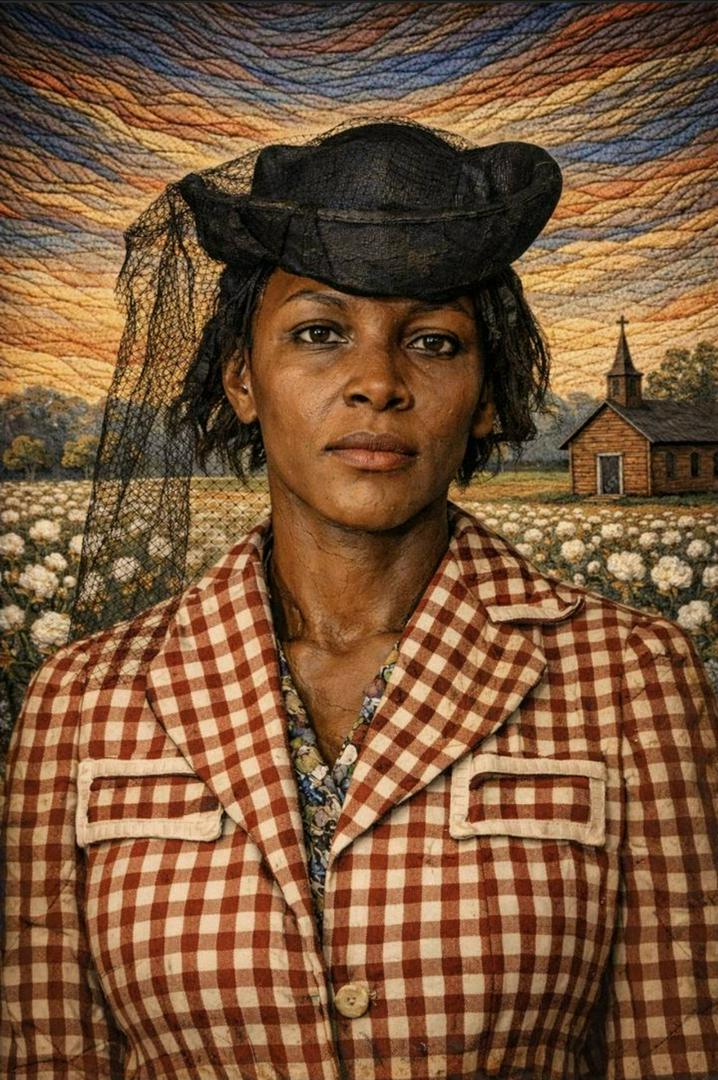
Recy Tavlor's storv is not only about what was done to her. It is also about what the legal system refused to do afterward. In 1944, Recy Taylor was a 24 year old Black wife and mother living in Abbeville Alabama. On her way home from church she was abducted at gunpoint by a group of white men and assaulted. She reported the crime immediately. One of the men later admitted his role and identified the others involved That should have been enough It was not Instead of iustice, Tavlor faced the full weight of a svstem that did not treat her pain, her dignity, or her safety as worth protecting. Two all white arand iuries refused to indict her attackers. No one was held accountable. But this story does not end in silence. Her case drew national attention. Rosa Parks investigated it for the NAACP Supporters organized through the Committee for Equal Justice for Mrs. Recy Taylor. Black newspapers covered the case. People spoke her name, demanded action. and forced the country to confront a truth it often tried to hide. Long before the civil rights movement became a chapter in textbooks, Black women like Recy Taylor were already standing at the center of that fight. Her story exposed more than one crime. It exposed a system that could hear a confession, see a victim come forward and still choose not to act. That is why Recy Taylor matters. Not iust because she survived somethina horrific, but because her case revealed how deeply the law could fail Black women while claiming to stand for justice. History often celebrates the marches the speeches, and the victories But before many of those moments came the women whose suffering was ignored, whose courage was tested, and whose truth refused to disappear Recy Taylor was one of them #OurHistory #RecyTaylor #CivilRightsHistory #WomensHistor

LataraSpeaksTruth

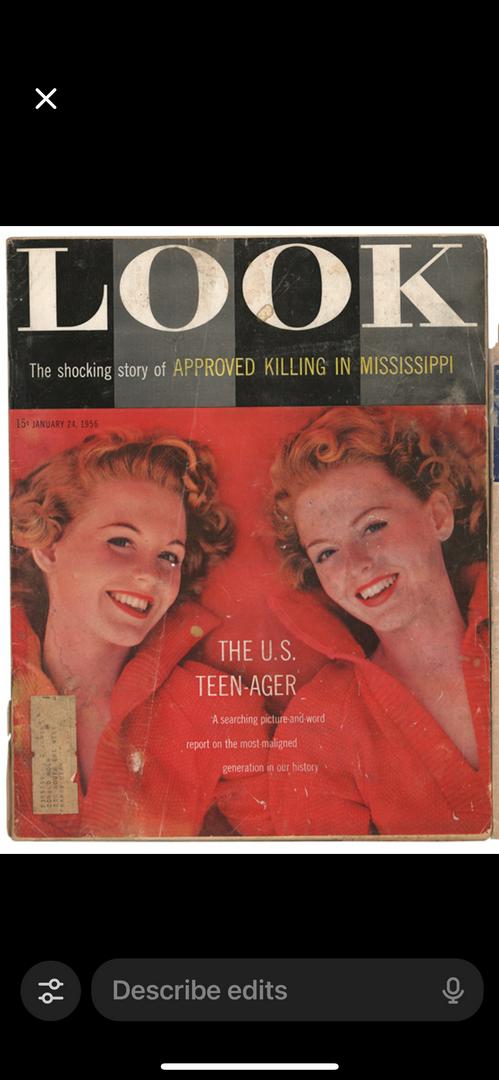
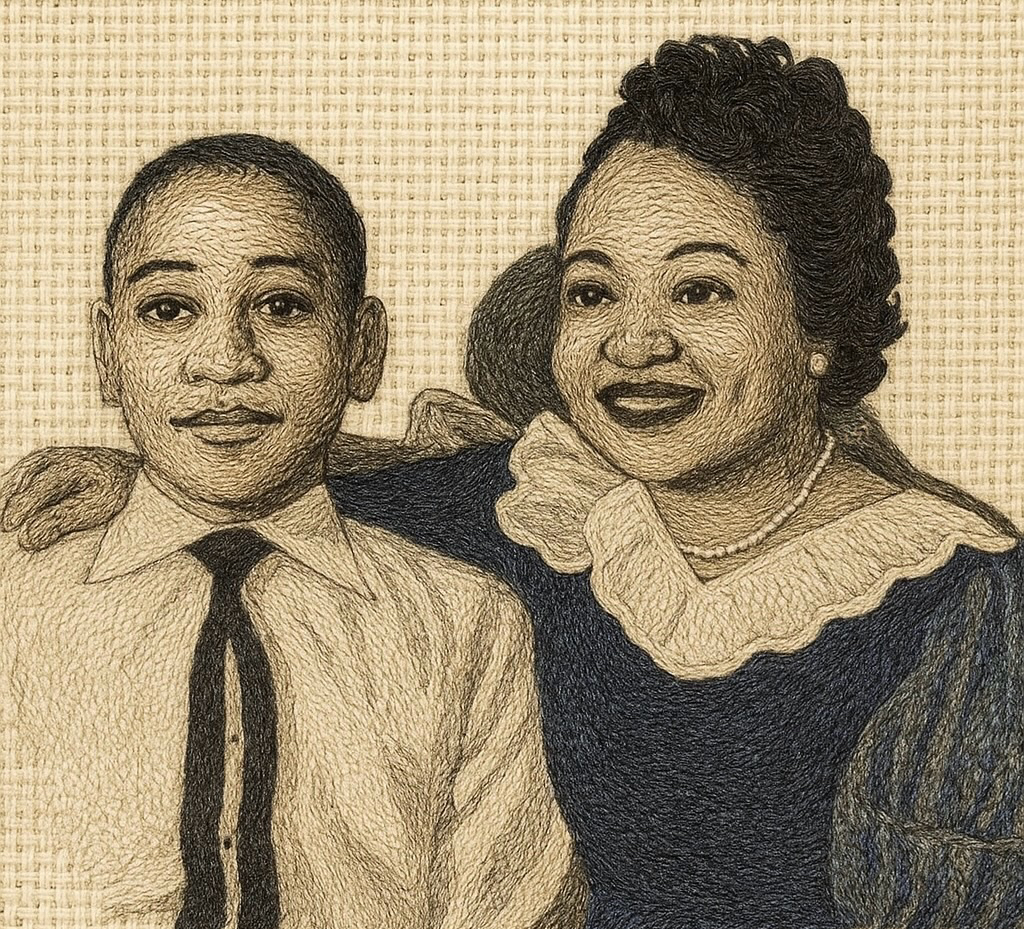
January 24, 1956 marked one of the most disturbing chapters in American history, not because justice was served, but because the truth was openly confessed without consequence. On this date, Look magazine published the paid confessions of the men who kidnapped, tortured, and murdered 14 year old Emmett Till after they had already been acquitted by an all white jury in Mississippi. Protected by double jeopardy, they spoke freely, detailing violence the courtroom had refused to name. The confessions confirmed what many already understood…the verdict was never about evidence, innocence, or law. It was about power. The legal system had functioned exactly as it was designed to, shielding brutality while pretending to uphold justice. Emmett Till’s killing exposed the machinery of Jim Crow justice in its rawest form, where cruelty could operate in daylight and accountability simply did not exist. His death was not treated as a tragedy by the courts, but as an inconvenience quickly brushed aside. Yet the story does not end with the killers. It continues with Mamie Till Mobley, a mother who refused silence, who chose an open casket so the world would see what hatred had done to her child. Those images traveled far beyond Mississippi, cutting through denial and forcing a nation to confront itself. Emmett Till did not set out to change history, but his death became a turning point, galvanizing resistance and awakening consciences that could no longer pretend ignorance. This was not a moment of closure, but of exposure. A reminder that sometimes the most painful truths arrive not through justice, but through the courage to tell what the system tried to bury. #EmmettTill #January24 #AmericanHistory #HistoricalRecord #JimCrowEra #CivilRightsHistory #TruthMatters #NeverForgotten #HistoryYouNeedToKnow

LataraSpeaksTruth

On March 3, 1991, a traffic stop in Los Angeles turned into one of the most widely seen police brutality cases in American history. That night, 25 year old Rodney King was pulled over by officers from the Los Angeles Police Department after a high speed chase. What happened next was captured on video and broadcast across the country. A nearby resident, George Holliday, used a home video camera to record several officers repeatedly striking King with batons and kicking him while he was on the ground. The footage showed King being hit dozens of times as officers attempted to restrain him. The video aired on television stations nationwide and quickly became a defining moment in public discussions about policing and accountability. For many Americans, it was the first time they had seen such an incident documented so clearly on camera. Four officers were eventually charged in connection with the beating. In April 1992, a jury in Simi Valley acquitted three of the officers and failed to reach a verdict on the fourth. The verdict triggered several days of unrest in Los Angeles. The 1992 Los Angeles uprising resulted in more than 60 deaths, thousands of injuries, and widespread property damage across the city. Later, two of the officers were tried in federal court for violating King’s civil rights. In 1993, two officers were convicted and sentenced to prison. The Rodney King beating and the video that captured it became a turning point in how the public viewed police encounters. It also marked one of the earliest moments when citizen recorded video began playing a major role in documenting incidents of police violence. More than three decades later, the footage remains one of the most recognized videos in modern American history. #RodneyKing #BlackHistory #1990sHistory #LosAngelesHistory #AmericanHistory #CivilRightsHistory #OnThisDay #HistoryMatters

LataraSpeaksTruth

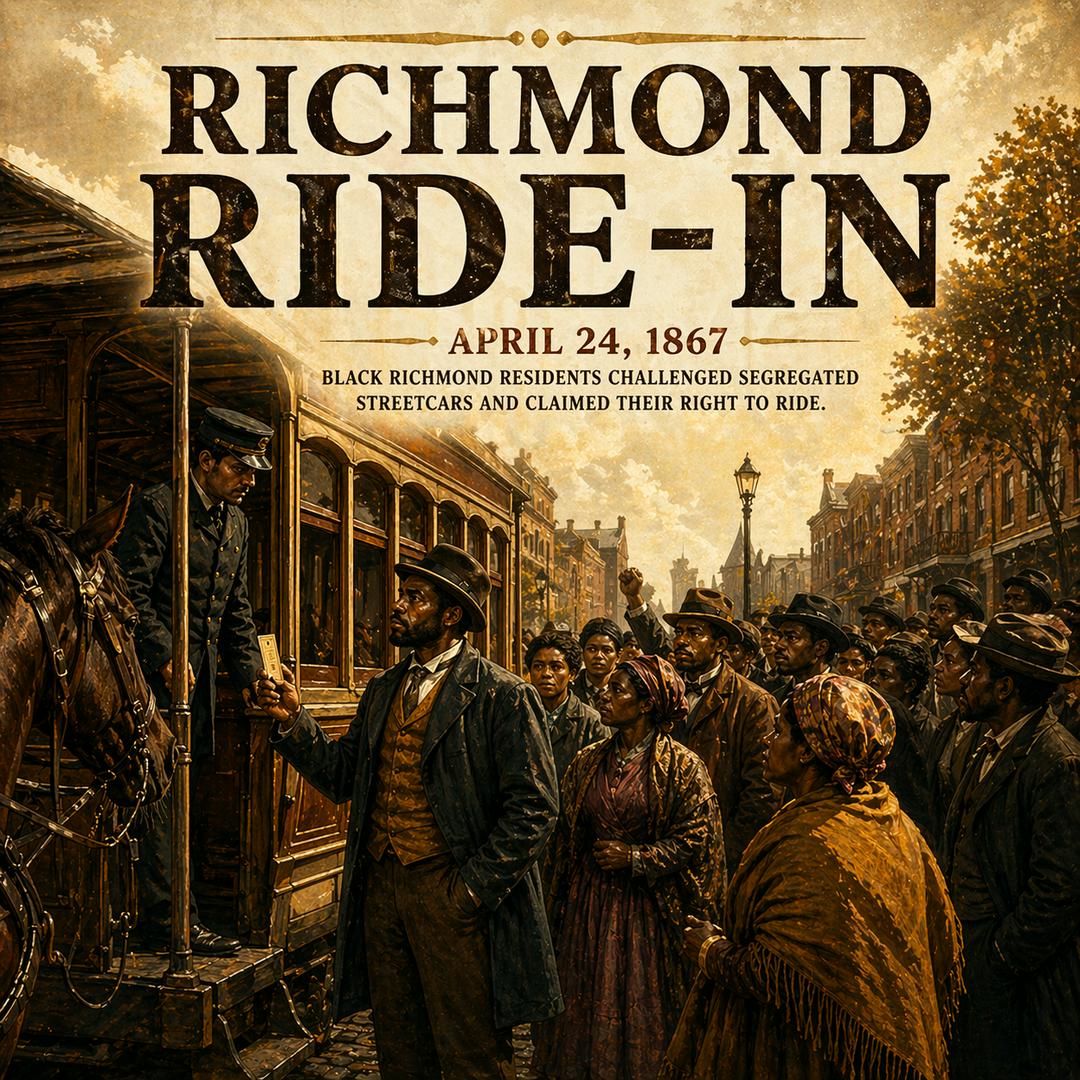
On April 24, 1867, Black residents in Richmond, Virginia made it clear that the fight for equal treatment did not begin in the 1950s. It was Reconstruction. Slavery had officially ended through the 13th Amendment barely more than a year earlier, but freedom on paper did not mean equal rights in everyday life. In Richmond, Black passengers were being denied access to privately operated, horse-drawn streetcars, even when they had paid for a ticket. One of the people connected to this protest was Christopher Jones. According to historical records, Jones bought a ticket for a Richmond streetcar and attempted to ride. When he was refused, a crowd gathered in support of his right to board. He was later arrested for disturbing the peace. But the people did not back down. Black Richmond residents organized protests against the streetcar company’s racial restrictions. This was not just about transportation. It was about citizenship, public space, dignity, and whether freedom would mean anything beyond words written into law. That is what makes this history so important. Long before the Montgomery Bus Boycott, long before Rosa Parks became a national symbol, Black communities were already challenging segregation in public transportation. They were using protest, public pressure, and collective action to demand what should have already been theirs. The Richmond Streetcar Protest reminds us that civil rights history did not suddenly appear in the 20th century. It had deep roots in Reconstruction, when newly freed people were fighting to define what freedom would actually look like in public life. April 24, 1867 deserves to be remembered because it shows us something powerful. The pushback started early. The courage was already there. And the demand was simple: if we paid to ride, we had the right to ride. #BlackHistory #ReconstructionHistory #RichmondVA #CivilRightsHistory #HiddenHistory

LataraSpeaksTruth

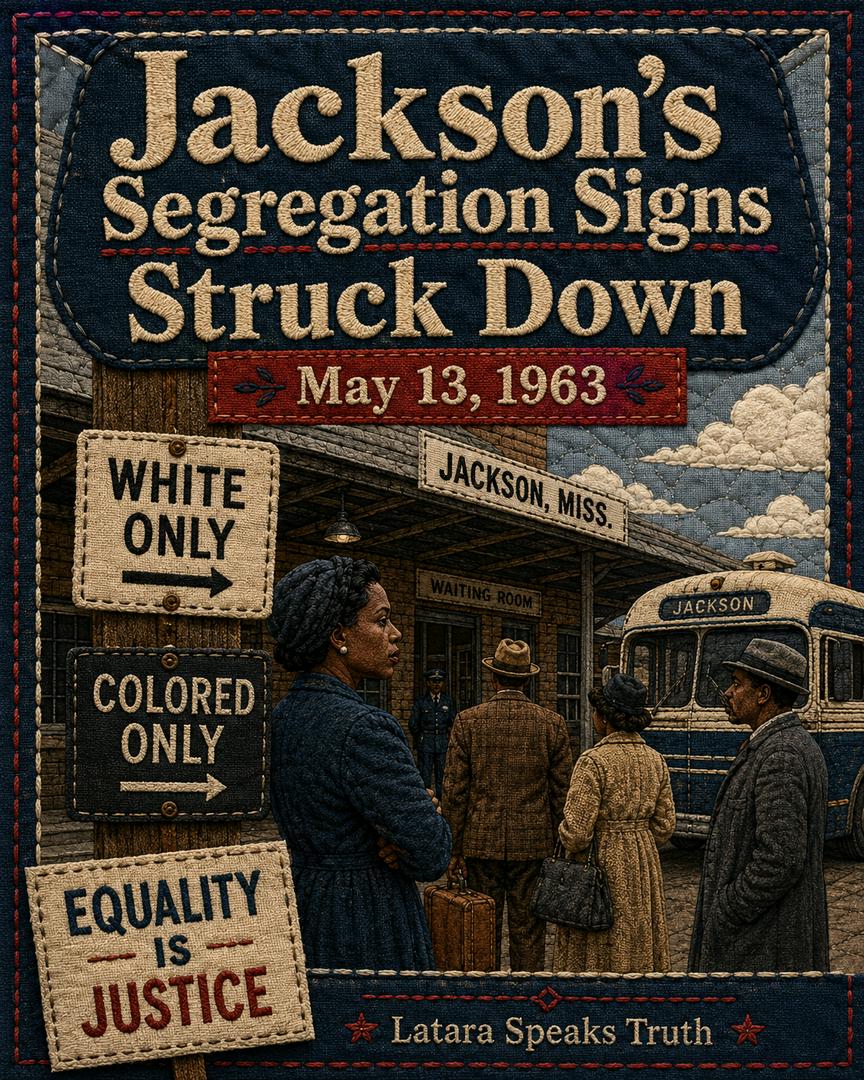
May 13, 1963… A federal appeals court ruled against Jackson, Mississippi’s attempt to keep segregation alive through city-backed signs. The case was United States and Interstate Commerce Commission v. City of Jackson. At the center were sidewalk signs near transportation terminals directing people to “White Only” and “Colored Only” waiting rooms. By then, federal law and Interstate Commerce Commission rules had moved against segregation in interstate transportation facilities. But Jackson found another way. Police placed signs outside the terminals and tried to keep racial separation standing from the sidewalk. That detail matters. These were not random signs. The wording said “By Order Police Department,” making clear this was not only custom or habit. This was public power used to preserve separation. The Fifth Circuit saw through it. The court ruled against Jackson’s use of city authority to maintain segregated spaces after the law had moved in another direction. This story shows how segregation did not disappear just because a court ruling or agency rule said it should. Local governments looked for loopholes. If one door closed, they tried another one. If carriers could no longer keep separate waiting rooms, the city tried to keep the same message alive with police-backed sidewalk signs. History remembers the marches, speeches, laws, and famous cases. But some revealing moments are smaller. A sign on a sidewalk. A city order. A waiting room. An attempt to keep people in their “place” after the law had started saying otherwise. On May 13, 1963, the court made clear Jackson could not use public authority to keep segregation standing under a different name. The signs looked simple, but carried the weight of a whole system. The ruling reminds us that progress was fought in courtrooms too, line by line, sign by sign, until the old system had fewer places left to hide too. #CivilRightsHistory #OnThisDay #MississippiHistory #AmericanHistory

LataraSpeaksTruth

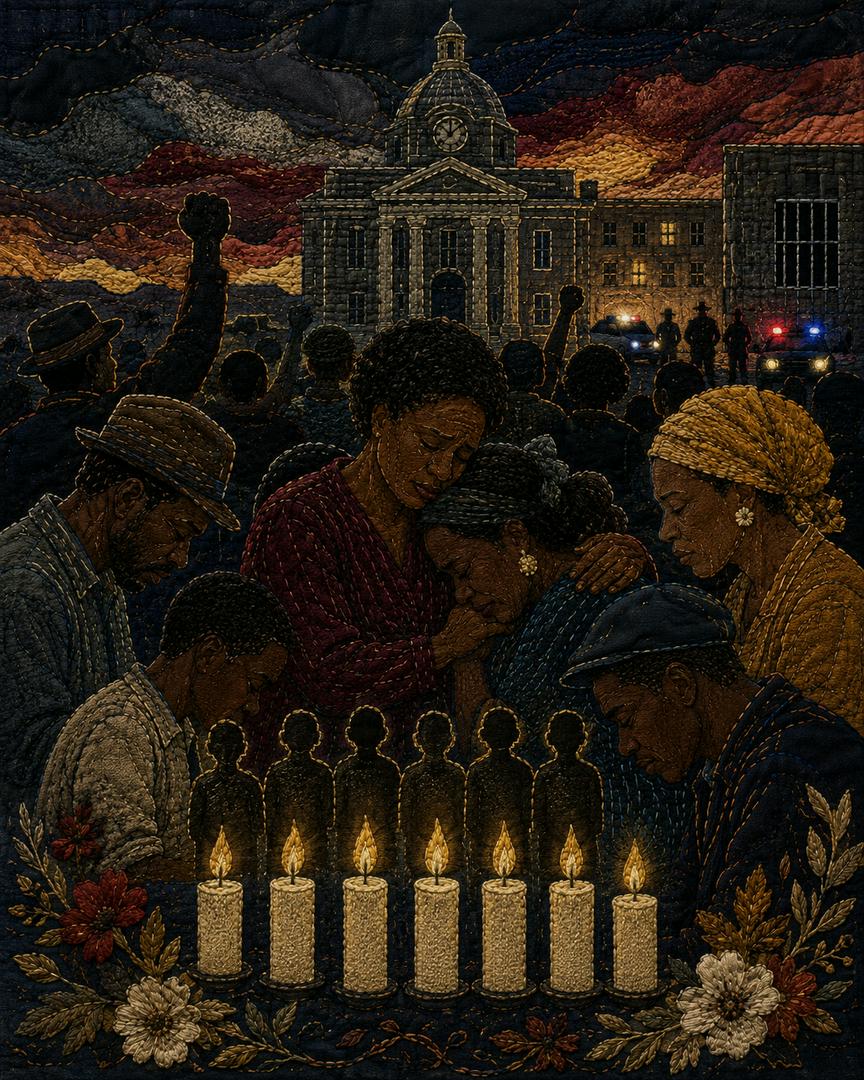
May 12, 1970… Augusta, Georgia was left carrying the weight of one of the most painful uprisings of the civil rights era. The anger began after the death of 16-year-old Charles Oatman, a Black teenager who died while being held in the Richmond County Jail. His death shook Augusta’s Black community because people were not just grieving, they were demanding answers. By May 11, hundreds gathered outside the Municipal Building calling for a real investigation. What followed was unrest across the city, but the aftermath exposed something even deeper than property damage. It exposed the force used against Black residents when grief turned into protest. Six Black men were killed: Charlie Mack Murphy, William Wright Jr., Sammie McCullough, John Stokes, John Bennett, and Mack Wilson. According to historical accounts, all six were unarmed and shot in the back. At least 60 others were wounded by police, and about 300 Black residents were arrested. That detail matters because stories like this are often reduced to the word “riot,” as if that one word explains everything. It does not explain Charles Oatman’s death. It does not explain why the community felt ignored. It does not explain why six men ended up dead. And it does not explain why accountability remained so hard to find. The Augusta uprising was not just about one night of chaos. It was about years of pressure, pain, mistreatment, and silence reaching a breaking point. When people say history repeats itself, this is the kind of history they mean. Some stories are uncomfortable to tell, but burying them only protects the wrong people. Remember Charles Oatman. Remember the Augusta Six. Remember what happened in Georgia. #BlackHistory #AugustaGeorgia #CharlesOatman #TheAugustaSix #CivilRightsHistory #GeorgiaHistory #HiddenHistory

LataraSpeaksTruth

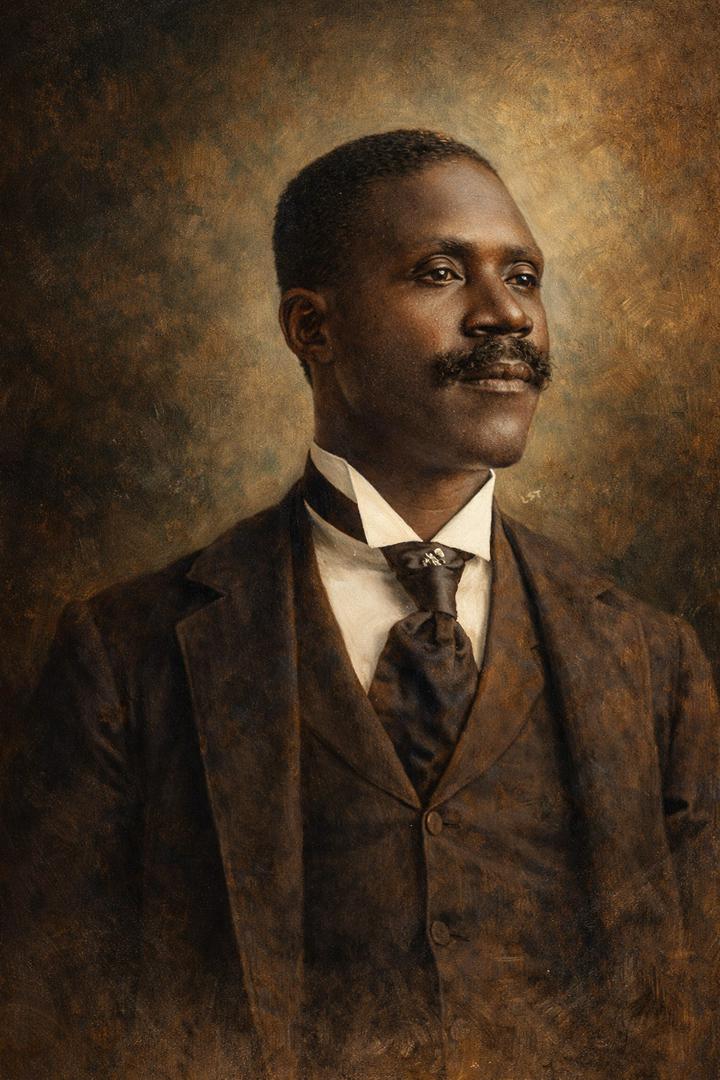
Born enslaved on September 22, 1853 near Rembert in Sumter County, South Carolina, George Washington Murray rose from bondage to the halls of Congress during one of the most hostile eras in American history. After the Civil War, Murray pursued education with purpose and urgency. He attended the University of South Carolina during the brief Reconstruction period when the school was open to Black students, a rare and fragile window of opportunity that would soon slam shut. Education was not just personal advancement for Murray, it was strategy, survival, and resistance. He became a teacher and agricultural expert, believing knowledge was power in a society designed to deny it to Black Americans. From there, he stepped into Republican politics, back when the party still carried the legacy of Reconstruction. In the 1890s, Murray served in the U.S. House of Representatives, representing South Carolina at a time when Black political power was being violently dismantled across the South. Murray was one of the last Black members of Congress in the nineteenth century and during parts of his service, the only one. He spoke openly and unapologetically about lynching, racial terror, and voter suppression while Jim Crow laws tightened their grip. He introduced federal proposals to protect Black voting rights and civil rights, fully aware that Congress was growing less willing to listen and more committed to exclusion. George Washington Murray did not win every fight, but he put injustice on the congressional record and refused silence. In an era demanding submission, he chose courage. That choice still echoes. #GeorgeWashingtonMurray #BlackHistory #ReconstructionEra #BlackCongressmen #AfricanAmericanHistory #CivilRightsHistory #JimCrow #PoliticalCourage #HistoryMatters

LataraSpeaksTruth

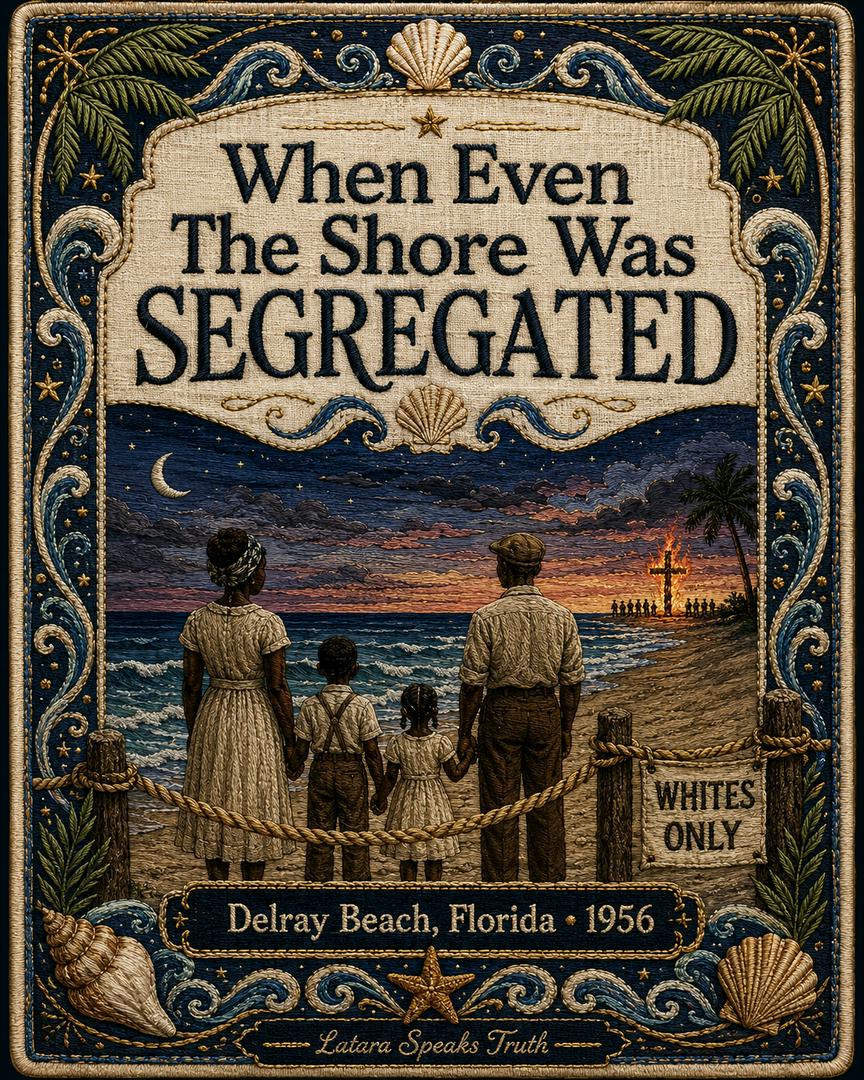
May 16, 1956, Delray Beach, Florida Some stories show how deep segregation really went. It was not just schools, buses, restaurants, or water fountains. In Delray Beach, Florida, even the ocean was treated like it belonged to one group of people. On May 16, 1956, white residents burned a cross to intimidate Black residents who were challenging segregated beach access. For decades, Black residents had been kept away from the city’s municipal beach, even though it was supposed to be public. The timing mattered. One day earlier, U.S. District Judge Emmett C. Choate had dismissed a federal lawsuit brought by nine Black Delray residents fighting for access to the beach. City officials claimed there was no written policy denying Black residents entry, but the reality on the ground told a different story. That cross was not just a symbol. It was a warning. It was meant to tell Black residents that even without a written rule, they were still expected to stay away. On May 20, when Black residents tried to use the beach, they were met by an angry white crowd demanding they leave. Instead of protecting equal access, local officials moved in the opposite direction. On May 23, 1956, Delray Beach passed a formal segregation ordinance barring Black residents from the municipal beach and pool. That is what makes this history so important. Segregation was not only enforced by law. It was enforced by fear, threats, mobs, and authorities who failed to hold people accountable. The beach should have been simple. Sand. Water. Sunlight. A place for families to breathe. But in Delray Beach, even that became a battleground. This was never just about recreation. It was about dignity, citizenship, and the right to exist freely in public spaces. The ocean was public. The exclusion was deliberate. #BlackHistory #FloridaHistory #DelrayBeach #HiddenHistory #CivilRightsHistory
LataraSpeaksTruth

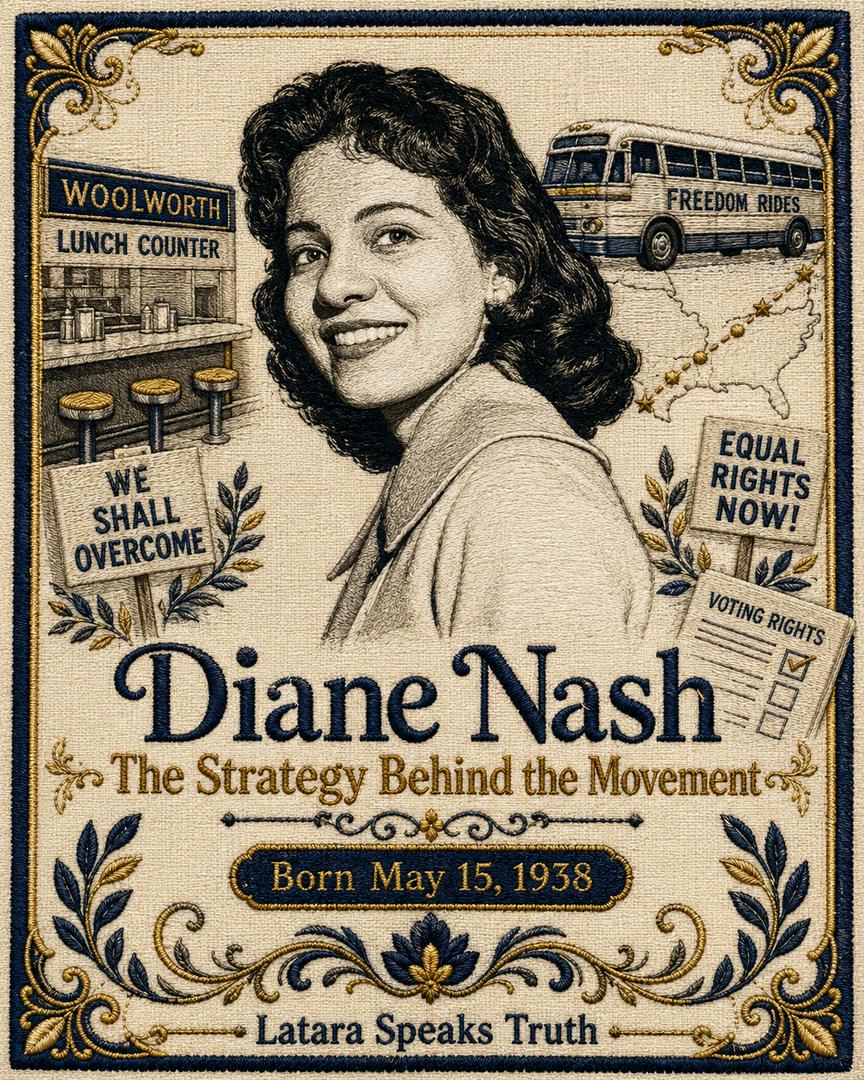
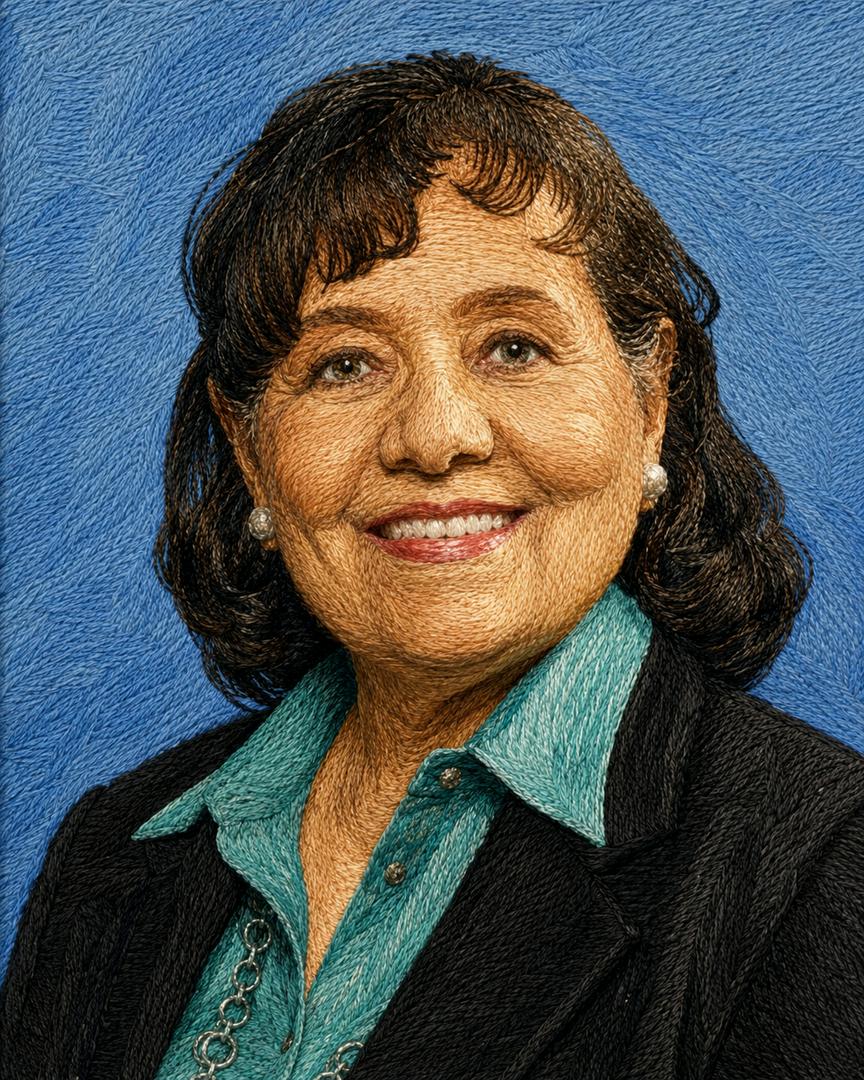
May 15, 1938… Diane Nash was born. Diane Judith Nash was born in Chicago, Illinois, and became one of the sharpest strategists of the Civil Rights Movement. Her name may not always be placed at the front of the story, but her work helped move history. After transferring to Fisk University in Nashville, Nash saw segregation up close. Instead of stepping back, she stepped directly into the fight. She became a leading force in the Nashville sit-ins, where students used disciplined nonviolent protest to challenge segregated lunch counters. Nash was not just present. She organized. She planned. She led. When the Freedom Rides were attacked and many people feared the campaign would end, Nash helped keep it alive. She understood that if violence could stop the movement, then violence would become the rule. Her courage helped push the fight for desegregated interstate travel forward. She also worked with SNCC and played a major role in voting rights organizing, including efforts connected to the Selma movement. Her work helped build pressure that led to some of the most important civil rights victories in American history. Diane Nash reminds us that leadership is not always loud. Sometimes it is calm, strategic, disciplined, and unshakable. She was young, focused, and fearless at a time when standing up could cost everything. Her story deserves to be remembered not as a footnote, but as proof that movements are built by people willing to risk comfort for change. #DianeNash #OnThisDay #CivilRightsHistory #HiddenHistory #LataraSpeaksTruth