Tag Page CivilRightsHistory

#CivilRightsHistory
LataraSpeaksTruth

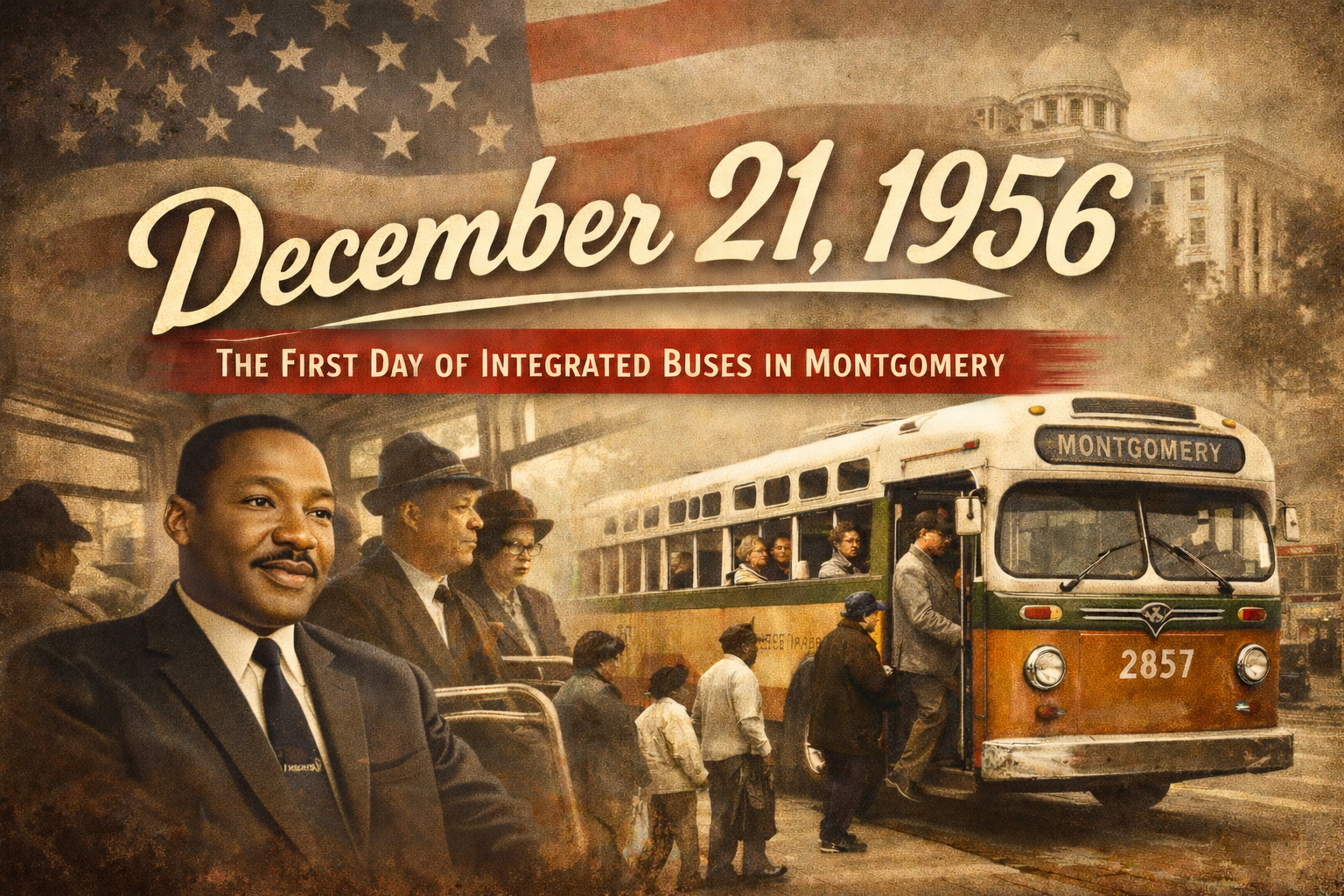
December 21, 1956 is often remembered as the end of the Montgomery Bus Boycott, but more precisely, it marks the first day Montgomery’s city buses operated as integrated in daily life. The legal battle had already been won, yet this morning mattered because it was when the ruling became visible, physical, and unavoidable. After more than a year of walking, carpooling, and enduring harassment, Black residents of Montgomery boarded buses alongside white passengers under a new reality. The Supreme Court decision banning bus segregation had finally reached Alabama, and the city was required to comply. December 21 was the morning the mandate moved from paper to pavement. That day, community leaders and ordinary citizens rode together. Among them was Martin Luther King Jr, who boarded a bus quietly, without fanfare. There were no speeches, no celebrations, and no cameras chasing spectacle. What made the moment powerful was its calm. People simply sat where the law now said they could sit. The boycott itself officially ended when the legal order took effect, which is why some summaries list earlier dates. But December 21 endures in public memory because it represents the first lived experience of change. It was not just a court victory. It was a morning commute transformed by discipline, unity, and resolve. For 381 days, Montgomery’s Black community refused to accept injustice as routine. On December 21, 1956, routine finally changed. History did not announce itself loudly that morning. It showed up on time, paid its fare, and took a seat. #MontgomeryBusBoycott #CivilRightsHistory #December21 #AmericanHistory #BlackHistory

LataraSpeaksTruth

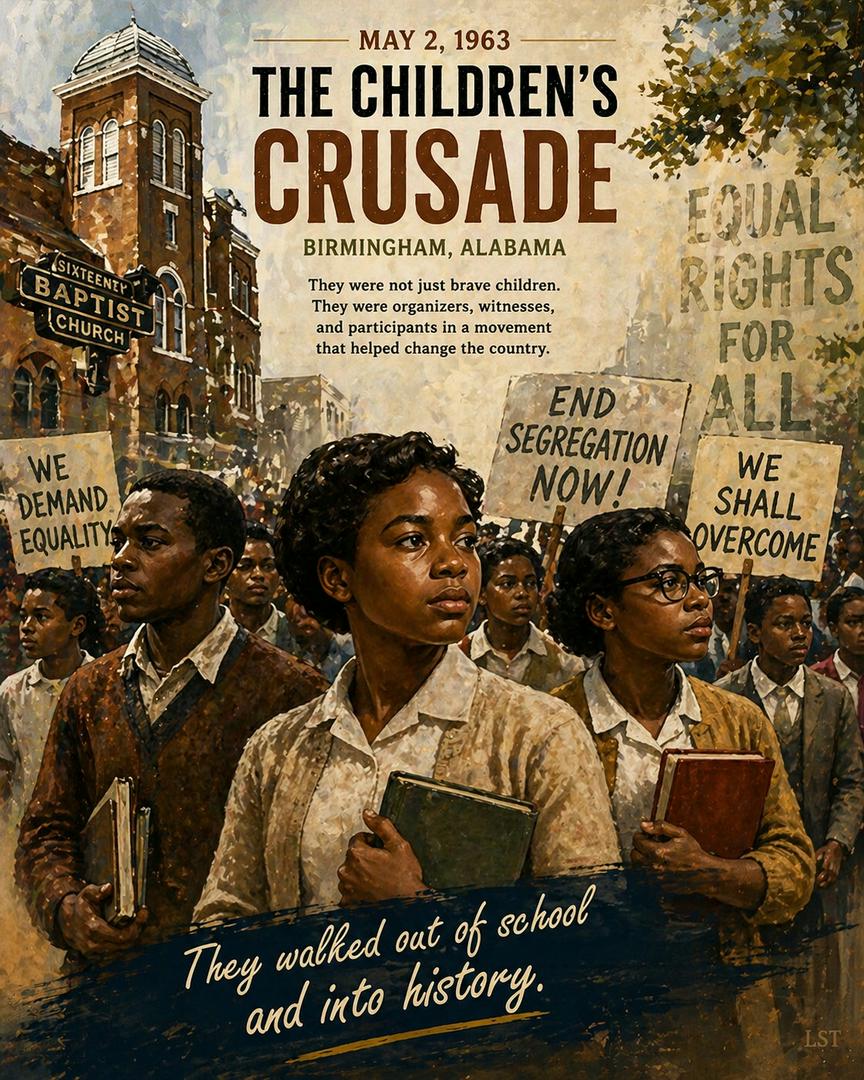
May 2, 1963: More than 1,000 Black students left school and gathered at Sixteenth Street Baptist Church in Birmingham, Alabama. They were not going to class that day. They were walking into history. The students planned to march downtown to protest segregation in one of the most hostile cities in the South. Many of them were children and teenagers, but they understood that the system around them was wrong. They also understood that adults had been threatened, fired, jailed, and punished for challenging it. That is part of what made the Children’s Crusade so powerful. Young people stepped forward when fear had been used to silence entire communities. On that first day, hundreds of students were arrested. They were placed in police vehicles and buses as the city tried to stop the protest. But the movement did not end there. In the days that followed, Birmingham’s response grew even more violent, with police using fire hoses and police dogs against young demonstrators. The images shocked the nation. The Children’s Crusade became one of the defining moments of the Birmingham campaign. It helped force national attention onto segregation in Birmingham and added pressure for federal civil rights legislation. These students were not just brave children. They were organizers, witnesses, and participants in a movement that helped change the country. They carried a burden that no child should have had to carry, but they carried it with courage. On May 2, we remember the children of Birmingham who walked out of school and into history. #ChildrensCrusade #Birmingham1963 #BlackHistory #CivilRightsHistory #OnThisDay

LataraSpeaksTruth

Viola Liuzzo was not born into fame, but she lived with the kind of conscience that makes history stop and remember. A 39 year old mother of five from Detroit, she was deeply disturbed by the violence she saw during the voting rights struggle in Selma. Instead of turning away, she answered it with action. She traveled south to help because she believed human dignity was not optional and that voting rights were worth standing up for, even when doing so came with danger.  That is what made Viola Liuzzo such a remarkable woman. She was not chasing attention. She was not trying to become a symbol. She was a person with compassion, courage, and a moral backbone strong enough to move when others stayed still. Historical sources describe her as committed to education, economic justice, and civil rights. She saw wrong and refused to make peace with it. In a world where too many people wait for someone else to act, Viola stepped forward herself.  After the Selma to Montgomery march, Liuzzo was helping transport fellow activists when she was murdered by members of the Ku Klux Klan on March 25, 1965. Her death became one of the painful sacrifices tied to the fight for voting rights, but her life remains bigger than the hatred that ended it. She is remembered today not only as a martyr, but as a woman whose compassion crossed lines of race, fear, and comfort.  Viola Liuzzo showed what it looks like when love is not just spoken, but lived. She left behind more than grief…she left behind an example. Her name deserves to be honored with tenderness, respect, and truth, because wonderful people are not always the loudest in the room. Sometimes they are the ones who quietly choose what is right…and pay dearly for it. #ViolaLiuzzo #WomensHistory #VotingRights #CivilRightsHistory #Selma Sources: National Park Service…Detroit Historical Society…Encyclopedia of Alabama

LataraSpeaksTruth

Recy Taylor’s story is not only about what was done to her. It is also about what the legal system refused to do afterward. In 1944, Recy Taylor was a 24 year old Black wife and mother living in Abbeville, Alabama. On her way home from church, she was abducted at gunpoint by a group of white men and assaulted. She reported the crime immediately. One of the men later admitted his role and identified the others involved. That should have been enough. It was not. Instead of justice, Taylor faced the full weight of a system that did not treat her pain, her dignity, or her safety as worth protecting. Two all white grand juries refused to indict her attackers. No one was held accountable. But this story does not end in silence. Her case drew national attention. Rosa Parks investigated it for the NAACP. Supporters organized through the Committee for Equal Justice for Mrs. Recy Taylor. Black newspapers covered the case. People spoke her name, demanded action, and forced the country to confront a truth it often tried to hide. Long before the civil rights movement became a chapter in textbooks, Black women like Recy Taylor were already standing at the center of that fight. Her story exposed more than one crime. It exposed a system that could hear a confession, see a victim come forward, and still choose not to act. That is why Recy Taylor matters. Not just because she survived something horrific, but because her case revealed how deeply the law could fail Black women while claiming to stand for justice. History often celebrates the marches, the speeches, and the victories. But before many of those moments came the women whose suffering was ignored, whose courage was tested, and whose truth refused to disappear. Recy Taylor was one of them. #OurHistory #RecyTaylor #CivilRightsHistory #WomensHistory #BlackHistory #LataraSpeaksTruth

LataraSpeaksTruth

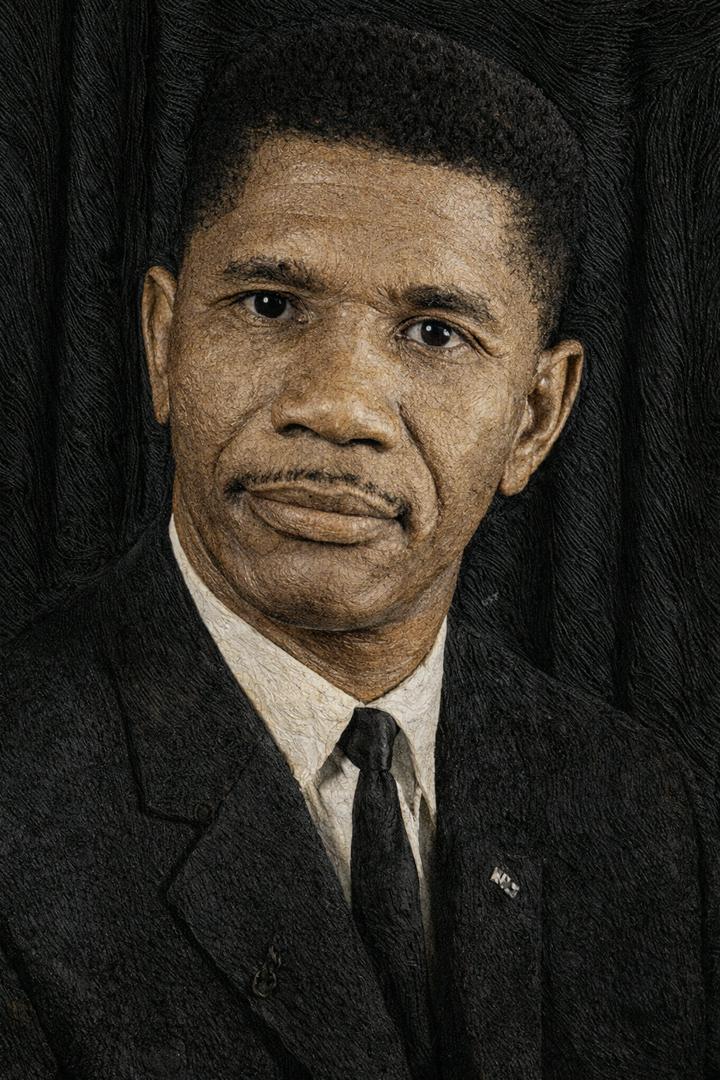
Born on July 2, 1925, in Decatur, Mississippi, Evers grew up in a state where segregation shaped nearly every part of daily life. After serving in the United States Army during World War II, he returned home determined to build a better future. He later attended Alcorn Agricultural and Mechanical College, where he studied business administration and became active in student leadership. In 1954, Evers became the NAACP’s first field secretary in Mississippi. In that role, he traveled across the state organizing local branches, encouraging voter registration, investigating racial violence, and helping challenge segregation in schools and public spaces. His work placed him on the front lines of one of the most dangerous battles in the South. Evers also helped investigate the 1955 murder of Emmett Till and worked to expose the brutal realities Black families faced in Mississippi. He pushed for equal access to education, fought discriminatory laws, and worked to expand basic rights that had long been denied. Because of his work, Evers lived under constant threat. His home was attacked, his family lived with fear, and he knew that speaking openly against injustice could cost him his life. Still, he refused to step away from the work. On June 12, 1963, Medgar Evers was assassinated outside his home in Jackson, Mississippi. His murder shocked the nation and became one of the defining tragedies of the civil rights era. Though his life was cut short, his courage left a lasting mark on American history. Medgar Evers is remembered not only as a leader, but as a man who kept showing up for the work even when the danger was clear. His legacy lives on in the continued fight for justice, dignity, and equal protection under the law. #OurHistory #MedgarEvers #AmericanHistory #CivilRightsHistory #LataraSpeaksTruth
LataraSpeaksTruth

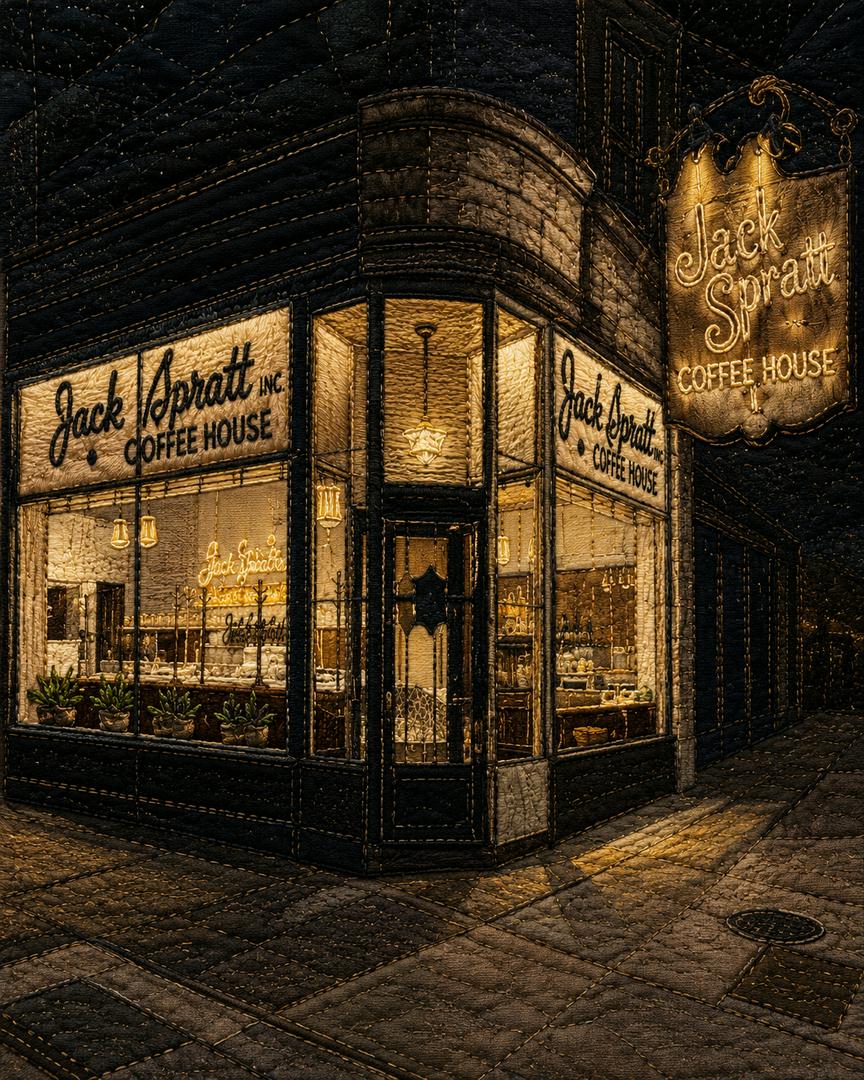
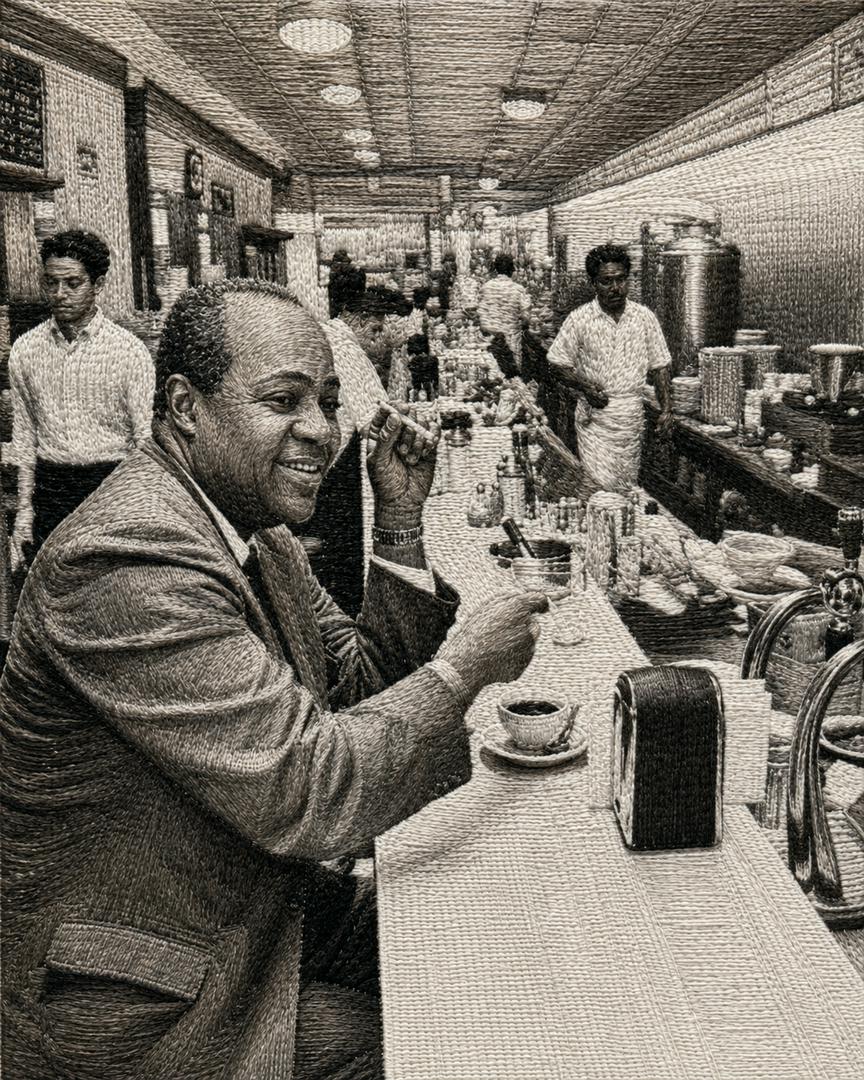
On May 15, 1943, Chicago CORE carried out one of the early organized sit-ins against discrimination in public accommodations. Twenty-eight people entered Jack Spratt in small groups. Each group included at least one African American person. White customers were served, while African American customers were refused. Instead of eating, the white participants passed food to their companions or refused to eat until everyone was served. The manager tried to separate the group, suggesting African American customers eat in the basement or in a back corner. Farmer refused. The police were called, but they reportedly said the protesters had broken no law. Eventually, the restaurant served everyone. Follow-up visits showed that Jack Spratt had changed its policy. This sit-in did not become as famous as the 1960 lunch counter protests, but it helped shape the playbook. It showed how disciplined, nonviolent direct action could expose discrimination without needing a courtroom first. Sometimes history does not begin where the textbooks start. Sometimes it starts with a donut, a counter, and people refusing to accept second-class treatment. #History #ChicagoHistory #JamesFarmer #CORE #CivilRightsHistory #AmericanHistory #May15

LataraSpeaksTruth

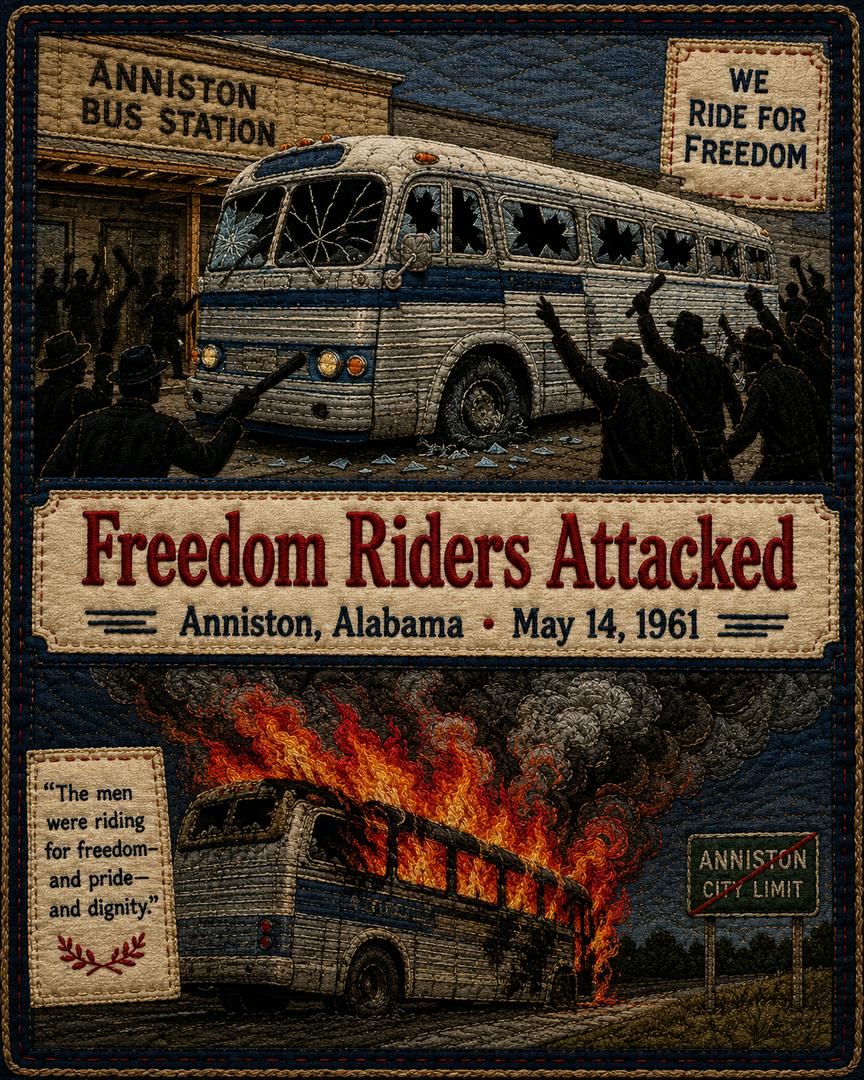
On Mother’s Day, May 14, 1961, a Greyhound bus carrying Freedom Riders rolled into Anniston, Alabama, and met the face of violent resistance. The riders were part of an interracial group challenging segregation in interstate bus travel and bus terminal facilities. They were testing whether the country would honor federal rulings that said segregation in interstate transportation was unconstitutional. What they found in Anniston was not law and order. It was a mob waiting. According to the Equal Justice Initiative, the bus arrived at the Anniston station shortly after 1 p.m. The station was locked. Outside, a white mob surrounded the bus. Some carried pipes, chains, and bats. They smashed windows, dented the bus, slashed its tires, and attacked the riders inside. Police had been warned hours earlier that a mob was gathering, but they did not arrive until after the assault had already started. Even then, real protection did not come soon enough. The bus was eventually escorted out of town, but once it reached the city limits, it was left vulnerable. With its damaged tires, the bus could not get far. Outside Anniston, the mob caught up again. The Greyhound bus was firebombed, filling with smoke as riders struggled to escape. When they made it out, some were beaten again. What happened in Anniston was not just an attack on a bus. It was an attack on the idea that Black and white citizens could travel together with equal dignity. It was meant to terrify people into silence. But the Freedom Riders did not disappear from history. Their courage helped force the nation to confront the violence behind segregation. The flames from that bus became one of the most haunting images of the civil rights era, but the riders’ survival became the stronger message. On a day meant to honor mothers, America was reminded that justice often has to be carried by somebody’s sons and daughters willing to risk everything. #FreedomRiders #CivilRightsHistory #BlackHistory #America

LataraSpeaksTruth

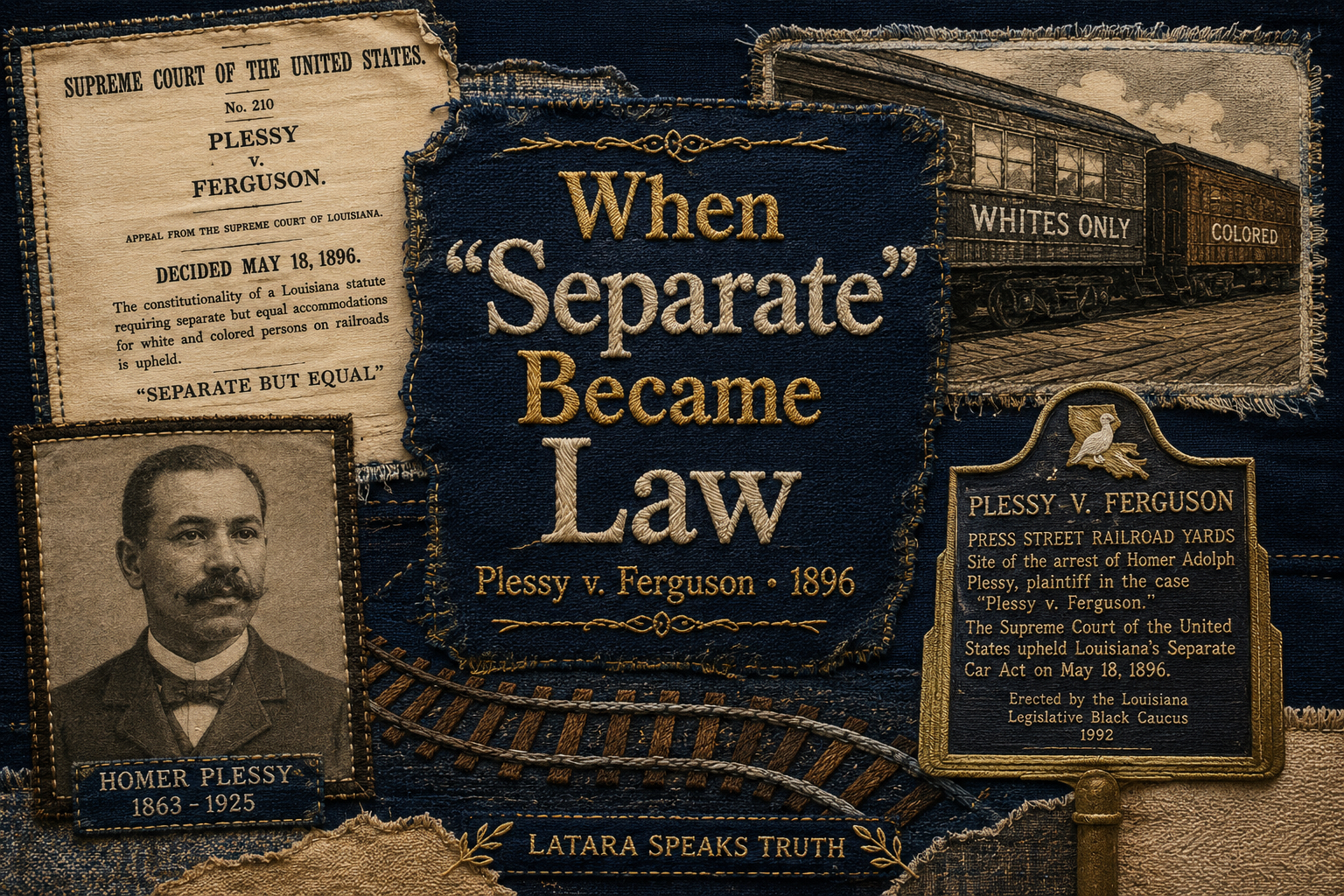
1896… Plessy v. Ferguson was decided. On May 18, 1896, the U.S. Supreme Court handed down one of the most damaging decisions in American legal history. In Plessy v. Ferguson, the Court upheld Louisiana’s Separate Car Act and gave constitutional cover to the doctrine of “separate but equal.” The case began when Homer Plessy, a man of mixed ancestry, challenged Louisiana’s segregation law by sitting in a whites-only railroad car. His arrest became the center of a constitutional fight over whether forced segregation violated the 13th and 14th Amendments. The Supreme Court ruled against Plessy in a 7 to 1 decision. That ruling gave states legal permission to expand Jim Crow segregation across transportation, schools, public spaces, and everyday life. But one justice saw the danger clearly. Justice John Marshall Harlan dissented, warning that the Constitution should not tolerate racial classes among citizens. For decades, “separate but equal” was used to defend a system that was never truly equal. Separate schools, separate seating, separate entrances, separate facilities, separate lives. The damage did not end in one courtroom. It shaped generations. In 1954, Brown v. Board of Education rejected segregation in public schools, declaring that separate educational facilities were inherently unequal. But undoing Jim Crow took more than one decision. It took lawsuits, protests, organizing, federal action, and people willing to challenge a system built to keep them in their place. Plessy v. Ferguson is a reminder that law can be used to protect rights, but it can also be used to excuse injustice. That is why history matters. Because some decisions do not just decide a case. They decide how long a nation is willing to look away. #PlessyVFerguson #OnThisDay #AmericanHistory #LegalHistory #CivilRightsHistory #JimCrowHistory #HomerPlessy #SupremeCourtHistory #HistoryMatters

You've reached the end!
Tag: CivilRightsHistory - Page 4 | LocalAll