Tag Page HiddenHistory

#HiddenHistory
justme

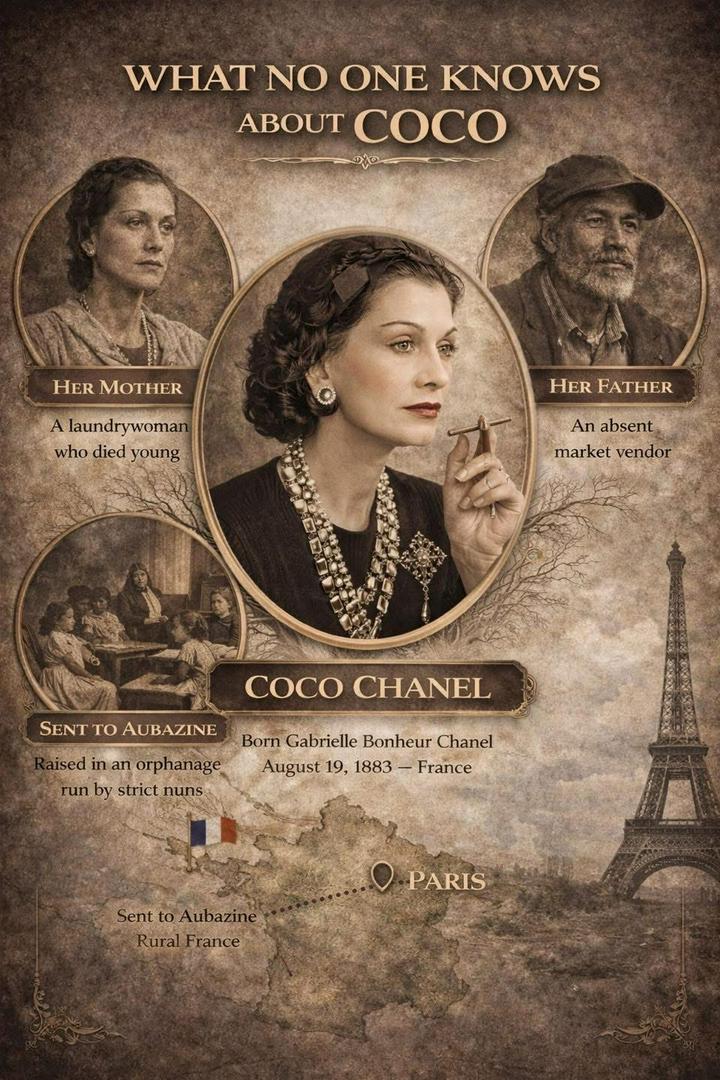
Ever notice how the world celebrates elegance… but rarely asks what it cost? Before the name Coco Chanel became a symbol of luxury… There was no luxury. No polished boutiques. No perfume in glass bottles. No quiet rooms filled with silk. There was loss. Her mother died when she was young. Her father left. And a child who once had a home… was sent to an orphanage in rural France. Not a fashion house. An orphanage. Run by strict nuns. Where discipline was daily. And sewing was not art… it was survival. Now pause here: 👉🏾 What does it do to a person… to grow up in a place where comfort is not given, only structure? Because her story didn’t begin with beauty. It began with absence. And in that absence… she learned something powerful: How to build. Thread by thread. Habit by habit. Identity by identity. Years later, the world would know her for simplicity. Clean lines. Black dresses. Clothes that allowed women to move… breathe… exist. But that didn’t come from luxury. It came from understanding restriction. From knowing what it feels like to be confined… and deciding to design something different. Two different worlds. On one side: An orphanage. Silence. Structure. On the other: Paris. Fashion. Influence. And in between… a woman who carried both. Not a perfect story. A real one. Because here’s what many people miss: She didn’t just create style. She translated her past into something the world could wear. And maybe that’s the deeper question: 👉🏾 Can what we go through… become what we give back? Because this is bigger than one name. There are millions of people walking around with stories that didn’t start easy. Stories that began in places no one celebrates. Yet somehow… they shape things the world cannot ignore. And here is the part we must sit with: Greatness does not always come from comfort. Sometimes… It is stitched together from everything that was missing. So maybe this was never just about Coco Chanel. Maybe it is about wha

Calorie

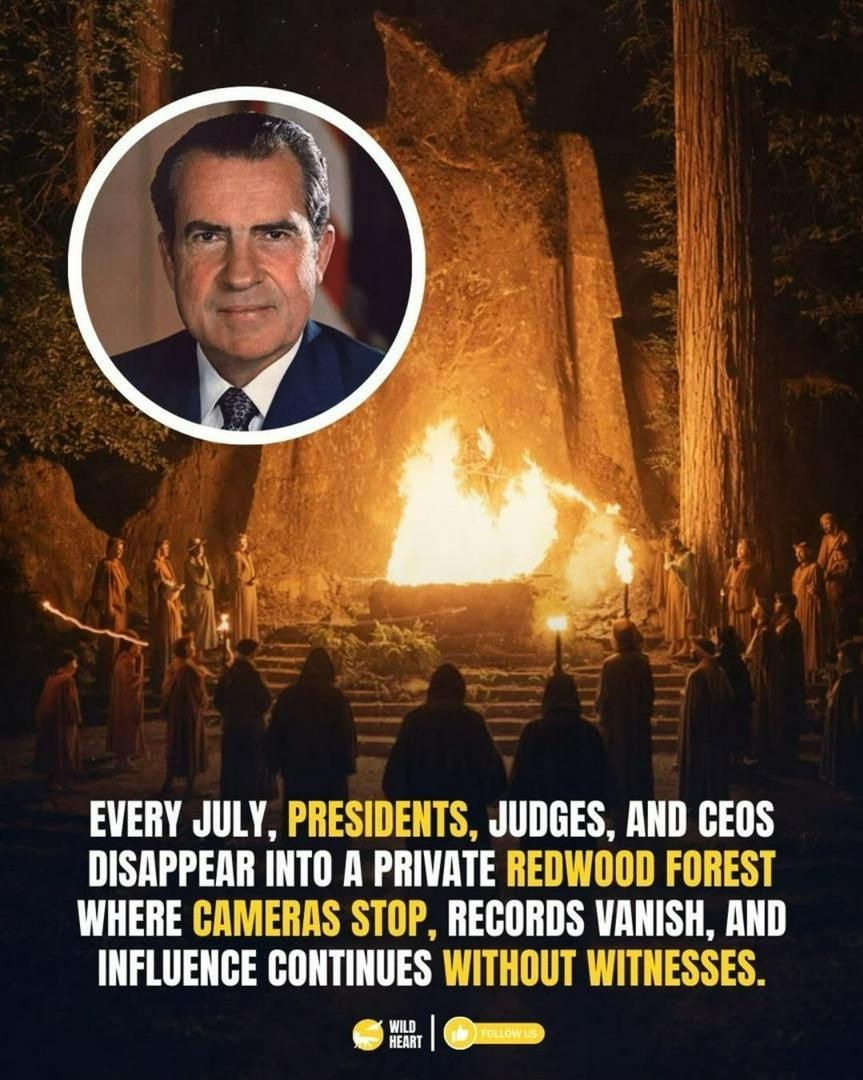
Every July, some of the most powerful men on Earth quietly vanish into a redwood forest in Northern California. and almost no one is meant to talk about what happens next. The place is Bohemian Grove, a private 2,700-acre retreat owned by the Bohemian Club. Former U.S. presidents, intelligence leaders, military officials, udges, and CEOs attend. Phones are restricted. Press is parred. The motto hanging over the event reads, "Weaving Spiders Come Not Here," which is supposed to mean no business, no deals, no plotting But power does not turn itself off iust because the setting changes. On the opening night, attendees gather before a massive concrete owl and perform a ritual called the Cremation of Care. An effigy symbolizing worry, responsibility, and consequence is burned in front of a cheerina crowd. It is theatricalancient-looking, and deeply unsettling to outsiders, especially when everyone is wearing ceremonial robes in near darkness. This might sound like harmless pageantry until history complicates the story. In 1942 senior figures connected to the Manhattan Project were present at the Grove when early conversations took place. No formal meetings were recorded, but the connections were real. and the outcomes reshaped the world. People have tried to see it themselves. In 2000, Alex Jones secretlv filmed part of the ceremony, confirming what many believed was exaggerated. It was not. So is Bohemian Grove iust a strange summer camp for powerful men, or a place where influence quietly forms before the oublic ever notices?Maybe the most honest answer is this: decisions are rarely made in public, but relationships that shape them almost never are. #fblifestyle #historymystery #hiddenhistory #powerstructures #politicalculture

LataraSpeaksTruth

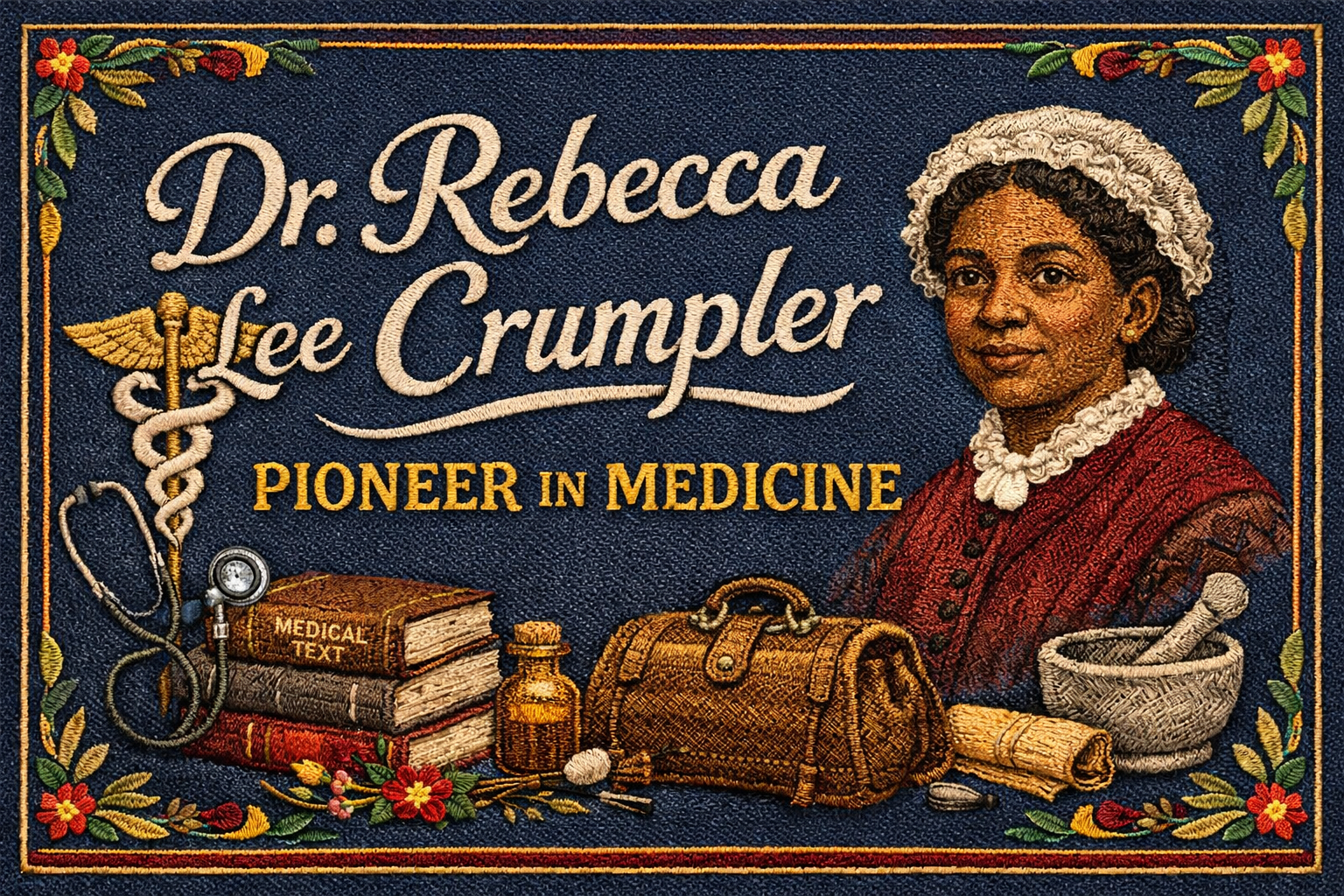
On March 9, 1895, Dr. Rebecca Davis Lee Crumpler died in Hyde Park, Massachusetts. Her death marked the close of a life that helped change American medical history. She is widely recognized as the first Black woman in the United States to earn a medical degree, graduating from the New England Female Medical College in 1864. At a time when both race and sex were used to shut people out of education and the professions, Dr. Crumpler entered medicine anyway and made history by doing work many believed she should never have been allowed to do. Before becoming a physician, she worked as a nurse for years. That experience shaped the kind of doctor she became. After earning her degree, she practiced in Boston and later in Richmond, Virginia, after the Civil War. There, she cared for newly freed Black people who had long been denied proper medical treatment. She focused especially on women and children, serving people too often ignored by the medical system and by the country itself. Her legacy matters not only because she was first, but because of who she chose to serve. Dr. Crumpler worked in a profession dominated by white men and pushed through racism, sexism, and open disrespect. In 1883, she published A Book of Medical Discourses, based on her medical experience caring for women and children. It stands among the earliest medical books published by an African American physician. Too often, history turns people like her into a quick fact and moves on. But Rebecca Crumpler was more than a milestone. She was a physician, writer, healer, and a woman who refused to let this country’s barriers define her reach. Her name belongs in the foundation of American medical history…not as a footnote, but as a pillar. #RebeccaLeeCrumpler #BlackHistory #WomensHistory #BlackWomenInMedicine #MedicalHistory #AmericanHistory #HiddenHistory #MassachusettsHistory #BlackExcellence #Trailblazer #HealthcareHistory #HistoryMatters

LataraSpeaksTruth

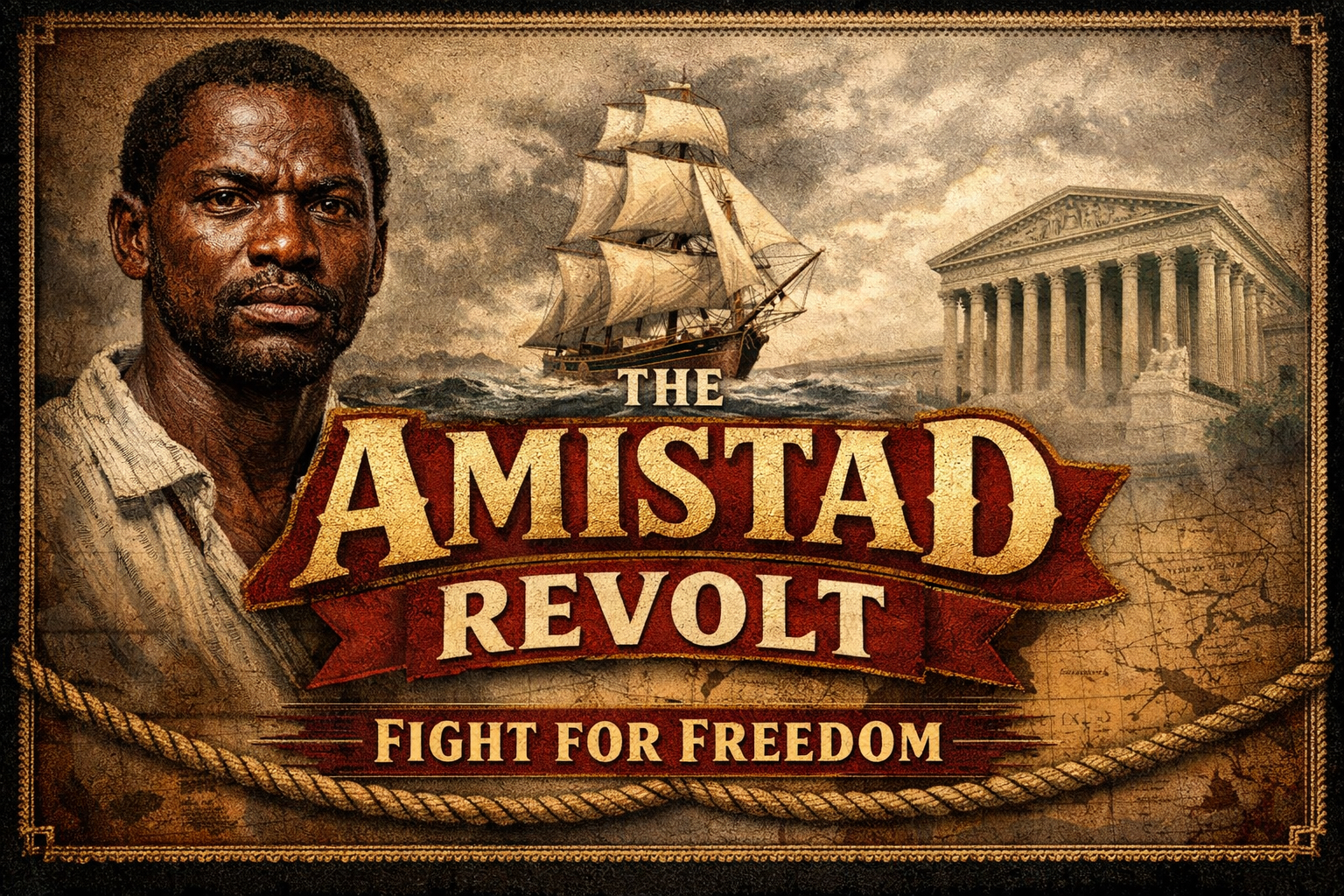
The Amistad case was never just a courtroom story. It was a freedom story written in terror, resistance, and law. In 1839, Africans from what is now Sierra Leone were kidnapped and forced into the illegal slave trade. Taken to Cuba and sold against their will, they were placed aboard La Amistad like cargo. Stripped of home, family, language, and choice, they were expected to submit. They did not. Sengbe Pieh, often called Cinqué, became the best known leader of the revolt. The captives rose up, seized control of the ship, and demanded to be taken back to Africa. This was not piracy. It was self defense against kidnapping and slavery. But the ship never reached home. The Spaniards aboard deceived them by steering north at night, and the vessel was eventually seized near Long Island. Once on American soil, the Africans faced another fight in the legal system. Slave interests and government officials tried to classify them as property. Abolitionists fought to prove the truth…that these were free people who had been illegally kidnapped. Former President John Quincy Adams argued before the Supreme Court on their behalf. On March 9, 1841, the Supreme Court ruled in favor of the surviving Africans. The Court recognized that they had been illegally enslaved and had the right to fight for their freedom. The ruling did not end slavery in America, but it struck a blow against the logic that stolen human beings could be reduced to property under the law. Amistad still matters because freedom was not handed down from above. It was seized by people who refused to die quietly. Too much history gets buried, softened, or pushed aside like people hope nobody will notice what was done. Amistad reminds us that resistance is part of the record and that truth survives, even when power tries to bury it. #Amistad #SengbePieh #Cinque #BlackHistory #AfricanResistance #FightForFreedom #SlaveryHistory #HistoricalTruth #OnThisDay #FreedomStruggle #ResistanceHistory #HiddenHistory

LataraSpeaksTruth

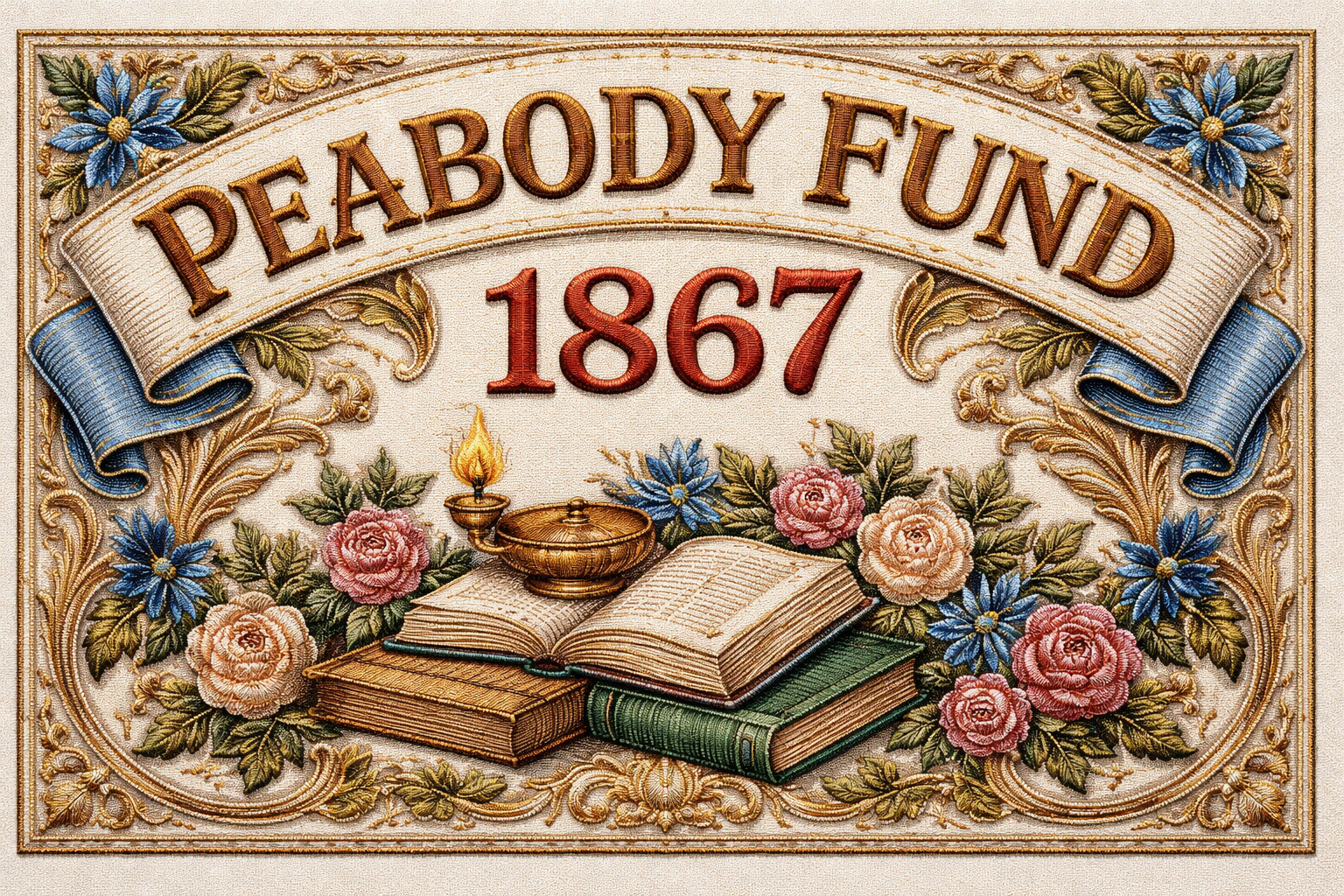
In 1867, the Peabody Education Fund was established during Reconstruction, a period when the South had almost no public school system and millions of formerly enslaved people were urgently seeking education. Created through a $2 million endowment by philanthropist George Peabody, the fund aimed to support public education across the former Confederate states. On paper, it was race neutral. In practice, its impact reflected the racial power structures of the time. Most Peabody funds were distributed through white-controlled state systems and institutions, meaning Black schools often benefited only indirectly or received fewer resources. Still, the fund helped establish teacher training programs, normal schools, and the foundations of public education in the South. That infrastructure mattered, even when access remained unequal. For Black communities, education did not wait on philanthropy. Schools were built in churches and homes, teachers were supported by donations, and families pushed forward despite resistance. The Peabody Fund did not create Black education, but it existed alongside a movement that made denying education increasingly difficult. The story of the Peabody Education Fund shows how progress often came through contradiction. Education expanded, but not equally. Access improved, but not freely. And yet, Black communities continued to press forward, proving that learning was never something simply granted…it was something pursued, protected, and demanded. #EducationHistory #ReconstructionEra #BlackHistory #AmericanHistory #HiddenHistory

LataraSpeaksTruth

In February 1956, Autherine Lucy became the first Black student to enroll at the University of Alabama. Her admission came only after a federal court ordered the school to accept her, not because the institution was ready to change. What followed exposed exactly how fragile that so-called order was. Almost immediately, hostile crowds formed on campus. White students and outsiders hurled insults, threats, and objects. Classes were disrupted. The environment became dangerous. Yet instead of stopping the violence or holding attackers accountable, university officials made a different choice. They suspended Lucy. The reason given was “for her own safety.” In reality, the school removed the person being targeted while allowing the chaos around her to continue. She had broken no rules. She had not provoked unrest. Her only offense was entering a space that was determined to remain unchanged. The suspension came within weeks of her arrival, followed by her eventual expulsion. The message was clear. Integration would be treated as the problem, not the resistance to it. That moment became a pattern repeated across the country. Progress was framed as disruption. Courage was labeled disorder. Institutions protected themselves first, even when the law demanded otherwise. Decades later, the University of Alabama quietly reversed course. Lucy’s expulsion was annulled. She was invited back. She later received an honorary doctorate. History moved forward, but not without first trying to erase her. Hurricane Lucy wasn’t destruction. It was pressure meeting truth. The storm wasn’t her presence. It was the reaction to it. #BlackHistory #OnThisDay #CivilRightsHistory #HiddenHistory #EducationHistory #HistoryMatters #WomenInHistory

LataraSpeaksTruth

People usually talk about the Gullah Geechee in terms of culture…language, food, music, traditions. That matters, but it skips the most important question. Why were these specific Africans brought to the Lowcountry in the first place. The land answers that question. The coastal South was not easy land. It was tidal, swampy, mosquito-heavy, flooded half the year, and unpredictable. European settlers did not understand how to control wetlands at scale. They wanted rice profits, but they did not know how to make that environment productive. Rice is not a simple crop. It requires controlled flooding, precise drainage, knowledge of soil salinity, and timing tied to tides, not just seasons. So they did not look for random labor. They looked for expertise. Africans from rice-growing regions of West and Central Africa already knew how to work wetlands. They understood tidal irrigation, flood control, and crop cycles that Europeans had no experience with. This knowledge was not theoretical. It was lived, practiced, and proven long before the Carolina coast was ever mapped. This is why the ancestors of what we now call the Gullah Geechee people were targeted. Not because they were strong. Not because they were replaceable. But because they carried knowledge Europeans needed and did not possess. This was not accidental migration. It was a forced transfer of skill. When rice plantations began producing massive yields in land Europeans later claimed was “tamed,” the real question was never how the land changed. The question was who already knew how to work it. That is where the story actually begins. #StolenScience #GullahGeechee #HiddenHistory #Lowcountry #UntoldHistory

LataraSpeaksTruth

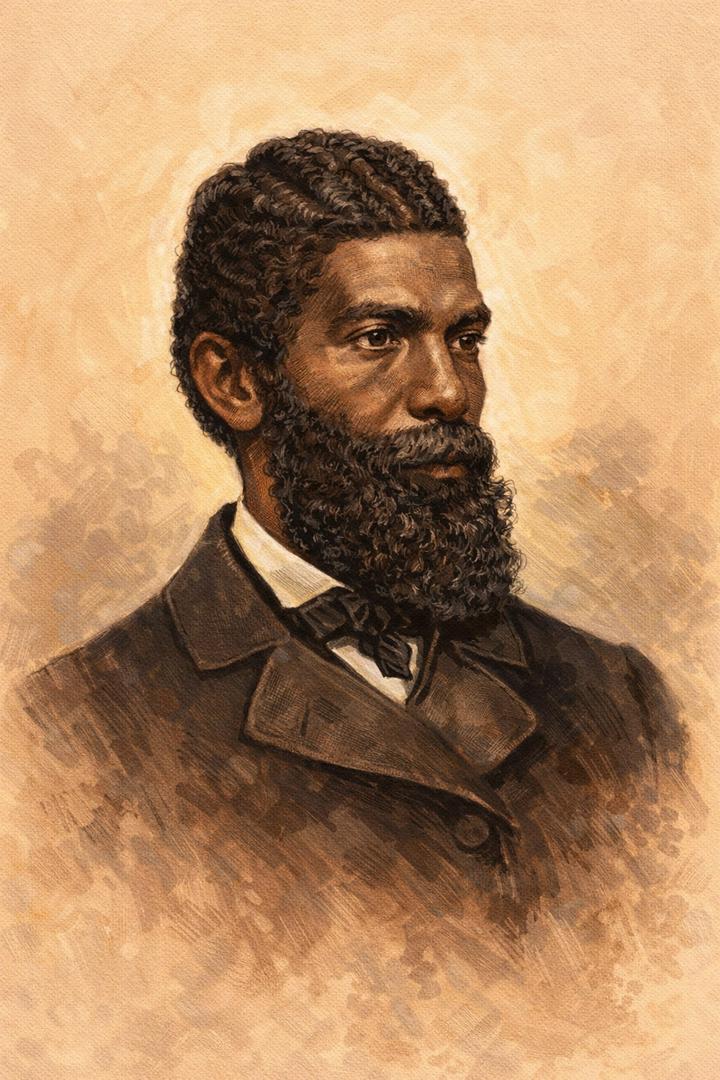
On February 1, 1865, John S. Rock became the first Black lawyer admitted to practice before the United States Supreme Court. The moment passed quietly, without ceremony or headlines, but its significance cut straight through the legal and racial barriers of nineteenth-century America. The nation was still locked in civil war, slavery had not yet been formally abolished, and Black citizenship remained hotly contested. Rock’s admission came only eight years after the Dred Scott decision declared that Black people had no rights a white man was bound to respect. In that context, a Black man standing before the highest court in the country was not just uncommon…it was confrontational. It forced the legal system to acknowledge Black intellectual authority in a space that had long been closed by design. Born free in New Jersey in 1825, Rock was a man of rare range and discipline. He began his career as a teacher, then became a physician, and later turned to law after illness ended his medical practice. As an abolitionist and public speaker, he argued forcefully for equal rights, suffrage, and full citizenship, often addressing audiences that were openly hostile to those ideas. His voice was sharp, reasoned, and unapologetic. Rock’s Supreme Court admission did not transform the legal system overnight. Discrimination remained entrenched, and opportunities were still tightly restricted. But precedent matters. His presence made it impossible to argue that Black Americans lacked the intellect, discipline, or moral authority to participate at the highest levels of American law. February 1, 1865, stands as a reminder that some of history’s most meaningful shifts happen without applause. A door opened. A boundary moved. And the record was changed forever. #OnThisDay #AmericanHistory #LegalHistory #HiddenHistory #HistoryMatters