Tag Page History

#History
1776 Patriot

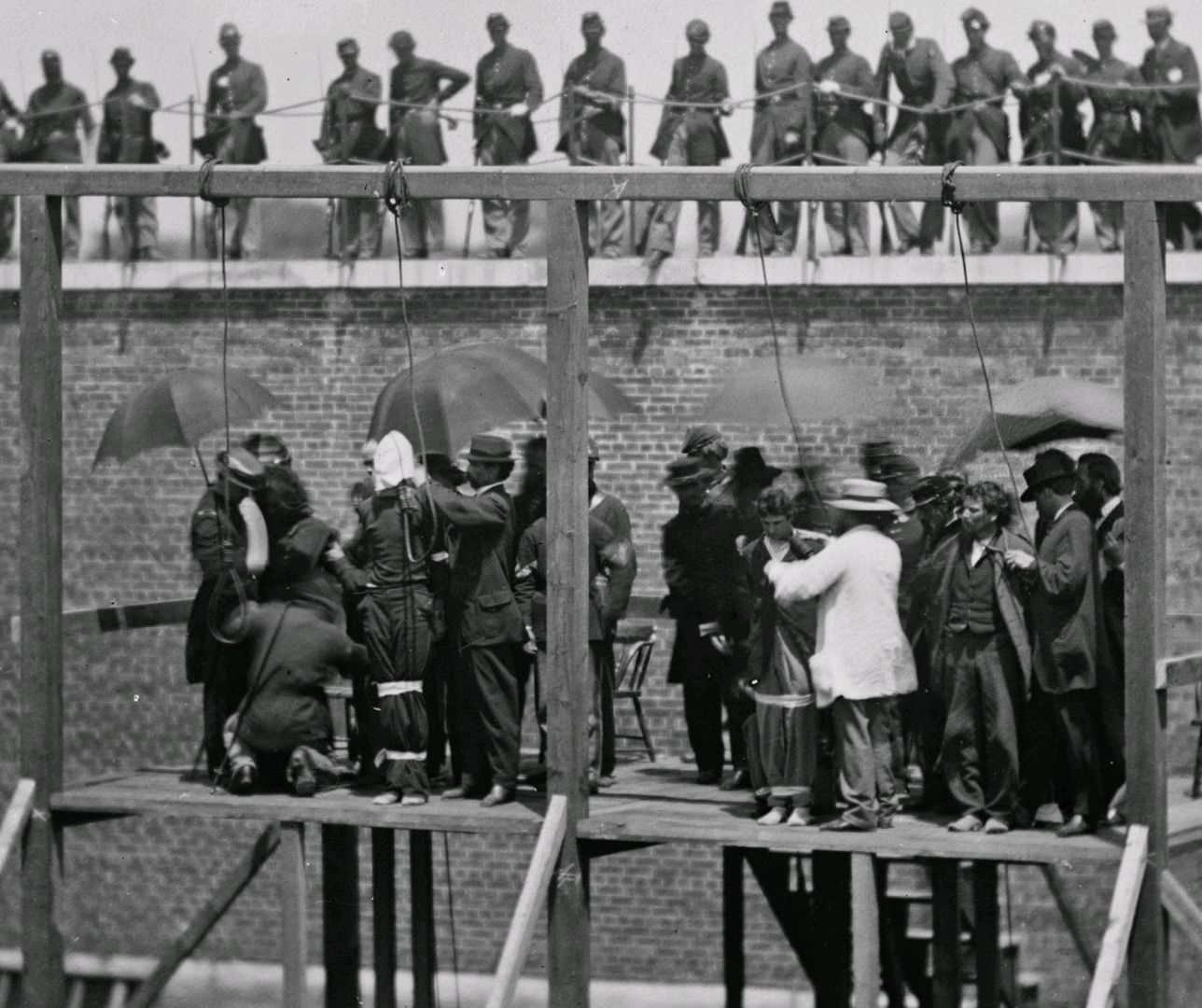
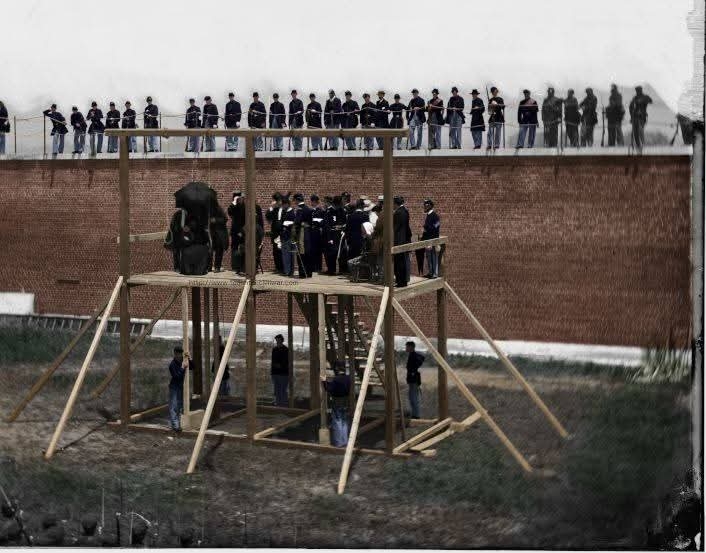
The Gallows Await: Lincoln’s Conspirators Meet Their Fate

After President Abraham Lincoln was shot on April 14, 1865, a military commission tried eight conspirators, including Mary Surratt, Lewis Powell, David Herold, and George Atzerodt. The trial began on May 9, 1865, in Washington, D.C., under strict guard. Witnesses described Booth’s movements in Ford’s Theatre and the coordination among the conspirators. Letters and receipts confirmed the plot. Mary Surratt’s boarding house had hosted secret meetings, and testimony revealed she delivered messages and supplied resources. Powell’s attack on Secretary Seward and Atzerodt’s failed attempt on Vice President Johnson were recounted in shocking detail. After weeks of testimony, the commission sentenced Surratt, Powell, Herold, and Atzerodt to death by hanging. The courtroom had been tense, every word measured. On July 7, 1865, the executions took place at the Washington Arsenal. Each prisoner was led individually to the gallows in the early morning. Soldiers kept strict silence while physicians inspected the ropes and knots. Mary Surratt, calm but solemn, stepped onto the platform first, becoming the first woman executed by the United States federal government. Powell followed, appearing tense but composed. Herold trembled and hesitated before stepping to the edge, while Atzerodt’s face was pale, lips tight. The wind stirred lightly, carrying an eerie quiet. Every step onto the platform seemed to stretch time. The hangings proceeded with precise military procedure, each drop ending in immediate death. Officers, physicians, and select journalists observed, noting the differing reactions of the condemned. Powell held himself stiffly until the last second, Herold shook visibly, and Surratt maintained a haunting dignity. Atzerodt’s fear was clear as he fell. The morning was silent except for the finality of the moments, leaving a lasting impression. The echoes of the trap lingered, a grim reminder of the cost of conspiracy. #USHistory #History #America #Lincoln #EarlyAmerica

The Gallows Await: Lincoln’s Conspirators Meet Their FateThe Gallows Await: Lincoln’s Conspirators Meet Their Fate
1776 Patriot

Inside the Largest SWAT Hostage Rescue Operation in U.S. History The Good Guys electronic store siege in Sacramento remains one of the most significant hostage rescue missions ever carried out by a SWAT team. The incident began when four armed assailants stormed the store and seized 41 hostages. They demanded 4 million dollars, bulletproof vests, transportation, and safe passage out of the country. The captors fired inside the store, forced hostages to the windows, and repeatedly threatened to kill if their demands were not met. Tragically, three hostages were killed early in the standoff when the assailants opened fire after negotiators delayed meeting their demands, increasing pressure and fear among both hostages and officers. Negotiators worked tirelessly while SWAT teams used fiber optic probes, remote cameras, and thermal imaging to map the store’s interior. Over half of the layout offered no clear lines of sight, forcing officers to rely heavily on sound and heat signatures. When two additional hostages attempted to escape later in the siege and were shot, one fatally, command staff recognized the high risk of further casualties and authorized an immediate assault. SWAT executed a coordinated multi point breach using distraction devices that produced more than 170 decibels to disorient the captors. Officers moved swiftly through a room packed with over 30 civilians, many within feet of armed assailants. Three hostage takers were killed during the operation after firing at officers and attempting to use hostages as shields. The fourth assailant surrendered when cornered and was later sentenced to 49 consecutive life terms without the possibility of parole. In total, 40 surviving hostages were rescued, and the operation remains a key case study for its scale, precision, and the extraordinary coordination required to save lives under extreme pressure. #TrueCrime #History #America #USA #SWAT #USHistory #RescueStory

Malinda Graham

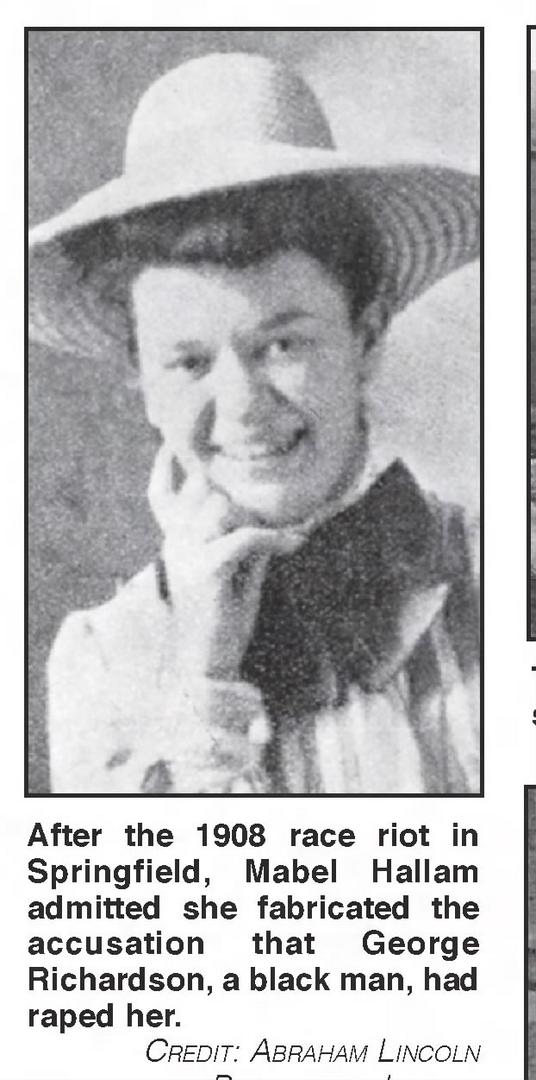
The Springfield race riot of 1908 consisted of events of mass racial violence committed against African Americans by a mob of about 5,000 white Americans and European immigrants in Springfield, Illinois, between August 14 and 16, 1908. Two black men had been arrested as suspects in a rape, and attempted rape and murder. The alleged victims were two young white women and the father of one of them. The alleged victim later confessed to lying. When a mob seeking to lynch the men discovered the sheriff had transferred them out of the city, the whites furiously spread out to attack black neighborhoods, murdered black citizens on the streets, and destroyed black businesses and homes. The state militia was called out to quell the rioting. #Springfield #LiesAndDeception #LiesAndTruth #AmericanHistory #Racism #LiesInHistoryBooks #lies #History

1776 Patriot

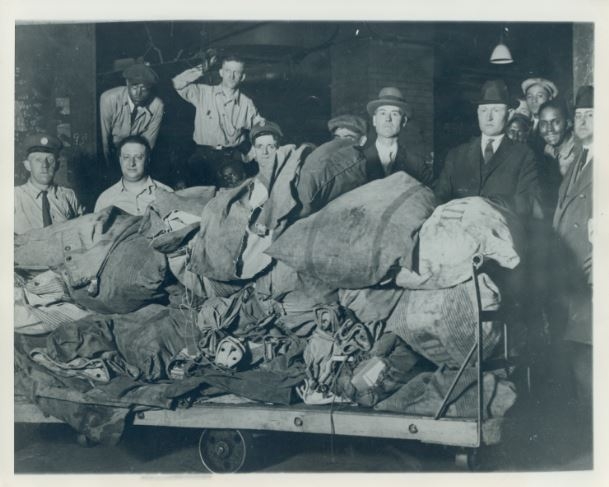
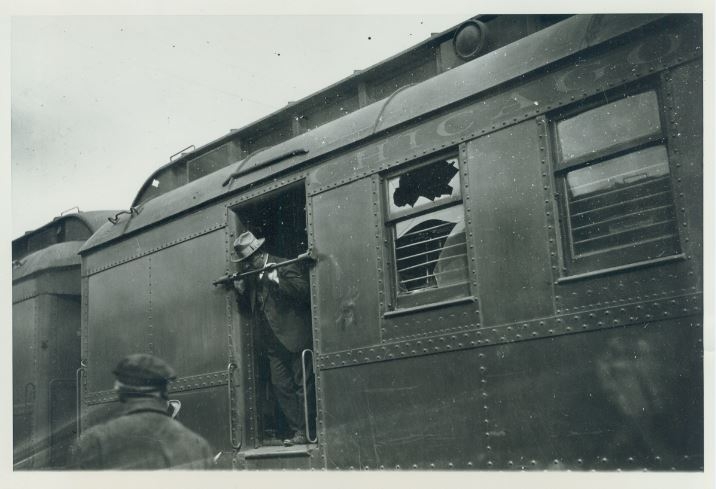
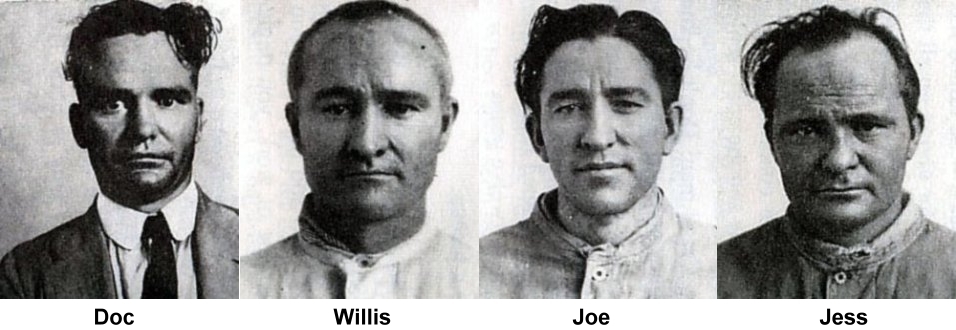
The 1924 Rondout Train Robbery: Largest Train Heist in American History The 1924 Rondout train robbery is the largest and most lucrative train heist in United States history. On June 12, 1924, a mail train operated by the Chicago Milwaukee St Paul and Pacific Railroad, called the Fast Mail, was stopped near Rondout Illinois, 30 miles north of Chicago. Six criminals carried out the robbery using inside knowledge from corrupt United States Postal Inspector William J Fahy, later convicted. Fahy knew train schedules, mail car layouts, and security procedures, enabling the robbery. The gang was led by brothers Willis, Jess, and Doc Newton of the Newton Gang. Willis and Doc boarded the northbound train leaving Chicago, forcing the engineer and fireman at gunpoint to stop near Rondout where four accomplices waited in automobiles. The robbers confronted crew and mail clerks using weapons and 12 tear gas smoke bombs to force compliance. They removed 45 mail sacks containing $2,137,000 in cash, money orders, securities, and valuables, equivalent to roughly $38,000,000 today. Each sack contained thousands of items including registered letters, small gold shipments, business payrolls, and government bonds. The gang had maps of train routes and schedules, allowing them to know exactly where to stop the train for the ambush. A critical error occurred when the engineer stopped 400 feet past the planned ambush point, causing confusion. During the chaos, Doc Newton was shot 5 times by a fellow conspirator and critically wounded. Doc fled to a Chicago residence, drawing suspicion. Authorities quickly identified three gang members and Fahy, revealing the inside job. Fahy received a 25-year federal prison sentence, the only Postal Inspector convicted of mail theft. Authorities recovered most stolen funds, but some items, including rare securities and cash, were never found. A simple bronze marker now marks the exact spot of America’s greatest train heist. #USHistory #History #USA

1776 Patriot

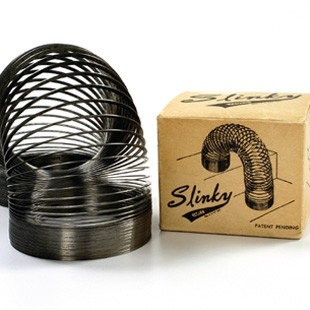
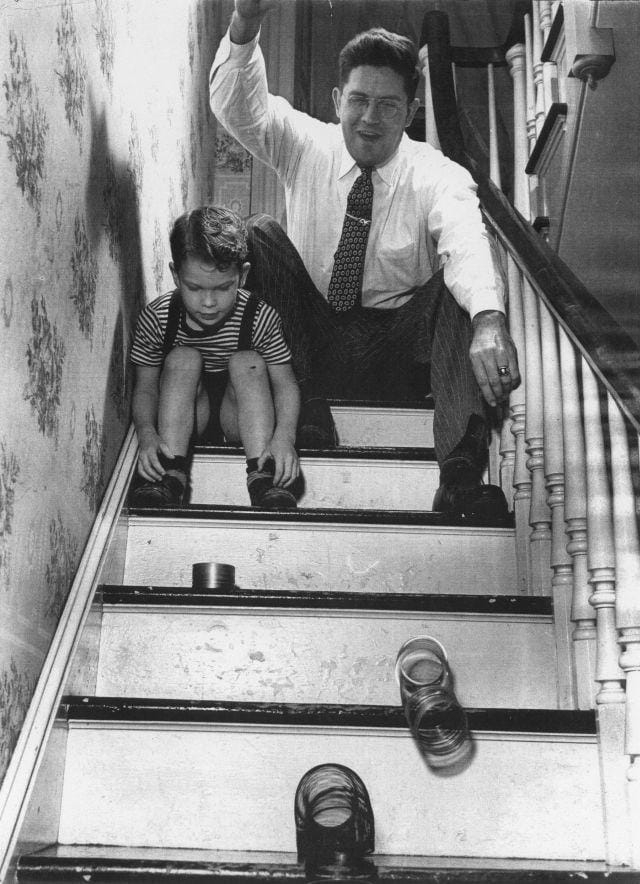
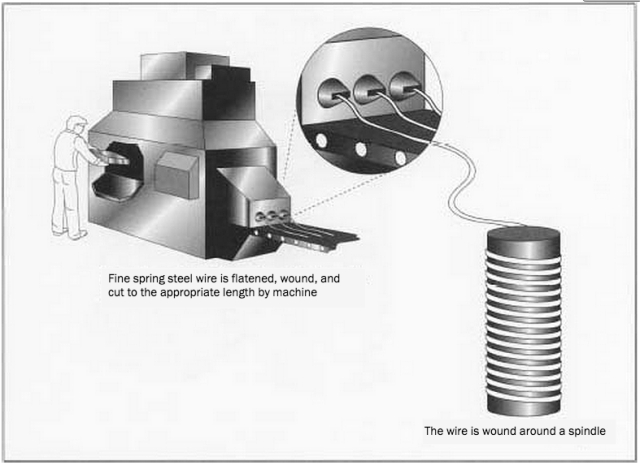
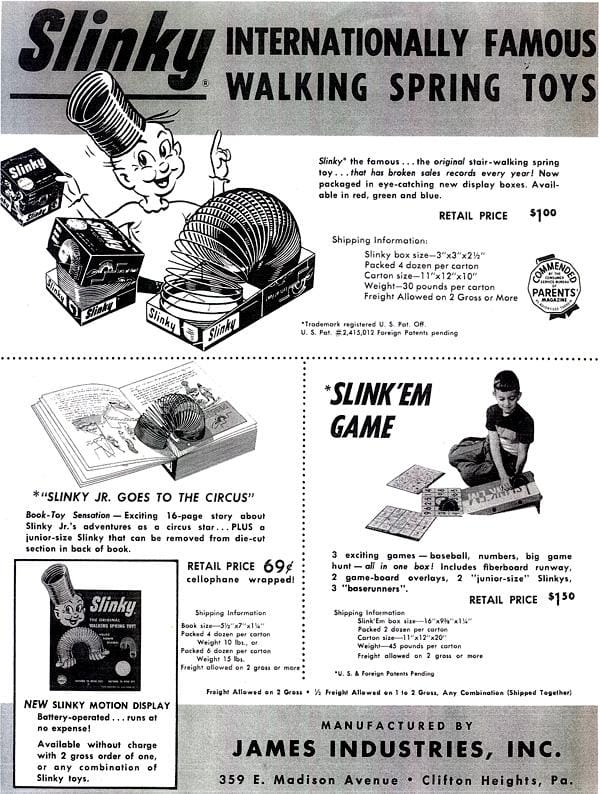
WWII Walking Wonder: The Untold Story of the Slinky In 1943, naval engineer Richard James was working in his Philadelphia workshop on tension springs meant to stabilize sensitive instruments aboard battleships during World War II. While adjusting a spring, it slipped from his hands and “walked” across the floor in a mesmerizing motion. James was astonished. He and his wife, Betty, immediately realized this accidental movement could be the basis for a playful invention. They experimented with dozens of prototypes, measuring how far springs could travel, how many flips they could make, and how quickly they could complete a descent. After testing hundreds of coils, they determined that a spring 2.5 inches in diameter made from high-grade Swedish steel produced the most consistent walking effect. Slight variations in coil thickness, tension, and length drastically changed the motion, and only about 2% of springs tested achieved the ideal “walk.” The war influenced materials and timing: steel was rationed, making their carefully sourced Swedish steel highly valuable, and small-scale production required meticulous hand-winding and testing. Post-war America’s shift to consumer goods in 1945 created the perfect market moment, allowing the Jameses to bring their invention to stores. Each original Slinky sold for $1, equivalent to roughly $17 today. Finally, they revealed the creation to the public: at Gimbels department store in Philadelphia, 400 units were displayed, and all sold within 90 minutes. By the early 1950s, Slinky was sold in over 30,000 stores nationwide, and more than 50 million units were purchased by 1960. Today, over 300 million Slinkys are sold annually worldwide, including metal, plastic, glow-in-the-dark, and themed editions like Disney and Star Wars. The toy also serves as an educational tool, demonstrating wave motion, gravity, and momentum in classrooms across the globe. #WWII #WWIIHistory #USHistory #History #America #USA #Military #Toys

1776 Patriot

America's Worst School Tragedy: The Event that Stunned A Nation

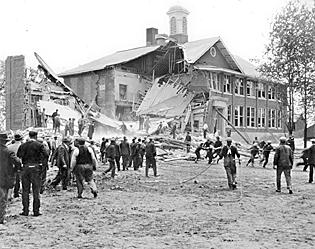
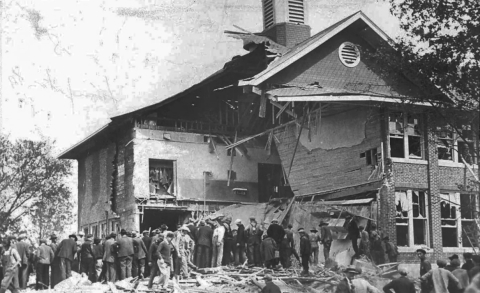
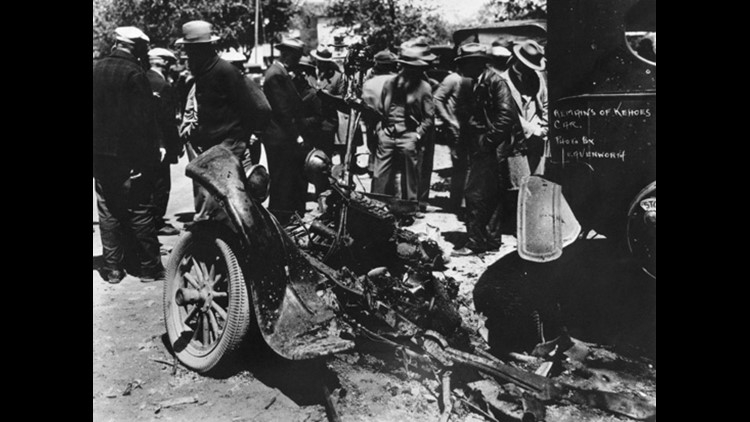
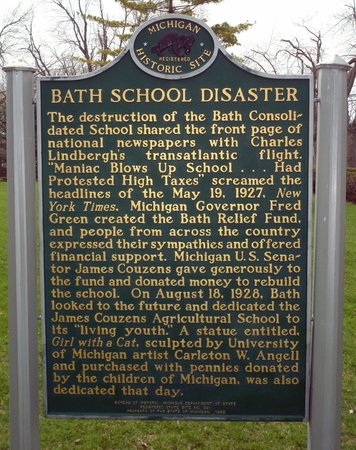
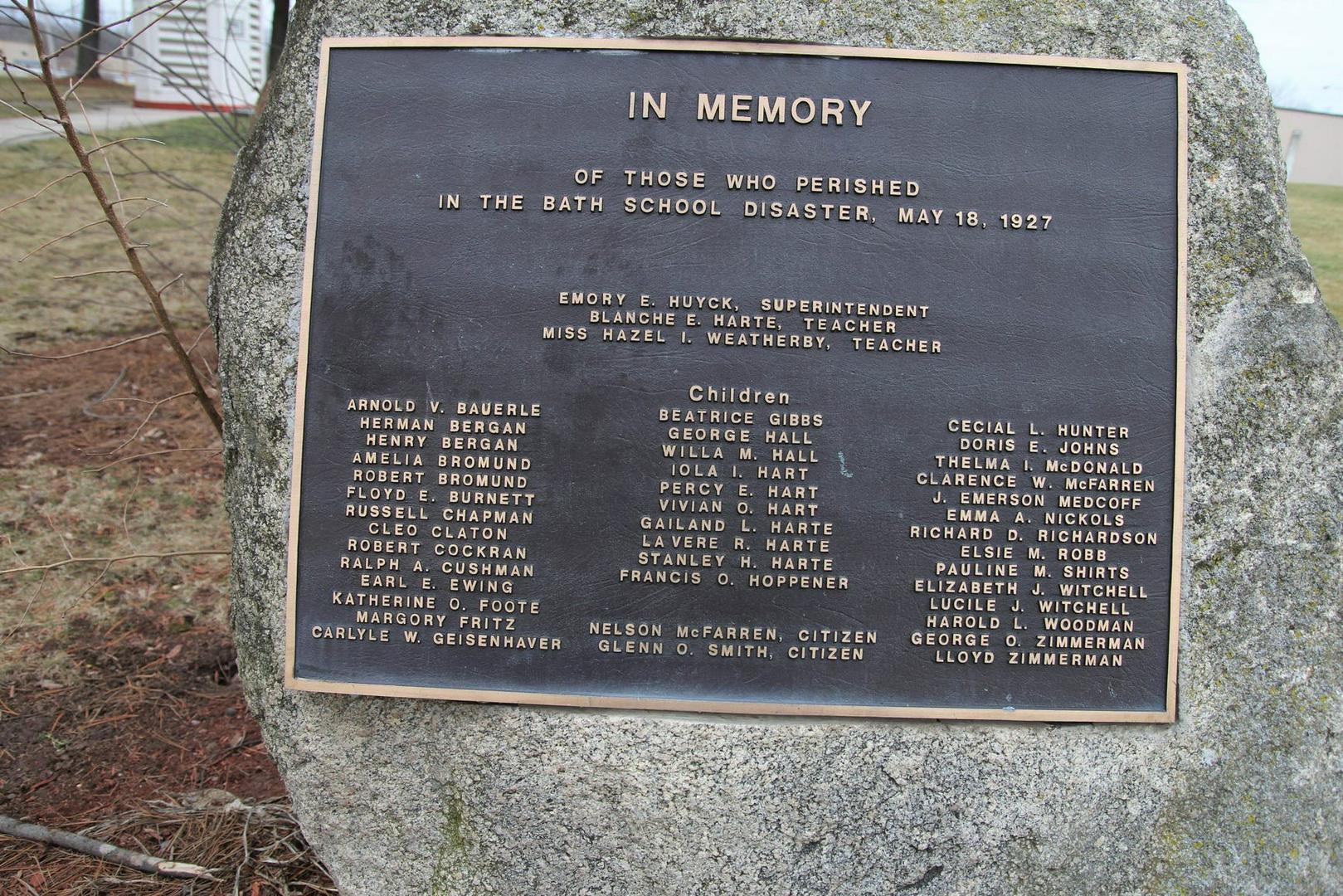
On May 18, 1927, Bath Township, Michigan, became the site of one of the worst school massacres in history. The man responsible was Andrew Kehoe, a fifty-five-year-old farmer, electrician, and school board treasurer. Known for his mechanical skill and stern temperament, Kehoe was respected publicly but feared privately for his temper and control. Years of financial struggle and anger over rising taxes used to fund the new Bath Consolidated School pushed him over the edge. When foreclosure loomed over his farm, his bitterness turned into a detailed plan for revenge against his own community. Over several months, Kehoe began purchasing explosives under the pretense of clearing land. He bought dynamite from local hardware stores and pyrotol, a World War I surplus explosive, from a government outlet that sold it cheaply to farmers. Using his school access, he planted hundreds of pounds of dynamite and pyrotol beneath floors and in the basement, wiring them to clocks, batteries, and detonators to explode during classes. At home, Kehoe set another trap. He wired his barn and house with explosives, killed his wife, and set the property on fire. As neighbors ran to help, the first blast tore through the Bath Consolidated School at 8:45 a.m. The north wing disintegrated in a roar heard for miles. Parents raced toward the school, shouting their children’s names through smoke and debris. While rescuers searched for survivors, Kehoe drove up in a truck loaded with dynamite, gasoline, and scrap metal. He called the superintendent over, then detonated it, killing himself, the superintendent, and several others. In the ruins, investigators found another three hundred pounds of unexploded dynamite wired beneath the school’s south wing. In total, thirty-eight children and six adults died, and more than fifty were injured. The Bath School disaster remains one of the deadliest school attacks in American history. #History #USHistory #America #USA #HistoryNerd #Michigan

America's Worst School Tragedy: The Event that Stunned A NationAmerica's Worst School Tragedy: The Event that Stunned A NationAmerica's Worst School Tragedy: The Event that Stunned A NationAmerica's Worst School Tragedy: The Event that Stunned A NationAmerica's Worst School Tragedy: The Event that Stunned A Nation
Curiosity Corner

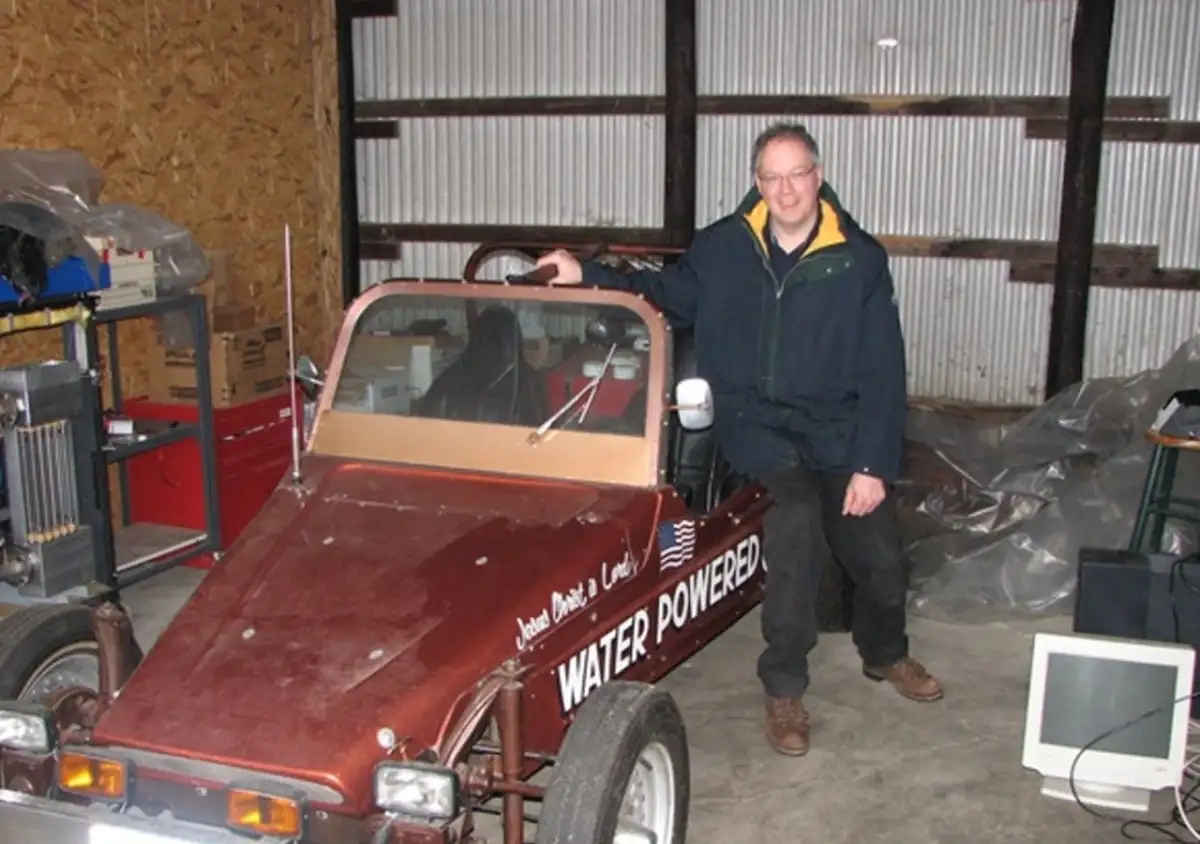
Poisoned or Natural Death? The Stanley Meyer Case and the Car That Could Run on Water Stanley Meyer was an American inventor who claimed to have developed a car that could run on water using a hydrogen based system. He said his technology split water into hydrogen and oxygen on demand to fuel a car without gasoline. Meyer often stated, “I want to give the world a clean energy source that cannot be controlled.” His invention drew global attention, skepticism, and legal scrutiny before his sudden death in 1998. Meyer collapsed while eating at a restaurant in Grove City, Ohio, during a meeting with European investors who were interested in funding and developing his water fuel technology. Witnesses claimed he said, “They poisoned me,” sparking speculation that energy interests or other powerful groups wanted to suppress his invention. However, no verified evidence of poisoning exists. The official cause of death was a cerebral aneurysm, a sudden rupture of a blood vessel in the brain. Medical experts note aneurysms can happen without warning and may resemble poisoning in their suddenness. No toxicology reports showed poison, and no homicide investigation followed. Legally and medically, his death was ruled natural. Some critics question whether the government could have influenced legal or medical findings to prevent public knowledge of Meyer’s technology, citing the Invention Secrecy Act, which allows suppression of sensitive inventions. While there is no proof, the law demonstrates that inventions with potential national impact can be legally restricted, keeping them hidden for decades. Meyer’s story sits at the crossroads of bold claims, secrecy, and sudden death. Was this simply a tragic medical event, or could powerful forces have deliberately kept a revolutionary invention hidden from the world? #Science #Physics #USA #History #USHistory #America #Physics

LataraSpeaksTruth

1863, Nashville… The Day New Soldiers Changed the War

On November 19, 1863, the 13th United States Colored Infantry officially formed in Nashville, Tennessee. Hundreds of Black men stepped forward to wear Union blue at a time when the nation still refused to recognize their full rights. They volunteered anyway. They took up weapons in a country that denied them protections, hoping their service would help crack the walls holding their people down. The 13th USCI was one piece of the larger United States Colored Troops, a force created after the Emancipation Proclamation opened the door for Black military enlistment. The officers were white, but the spirit, grit, and discipline came from the men themselves. Some had escaped plantations. Others were freeborn. All of them were determined to see slavery fall. Their service came with barriers. Lower pay in the early months. Harsher treatment. Hostility from Union soldiers and Confederate soldiers alike. Still, the 13th USCI held the line. They fought in Tennessee, Georgia, and Alabama, pushing Union control deeper into the South. Their formation marked a turning point. The Civil War shifted from just saving the Union to redefining what freedom would mean in America. Black soldiers made that shift visible. The men of the 13th USCI stood as proof that Black Americans were willing, ready, and brave enough to fight for their freedom and their families’ future. Their legacy still speaks: freedom in this country has always moved forward because of the people who were denied it, yet fought for it anyway. #history #americanhistory #blackmilitaryhistory #civilwarstories #LataraSpeaksTruth

1863, Nashville… The Day New Soldiers Changed the War
Tag: History - Page 24 | LocalAll