Tag Page History

#History
LataraSpeaksTruth

Before Misty Copeland became a household name in ballet, Janet Collins had already stepped onto one of America’s most respected stages and challenged the color line in classical dance. Janet Collins was born in New Orleans in 1917 and raised in Los Angeles. From a young age, she trained seriously, but talent alone did not protect her from racism. As a teenager, she reportedly auditioned for the Ballet Russe de Monte Carlo and was told she would need to disguise her race to perform with the company. Collins refused. That decision matters. She was not just chasing applause. She was protecting her dignity. Collins built her career through discipline, skill, and range. She worked as a dancer, choreographer, and teacher, moving through ballet, modern dance, opera, and Broadway. In 1951, she won the Donaldson Award for best dancer on Broadway for her work in Cole Porter’s Out of This World. That recognition helped bring her to the attention of Zachary Solov, ballet master of the Metropolitan Opera. In 1951, Collins became the first Black dancer to join the Metropolitan Opera Ballet. She was also recognized as the first Black artist to perform on the Met stage. By 1952, she became the first African American prima ballerina with the Metropolitan Opera, dancing lead roles in productions including Aida and Carmen. That was not a small breakthrough. Ballet had long been treated as an elite space, and Black dancers were often pushed out, overlooked, or told they did not belong. Collins entered that world without hiding who she was. Her story reminds us that history does not begin with the person most often mentioned. Misty Copeland’s rise is important, but Janet Collins was already breaking barriers more than 60 years earlier. Collins later taught at the School of American Ballet and Marymount Manhattan College, helping shape future dancers. She died in 2003, but her legacy still stands on pointe. She did not just dance. She made room. #JanetCollins #history #Ballet

LataraSpeaksTruth

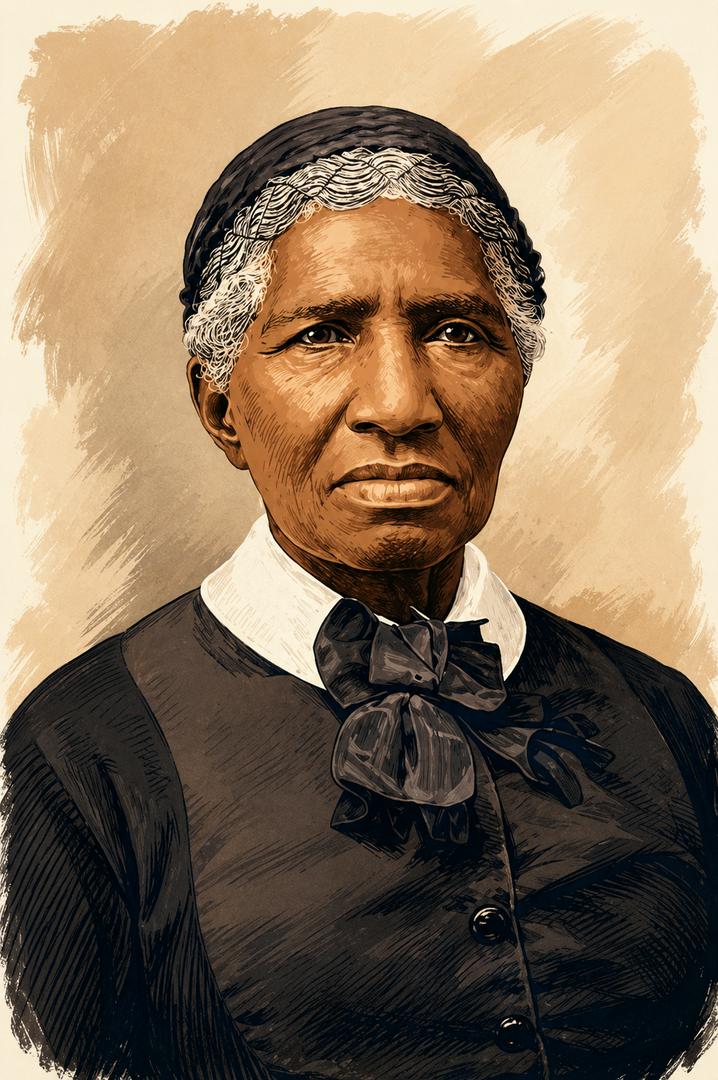
Clara Brown: The Woman Who Built Wealth Out West Clara Brown’s story belongs in the history of the American West because she was not only surviving. She was building. Born into slavery in Virginia around 1800, Brown was later taken to Kentucky. She married and had children, but in 1835 she was sold at auction and separated from most of her family. That loss shaped her search to find her children. Brown gained her freedom in 1859. That same year, during the Colorado Gold Rush, she traveled west by working as a cook on a wagon train. She reached Colorado and settled in Central City, a mining town west of Denver. There, Brown built a business. She opened what is widely described as Colorado’s first commercial laundry business and sold meals to miners and settlers. While many people went west chasing gold, Brown built wealth through labor, planning, and service. By the end of the Civil War, Brown had reportedly saved more than $10,000. She invested in real estate and mining interests, becoming one of the early Black women entrepreneurs in the American West. But Brown’s legacy was never only about money. She used her success to help others. Brown assisted formerly enslaved people who relocated to Colorado and helped them find work. Her home became known as a refuge. She supported the sick, the poor, newcomers, churches, and community institutions. Because of her generosity, she became known as “Aunt” Clara Brown and the “Angel of the Rockies.” Brown spent years searching for the family she had been forced to lose. She was eventually reunited with her daughter Eliza Jane and a granddaughter before her death in Denver in 1885. Clara Brown’s life shows a bigger truth about the West. It was not built only by cowboys, miners, and railroad men. It was also shaped by Black women who cooked, cleaned, invested, organized, sheltered people, and built community. Clara Brown did not just go west. She helped make the West. #ClaraBrown #History #AmericanWest #HiddenHistory

LataraSpeaksTruth

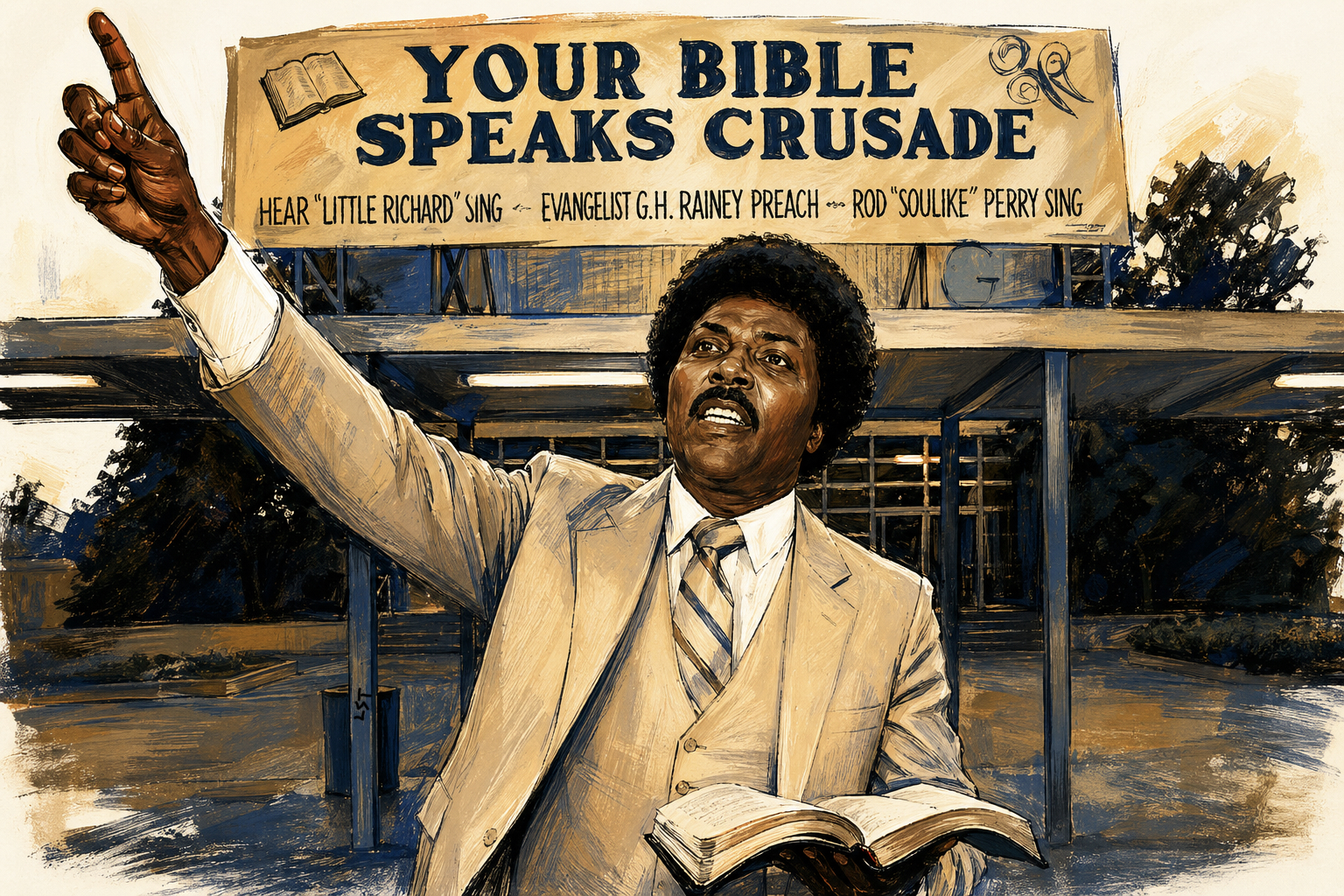
Little Richard did not leave rock and roll because the crowd stopped screaming. He walked away while the crowd was still loud. Born Richard Wayne Penniman in Macon, Georgia, Little Richard became one of the most explosive figures in early rock and roll. With “Tutti Frutti,” “Long Tall Sally,” “Rip It Up,” and “Good Golly, Miss Molly,” he helped shape the sound, look, and spirit of a new musical age. His pounding piano, soaring voice, makeup, towering hair, confidence, and wild stage presence made him impossible to ignore. But behind the glitter was a man pulled between two worlds. Little Richard grew up around church music, preaching, gospel singing, and Pentecostal worship. That never left him. Even as fame rose around him, he wrestled with guilt over the music business, his lifestyle, and whether the spotlight was pulling him away from God. Then, in 1957, at the height of his success, he made a shocking decision. While touring in Australia, Little Richard announced that he was leaving rock and roll to serve God. The moment has often been tied to his sighting of Sputnik, the Soviet satellite, which he interpreted as a warning from heaven. To him, it was not just something in the sky. It was a sign. After returning to the United States, he joined the Seventh-day Adventist world and enrolled at Oakwood College in Huntsville, Alabama, where he studied religion and prepared for ministry. He also turned from rock and roll toward gospel music. That is what makes the story so powerful. Little Richard was not a faded star trying to reinvent himself. He was one of music’s brightest forces, and he stepped away anyway. His life would continue to move between the pulpit and the stage. He returned to secular music, stepped back again, and wrestled with faith, fame, identity, and purpose for decades. Some artists chase the spotlight until it disappears. Little Richard walked away while it was still burning. #LittleRichard #RockAndRollHistory #MusicHistory #History

1776 Patriot

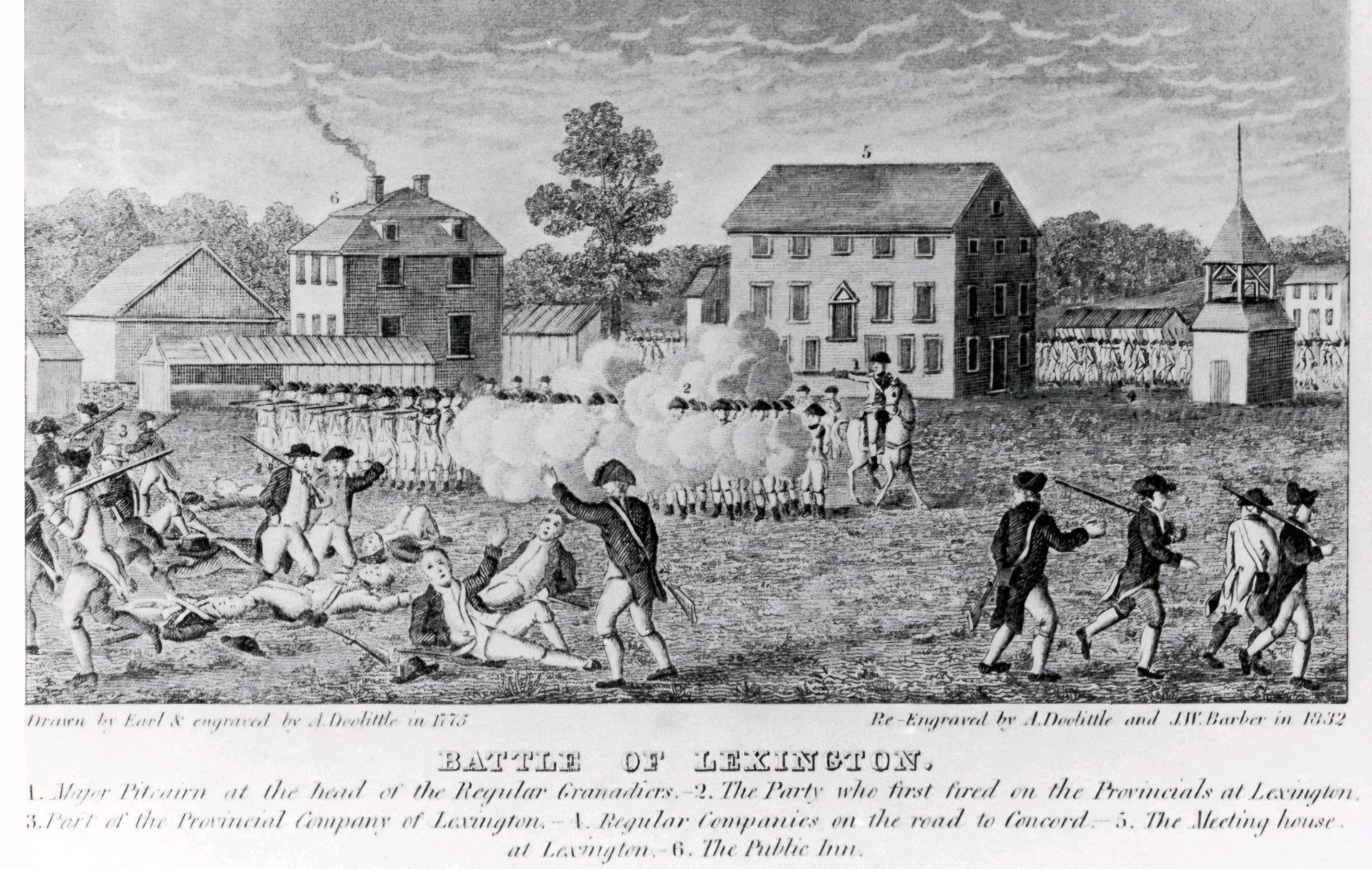
Today in History: News of Lexington and Concord Reaches Virginia, A Nation Begins to Rise Today marks 251 years since April 29, 1775, when news of the first shots of the American Revolution reached Virginia, accelerating a chain reaction already underway. Just ten days earlier, on April 19, British troops clashed with colonial militias at Lexington and Concord in Massachusetts, marking the beginning of armed resistance. Word traveled quickly through riders and newspapers. By April 29, the Virginia Gazette, published in Williamsburg, carried early reports describing the fighting, confirming that blood had been shed and that colonial forces had surrounded British troops in Boston. Although some details were exaggerated, the core message was clear: open conflict had begun. The timing intensified tensions in Virginia. Only days before, Royal Governor Lord Dunmore had ordered the removal of gunpowder from Williamsburg’s public magazine, fearing it could fall into colonial hands. The move alarmed residents, who viewed it as a direct threat to their rights and security. As news from Massachusetts arrived, anger grew. Militia units mobilized, and leaders such as Patrick Henry used the moment to rally resistance. Couriers and printed broadsides ensured the reports spread rapidly beyond Williamsburg into surrounding counties, reaching plantation communities and frontier settlements within days. The Powder Incident, combined with confirmed fighting in the North, shifted public opinion toward open defiance. These events helped unify the colonies. What began as isolated clashes quickly became a shared cause, pushing Virginia and others closer to revolution and, ultimately, independence. Committees of safety began coordinating local responses, strengthening communication networks and preparing communities for sustained resistance. #History #USHistory #America #USA #RevolutionaryWar #Independence

Shawn Winchester

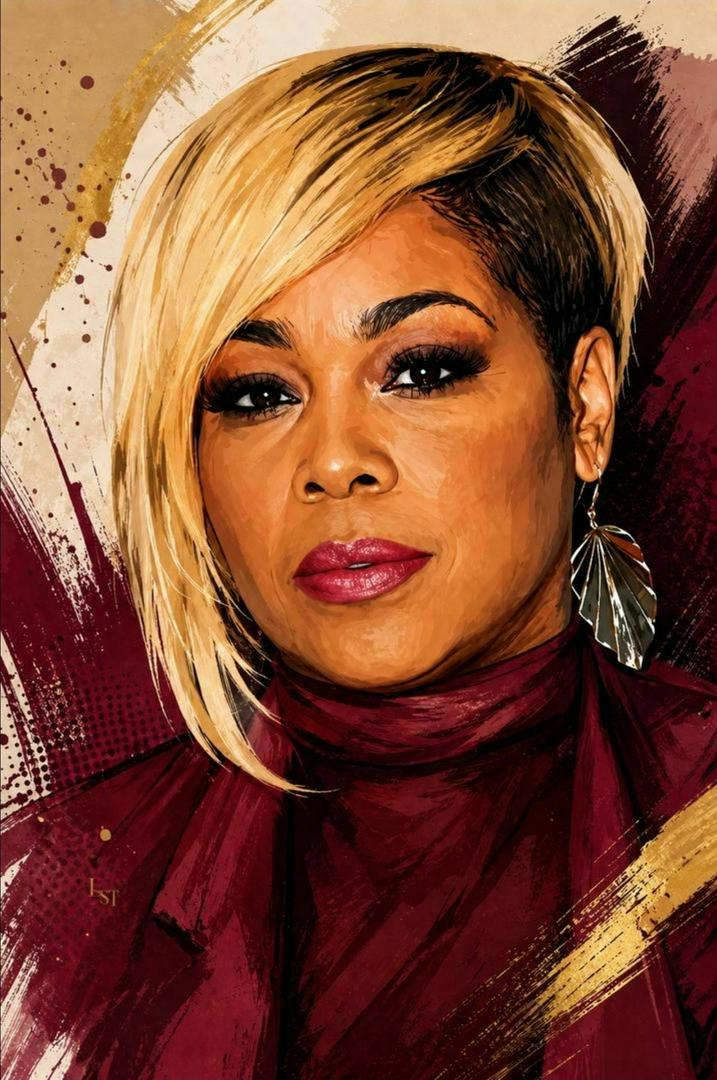
April 26, 1970 - Tionne "T-Boz" Watkins Was Born Tionne Watkins. known to the world as T-Boz. was born in Des Moines, lowa. As one third of TLC, alongside Lisa "Left Eye" Lopes and Rozonda "Chilli'" Thomas, she helped shape one of the most important gir groups of the 1990s T-Boz had a voice people recognized instantly: low, smoky, calm, and cool without trying too hard. She did not sound like everyone else, and that became part of TLC's power. At a time when many female groups were expected to fit a certain mold, TLC brought something different. They plended R&B, pop, hip-hop style, bold fashion, and messages that actually meant something. With songs like "Creep," "Waterfalls," "No Scrubs," and "Unpretty," TLC gave fansmusic they could dance to, cry to, and think about. They spoke on self-worth, health relationships, beauty standards, and the pressure women face, all while making hits that became part of music history April 26 also carries a deeper meaning for ongtime TLC fans. Lisa "Left Eye' Lopes passed away on April 25, 2002, just one day before T-Boz's birthdav. So this date sits between celebration and remembrance, honoring T-Boz's life while also remembering the sisterhood, loss, and egacy connected to TLC T-Boz's iourney is also one of survival. She faced serious health struggles, industry pressure, public grief, and the weight of continuing after losing a group member and friend. Still, her voice and presence remain part of a legacy that has never faded TLC was not just a girl group. They were a cultural moment. And T-Boz was the voice that made that moment unforgettable. #TBoz #TLC #MusicHistory #RnBHistory #History

LataraSpeaksTruth

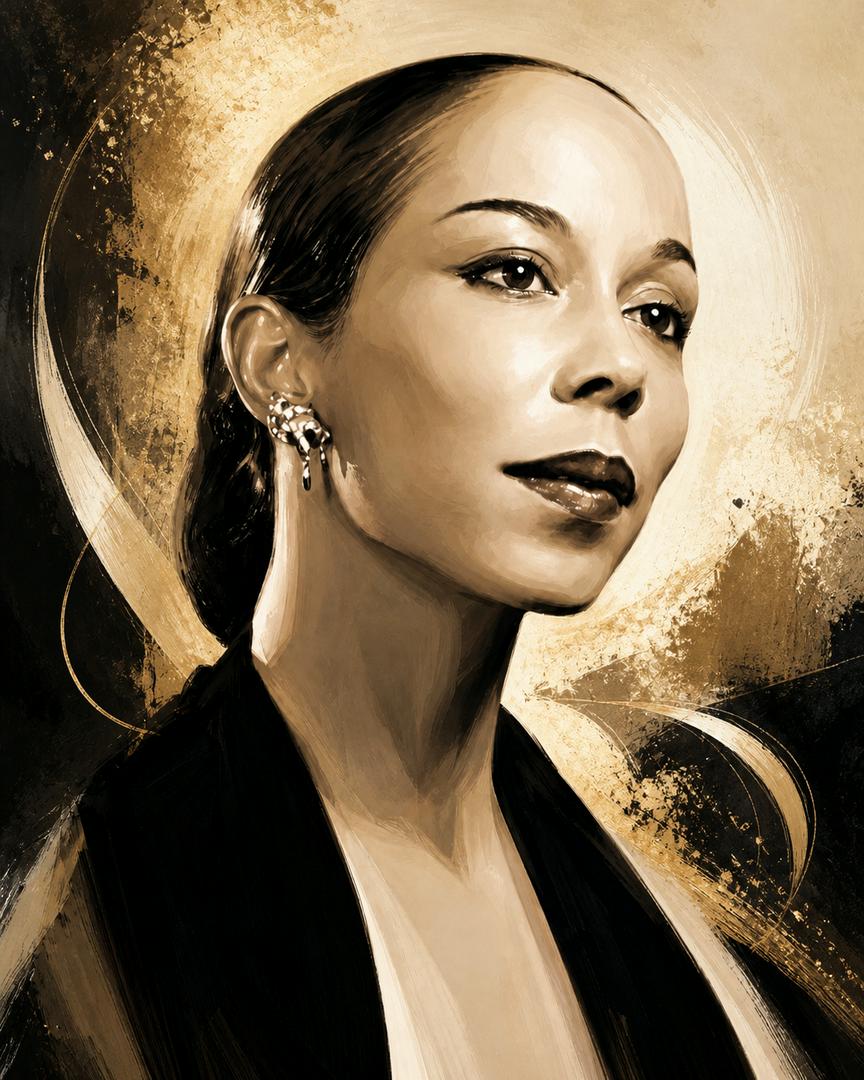
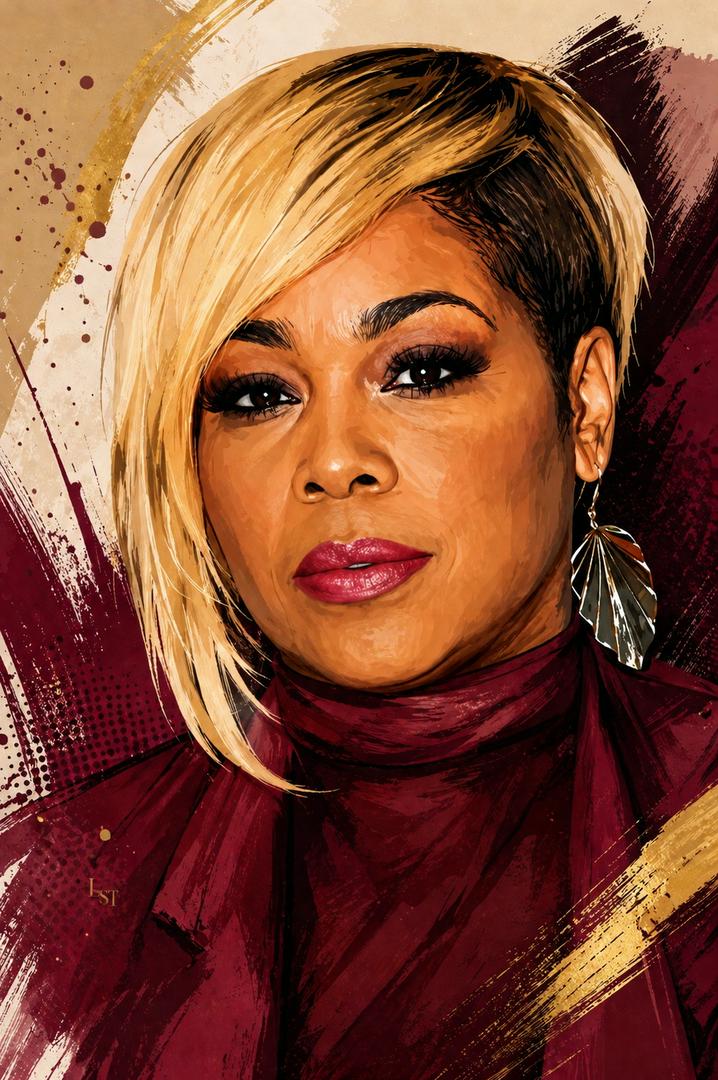
April 26, 1970 — Tionne “T-Boz” Watkins Was Born Tionne Watkins, known to the world as T-Boz, was born in Des Moines, Iowa. As one third of TLC, alongside Lisa “Left Eye” Lopes and Rozonda “Chilli” Thomas, she helped shape one of the most important girl groups of the 1990s. T-Boz had a voice people recognized instantly: low, smoky, calm, and cool without trying too hard. She did not sound like everyone else, and that became part of TLC’s power. At a time when many female groups were expected to fit a certain mold, TLC brought something different. They blended R&B, pop, hip-hop style, bold fashion, and messages that actually meant something. With songs like “Creep,” “Waterfalls,” “No Scrubs,” and “Unpretty,” TLC gave fans music they could dance to, cry to, and think about. They spoke on self-worth, health, relationships, beauty standards, and the pressure women face, all while making hits that became part of music history. April 26 also carries a deeper meaning for longtime TLC fans. Lisa “Left Eye” Lopes passed away on April 25, 2002, just one day before T-Boz’s birthday. So this date sits between celebration and remembrance, honoring T-Boz’s life while also remembering the sisterhood, loss, and legacy connected to TLC. T-Boz’s journey is also one of survival. She faced serious health struggles, industry pressure, public grief, and the weight of continuing after losing a group member and friend. Still, her voice and presence remain part of a legacy that has never faded. TLC was not just a girl group. They were a cultural moment. And T-Boz was the voice that made that moment unforgettable. #TBoz #TLC #MusicHistory #RnBHistory #History

LataraSpeaksTruth

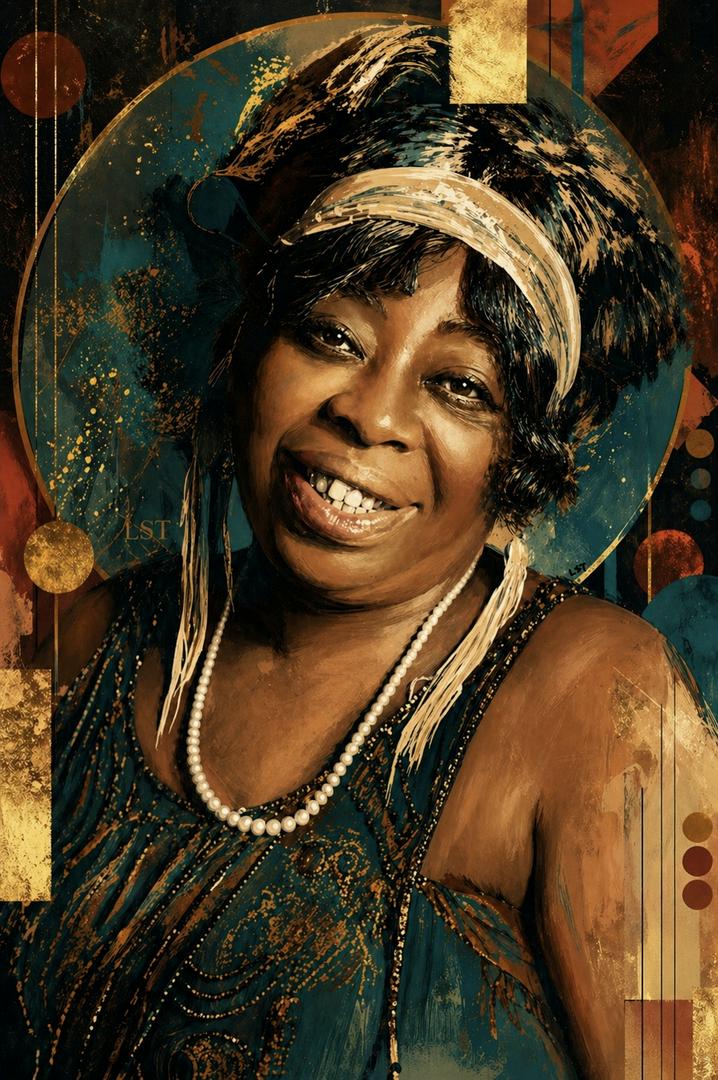
April 26, 1886… Ma Rainey was born. Gertrude “Ma” Rainey was born in Columbus, Georgia, and became one of the most important voices in early blues history. Known as the Mother of the Blues, Rainey helped bring blues music from Southern folk tradition into popular stage performance, where audiences could hear the pain, humor, boldness, and survival inside the sound. Before blues became a major recorded genre, Ma Rainey was already performing across the South in vaudeville, tent shows, and traveling productions. Her voice carried something that could not be polished away. It was deep, raw, commanding, and rooted in real life. She did not just sing the blues. She helped shape how the blues would be performed. Her music gave space to stories about love, heartbreak, independence, hardship, desire, and everyday life. At a time when many performers were expected to fit into narrow roles, Ma Rainey stood on stage with presence, confidence, and control. She was not background. She was the main event. Her influence reached far beyond her own recordings. She helped open doors for later blues women, helped define early Black entertainment, and left a mark on American music that can still be heard in blues, jazz, soul, rock, and hip-hop. Ma Rainey’s story matters because she represents more than music history. She represents Southern history, women’s history, stage history, and the long tradition of artists turning lived experience into sound. On April 26, we remember Ma Rainey not only as the Mother of the Blues, but as one of the women who helped give American music its backbone. #MaRainey #History #MusicHistory #BluesHistory #WomenInMusic

1776 Patriot

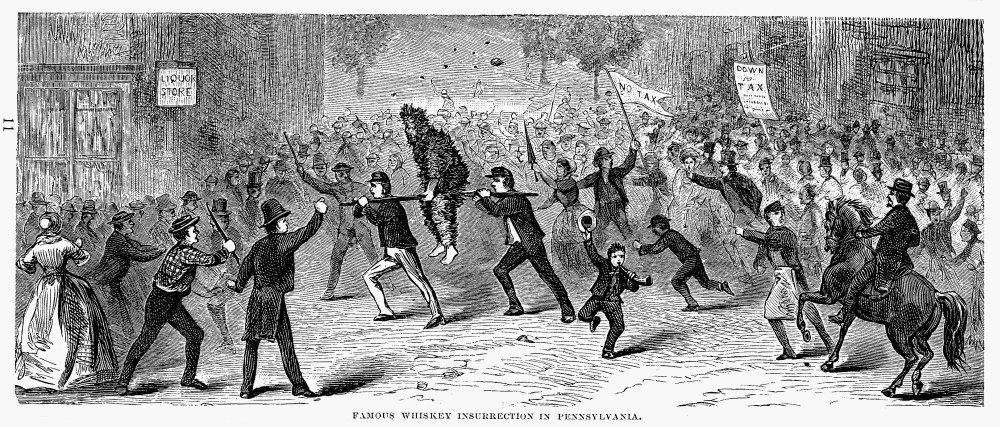
Tar and Feathering in Early America: Mob Justice, Political Violence, and Public Humiliation Tar and feathering was a form of collective punishment in early American history used to humiliate, intimidate, and enforce informal social control. It was not a legal sentence but a mob-driven practice rooted in earlier European traditions dating to the 12th century, where heated pitch was used in communities with weak formal enforcement. In colonial America, the substance was pine tar, produced from resin-rich forests for shipbuilding and sealing materials. When heated, it became highly adhesive and dangerous, trapping heat against the skin and causing burns. Feathers, taken from bedding or poultry, worsened injury by embedding into wounds and making removal difficult, often increasing infection risk. The practice peaked between 1765 and 1835, especially during the American Revolution, when it was used against British customs officers, tax collectors, and Loyalists. A well-documented case occurred in 1774 in Boston involving John Malcolm, who was seized, beaten, coated in hot tar, and covered in feathers. Victims were often paraded through streets, turning punishment into public spectacle. Though associated with Patriot mobs, it crossed political lines and later appeared during events like the Whiskey Rebellion and in 19th-century conflicts involving abolitionists and labor organizers. Only dozens of cases are firmly documented, though more likely went unrecorded. By the early 19th century, courts began treating it as criminal assault, accelerating its decline. While rarely fatal, it caused burns, infection, and lasting trauma, leaving a legacy defined less by victim counts than by its visible brutality. #America #history #Pennsylvania #Boston #RevolutionaryWar Blog 65+ Articles 👇 http://1776patriot1776.blogspot.com

Shawn Winchester

On April 23, 1872, Charlotte E. Ray made history in Washington, D.C. She became the first woman admitted to practice before the Supreme Court of the District of Columbia, helping cement her place as the first Black woman lawyer in the United States Ray was born in New York City in 1850. Her father, Reverend Charles Bennett Ray, was an abolitionist, minister, and newspaper editor who believed deeply in education That foundation mattered, because Charlotte stepped into a profession that was not built to welcome women, and especially not Black women, She studied at Howard University School of Law and graduated in 1872. At a time when women were still fighting to be taken seriously in the legal field, Ray broke through two walls at once. She challengedboth race barriers and gender barriers. After being admitted to practice law, Ray opened her own law office in Washington, D.C. She worked in commercial law and became known for her legal skill. One of her most recognized cases involved representing a woman seeking divorce from an abusive husband, showing that Ray was not just a symbol of progress. She was a real attorney doing serious legal work But history should tell the full truth Charlotte E. Ray had the education, the courage, and the abilitv. What she did not have was a society willing to fully support a Black woman attorney. Racism and sexism made it difficult for her to keep enough clients to sustain her practice. Eventually she left law and returned to teaching That part matters tooBecause sometimes the door opens, but the room still refuses to make space. Charlotte E. Ray still walked through it On April 23, we remember her not iust because she was first. but because she stepped into a world that tried to keep her out and left her name in the record anyway #CharlotteERay #History #WomensHistory #LegalHistory #OnThisDay #HiddenHistory #LataraSpeaksTruth

Tag: History - Page 3 | LocalAll