Tag Page OnThisDay

#OnThisDay
LataraSpeaksTruth

On March 3, 1991, a traffic stop in Los Angeles turned into one of the most widely seen police brutality cases in American history. That night, 25 year old Rodney King was pulled over by officers from the Los Angeles Police Department after a high speed chase. What happened next was captured on video and broadcast across the country. A nearby resident, George Holliday, used a home video camera to record several officers repeatedly striking King with batons and kicking him while he was on the ground. The footage showed King being hit dozens of times as officers attempted to restrain him. The video aired on television stations nationwide and quickly became a defining moment in public discussions about policing and accountability. For many Americans, it was the first time they had seen such an incident documented so clearly on camera. Four officers were eventually charged in connection with the beating. In April 1992, a jury in Simi Valley acquitted three of the officers and failed to reach a verdict on the fourth. The verdict triggered several days of unrest in Los Angeles. The 1992 Los Angeles uprising resulted in more than 60 deaths, thousands of injuries, and widespread property damage across the city. Later, two of the officers were tried in federal court for violating King’s civil rights. In 1993, two officers were convicted and sentenced to prison. The Rodney King beating and the video that captured it became a turning point in how the public viewed police encounters. It also marked one of the earliest moments when citizen recorded video began playing a major role in documenting incidents of police violence. More than three decades later, the footage remains one of the most recognized videos in modern American history. #RodneyKing #BlackHistory #1990sHistory #LosAngelesHistory #AmericanHistory #CivilRightsHistory #OnThisDay #HistoryMatters

justme

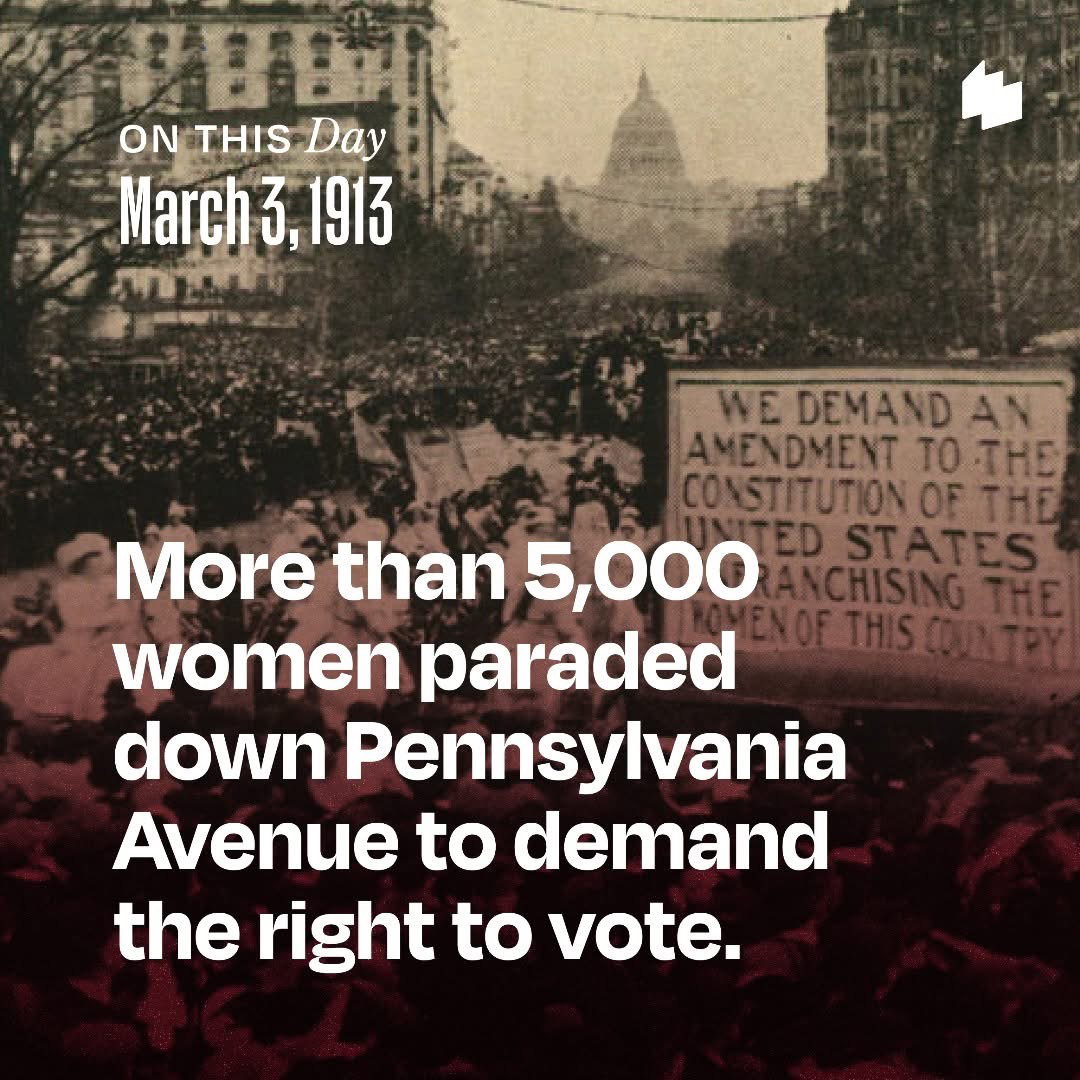
#OnThisDay in 1913, more than 5,000 women marched down Pennsylvania Avenue in D.C. to demand the right to vote, marking the first suffrage parade and the first large, organized march on Washington for political purposes. The 1913 Woman Suffrage Procession through Washington, D.C. changed the way protests were viewed and carried out by the American public, and laid the foundation for future marches. The Procession, unprecedented in both its scale and its tactics, was a major turning point for the woman suffrage movement in the United States. Suffrage leader Alice Paul, who was recently elected head of the National American Woman Suffrage Association’s Congressional Committee, devised the idea for a large-scale public demonstration. Paul, who had spent time in England, witnessed the more militant tactics that the British suffragists used to draw attention to their cause. Parade organizers strategically selected March 3, 1913 for the march. Woodrow Wilson was to be inaugurated as the new President the following day, and national press was in town and idly awaiting the inaugural festivities. Paul insisted that the parade march down Pennsylvania Avenue, deliberately following the same route that the inaugural parade would take the next day. The contrast between the two parades would prove striking. Reporters flocked to the suffrage parade, leaving Wilson to arrive at the train station unheralded. Despite the chaos and violence that initially ensued during the parade, Paul declared the event a success. The parade made national headlines and once again captured the public’s interest in the suffrage movement. Even those who opposed votes for women acknowledged that, as citizens, the women had the right to peacefully assemble.

LataraSpeaksTruth

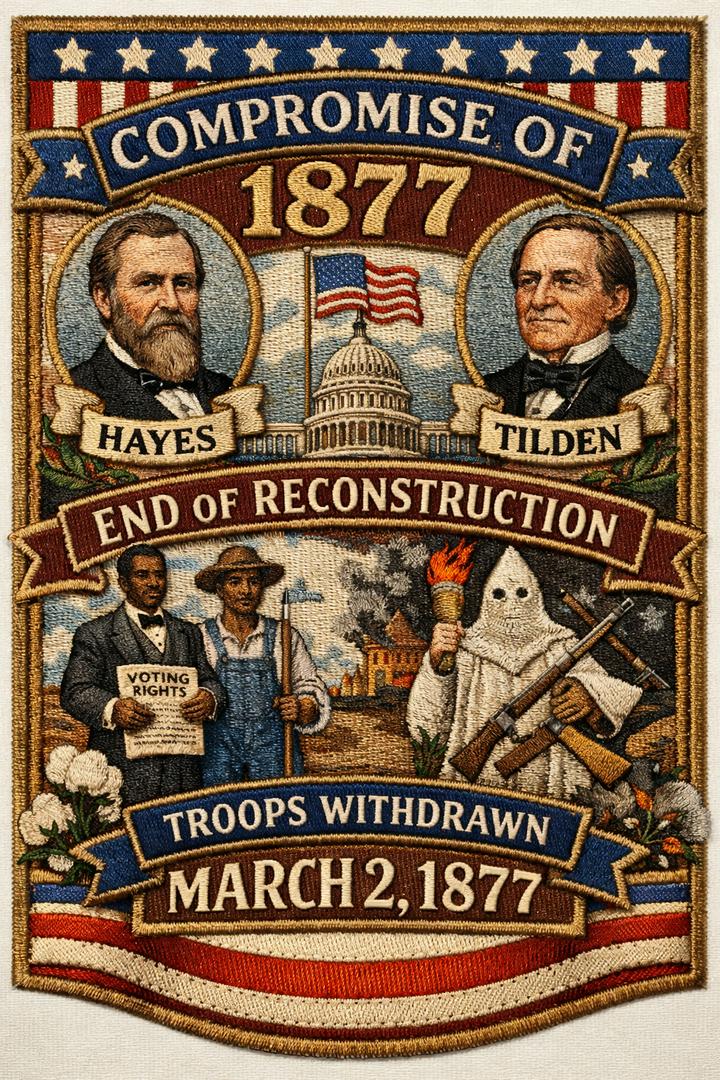
On March 2, 1877, Congress finished counting the electoral votes from the disputed 1876 presidential election and certified Rutherford B. Hayes as president over Samuel J. Tilden by a single electoral vote, 185 to 184. That outcome did not happen on its own. In late January 1877, Congress created a special Electoral Commission to decide the contested electoral votes from several states. The Commission’s rulings were then accepted during the final count on March 2. In the weeks that followed, Democrats ended their resistance to Hayes taking office and Republicans moved toward a set of understandings that later became known as the Compromise of 1877. It was not one signed document. It was political bargaining, and the biggest consequence was federal enforcement in the South being scaled back. After Hayes was inaugurated on March 5, 1877, the remaining federal troops stationed at Southern statehouses were withdrawn, commonly dated to April 1877. With that protection gone, the last Reconstruction governments in places like Louisiana and South Carolina collapsed. In plain language, this meant people who had gained political influence after the Civil War, especially formerly enslaved people and African Americans, were left with far less federal protection at the ballot box and in public life. White supremacist intimidation and organized violence became easier to carry out. Over time, state governments built stronger systems of segregation and voter suppression through laws, procedures, and local enforcement. So yes, the core takeaway is correct. March 2 marks the certification that cleared the way. The troop withdrawal that helped end Reconstruction followed soon after. #OnThisDay #March2 #1877 #Reconstruction #CompromiseOf1877 #Hayes #Tilden #ElectoralCount #ElectoralCommission #USHistory #AmericanHistory #SouthernHistory #VotingRightsHistory

LataraSpeaksTruth

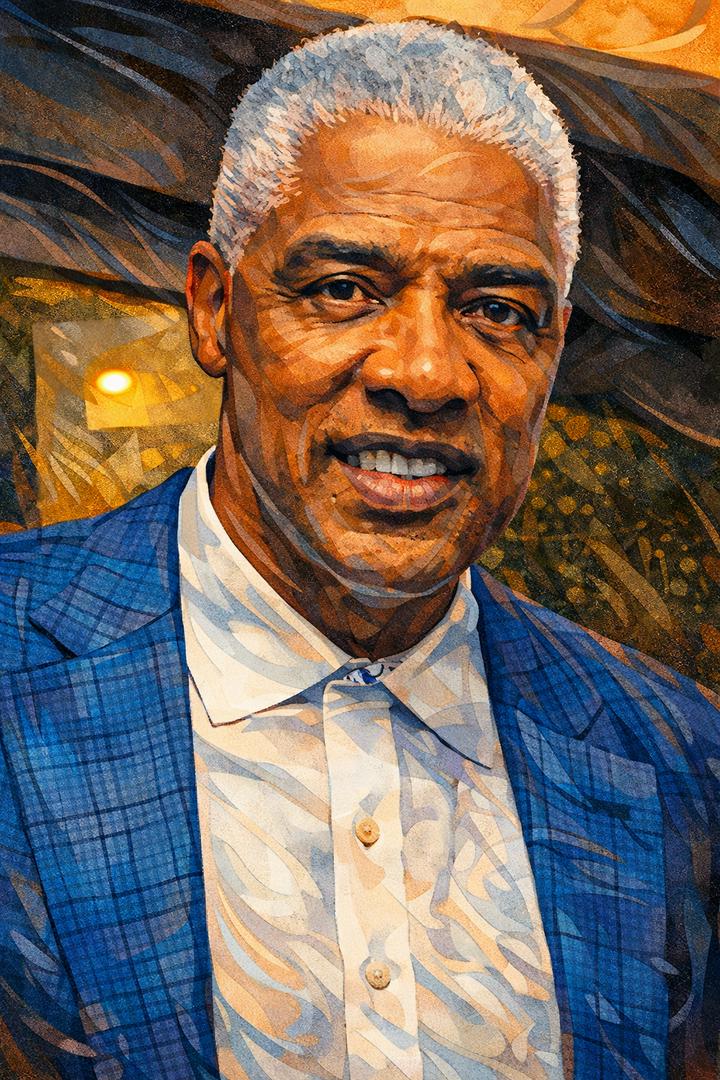
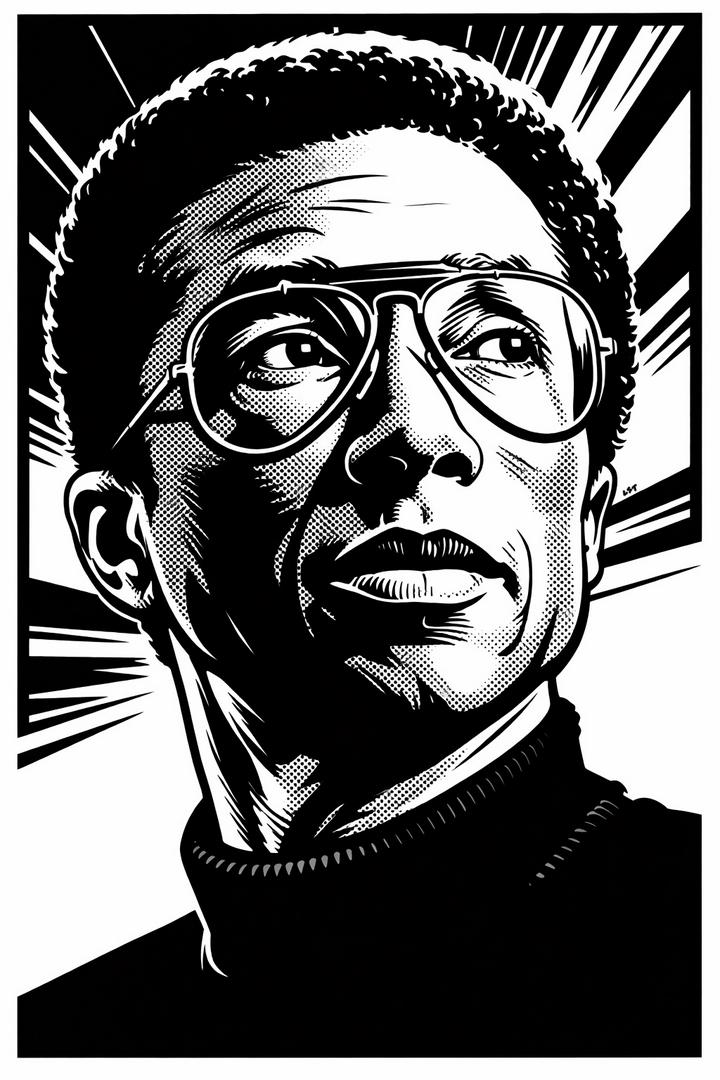
February 22, 1950…Julius “Dr. J” Erving is born in Roosevelt, New York…and basketball gets one of its first true skywalkers. Before the NBA became a nonstop highlight reel on your phone screen, there was Dr. J making entire arenas lean forward like, Wait…did he just do that. He came up in a time when most stars stayed on the floor and finished simple. Erving played like the rim was a suggestion…long strides, smooth hang time, and that calm face while doing something that looked impossible. His legend caught fire in the ABA, where style and speed were the heartbeat of the league. With the Virginia Squires and then the New York Nets, he turned the fast break into theater. He won three straight ABA MVP awards, helped make the Nets the league’s standard, and led them to ABA championships in 1974 and 1976. The ABA didn’t just have flair…Dr. J was the flair. When the ABA and NBA merged, his game came with it…and the whole sport leveled up. In the NBA, he became the face of the Philadelphia 76ers, a yearly problem in the playoffs, and one of the biggest stars in the league. He won NBA MVP in 1981, kept knocking on the door, then finally grabbed an NBA title in 1983. The trophies matter, but the real impact is what he handed down…proof that grace can still be power, that flight can be controlled, that a wing can attack the basket like the air belongs to him. You can draw a straight line from Dr. J to the modern above the rim era, because his fingerprints are all over it. Happy birthday to the man who made flying look normal. #JuliusErving #DrJ #NBAHistory #ABAHIstory #Basketball #Philadelphia76ers #NewYorkNets #VirginiaSquires #ABA #NBA #OnThisDay #SportsHistory #Hoops #AboveTheRim #HallOfFame #Legend #Birthday #RooseveltNY #76ers #Nets #MVP #Championship #BasketballCulture

LataraSpeaksTruth

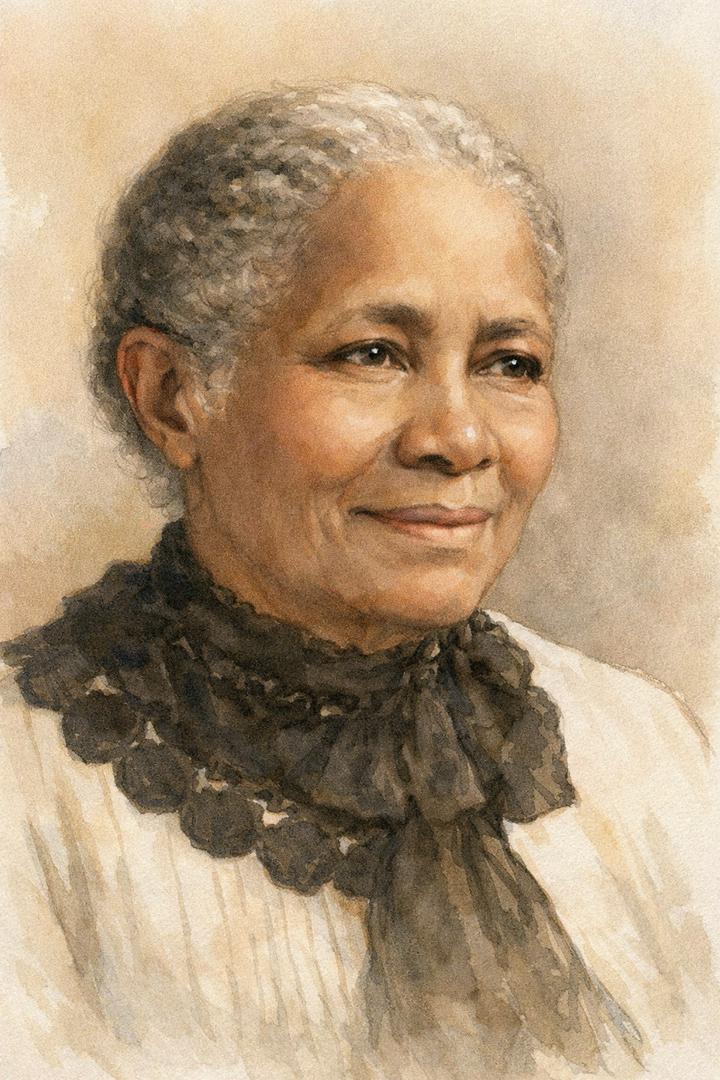
February 22, 1911…In Philadelphia, Frances Ellen Watkins Harper’s earthly voice went quiet, but her words stayed loud. She was an abolitionist, poet, public speaker, and reformer who used language like a torch in a windstorm…steady, bright, and impossible to ignore. Born free in Baltimore in 1825, she still lived under a country that tried to limit what a Black woman could learn, say, and become. She refused that script. She taught, wrote, and stepped onto stages where people expected silence from her and got truth instead. Harper understood freedom was not just a moment, it was a life. If people could not read, could not learn, could not protect their families, then “freedom” was just a fancy word with no weight behind it. So she pushed education, dignity, and real change, even when it was unpopular, unsafe, or both. Her writing carried the same spine. She wrote poems that mourned slavery without softening it, and stories that insisted Black people were fully human, fully worthy, fully meant to rise. Later, she published work that challenged the nation to face what it had done and what it still refused to fix. She also helped build community power, especially among women, when the culture tried to keep them in the background. She believed faith and conscience had to show up in public life, not just in private feelings. Moral courage, to her, was action…not vibes. So today is not just a date. It is a reminder that some people told the truth before it was trendy, and they kept telling it when it cost them. Frances Ellen Watkins Harper did not wait for permission to matter. #FrancesEllenWatkinsHarper #OnThisDay #BlackHistory #WomensHistory #Abolitionist #Poet #Author #HistoryMatters #OurHistory #PhiladelphiaHistory #AmericanHistory #Education #WomensRights #Legacy

LataraSpeaksTruth

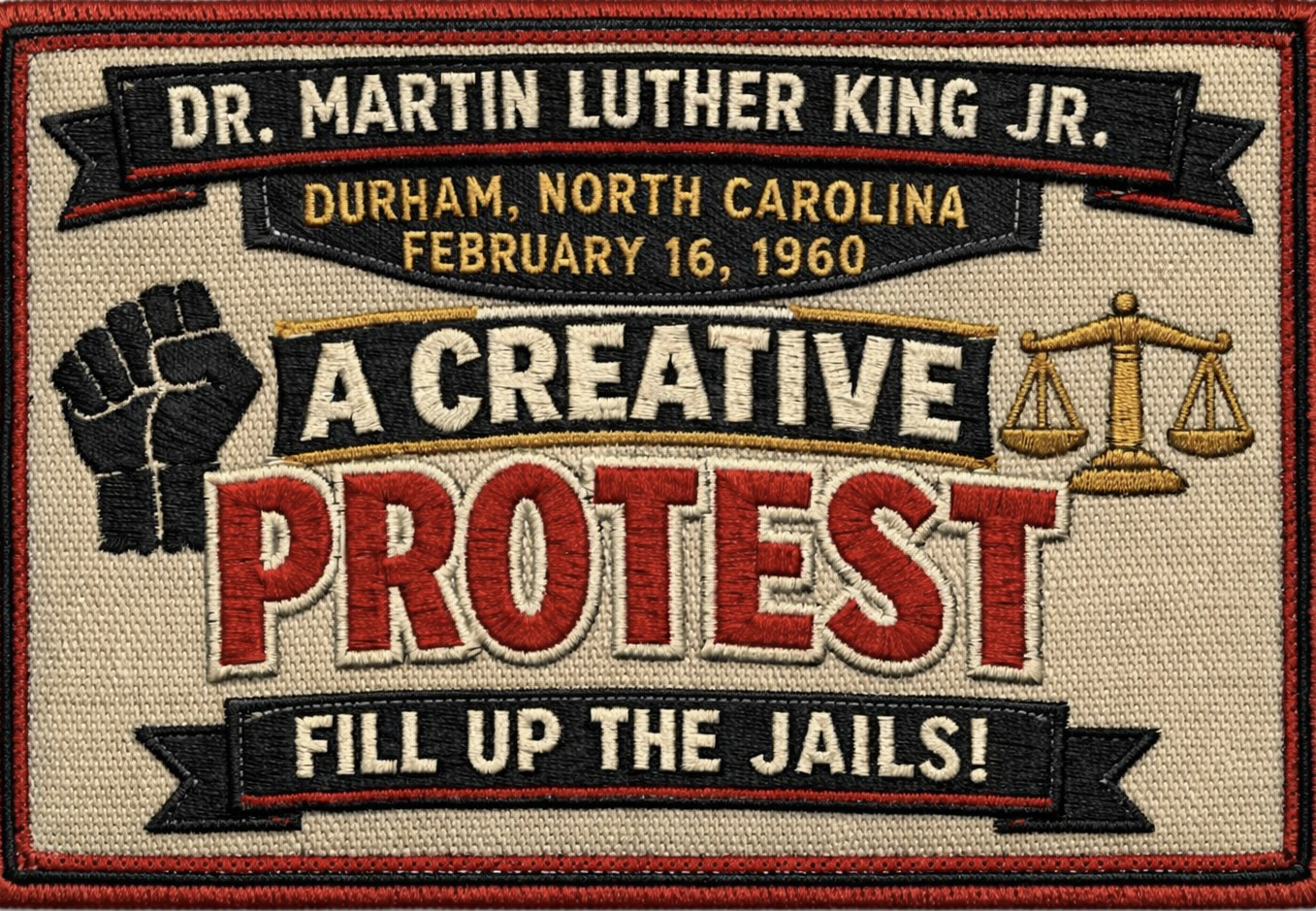
February 16, 1960…Durham, North Carolina. While student led sit ins were spreading across the South, Dr. Martin Luther King Jr. came to Durham to stand beside the young people putting their bodies on the line. Earlier that day, he visited the downtown targets of the protests, seeing firsthand how a simple lunch counter could expose an entire system. That night, inside White Rock Baptist Church, the sanctuary became more than a meeting place…it became a command center for courage. King’s message was clear and it was not soft. Protest had to be organized, disciplined, and nonviolent on purpose, not just in words. He urged students to keep their dignity, refuse retaliation, and stay steady when the pressure came. The goal was not chaos…it was moral force that could not be ignored. He pushed the movement beyond polite requests and into direct action that created consequences for injustice. Then came the hard part he wanted them ready for. If arrests came, they were not to panic or fold. He challenged them to accept jail if necessary, not as defeat, but as testimony. When people are willing to suffer without striking back, the world has to look. The sit in movement was already shaking the South, and King’s Durham speech poured gasoline on the fire of commitment, turning fear into strategy and bravery into a shared discipline. #OnThisDay #CivilRightsMovement #DurhamNC #SitInMovement #MLK #NonviolentResistance #BlackHistory

LataraSpeaksTruth

February 9 marks the death of Paul Laurence Dunbar who passed away in 1906 at just 33 years old. His life was brief, but his impact was anything but small. Dunbar was already a nationally recognized writer before the turn of the century, publishing poetry, novels, short stories, and song lyrics at a pace that most writers never reach in a lifetime. He mastered multiple literary forms and navigated two languages at once, formal English and Black dialect, not as a trick but as a reflection of lived reality. That ability made him visible, respected, and at the same time tightly controlled by an audience that praised his talent while narrowing how they wanted it expressed. Dunbar’s death is not just a literary footnote. It is a reminder of what it cost to be brilliant in an era that rewarded Black creativity selectively and conditionally. Illness took his body, but pressure took its toll long before that. Even so, his work survived him. His words became a foundation later writers would build upon, whether they were allowed to say his name freely or not. February 9 is about remembering the weight he carried, the boundaries he pushed against, and the truth that his voice outlived the circumstances that tried to limit it. Legacy doesn’t always arrive loud. Sometimes it arrives early, leaves quietly, and keeps speaking anyway. #PaulLaurenceDunbar #OnThisDay #LiteraryHistory #AmericanPoetry #BlackWriters #PoetsWhoChangedHistory #HistoryInPlainSight #WordsThatEndure

LataraSpeaksTruth

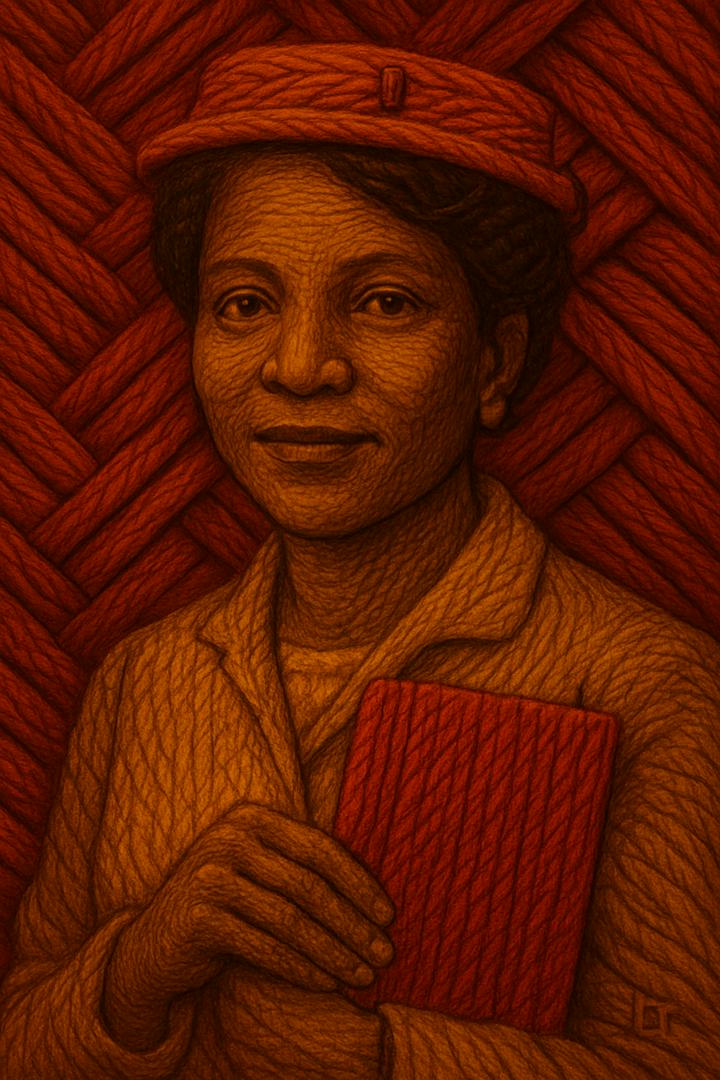
In February 1956, Autherine Lucy became the first Black student to enroll at the University of Alabama. Her admission came only after a federal court ordered the school to accept her, not because the institution was ready to change. What followed exposed exactly how fragile that so-called order was. Almost immediately, hostile crowds formed on campus. White students and outsiders hurled insults, threats, and objects. Classes were disrupted. The environment became dangerous. Yet instead of stopping the violence or holding attackers accountable, university officials made a different choice. They suspended Lucy. The reason given was “for her own safety.” In reality, the school removed the person being targeted while allowing the chaos around her to continue. She had broken no rules. She had not provoked unrest. Her only offense was entering a space that was determined to remain unchanged. The suspension came within weeks of her arrival, followed by her eventual expulsion. The message was clear. Integration would be treated as the problem, not the resistance to it. That moment became a pattern repeated across the country. Progress was framed as disruption. Courage was labeled disorder. Institutions protected themselves first, even when the law demanded otherwise. Decades later, the University of Alabama quietly reversed course. Lucy’s expulsion was annulled. She was invited back. She later received an honorary doctorate. History moved forward, but not without first trying to erase her. Hurricane Lucy wasn’t destruction. It was pressure meeting truth. The storm wasn’t her presence. It was the reaction to it. #BlackHistory #OnThisDay #CivilRightsHistory #HiddenHistory #EducationHistory #HistoryMatters #WomenInHistory

LataraSpeaksTruth

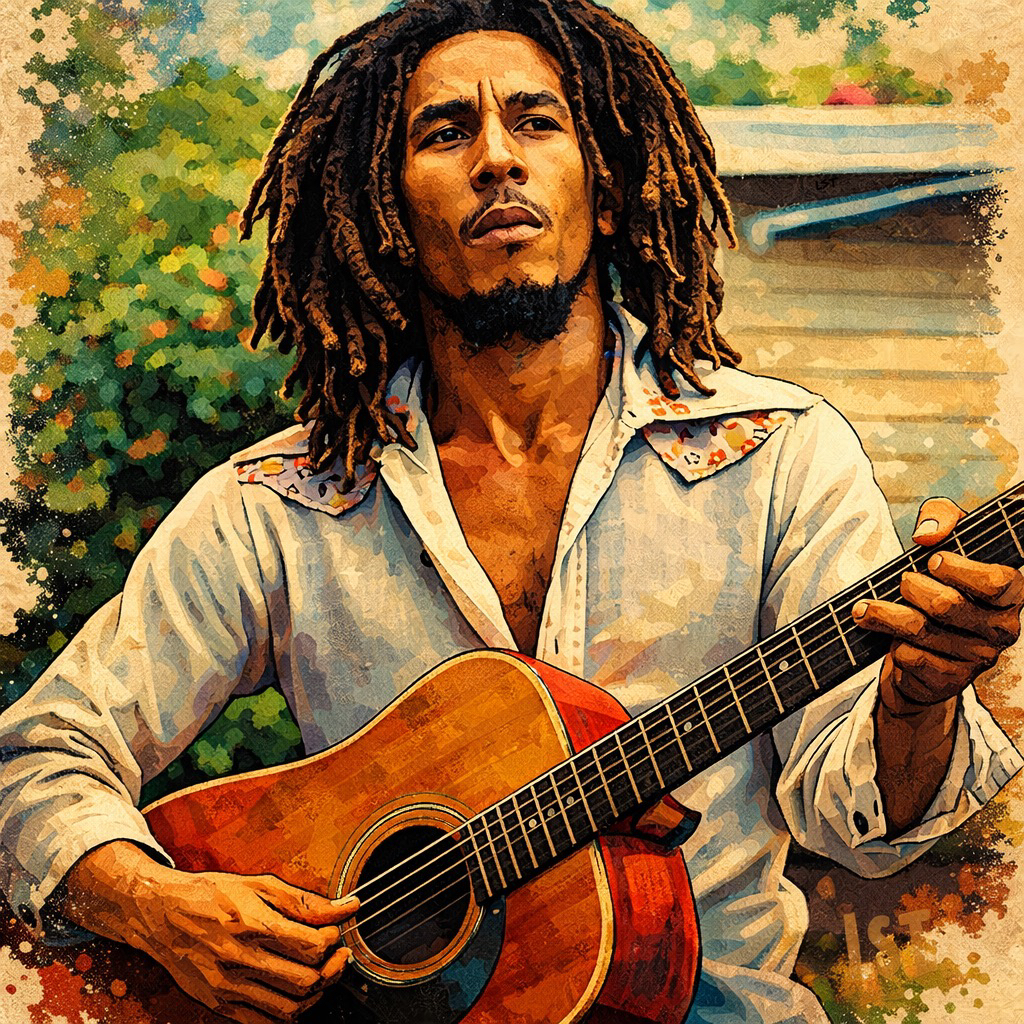
On February 6, 1945, Bob Marley was born in Nine Mile, Jamaica. Decades later, his voice would become one of the most recognizable sounds in the world, not because it chased trends, but because it spoke plainly about life, power, faith, struggle, and survival. Marley came up during a time when Jamaica was navigating post-colonial identity, political tension, and economic hardship. Music wasn’t just entertainment. It was a public square. Reggae became a way to document what people were living through, and Marley emerged as one of its most powerful messengers. His lyrics pulled from everyday reality, Rastafarian belief, and global consciousness without softening the message. Albums like Catch a Fire, Rastaman Vibration, Exodus, and Uprising carried themes of resistance, spiritual grounding, unity, and self-determination. Songs like “Get Up, Stand Up,” “Redemption Song,” “No Woman, No Cry,” and “One Love” didn’t just chart. They traveled. They crossed borders, languages, and generations because the emotions behind them were universal. Marley’s influence extended far beyond music. He became a symbol of cultural pride and global awareness at a time when Caribbean voices were often ignored or minimized. Even as his fame grew, his message stayed rooted in people over profit, justice over comfort, and truth over silence. Marley died in 1981 at just 36 years old, but his work never stopped moving. His music continues to be sampled, studied, quoted, and lived with, not as nostalgia, but as instruction. On his birthday, the legacy isn’t about celebration alone. It’s about remembering how powerful it is when art refuses to be quiet. Bob Marley didn’t just sing about freedom. He insisted it be spoken out loud. #BobMarley #OnThisDay #February6 #ReggaeHistory #MusicLegacy #CulturalImpact #GlobalMusic #Jamaica

Tag: OnThisDay - Page 10 | LocalAll