Tag Page OnThisDay

#OnThisDay
LataraSpeaksTruth

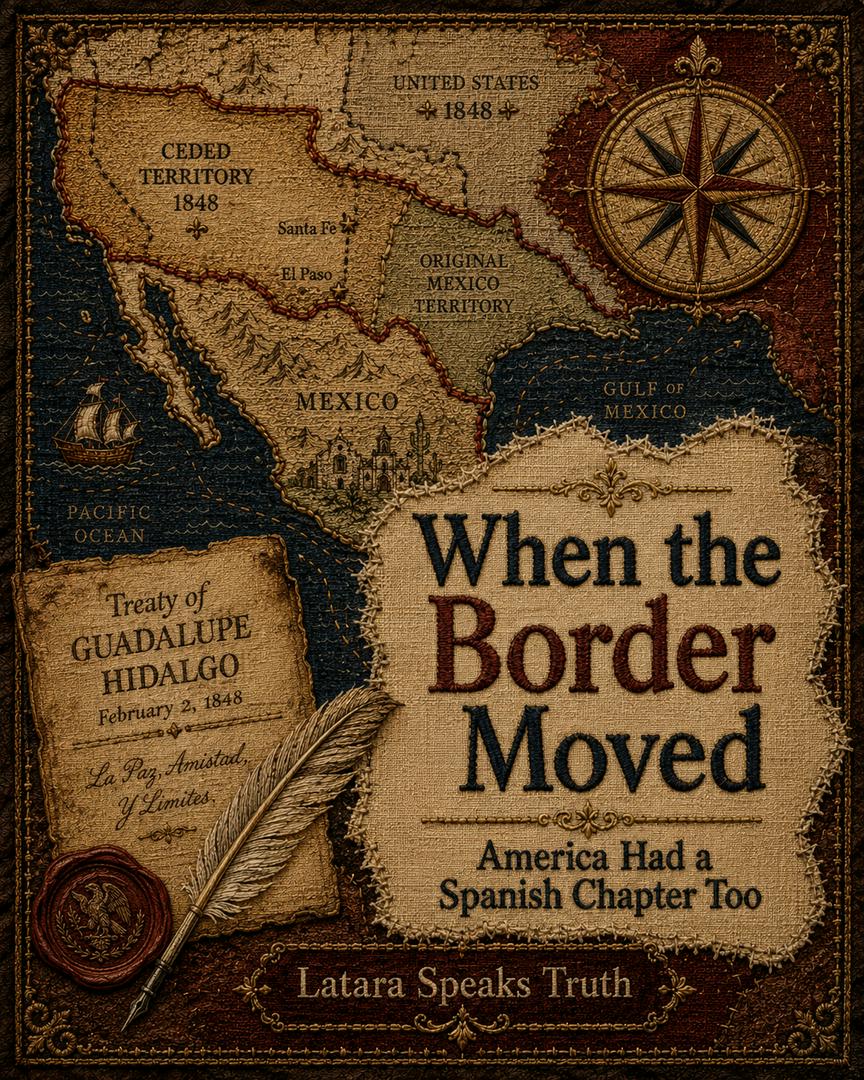
May 19, 1848…The Treaty That Redrew the Map On May 19, 1848, Mexico ratified the Treaty of Guadalupe Hidalgo, one of the most consequential agreements in North American history. The treaty had already been signed on February 2, 1848, after the Mexican American War. The United States ratified it on March 10. But Mexico’s ratification on May 19 moved the agreement closer to becoming official between both nations. This was not just paperwork. By the terms of the treaty, Mexico ceded about 55 percent of its territory to the United States. That land later became all or parts of California, Nevada, Utah, New Mexico, Arizona, Colorado, Oklahoma, Kansas, and Wyoming. Mexico also gave up claims to Texas and accepted the Rio Grande as the southern boundary of Texas. The map changed, but the human impact lasted for generations. Thousands of Mexican residents suddenly found themselves living inside U.S. borders. The treaty promised certain protections connected to property and citizenship, but promises written on paper were not always honored in real life. In many places, Mexican American families later faced land loss, legal battles, discrimination, and pressure from settlers and courts that did not treat them equally. That is why this treaty still matters. It shaped the American Southwest. It shaped Mexican American identity. It shaped border politics, land ownership, citizenship, and the way history is remembered. For the United States, it was expansion. For Mexico, it was loss. For the people living on that land, it was a life-changing shift they did not get to control. May 19 deserves to be remembered because it marks the Mexican ratification of a treaty that redrew borders and changed the future of two nations. #History #AmericanHistory #MexicanAmericanHistory #LatinoHistory #OnThisDay
Guess_str

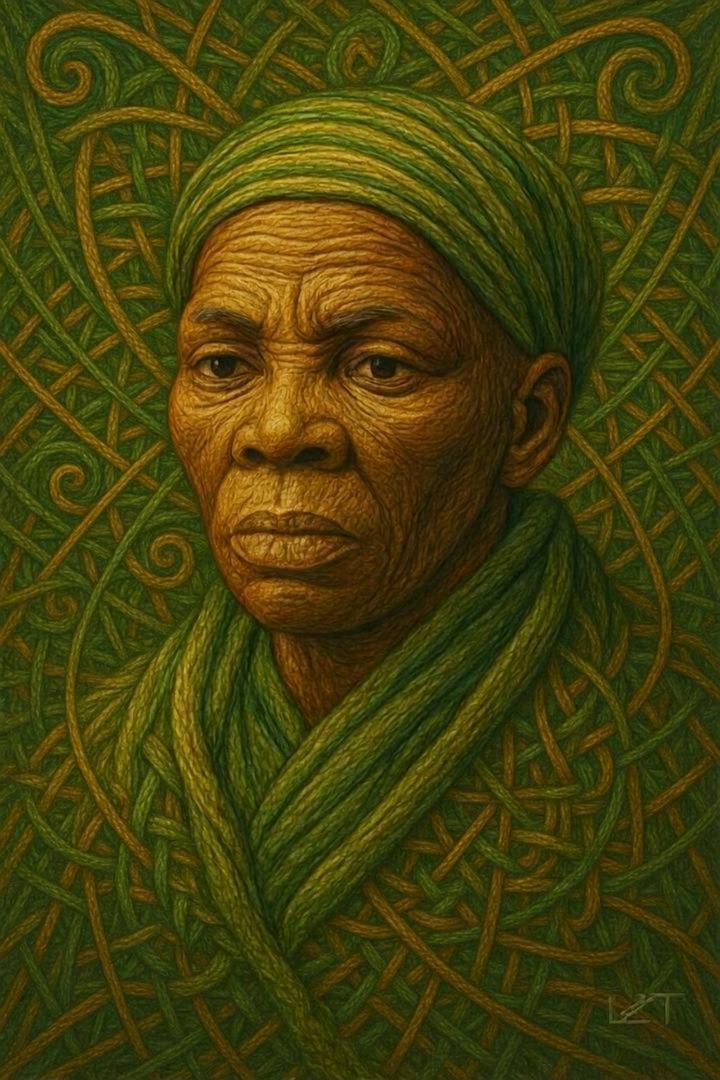
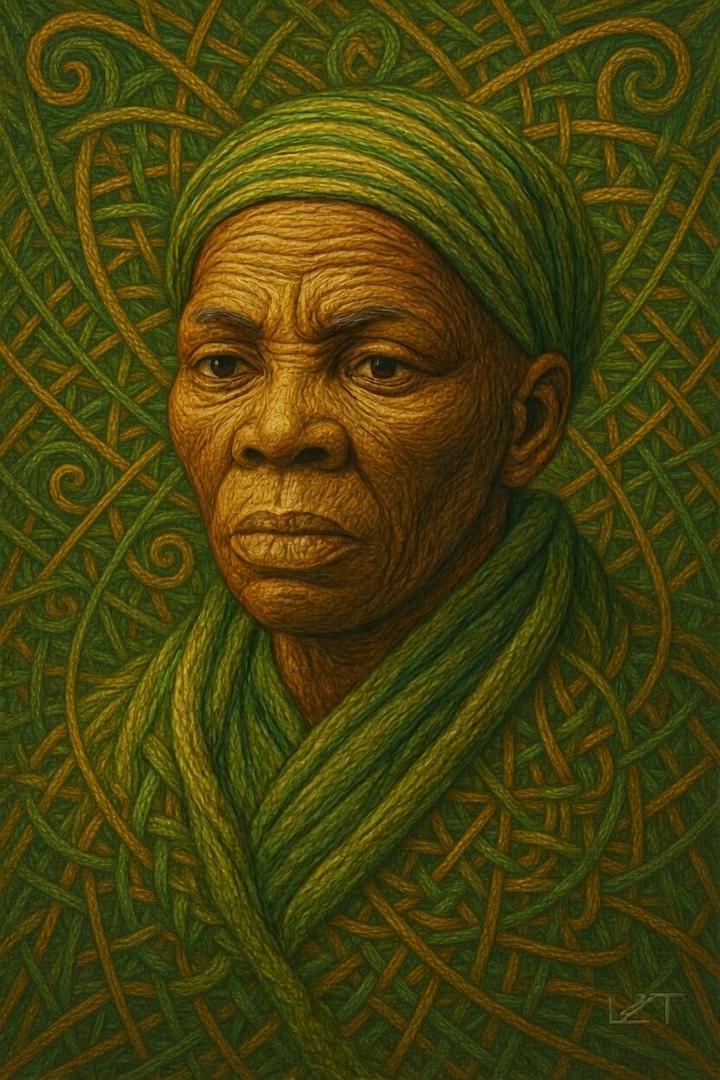
On March 10. 1913. Harriet Tubman died in Auburn, New York, closing the life of one of the boldest freedom fighters this country has ever known. Born into slavery in Maryland around 1822, Tubman escaped bondage, then risked her life again and again by returning south to help others flee to freedom in the North and Canada. She became the most famous conductor of the Underground Railroad, quiding enslaved people toward freedom when capture could have meant torture or death. Her courage was not symbolic. It was lived. It was tested. And it never backed down. Tubman's work did not stop with escape During the Civil War, she served the Union cause as a nurse, scout, and spy, proving again that Black women were doing essential work for a nation that still denied them full recognition. In her later years, she continued serving her community in Auburn where she helped establish a home forelderly and poor Black people in need. Even near the end of her life. Harriet Tubman was still doing what she had always done, showing up for her people March 10 is not iust the date of her passing It is a date to remember what real sacrifice ooks like. Harriet Tubman did not wait for permission to do what was riqht. She moved with faith, with nerve, and with a kind of strength history still struggles ta measure. #HarrietTubman #BlackHistory #OnThisDay #WomensHistory #UnderaroundRailroad #CivilWarHistory #AmericanHistory #BlackWomenInHistory #FreedomFighter #NewsBreakHistory

LataraSpeaksTruth

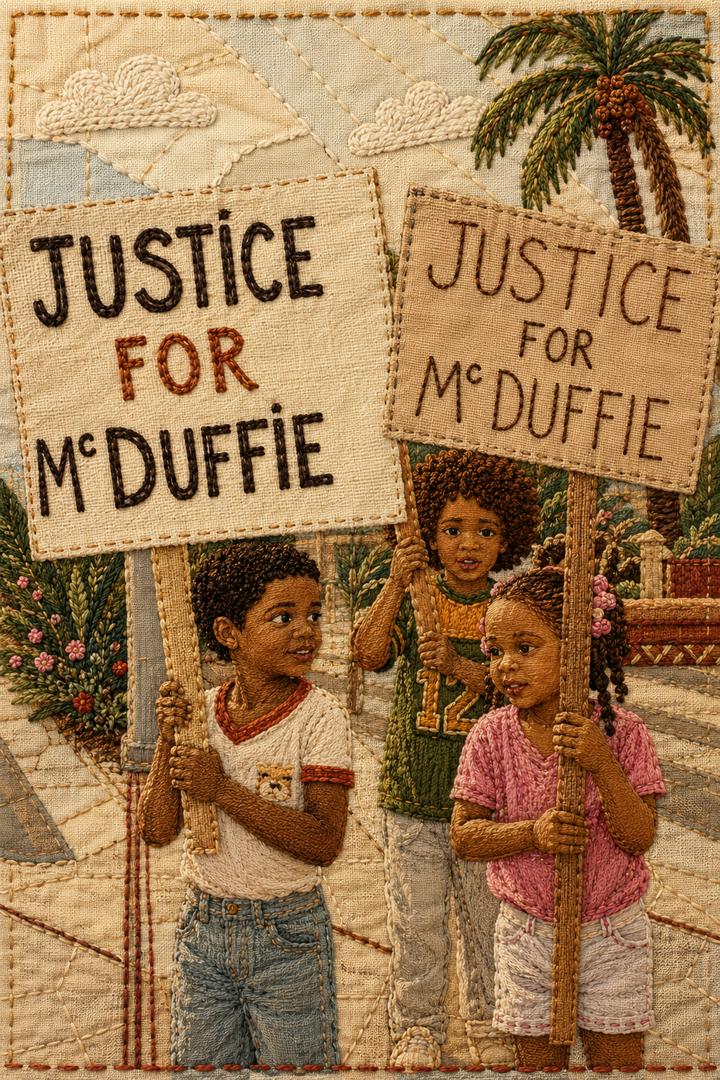
On May 17, 1980, Miami reached a breaking point. Arthur McDuffie was not a nameless man in a headline. He was a Black insurance executive, a former Marine, a father, and a 33-year-old man whose death became one of Miami’s most painful chapters. In December 1979, McDuffie was fatally beaten after a police chase involving his motorcycle. At first, the public was told his injuries came from a crash. But the story began to fall apart. Evidence later showed that McDuffie had been beaten, and officers were charged in connection with his death. The case was moved to Tampa, where an all-white jury heard the trial. On May 17, 1980, the officers were acquitted. For many people in Miami, that verdict felt like the system had looked at a dead man and turned away. By nightfall, anger spilled into the streets. Liberty City and Overtown became the center of the unrest. Fires burned. Businesses were damaged. The National Guard was called in. Families hid inside their homes while the city shook under grief, rage, and fear. The unrest lasted several days. By the time it ended, 18 people were dead, hundreds were injured, and Miami was left with deep scars that could not be covered by rebuilding alone. This story is not just about a riot. It is about what happens when a community believes justice has been denied for too long. Arthur McDuffie’s name became a symbol of a city’s pain, but behind that symbol was a real man whose life mattered before the verdict, before the headlines, and before Miami burned. His story still belongs in the record. #ArthurMcDuffie #MiamiHistory #OnThisDay #BlackHistory

KIM-WHITE

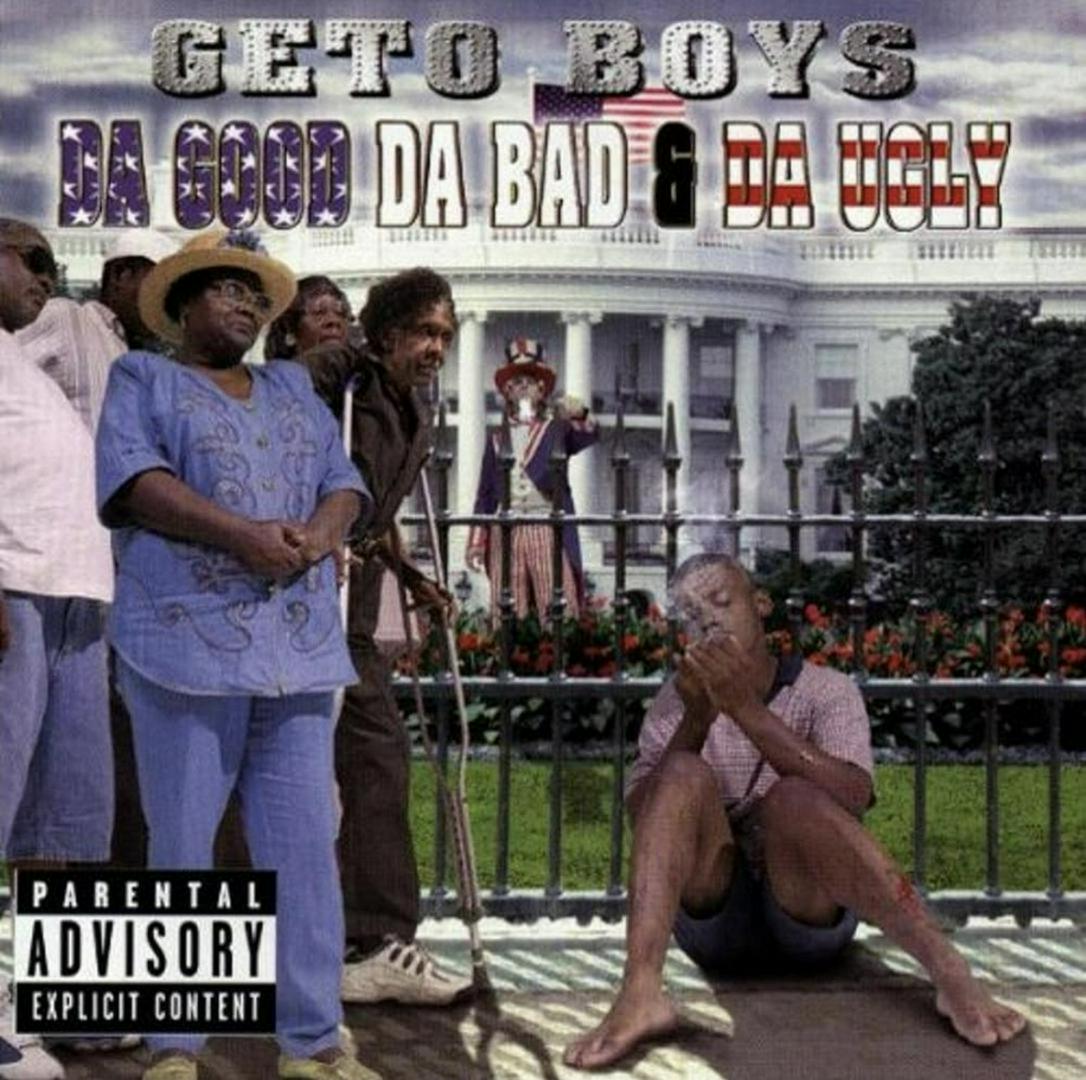
Geto Boys Drop Da Good, Da Bad & Da Ugly... The South Spoke Loud On November 17, 1998, the Geto Bovs came back with Da Good, Da Bad & Da Ugly, a project carved straight out of the Southern hip-hop landscape they helped build Houston had already claimed its voice thanks to them... raw, unfiltered, and unapologetically Southern, but this album showed the world that the South wasn't a "side conversation" anymore. It was the main staqge The album held that sianature Geto Boys energy... dark storytelling, sharp social commentarv, and the kind of life observations vou only get from people who've seen both sides of the street. Even with lineup changes, the crew held on to what made them legendary in the first place... honesty, edge, and a refusal to water anything down for mainstream comfort.By the late `90s, hip-hop was shifting fast but the Geto Boys reminded everybody that Southern rap didn't need approval to be iconic. They were already stamped. Already respected. Already shaping the direction of a whole region. Da Good, Da Bad & Da Ualv stands as one of those albums that marks a moment... the South saying "we're here, we're staying, and we're not taking our foot off nothing." #HipHopHistory #GetoBoys #SouthernRap #HoustonLegends #OnThisDay #BlackMusicHistory #LataraSpeaksTruth #CultureStories #Lemon8Creator #1998Vibes

LataraSpeaksTruth

On March 10, 1913, Harriet Tubman died in Auburn, New York, closing the life of one of the boldest freedom fighters this country has ever known. Born into slavery in Maryland around 1822, Tubman escaped bondage, then risked her life again and again by returning south to help others flee to freedom in the North and Canada. She became the most famous conductor of the Underground Railroad, guiding enslaved people toward freedom when capture could have meant torture or death. Her courage was not symbolic. It was lived. It was tested. And it never backed down. Tubman’s work did not stop with escape. During the Civil War, she served the Union cause as a nurse, scout, and spy, proving again that Black women were doing essential work for a nation that still denied them full recognition. In her later years, she continued serving her community in Auburn, where she helped establish a home for elderly and poor Black people in need. Even near the end of her life, Harriet Tubman was still doing what she had always done, showing up for her people. March 10 is not just the date of her passing. It is a date to remember what real sacrifice looks like. Harriet Tubman did not wait for permission to do what was right. She moved with faith, with nerve, and with a kind of strength history still struggles to measure. #HarrietTubman #BlackHistory #OnThisDay #WomensHistory #UndergroundRailroad #CivilWarHistory #AmericanHistory #BlackWomenInHistory #FreedomFighter #NewsBreakHistory

LataraSpeaksTruth

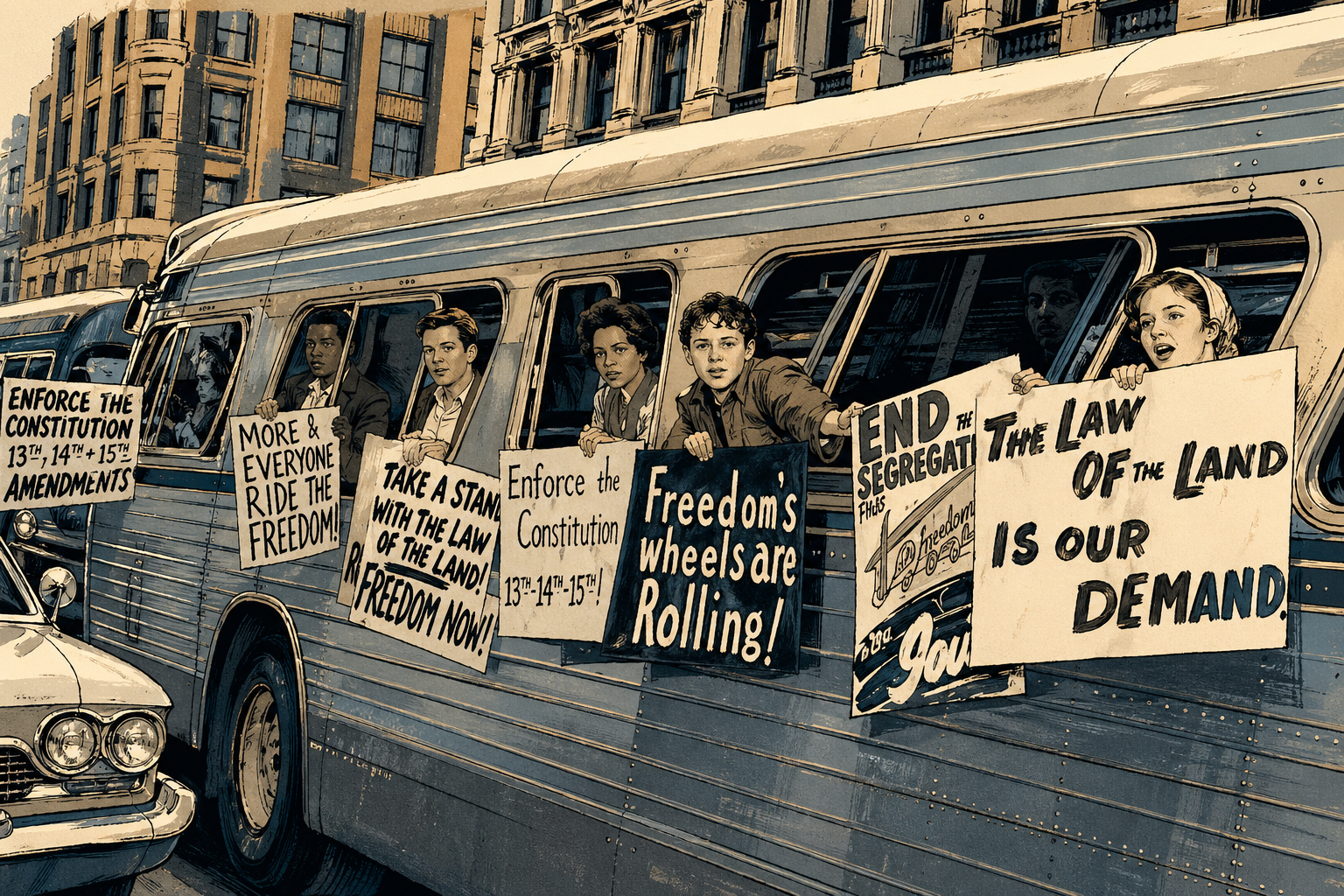
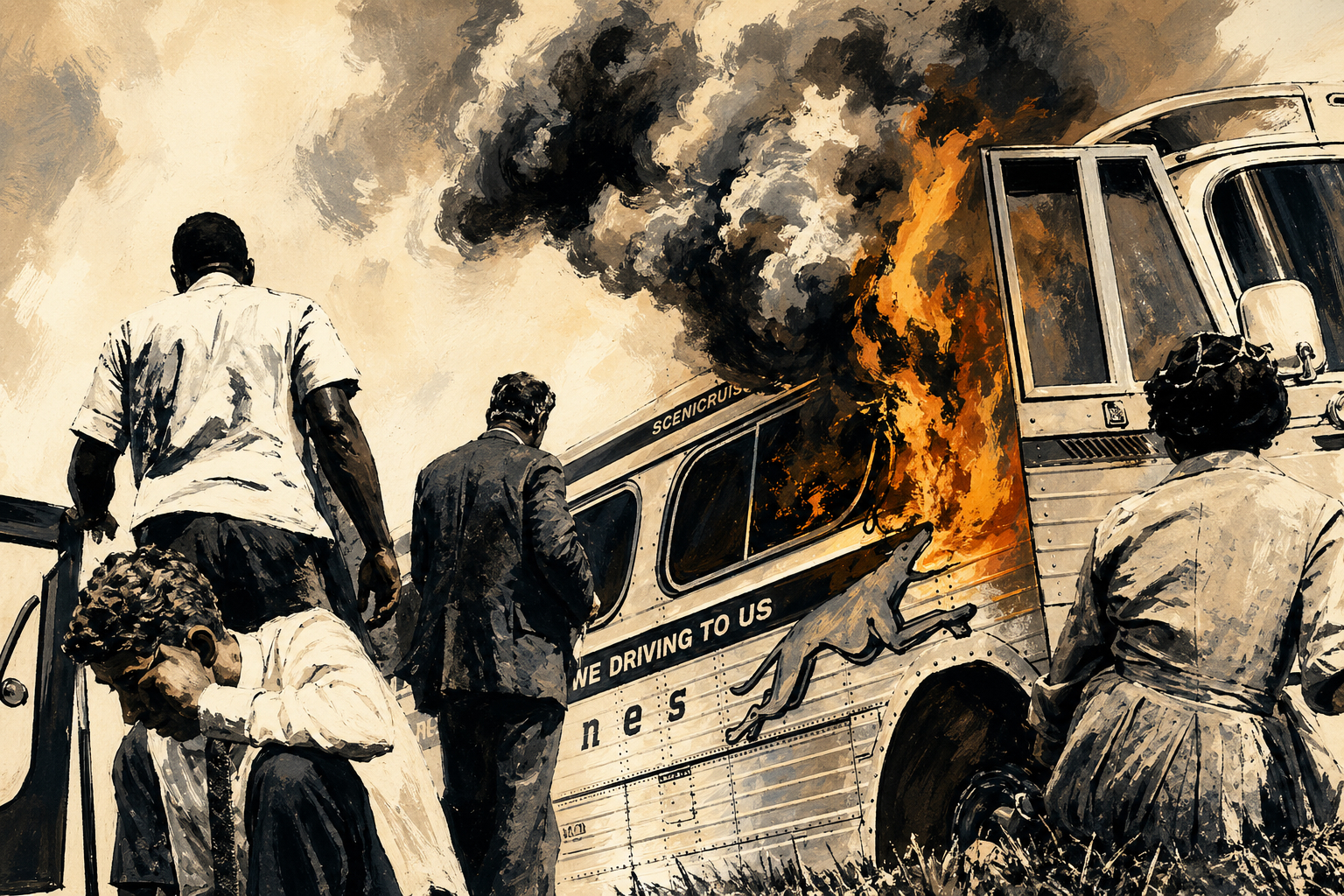
May 4, 1961: The Freedom Rides began when 13 activists left Washington, D.C., by bus to challenge segregation in interstate travel. Organized by the Congress of Racial Equality, known as CORE, the first group included seven Black riders and six white riders. They boarded Greyhound and Trailways buses with one purpose: to test whether the South would obey federal law. This was not random protest. It was direct action backed by law. The Supreme Court had already ruled against segregation in interstate bus travel and later against segregation in bus terminal facilities serving interstate passengers. But across much of the South, those rulings were often ignored. So the Freedom Riders tested the law in public. They planned to travel from Washington, D.C., to New Orleans, using waiting rooms, restrooms, lunch counters, and seating areas that Southern custom still tried to divide by race. That is what made the rides so powerful. They exposed the gap between what the law promised and what Black travelers actually faced. At first, the trip moved with limited trouble. But deeper in the South, the danger grew. In Alabama, a Greyhound bus was attacked and firebombed near Anniston. Riders on another bus were beaten in Birmingham. In Montgomery, more violence showed the nation how far some people were willing to go to defend segregation. But the Freedom Rides did not end with fear. More riders joined. Students, ministers, and activists continued the movement, knowing they could be jailed, beaten, or worse. Their courage forced national attention onto segregation in interstate travel and helped pressure federal officials to enforce the law. The Freedom Rides were not just about buses. They were about whether America would honor its own laws when Black citizens demanded rights already promised to them. On May 4, we remember the riders who stepped onto those buses knowing the road ahead could turn dangerous, but went anyway. #FreedomRides #OnThisDay #AmericanHistory

justme

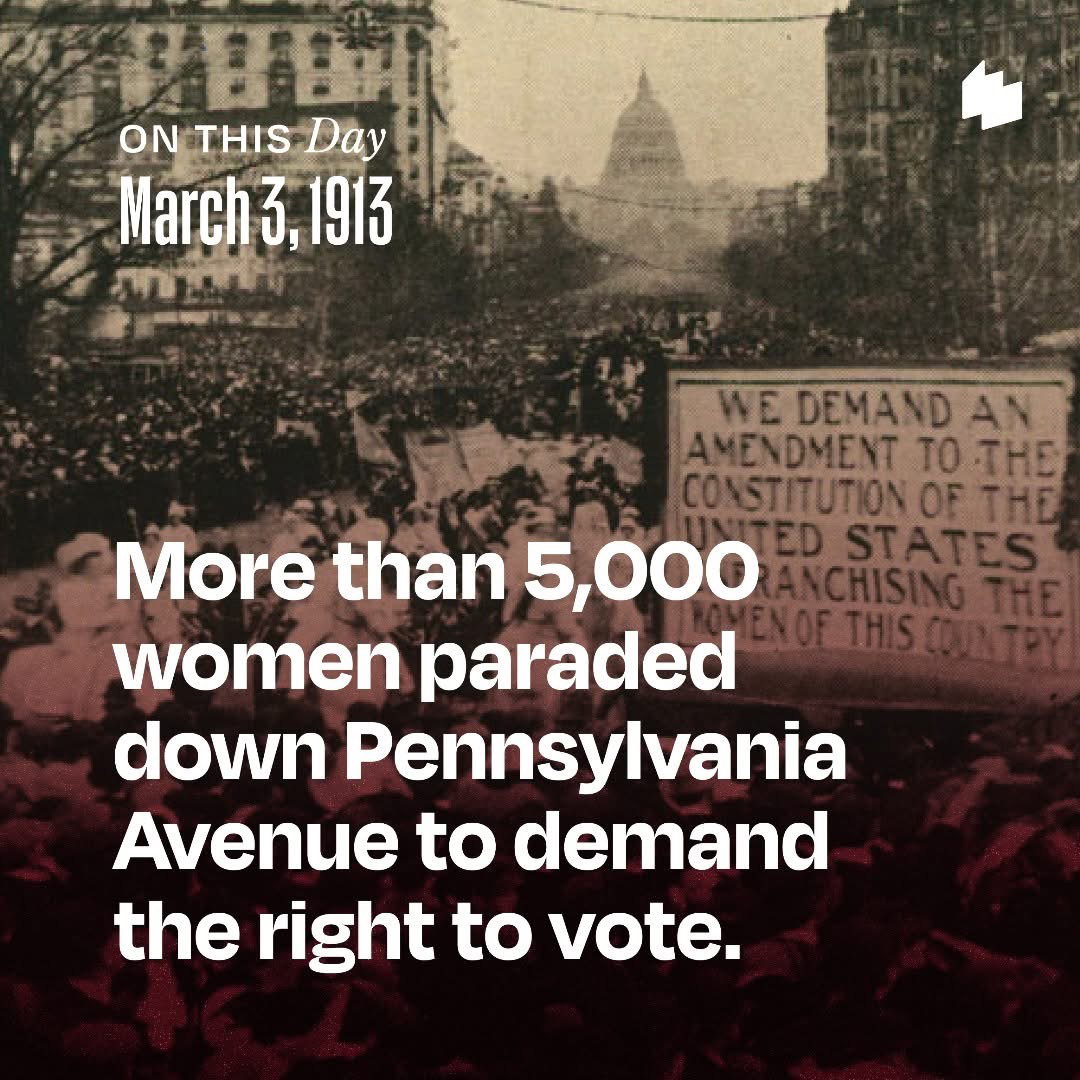
#OnThisDay in 1913, more than 5,000 women marched down Pennsylvania Avenue in D.C. to demand the right to vote, marking the first suffrage parade and the first large, organized march on Washington for political purposes. The 1913 Woman Suffrage Procession through Washington, D.C. changed the way protests were viewed and carried out by the American public, and laid the foundation for future marches. The Procession, unprecedented in both its scale and its tactics, was a major turning point for the woman suffrage movement in the United States. Suffrage leader Alice Paul, who was recently elected head of the National American Woman Suffrage Association’s Congressional Committee, devised the idea for a large-scale public demonstration. Paul, who had spent time in England, witnessed the more militant tactics that the British suffragists used to draw attention to their cause. Parade organizers strategically selected March 3, 1913 for the march. Woodrow Wilson was to be inaugurated as the new President the following day, and national press was in town and idly awaiting the inaugural festivities. Paul insisted that the parade march down Pennsylvania Avenue, deliberately following the same route that the inaugural parade would take the next day. The contrast between the two parades would prove striking. Reporters flocked to the suffrage parade, leaving Wilson to arrive at the train station unheralded. Despite the chaos and violence that initially ensued during the parade, Paul declared the event a success. The parade made national headlines and once again captured the public’s interest in the suffrage movement. Even those who opposed votes for women acknowledged that, as citizens, the women had the right to peacefully assemble.

LataraSpeaksTruth

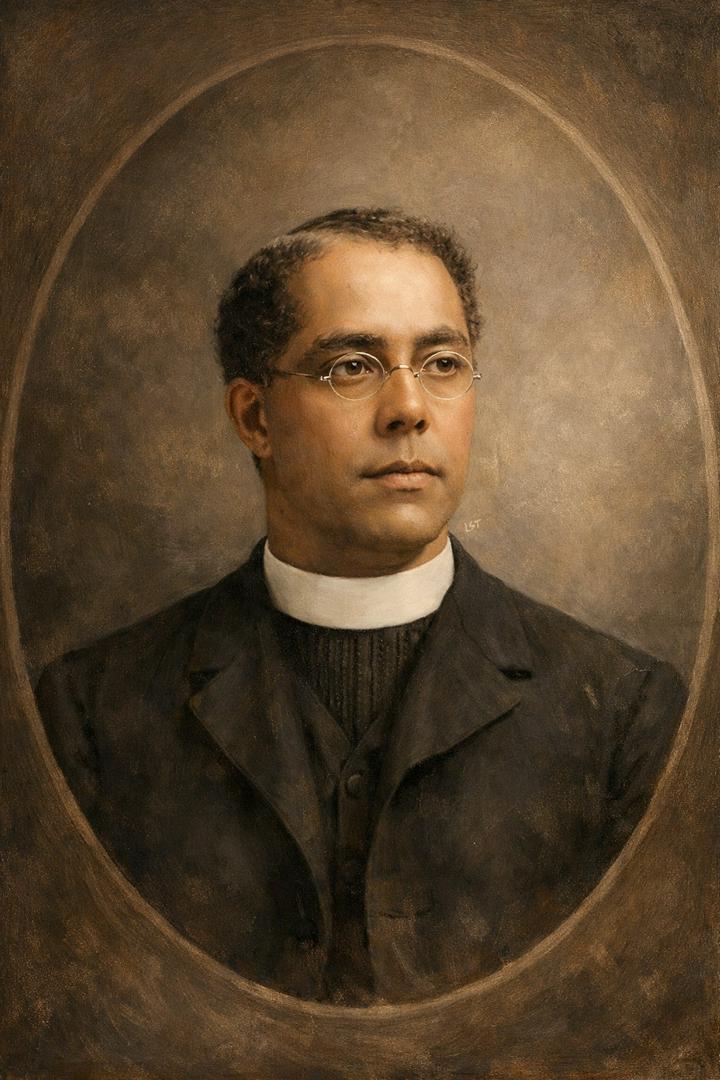
On December 19, 1891, in Baltimore, history moved quietly but decisively. Charles Randolph Uncles became the first African American man ordained a Catholic priest on U.S. soil, breaking through a Church that, like the country around it, was deeply entangled in racial exclusion. Born in 1859 to parents who had been enslaved, Uncles converted to Catholicism as a teenager and soon felt called to the priesthood. That calling was met with resistance. American seminaries shut their doors to him because of his race, forcing him to complete his studies in Europe before returning home for ordination. Ordination did not end the struggle. Father Uncles spent his ministry navigating segregation in parishes, schools, and religious institutions. Still, he showed up. Still, he served. Still, he believed the Church could be better than its habits. He became a founding force behind the Society of St. Joseph of the Sacred Heart, known as the Josephites, a religious order dedicated to serving Black Catholic communities in the United States. This was not symbolic work. It was real, grounded pastoral labor. Father Uncles was more than a parish priest. He was an educator, an advocate, and living proof that authority, faith, and leadership were never meant to be limited by race. His presence at the altar challenged assumptions about who belonged there. December 19, 1891 stands as more than a religious milestone. It reminds us that progress often begins with someone willing to endure exclusion so others do not have to. History does not always shout. Sometimes it kneels, stands up anyway, and refuses to leave. #OnThisDay #ThisDayInHistory #AmericanHistory #FaithHistory #ReligiousHistory #HiddenHistory #UntoldHistory #HistoryMatters

LataraSpeaksTruth

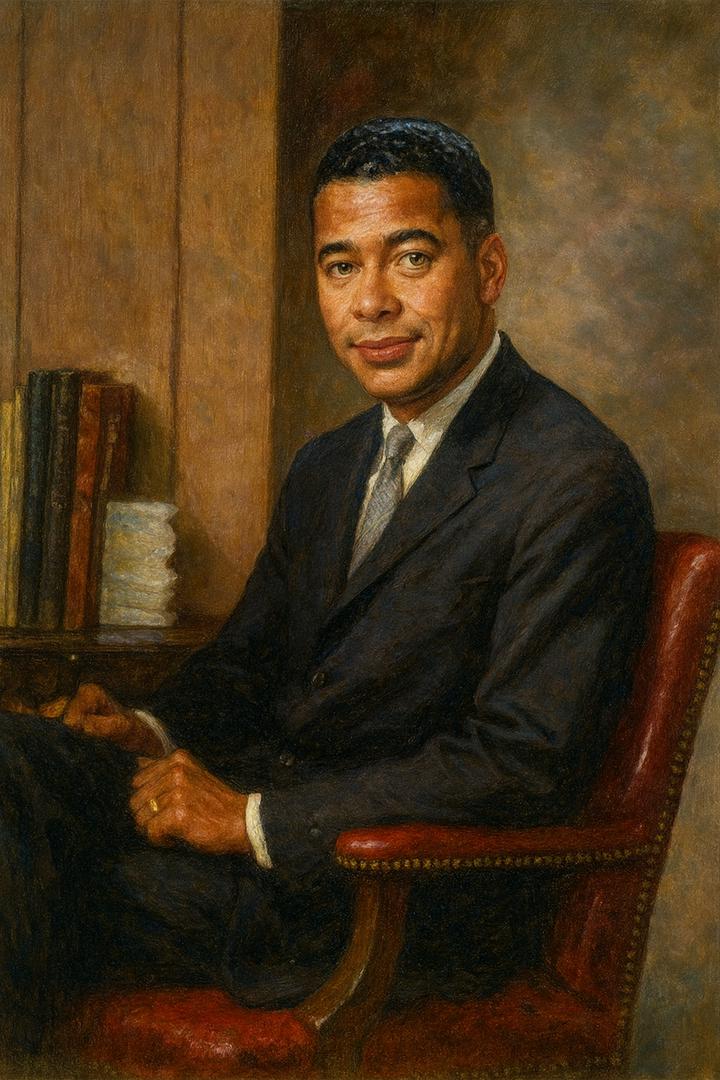
Edward Brooke’s journey didn’t begin with a viral moment or a spotlight. It began at Howard University, where he earned his undergraduate degree in 1941 at a time when Black excellence was expected to survive quietly, not be celebrated. Howard wasn’t just a campus. It was a proving ground for minds forced to understand systems never designed for them. Brooke left with discipline and direction, then stepped into World War II, serving as a U.S. Army officer and returning home with a Bronze Star and a sharper understanding of the country he was expected to serve. After the war, Brooke earned his law degree from Boston University School of Law in 1948. No shortcuts. No favors. Just credentials, patience, and persistence layered over experience. That steady climb carried him somewhere the system never expected him to land. In 1966, Edward Brooke became the first Black U.S. senator elected by popular vote. Not appointed. Not inherited. Voted in. By the people. In Massachusetts. His rise mattered because it wasn’t loud. It was deliberate. He didn’t break the system with spectacle. He forced it to acknowledge him through preparation and endurance. In a country built to block the stairs, he climbed them anyway. Step by step. Howard wasn’t the finish line. It was the foundation. And the rest of the story proves that history doesn’t always announce itself. Sometimes it shows up early, does the work quietly, and waits decades for the room to change. #OnThisDay #December11 #EdwardBrooke #HowardUniversity #BostonUniversityLaw #USHistory #PoliticalHistory #CivilRightsEra #BlackExcellence

LataraSpeaksTruth

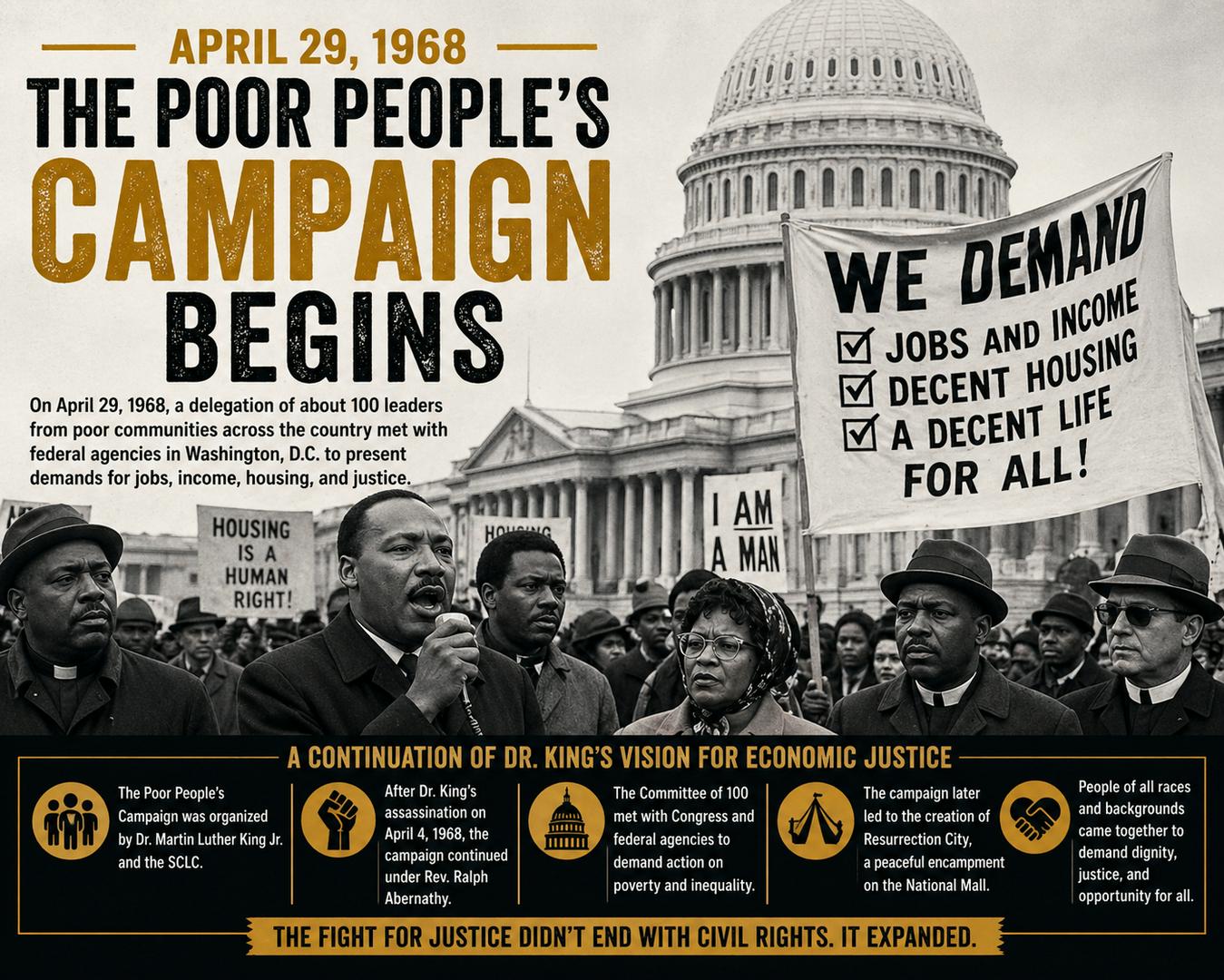
On April 29, 1968, the Poor People’s Campaign moved into a new public phase in Washington, D.C., when a group known as the Committee of 100 began meeting with members of Congress and federal agencies. The campaign had been planned by Dr. Martin Luther King Jr. and the Southern Christian Leadership Conference as a national effort to confront poverty in America. King had argued that legal rights alone were not enough if people were still trapped without jobs, decent housing, food, education, or a secure income. After King was assassinated on April 4, 1968, the campaign continued under the leadership of Rev. Ralph Abernathy and other SCLC organizers. The goal was to bring poor people from across the country to the nation’s capital and force the federal government to face the conditions millions of Americans were living under. The Committee of 100 included representatives from poor communities across racial and regional lines. The campaign brought together Black, white, Latino, Native American, and other poor Americans who were demanding economic justice. Their demands included jobs at living wages, income support for those unable to work, affordable housing, emergency food assistance, collective bargaining rights for farmworkers, and stronger federal action against poverty. The campaign later led to the building of Resurrection City, a protest encampment on the National Mall where demonstrators lived for weeks while pressing the government to respond. The Poor People’s Campaign was one of Dr. King’s final visions. It showed that his work was not only about ending segregation. It was also about challenging the economic systems that left families hungry, workers underpaid, and communities ignored. April 29, 1968 marked the start of that direct push in Washington. It was a reminder that the fight for dignity included the right to live, work, eat, and be housed with basic human respect. #BlackHistory #PoorPeoplesCampaign #MLKLegacy #EconomicJustice #OnThisDay

Tag: OnThisDay - Page 16 | LocalAll