Tag Page SportsHistory

#SportsHistory
LataraSpeaksTruth

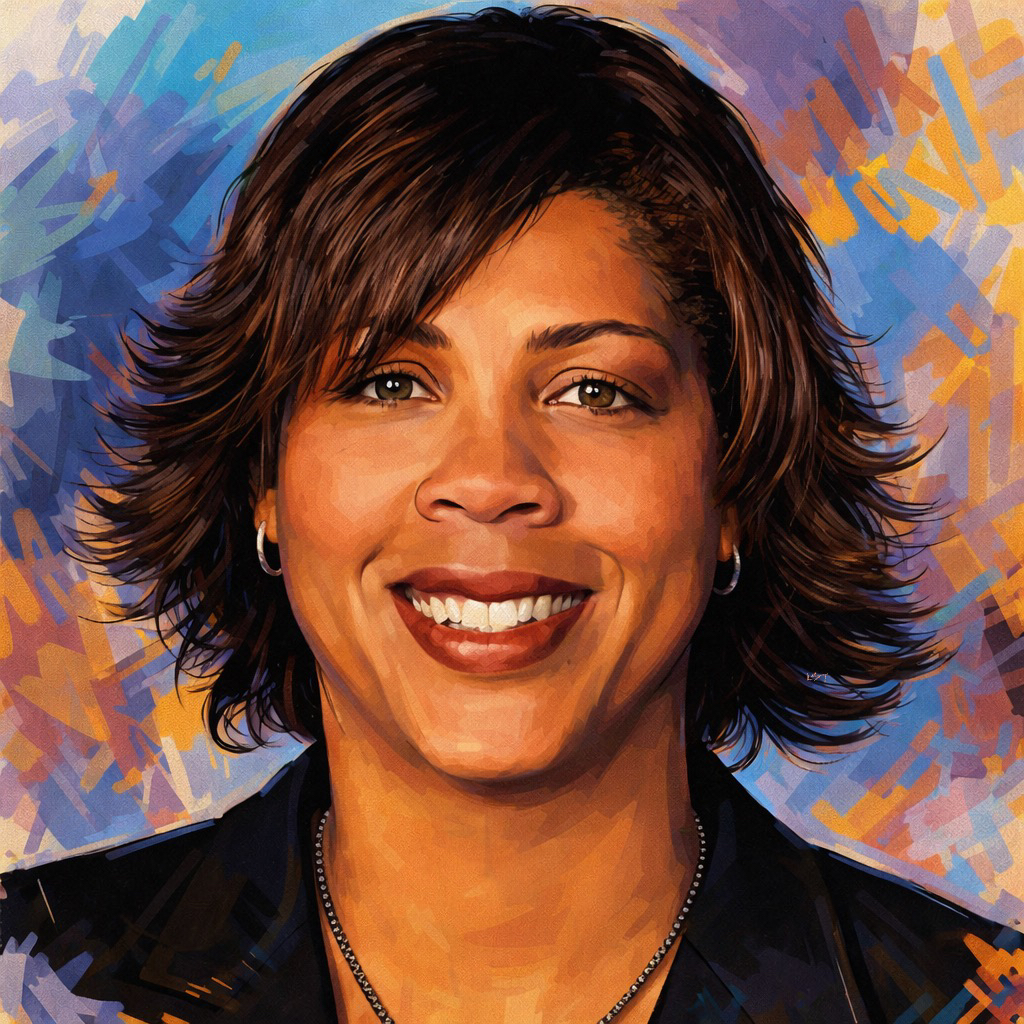
Happy Birthday to Cheryl Miller, born January 3, 1964…one of the most dominant basketball players to ever touch the floor, period. Before the WNBA even existed, Cheryl Miller was already redefining what excellence looked like in women’s sports. She didn’t ask for space in the game. She took it. At USC, she led the Trojans to two NCAA championships and three straight national title games, earning National Player of the Year honors three times. Her scoring, rebounding, defense, and court vision weren’t just elite for women’s basketball…they were elite, full stop. The records she set didn’t age poorly. They still stand because dominance like that isn’t common. On the international stage, she helped lead Team USA to Olympic gold medals in 1984 and 1988, representing the country with the same intensity and control she showed at every level of the game. And when injuries cut her playing career short, she didn’t disappear. She transitioned into coaching, broadcasting, and advocacy, continuing to shape the sport from the sidelines and the mic. Cheryl Miller’s influence shows up every time women’s basketball is taken seriously. In every player who plays with confidence instead of apology. In every conversation about why women athletes deserve equal respect, coverage, and investment. She didn’t benefit from the system. She helped build it. Flowers are overdue. Respect is permanent. Happy Birthday, legend. #CherylMiller #WomensBasketball #BasketballHistory #SportsLegends #USCBasketball #OlympicGold #Trailblazer #WomenInSports #HallOfFame #OnThisDay #SportsHistory #LataraSpeaksTruth

LataraSpeaksTruth

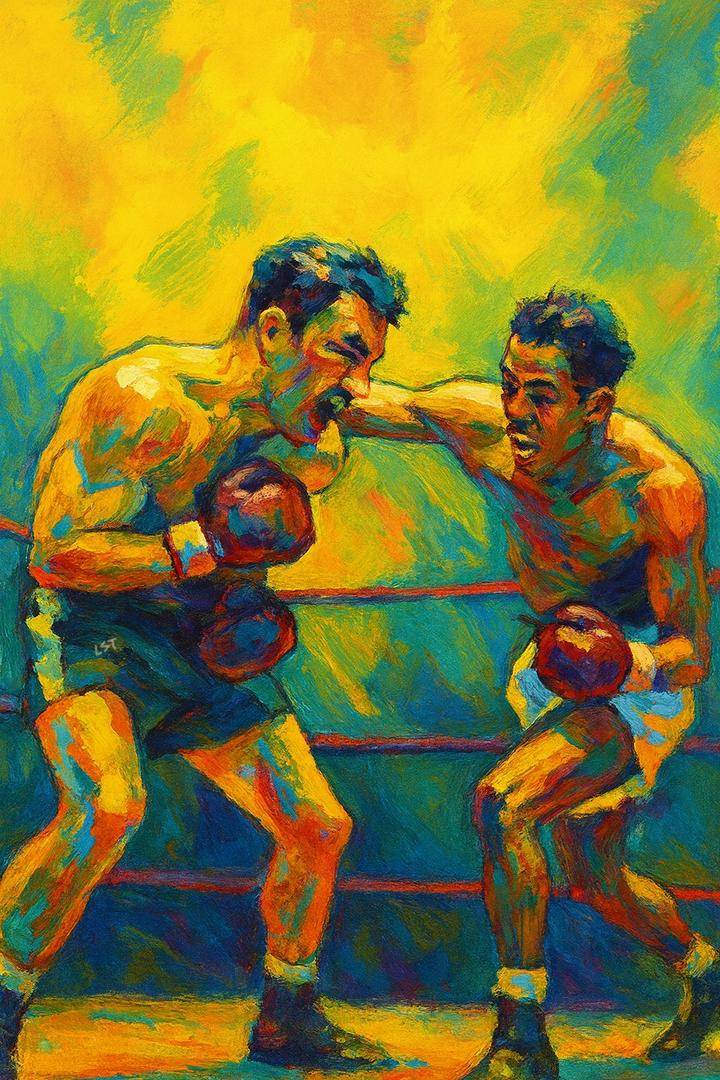
December 10 marks a moment that shook the sports world in 1965. Sugar Ray Robinson, the man many still consider the greatest boxer to ever lace a pair of gloves, officially stepped away from the ring and closed a career that feels almost mythical in hindsight. He retired with world titles in the welterweight and middleweight divisions and more than 100 knockouts across eras where every fight was a battle for legacy. Sugar Ray wasn’t just skilled, he was the blueprint. Footwork light as conversation, timing sharp as intuition, movement that looked like it should have been captured in poetry instead of film. He shifted how fighters trained, strategized, dreamed. Whole generations studied him. Whole styles were born from his rhythm. His retirement on this day was bigger than a personal decision. It marked the end of a chapter in American sports history, a moment where fans knew they were watching the closing of something rare, something unmatched. A career that rewrote expectations. A fighter who redefined excellence. A legend who stood alone. There are champions. There are icons. And then there is Sugar Ray Robinson, a name that still commands respect every single time it’s spoken. His legacy didn’t end with retirement. It expanded, echoing through every fighter who studied the art of footwork, precision, and heart. #BlackHistory #BlackExcellence #OnThisDay #SportsHistory #BoxingHistory #SugarRayRobinson #LataraSpeaksTruth

LataraSpeaksTruth

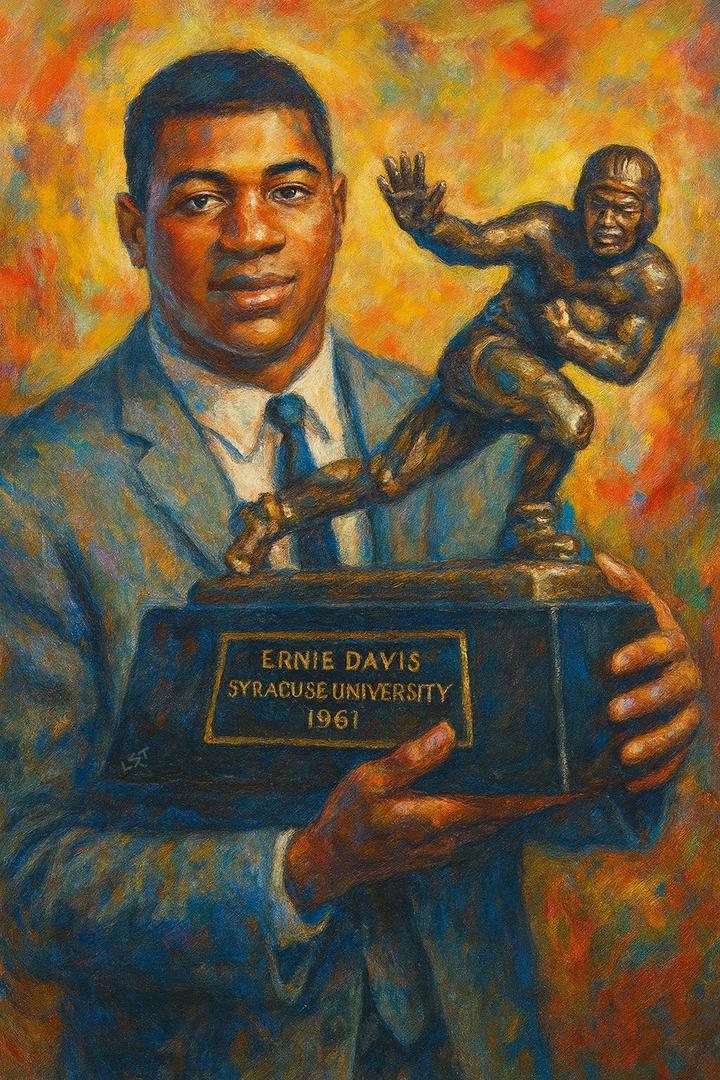
The First Black Heisman Winner… Ernie Davis Makes History (1961)

In 1961, Ernie Davis changed the entire landscape of college sports without raising his voice or asking for permission. Syracuse University’s star running back became the first Black athlete to win the Heisman Trophy… and that moment hit a lot harder than a highlight reel. Davis was one of those players who made the game look easy. Smooth balance, impossible strength, and the kind of vision that made defenses question their life choices. But behind all that talent was a young man pushing through barriers that had been in place for generations. College football was still wrestling with segregation and resistance, and a lot of doors were never meant to open for athletes who looked like him. Yet he walked right through them. His Heisman win wasn’t just about statistics or a shiny award. It was a shift… a crack in a wall. Davis stood on that stage in New York City representing every player who had been told “not yet” or “not here.” He was drafted first overall into the NFL, but leukemia took his life before he could ever take the field. He was only 23. Even so, his story didn’t fade. Syracuse retired his number, and generations of players still see him as proof that purpose shows up even when the world tries to look away. Today, his legacy still stands tall: talent, dignity, and impact that reaches far past the field. #ErnieDavis #Heisman #SportsHistory #BlackAthletes #OnThisDay #LataraSpeaksTruth

The First Black Heisman Winner… Ernie Davis Makes History (1961)
LataraSpeaksTruth

Marshall Major Taylor Born November 26, 1878

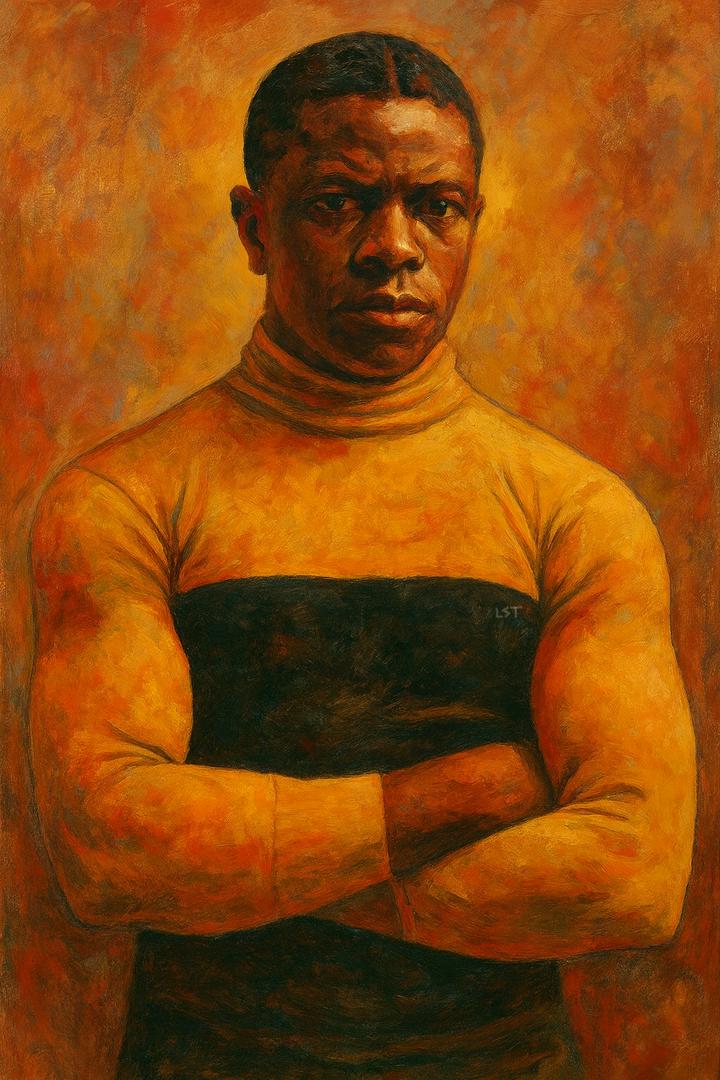
Marshall Major Taylor was born on November 26, 1878, in Indianapolis. He would rise to become one of the most accomplished cyclists of the early twentieth century at a time when organized racing was dominated by white athletes and shaped by racial barriers that followed him at every turn. His career showed what discipline and unmatched talent could overcome long before fairness became part of the conversation. Taylor’s speed gained attention when he was still a child performing bicycle tricks outside a local shop. Those early demonstrations led to training opportunities that pushed him toward competitive racing. By his late teens he began entering professional events where he quickly stood out not only for his ability to accelerate but also for the composure he carried during hostile environments. In 1899 he won the world one mile sprint championship, which placed him among the top athletes of his era. His titles and records reached international audiences including races in Europe and Australia where he found greater professional respect. He set multiple world records during his career, showing how far his skills could go even without the full support many of his competitors enjoyed. Taylor’s legacy represents strength, discipline, and achievement under pressure. His accomplishments influenced future generations of athletes who saw proof that excellence could not be denied even in the face of exclusion. His name remains an important part of cycling history and a reminder of what it looks like to keep moving forward with purpose. #OnThisDay #MarshallTaylor #SportsHistory #CyclingLegend #LataraSpeaksTruth

Marshall Major Taylor Born November 26, 1878
LataraSpeaksTruth

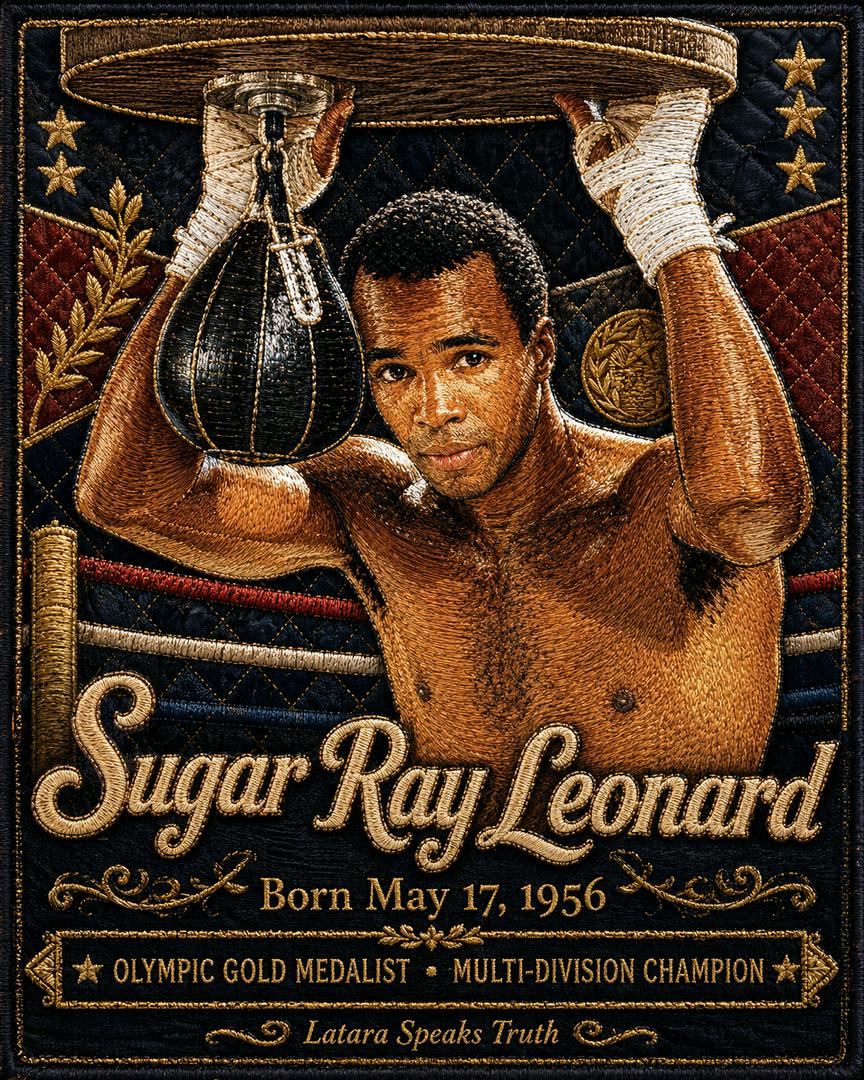
May 17, 1956… Sugar Ray Leonard was born. Born Ray Charles Leonard in Wilmington, North Carolina, he would grow into one of the most recognizable fighters boxing has ever seen. Before the bright lights, championship belts, and legendary rivalries, Leonard first made his name as a young amateur with speed, rhythm, and confidence that made people stop and watch. His national breakthrough came at the 1976 Olympic Games in Montreal, where he won gold in the light welterweight division. That victory helped introduce him to the world, but it was only the beginning. As a professional, Sugar Ray Leonard became known for more than just his hands. He had footwork, timing, charisma, and the rare ability to turn a fight into a performance without losing the danger of the moment. He was smooth, but he was not soft. He could box, move, adjust, and when necessary, stand in the fire. Leonard became a world champion across multiple divisions and was part of the famous “Four Kings” era with Roberto Durán, Thomas Hearns, and Marvin Hagler. Those fights helped define boxing in the 1980s and kept smaller weight classes in the national spotlight after the Muhammad Ali era. His career was not without difficulty. Leonard dealt with injuries, retirement, comebacks, and the pressure that comes with fame. But his place in boxing history remains secure. He finished his professional career with 36 wins in 40 fights and was inducted into the International Boxing Hall of Fame in 1997. Sugar Ray Leonard’s legacy is not just that he won. It is how he won…with speed, style, courage, and intelligence. He helped make boxing feel electric again, and decades later, his name still carries weight. #SugarRayLeonard #BoxingHistory #OnThisDay #SportsHistory #BlackHistory #OlympicGold #LegendaryFighters
LataraSpeaksTruth

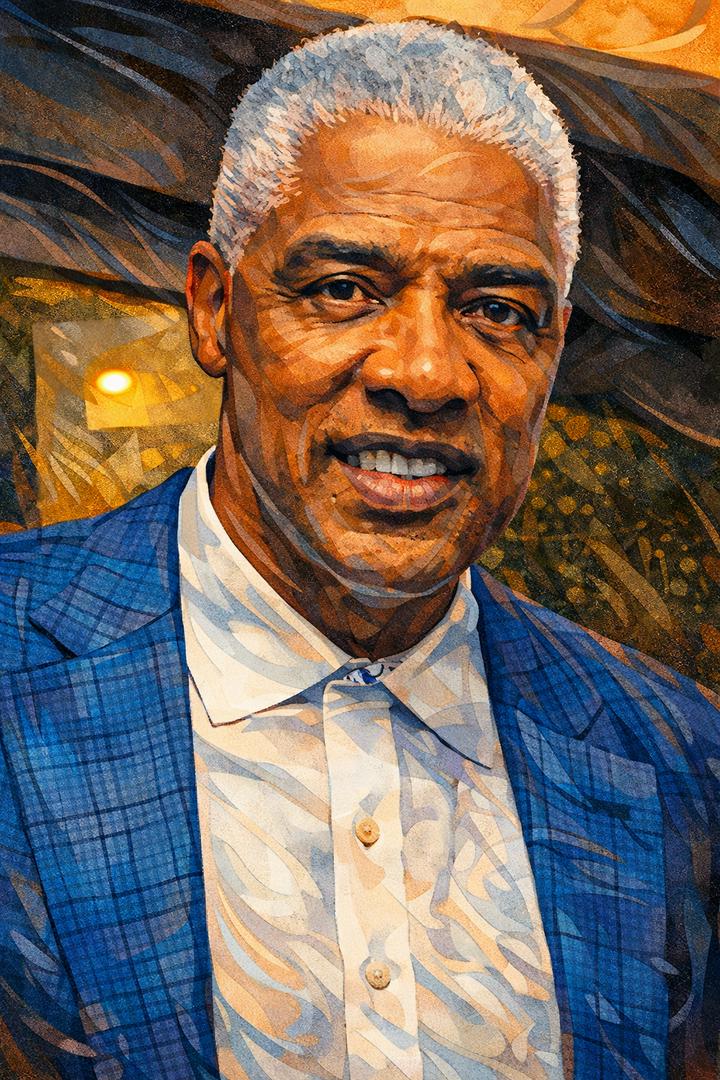
February 22, 1950…Julius “Dr. J” Erving is born in Roosevelt, New York…and basketball gets one of its first true skywalkers. Before the NBA became a nonstop highlight reel on your phone screen, there was Dr. J making entire arenas lean forward like, Wait…did he just do that. He came up in a time when most stars stayed on the floor and finished simple. Erving played like the rim was a suggestion…long strides, smooth hang time, and that calm face while doing something that looked impossible. His legend caught fire in the ABA, where style and speed were the heartbeat of the league. With the Virginia Squires and then the New York Nets, he turned the fast break into theater. He won three straight ABA MVP awards, helped make the Nets the league’s standard, and led them to ABA championships in 1974 and 1976. The ABA didn’t just have flair…Dr. J was the flair. When the ABA and NBA merged, his game came with it…and the whole sport leveled up. In the NBA, he became the face of the Philadelphia 76ers, a yearly problem in the playoffs, and one of the biggest stars in the league. He won NBA MVP in 1981, kept knocking on the door, then finally grabbed an NBA title in 1983. The trophies matter, but the real impact is what he handed down…proof that grace can still be power, that flight can be controlled, that a wing can attack the basket like the air belongs to him. You can draw a straight line from Dr. J to the modern above the rim era, because his fingerprints are all over it. Happy birthday to the man who made flying look normal. #JuliusErving #DrJ #NBAHistory #ABAHIstory #Basketball #Philadelphia76ers #NewYorkNets #VirginiaSquires #ABA #NBA #OnThisDay #SportsHistory #Hoops #AboveTheRim #HallOfFame #Legend #Birthday #RooseveltNY #76ers #Nets #MVP #Championship #BasketballCulture

LataraSpeaksTruth

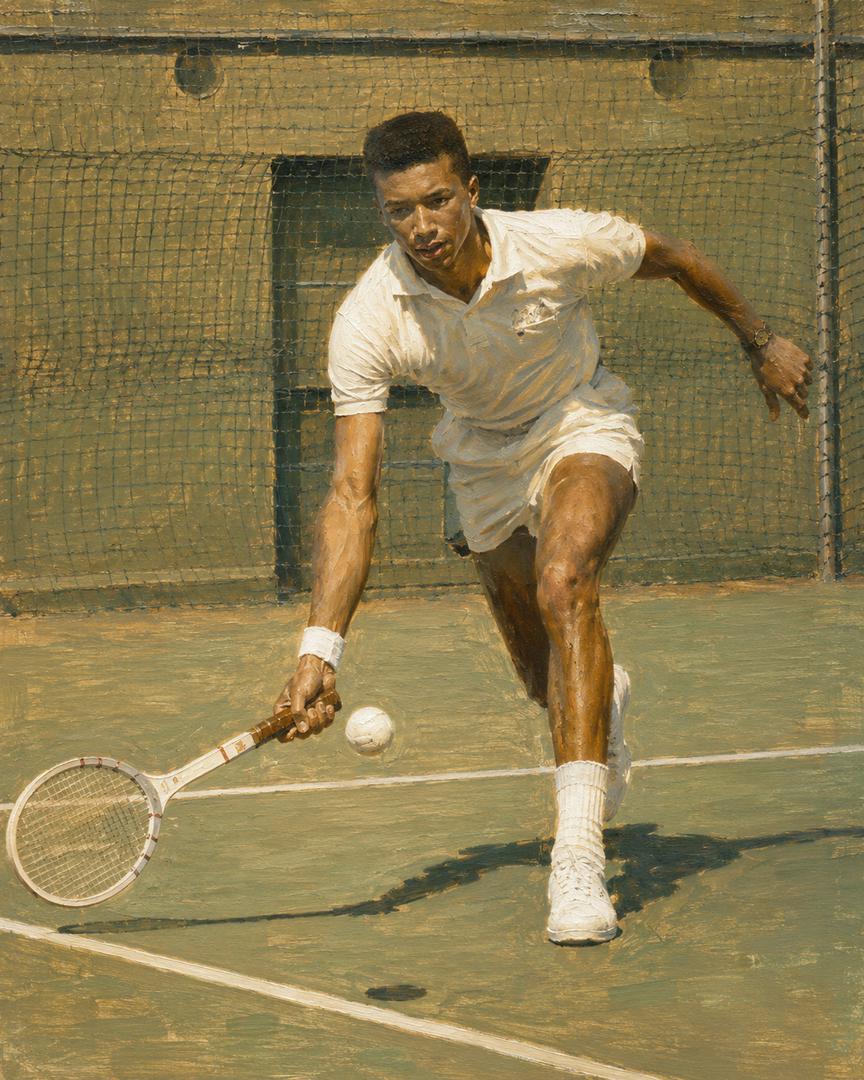
On May 14, 1963, Arthur Ashe made history while he was still a student at UCLA. That day, Ashe became the first African American selected to play on the United States Davis Cup tennis team. In a sport where access, visibility, and opportunity had long been limited, his selection marked a breakthrough that reached beyond the court. The Davis Cup was not just another tennis event. It was an international team competition where players represented their country. For Ashe to be chosen in 1963, during the civil rights era, gave the moment deeper meaning. He was not only competing as an athlete. He was stepping into a space where few Black players had been allowed to stand. Ashe’s rise was built on discipline, intelligence, and control. He was not known for loud theatrics. His power came through focus. His game was sharp, his presence was steady, and his purpose was clear. That quiet strength became part of what made his legacy so respected. At UCLA, Ashe continued building the foundation for a career that would change tennis history. He later became the first Black man to win the U.S. Open, the Australian Open, and Wimbledon singles titles. He also used his platform to speak on apartheid, education, public health, and human rights. But this May 14 moment deserves its own place in history. Before the Grand Slam titles, before the stadium carried his name, and before the world fully understood his impact, Arthur Ashe was a young college student chosen to represent the United States in one of tennis’s most prestigious competitions. His selection did not erase the barriers Black athletes faced. It exposed how long those barriers had stood. And every time Ashe walked onto the court, he carried more than a racket. He carried possibility. Arthur Ashe did more than make the team. He widened the court for everyone who came after him. #ArthurAshe #SportsHistory #TennisHistory #BlackHistory #OnThisDay

Rachel Marie

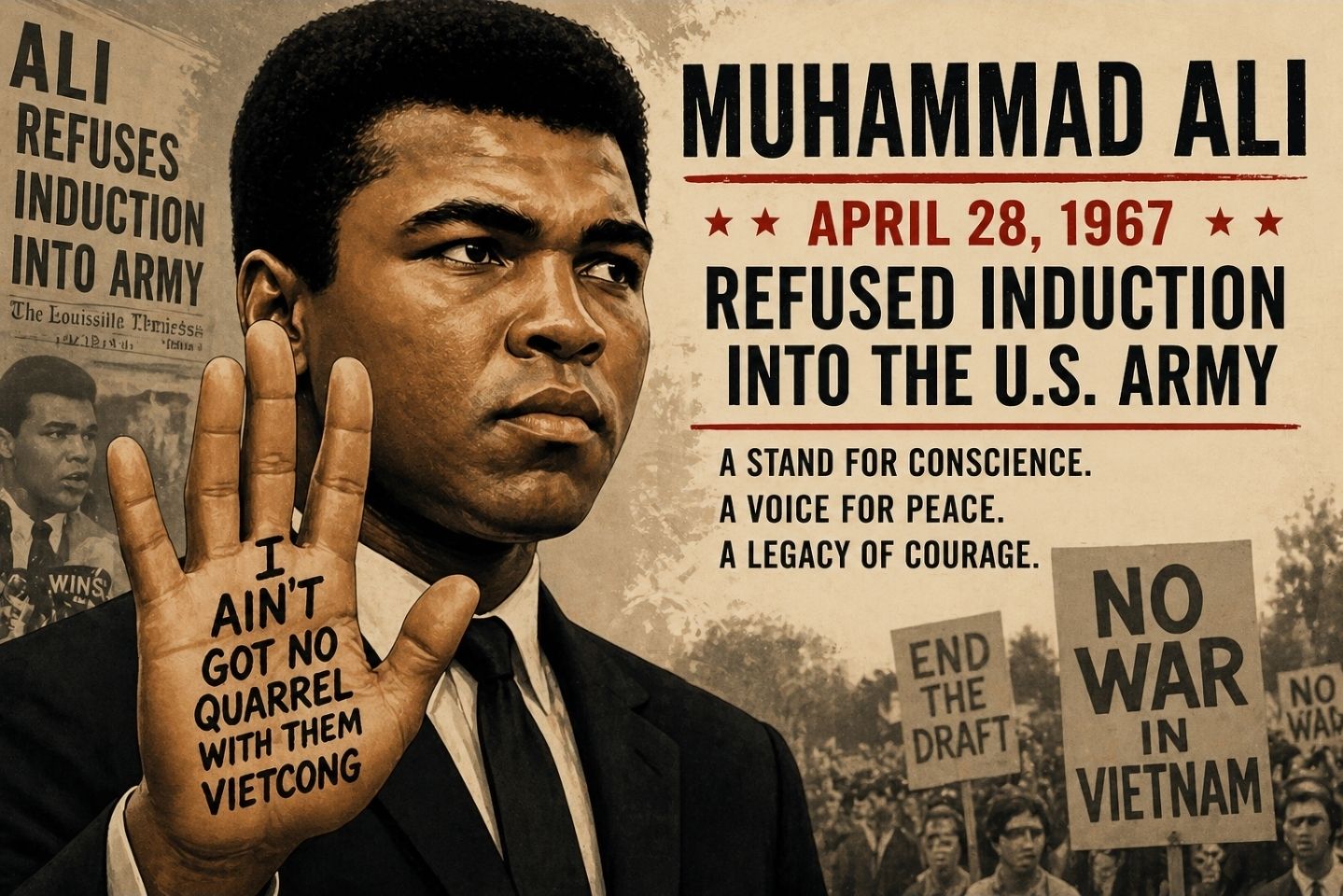
On April 28, 1967, Muhammad Ali stood in Houston and refused induction into the U.S Army during the Vietnam War. His reason was rooted in his Muslim faith and his belief that he was a conscientious obiector. He famously opposed fighting in a war abroad while Black Americans were still fighting for basic riahts at home. Ali was immediatelv stripped of his heavvweight title and boxing license. In June 1967. he was convicted of draft evasion, sentenced to five vears in prison fined $10,000, and banned from boxind during what should have been the peak vears of his career. He staved free while appealing the case, but he lost nearly four vears in the ring The public reaction was fierce. Many called him unpatriotic. Others saw him as brave principled, and ahead of his time. His stand connected sports to faith, conscience, race, politics, and the growing antiwar movement Ali did not iust risk money or fame. He risked his freedom In 1971, the U.S. Supreme Court unanimously overturned his conviction ir Clay v. United States. By then, Ali had become more than a boxing champion. He became a symbol of resistance, sacrifice and the riaht to follow one's conscience, even when the whole country tells you to sit down and be quiet Muhammad Ali's refusal remains one of the most powerful acts of protest in sports history. He lost his title, but he never lost his voice. #MuhammadAli #VietnamWar #SportsHistory #CivilRights #BlackHistory

LataraSpeaksTruth

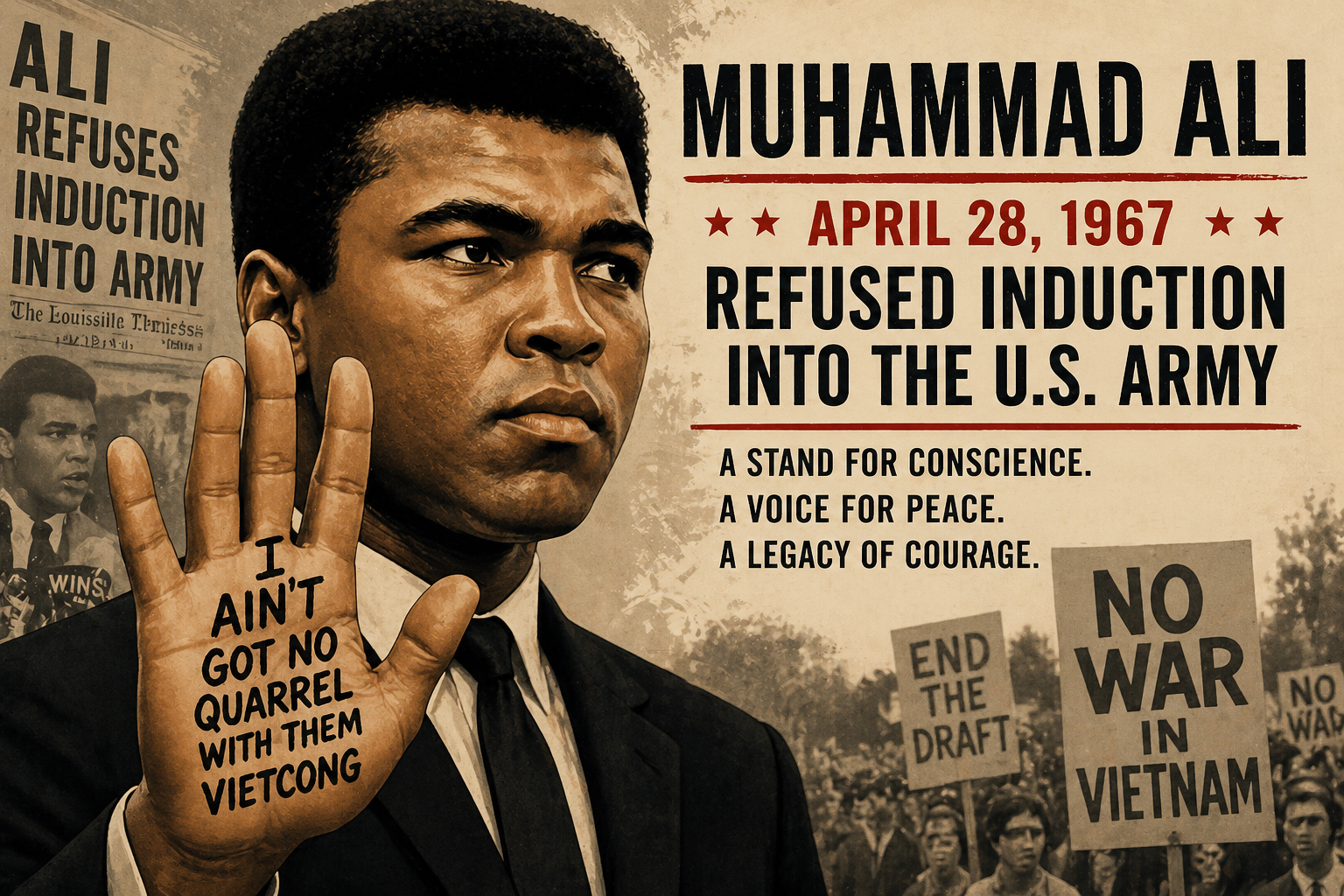
On April 28, 1967, Muhammad Ali stood in Houston and refused induction into the U.S. Army during the Vietnam War. His reason was rooted in his Muslim faith and his belief that he was a conscientious objector. He famously opposed fighting in a war abroad while Black Americans were still fighting for basic rights at home. Ali was immediately stripped of his heavyweight title and boxing license. In June 1967, he was convicted of draft evasion, sentenced to five years in prison, fined $10,000, and banned from boxing during what should have been the peak years of his career. He stayed free while appealing the case, but he lost nearly four years in the ring. The public reaction was fierce. Many called him unpatriotic. Others saw him as brave, principled, and ahead of his time. His stand connected sports to faith, conscience, race, politics, and the growing antiwar movement. Ali did not just risk money or fame. He risked his freedom. In 1971, the U.S. Supreme Court unanimously overturned his conviction in Clay v. United States. By then, Ali had become more than a boxing champion. He became a symbol of resistance, sacrifice, and the right to follow one’s conscience, even when the whole country tells you to sit down and be quiet. Muhammad Ali’s refusal remains one of the most powerful acts of protest in sports history. He lost his title, but he never lost his voice. #MuhammadAli #VietnamWar #SportsHistory #CivilRights #BlackHistory