Tag Page america

#america
Curiosity Corner

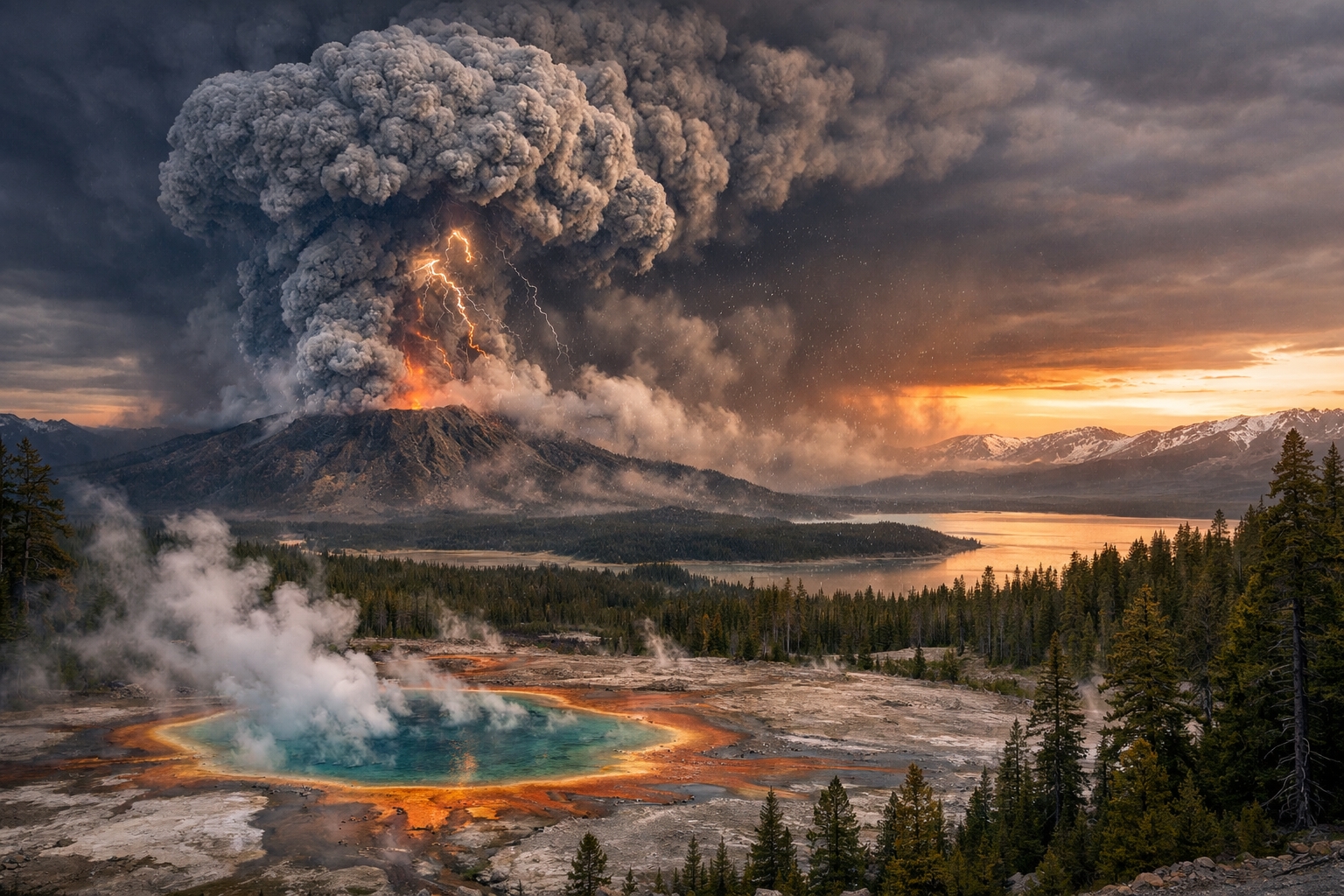
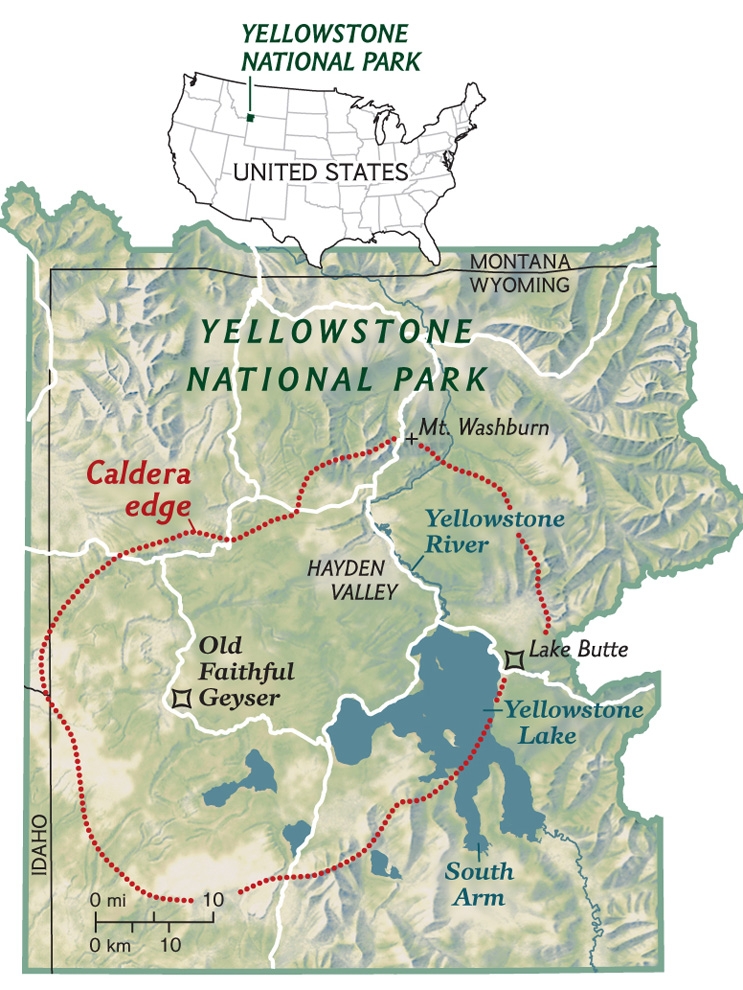
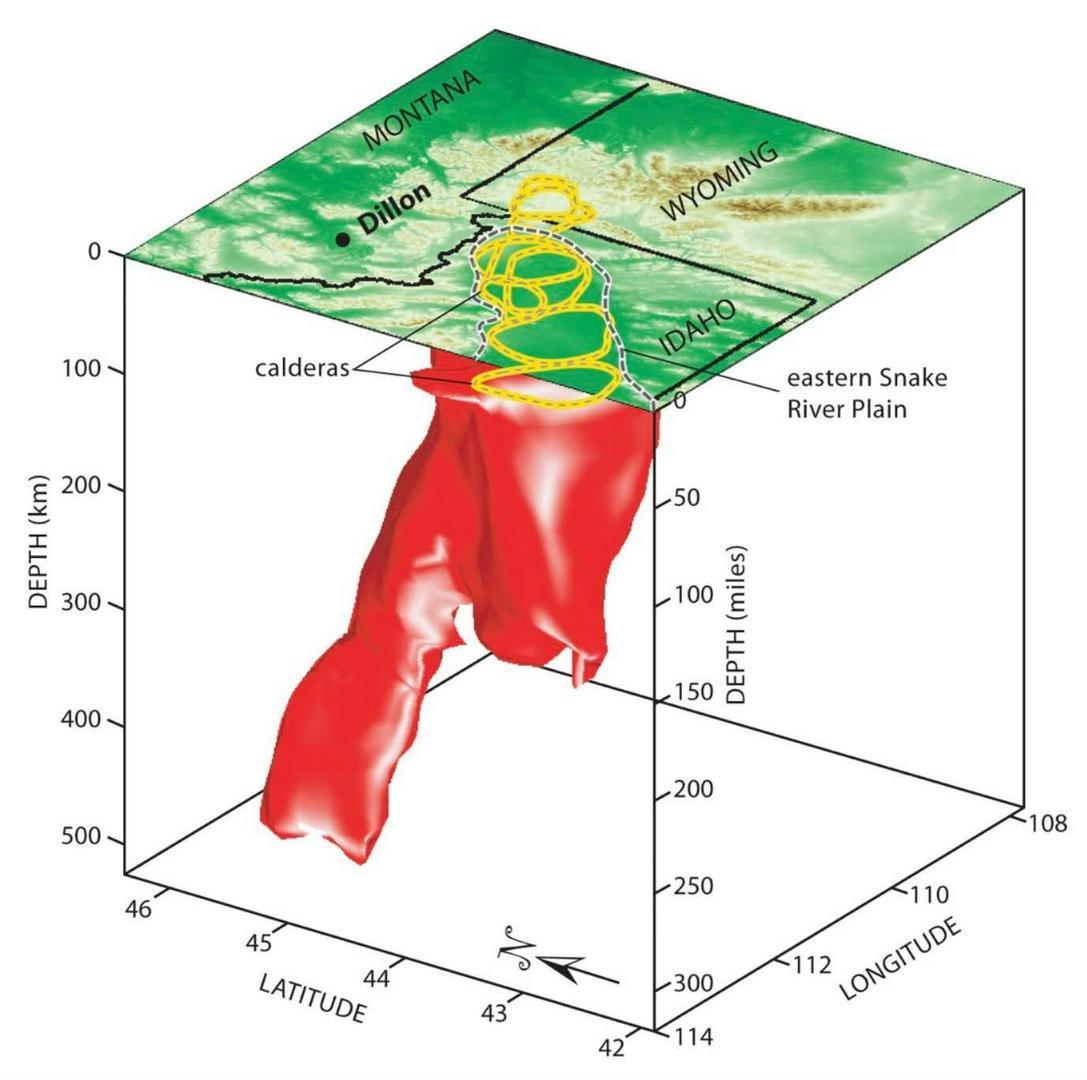
America’s Supervolcano: When Will It Erupt? The Revealing Evidence Beneath Yellowstone National Park lies one of the planet’s largest volcanic systems, a supervolcano capable of eruptions exceeding 240 cubic miles of magma. An eruption of this magnitude would reshape landscapes, blanket vast regions in ash up to several feet deep, destroy forests, and disrupt global climate for years, potentially lowering temperatures worldwide. The Yellowstone caldera spans roughly 34 by 45 miles, about the combined size of Rhode Island and Delaware, and contains over 10,000 geothermal features including geysers, hot springs, mud pots, and fumaroles, which are vents releasing steam and volcanic gases. The magma chamber extends 55 miles long, 18 miles wide, and 3 to 9 miles deep. Most of it is solid rock, while only 16 to 20 percent is molten, far below the 50 percent needed to fracture the crust and allow a supereruption. Yellowstone’s last supereruption, 640,000 years ago, expelled nearly 240 cubic miles of material, covering much of North America in volcanic ash and altering ecosystems for centuries. Earlier events 1,300,000 and 2,100,000 years ago were even larger, illustrating the irregular timing and immense power of supervolcanic activity. The U.S. Geological Survey estimates the annual chance of a supereruption at about 1 in 730,000. More likely hazards include major earthquakes and sudden hydrothermal explosions. Scientists monitor thousands of earthquakes, ground movement via GPS and satellites, gas emissions including carbon dioxide and sulfur dioxide, heat flow, and hot spring chemistry. Current readings show slow uplift and subsidence, low sulfur dioxide, and no sustained earthquake swarms, indicating deep cooling magma. Any future supereruption would be preceded by years of escalating seismic, chemical, and deformation signals, none of which are present today. #Supervolcano #Yellowstone #Science #ScienceNews #America #News #USA

1776 Patriot

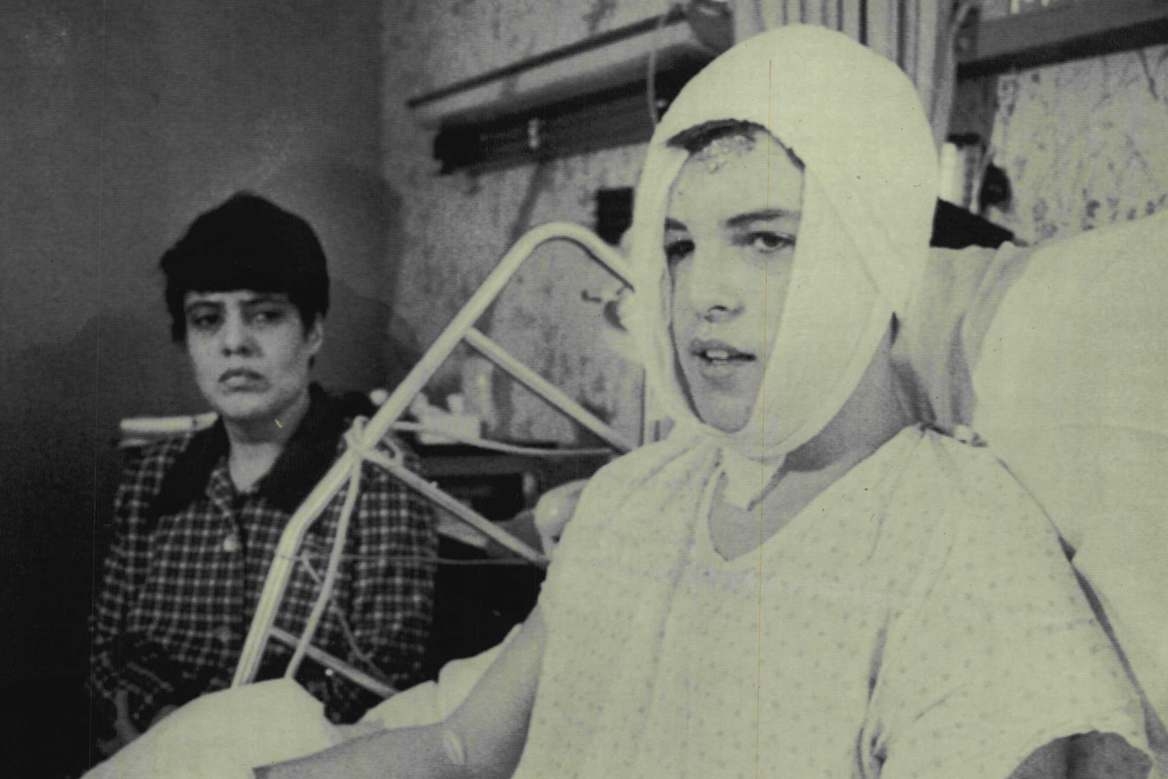
Miracle Over Missouri: George Lamson, Sole Survivor of TWA Flight 128, 1967 On November 20, 1967, TWA Flight 128, a domestic passenger flight in the United States, collided midair with a United Airlines aircraft over Missouri at approximately 11,000 feet. The collision destroyed both planes, killing all 7 crew members and 93 passengers aboard TWA Flight 128 and all 58 people aboard the other plane. George Lamson, a passenger from Missouri, survived, making him the sole survivor of 151 fatalities from the two aircraft. Lamson was seated near the rear of the plane. Investigators concluded that structural debris formed a partial protective space around him, absorbing much of the impact energy. He sustained multiple fractures, including a broken leg, several broken ribs, and a crushed pelvis, as well as internal contusions and significant blood loss. His vital organs avoided fatal trauma, a rare outcome in high energy midair collisions. Rescue crews located him within 20 minutes. Emergency responders stabilized him, controlled hemorrhage and shock, and transported him to a regional hospital. Surgeons performed orthopedic stabilization, blood transfusions, and intensive monitoring. Lamson spent 6 weeks hospitalized and underwent 3 major surgeries. Recovery included months of physical therapy to restore mobility and strength. Later in life, Lamson lived a relatively private life in Missouri. He reportedly returned to work in civil service and rarely spoke publicly about the crash, though he occasionally participated in interviews and safety studies. His survival, one of the rarest in American aviation history, demonstrates how seat location, debris orientation, rapid rescue, and sheer chance aligned perfectly. Analysts estimate that in similar midair collisions, the chance of a single passenger surviving is less than 1 percent, underscoring the extreme improbability of sole survival in catastrophic crashes. #PlaneCrash #Aviation #America #USA #History #Survivor

1776 Patriot

The Night the Democratic Party Turned Its Back on Americans June 2019 was a turning point. During a Democratic primary debate, every candidate raised their hand when asked if their health care plan would cover undocumented immigrants. Many looked to see if others raised their hands first before agreeing. This meant taxpayer-funded care for 11 million people living illegally in the United States. Meanwhile, over 550,000 Americans were homeless that year, including 37,000 veterans, and around 28 million Americans lacked health insurance. They watched undocumented immigrants walk into warm hotel rooms paid for by taxpayers while they slept in the cold outside. In California, Democratic leaders borrowed 3.44 billion dollars from the general fund to cover a Medi Cal gap. The program now spends 8.5 billion dollars a year on undocumented immigrants, who make up roughly 20 percent of 1.7 million full scope Medi Cal enrollees. Yet 58% of Californians oppose taxpayer-funded Medi Cal for undocumented immigrants. Every person counted also boosts California’s population, increasing congressional power and political influence nationwide. Americans are reacting. The fastest growing states are Florida, Texas, and Georgia. The fastest shrinking are New York, California, and Illinois. From 2020 to 2024, Democrats lost 2.1 million registered voters while Republicans gained 2.4 million. Even in blue states, the Democratic registration edge fell from 11 points to six points. The national debt exceeds 33 trillion dollars, meaning every American carries over 100,000 dollars of debt. Analysts warn Social Security and Medicare could face insolvency by 2033. Veterans and homeless citizens can reach the VA at 1-800-827-1000, visit va.gov, or call the National Homeless Shelter Hotline at 1-800-799-6599. Americans saw the party prioritize noncitizens over citizens, veterans, and hardworking families. We cannot help others unless we help ourselves first. #HealthCare #America #USA #News

Abraham Lincoln

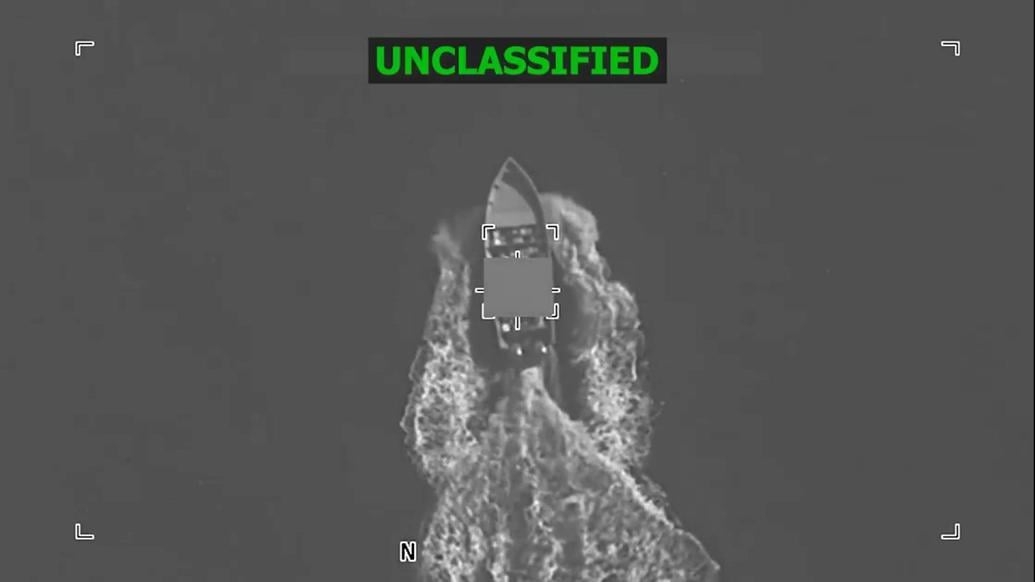
The loss of life in any action is a matter of the gravest concern, and none should ever speak lightly of it. Human life is sacred, and the sorrow of its taking weighs heavily upon the conscience of a free people and their leaders alike. Yet we must consider the circumstances and the authority granted by the Constitution. Vessels engaged in narcotics trafficking upon the high seas, proven to resist lawful orders and endanger officers and the public, present a pressing threat. Many such networks, including those linked to the Tren de Aragua, designated as a terrorist organization by the State Department, operate with violence and impunity. The Constitution grants Congress authority to regulate commerce and provide for the common defense, while entrusting the President, as Commander in Chief, to enforce the laws of the Union and protect its citizens. In my own time, we faced similar solemn duties. Just as the suppression of the Whiskey Rebellion demanded the measured enforcement of law to preserve the Union and protect the citizenry, modern law enforcement at sea may require decisive action when inaction would imperil lives. A strike against a stateless, armed, or uncooperative vessel is not wanton aggression but a lawful exercise of constitutional authority, undertaken only when all other means fail. Though tragic, such measures protect countless others from harm, uphold justice, and defend the Republic. The moral burden is heavy, yet prudence, law, and duty guide all such actions, ensuring that liberty and order endure even in perilous times. #America #USA #History #USHistory #Prosperity #Truth #Freedom

Curiosity Corner

Poisoned or Natural Death? The Stanley Meyer Case and the Car That Could Run on Water Stanley Meyer was an American inventor who claimed to have developed a car that could run on water using a hydrogen based system. He said his technology split water into hydrogen and oxygen on demand to fuel a car without gasoline. Meyer often stated, “I want to give the world a clean energy source that cannot be controlled.” His invention drew global attention, skepticism, and legal scrutiny before his sudden death in 1998. Meyer collapsed while eating at a restaurant in Grove City, Ohio, during a meeting with European investors who were interested in funding and developing his water fuel technology. Witnesses claimed he said, “They poisoned me,” sparking speculation that energy interests or other powerful groups wanted to suppress his invention. However, no verified evidence of poisoning exists. The official cause of death was a cerebral aneurysm, a sudden rupture of a blood vessel in the brain. Medical experts note aneurysms can happen without warning and may resemble poisoning in their suddenness. No toxicology reports showed poison, and no homicide investigation followed. Legally and medically, his death was ruled natural. Some critics question whether the government could have influenced legal or medical findings to prevent public knowledge of Meyer’s technology, citing the Invention Secrecy Act, which allows suppression of sensitive inventions. While there is no proof, the law demonstrates that inventions with potential national impact can be legally restricted, keeping them hidden for decades. Meyer’s story sits at the crossroads of bold claims, secrecy, and sudden death. Was this simply a tragic medical event, or could powerful forces have deliberately kept a revolutionary invention hidden from the world? #Science #Physics #USA #History #USHistory #America #Physics

Stateless in Paradise

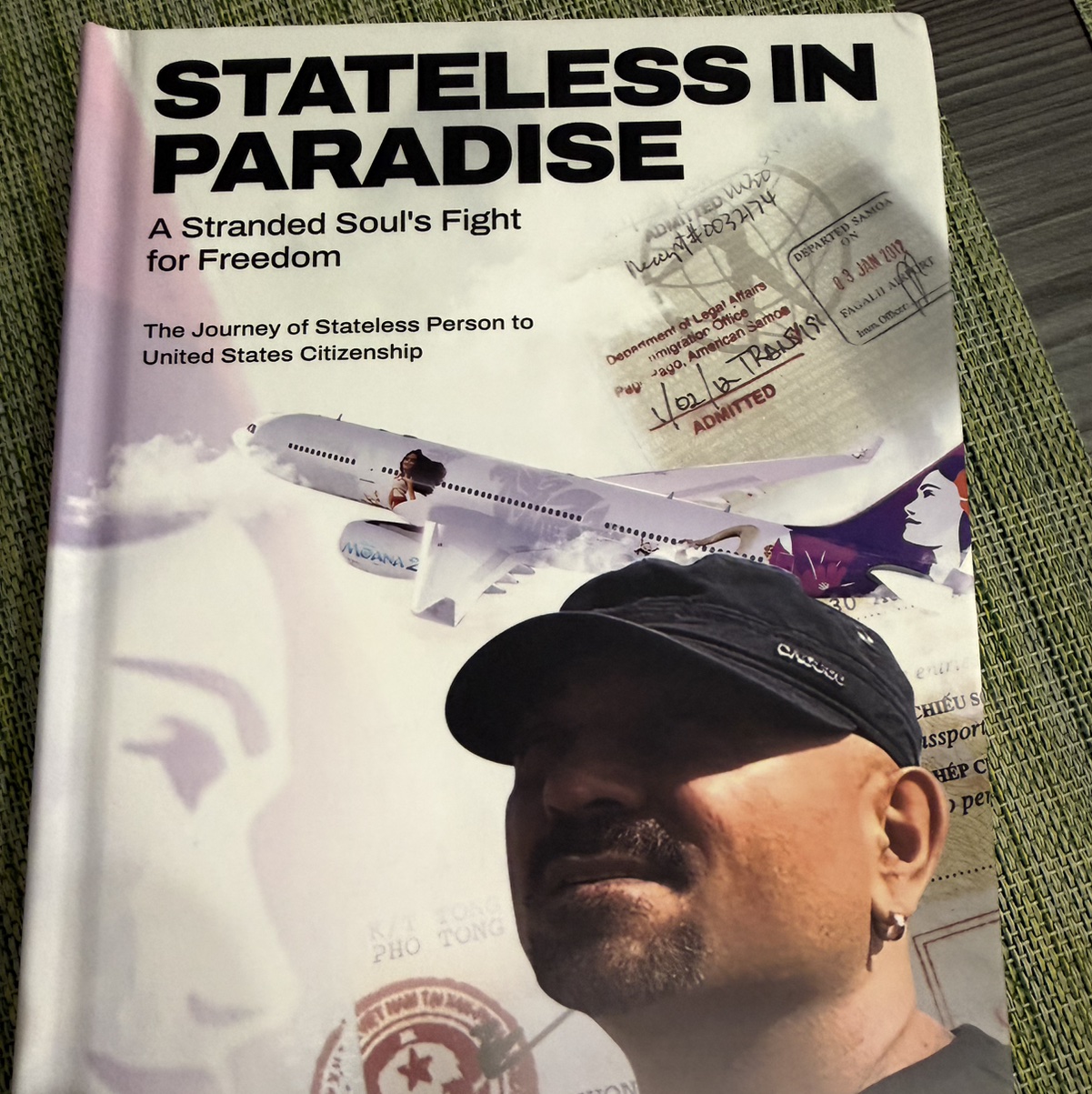
I often wonder when we will stop hating one another and begin choosing compassion. No matter our race, religion, nationality, or sexual orientation, we are all human beings. Before judging others, we should ask ourselves a simple question: How would I feel if I were treated the same way? What we are witnessing in the United States today is deeply troubling. This is painful because America is, at its core, a remarkable country—one built by immigrants. Its strength and prosperity come from people of different backgrounds who arrived here seeking safety, opportunity, and freedom, and who together built this nation. America’s history is young. This land belonged first to Native Americans. European settlers—many fleeing religious persecution—claimed it and formed new communities. Enslaved Africans were forcibly brought here and became central to the country’s foundation. Later, immigrants from Europe, Asia, Africa, and Latin America added their cultures, labor, and ideas. There is no single “pure” American identity. America is defined by diversity, not sameness. Yet today, people are attacked because of their skin color, religion, nationality, or whom they love. This is not faith, and it is not patriotism. Hatred contradicts the values many claim to defend, including Christianity, which teaches compassion and love for one’s neighbor. Hate does not make a nation stronger—it weakens it. Leadership matters. When leaders use dehumanizing language or spread fear, it normalizes cruelty and division. History shows that such rhetoric leads to instability, not security. Immigration debates also demand honesty. People migrate for reasons—war, poverty, persecution, or survival. At the same time, many Americans choose to live abroad for affordability or opportunity. Empathy should not stop at borders. #Humanity #Immigration #Politics #America #AmericanHistory #HistoryMatters #Compassion #Christianity #EuropeTravelTips #Migration #LoveNotHate #Karma #Identity

1776 Patriot

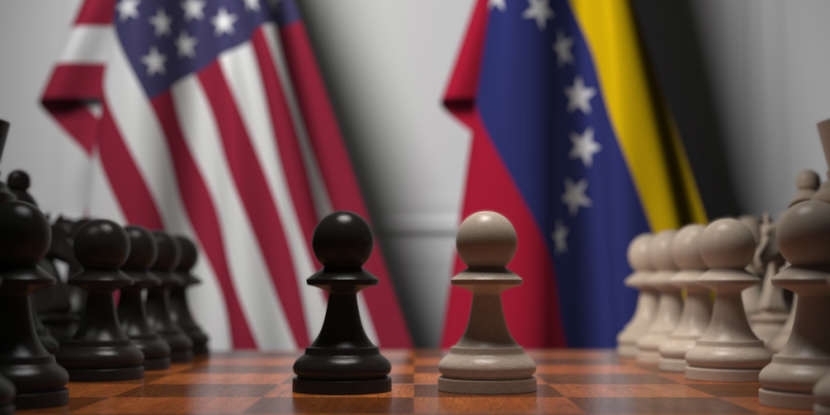
The Art and History of Military Posturing: Lessons for U.S. Strategy Near Venezuela Military posturing is both an art and a product of history. It relies on positioning forces, shaping perceptions, and altering an opponent’s calculations without committing to full conflict. During the Cold War, the United States placed 50 nuclear submarines and more than 200 strategic bombers within reach of the Soviet Union. In 1962, a blockade of 70 ships pushed Moscow to withdraw missiles from Cuba without firing. Studies show visible force posture reduced escalation in 40 percent of major standoffs, demonstrating how presence alone can shift decisions. History also shows that limited, precise strikes can reinforce credibility. In 1989, 20,000 U.S. troops surrounded Panama in hours. Rangers secured airfields while airborne units hit command centers and air defenses. Over 600 sorties supported the operation, isolating Manuel Noriega in less than 72 hours. Analysts note the rapid buildup created overwhelming psychological pressure and forced strategic collapse without prolonged fighting. Today, the art of posturing is focused on the Caribbean and northern South America. Intelligence reporting lists 30 naval vessels, 15 amphibious ships, and 60 aircraft engaged in monitoring and joint missions. Recent actions under Operation Southern Spear include more than 20 precision strikes against unauthorized maritime craft linked to illicit networks, along with the high-profile seizure of the tanker Skipper near Venezuela. These moves aim to disrupt revenue channels and enforce maritime control. Strategic positions near Curacao, Aruba, and eastern Caribbean passages allow rapid response. Studies indicate presence paired with selective action raises compliance by 65 percent and strengthens U.S. leverage in ongoing regional power struggles. #NavalPower #Venezuela #USDefense #America #USA #USHistory #History

1776 Patriot

Inside the Largest SWAT Hostage Rescue Operation in U.S. History The Good Guys electronic store siege in Sacramento remains one of the most significant hostage rescue missions ever carried out by a SWAT team. The incident began when four armed assailants stormed the store and seized 41 hostages. They demanded 4 million dollars, bulletproof vests, transportation, and safe passage out of the country. The captors fired inside the store, forced hostages to the windows, and repeatedly threatened to kill if their demands were not met. Tragically, three hostages were killed early in the standoff when the assailants opened fire after negotiators delayed meeting their demands, increasing pressure and fear among both hostages and officers. Negotiators worked tirelessly while SWAT teams used fiber optic probes, remote cameras, and thermal imaging to map the store’s interior. Over half of the layout offered no clear lines of sight, forcing officers to rely heavily on sound and heat signatures. When two additional hostages attempted to escape later in the siege and were shot, one fatally, command staff recognized the high risk of further casualties and authorized an immediate assault. SWAT executed a coordinated multi point breach using distraction devices that produced more than 170 decibels to disorient the captors. Officers moved swiftly through a room packed with over 30 civilians, many within feet of armed assailants. Three hostage takers were killed during the operation after firing at officers and attempting to use hostages as shields. The fourth assailant surrendered when cornered and was later sentenced to 49 consecutive life terms without the possibility of parole. In total, 40 surviving hostages were rescued, and the operation remains a key case study for its scale, precision, and the extraordinary coordination required to save lives under extreme pressure. #TrueCrime #History #America #USA #SWAT #USHistory #RescueStory

1776 Patriot

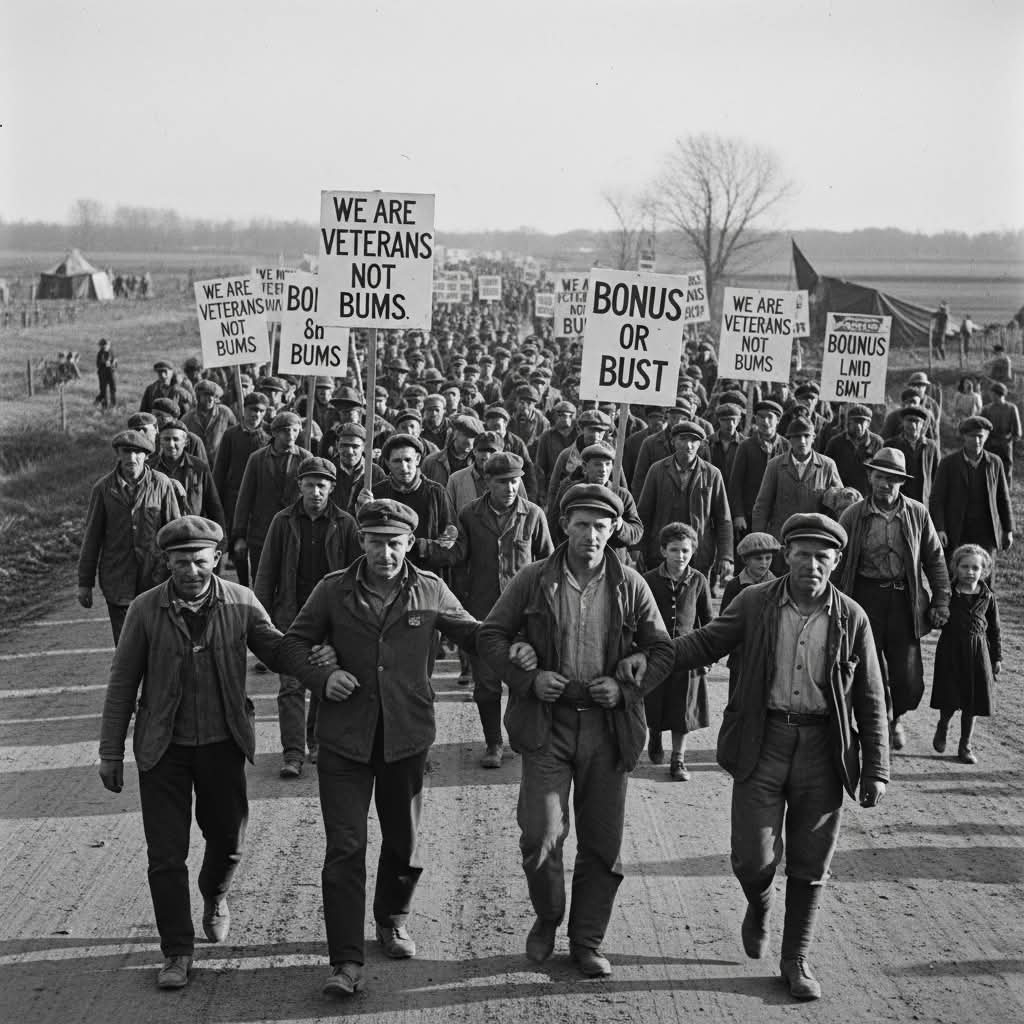
The Untold Battles of American Veterans After War Across U.S. history, veterans returning from war often faced neglect despite public praise. Continental soldiers after 1783 struggled to receive promised pay and pensions, delayed by 6 to 12 months. Some threatened to march on Congress in the Newburgh Conspiracy. General Washington’s appeal prevented crisis but revealed how fragile veteran support was. After the Civil War, Northern soldiers were publicly honored, yet many lived with poverty, lingering injuries, and untreated trauma. Confederate veterans faced economic devastation and social disruption. World War I soldiers returned to limited jobs. “Shell shock” now recognized as PTSD was often untreated. In 1932, 17,000 veterans and families formed the Bonus Army in Washington D.C., demanding early payment of bonuses scheduled for 1945. Living in tents along the Anacostia River during the Great Depression, they were forcibly evicted by troops; several were injured, illustrating neglect despite service. World War II veterans fared better. Many returned to ticker tape parades and benefited from the GI Bill offering education and housing. However, racial disparities limited access for Black veterans, and mental health issues often went unaddressed. Vietnam veterans rarely received parades and often faced hostility or silence. Employment and PTSD treatment were difficult to access. Studies show roughly 30 percent experienced PTSD, and repeated low level blast exposure in combat or training can cause CTE like brain pathology recently recognized in military research. Iraq and Afghanistan veterans face 20 percent PTSD prevalence and 12 to 15 percent traumatic brain injuries. Despite public respect, many encounter barriers to care, employment, and reintegration. History shows that real recognition requires sustained mental health support, equitable benefits, and societal commitment, not just words. #History #USHistory #America #Veterans #PTSD #SupportOurVeterans #USA

1776 Patriot

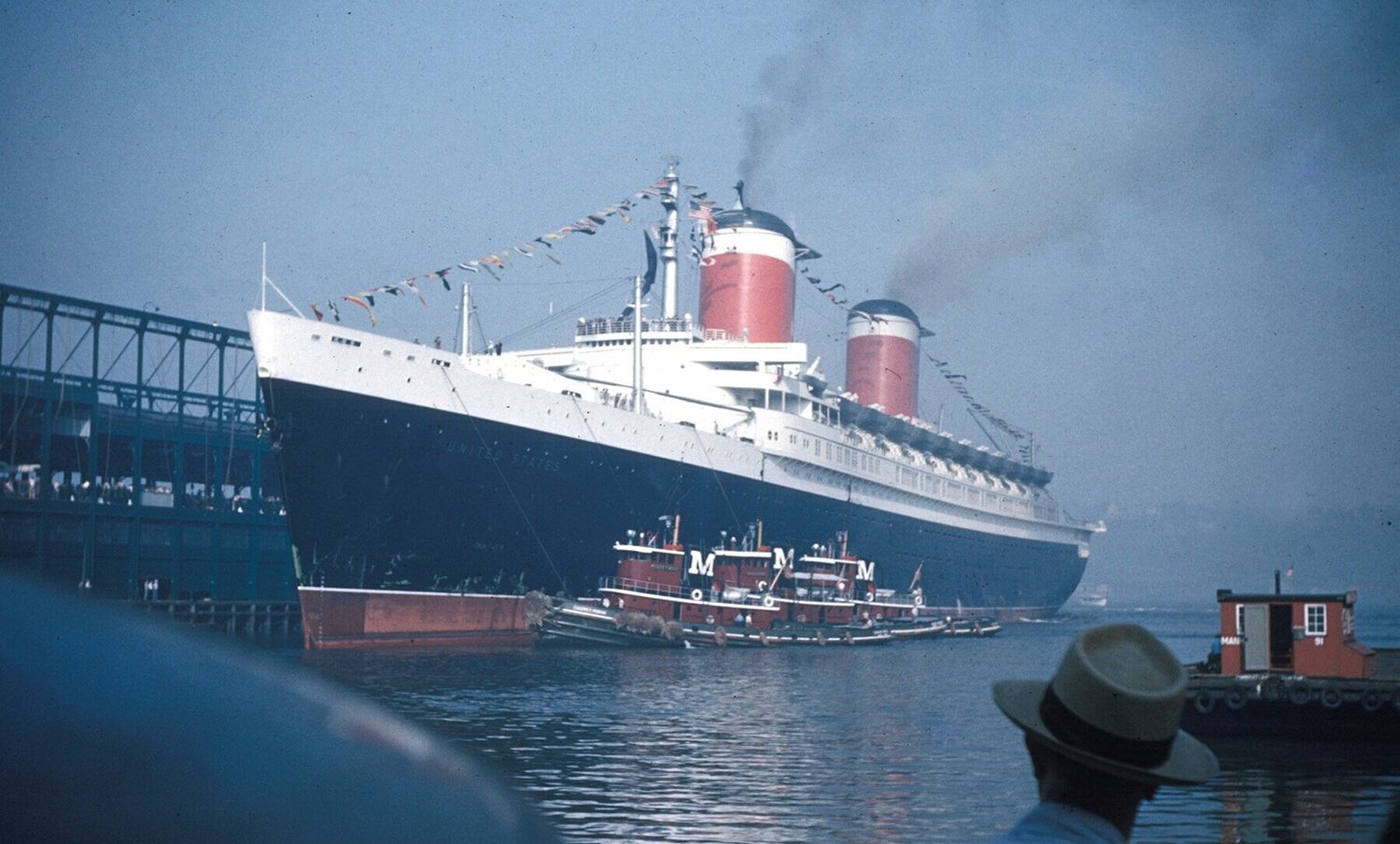
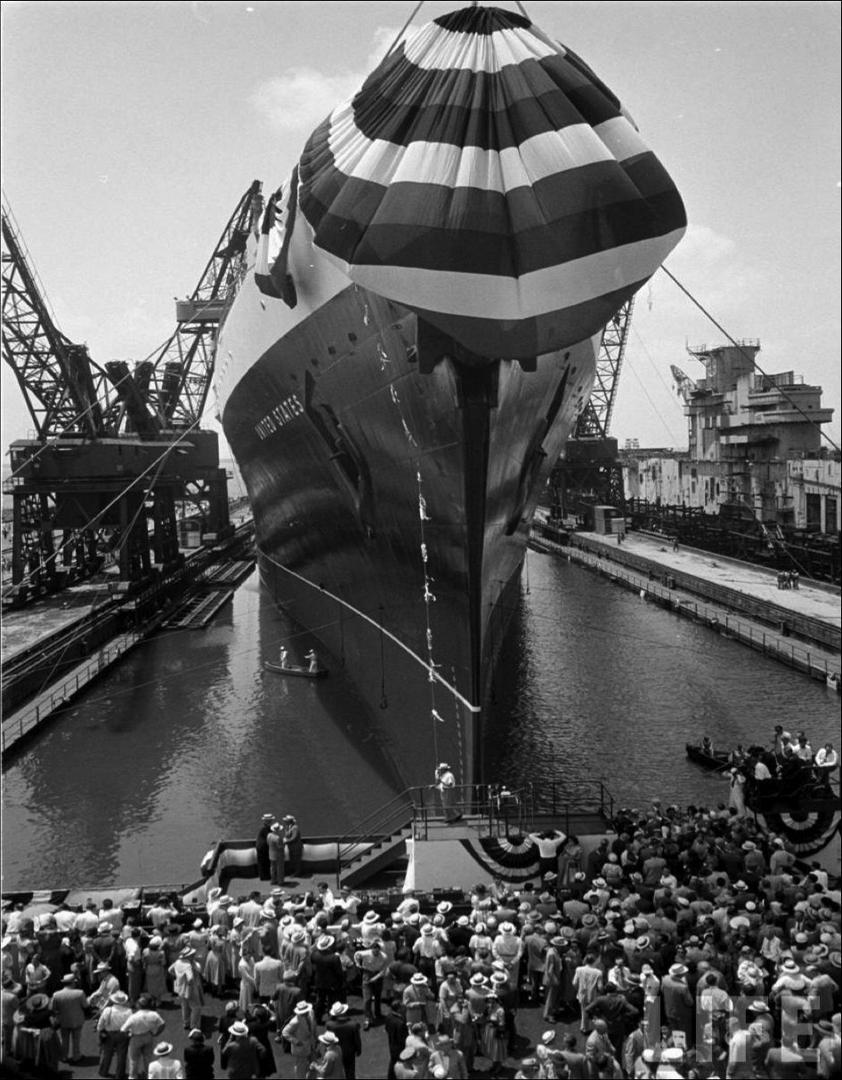
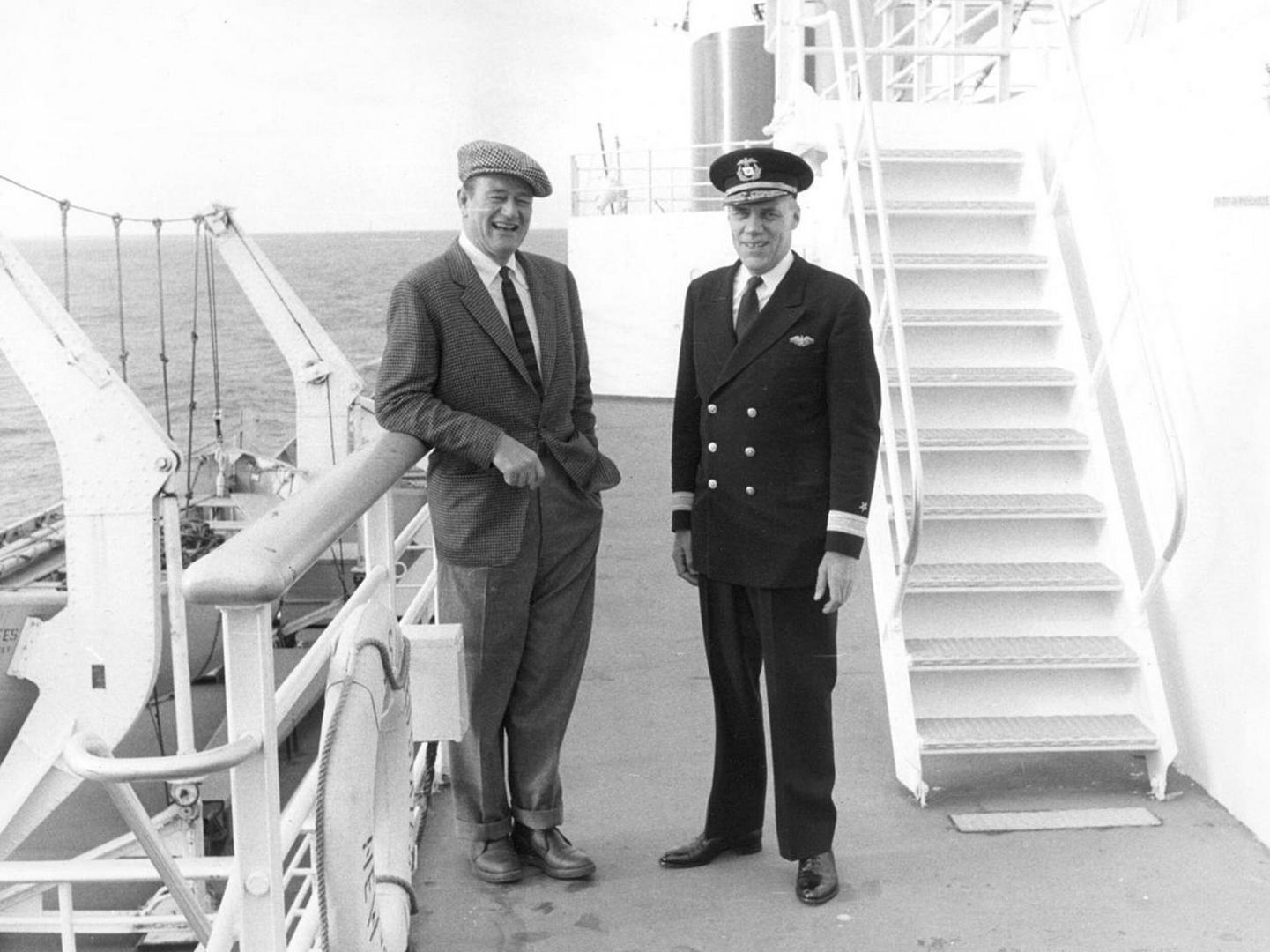
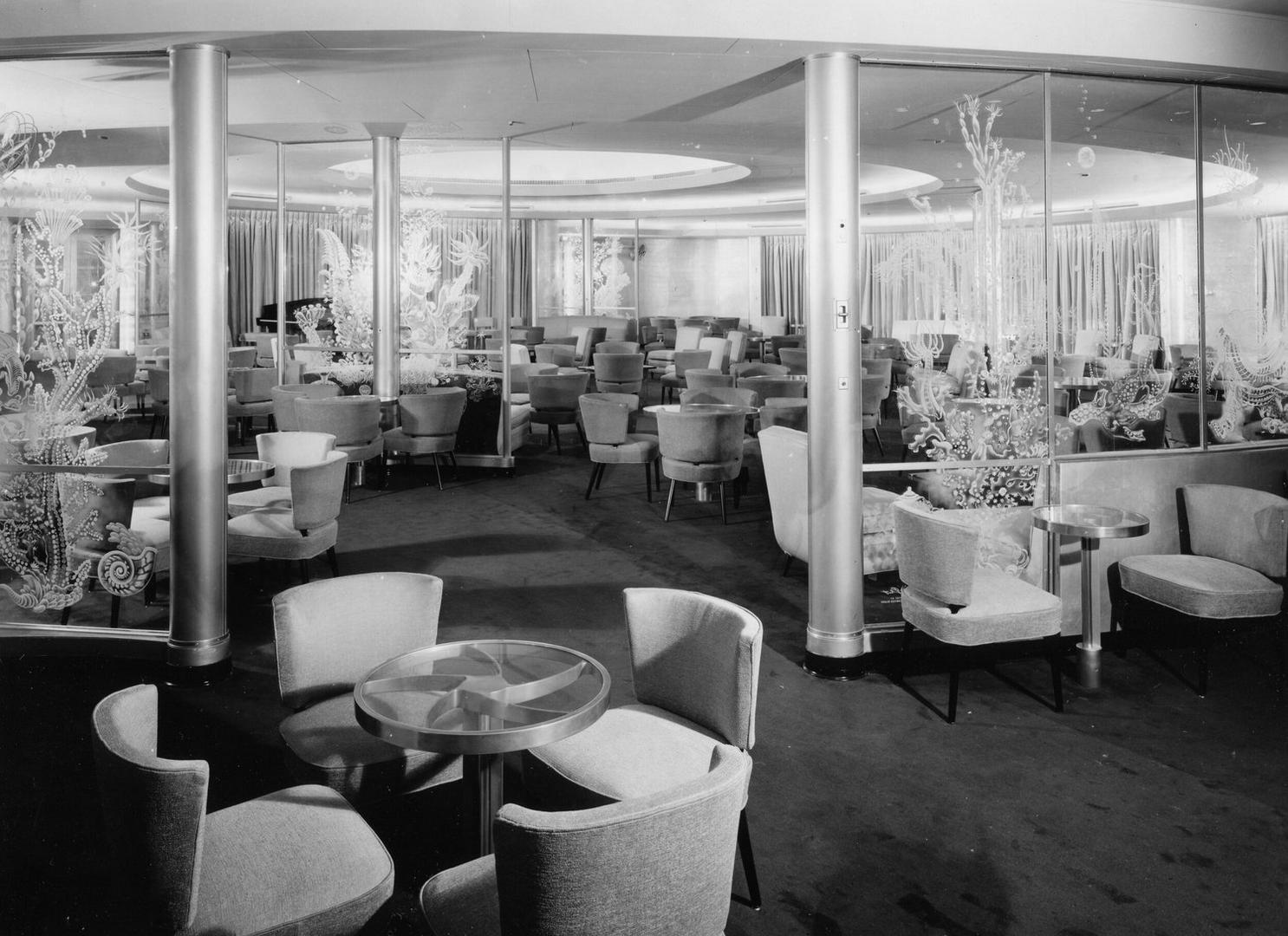
The SS United States: America’s Biggest and Fastest Ocean Liner The SS United States was the largest passenger ship ever built in the United States and a flagship example of mid century American industrial strength. Completed in 1952 at Newport News Shipbuilding, the vessel measured about 990 feet in length and displaced more than 53,000 tons. Its design used unprecedented quantities of aluminum in bulkheads, deckhouses, and framing to reduce structural weight and increase power to weight efficiency. Construction required more than 2,000 workers, extensive precision welding, and strict quality controls because the ship’s engines were adapted from classified naval propulsion systems. These turbines produced more than 240,000 shaft horsepower, giving the vessel unmatched acceleration and sustained high speed capability. On its maiden voyage the SS United States seized the Blue Riband, covering the westbound Atlantic in just over three days with an average speed above 35 knots. No passenger liner has surpassed this performance. The ship carried more than 1,900 passengers and nearly 1,000 crew and was built to convert rapidly into a troop carrier able to transport more than 14,000 personnel. The dual purpose design, compartment layout, and material choices, including fire resistant furnishings and reinforced decks were intended for heavy military loads. The liner operated from 1952 to 1969 before withdrawal due to rising operating costs and competition from jet aircraft. Since retirement it has remained laid up yet structurally sound, supported by preservation campaigns that emphasize its engineering significance. The SS United States remains the largest and fastest ocean liner ever produced in America and a benchmark in high performance civilian shipbuilding. #History #USHistory #America #USA #Shipbuilding