Tag Page blackhistory

#blackhistory
Guess_str

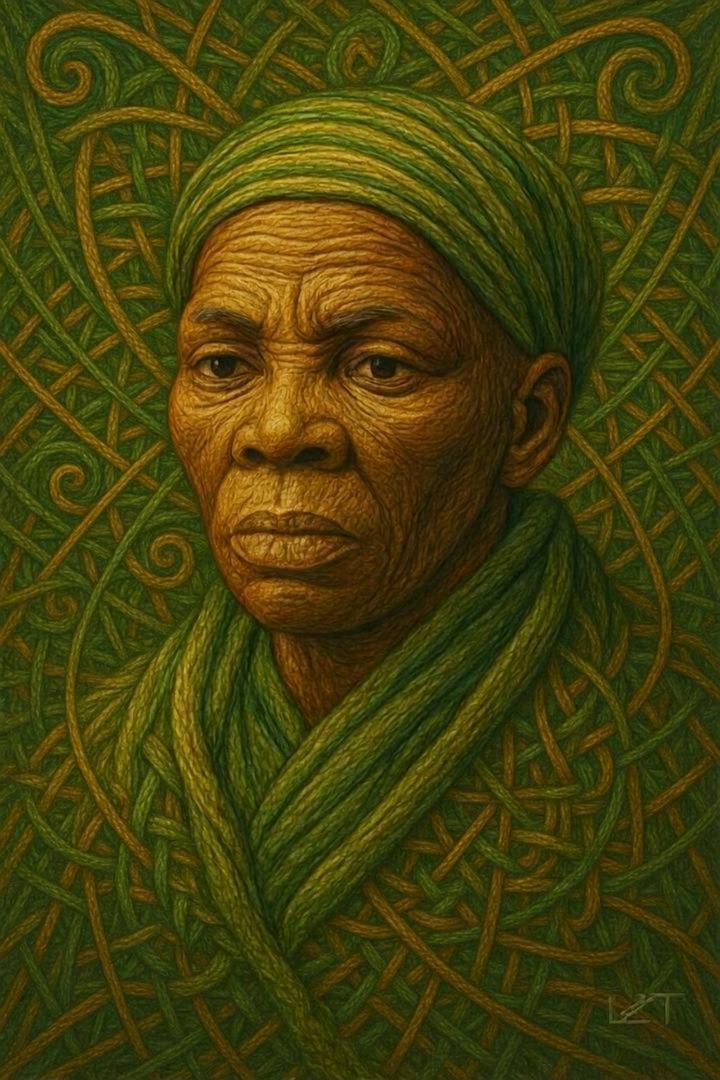
On March 10. 1913. Harriet Tubman died in Auburn, New York, closing the life of one of the boldest freedom fighters this country has ever known. Born into slavery in Maryland around 1822, Tubman escaped bondage, then risked her life again and again by returning south to help others flee to freedom in the North and Canada. She became the most famous conductor of the Underground Railroad, quiding enslaved people toward freedom when capture could have meant torture or death. Her courage was not symbolic. It was lived. It was tested. And it never backed down. Tubman's work did not stop with escape During the Civil War, she served the Union cause as a nurse, scout, and spy, proving again that Black women were doing essential work for a nation that still denied them full recognition. In her later years, she continued serving her community in Auburn where she helped establish a home forelderly and poor Black people in need. Even near the end of her life. Harriet Tubman was still doing what she had always done, showing up for her people March 10 is not iust the date of her passing It is a date to remember what real sacrifice ooks like. Harriet Tubman did not wait for permission to do what was riqht. She moved with faith, with nerve, and with a kind of strength history still struggles ta measure. #HarrietTubman #BlackHistory #OnThisDay #WomensHistory #UnderaroundRailroad #CivilWarHistory #AmericanHistory #BlackWomenInHistory #FreedomFighter #NewsBreakHistory

LataraSpeaksTruth

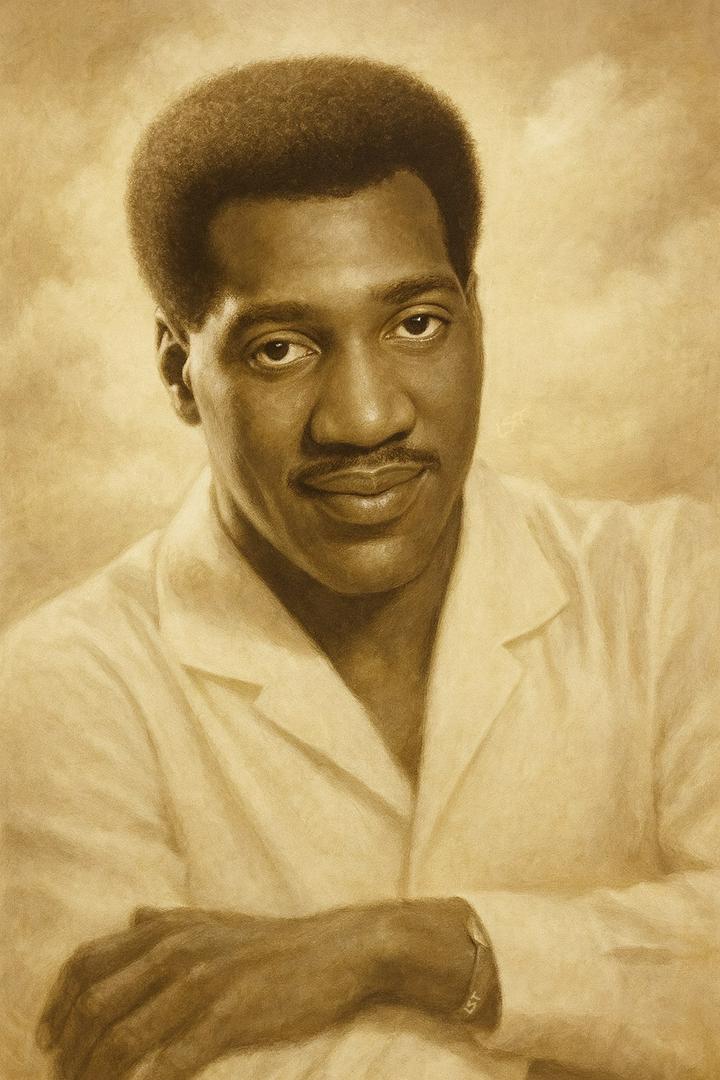
On this day in 1967, the world lost one of the greatest voices to ever touch soul music. Otis Redding was on his way to a performance in Madison, Wisconsin when his plane crashed into Lake Monona. He was only 26, right in the middle of building a legendary career that was already changing the sound of American music. What makes this loss even more powerful is the timing. Just days before the crash, Otis had stepped into the studio and recorded “(Sittin’ On) The Dock of the Bay.” No one knew it would become his final masterpiece. After his death, the song rose to number one and became the first posthumous chart-topping single in U.S. history. A quiet, reflective track that felt like a man looking out at the world became a symbol of everything he never got the chance to finish. Otis was already a force… from the Monterey Pop Festival to stages across the country. His voice carried grit, emotion, and truth. When he performed, he didn’t just sing… he offered a piece of himself. His impact stretched far beyond the charts, shaping the sound of soul music for generations. The news of his death hit hard. Fans mourned. Fellow musicians fell silent. And anyone who had heard him sing knew the world had lost something rare. Even now, decades later, his influence hasn’t faded. His music lives in samples, covers, tributes, and the way artists chase honesty in their sound. Today we honor Otis Redding, a talent gone far too soon, but never forgotten. His voice still echoes through time, reminding us how powerful one song… one moment… one life can be. #BlackHistory #LataraSpeaksTruth #OnThisDay #MusicHistory #OtisRedding #SoulMusic #RememberingLegends #HistoryMatters #TodayInHistory #CommunityPost

LataraSpeaksTruth

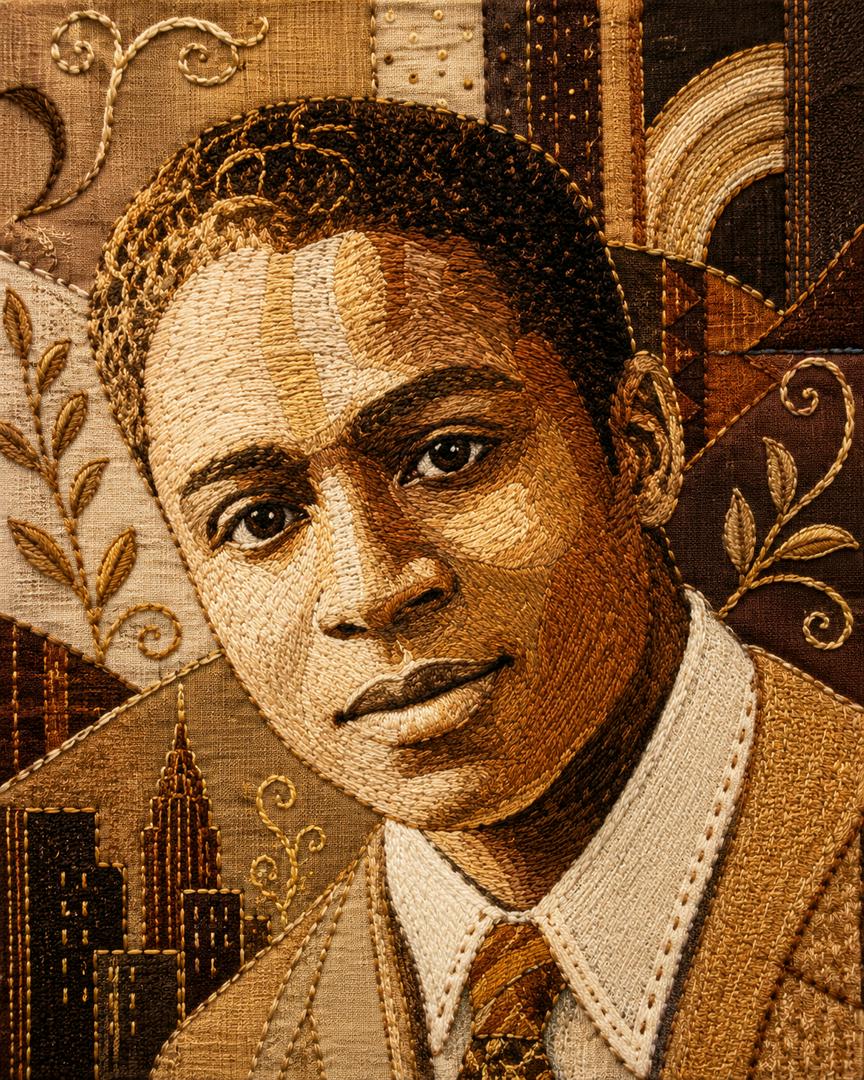
On May 9, 1897, Rudolph Fisher was born in Washington, D.C. His name may not be as widely remembered as some Harlem Renaissance figures, but it deserves a louder place in the conversation. Fisher was a physician, radiologist, novelist, short story writer, musician, and speaker. Long before people talked about being multi-talented as a brand, Fisher was already living it. He became connected to the Harlem Renaissance, a period when Black writers, artists, musicians, and thinkers reshaped American culture. But Fisher stood out because he moved through more than one world. He was both a man of science and a man of art. His writing often focused on Black urban life, especially Harlem. He captured the humor, tension, ambition, class differences, and cultural shifts inside Black communities during a time of major change. That matters because history too often flattens Black life into pain alone. Fisher’s work showed more than struggle. He showed personality, intelligence, movement, contradiction, and everyday humanity. He also built a serious career in medicine, becoming part of a field where Black professionals faced enormous barriers. Fisher was not just observing the world around him. He was studying it, treating it, and documenting it. His life was cut short when he died in 1934 at only 37 years old. But in that short time, he left behind work that still speaks to the richness of Harlem and the depth of Black creativity. Rudolph Fisher should not be remembered as a footnote. He was a doctor, a writer, a thinker, and a witness to one of the most important cultural movements in American history. #BlackHistory #RudolphFisher #HarlemRenaissance #BlackWriters #OnThisDay

LataraSpeaksTruth

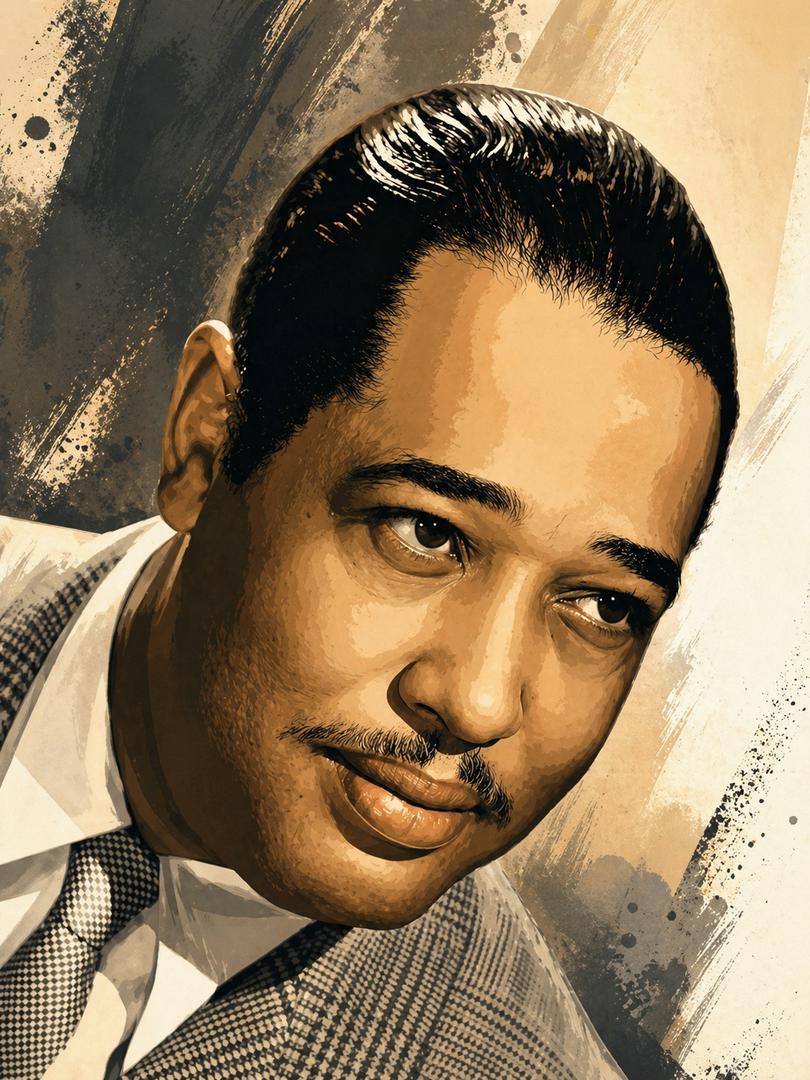
On April 29, 1899, Edward Kennedy “Duke” Ellington was born in Washington, D.C. He would become one of the most important composers, pianists, and bandleaders in American music history. Long before the world knew him as Duke, he was a child growing up in a middle-class home where music and dignity mattered. Both of his parents played piano, and he began taking piano lessons as a boy. His nickname came early. Friends called him “Duke” because of the polished, graceful way he carried himself. The name fit. Ellington would later bring that same elegance to stages around the world. By his teenage years, Ellington was already performing professionally in Washington. In the 1920s, he moved into the national spotlight after settling in New York. In 1927, he began an extended residency as a bandleader at Harlem’s Cotton Club, where radio broadcasts helped bring his orchestra national attention. Ellington composed more than 1,000 pieces across his lifetime. His catalog included jazz standards, extended suites, sacred concerts, film music, and orchestral works. Songs connected to his legacy include “Mood Indigo,” “Sophisticated Lady,” “It Don’t Mean a Thing,” and “Black, Brown and Beige,” a major work that explored African American history and identity through music. What made Ellington different was not only his talent, but his vision. He wrote music around the distinct sounds of the musicians in his orchestra, treating each player’s voice like part of a larger painting. His band became one of the most respected ensembles in jazz. Duke Ellington died in New York City on May 24, 1974. But his influence never left the room. His music helped prove that jazz was not just nightlife or background sound. It was composition, culture, memory, elegance, and genius. His birthday is more than a music note on the calendar. It marks the arrival of a man who helped turn Black musical expression into one of America’s greatest art forms. #BlackHistory #DukeEllington #JazzHistory

LataraSpeaksTruth

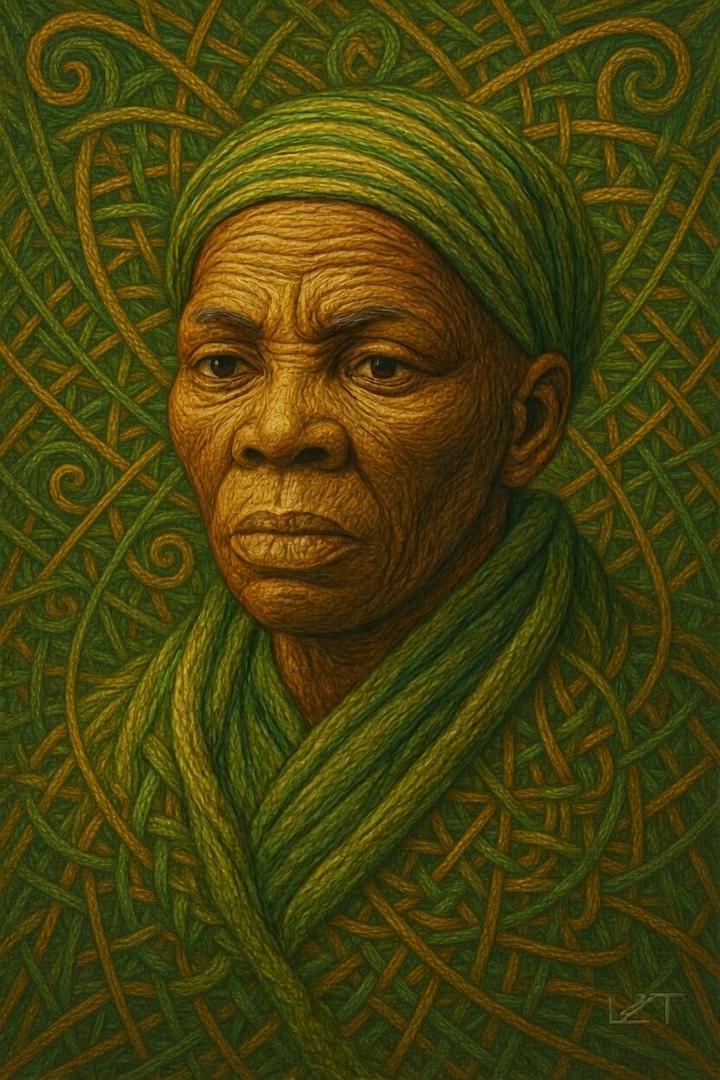
On March 10, 1913, Harriet Tubman died in Auburn, New York, closing the life of one of the boldest freedom fighters this country has ever known. Born into slavery in Maryland around 1822, Tubman escaped bondage, then risked her life again and again by returning south to help others flee to freedom in the North and Canada. She became the most famous conductor of the Underground Railroad, guiding enslaved people toward freedom when capture could have meant torture or death. Her courage was not symbolic. It was lived. It was tested. And it never backed down. Tubman’s work did not stop with escape. During the Civil War, she served the Union cause as a nurse, scout, and spy, proving again that Black women were doing essential work for a nation that still denied them full recognition. In her later years, she continued serving her community in Auburn, where she helped establish a home for elderly and poor Black people in need. Even near the end of her life, Harriet Tubman was still doing what she had always done, showing up for her people. March 10 is not just the date of her passing. It is a date to remember what real sacrifice looks like. Harriet Tubman did not wait for permission to do what was right. She moved with faith, with nerve, and with a kind of strength history still struggles to measure. #HarrietTubman #BlackHistory #OnThisDay #WomensHistory #UndergroundRailroad #CivilWarHistory #AmericanHistory #BlackWomenInHistory #FreedomFighter #NewsBreakHistory

LataraSpeaksTruth

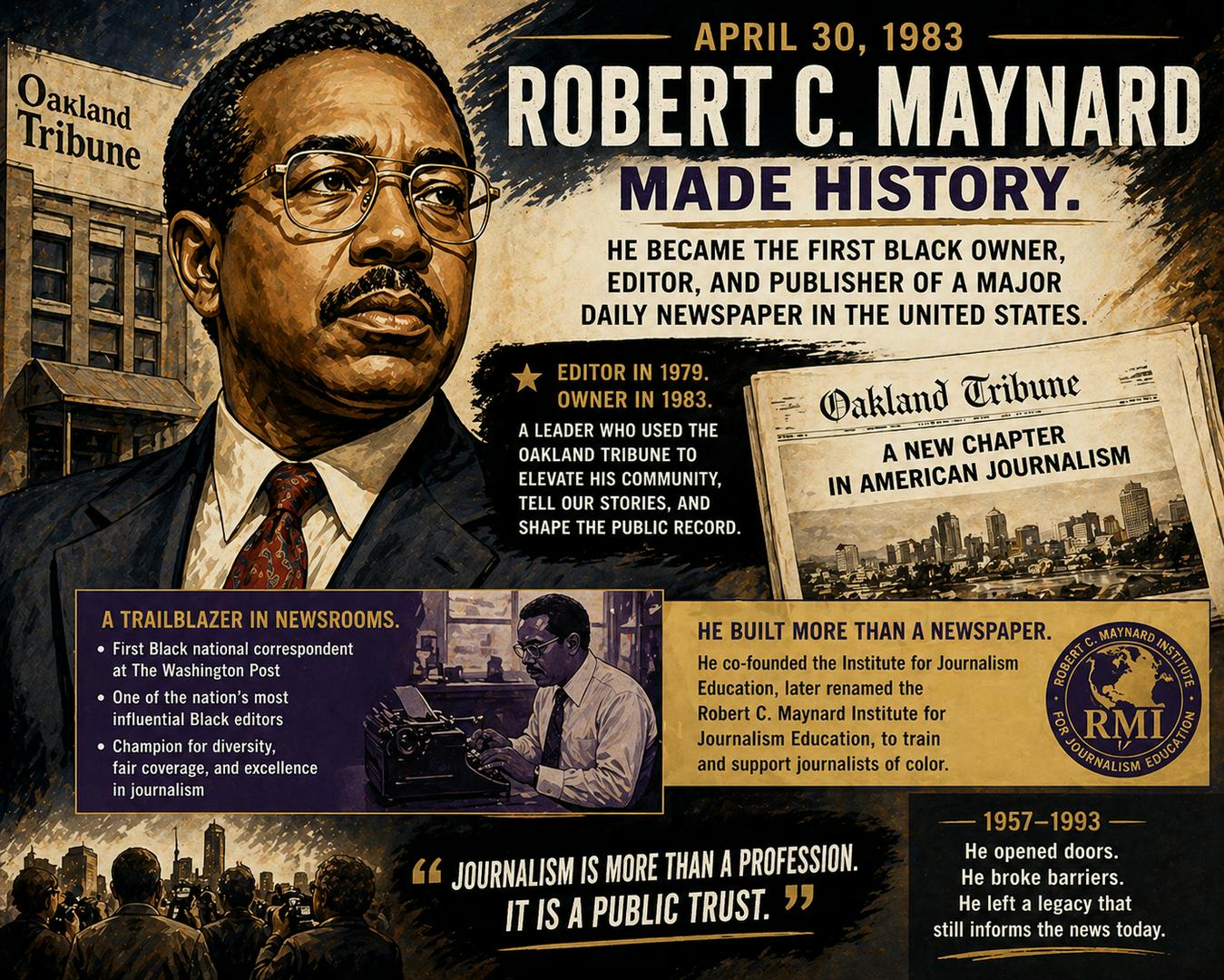
On April 30, 1983, Robert C. Maynard made American journalism history when he became owner, editor, and publisher of the Oakland Tribune. Maynard’s purchase made him the first Black person to gain controlling interest in a major daily newspaper in the United States. The moment was historic because ownership of a newspaper meant more than holding a title. It meant control over newsroom leadership, editorial direction, hiring, coverage priorities, and the public record. Maynard had already broken barriers before buying the paper. He worked at The Washington Post, where he became the paper’s first Black national correspondent. In 1979, he became editor of the Oakland Tribune, making him one of the most important Black newsroom leaders in the country. When he took ownership in 1983, the Tribune was a major metropolitan daily serving Oakland and the East Bay. Maynard used the paper to focus on community issues, public education, local government, economic development, and fairer representation of people of color in the news. His leadership helped change how American newsrooms thought about diversity and responsibility. He also co-founded the Institute for Journalism Education, later renamed the Robert C. Maynard Institute for Journalism Education, to train and support journalists of color. Robert C. Maynard died in Oakland on August 17, 1993, at age 56. His legacy remains tied to a simple but powerful fact: he did not just enter a newsroom. He helped lead one, own one, and open doors for others to shape the news. #RobertCMaynard #OaklandTribune #BlackHistory #JournalismHistory #BlackPress

LataraSpeaksTruth

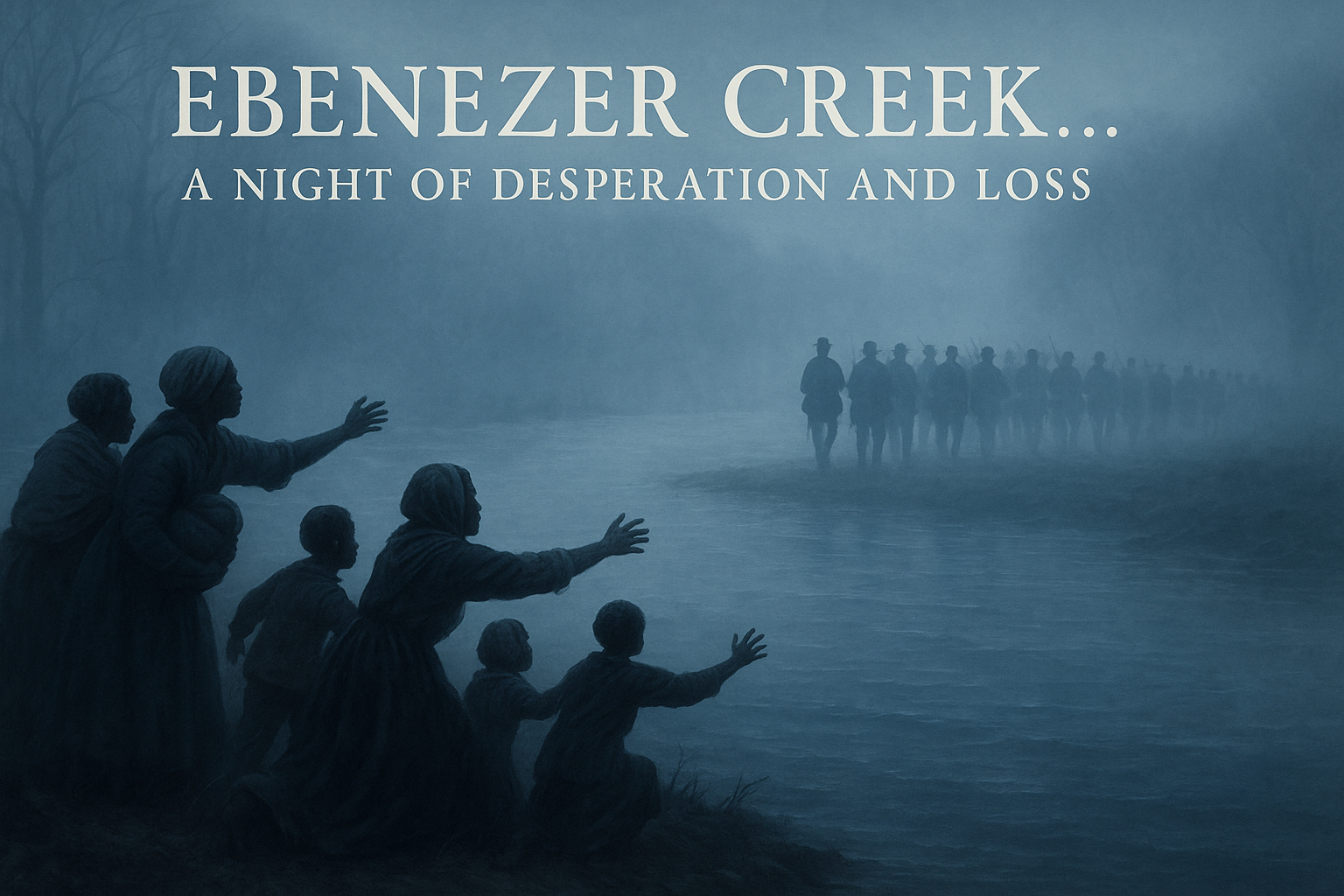
The tragedy at Ebenezer Creek remains one of the most devastating and overlooked moments of the Civil War. As Union troops advanced toward Savannah during Sherman’s March to the Sea, hundreds of freedom seekers followed behind them, believing the army represented safety and a chance at a future beyond bondage. They walked for days beside the soldiers, carrying children, bundles, and the weight of generations. When they reached the cold waters of Ebenezer Creek, Union General Jefferson C. Davis ordered his men to cross first on a pontoon bridge. Once the troops were safely over, the bridge was pulled up without warning, leaving the refugees stranded as Confederate forces closed in. Panic spread as families realized they were trapped with nowhere to run. People leapt into the water, clinging to anything that might float, pieces of wood, clothing, each other. Many drowned trying to reach the other side. Others were captured. A moment that should have been a step toward freedom turned into a night of terror and loss. The massacre at Ebenezer Creek exposed a harsh truth of that era… even in a war fought over slavery, the safety of Black refugees was treated as negotiable. Their trust was betrayed, their lives dismissed, and their suffering pushed to the margins of history. And before anyone shows up with the tired “move on, this is old news, get over the past” routine, let me help you out… how about you move on? I’m from Georgia and in all my years in this state I never once heard about this. I’m learning it right alongside everyone else. This is exactly why these stories matter. History doesn’t disappear just because it makes people uncomfortable. We deserve to know what happened on the soil we stand on. #LataraSpeaksTruth #BlackHistory #AmericanHistory #HiddenHistory #Under2000Characters

LataraSpeaksTruth

On March 24, 1862, abolitionist speaker Wendell Phillips was shouted down by an angry crowd in Cincinnati, Ohio, while trying to deliver an antislavery lecture. He was not some obscure man speaking on a street corner. Phillips was one of the best-known anti-slavery voices in the country, a Boston reformer, Harvard-educated lawyer, and commanding public speaker so admired that he became known as abolitionism’s “golden trumpet.”  That is what makes the reaction so revealing. The Civil War was already underway, slavery was at the heart of the nation’s crisis, and yet there were still Americans who did not want to hear a direct moral argument against it. Contemporary reporting from Cincinnati said that after Phillips identified himself as an abolitionist, people in the galleries hissed, yelled, and threw eggs and stones at him. History’s summary says he was pelted with rocks and eggs, and that friends rushed him away when the scene broke into a small riot.  This moment matters because it strips away the comforting fantasy that everybody would have stood on the right side of history. People today love to imagine they would have been brave, principled, and clear-eyed in that era. But in real time, even speaking publicly against slavery could bring fury, threats, and mob violence. Telling the truth was dangerous. Saying human beings should not be owned was enough to make some people erupt.  Wendell Phillips spent years using his voice to challenge slavery and, after the war, to press for equal rights more broadly. So this was not just a man getting booed. It was a public collision over whether the country was willing to face its own cruelty. March 24, 1862, reminds us that resistance to justice did not always wear a uniform. Sometimes it sat in the audience, waited for the truth, and then exploded when it heard it.  #OnThisDay #WendellPhillips #USHistory #SlaveryHistory #BlackHistory Sources: History; Encyclopaedia Britannica

LataraSpeaksTruth

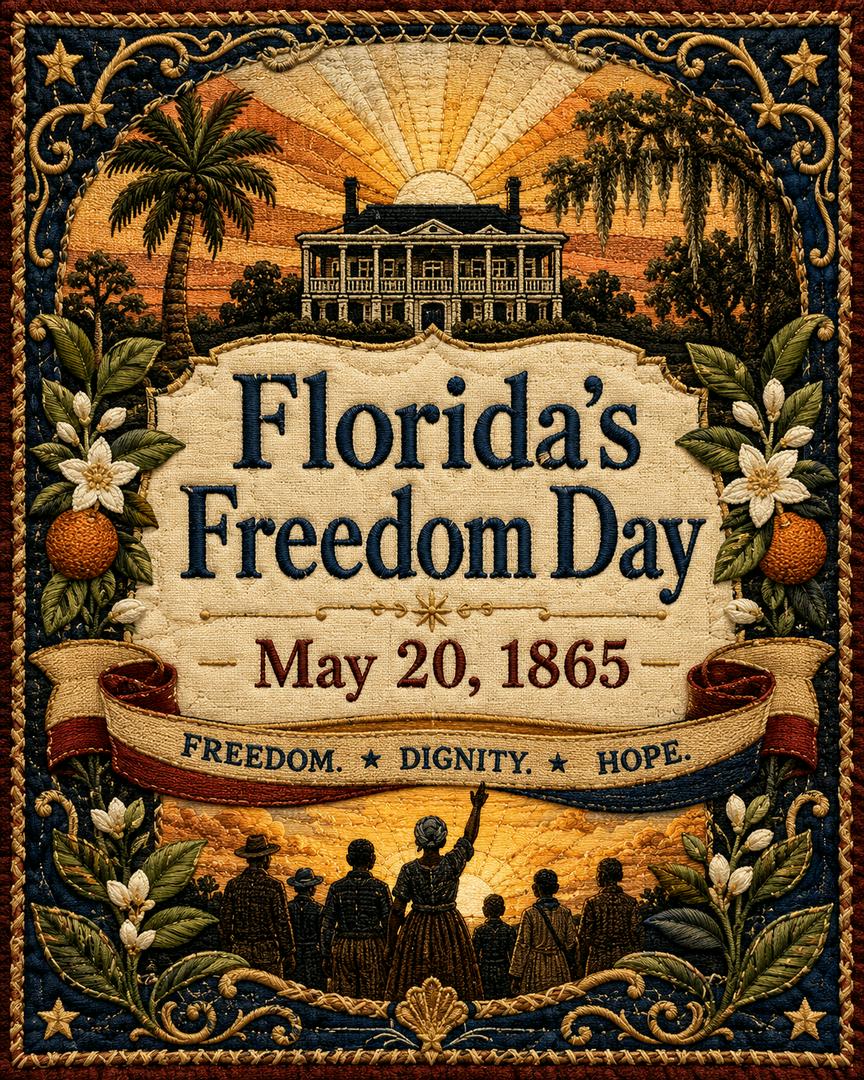
On May 20, 1865, freedom was publicly announced in Tallahassee, Florida. Union Brigadier General Edward M. McCook announced the Emancipation Proclamation from the steps of the Hagner House, now known as the Knott House. That moment came more than two years after President Abraham Lincoln issued the Emancipation Proclamation on January 1, 1863. That delay matters. For many enslaved people in Florida, freedom did not arrive when it was written on paper. It arrived when Union authority reached the state capital and those words were finally backed by power. By May 1865, the Civil War was ending, Confederate forces in Florida had surrendered, and Union control was being established. On May 20, McCook’s announcement declared the Emancipation Proclamation to be in effect in Florida’s capital. That is why May 20 is remembered as Florida’s Emancipation Day. This part of history reminds us that freedom in America did not arrive all at once. It came in different places at different times, shaped by war, distance, resistance, power, and delay. Texas has Juneteenth. Florida has May 20. Other communities have their own freedom dates too. Those dates do not compete with each other. They help complete the larger story. Because emancipation was not one simple moment. It was a process. It had to be declared. It had to be heard. It had to be enforced. And even after that, it still had to be defended. Florida’s Freedom Day matters because it shows how long people were forced to wait for a freedom that had already been promised. And that is a history worth remembering. #BlackHistory #AmericanHistory #FloridaHistory #EmancipationDay

LataraSpeaksTruth

On March 3, 1991, a traffic stop in Los Angeles turned into one of the most widely seen police brutality cases in American history. That night, 25 year old Rodney King was pulled over by officers from the Los Angeles Police Department after a high speed chase. What happened next was captured on video and broadcast across the country. A nearby resident, George Holliday, used a home video camera to record several officers repeatedly striking King with batons and kicking him while he was on the ground. The footage showed King being hit dozens of times as officers attempted to restrain him. The video aired on television stations nationwide and quickly became a defining moment in public discussions about policing and accountability. For many Americans, it was the first time they had seen such an incident documented so clearly on camera. Four officers were eventually charged in connection with the beating. In April 1992, a jury in Simi Valley acquitted three of the officers and failed to reach a verdict on the fourth. The verdict triggered several days of unrest in Los Angeles. The 1992 Los Angeles uprising resulted in more than 60 deaths, thousands of injuries, and widespread property damage across the city. Later, two of the officers were tried in federal court for violating King’s civil rights. In 1993, two officers were convicted and sentenced to prison. The Rodney King beating and the video that captured it became a turning point in how the public viewed police encounters. It also marked one of the earliest moments when citizen recorded video began playing a major role in documenting incidents of police violence. More than three decades later, the footage remains one of the most recognized videos in modern American history. #RodneyKing #BlackHistory #1990sHistory #LosAngelesHistory #AmericanHistory #CivilRightsHistory #OnThisDay #HistoryMatters

Tag: blackhistory - Page 18 | LocalAll