Tag Page blackhistory

#blackhistory
LataraSpeaksTruth

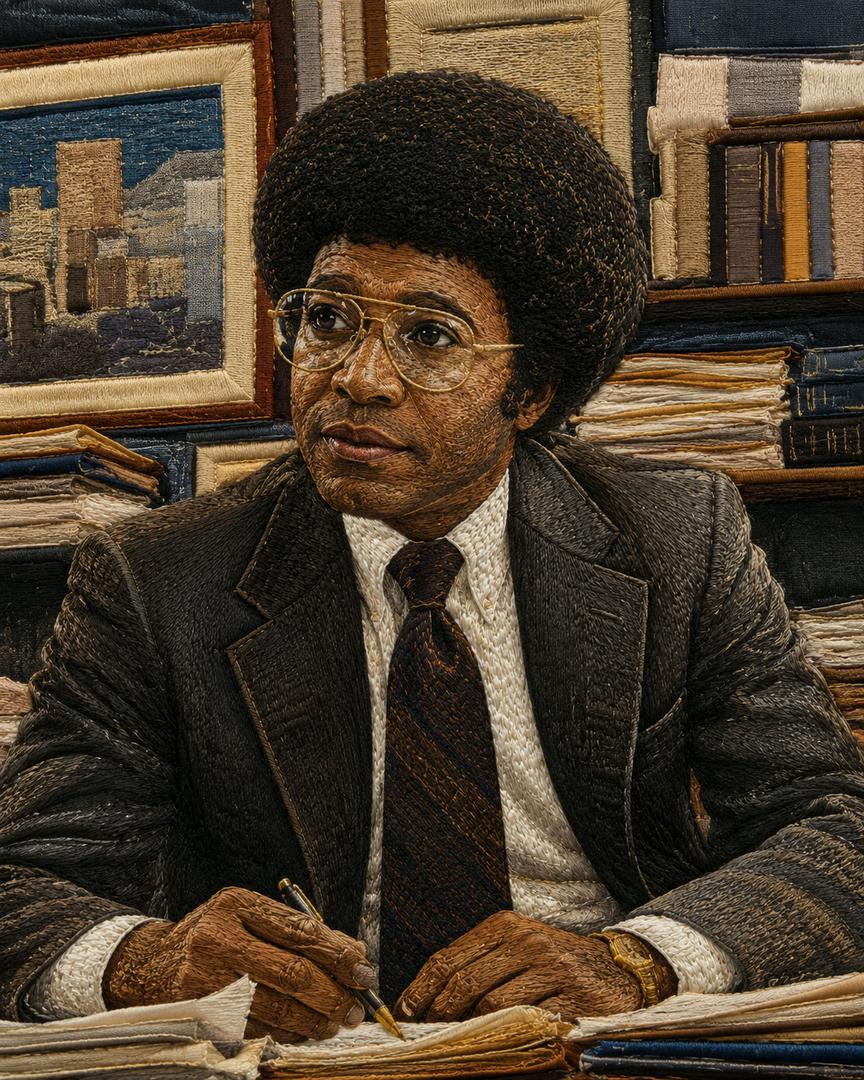
On May 15, 1934, Dr. Alvin Francis Poussaint was born in East Harlem, New York. He became one of the most important voices in American psychiatry, not only because he studied the mind, but because he was willing to speak plainly about what racism, trauma, and inequality can do to it. Poussaint went on to become a psychiatrist, author, civil rights advocate, and professor of psychiatry at Harvard Medical School. His work focused heavily on the mental health of African Americans and the psychological weight carried by people living under discrimination. Long before today’s conversations about racial trauma became more common, he was already pushing the country to look deeper. He also connected medicine with activism. During the civil rights era, Poussaint worked in the South with the Medical Committee for Human Rights, helping challenge segregation in health care. His career showed that healing was not just about medicine in an office. Sometimes healing also meant confronting the systems that made people sick in the first place. Poussaint later became known beyond the classroom and medical field. He advised on television projects, including “The Cosby Show” and “A Different World,” helping shape portrayals of Black families, education, and identity in mainstream media. Dr. Alvin F. Poussaint died on February 24, 2025, at the age of 90, but his work still speaks. His life reminds us that mental health, dignity, representation, and justice are all connected. On his birthday, his legacy deserves to be remembered. #BlackHistory #MentalHealthMatters #AlvinPoussaint #HistoryMatters

LataraSpeaksTruth

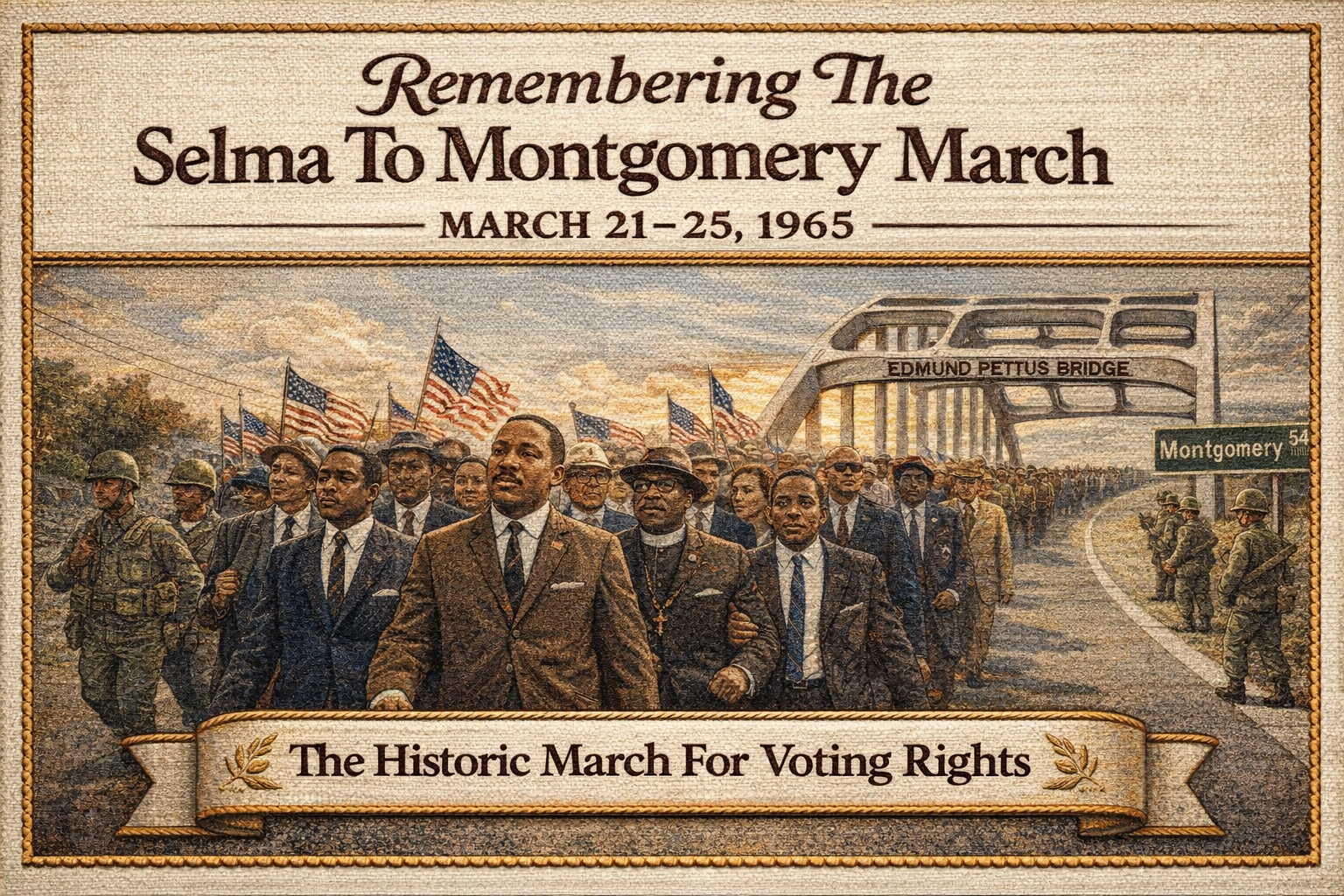
On March 21, 1965, Dr. Martin Luther King Jr. and thousands of voting rights demonstrators began the third Selma to Montgomery march in Alabama. Unlike the first two attempts, this march moved forward under federal protection after national attention had turned to Selma and the growing demand for change. The march followed two earlier efforts that drew widespread attention to the barriers many Black citizens faced when trying to vote in the South. On March 7, in the event remembered as Bloody Sunday, peaceful demonstrators were stopped by law enforcement as they crossed the Edmund Pettus Bridge. A second attempt on March 9 was also cut short. Beginning on March 21, marchers traveled roughly 50 miles over five days, arriving in Montgomery on March 25. As they moved forward, support grew and the march became one of the most important public demonstrations of the civil rights era. The Selma to Montgomery march helped build momentum for the Voting Rights Act of 1965, which targeted unfair voting barriers such as literacy tests. What began in Selma became a turning point in the national fight for equal access to the ballot. Sources…National Archives…National Park Service…Stanford King Institute…Britannica #OnThisDay #SelmaToMontgomery #VotingRights #CivilRightsMovement #MLK #BlackHistory #AmericanHistory #HistoryMatters

LataraSpeaksTruth

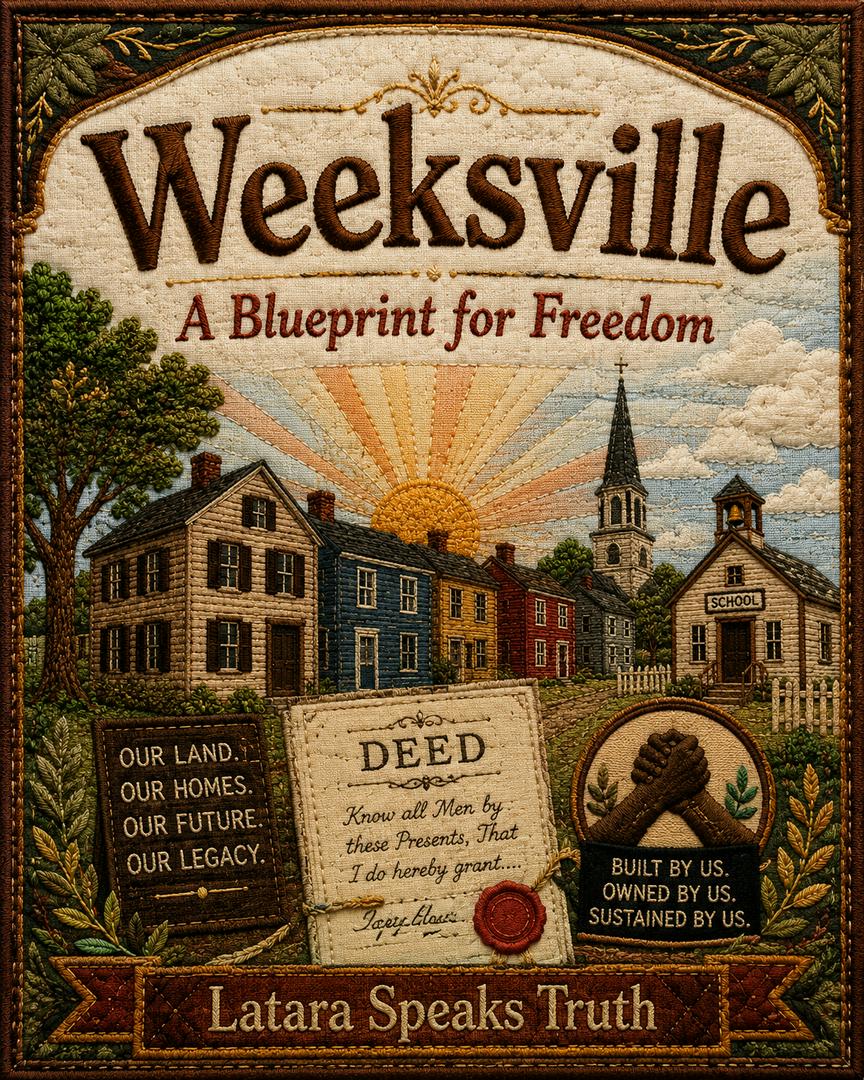
Before Crown Heights became what most people know today, there was Weeksville. Founded in Brooklyn in 1838 by James Weeks and other free Black landowners, Weeksville became one of the largest free Black communities in pre-Civil War America. This was not just a place where people lived. It was a place where people built. They built homes, schools, churches, businesses, and a community strong enough to protect people when freedom on paper still did not guarantee safety in real life. Land mattered because New York once required Black men to own property worth $250 before they could vote. For families in Weeksville, owning land was not just about shelter. It was about political power, dignity, and a future they could pass down. By the 1850s, Weeksville had hundreds of residents, along with Colored School No. 2, churches, a newspaper called Freedman’s Torchlight, and a growing network of families, workers, teachers, ministers, and business owners. During the 1863 Draft Riots, when Black New Yorkers were attacked in Manhattan, Weeksville became a refuge for people fleeing the violence. Over time, much of the community was nearly erased by development and forgotten by the wider public. But in 1968, the remaining Hunterfly Road Houses were rediscovered, helping bring Weeksville’s story back into view. Today, Weeksville Heritage Center continues to preserve that history. Weeksville reminds us that freedom was not only fought for in courtrooms and battlefields. Sometimes it was built lot by lot, house by house, school by school, by people who knew ownership was more than property. It was protection. It was strategy. It was a future. #Weeksville #BrooklynHistory #HiddenHistory #BlackHistory #LataraSpeaksTruth

LataraSpeaksTruth

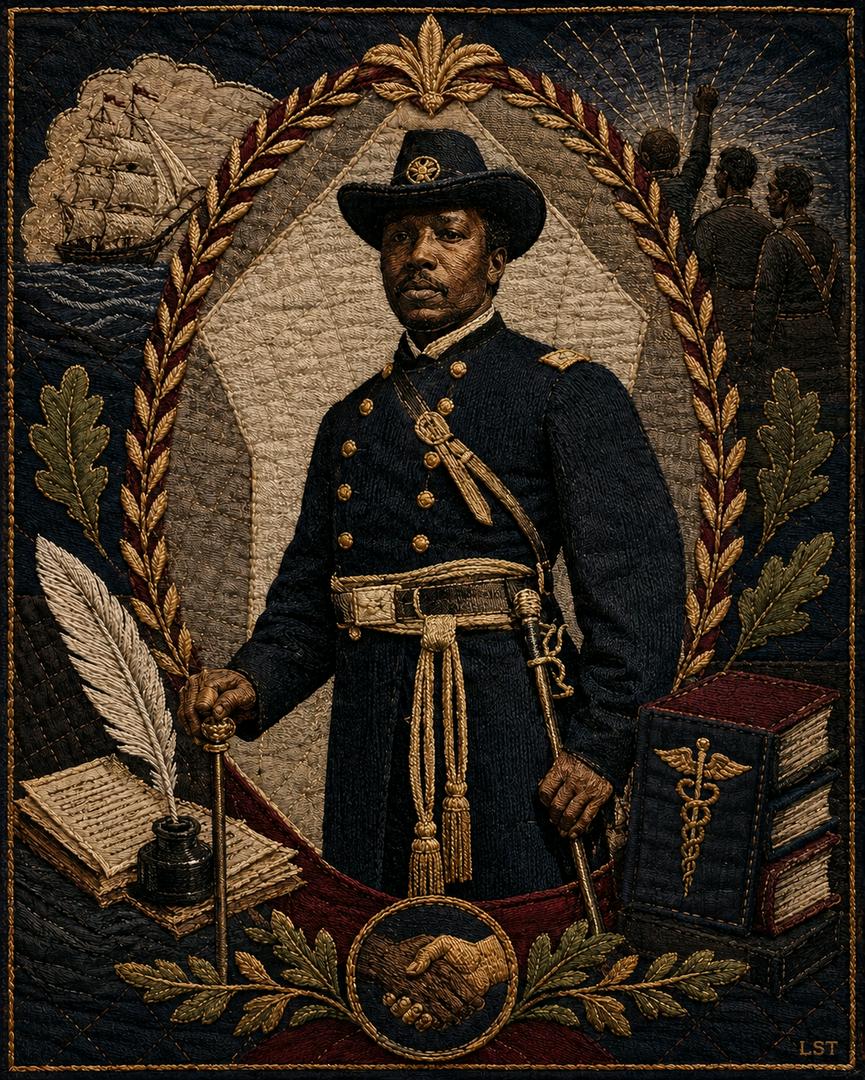
On May 6, 1812, Martin R. Delany was born in Charles Town, Virginia, now West Virginia. He would become one of the boldest Black thinkers of the 19th century: an abolitionist, physician, editor, writer, military officer, and political voice who refused to shrink himself to fit the limits America placed on him. Delany was not simply asking for permission to exist. He spoke the language of power, nationhood, self-determination, and global unity long before those ideas became common. He helped shape early Black nationalist thought and is often linked to the roots of Pan-African thinking because he looked beyond America and imagined a larger future for people of African descent. He edited newspapers, practiced medicine, wrote about the condition and future of Black people in the United States, and challenged the idea that freedom meant waiting quietly for acceptance. Delany believed Black people had the right to build, lead, organize, and determine their own destiny. During the Civil War, he made history in uniform as the first Black field officer in the United States Army, serving as a major. His life moved from resistance on the page to leadership in action. What makes Delany’s story so powerful is that he thought bigger than the world around him allowed. He understood that survival was not enough. Representation was not enough. A seat at someone else’s table was not enough. Martin R. Delany imagined freedom with structure, pride, ownership, and direction. He was not whispering for inclusion. He was calling for a future built with dignity and power. #BlackHistory #MartinRDelany #HiddenHistory #AmericanHistory #HistoryMatters

LataraSpeaksTruth

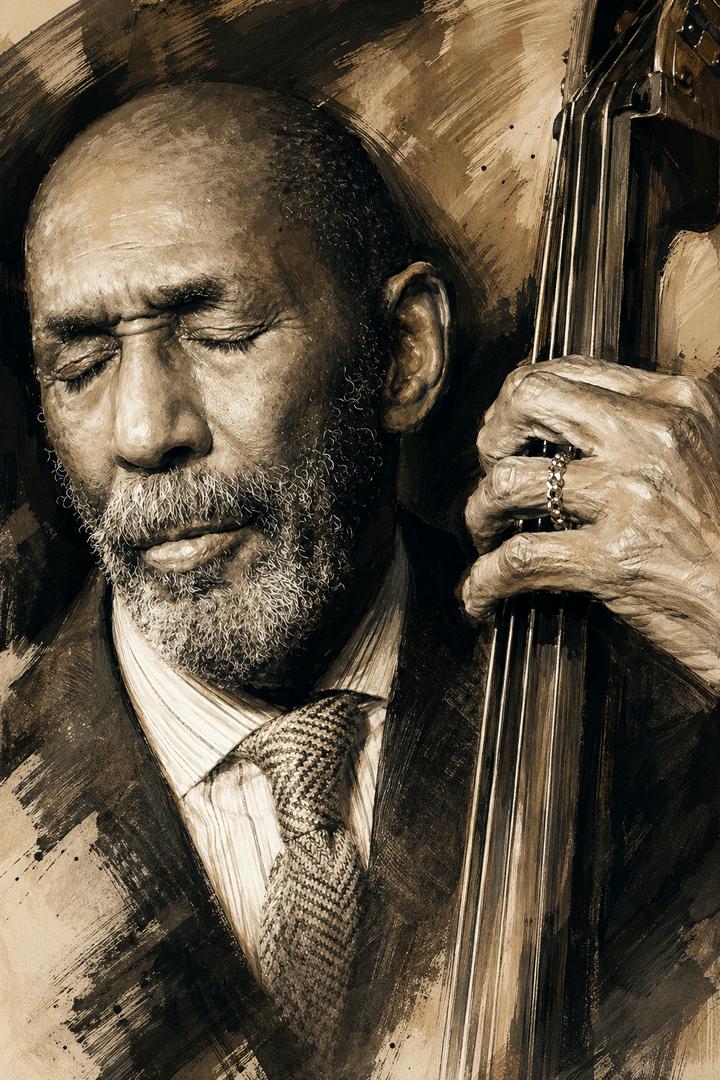
On May 4, 1937, jazz bassist Ron Carter was born in Ferndale, Michigan. Carter may not be the first name casual listeners mention when they talk about jazz, but inside the music, his presence is everywhere. He became one of the most respected and recorded bassists in jazz history, with more than 2,200 recording credits across a career that has stretched over six decades. Before becoming known for the bass, Carter began studying cello as a child. He later switched to double bass and developed the sound that would make him one of the most trusted musicians in modern jazz. His playing was not built on flash. It was built on tone, control, discipline, and a deep understanding of how to hold a group together. In jazz, the bass often carries quiet authority. It gives the music its pulse, supports the soloists, and shapes the direction of the performance. Carter mastered that role with elegance. He could stay in the background without disappearing, guiding the music with steady confidence. During the 1960s, Carter became widely known as part of Miles Davis’s Second Great Quintet. Alongside Davis, Wayne Shorter, Herbie Hancock, and Tony Williams, he helped create music that pushed jazz into bold new territory. The group’s sound was complex, modern, and deeply influential. Carter’s career did not stop with one legendary band. He recorded with a wide range of artists across jazz and beyond, becoming a first-call musician for countless sessions. That kind of career speaks to more than talent. It speaks to trust. He also built a legacy as a bandleader, composer, educator, and mentor. His work helped prove that the bass could be both foundation and voice. Ron Carter’s story is a reminder that influence is not always loud. Sometimes it moves underneath everything, steady and precise, carrying the whole sound forward. May 4 marks the birth of a musician whose fingerprints are pressed deep into the rhythm of modern jazz. #Musichisory #jazzhistory #blackhistory
Brandon_Lee

The tragedy at Ebenezer Creek remains one of the most devastating and overlookeo moments of the Civil War. As Union troops advanced toward Savannah during Sherman's March to the Sea. hundreds of freedom seekers followed behind them believing the army represented safety and a chance at a future bevond bondage. They walked for davs beside the soldiers carrying children, bundles, and the weight of generations. When they reached the cold waters of Ebenezer Creek, Union General Jefferson C Davis ordered his men to cross first on a pontoon bridge. Once the troops were safely over, the bridge was pulled up without warning, leaving the refugees stranded as Confederate forces closed in. Panic spread as families realized thev were trapped with nowhere to run. People leapt into the water clinging to anything that might float, pieces of wood, clothing, each otherMany drowned trying to reach the other side. Others were captured. A moment that should have been a step toward freedom turned into a niaht of terror and loss. The massacre at Ebenezer Creek exposed a harsh truth of that era... even in a war fought over slavery, the safety of Black refugees was treated as negotiable. Their trust was betrayed, their lives dismissed, and their suffering pushed to the margins of history. And before anyone shows up with the tirec "move on, this is old news, get over the past" routine, let me help vou out... how about you move on? I'm from Georgia and in all my years in this state I never once heard about this. I'm learning it right alongside everyone else. This is exactly why these stories matter. History doesn't disappear just because it makes people uncomfortable. We deserve to know what happened on the soil we stand on #LataraSpeaks Truth #BlackHistory #AmericanHistory #HiddenHistory #Under2000Characters

LataraSpeaksTruth

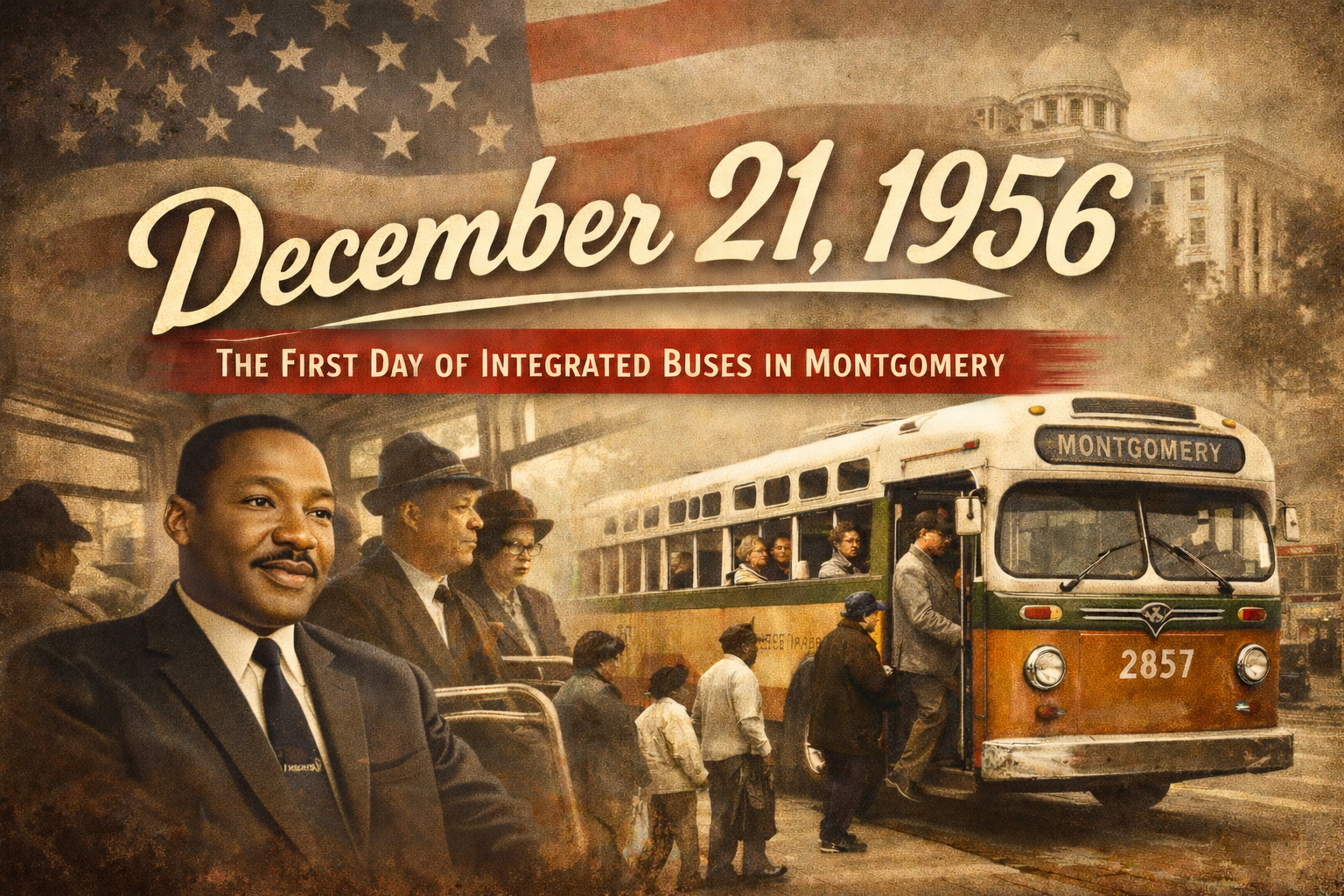
December 21, 1956 is often remembered as the end of the Montgomery Bus Boycott, but more precisely, it marks the first day Montgomery’s city buses operated as integrated in daily life. The legal battle had already been won, yet this morning mattered because it was when the ruling became visible, physical, and unavoidable. After more than a year of walking, carpooling, and enduring harassment, Black residents of Montgomery boarded buses alongside white passengers under a new reality. The Supreme Court decision banning bus segregation had finally reached Alabama, and the city was required to comply. December 21 was the morning the mandate moved from paper to pavement. That day, community leaders and ordinary citizens rode together. Among them was Martin Luther King Jr, who boarded a bus quietly, without fanfare. There were no speeches, no celebrations, and no cameras chasing spectacle. What made the moment powerful was its calm. People simply sat where the law now said they could sit. The boycott itself officially ended when the legal order took effect, which is why some summaries list earlier dates. But December 21 endures in public memory because it represents the first lived experience of change. It was not just a court victory. It was a morning commute transformed by discipline, unity, and resolve. For 381 days, Montgomery’s Black community refused to accept injustice as routine. On December 21, 1956, routine finally changed. History did not announce itself loudly that morning. It showed up on time, paid its fare, and took a seat. #MontgomeryBusBoycott #CivilRightsHistory #December21 #AmericanHistory #BlackHistory

LataraSpeaksTruth

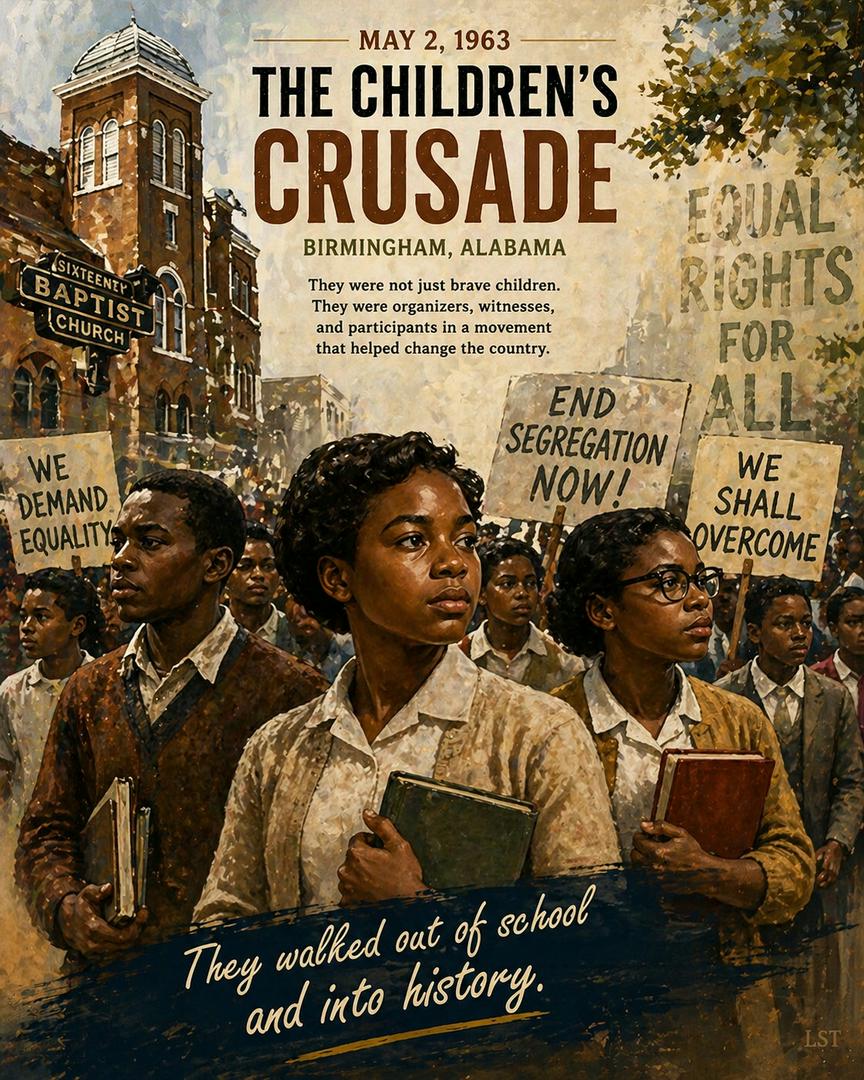
May 2, 1963: More than 1,000 Black students left school and gathered at Sixteenth Street Baptist Church in Birmingham, Alabama. They were not going to class that day. They were walking into history. The students planned to march downtown to protest segregation in one of the most hostile cities in the South. Many of them were children and teenagers, but they understood that the system around them was wrong. They also understood that adults had been threatened, fired, jailed, and punished for challenging it. That is part of what made the Children’s Crusade so powerful. Young people stepped forward when fear had been used to silence entire communities. On that first day, hundreds of students were arrested. They were placed in police vehicles and buses as the city tried to stop the protest. But the movement did not end there. In the days that followed, Birmingham’s response grew even more violent, with police using fire hoses and police dogs against young demonstrators. The images shocked the nation. The Children’s Crusade became one of the defining moments of the Birmingham campaign. It helped force national attention onto segregation in Birmingham and added pressure for federal civil rights legislation. These students were not just brave children. They were organizers, witnesses, and participants in a movement that helped change the country. They carried a burden that no child should have had to carry, but they carried it with courage. On May 2, we remember the children of Birmingham who walked out of school and into history. #ChildrensCrusade #Birmingham1963 #BlackHistory #CivilRightsHistory #OnThisDay

LataraSpeaksTruth

Born enslaved on September 22, 1853 near Rembert in Sumter County, South Carolina, George Washington Murray rose from bondage to the halls of Congress during one of the most hostile eras in American history. After the Civil War, Murray pursued education with purpose and urgency. He attended the University of South Carolina during the brief Reconstruction period when the school was open to Black students, a rare and fragile window of opportunity that would soon slam shut. Education was not just personal advancement for Murray, it was strategy, survival, and resistance. He became a teacher and agricultural expert, believing knowledge was power in a society designed to deny it to Black Americans. From there, he stepped into Republican politics, back when the party still carried the legacy of Reconstruction. In the 1890s, Murray served in the U.S. House of Representatives, representing South Carolina at a time when Black political power was being violently dismantled across the South. Murray was one of the last Black members of Congress in the nineteenth century and during parts of his service, the only one. He spoke openly and unapologetically about lynching, racial terror, and voter suppression while Jim Crow laws tightened their grip. He introduced federal proposals to protect Black voting rights and civil rights, fully aware that Congress was growing less willing to listen and more committed to exclusion. George Washington Murray did not win every fight, but he put injustice on the congressional record and refused silence. In an era demanding submission, he chose courage. That choice still echoes. #GeorgeWashingtonMurray #BlackHistory #ReconstructionEra #BlackCongressmen #AfricanAmericanHistory #CivilRightsHistory #JimCrow #PoliticalCourage #HistoryMatters

LataraSpeaksTruth

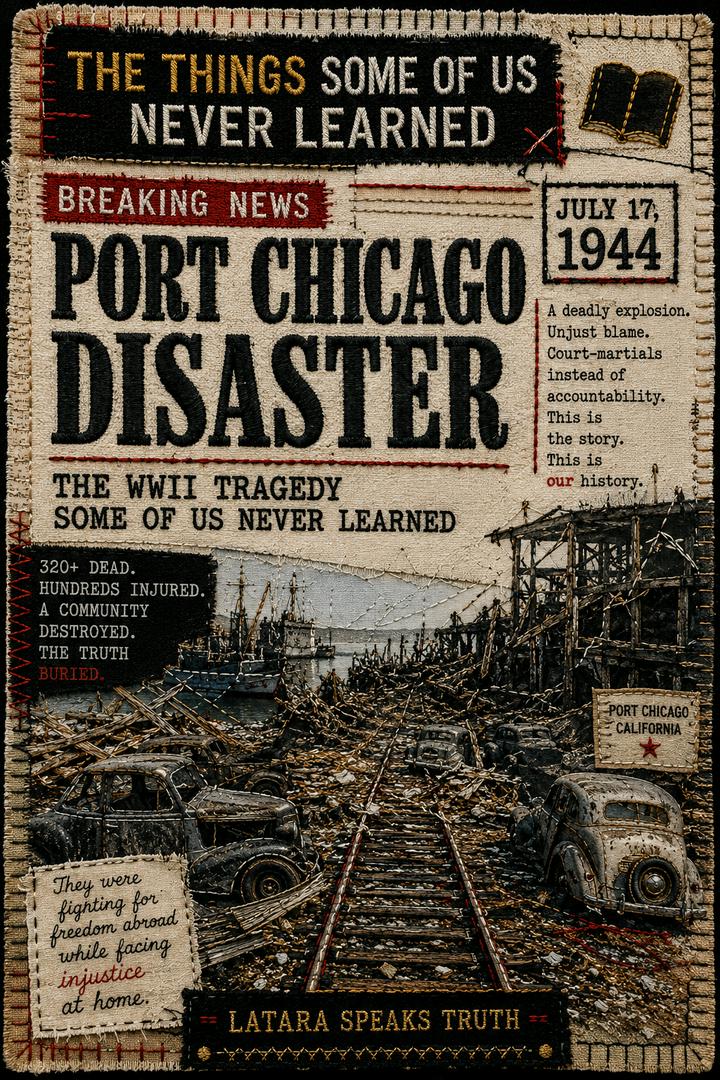
The Port Chicago Disaster The WWII tragedy some of us never learned On July 17, 1944, a massive explosion tore through Port Chicago Naval Magazine in California. Two ships were being loaded with ammunition for the Pacific war effort when the blast hit. The explosion killed 320 sailors and civilians and injured nearly 400 more. It was one of the deadliest home front disasters of World War II. Most of the sailors doing the dangerous loading work were Black men. Many had little proper training for handling explosives, yet they were expected to move massive amounts of ammunition under pressure. After the disaster, the pain did not end. When surviving Black sailors were ordered back to the same dangerous work, many refused. They were not saying they would not serve. They were saying they did not want to die under the same unsafe conditions that had just killed their friends. The Navy treated that refusal as defiance. Hundreds were punished. Fifty men became known as the Port Chicago 50 after they were convicted of mutiny. Their case became one of the clearest examples of how racism, military discipline, and unequal working conditions collided during World War II. Decades later, the story is still important because it shows a side of wartime service that many classrooms skipped over. These men were serving their country, but they were also fighting for basic fairness inside the same country they were asked to defend. The Port Chicago Disaster was not just an explosion. It was a tragedy. It was a warning. And it was a chapter of American history some of us never learned. #BlackHistory #WWIIHistory #PortChicagoDisaster #MilitaryHistory #LataraSpeaksTruth